
Essential Oil
A concentrated oil containing the aromatic compounds from a plant.
12 herbs
How each herb is prepared this way. Open an herb for its sources and safety information.
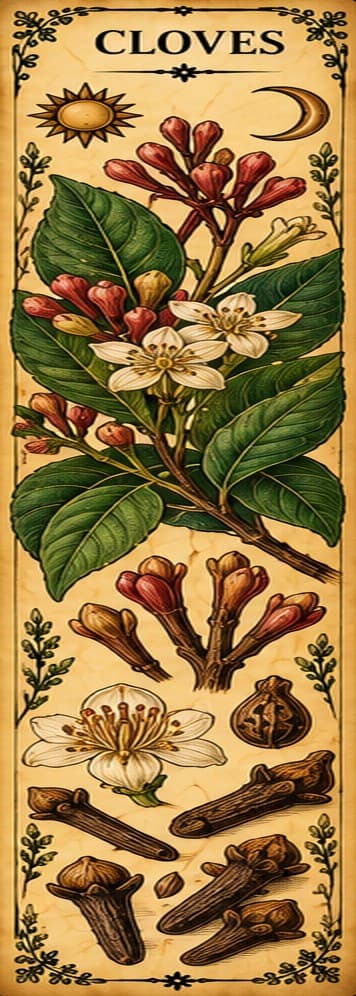 ClovesSyzygium aromaticum
Clove oil, made by steam-distilling the dried flower buds, is used in liquid preparations for the teeth and mouth.
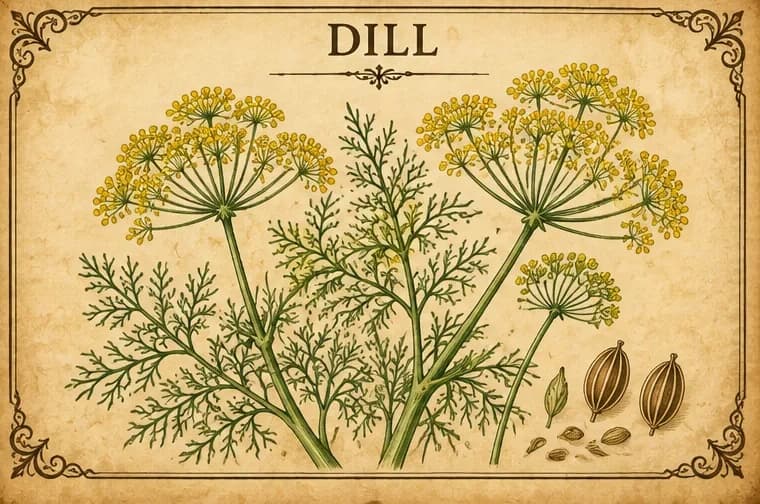 DillAnethum graveolens
The World Health Organization lists dill essential oil among dill preparations.
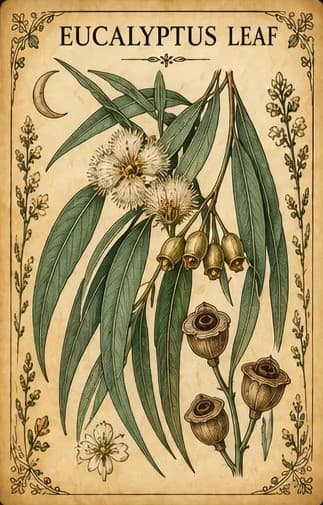 EucalyptusEucalyptus globulus
The essential oil is diluted in a carrier oil and rubbed on the chest, or a few drops are added to hot water to breathe in the steam.
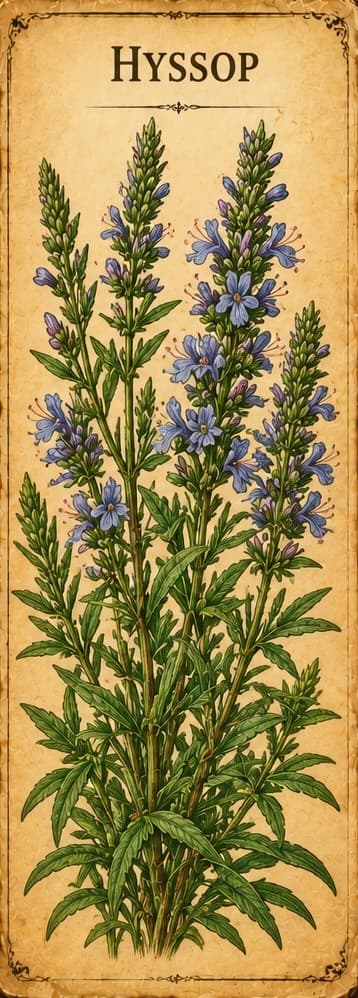 HyssopHyssopus officinalis
Hyssop essential oil is used to flavor foods and drinks and in cosmetics.
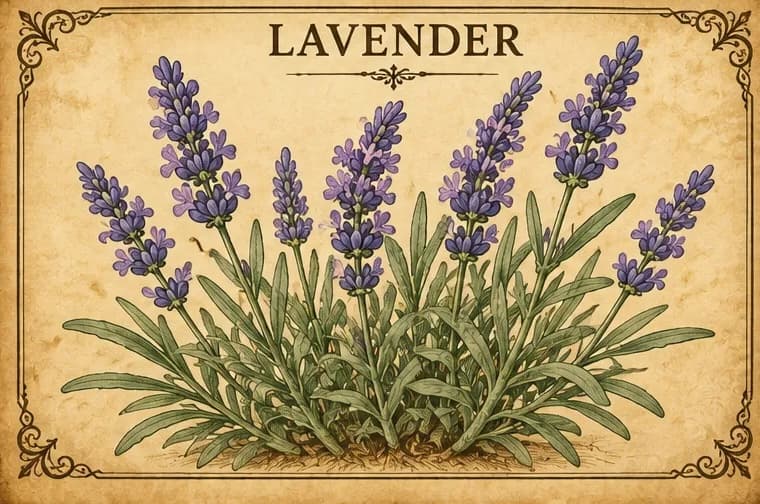 LavenderLavandula angustifolia
Lavender oil, steam-distilled from the flowering tops, is used in liquids taken by mouth and as a bath additive.
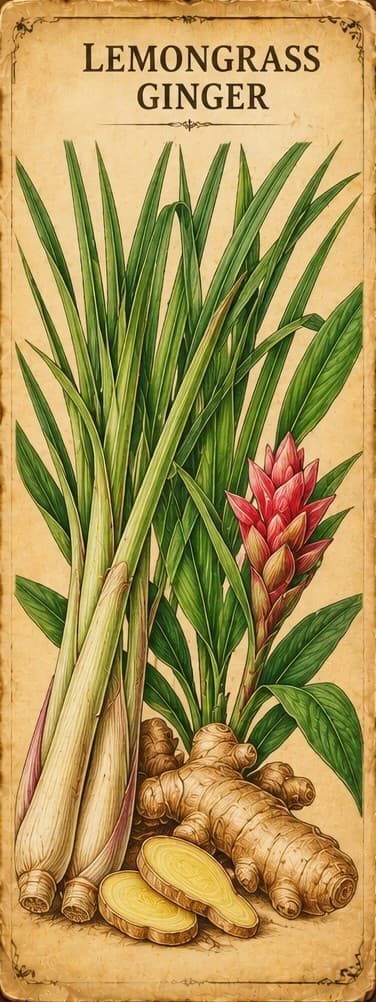 LemongrassCymbopogon citratus
The essential oil is diluted in a carrier oil before it's put on the skin, and is used as an insect repellent.
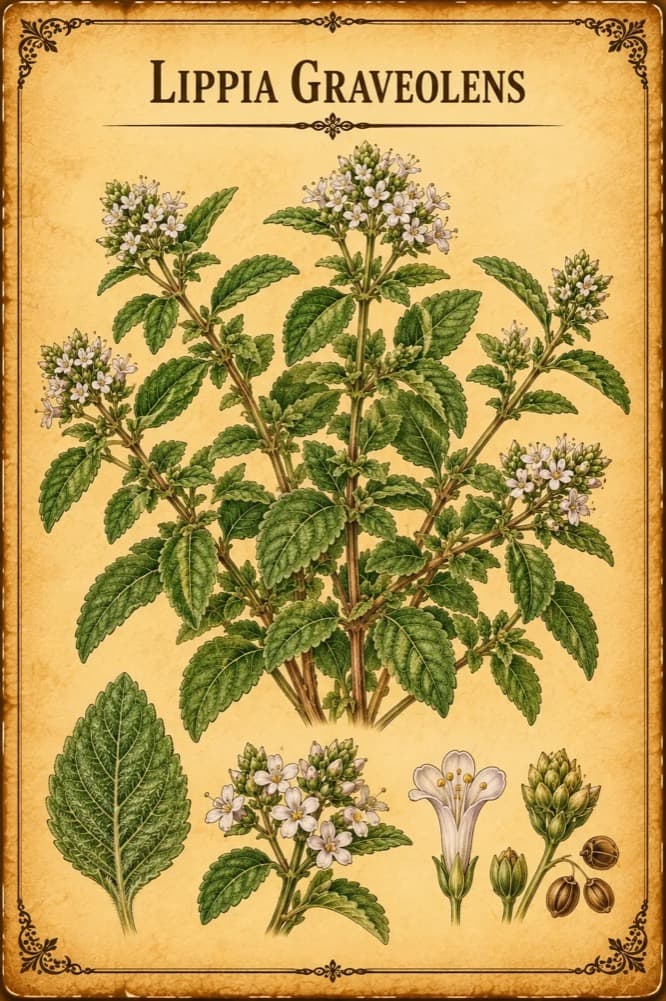 Lippia GraveolensLippia graveolens
The plant is grown mainly for its essential oil, which gives its strong aroma and flavor.
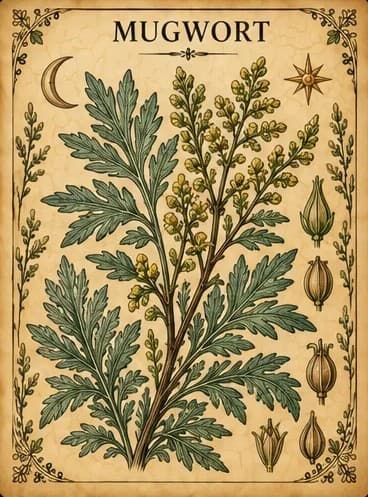 MugwortArtemisia vulgaris
Mugwort essential oil is used in insect repellents.
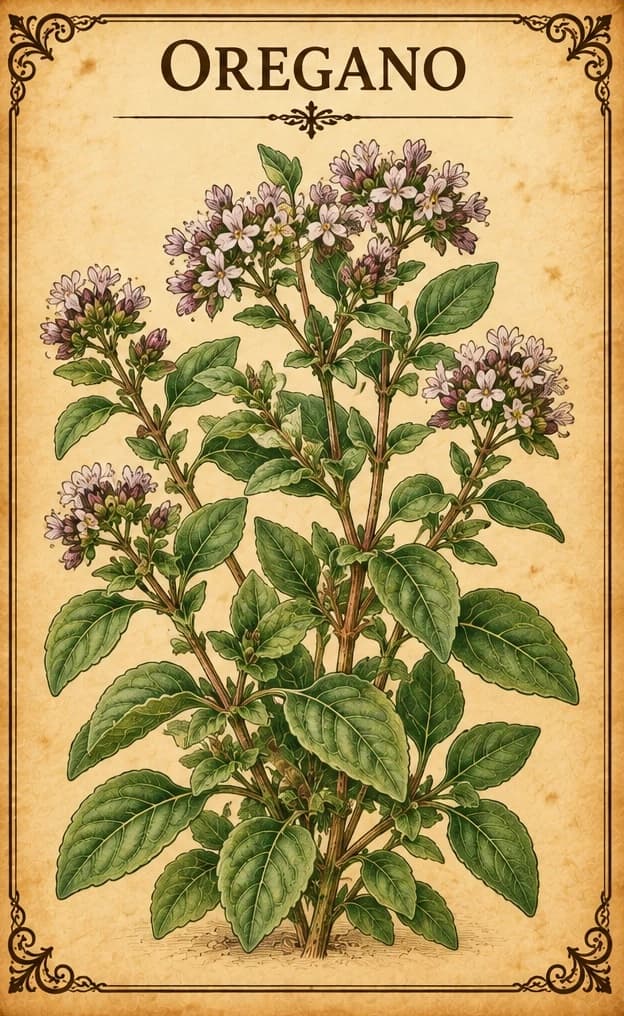 OreganoOriganum vulgare
Oregano oil is sold over the counter as a supplement, in capsules or as an oil.
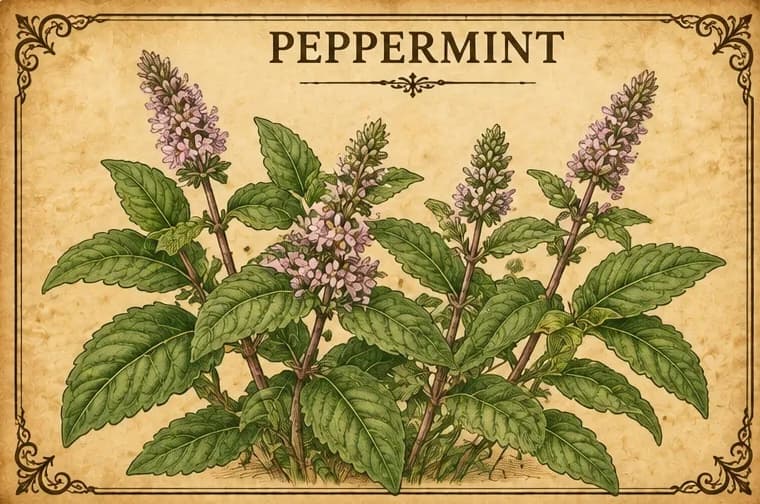 PeppermintMentha piperita
Peppermint oil, distilled from the plant, is taken by mouth in capsules coated to dissolve in the gut rather than the stomach, or used in liquids, rubs, creams and inhalations.
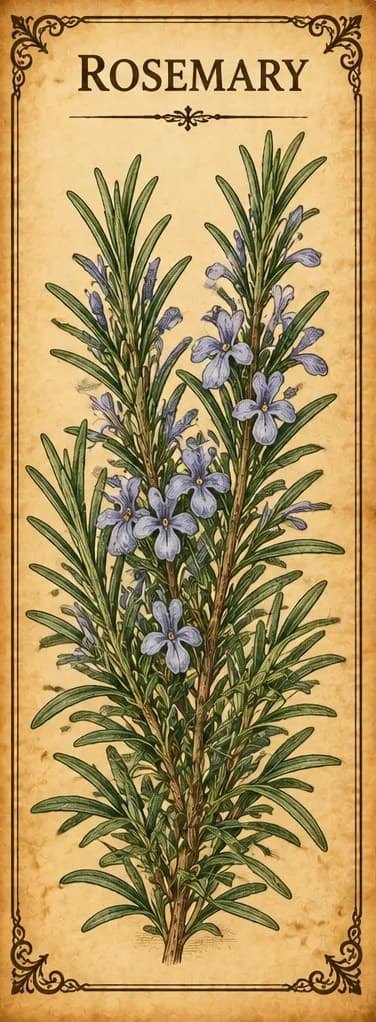 RosemarySalvia rosmarinus
The essential oil is breathed in with steam, or diluted and rubbed on the scalp. Herbalists warn not to swallow it.
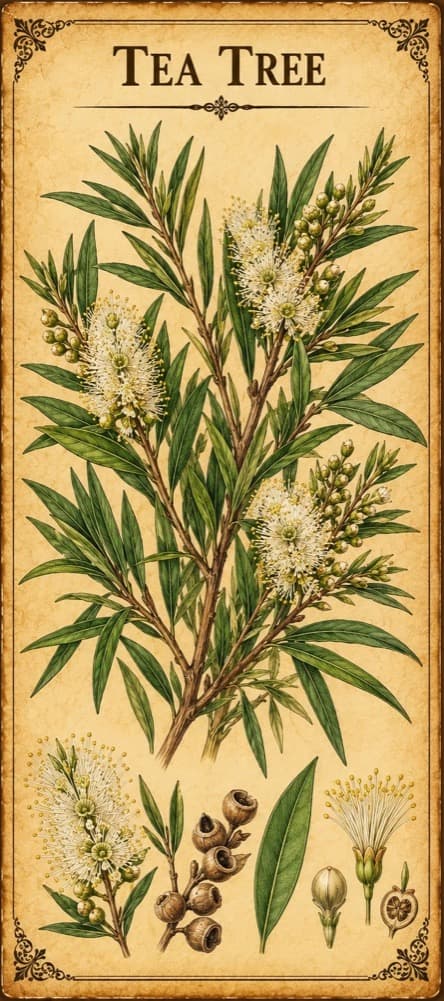 Tea TreeMelaleuca alternifolia
Tea tree oil is used in liquids, creams and gels for the skin, or in liquids for the mouth.