HerbsSearch — Discover the Power of Plants

The Herbal Library

Search the full collection

Browse every herb in the database by name, category, or the body system it's traditionally associated with.

Full collection

492 herbs

No. 001Medicinal
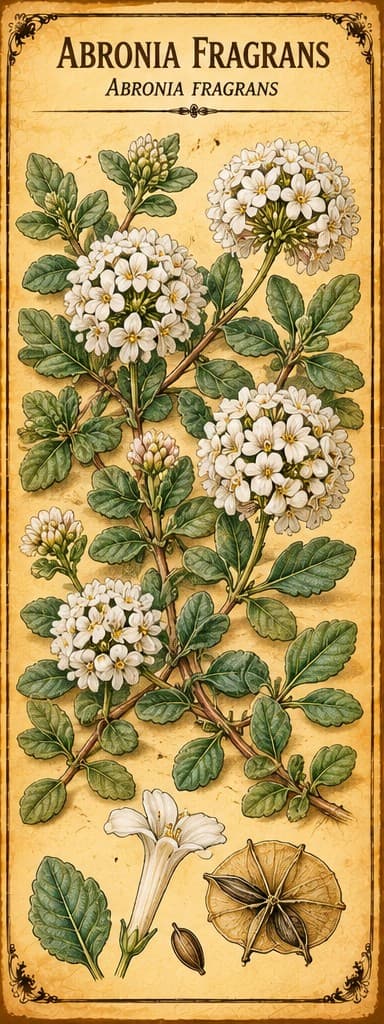
Botanical illustration of Abronia Fragrans

Abronia Fragrans

Abronia fragrans

Snowball sand verbena, whose roots were eaten by the Acoma and Laguna and used by the Navajo, Ute and Zuni for sores, boils and stomach troubles.

No. 002Medicinal
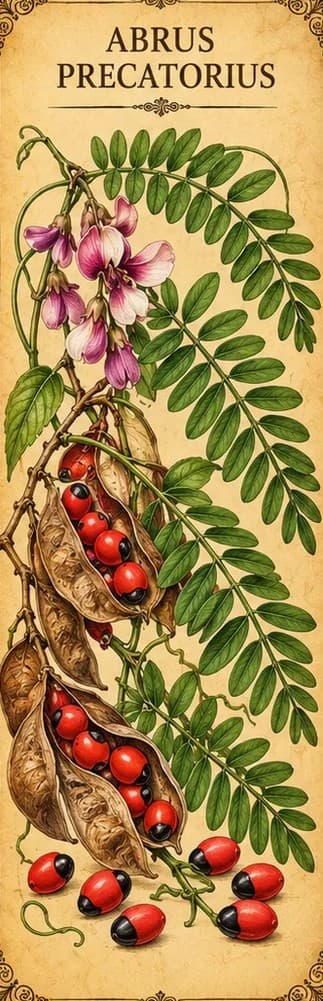
Botanical illustration of Abrus Precatorius

Abrus Precatorius

Abrus precatorius

Rosary pea or jumbee bead, a vine whose leaves are used in traditional medicine. Its bright red-and-black seeds contain abrin, one of the deadliest poisons known.

No. 003Culinary
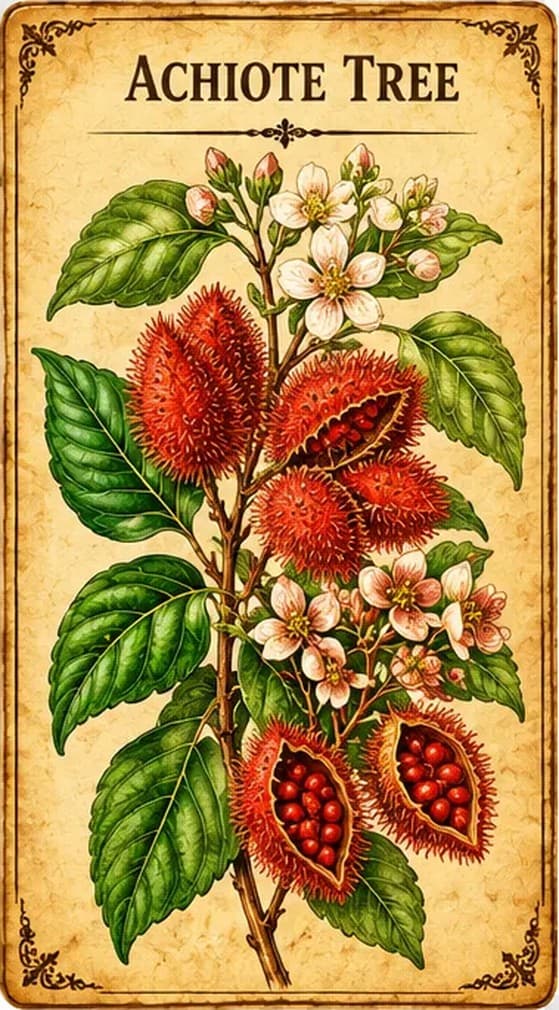
Botanical illustration of Achiote Tree

Achiote Tree

Bixa orellana

A tropical American shrub whose seeds give annatto, a red-orange food coloring. A small trial found its ointment improved the look of surgical scars.

No. 004Medicinal
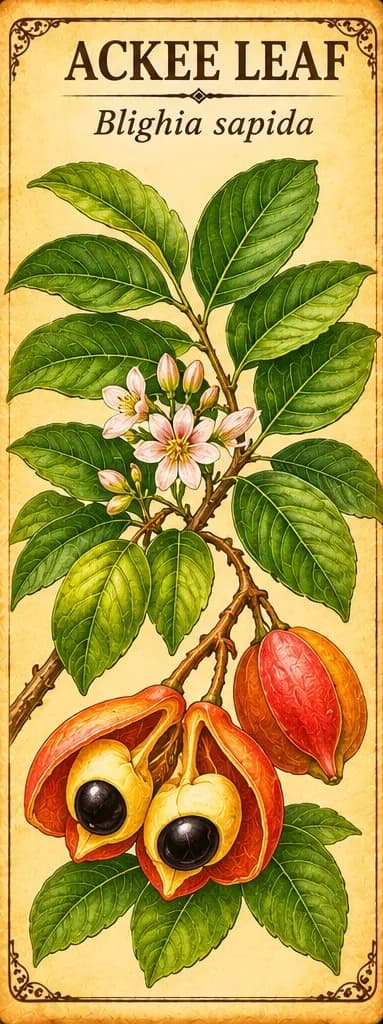
Botanical illustration of Ackee Leaf

Ackee Leaf

Blighia sapida

Leaves of the ackee tree, whose fruit is Jamaica's national dish. The leaves are used in folk medicine for pain, fever and stomach problems. Unripe ackee fruit is poisonous.

No. 005Aromatic
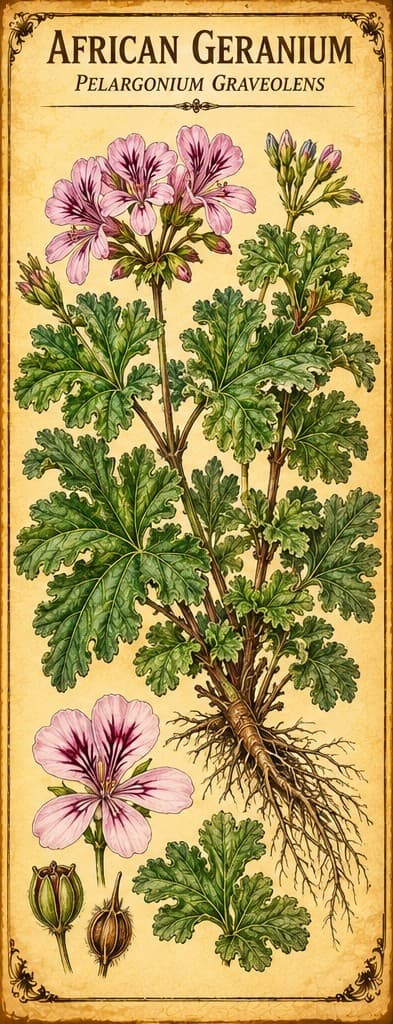
Botanical illustration of African Geranium

African Geranium

Pelargonium graveolens

Rose geranium, the South African source of geranium oil. In small trials, breathing in the oil eased pain and tiredness, and a gel helped a denture-related fungal infection.

No. 006Medicinal
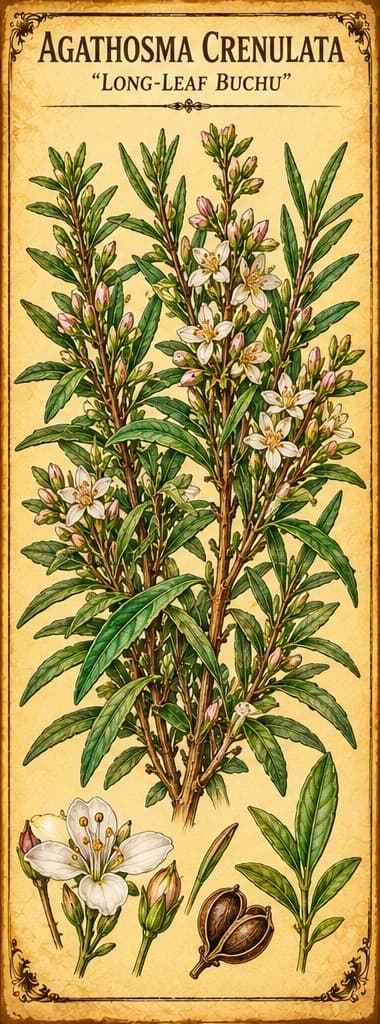
Botanical illustration of Agathosma Crenulata

Agathosma Crenulata

Agathosma crenulata

Oval-leaf or long-leaf buchu, one of the two buchu species of South Africa, long used for urinary infections and other ailments.

No. 007Culinary
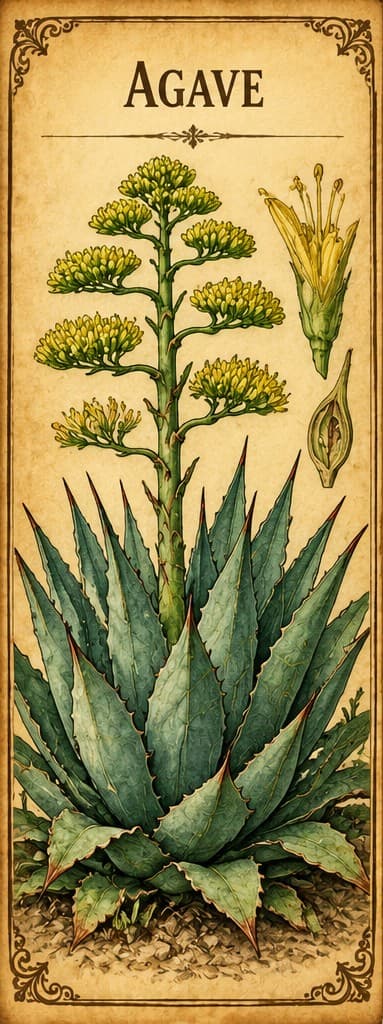
Botanical illustration of Agave

Agave

Agave americana

The century plant of Mexico, whose sap is fermented into pulque and whose cooked heart is used to make mezcal. Its fibers are made into cord and cloth.

No. 008Medicinal
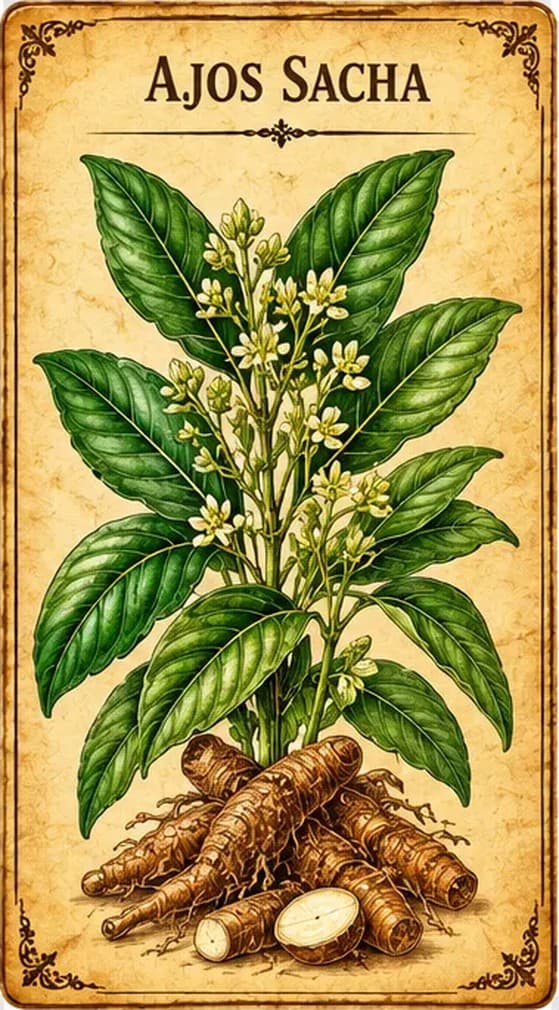
Botanical illustration of Ajos Sacha

Ajos Sacha

Mansoa alliacea

A vine used in Ecuador for pain, fever, colds and more. It has only been studied in the lab and in mice.

No. 009Medicinal
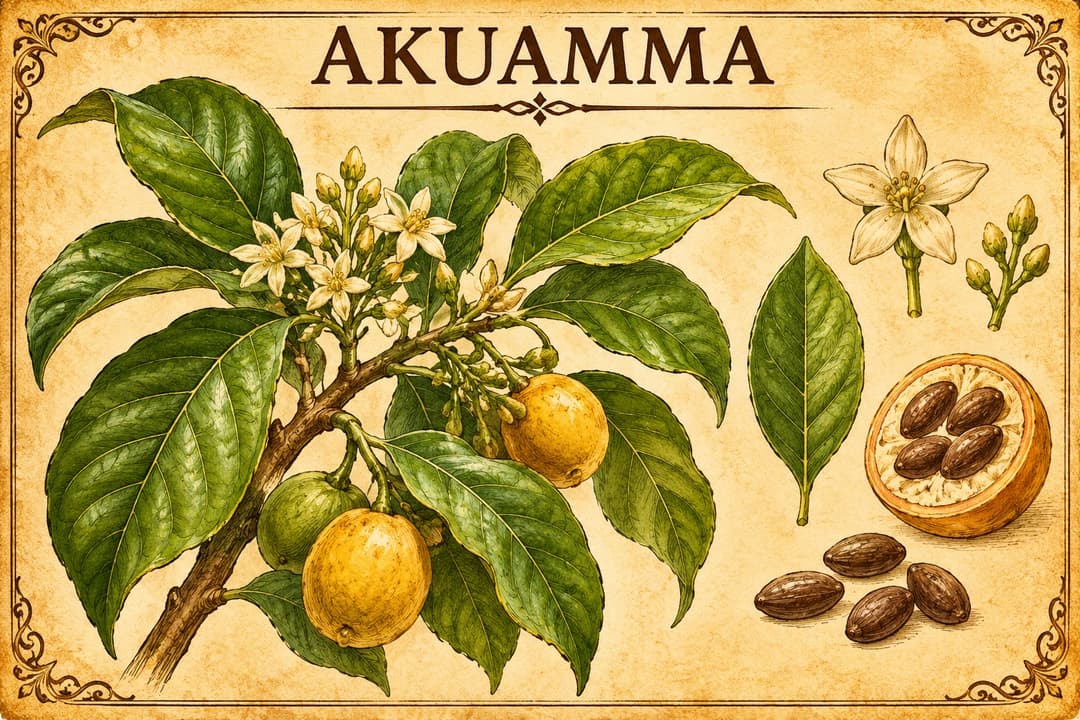
Botanical illustration of Akuamma

Akuamma

Picralima nitida

A West African tree whose seeds are a traditional remedy for pain, fever and malaria. Its compounds act weakly on opioid receptors, and it's sold online for pain and mood.

No. 010Medicinal
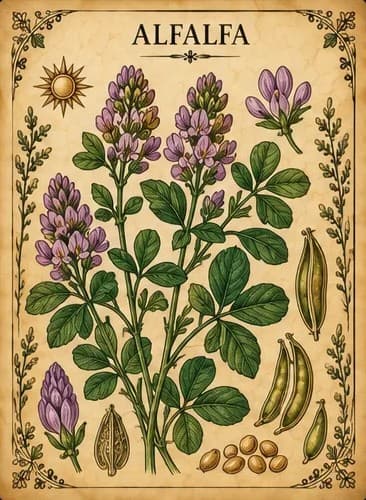
Botanical illustration of Alfalfa

Alfalfa

Medicago sativa

A widely used food and animal-feed crop, promoted as a supplement for many uses, including lowering cholesterol. Extracts have been studied on skin cells in the lab, but not on skin in people.

No. 011Culinary
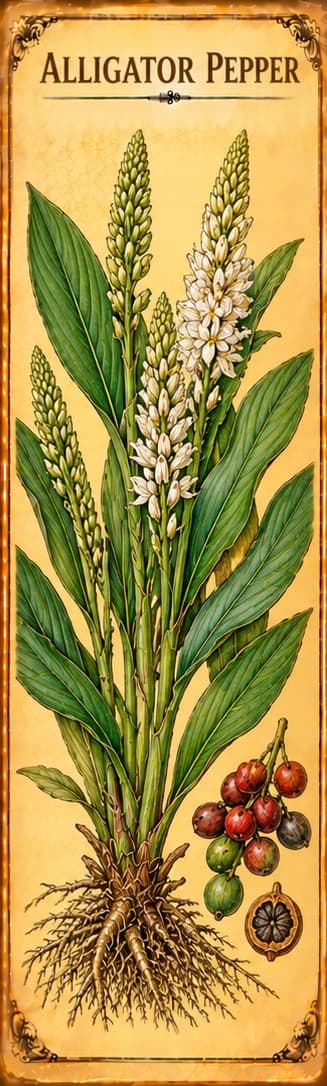
Botanical illustration of Alligator Pepper

Alligator Pepper

Aframomum melegueta

Grains of paradise, a peppery West African seed in the ginger family. In a small pilot trial, a seed extract eased anxiety and improved mood and sleep.

No. 012Medicinal
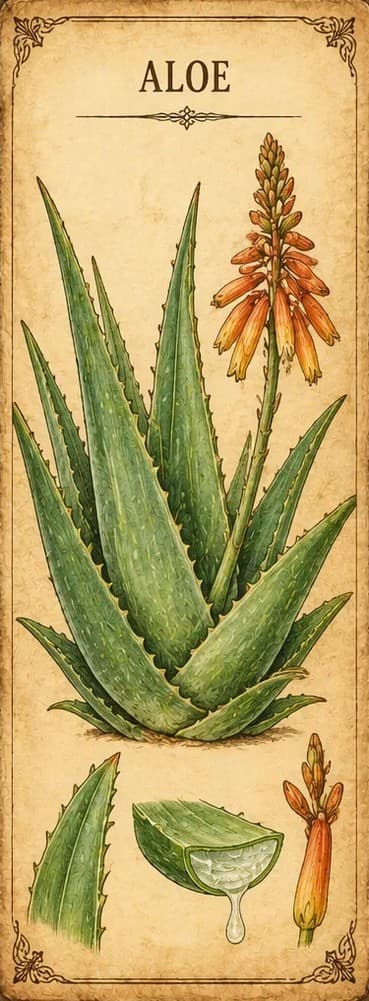
Botanical illustration of Aloe

Aloe

Aloe vera

A succulent whose leaf gel is used on burns and skin conditions. Gel on the skin may speed burn healing; aloe taken by mouth carries real risks.

No. 013Medicinal
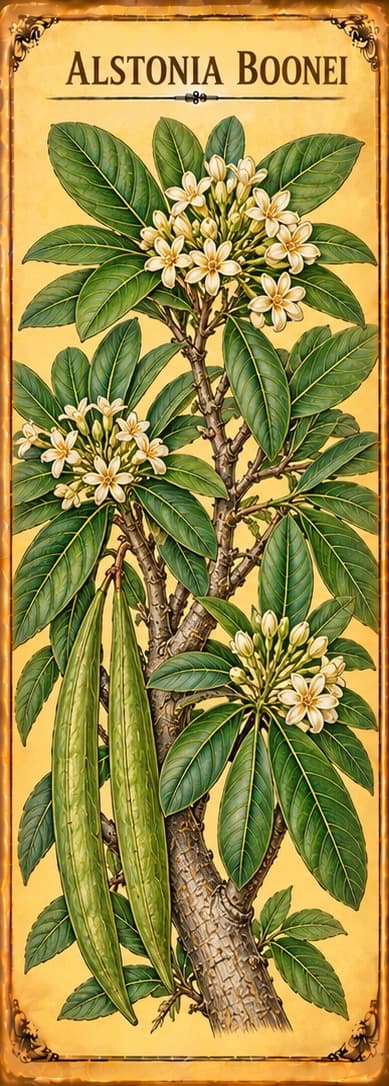
Botanical illustration of Alstonia Boonei

Alstonia Boonei

Alstonia boonei

God's tree, a sacred West African tree whose bark is used for malaria and fever. Lab studies support its use against malaria.

No. 014Medicinal
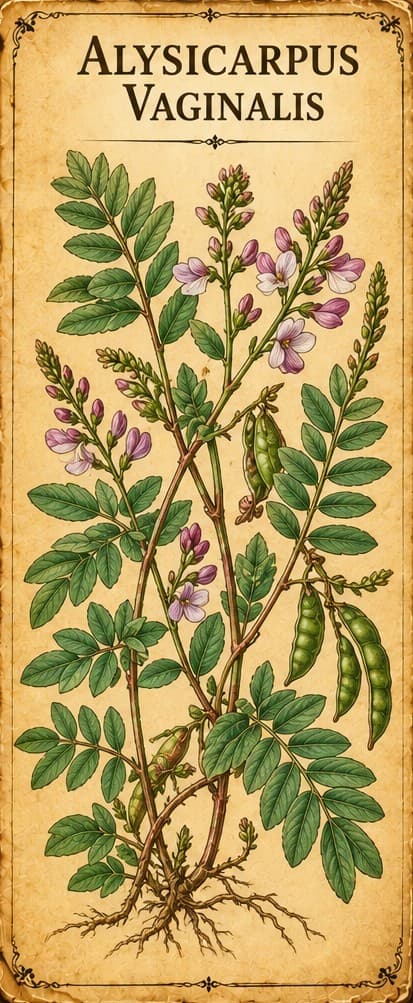
Botanical illustration of Alysicarpus Vaginalis

Alysicarpus Vaginalis

Alysicarpus vaginalis

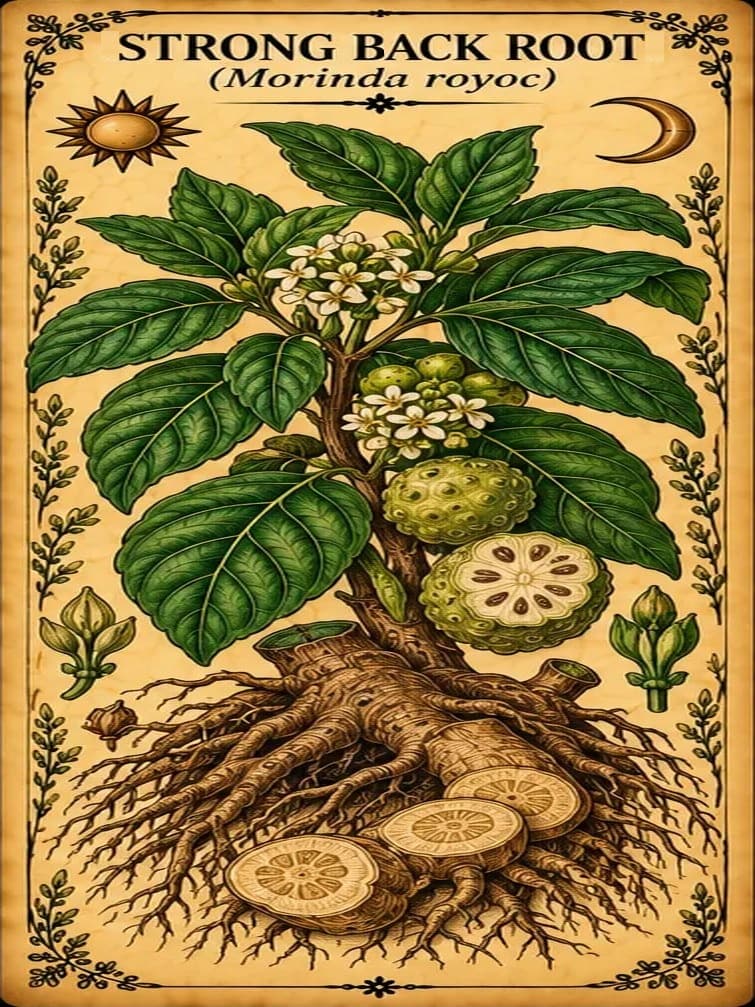
A small creeping plant of the pea family, called medina in Jamaica, where it's one of the herbs boiled into the "strong back" root tonic drunk by men for stamina. Research so far is only in the lab and in animals.
No. 015Culinary
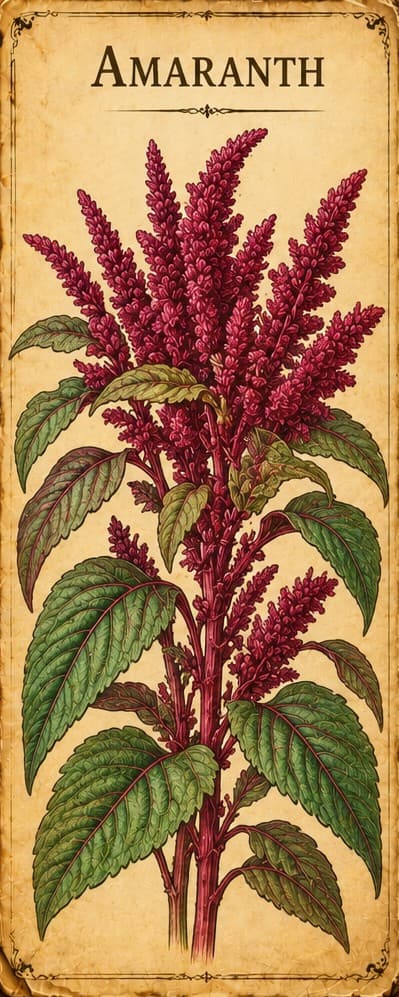
Botanical illustration of Amaranth

Amaranth

Amaranthus spp.

A group of fast-growing plants grown worldwide for their nutritious seeds (grain) and leaves, eaten in soups, sauces and baked goods. The grain is rich in protein, and researchers are studying its possible health benefits.

No. 016Medicinal
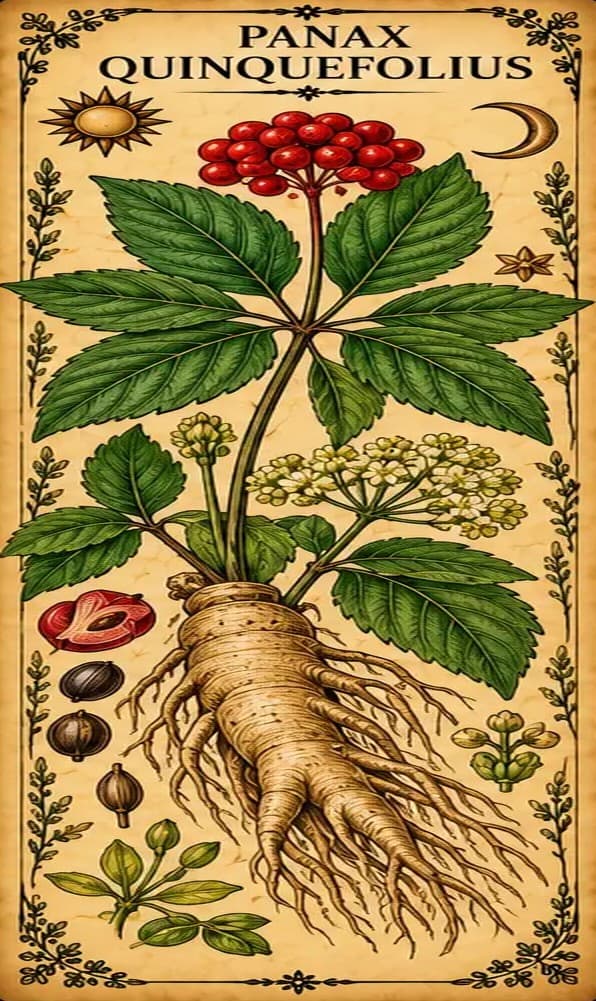
Botanical illustration of American Ginseng

American Ginseng

Panax quinquefolius

North American ginseng, a root studied for preventing colds. Taken for 8 to 16 weeks, it shortened colds in healthy adults in a small number of trials.

No. 017Medicinal
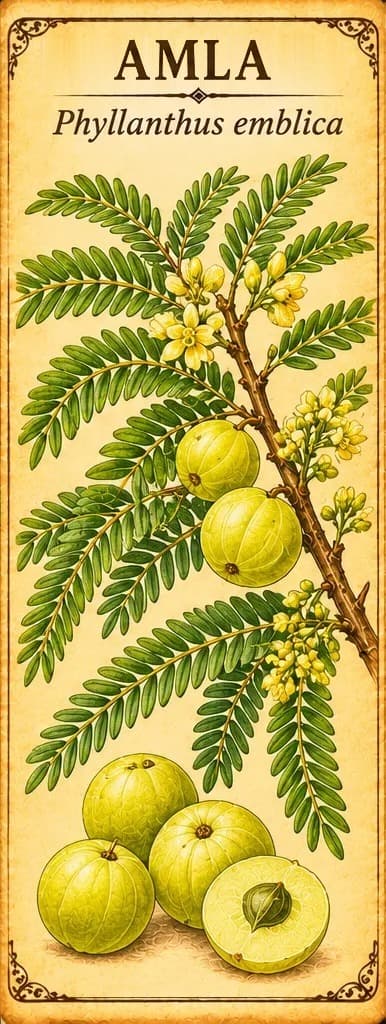
Botanical illustration of Amla

Amla

Phyllanthus emblica

Indian gooseberry, a fruit rich in vitamin C and antioxidants, used in Ayurveda and as one of the three fruits in Triphala. Trials suggest it may lower cholesterol, blood sugar and a marker of inflammation.

No. 018Medicinal
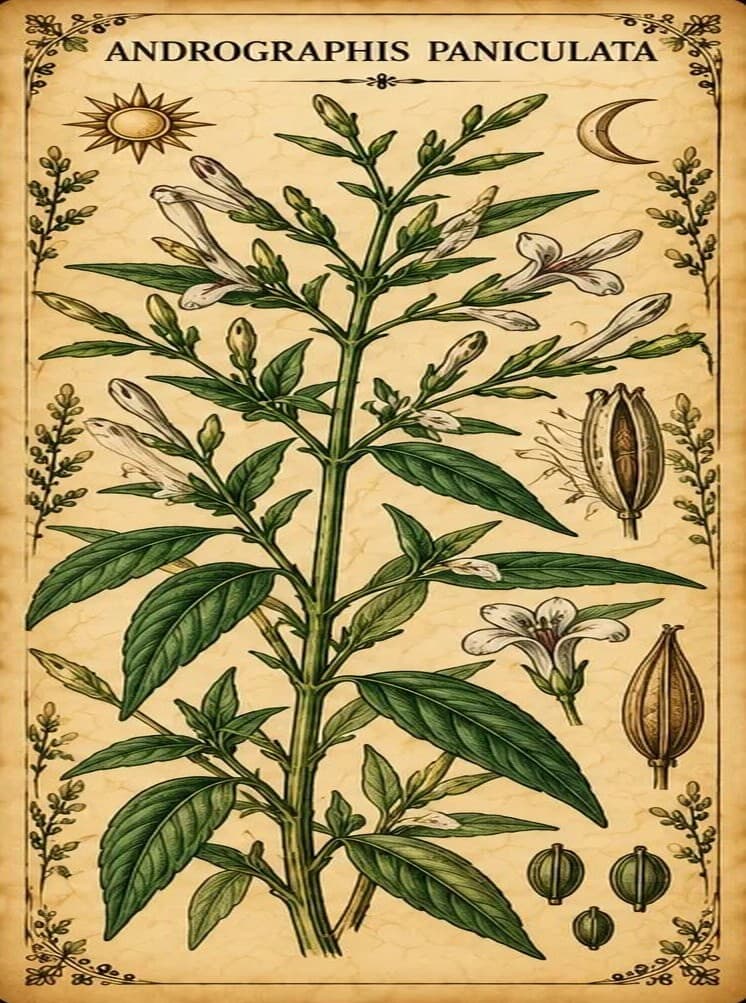
Botanical illustration of Andrographis

Andrographis

Andrographis paniculata

A bitter herb used across Asia for infections and fevers, and traditionally for skin inflammation and wounds. It has mainly been studied for colds and flu.

No. 019Medicinal
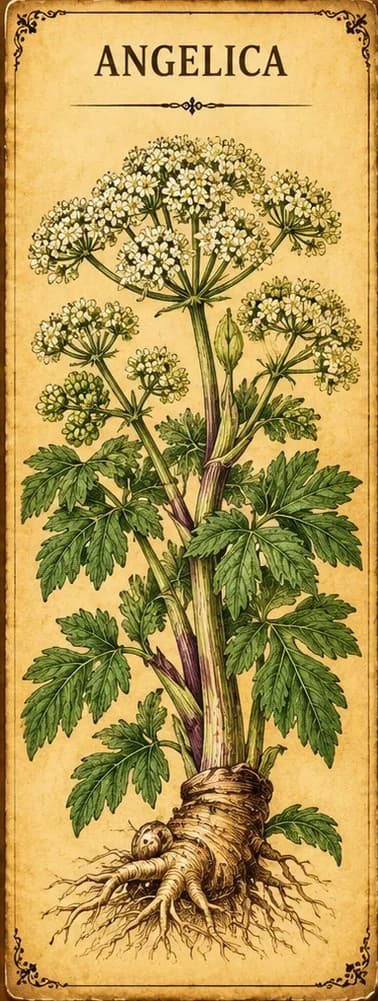
Botanical illustration of Angelica

Angelica

Angelica archangelica

Garden angelica, an aromatic plant used to flavour food and known in folk medicine as the "angel plant". Research is in the lab and in animals.

No. 020Medicinal
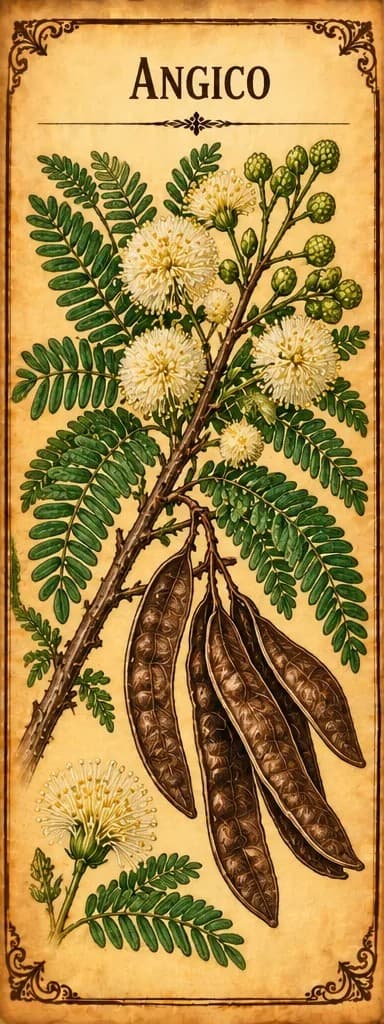
Botanical illustration of Angico

Angico

Anadenanthera colubrina

A South American tree whose bark is widely used in Brazil for lung and breathing problems, inflammation and infections. Its seeds, called vilca or cebil, contain hallucinogens and are used as a ritual snuff in the Andes.

No. 021Culinary
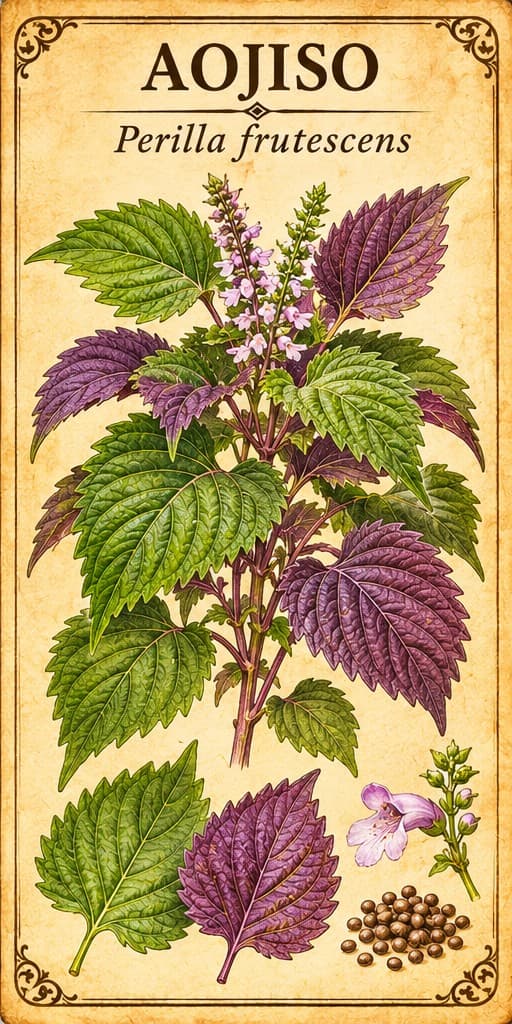
Botanical illustration of Aojiso

Aojiso

Perilla frutescens

Green shiso leaf, a Japanese herb and an official medicine in the Chinese and Japanese pharmacopoeias, used for colds, nausea and allergies. Perilla extracts eased hay fever in human studies.

No. 022Medicinal
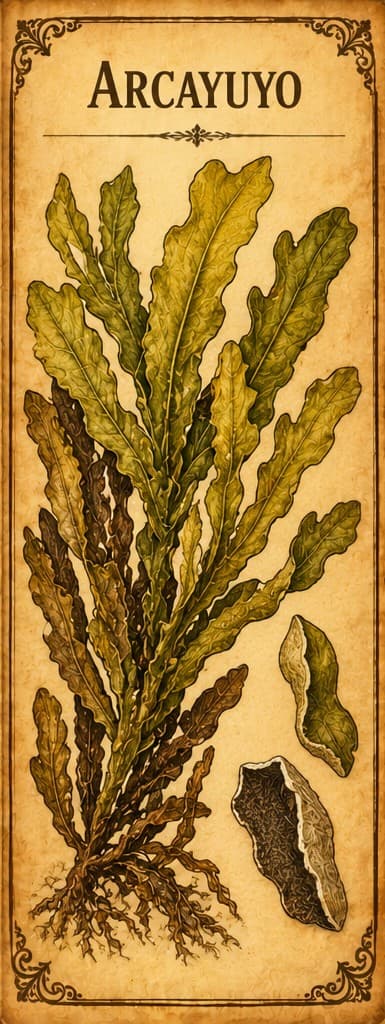
Botanical illustration of Arcayuyo

Arcayuyo

Dysphania graveolens

A strong-smelling relative of epazote, used in Mexico for stomach pain. It eased pain in mice, but its oil is poisonous and has killed a child.

No. 023Medicinal
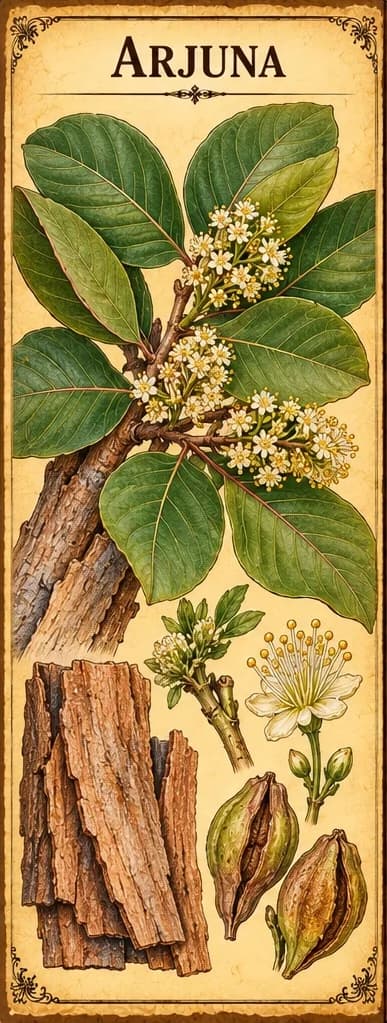
Botanical illustration of Arjuna

Arjuna

Terminalia arjuna

The bark of a large Indian tree, used in Ayurveda for centuries as a heart tonic. Trials for chest pain (angina) were too poor in quality to show whether it helps.

No. 024Medicinal
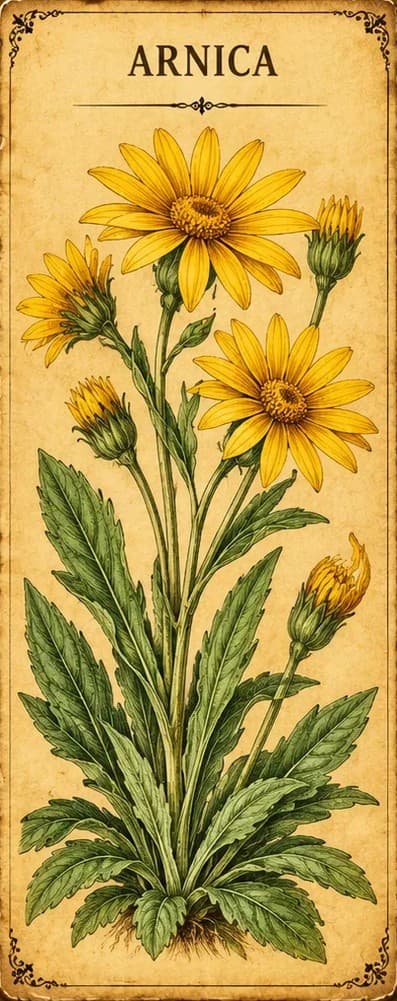
Botanical illustration of Arnica

Arnica

Arnica montana

A yellow mountain daisy whose flowers are made into creams and gels, recognized in Europe as a traditional medicine for bruises, sprains and muscle pain. For use on unbroken skin only.

No. 025Medicinal
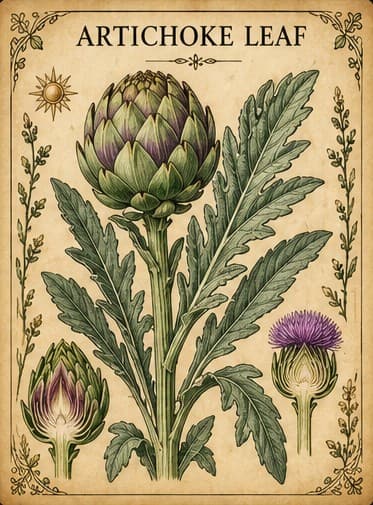
Botanical illustration of Artichoke Leaf

Artichoke Leaf

Cynara cardunculus

Leaves of the artichoke plant, recognized in Europe for indigestion, fullness and bloating. Several small trials suggest it may lower liver enzyme levels in fatty liver disease.

No. 026Culinary
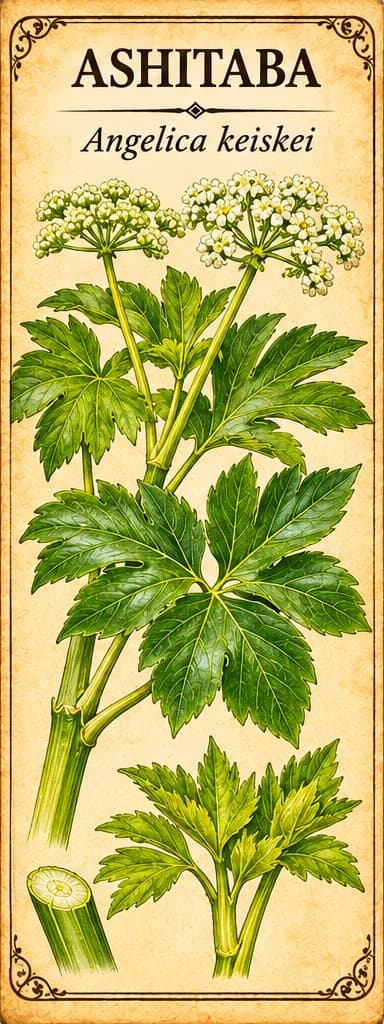
Botanical illustration of Ashitaba

Ashitaba

Angelica keiskei

A Japanese health-food herb. In one trial, its chalcone compounds reduced belly fat and waist size in overweight adults.

No. 027Medicinal
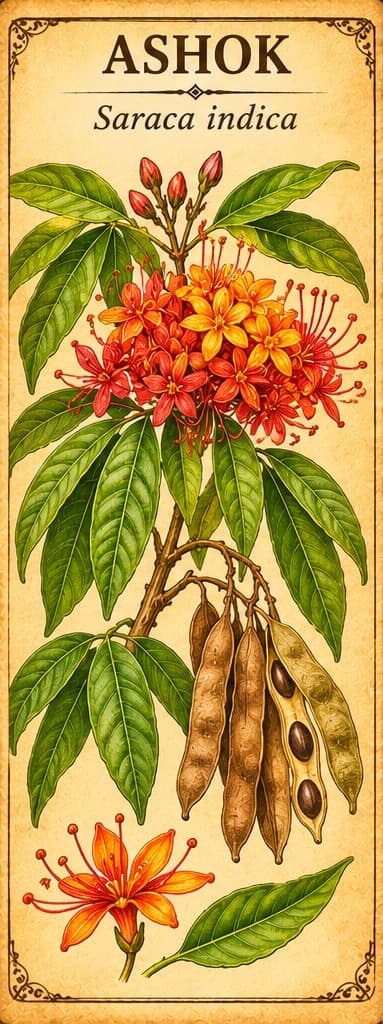
Botanical illustration of Ashok

Ashok

Saraca asoca

A sacred Indian tree whose bark is a main herb in Ayurvedic gynecology. An Ashoka-based syrup cut heavy menstrual bleeding in an open study.

No. 028Medicinal
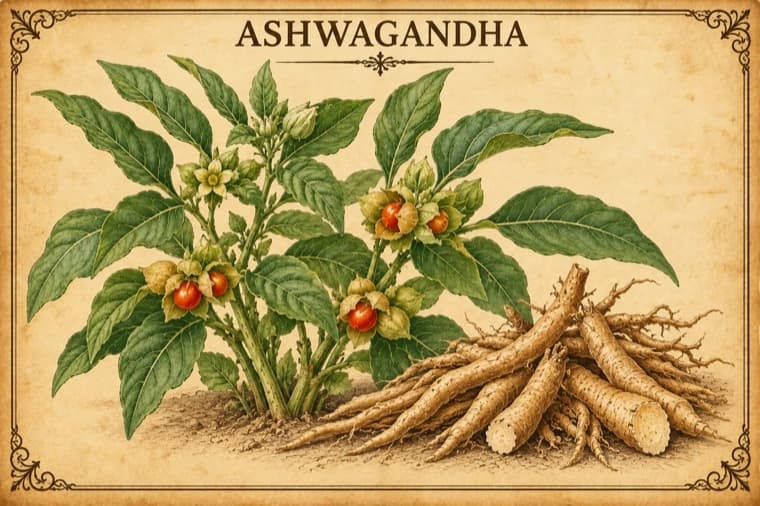
Botanical illustration of Ashwagandha

Ashwagandha

Withania somnifera

A root from Ayurvedic medicine, traditionally used to help the body cope with stress.

No. 029Medicinal
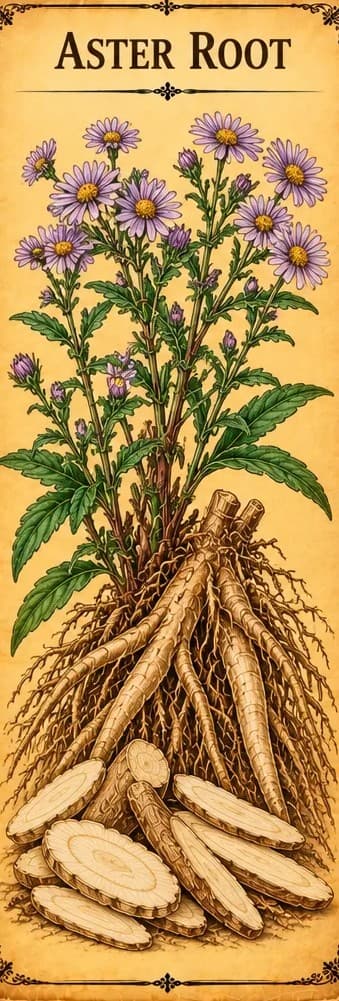
Botanical illustration of Aster Root

Aster Root

Aster tataricus

Zi wan, the soft purple root of Aster tataricus, a classic Chinese, Japanese and Korean remedy to moisten the lungs and relieve cough and phlegm.

No. 030Medicinal
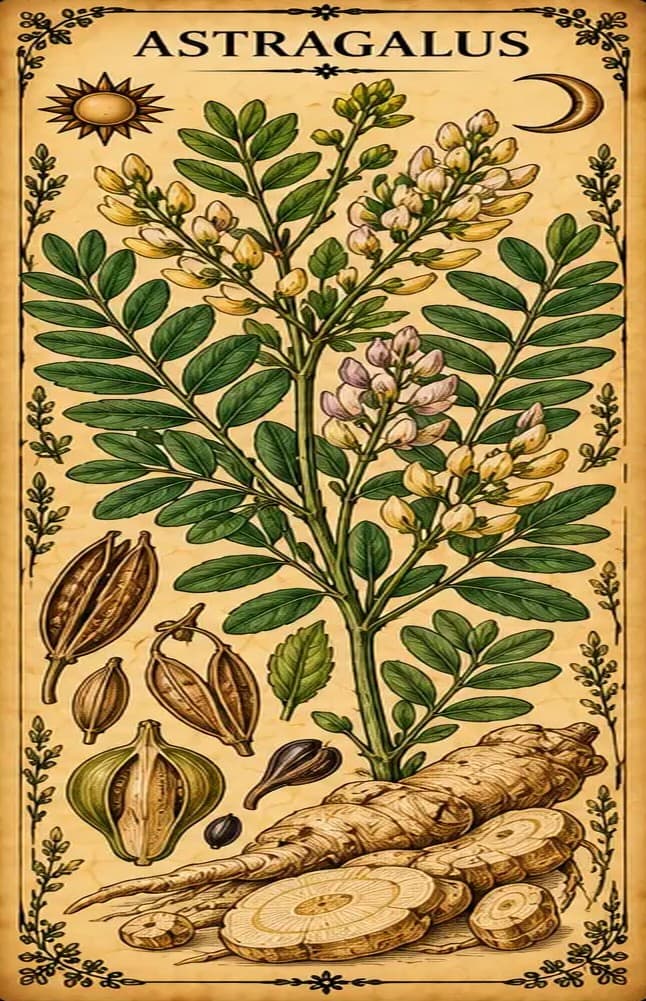
Botanical illustration of Astragalus

Astragalus

Astragalus membranaceus

A root (huang qi) used for centuries in traditional Chinese medicine and promoted to strengthen the immune system. There isn't enough reliable evidence to know whether it helps any condition.

No. 031Medicinal
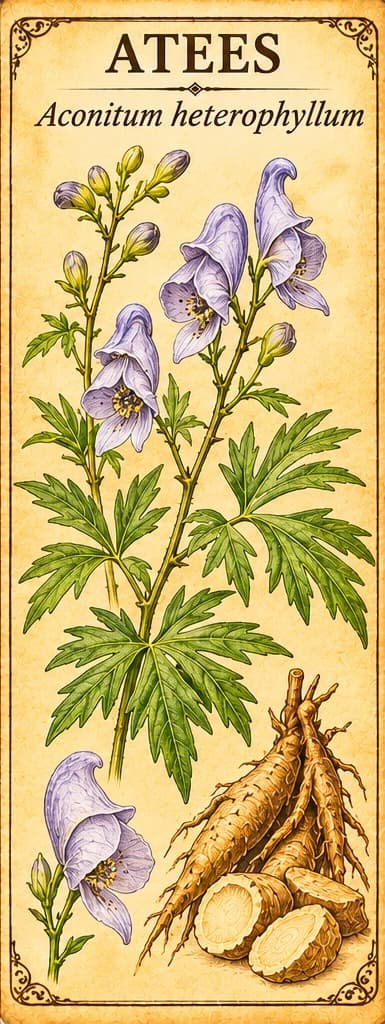
Botanical illustration of Atees

Atees

Aconitum heterophyllum

Ativisha, a Himalayan aconite used in Ayurveda for diarrhea, fever and urinary infections. Its root protected the kidneys in rats.

No. 032Medicinal
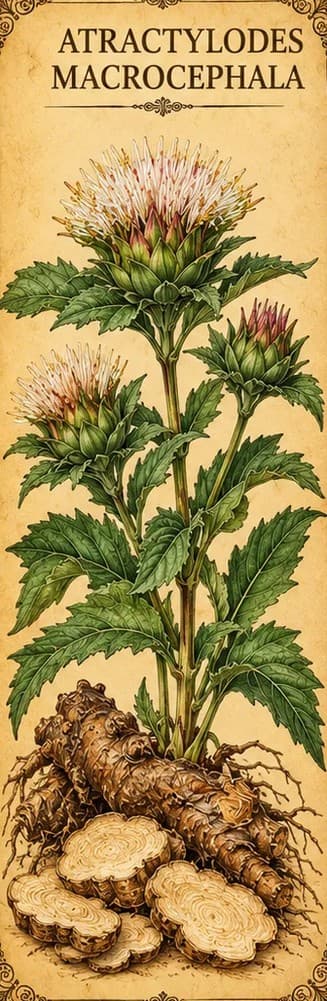
Botanical illustration of Atractylodes Macrocephala

Atractylodes Macrocephala

Atractylodes macrocephala

Bai zhu, a Chinese tonic rhizome for weak digestion and an unsettled pregnancy. Formulas built around it and white peony helped IBS in trials of moderate quality.

No. 033Medicinal
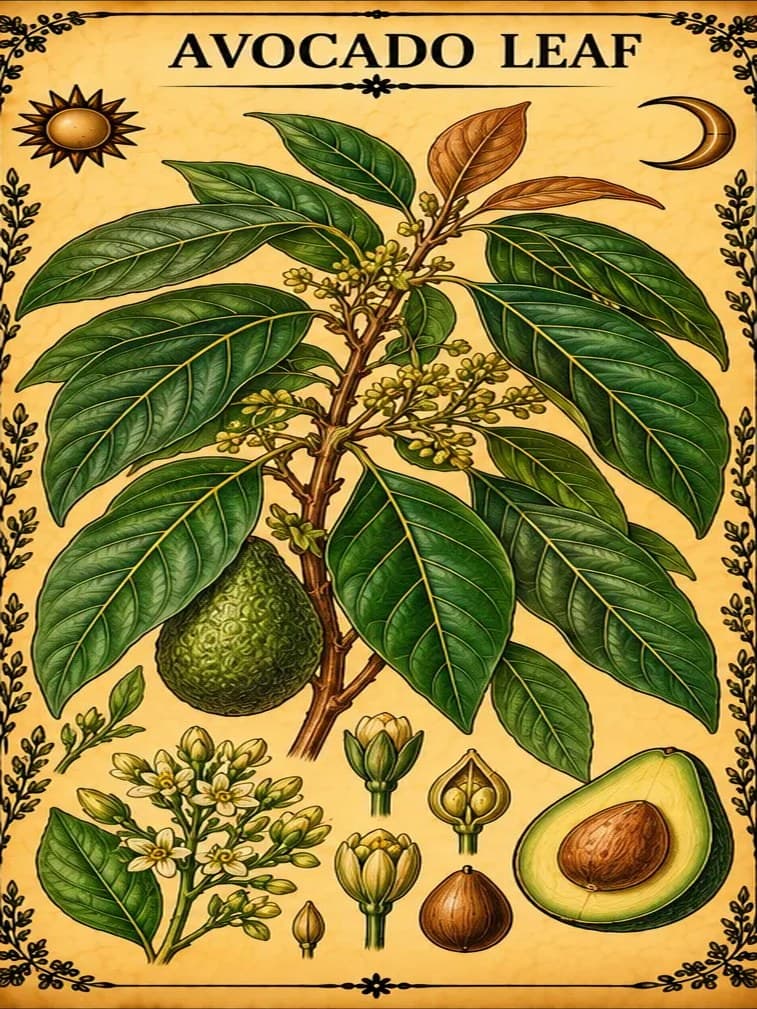
Botanical illustration of Avocado Leaf

Avocado Leaf

Persea americana

Leaves of the avocado tree, made into a tea and used in Caribbean folk medicine for high blood pressure. They lowered blood pressure in rats but haven't been tested in people.

No. 034Medicinal
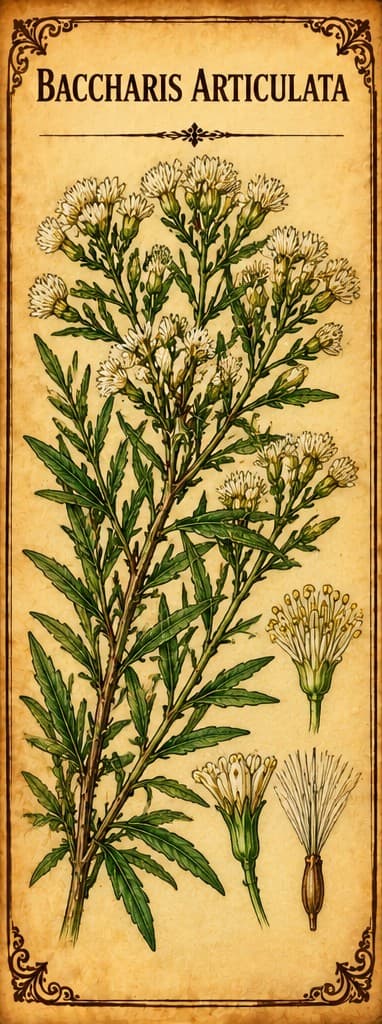
Botanical illustration of Baccharis Articulata

Baccharis Articulata

Baccharis articulata

A carqueja, a shrub with flat winged stems from southern Brazil, used in folk medicine for weight loss, digestion and liver problems. It has only been studied in the lab.

No. 035Medicinal
Botanical illustration of Bai Zhi

Bai Zhi

Angelica dahurica

Angelica dahurica root, used in China, Korea and Japan for colds, headache, blocked sinuses, toothache and skin sores. Research is in the lab and in animals.

No. 036Medicinal
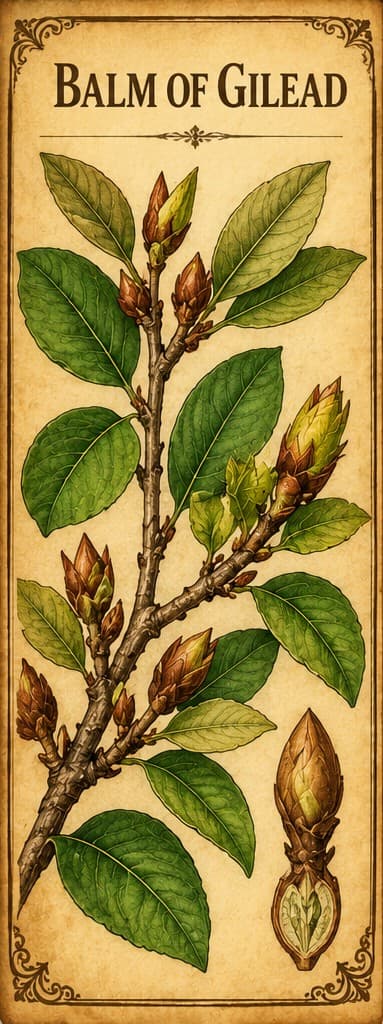
Botanical illustration of Balm of Gilead

Balm of Gilead

Populus balsamifera

The sticky, fragrant buds of the balsam poplar, traditionally used for breathing problems and infections. In lab tests, the bud oil protected cells from a cold virus.

No. 037Aromatic
Botanical illustration of Balsam Fir

Balsam Fir

Abies balsamea

A fragrant North American fir whose needles and oil killed Lyme disease ticks in winter field tests.

No. 038Medicinal
Botanical illustration of Bamboo Leaf

Bamboo Leaf

Lophatherum gracile

Dan zhu ye, the Chinese "bamboo leaf" herb from a bamboo-like grass, used as tea and medicine for feverish thirst, painful urination and tongue sores.

No. 039Culinary
Botanical illustration of Baobab

Baobab

Adansonia digitata

The African "monkeybread" tree, whose fiber-rich fruit pulp is a traditional food. Its health benefits are suggested by lab studies but haven't been established in people.

No. 040Medicinal
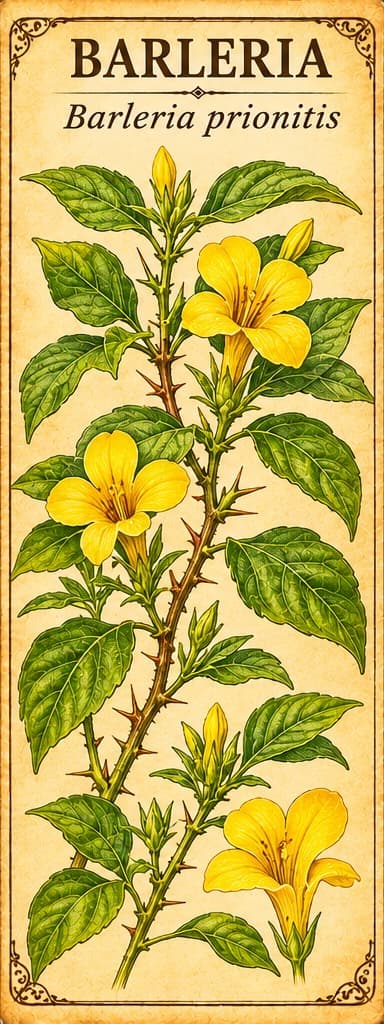
Botanical illustration of Barleria

Barleria

Barleria prionitis

Porcupine flower, a spiny shrub used as a folk remedy for mouth infections. A barleria mouthwash reduced plaque in a small trial.

No. 041Culinary
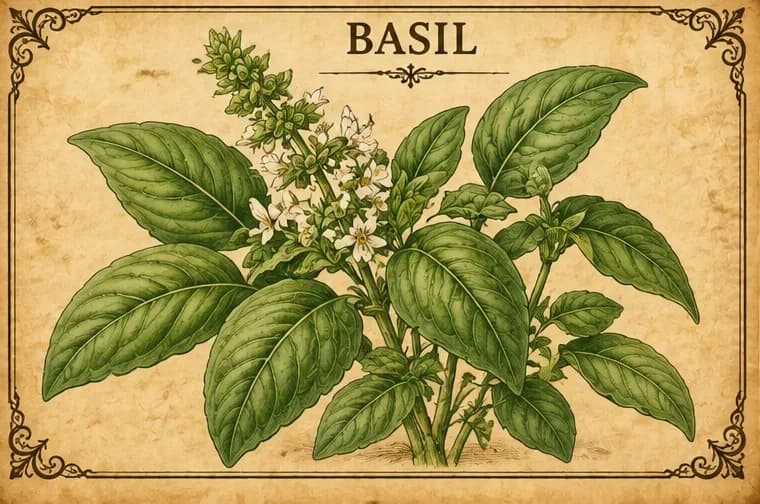
Botanical illustration of Basil

Basil

Ocimum basilicum

A fragrant, warm-weather kitchen herb central to Italian and Southeast Asian cooking.

No. 042Medicinal
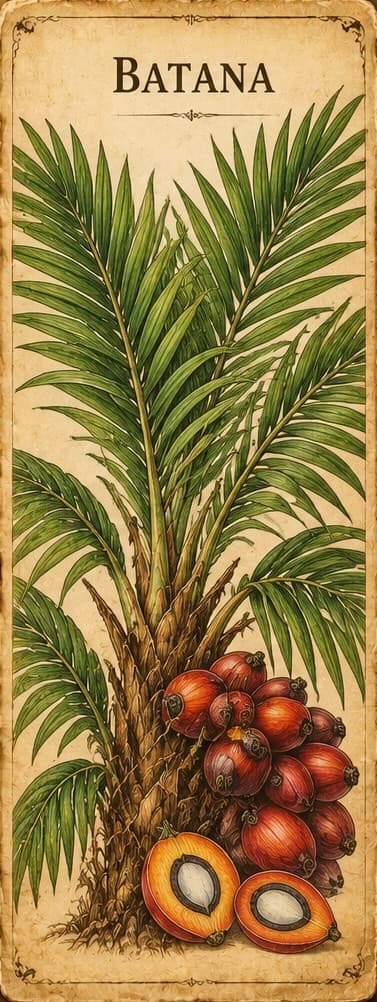
Botanical illustration of Batana

Batana

Elaeis oleifera

An oil from the nuts of the American oil palm, used for generations by the Miskito people of Honduras to care for hair and skin. There's no good evidence that it regrows hair.

No. 043Culinary
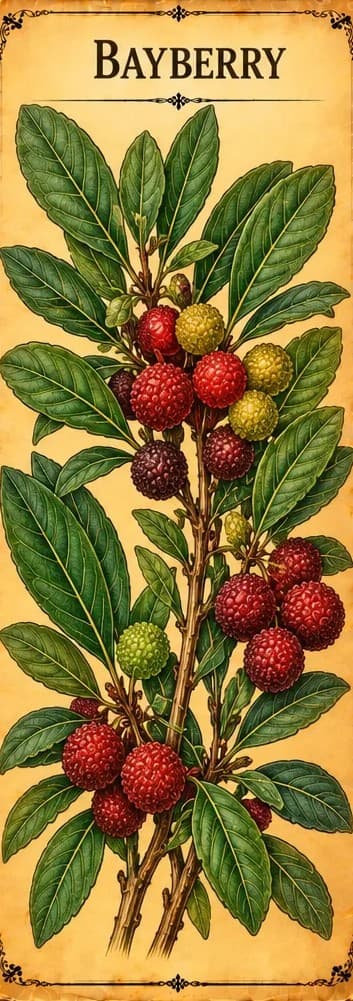
Botanical illustration of Bayberry

Bayberry

Myrica rubra

Chinese bayberry (yangmei), a red fruit grown in China for over 2,000 years. Parts of the tree have been used as folk medicine, but research is limited to the lab and animals.

No. 044Medicinal
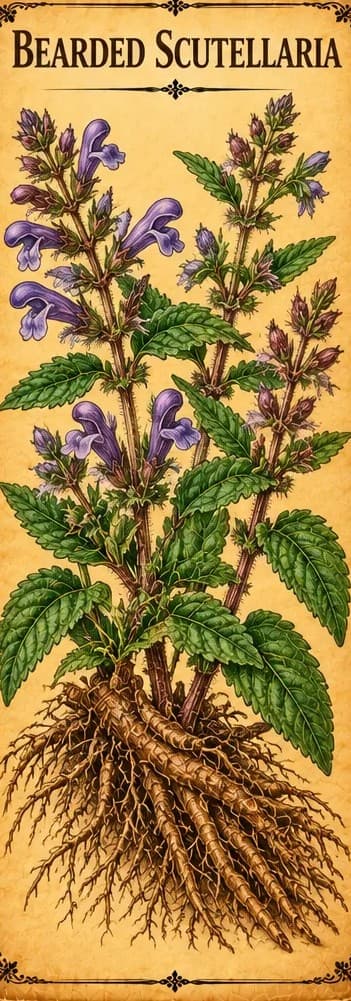
Botanical illustration of Bearded Scutellaria

Bearded Scutellaria

Scutellaria barbata

Ban zhi lian, a Chinese herb first used for snake bites and now listed for sores, sore throat, swelling and jaundice. In China it's used alongside cancer treatment; most research is in the lab.

No. 045Medicinal
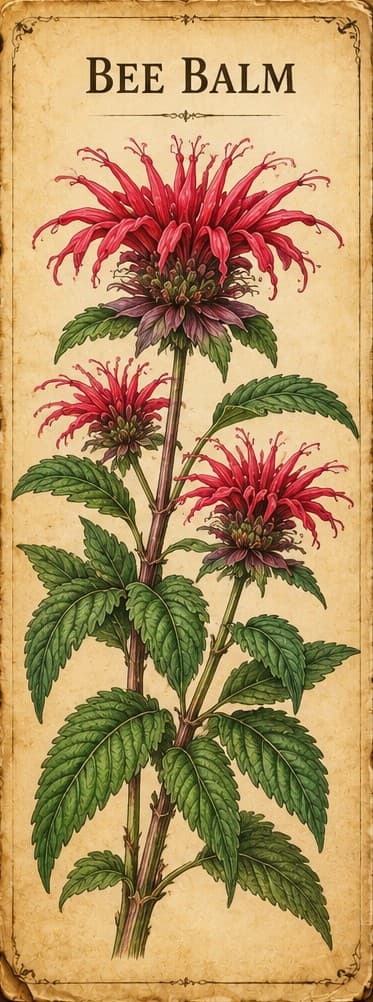
Botanical illustration of Bee Balm

Bee Balm

Monarda didyma

A red-flowered North American mint, also called Oswego tea, used by the Cherokee as a tea and as a poultice for colds and headaches. Human research is very limited.

No. 046Culinary
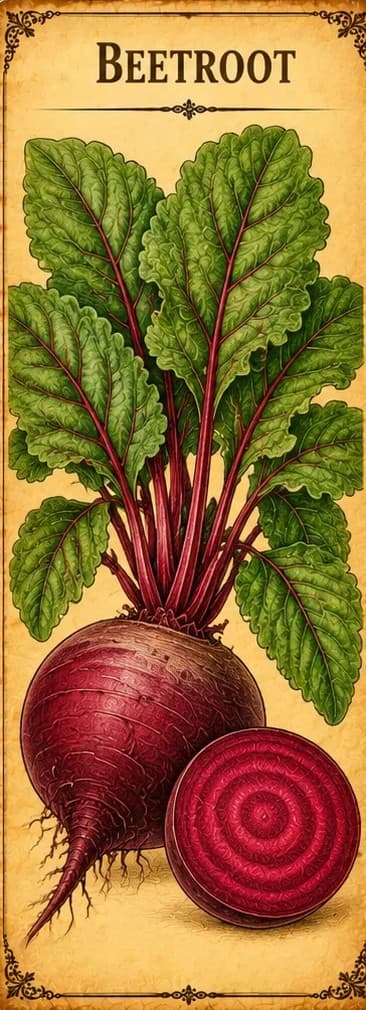
Botanical illustration of Beetroot

Beetroot

Beta vulgaris

A root vegetable whose juice is rich in nitrate. In short trials, beetroot juice lowered the top number of blood pressure by about 4 points.

No. 047Medicinal
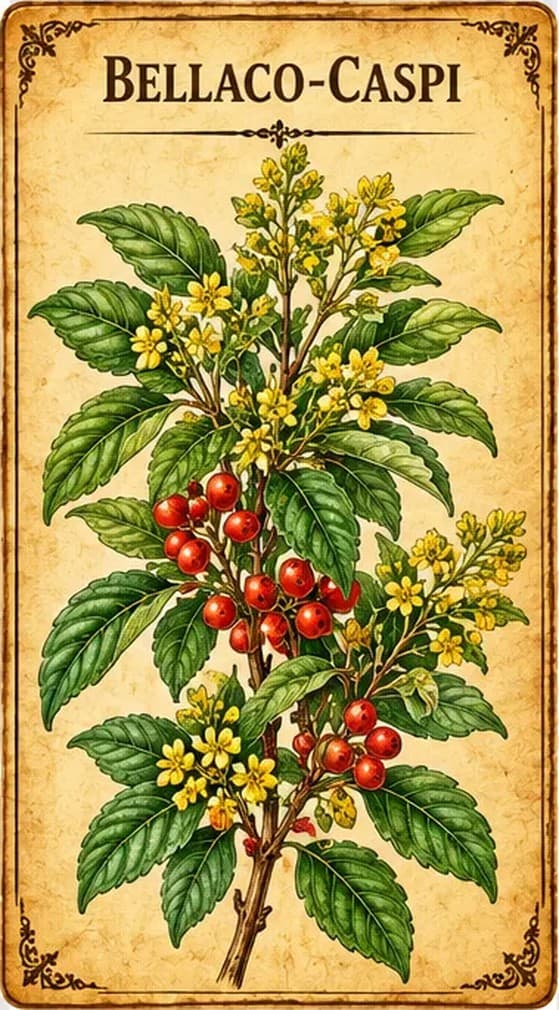
Botanical illustration of Bellaco-Caspi

Bellaco-Caspi

Himatanthus sucuuba

An Amazonian shrub whose milky latex is used in Peru for wounds, ulcers and inflammation. It has only been studied in the lab and in animals.

No. 048Medicinal
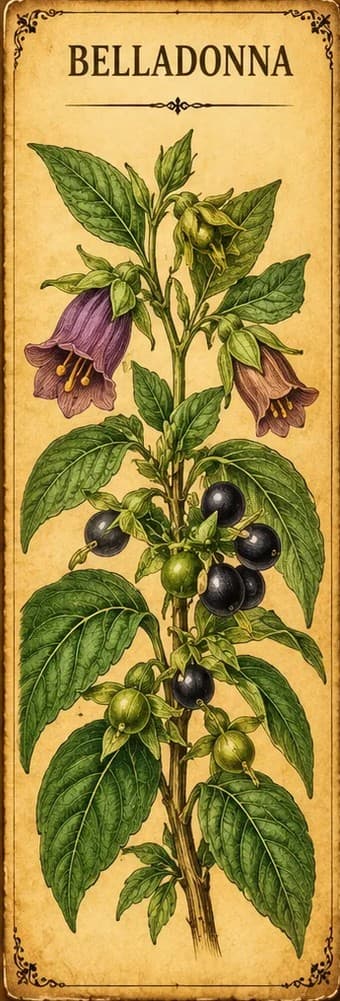
Botanical illustration of Belladonna

Belladonna

Atropa belladonna

Deadly nightshade, a poisonous plant whose alkaloids can cause confusion, a racing heart, seizures, coma and death.

No. 049Medicinal
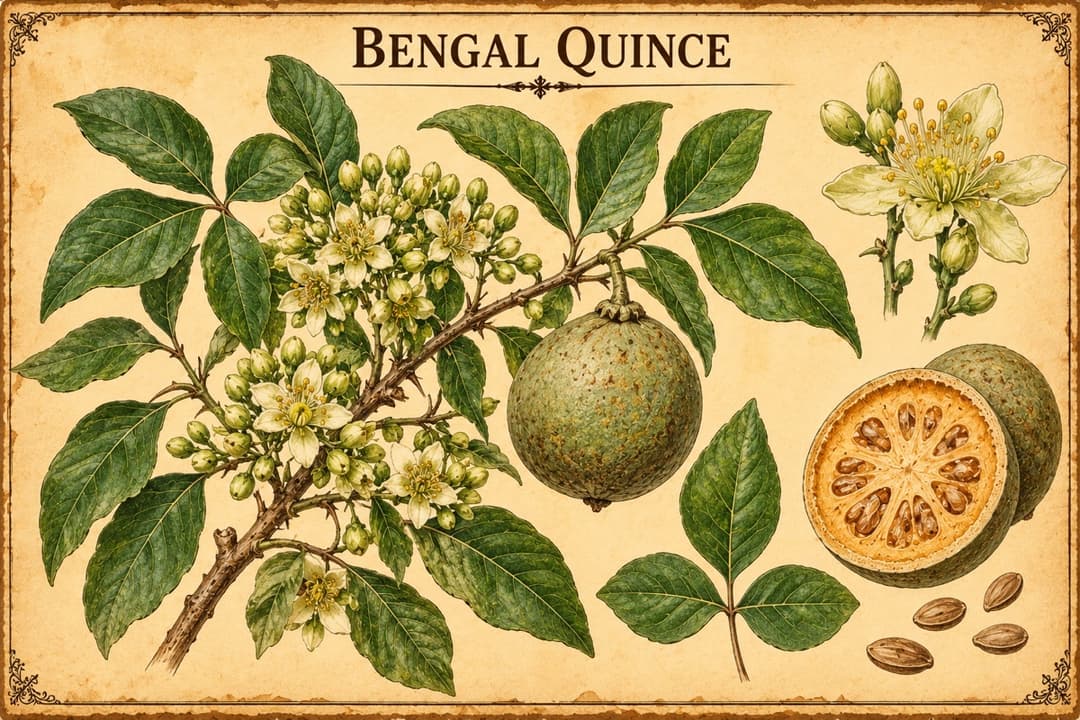
Botanical illustration of Bengal Quince

Bengal Quince

Aegle marmelos

Bael, a sacred Indian tree whose fruit is eaten as food and used in traditional medicine for diarrhea, stomach ulcers and fever. Its gut effects have only been tested in animals.

No. 050Medicinal
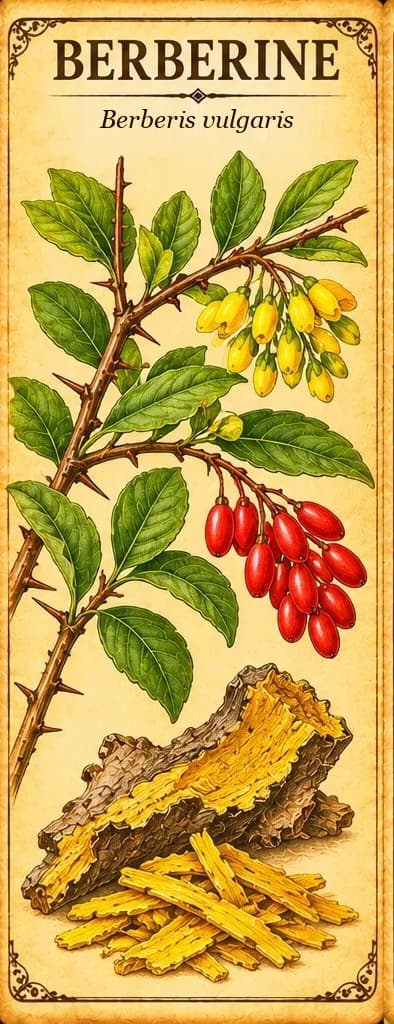
Botanical illustration of Berberine

Berberine

Berberis vulgaris

A natural compound found in barberry (shown here) and other plants such as goldenseal. It is widely used in China for diarrhea, and has been studied for H. pylori infection and blood sugar.

No. 051Medicinal
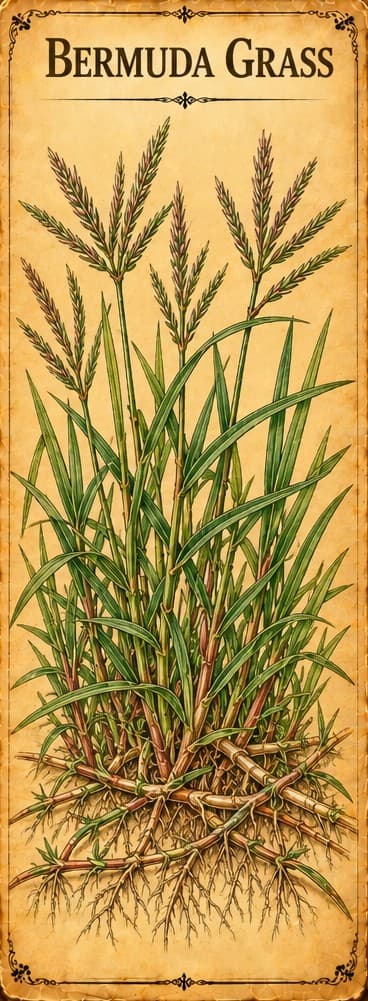
Botanical illustration of Bermuda Grass

Bermuda Grass

Cynodon dactylon

A common lawn grass, known as durva in India, traditionally used for women's hormonal problems. Research on its juice (durva swaras) so far is in rats and mice. Its pollen is a common allergy trigger.

No. 052Medicinal
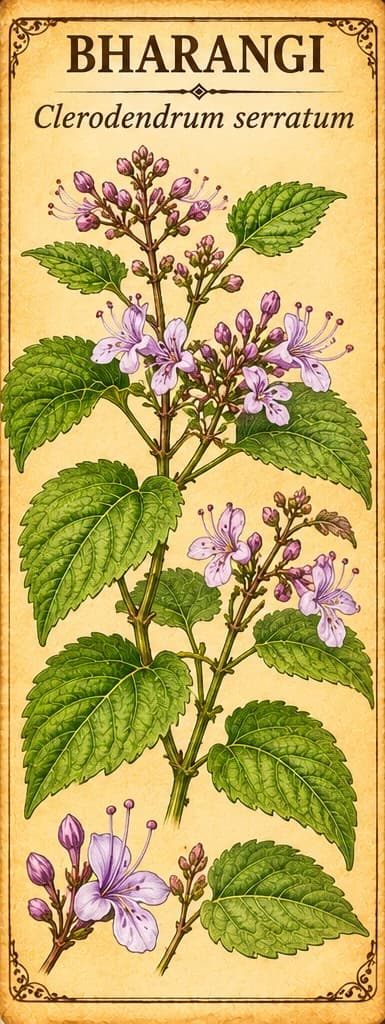
Botanical illustration of Bharangi

Bharangi

Rotheca serrata

An Asian folk remedy for allergies and, in Thailand, hemorrhoids. Its root extract eased allergic asthma in rats.

No. 053Medicinal
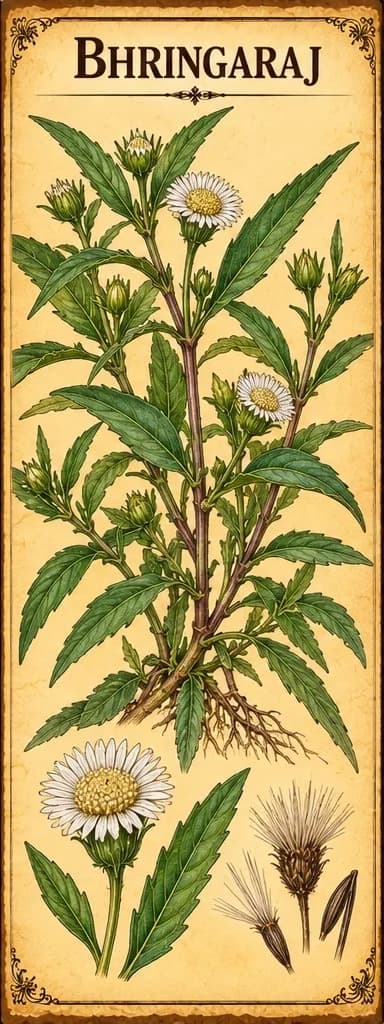
Botanical illustration of Bhringaraj

Bhringaraj

Eclipta prostrata

A daisy-family plant used in India, Nepal and Bangladesh for jaundice and other liver problems, skin problems and hair loss. Its hair and liver effects have only been tested in animals.

No. 054Medicinal
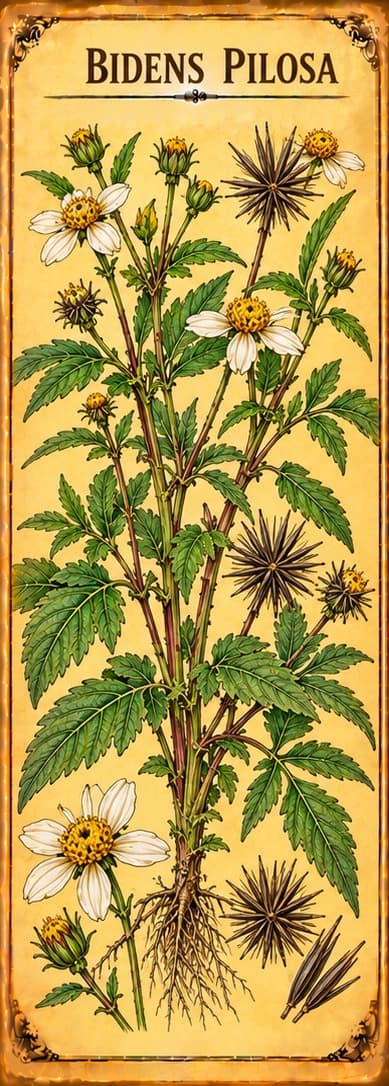
Botanical illustration of Bidens Pilosa

Bidens Pilosa

Bidens pilosa

A common weed, also called blackjack or Spanish needles, studied widely in Africa, Asia and South America. Lab and animal studies show antioxidant activity and may help reduce inflammation.

No. 055Medicinal
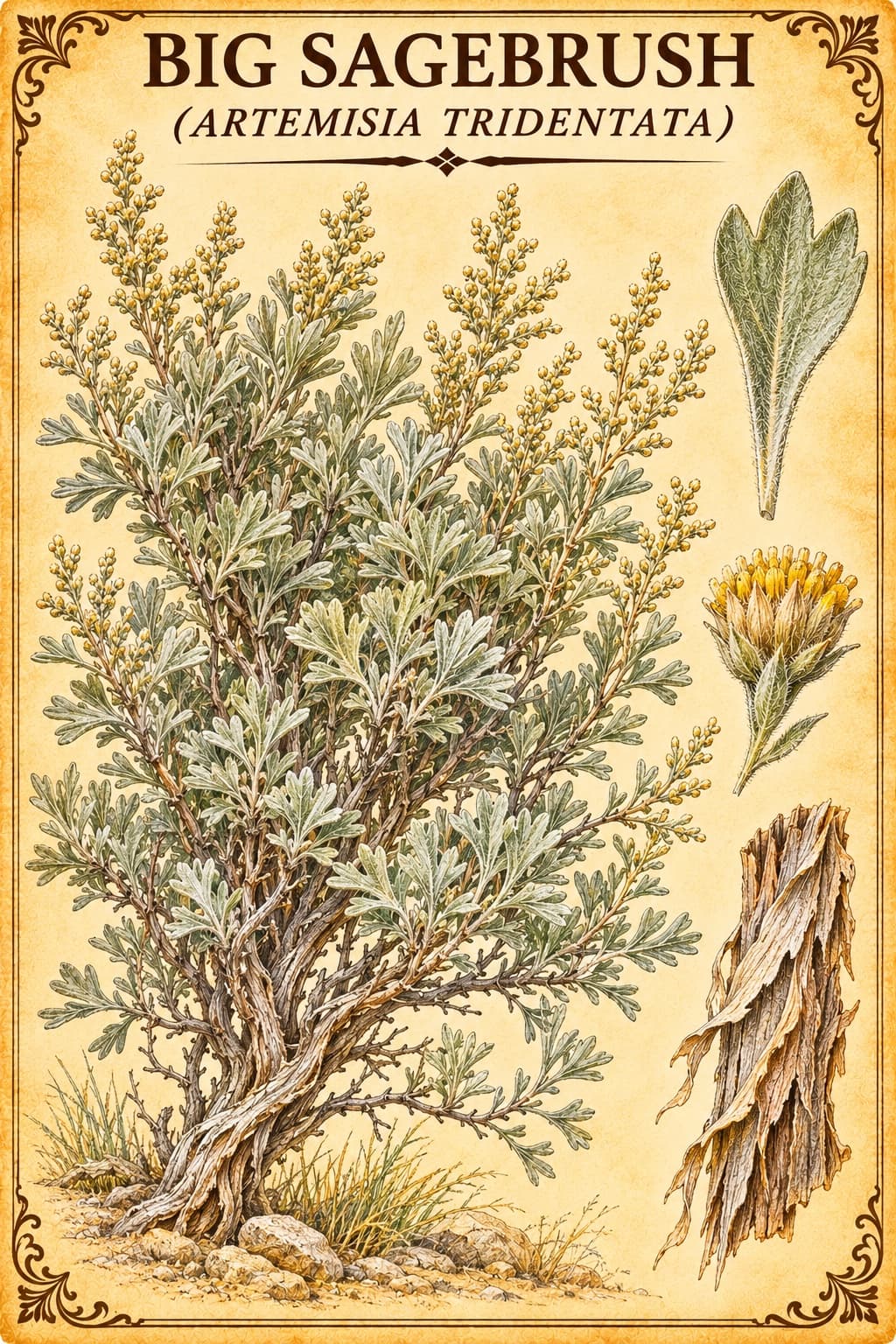
Botanical illustration of Big Sagebrush

Big Sagebrush

Artemisia tridentata

The great sagebrush of the American West, called chamiso in northern New Mexico. It was one of the most widely used Native American remedies for colds, coughs and upset stomachs.

No. 056Culinary
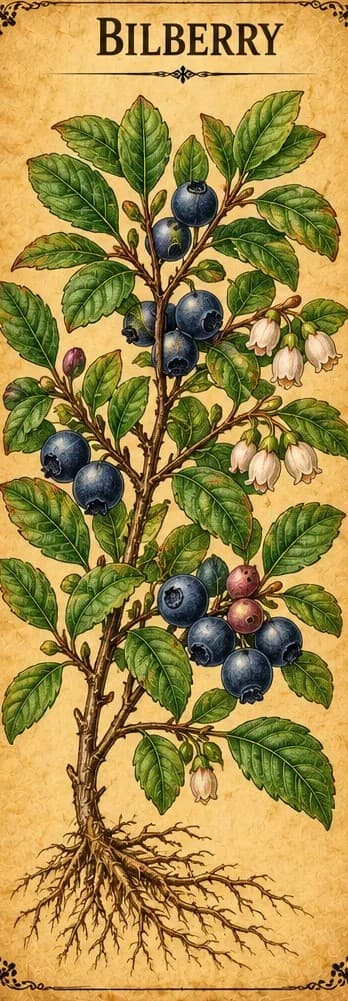
Botanical illustration of Bilberry

Bilberry

Vaccinium myrtillus

Dried bilberries are a traditional EU herbal medicine for mild diarrhea and mouth inflammation. Trials of supplements for blood sugar and heart health are small and inconclusive.

No. 057Culinary
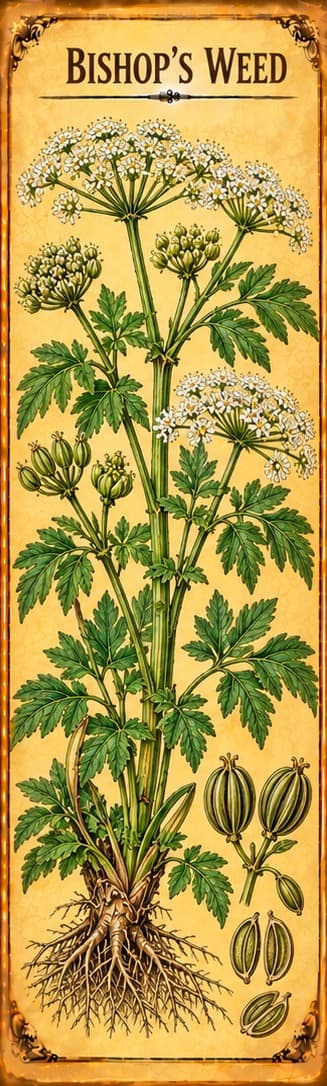
Botanical illustration of Bishop's Weed

Bishop's Weed

Trachyspermum ammi

Ajwain, a spice of the carrot family long used in Persian and Indian medicine for digestion and breathing. Its oil eased dental injection pain in a trial in children.

No. 058Medicinal
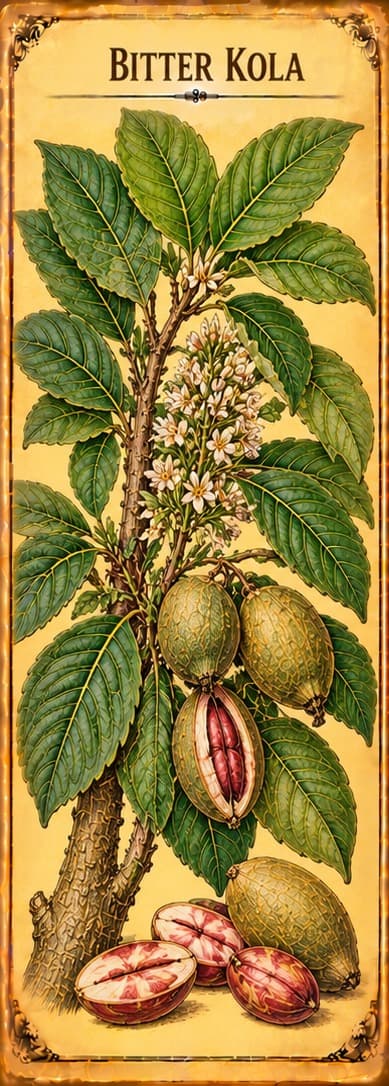
Botanical illustration of Bitter Kola

Bitter Kola

Garcinia kola

A West African nut chewed in social ceremonies and as a folk remedy for breathing problems, stomach upsets and malaria.

No. 059Culinary
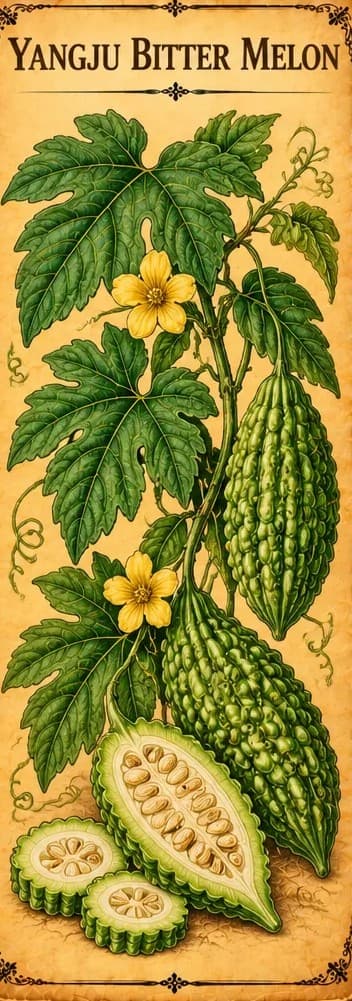
Botanical illustration of Bitter Melon

Bitter Melon

Momordica charantia

The fruit of Momordica charantia, the same species as cerasee, studied mainly for diabetes. Trials disagree on whether it lowers blood sugar.

No. 060Medicinal
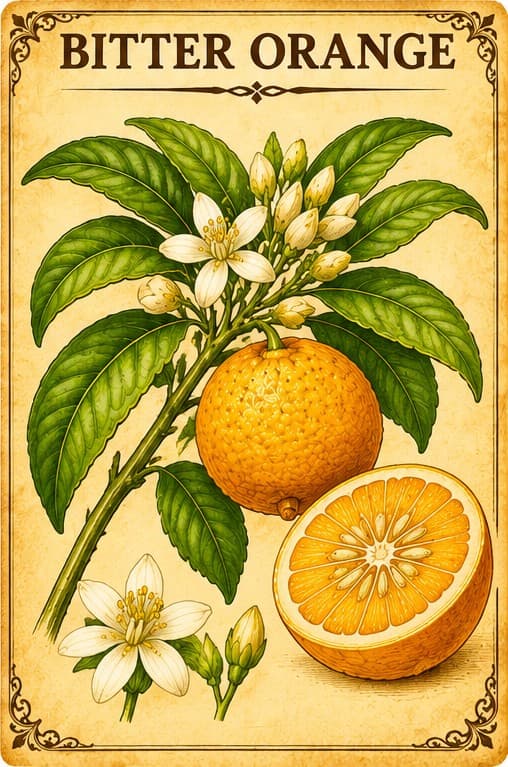
Botanical illustration of Bitter Orange

Bitter Orange

Citrus aurantium

Seville orange, a sour citrus whose fruit, peel and oils flavor food, drinks and perfume. It's sold in weight-loss supplements, but trials found no real weight loss and higher blood pressure.

No. 061Medicinal
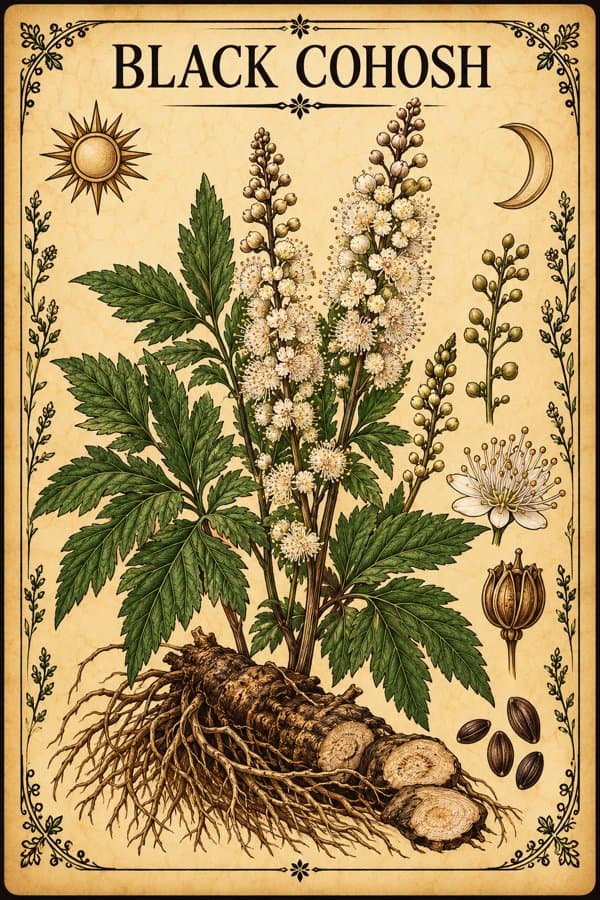
Botanical illustration of Black Cohosh

Black Cohosh

Actaea racemosa

A root used traditionally by Native Americans and recognized in Europe for menopausal hot flushes. Rare liver problems have been reported.

No. 062Culinary
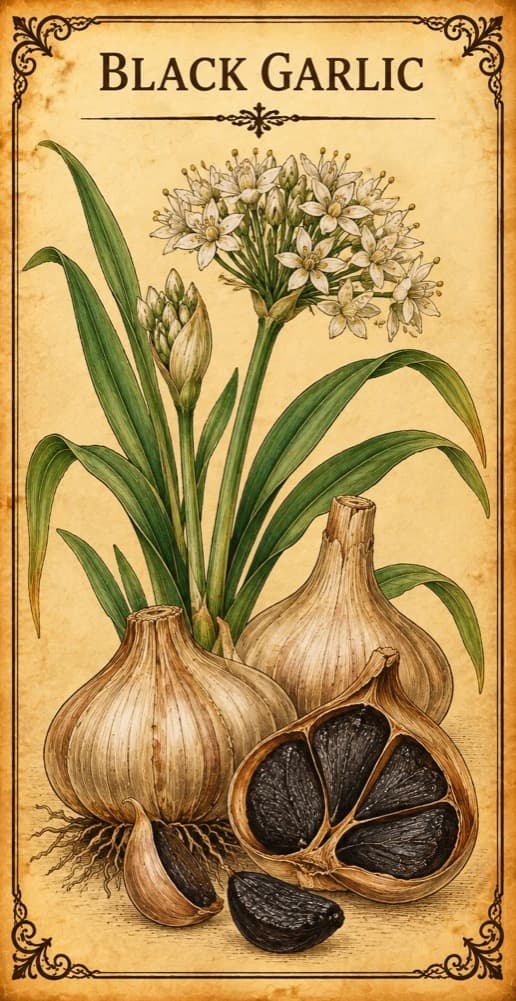
Botanical illustration of Black Garlic

Black Garlic

Allium sativum

Garlic bulbs aged with gentle heat for weeks until the cloves turn black, soft and sweet, long eaten in Korea, Japan and Thailand. A few small trials suggest it may slightly improve some blood fat and blood pressure measures.

No. 063Medicinal
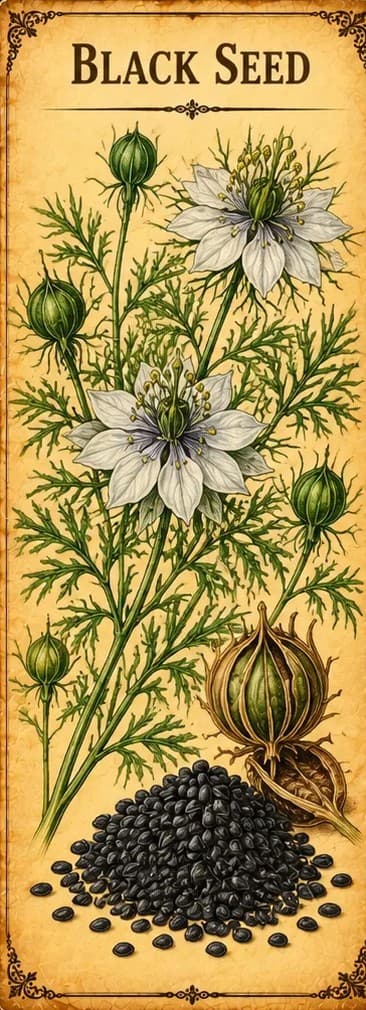
Botanical illustration of Black Seed

Black Seed

Nigella sativa

Black cumin seed, a spice and traditional remedy in India, Arabia and Europe. Reviews of small trials suggest it lowers blood pressure, cholesterol and blood sugar slightly.

No. 064Medicinal
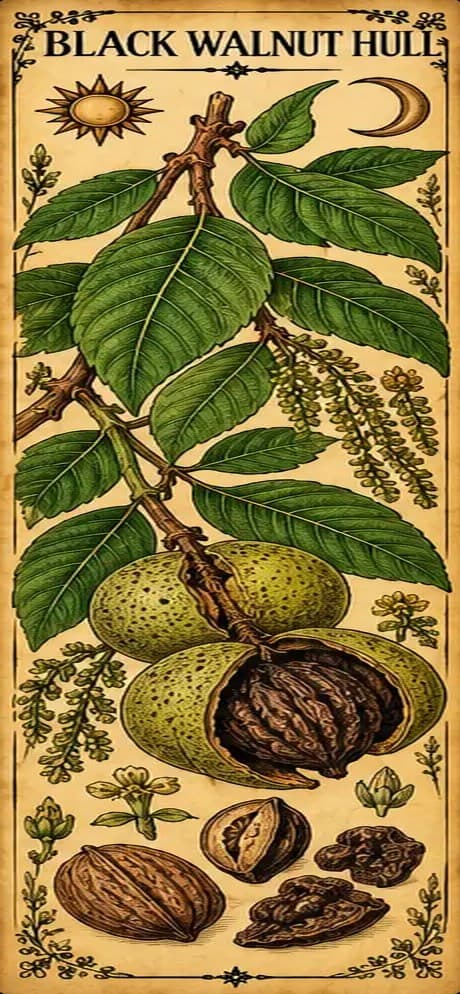
Botanical illustration of Black Walnut

Black Walnut

Juglans nigra

A North American tree whose nut hulls contain juglone and other compounds. Black walnut hull is an ingredient in herbal gut formulas, but it hasn't been studied on its own in people.

No. 065Culinary
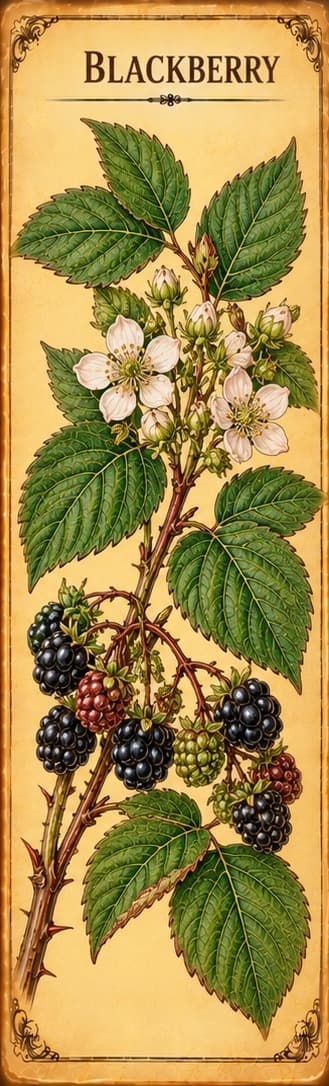
Botanical illustration of Blackberry

Blackberry

Rubus fruticosus

The familiar bramble fruit, whose leaves and roots have been used in herbal medicine for diarrhea and dysentery. The berries are rich in antioxidant pigments.

No. 066Medicinal
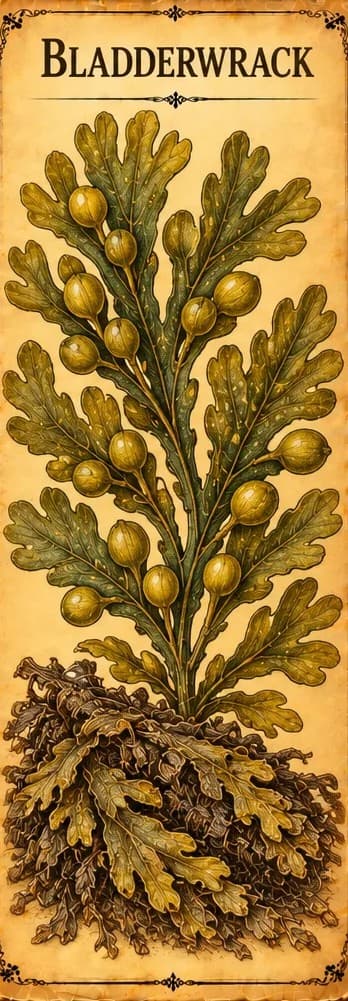
Botanical illustration of Bladderwrack

Bladderwrack

Fucus vesiculosus

A brown seaweed recognised in the EU as a traditional herbal medicine to help weight loss alongside a reduced-calorie diet. It can affect the thyroid.

No. 067Medicinal
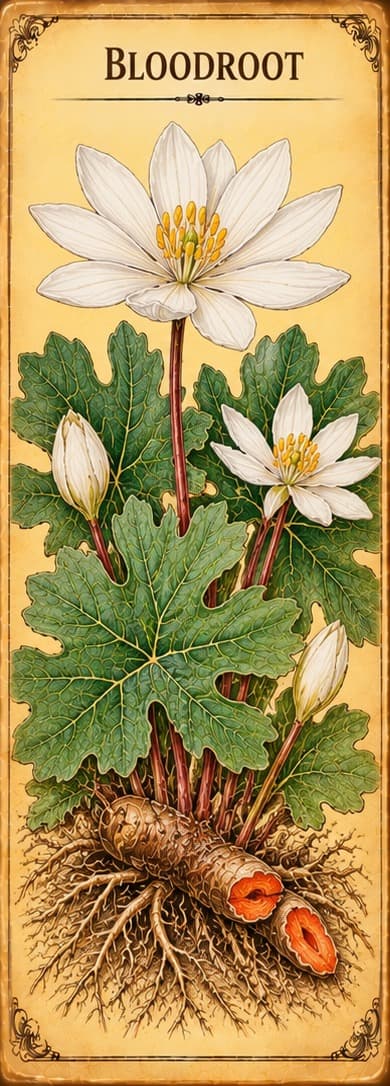
Botanical illustration of Bloodroot

Bloodroot

Sanguinaria canadensis

A woodland wildflower whose red root sap was used by Indigenous peoples for fever and rheumatism. It's an ingredient in black salve, a corrosive paste that has caused severe disfiguring injuries.

No. 068Medicinal
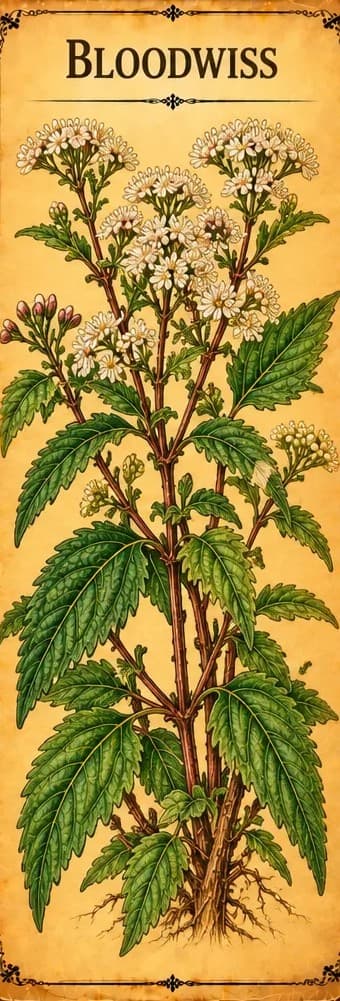
Botanical illustration of Bloodwiss

Bloodwiss

Vitis tiliifolia

A wild grapevine. Old Mexican records list it for increasing urination, fever and gout, and the vine has been used as a source of drinking water. Very little research exists.

No. 069Medicinal
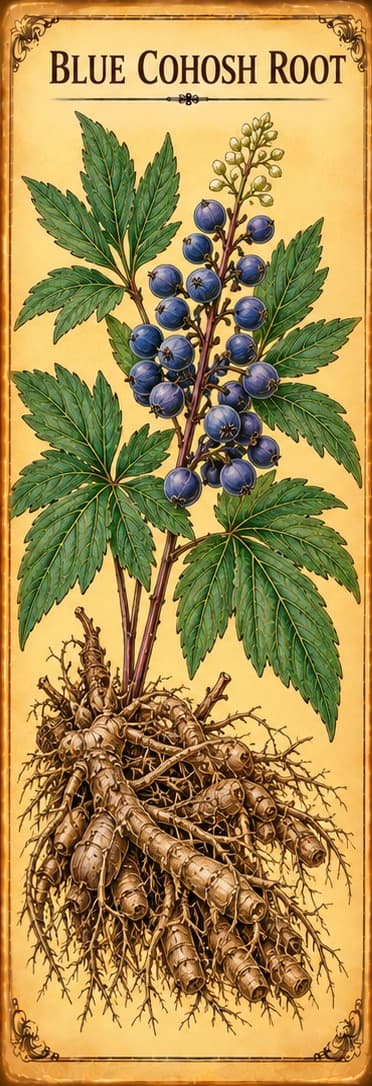
Botanical illustration of Blue Cohosh Root

Blue Cohosh Root

Caulophyllum thalictroides

An eastern North American root used to bring on labor. It has caused severe heart, circulation and gut problems in mothers and newborns.

No. 070Medicinal
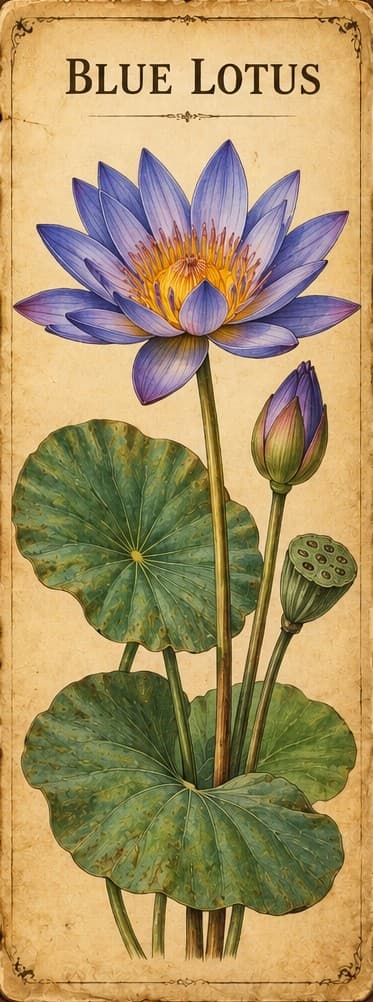
Botanical illustration of Blue Lotus

Blue Lotus

Nymphaea caerulea

A water lily that was used in rituals in ancient Egypt. It's now sold as teas, vapes and gummies for calming or euphoric effects, and has sent some users to the emergency room.

No. 071Medicinal
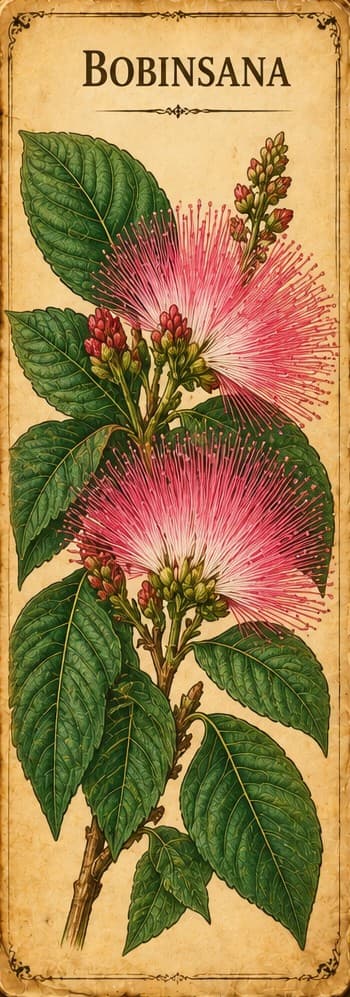
Botanical illustration of Bobinsana

Bobinsana

Calliandra angustifolia

A small Amazonian riverbank tree with pink powder-puff flowers. Indigenous communities use it for tiredness, stomach aches and bites, and it's one of the "teacher plants" used alongside ayahuasca. It has barely been studied.

No. 072Culinary
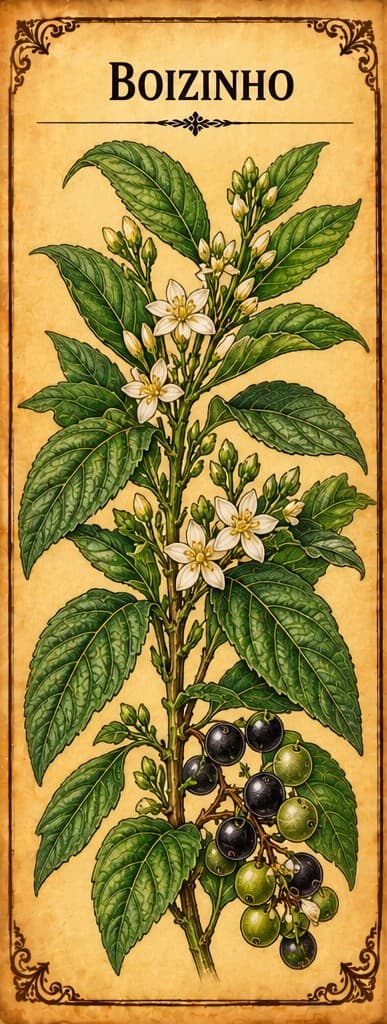
Botanical illustration of Boizinho

Boizinho

Eugenia stipitata

Araçá-boi, a tart yellow fruit of the western Amazon. Its fruit and seeds are rich in antioxidants and have been studied in the lab.

No. 073Medicinal
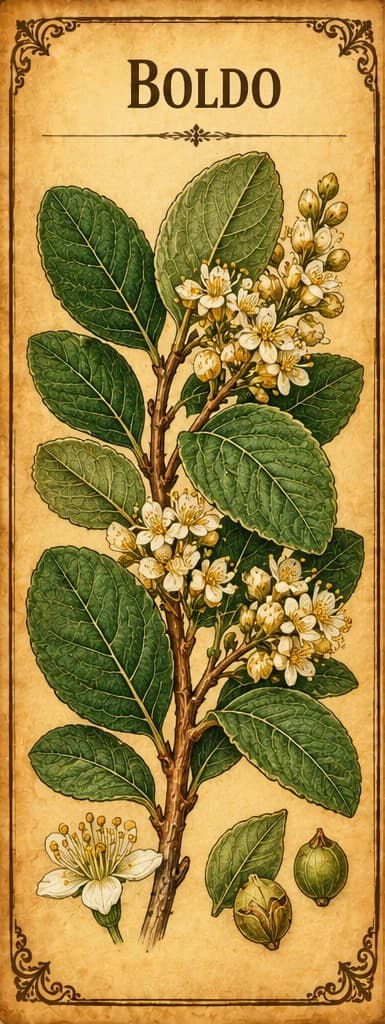
Botanical illustration of Boldo

Boldo

Peumus boldus

A Chilean shrub whose leaf tea is a recognized traditional European remedy for indigestion and mild gut cramps.

No. 074Medicinal
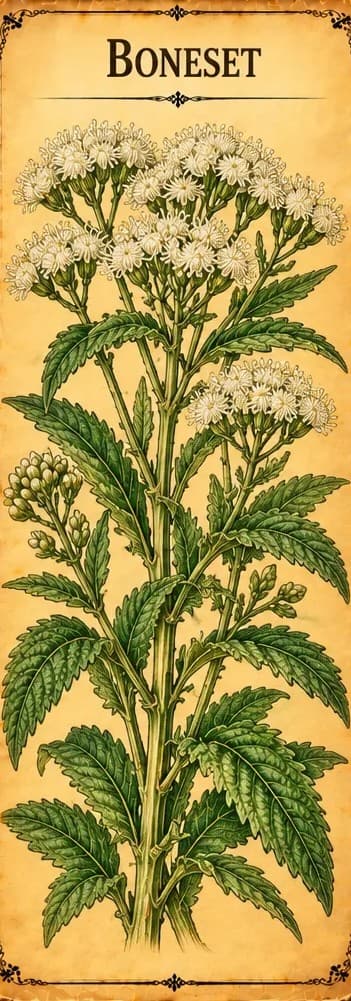
Botanical illustration of Boneset

Boneset

Eupatorium perfoliatum

A North American wildflower long used as a tea for fever, flu, colds and coughs. In the lab, an extract stopped flu viruses from infecting cells, but it hasn't been tested in people.

No. 075Medicinal
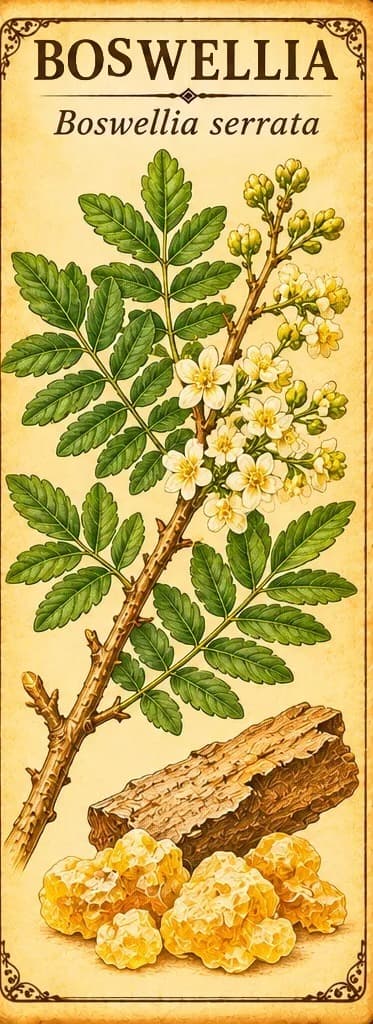
Botanical illustration of Boswellia

Boswellia

Boswellia serrata

Indian frankincense, a gum resin from a tree used for centuries in Ayurveda for inflammation. It is marketed for arthritis and colitis, and has been studied with curcumin for IBS bloating.

No. 076Medicinal
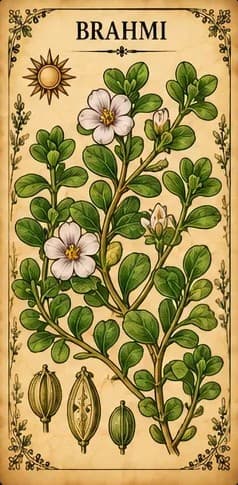
Botanical illustration of Brahmi

Brahmi

Bacopa monnieri

Bacopa, long used in Ayurvedic medicine for nerve and behavior problems. Reviews of trials suggest it may modestly improve memory and attention speed.

No. 077Medicinal
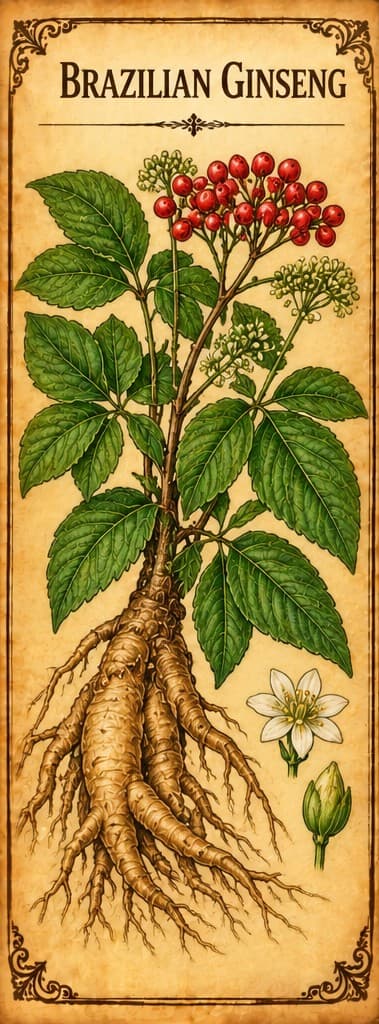
Botanical illustration of Brazilian Ginseng

Brazilian Ginseng

Hebanthe eriantha

Suma, a South American root used in folk medicine and sold as a supplement, nicknamed "cure-everything" in Brazil. It isn't related to true ginseng and has only been studied in the lab.

No. 078Medicinal
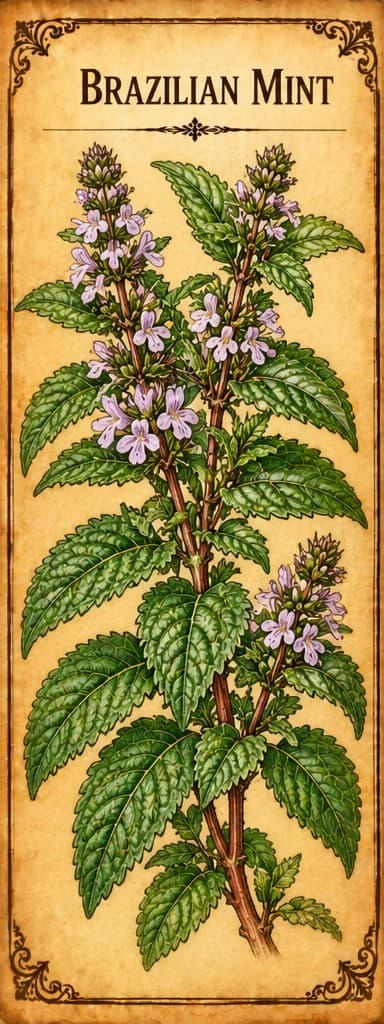
Botanical illustration of Brazilian Mint

Brazilian Mint

Hyptis crenata

A fragrant Brazilian mint-family herb. In stressed mice its leaf oil reduced anxious behavior, and its compounds relax smooth muscle in animal tissue tests.

No. 079Medicinal
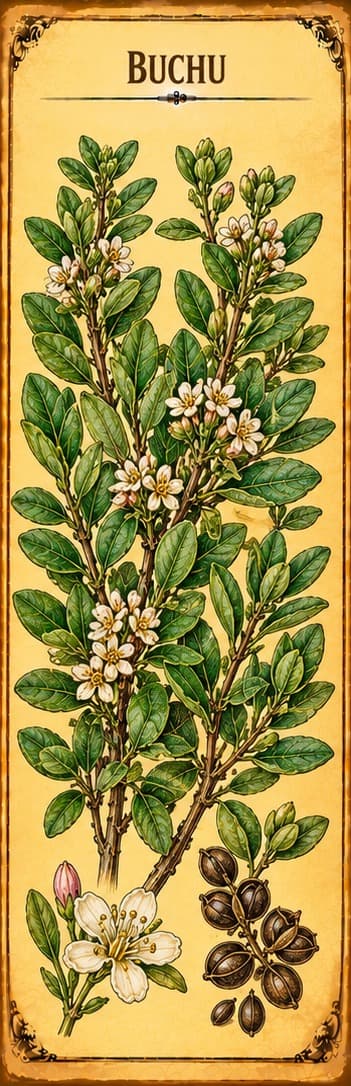
Botanical illustration of Buchu

Buchu

Agathosma betulina

A fragrant South African shrub long used by the Khoisan, and later in Europe and the US, for urinary infections and other ailments. It has only been studied in the lab and in animals.

No. 080Medicinal
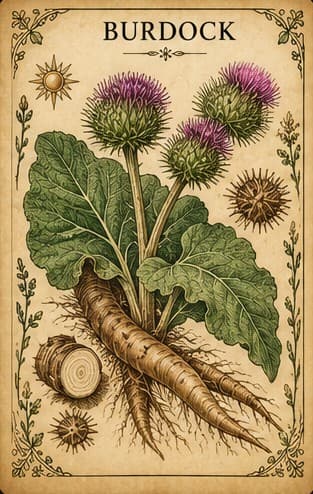
Botanical illustration of Burdock

Burdock

Arctium lappa

A plant whose root has been eaten as food in Asia for centuries. It is traditionally used as a "blood purifier" and for skin problems, but there is little evidence in people.

No. 081Medicinal
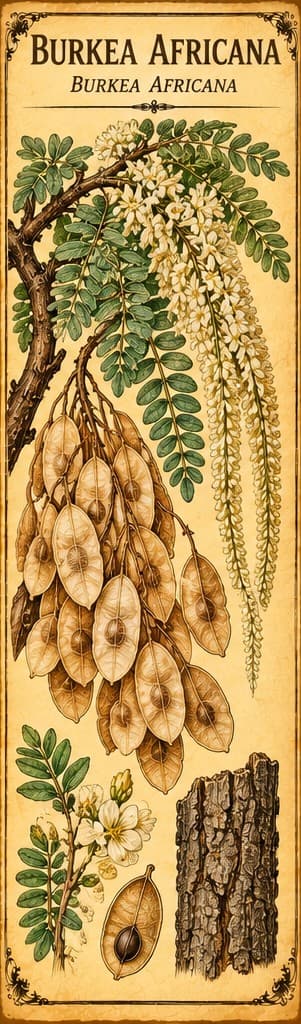
Botanical illustration of Burkea Africana

Burkea Africana

Burkea africana

An African tree whose stem bark is used for mouth sores, stomach problems and malaria. Lab and animal studies found activity against malaria and flu viruses.

No. 082Medicinal
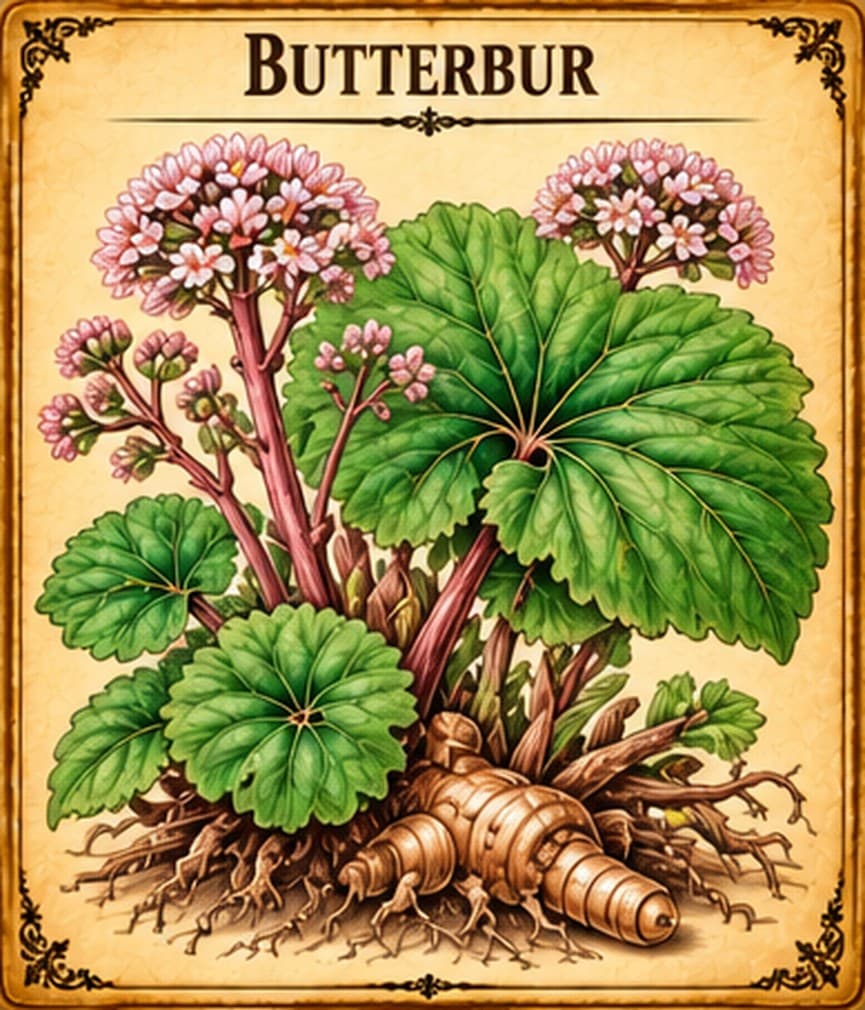
Botanical illustration of Butterbur

Butterbur

Petasites hybridus

A plant with huge leaves whose extracts are promoted for migraine and hay fever. Some studies suggest benefit, but there are safety concerns.

No. 083Culinary
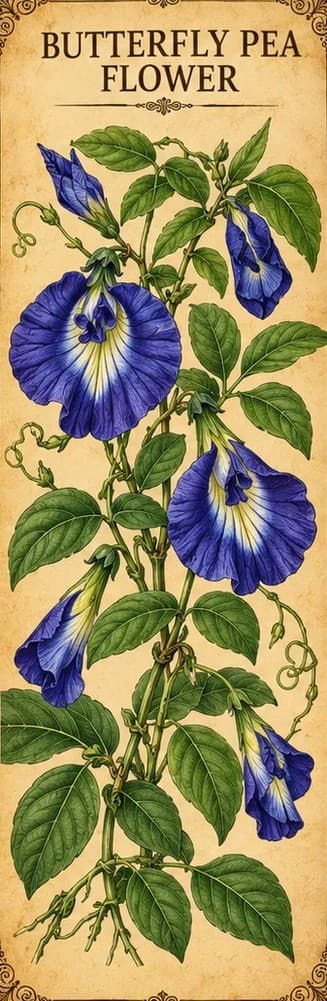
Botanical illustration of Butterfly Pea Flower

Butterfly Pea Flower

Clitoria ternatea

A vivid blue flower used as a colour-changing tea and food colouring, and traditionally in South Asia to boost memory and for headache and eye infections.

No. 084Medicinal
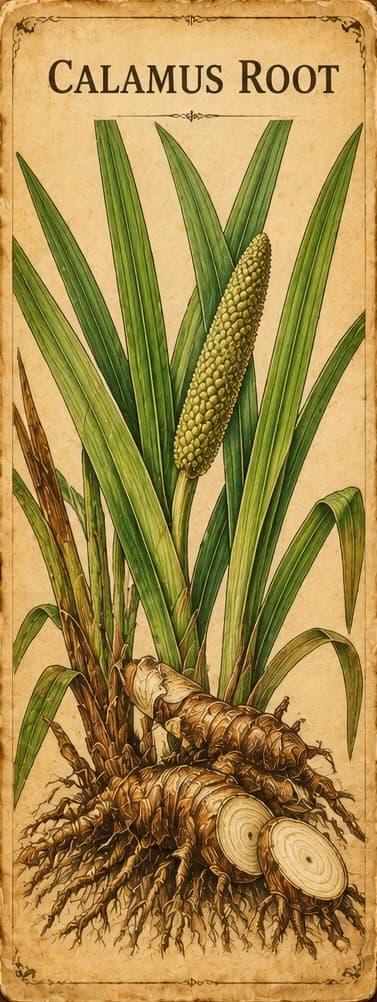
Botanical illustration of Calamus Root

Calamus Root

Acorus calamus

The root of sweet flag, a marsh plant used in traditional medicine around the world for stomach cramps and asthma. It contains beta-asarone, which caused cancer in animal studies; adding it to food is banned in the US.

No. 085Medicinal
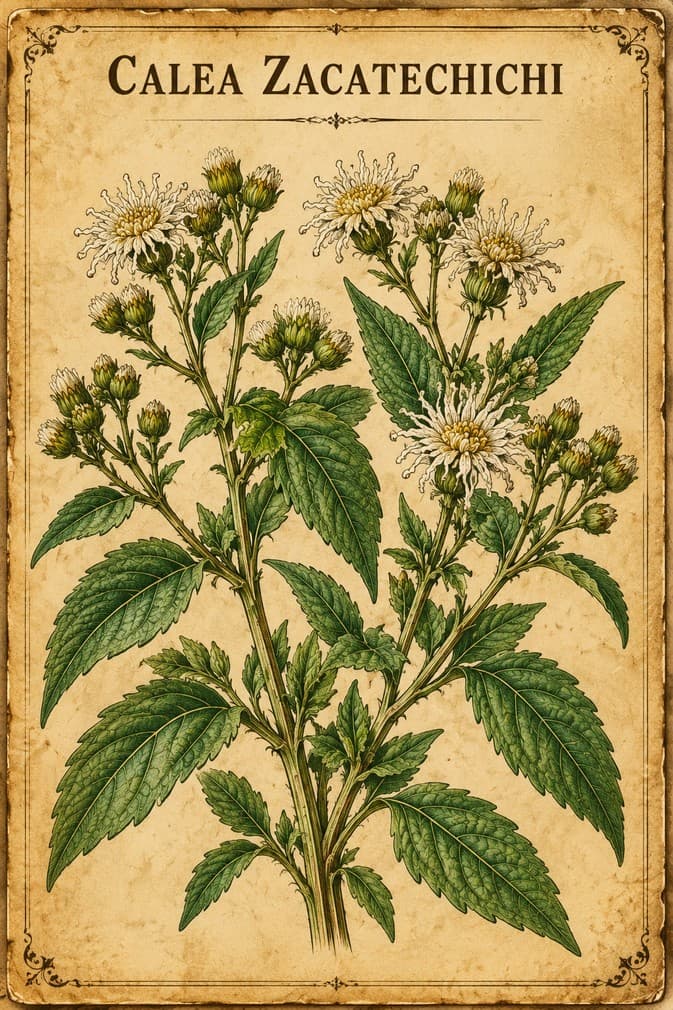
Botanical illustration of Calea Zacatechichi

Calea Zacatechichi

Calea zacatechichi

A Mexican shrub in the daisy family, known as dream herb, used in rituals to bring on vivid dreams and in folk medicine for coughs, asthma and stomach problems. Its safety hasn't been properly studied.

No. 086Medicinal
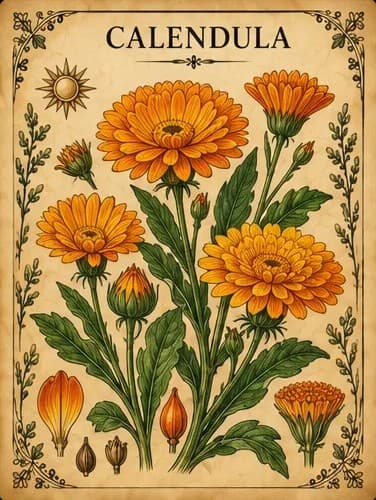
Botanical illustration of Calendula

Calendula

Calendula officinalis

The pot marigold, used in creams and ointments to soothe the skin. It is recognized in Europe for minor skin inflammation such as sunburn and to help minor wounds heal.

No. 087Culinary
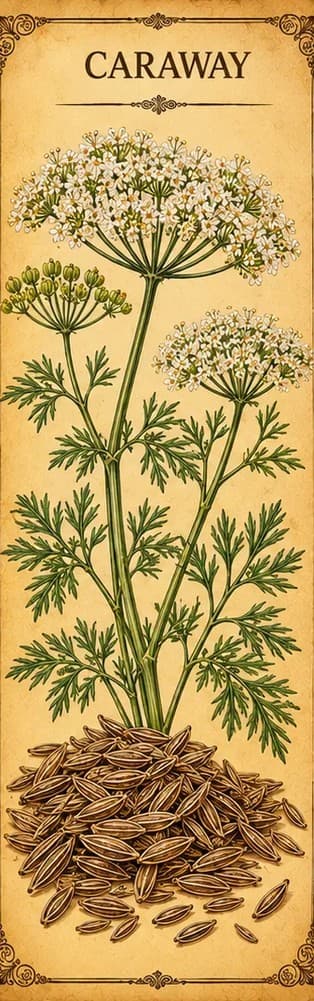
Botanical illustration of Caraway

Caraway

Carum carvi

A carrot-family plant whose fruit (seeds) is used as a spice and, in Europe, as a traditional tea for bloating and wind.

No. 088Culinary
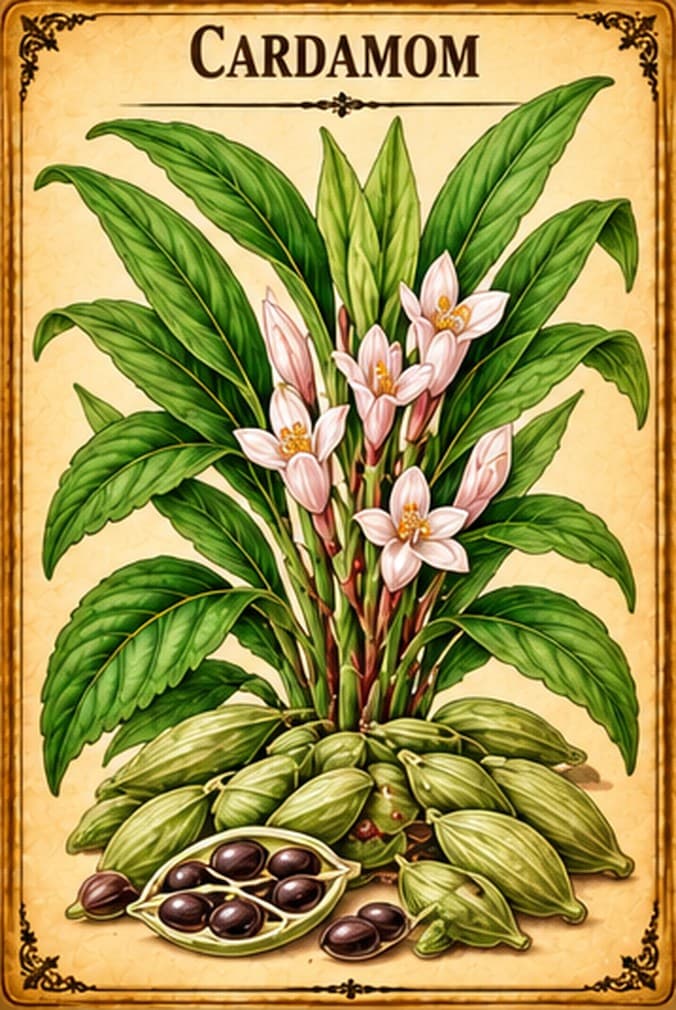
Botanical illustration of Cardamom

Cardamom

Elettaria cardamomum

A spice from the ginger family. Reviews of small trials found it lowered some blood fats, inflammation markers and blood pressure slightly.

No. 089Medicinal
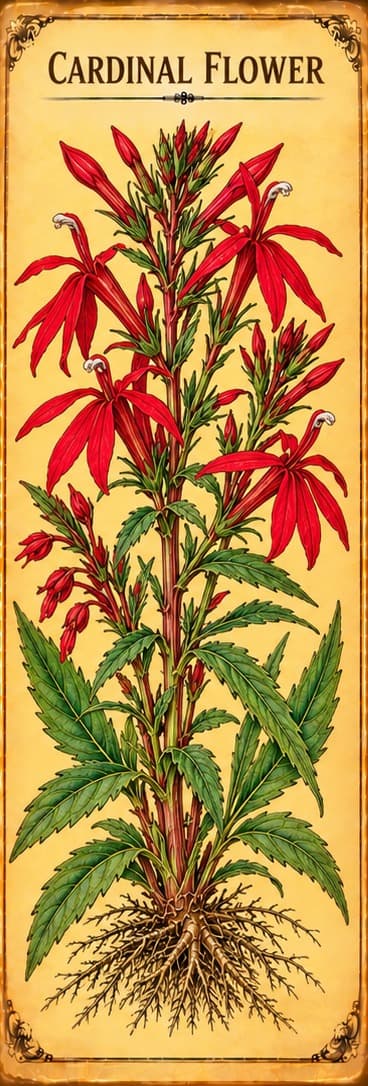
Botanical illustration of Cardinal Flower

Cardinal Flower

Lobelia cardinalis

A red-flowered lobelia of the Americas. Its main alkaloid, lobinaline, is being studied in the lab for Parkinson's disease and addiction.

No. 090Medicinal
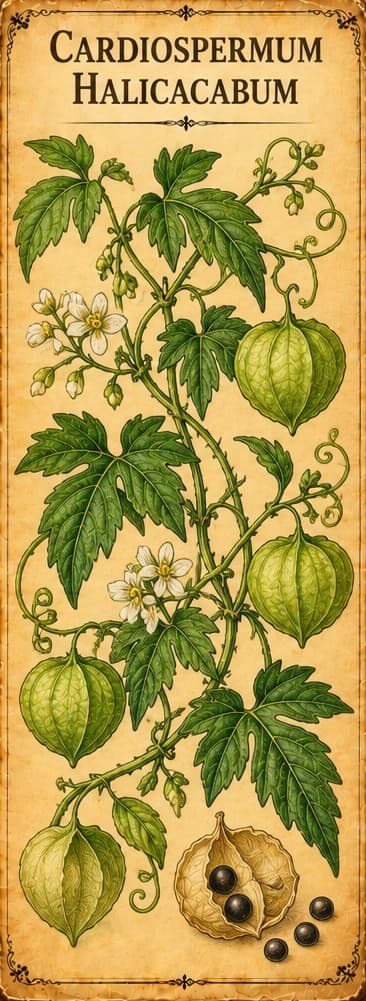
Botanical illustration of Cardiospermum Halicacabum

Cardiospermum Halicacabum

Cardiospermum halicacabum

Balloon vine, a climbing plant with papery, balloon-like seed pods, eaten as a leafy vegetable in India and used in traditional Indian medicine for rheumatism, pain, coughs and skin diseases.

No. 091Medicinal
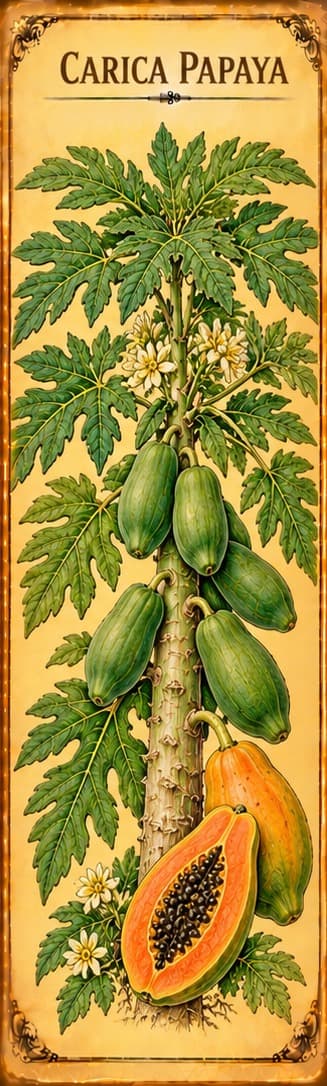
Botanical illustration of Carica Papaya

Carica Papaya

Carica papaya

The papaya tree, whose leaf extract has been studied for raising low platelet counts during chemotherapy and dengue fever, with promising but early results.

No. 092Medicinal
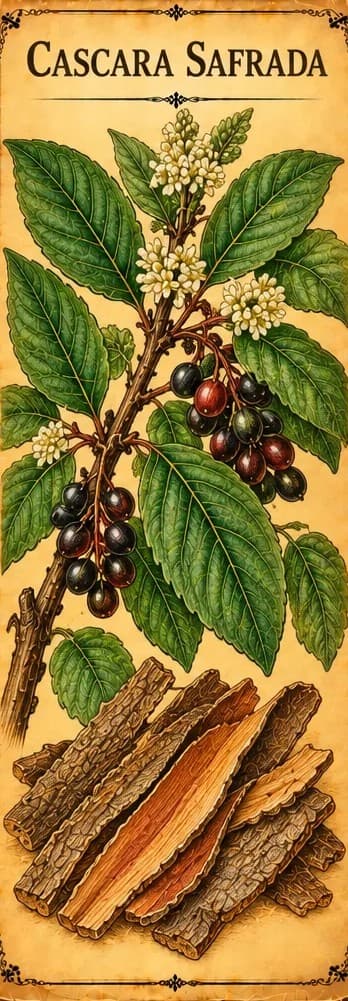
Botanical illustration of Cascara Sagrada

Cascara Sagrada

Rhamnus purshiana

The dried bark of a tree, accepted in the EU as a stimulant laxative for short-term use in occasional constipation. It shouldn't be used for more than a week.

No. 093Medicinal
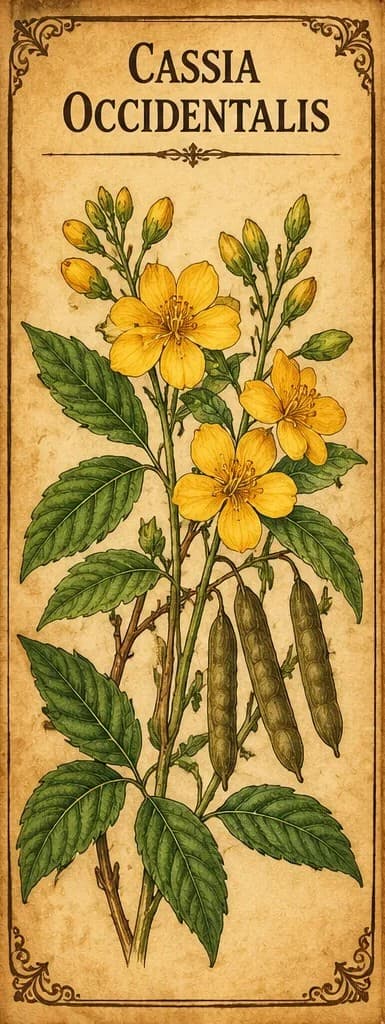
Botanical illustration of Cassia Occidentalis

Cassia Occidentalis

Senna occidentalis

A tropical weed, also called coffee senna, used in Ayurveda and other traditional medicine. Its seeds have caused deadly poisoning in children in India, and the leaves have caused fatal liver failure.

No. 094Medicinal
Botanical illustration of Castor Oil

Castor Oil

Ricinus communis

Oil pressed from castor seeds, a strong traditional laxative also used to bring on labour. The seeds themselves contain ricin, one of the most toxic plant substances.

No. 095Medicinal
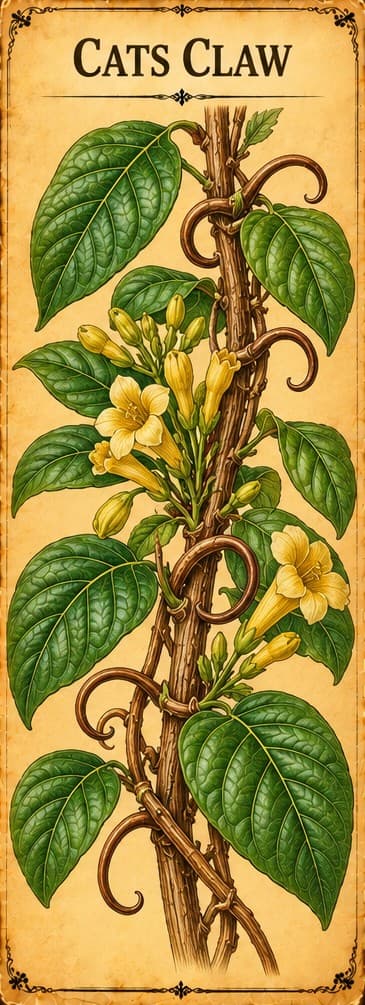
Botanical illustration of Cat's Claw

Cat's Claw

Uncaria tomentosa

A woody vine from the Amazon rainforest, named for its hooked thorns, used by Indigenous Amazonian peoples for centuries and now promoted for arthritis. There's no conclusive evidence it helps any health condition.

No. 096Medicinal
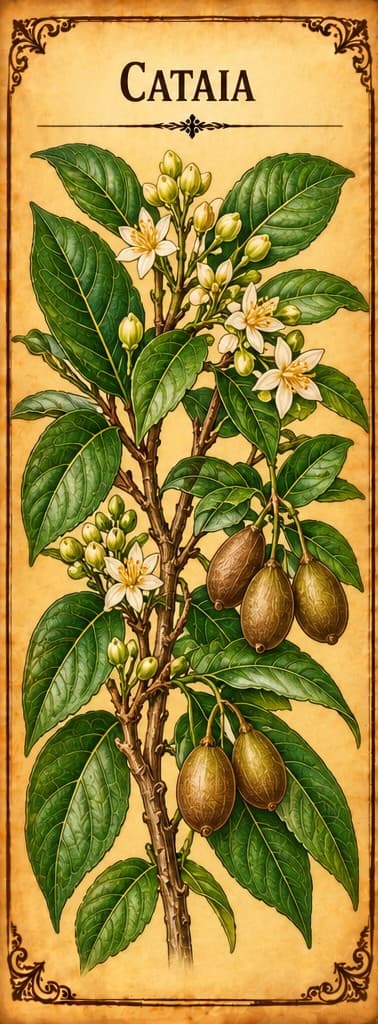
Botanical illustration of Cataia

Cataia

Pimenta pseudocaryophyllus

A clove-scented Brazilian tree whose leaf tea is a folk remedy for emotional tension, as an aphrodisiac and to increase urination. In mice, its leaves reduced anxiety and inflammatory pain.

No. 097Medicinal
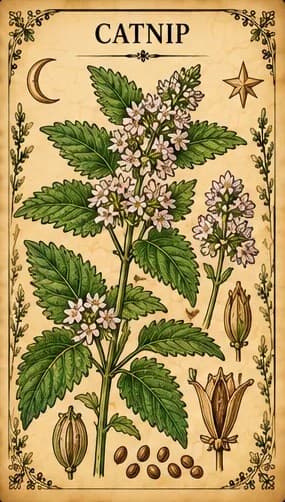
Botanical illustration of Catnip

Catnip

Nepeta cataria

A plant in the mint family traditionally used for colic, coughs, asthma and nervous upset. Its oil is also an effective mosquito repellent.

No. 098Medicinal
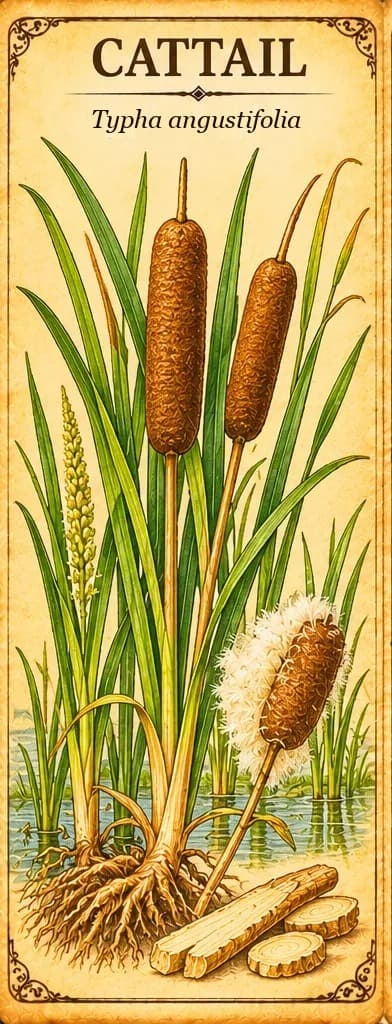
Botanical illustration of Cattail

Cattail

Typha angustifolia

A common wetland plant whose pollen reduced inflammation in rat studies.

No. 099Medicinal
Botanical illustration of Caulis Spatholobus

Caulis Spatholobus

Spatholobus suberectus

Ji xue teng, or "chicken blood vine", a woody vine whose cut stem oozes red sap. It's used in Chinese medicine for anemia, irregular periods and rheumatic joint pain.

No. 100Culinary
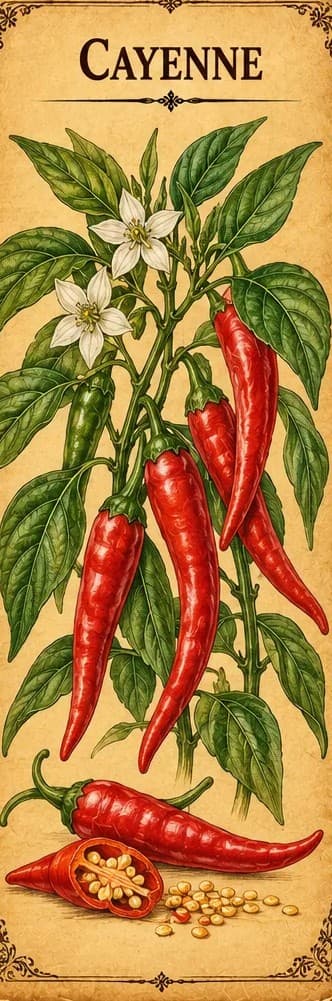
Botanical illustration of Cayenne

Cayenne

Capsicum frutescens

Hot chili pepper. In the EU, cayenne extract in skin plasters and creams is an accepted medicine for muscle pain such as low back pain.

No. 101Medicinal
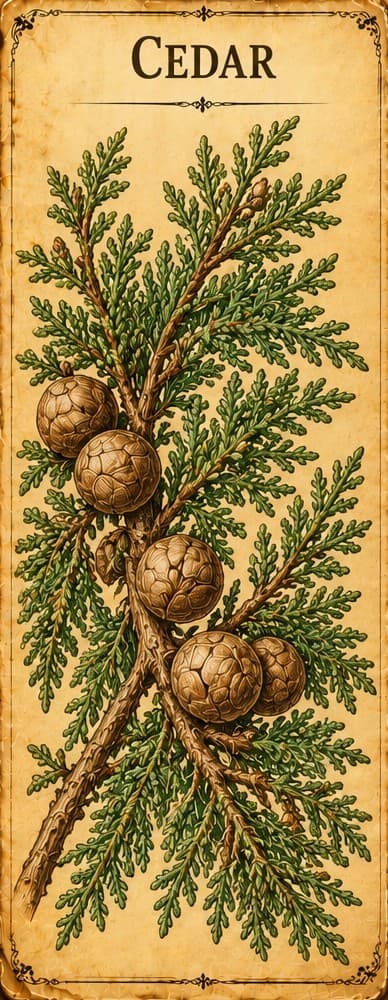
Botanical illustration of Cedar

Cedar

Thuja occidentalis

Northern white cedar, or arborvitae, a North American evergreen. Indigenous people in Canada showed it to 16th-century explorers as a remedy for scurvy. Its fresh leaves contain thujone and can be poisonous.

No. 102Medicinal
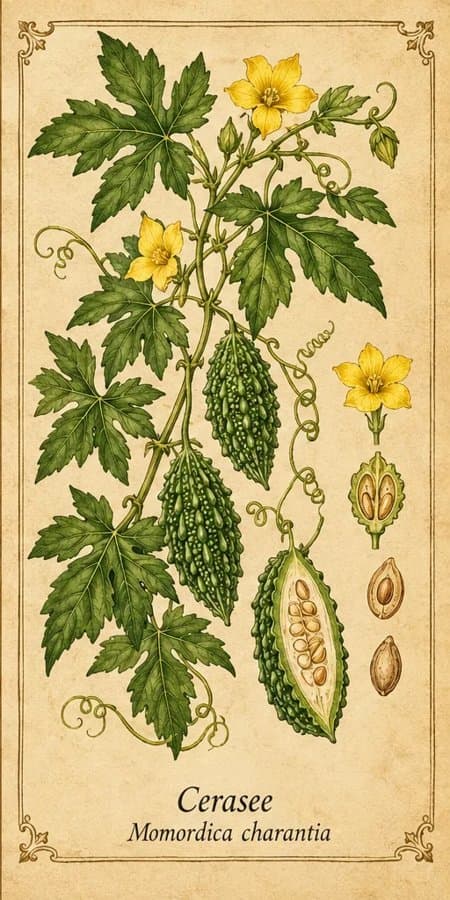
Botanical illustration of Cerasee

Cerasee

Momordica charantia

A bitter plant known in Jamaica as cerasee and elsewhere as bitter melon, widely used as a folk remedy for diabetes and high blood pressure.

No. 103Medicinal
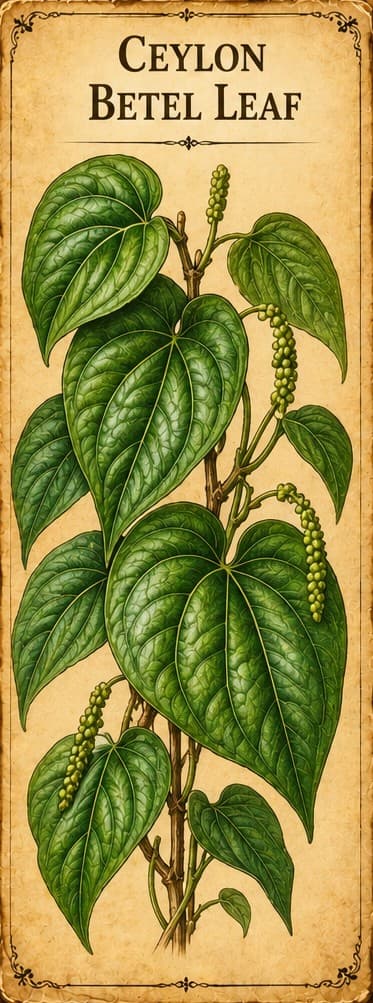
Botanical illustration of Ceylon Betel Leaf

Ceylon Betel Leaf

Piper betle

The heart-shaped leaf of the betel vine, chewed across Asia and used in folk medicine for the mouth, skin and joints. Betel quid, the leaf wrapped around areca nut, causes mouth cancer.

No. 104Medicinal
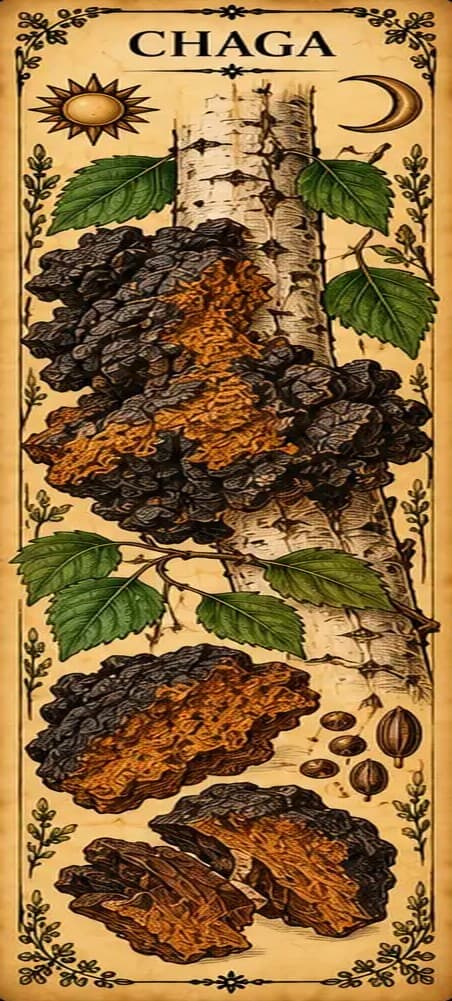
Botanical illustration of Chaga

Chaga

Inonotus obliquus

A dark, crusty fungus that grows on birch trees, long used as a folk remedy in Siberia and Russia for immunity. It is very high in oxalate, and long-term use has caused kidney damage.

No. 105Medicinal
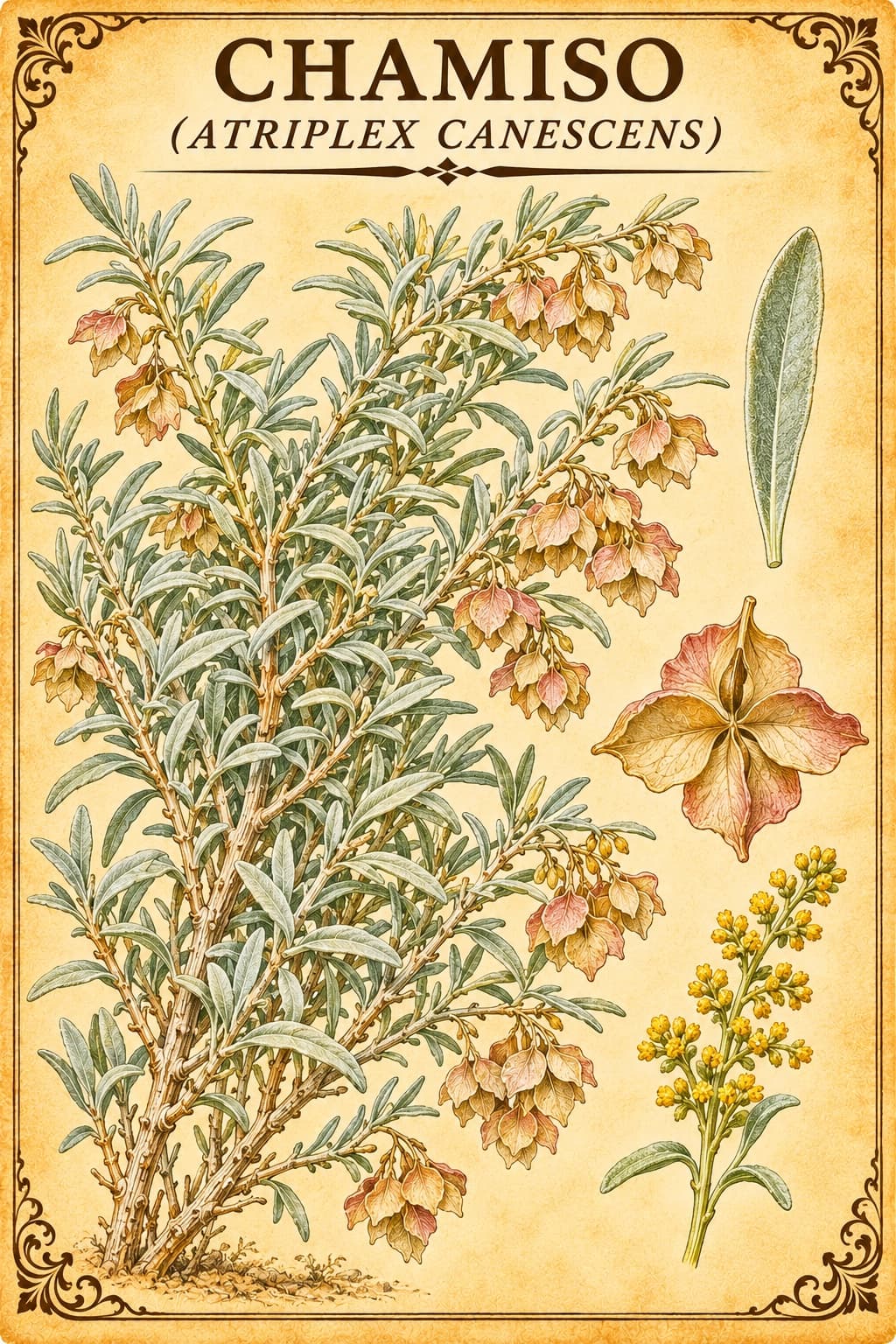
Botanical illustration of Chamiso

Chamiso

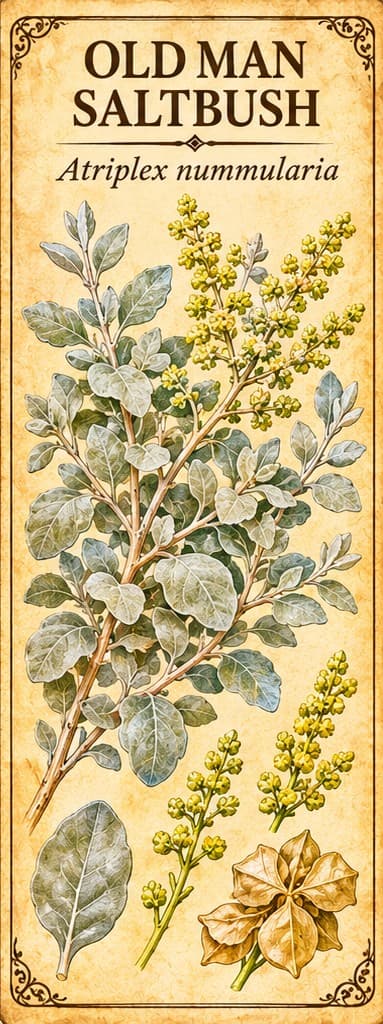
Atriplex canescens

Four-wing saltbush, a shrub of the western US. Southwestern peoples put its leaves on ant bites and used its ashes like baking soda to keep blue corn blue.

No. 106Medicinal
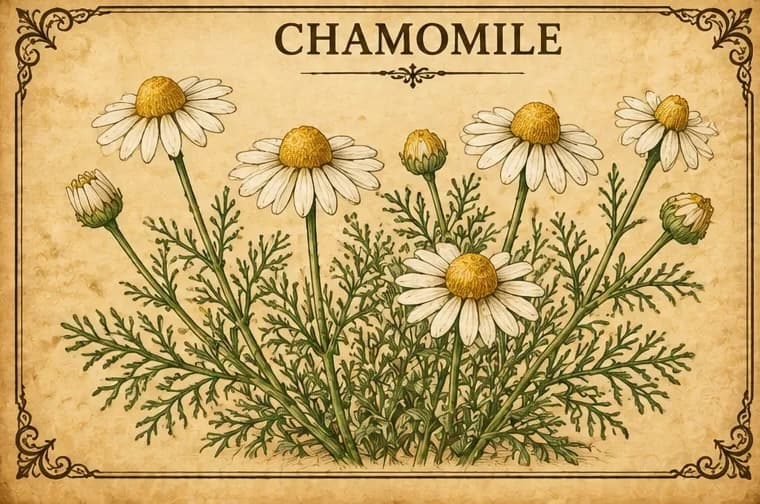
Botanical illustration of Chamomile

Chamomile

Matricaria chamomilla

A daisy-like flower, usually made into tea, traditionally used for relaxation and digestive comfort.

No. 107Medicinal
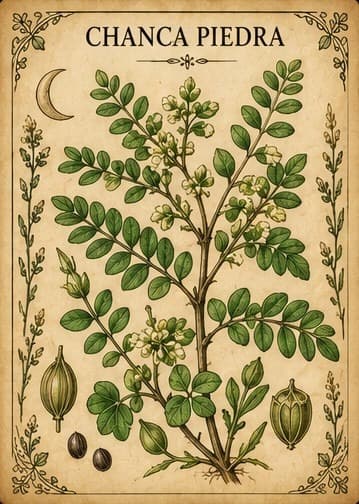
Botanical illustration of Chanca Piedra

Chanca Piedra

Phyllanthus niruri

A plant traditionally used in Malay, Chinese and Ayurvedic medicine for kidney stones and liver problems. It has been studied for both, with mixed results.

No. 108Medicinal
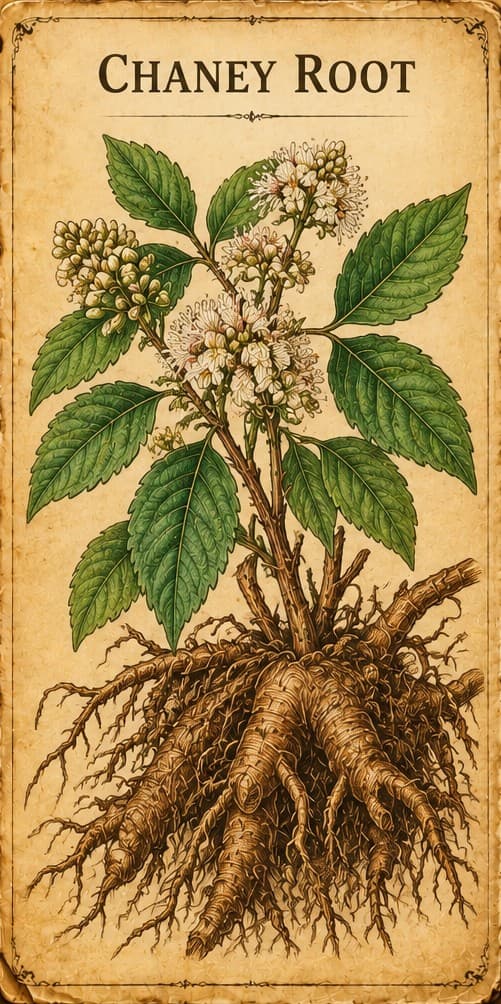
Botanical illustration of Chaney Root

Chaney Root

Smilax balbisiana

A Jamaican climbing plant related to sarsaparilla. Its root is boiled into the popular "root tonic" drunk for stamina, and into teas for colds and flu. It hasn't been studied in people.

No. 109Medicinal
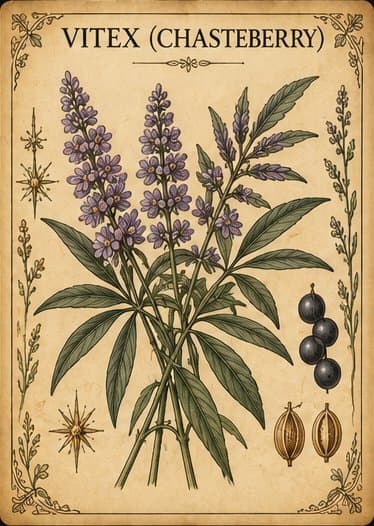
Botanical illustration of Chasteberry

Chasteberry

Vitex agnus-castus

The berries of the chaste tree (vitex), recognized in Europe for easing PMS (premenstrual syndrome).

No. 110Medicinal
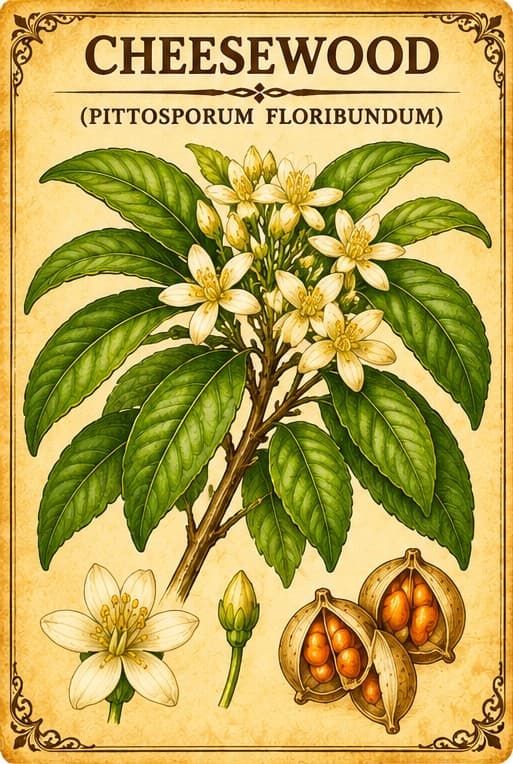
Botanical illustration of Cheesewood

Cheesewood

Pittosporum napaulense

A Himalayan evergreen tree whose bark paste is put on injuries and broken bones in Nepal. Its bark stopped drug-resistant bacteria in a lab study.

No. 111Culinary
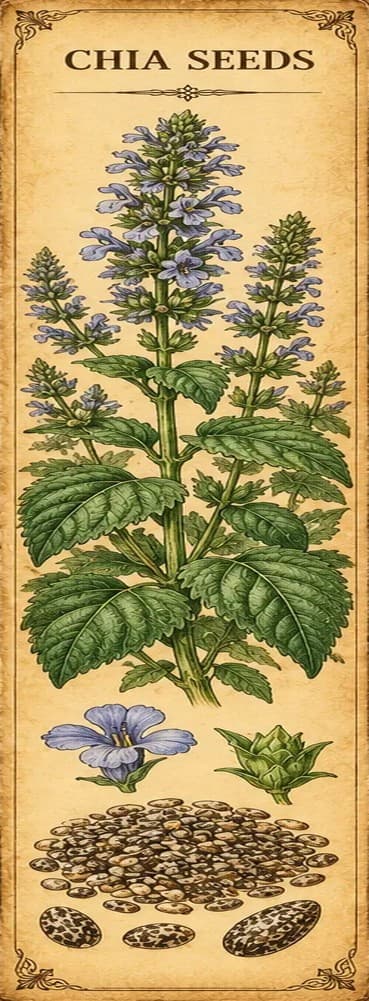
Botanical illustration of Chia Seeds

Chia Seeds

Salvia hispanica

Seeds rich in fibre, protein and omega-3 fats that form a gel in water. In trials they reduced waist size and blood pressure slightly, but not cholesterol or blood sugar.

No. 112Medicinal
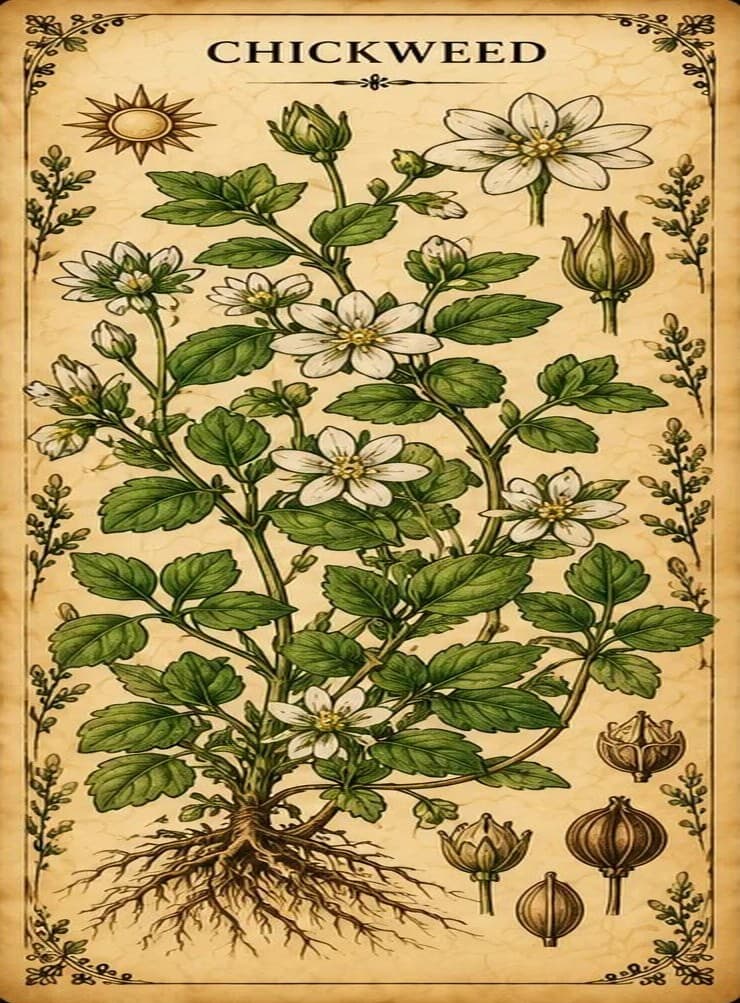
Botanical illustration of Chickweed

Chickweed

Stellaria media

A wild weed found worldwide, eaten as a leafy green and traditionally used for skin problems such as burns, cuts and scratches. It hasn't been studied in people.

No. 113Medicinal
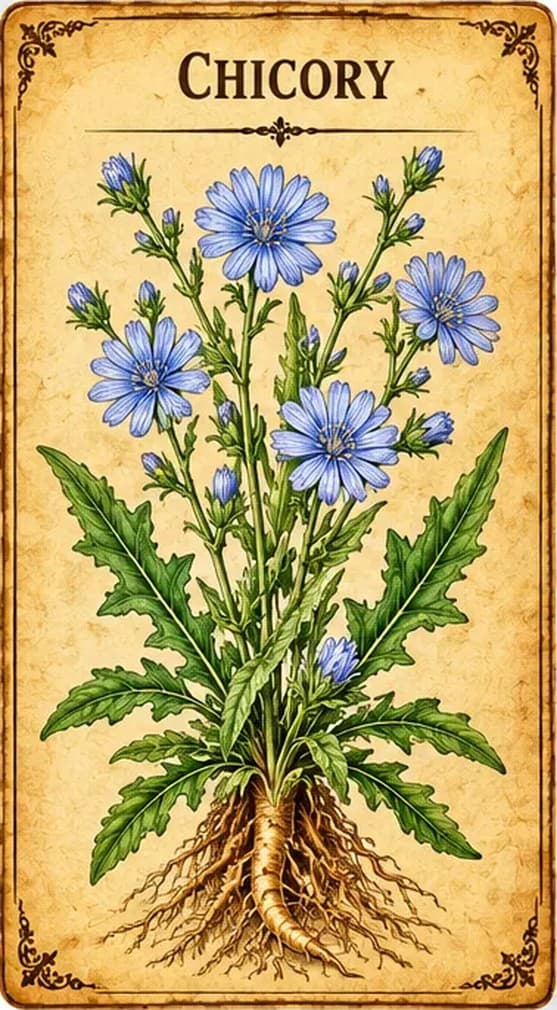
Botanical illustration of Chicory

Chicory

Cichorium intybus

A plant whose root is made into tea. Recognized in Europe as a traditional remedy for mild digestive problems and loss of appetite.

No. 114Medicinal
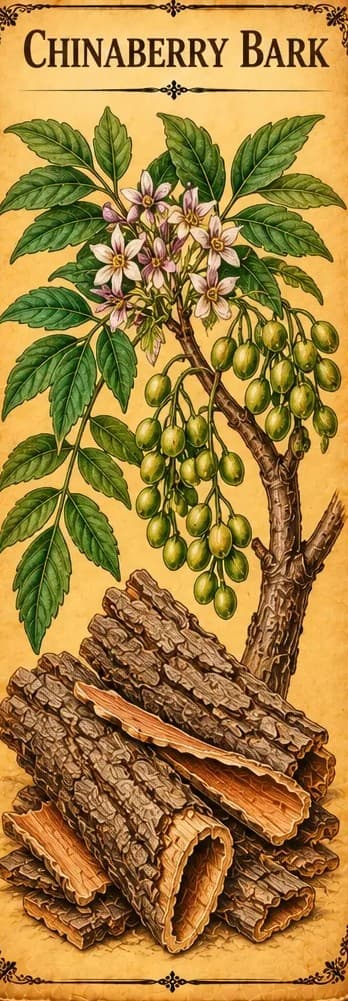
Botanical illustration of Chinaberry Bark

Chinaberry Bark

Melia azedarach

Bark of the chinaberry tree, whose compound toosendanin was developed in China as a roundworm medicine. The plant is toxic: toosendanin damages the liver, and chinaberry has poisoned many kinds of animals.

No. 115Medicinal
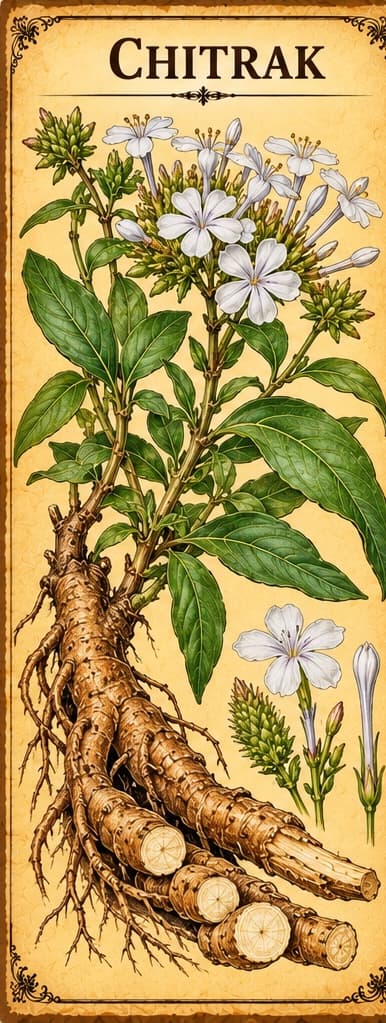
Botanical illustration of Chitrak

Chitrak

Plumbago zeylanica

An Ayurvedic plant whose root is used for liver disorders and long-lasting inflammation. Ayurveda purifies the root before use, and root extracts damaged the liver and kidneys in rats.

No. 116Medicinal
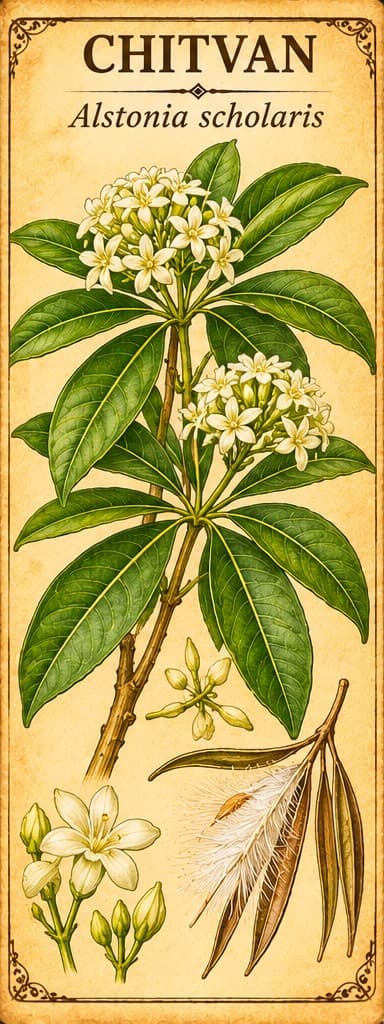
Botanical illustration of Chitvan

Chitvan

Alstonia scholaris

An Asian tree whose bark has been used by healers since medieval times. Lab and animal studies found a range of effects, but high doses damaged the liver in rats.

No. 117Culinary
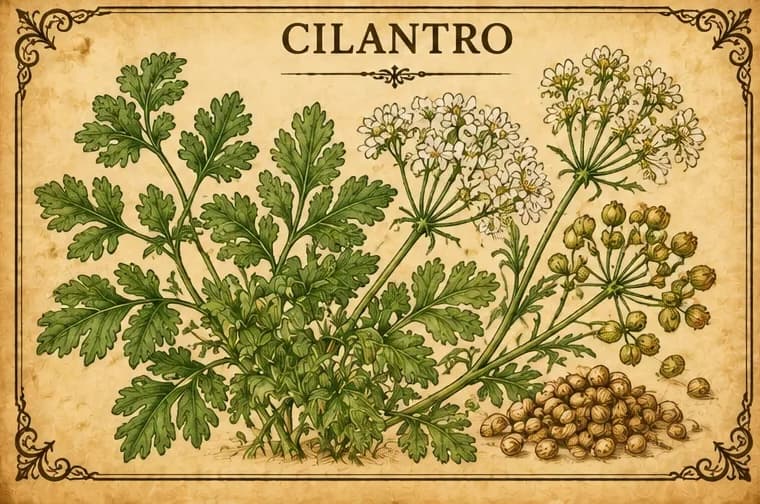
Botanical illustration of Cilantro

Cilantro

Coriandrum sativum

A fresh, citrusy kitchen herb. Its seeds, sold as coriander, are traditionally used to support digestion.

No. 118Culinary
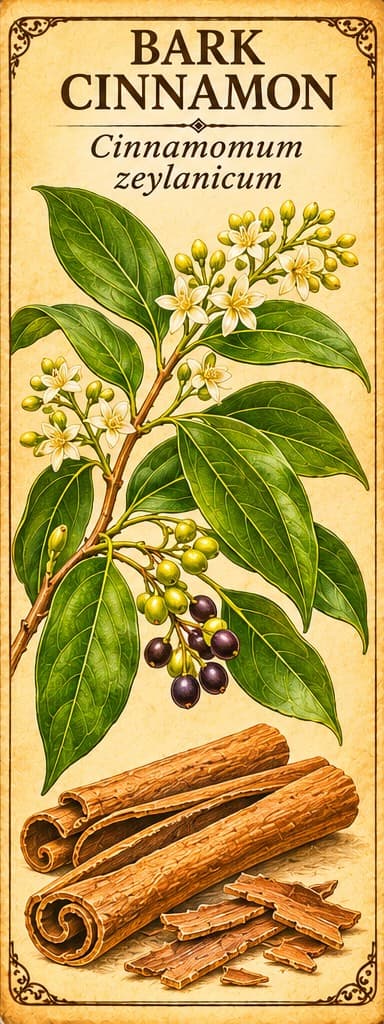
Botanical illustration of Cinnamon

Cinnamon

Cinnamomum verum

A warm kitchen spice made from tree bark, traditionally used for digestive complaints. Research on its effects on blood sugar and cholesterol is mixed.

No. 119Medicinal
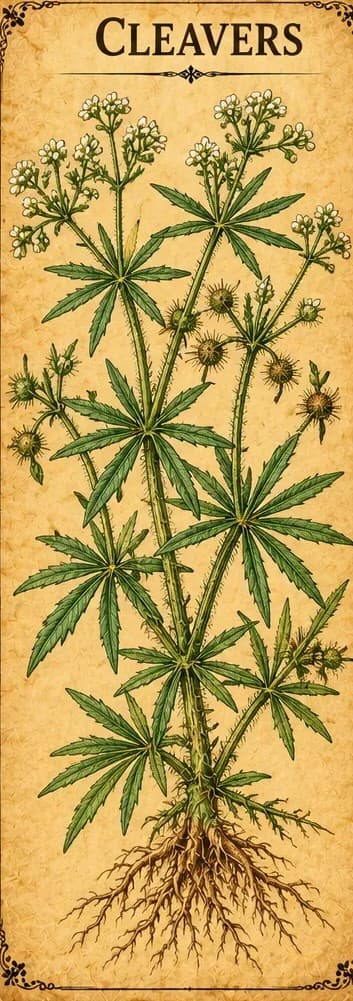
Botanical illustration of Cleavers

Cleavers

Galium aparine

A sticky, fast-growing plant traditionally used to increase urination and relieve bloating, and for swollen glands, fever and wounds. In the lab, an extract helped skin cells heal a scratch.

No. 120Medicinal
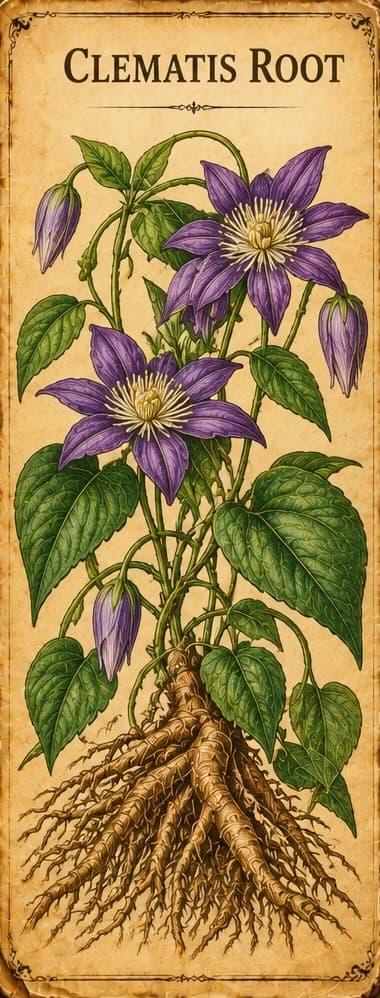
Botanical illustration of Clematis Root

Clematis Root

Clematis chinensis

The root of a Chinese climbing plant, known as wei ling xian, used in traditional Chinese medicine for rheumatic joint pain and stiff, numb limbs. It can be toxic.

No. 121Medicinal
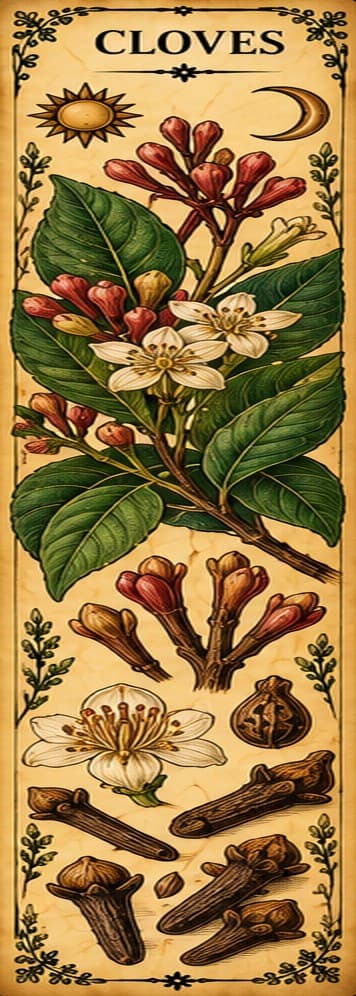
Botanical illustration of Cloves

Cloves

Syzygium aromaticum

A kitchen spice from the clove tree, whose oil is recognized in Europe for toothache and minor mouth and throat inflammation. In the lab, clove oil kills bacteria and fungi.

No. 122Culinary
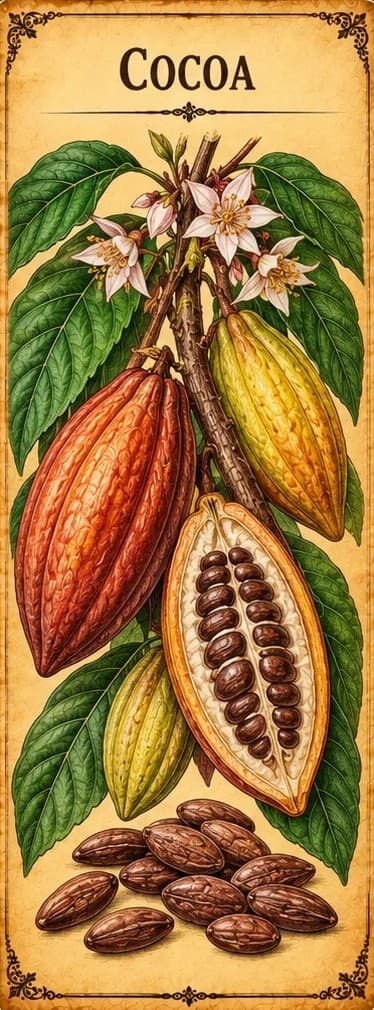
Botanical illustration of Cocoa

Cocoa

Theobroma cacao

The bean behind chocolate. Flavanol-rich cocoa lowered blood pressure slightly in a Cochrane review, and a large trial found fewer heart-related deaths.

No. 123Medicinal
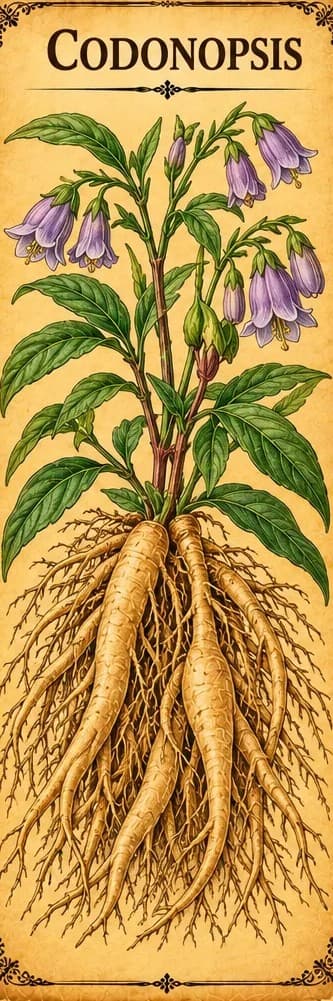
Botanical illustration of Codonopsis

Codonopsis

Codonopsis pilosula

Dang shen, a Chinese tonic root used alongside or in place of ginseng for about 1,000 years to strengthen the spleen, stomach and lungs. Research is in the lab and in animals.

No. 124Culinary
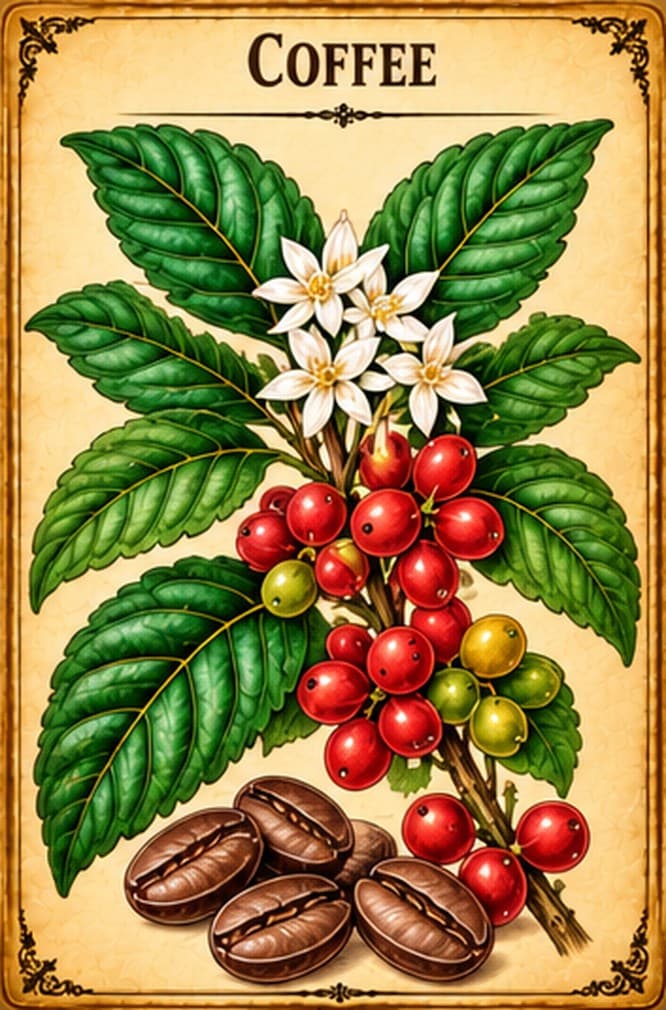
Botanical illustration of Coffee

Coffee

Coffea arabica

The world's favorite caffeine drink. Large reviews link 3 to 4 cups a day with lower risk of several diseases, though these studies show links, not proof.

No. 125Medicinal
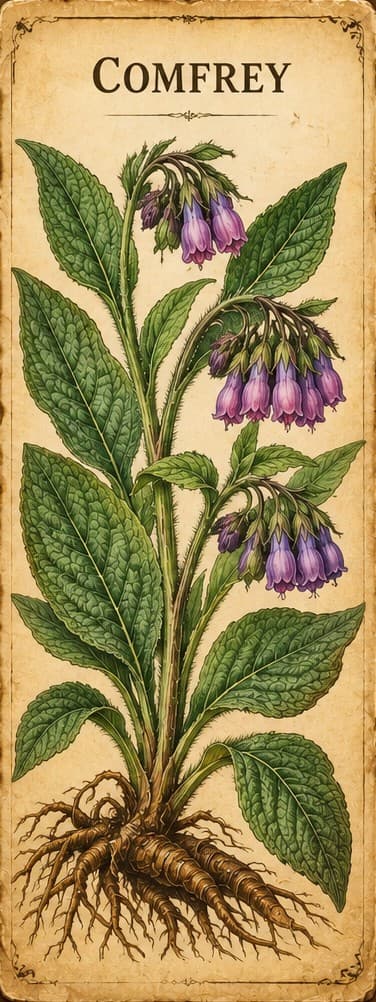
Botanical illustration of Comfrey

Comfrey

Symphytum officinale

A plant whose root is made into creams for minor sprains and bruises, recognised in Europe as a traditional remedy. Never take comfrey by mouth: it contains substances that damage the liver.

No. 126Medicinal
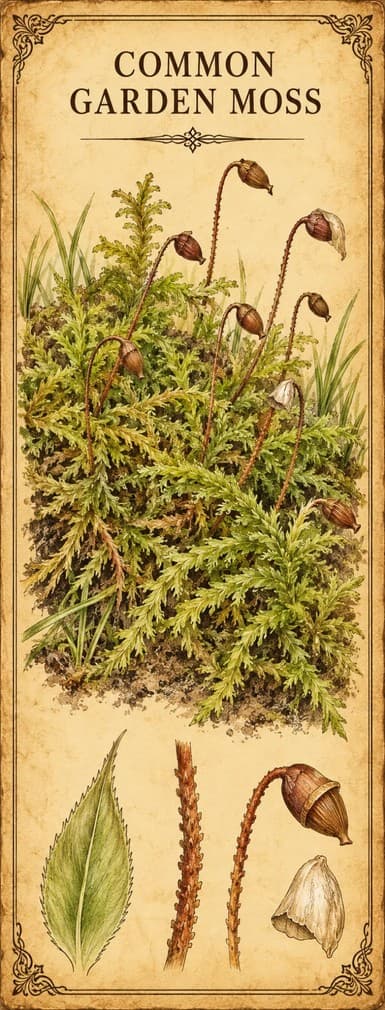
Botanical illustration of Common Garden Moss

Common Garden Moss

Brachythecium rutabulum

Rough-stalked feather-moss, a common lawn and garden moss probably used in 17th- and 18th-century Europe for dressing wounds and stopping bleeding.

No. 127Medicinal
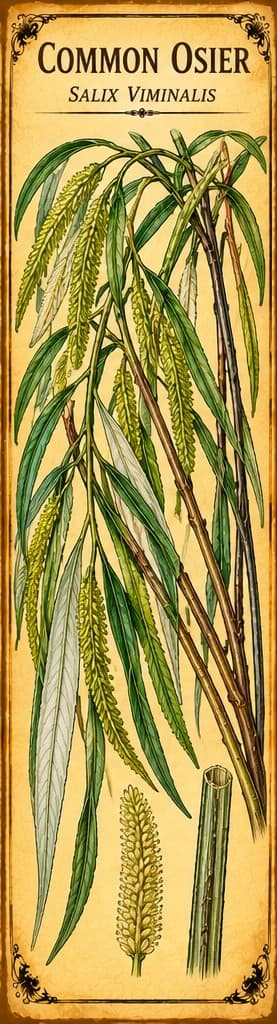
Botanical illustration of Common Osier

Common Osier

Salix viminalis

A basket willow, grown for weaving and medicine. Its buds are rich in the antioxidant catechin, and its bark contains salicylic acid.

No. 128Medicinal
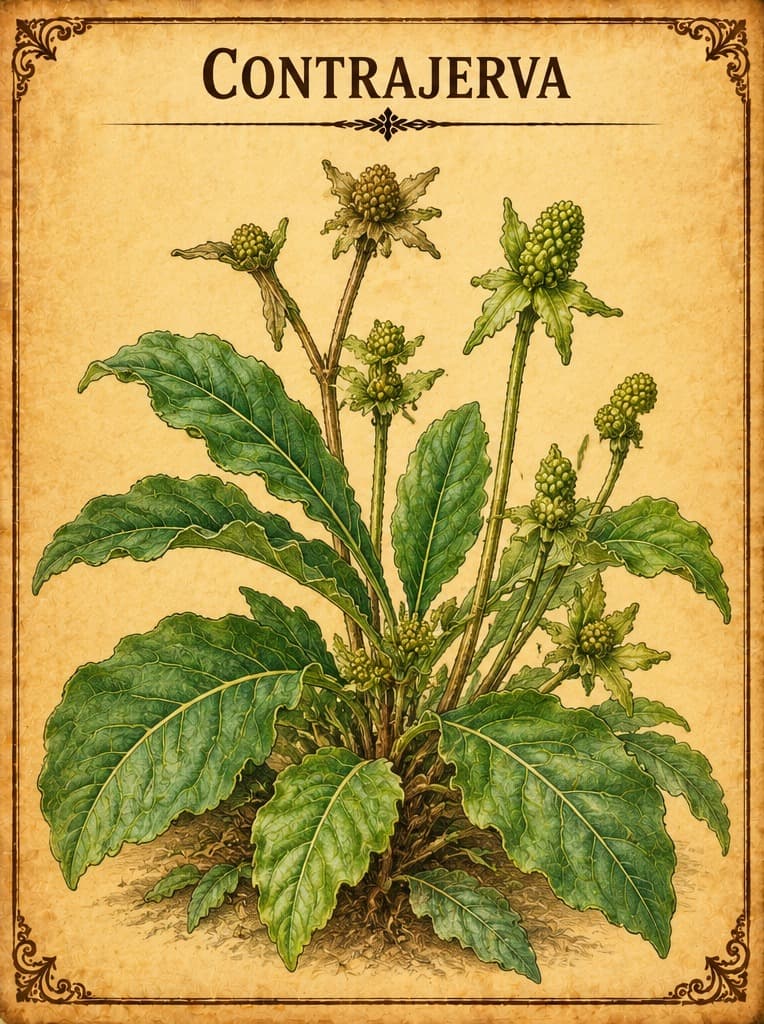
Botanical illustration of Contrajerva

Contrajerva

Dorstenia contrajerva

A small fig relative from tropical America, one of the most commonly reported traditional snakebite remedies in Central America. Its effects haven't been tested in people.

No. 129Medicinal
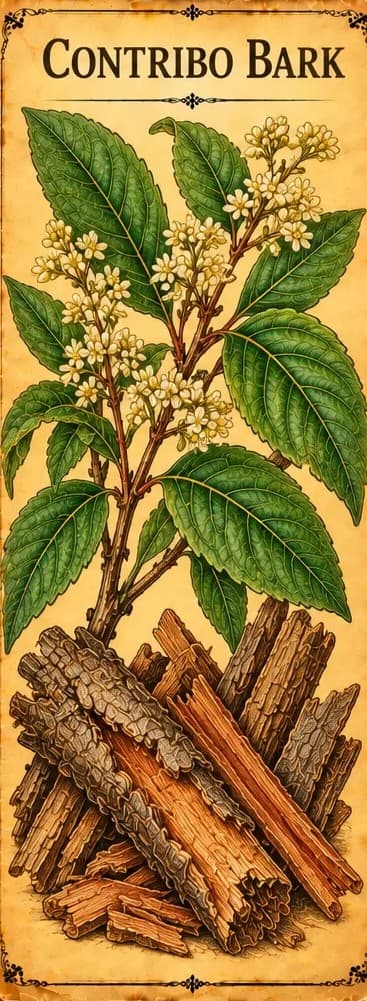
Botanical illustration of Contribo

Contribo

Aristolochia trilobata

An Aristolochia vine used in Caribbean and Latin American folk medicine for stomach aches, colic and asthma. It contains aristolochic acids, which cause kidney failure and urinary tract cancer.

No. 130Medicinal
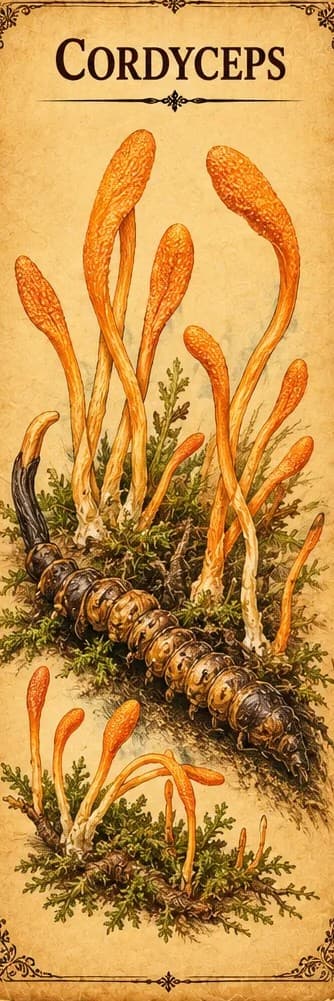
Botanical illustration of Cordyceps

Cordyceps

Ophiocordyceps sinensis

The Chinese caterpillar fungus, used for over 700 years as a lung and kidney tonic. Low-quality Chinese trials suggest cultured cordyceps products may help people with kidney disease on dialysis.

No. 131Medicinal
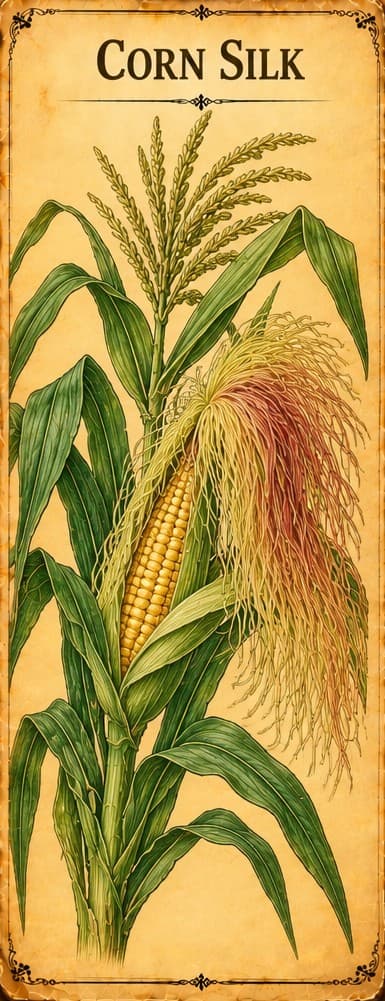
Botanical illustration of Corn Silk

Corn Silk

Zea mays

The silky threads of the corn plant, used in traditional Chinese medicine since at least 1476 to increase urination and reduce swelling. Lab and animal studies suggest it may affect blood sugar, blood fats and blood pressure.

No. 132Medicinal
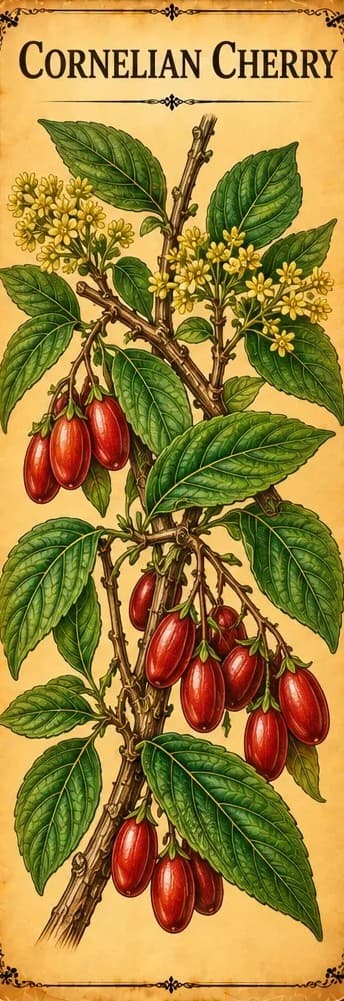
Botanical illustration of Cornelian Cherry

Cornelian Cherry

Cornus officinalis

Shan zhu yu, the sour fruit of an Asian dogwood, used in Chinese medicine for about 2,000 years as a liver and kidney tonic and for dizziness, ringing in the ears, frequent urination and heavy sweating. Research so far is in the lab and in animals.

No. 133Medicinal
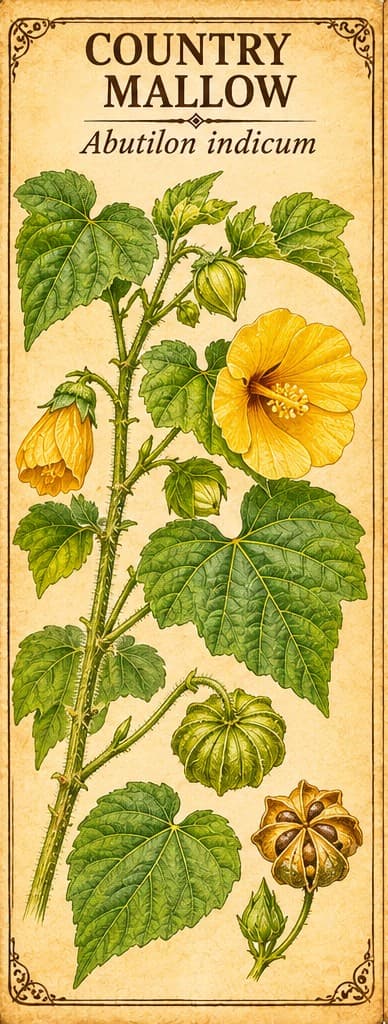
Botanical illustration of Country Mallow

Country Mallow

Abutilon indicum

Thuthi, a yellow-flowered mallow used in Indian traditional medicine for bronchitis, diabetes, jaundice and piles. Its leaf extract protected cells from oxidative damage in the lab.

No. 134Aromatic
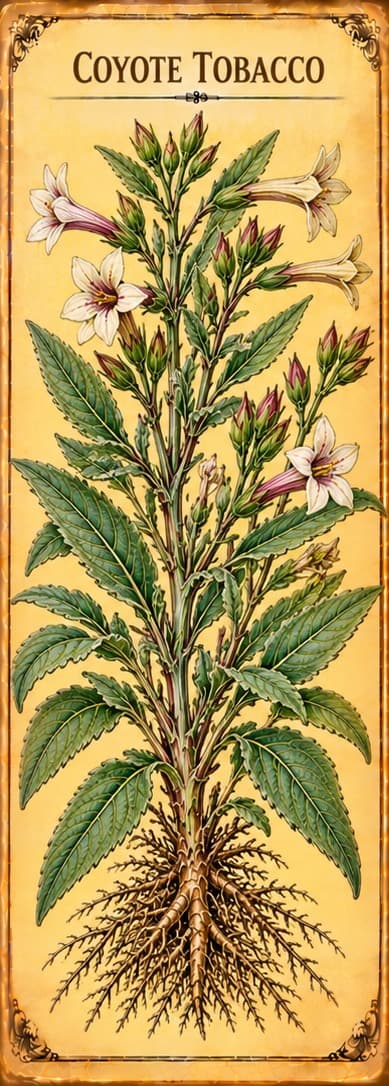
Botanical illustration of Coyote Tobacco

Coyote Tobacco

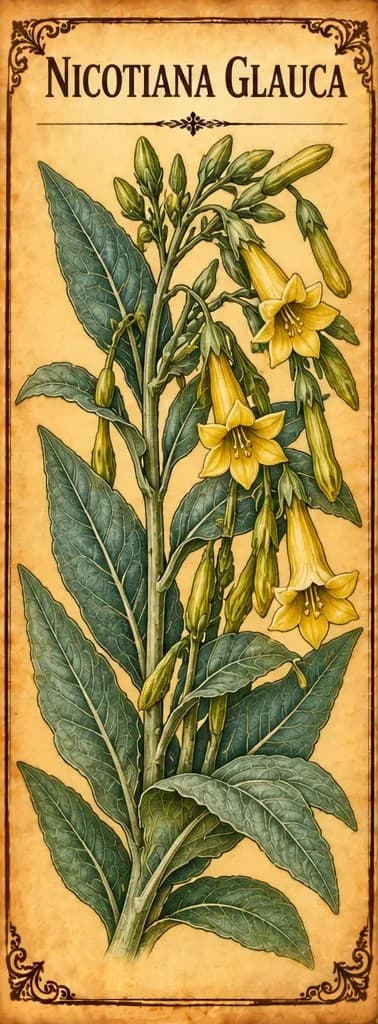
Nicotiana attenuata

A wild tobacco of western North America. Indigenous peoples of the Columbia Plateau smoked native tobacco for at least 1,200 years.

No. 135Medicinal
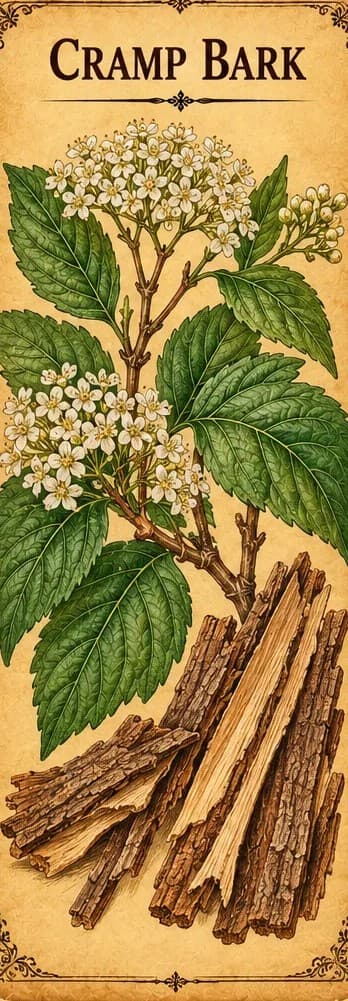
Botanical illustration of Cramp Bark

Cramp Bark

Viburnum opulus

The bark of the guelder rose, traditionally used for bleeding from the stomach or uterus and for haemorrhoids; the plant is used for coughs, colds and kidney problems. Research is in the lab and in animals.

No. 136Medicinal
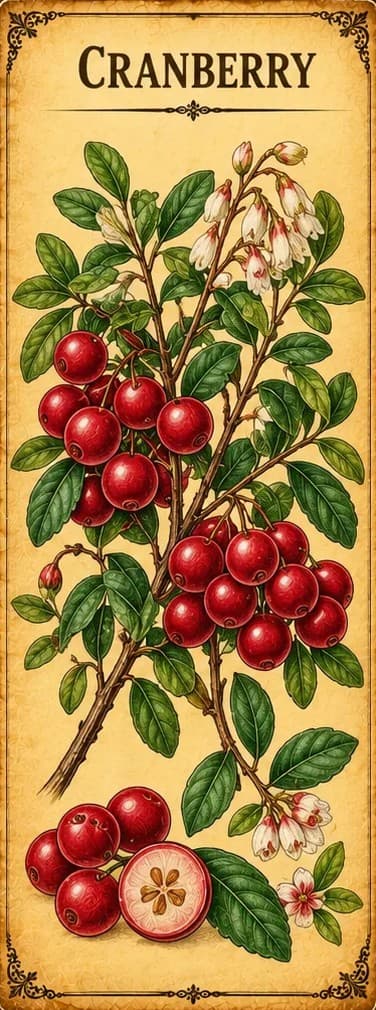
Botanical illustration of Cranberry

Cranberry

Vaccinium macrocarpon

A North American berry best known for helping prevent repeated urinary tract infections. A Cochrane review found it probably lowers the risk in some groups, but it doesn't treat an existing UTI.

No. 137Culinary
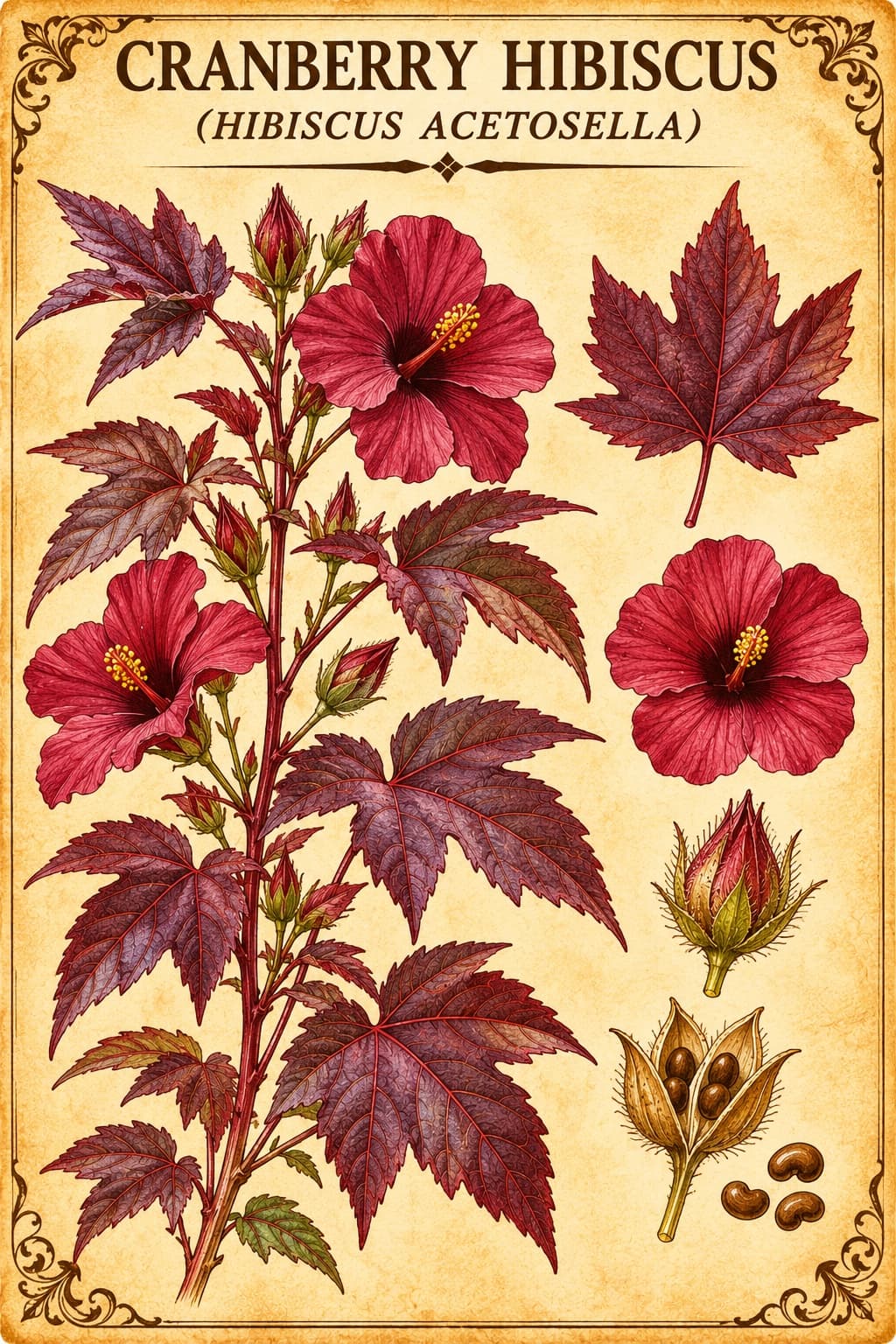
Botanical illustration of Cranberry Hibiscus

Cranberry Hibiscus

Hibiscus acetosella

An African hibiscus whose leaves are eaten as a vegetable and boiled into drinks for anemia and fever. Its sour flowers are edible too.

No. 138Medicinal
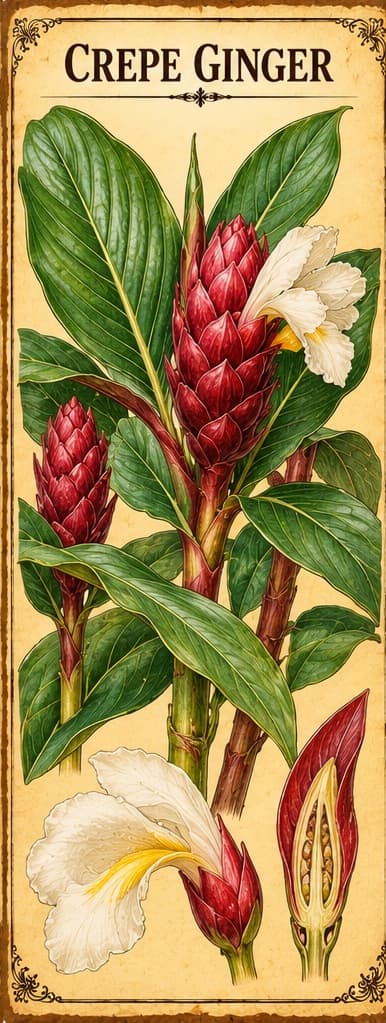
Botanical illustration of Crepe Ginger

Crepe Ginger

Hellenia speciosa

A plant from South East Asia whose rhizome is traditionally used for inflammation and pain. In Puerto Rico it's used alongside diabetes treatment, and one small study tested rhizome nose drops for sore throat.

No. 139Medicinal
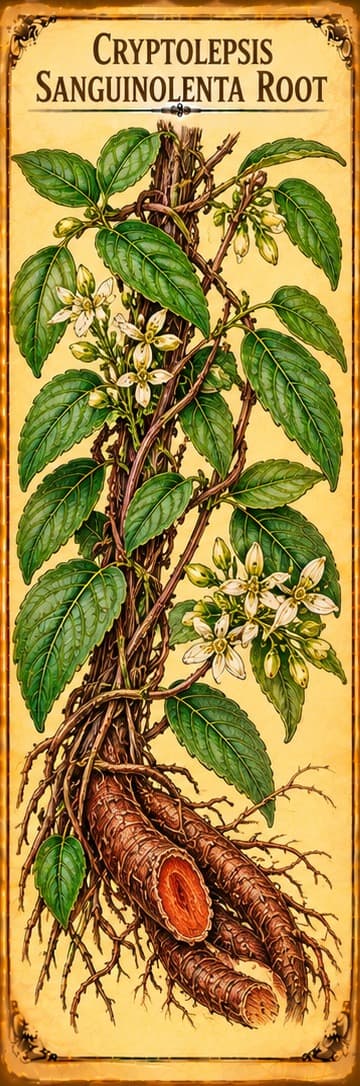
Botanical illustration of Cryptolepis Sanguinolenta Root

Cryptolepis Sanguinolenta Root

Cryptolepis sanguinolenta

A West African vine whose root is used in Ghana, often with neem, in herbal malaria medicines. In lab tests it strongly killed malaria parasites, including drug-resistant ones.

No. 140Culinary
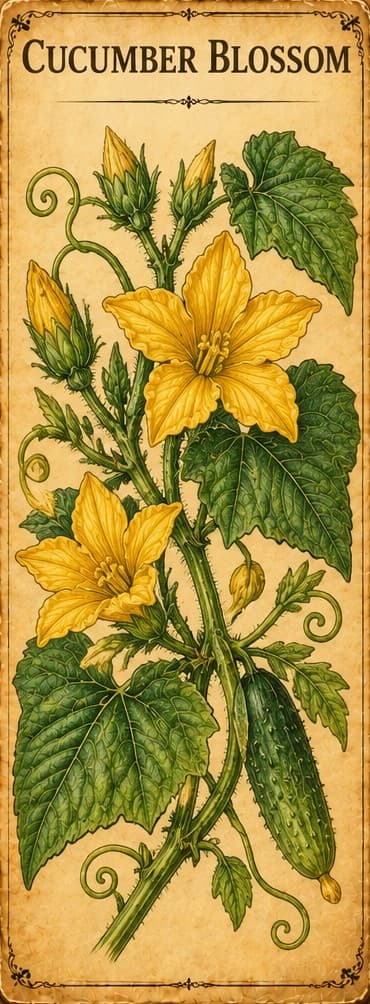
Botanical illustration of Cucumber Blossom

Cucumber Blossom

Cucumis sativus

The yellow flower of the cucumber vine. The flowers have barely been studied: one lab study found a flower extract slowed some bacteria and fungi, an effect the researchers called almost comparable to standard medicines.

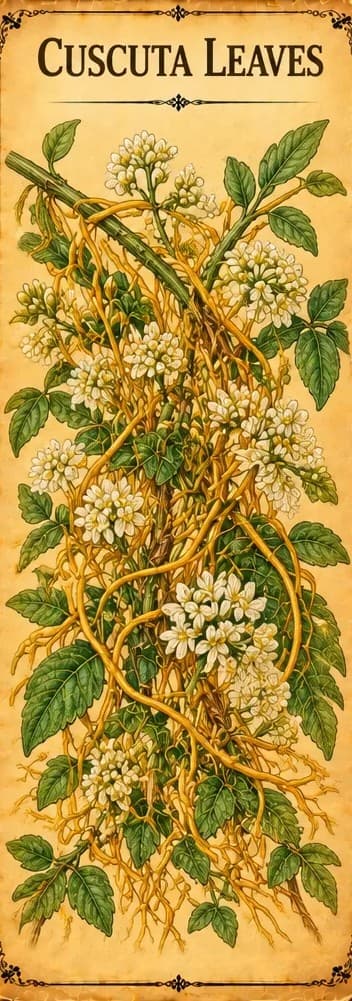
No. 141Medicinal
Botanical illustration of Cuscuta

Cuscuta

Cuscuta chinensis

Dodder, a leafless-looking parasitic vine. Its seed, tu si zi, is a top-grade Chinese tonic for the liver and kidneys, eyesight, fertility and keeping pregnancies stable.

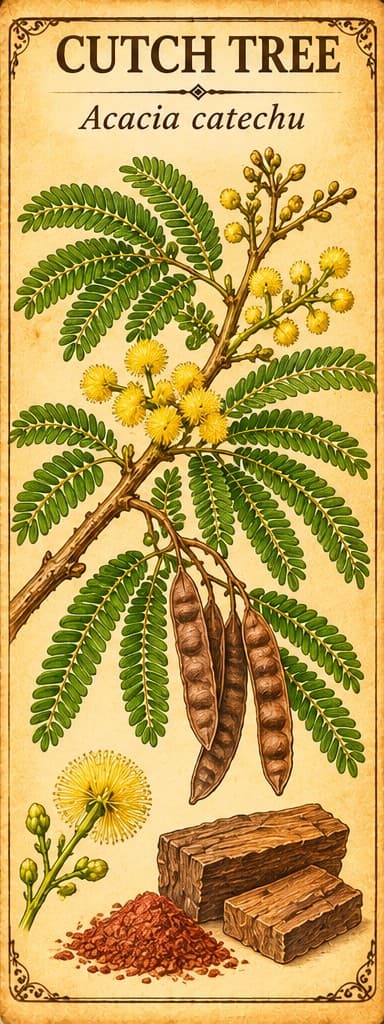
No. 142Medicinal
Botanical illustration of Cutch Tree

Cutch Tree

Senegalia catechu

Khair, an Asian tree whose heartwood gives katha and cutch. A cutch mouthrinse reduced decay-causing bacteria in children.

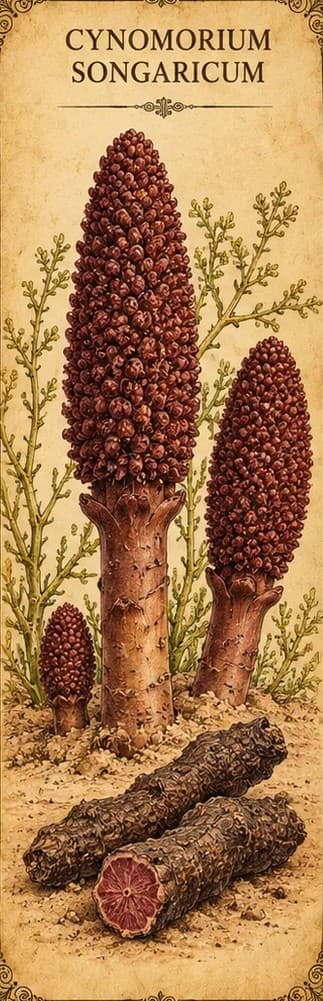
No. 143Medicinal
Botanical illustration of Cynomorium Songaricum

Cynomorium Songaricum

Cynomorium songaricum

Suo yang, a parasitic desert plant used in Chinese medicine to "tonify kidney yang" and enrich the blood. Lab and animal studies suggest effects on metabolism.

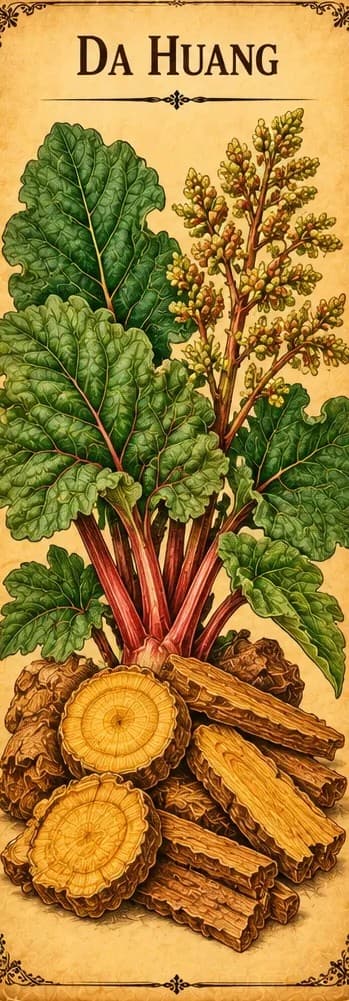
No. 144Medicinal
Botanical illustration of Da Huang

Da Huang

Rheum palmatum

Chinese rhubarb root, a Chinese medicine used for thousands of years as a purgative, and accepted in the EU as a stimulant laxative for occasional constipation, for no more than a week.

No. 145Medicinal
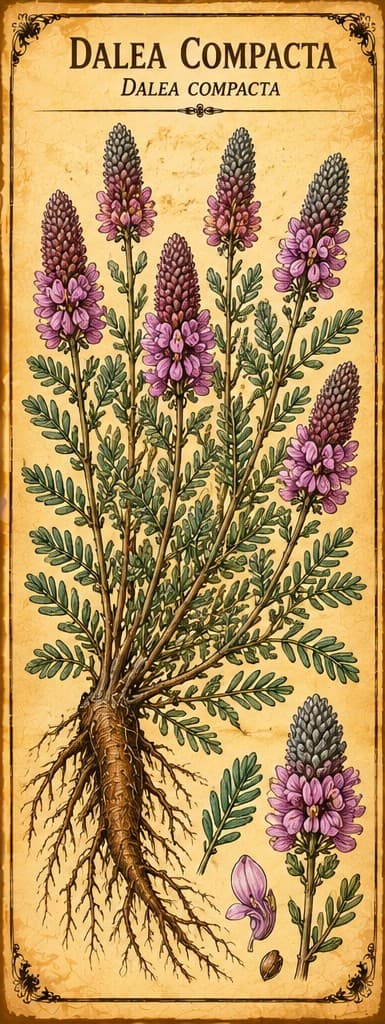
Botanical illustration of Dalea Compacta

Dalea Compacta

Dalea compacta

Compact prairie clover, a purple-flowered prairie plant whose root the Zuni used for stomachaches and as a poultice for sores and rashes.

No. 146Medicinal
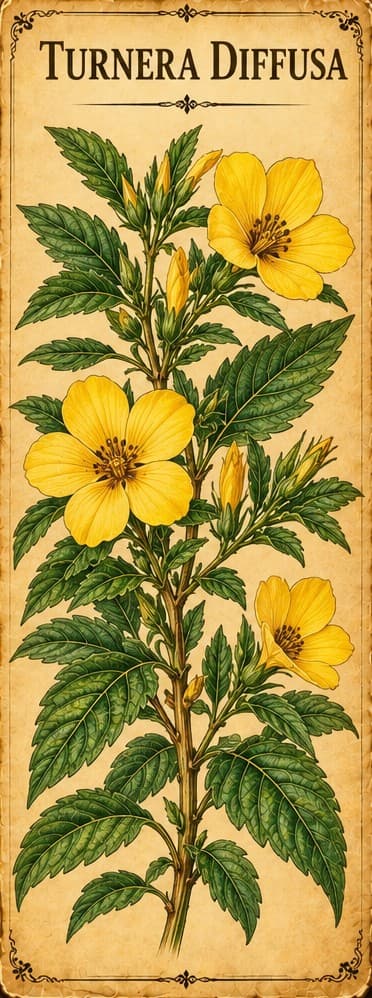
Botanical illustration of Damiana

Damiana

Turnera diffusa

A plant used in folk medicine as an aphrodisiac. Lab and animal studies suggest effects on sexual function, but it hasn't been tested on its own in people.

No. 147Medicinal
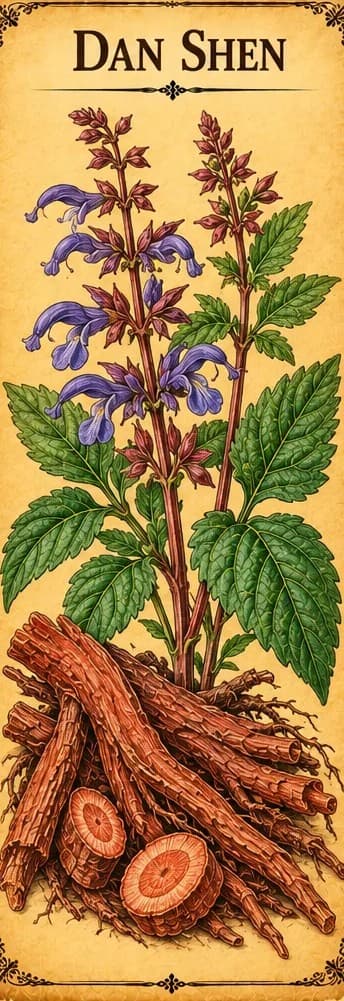
Botanical illustration of Dan Shen

Dan Shen

Salvia miltiorrhiza

The root of Salvia miltiorrhiza, widely used in Chinese medicine for the heart and circulation. Small trials suggest possible heart benefits, but it raises bleeding risk with blood thinners.

No. 148Medicinal
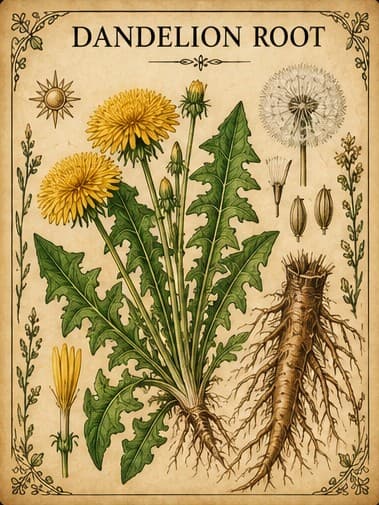
Botanical illustration of Dandelion

Dandelion

Taraxacum officinale

A plant whose root and leaves have long been used for indigestion and, historically, for problems with bile flow. There is very little research on it in people.

No. 149Medicinal
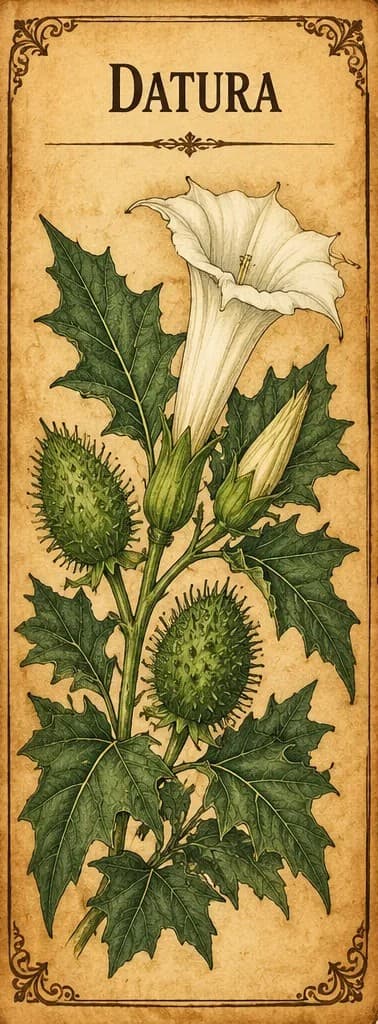
Botanical illustration of Datura

Datura

Datura stramonium

Also called jimsonweed or thorn apple, a highly poisonous plant once used in Ayurveda for asthma, pain and wounds. All parts, especially the seeds, can cause hallucinations, seizures and death.

No. 150Medicinal
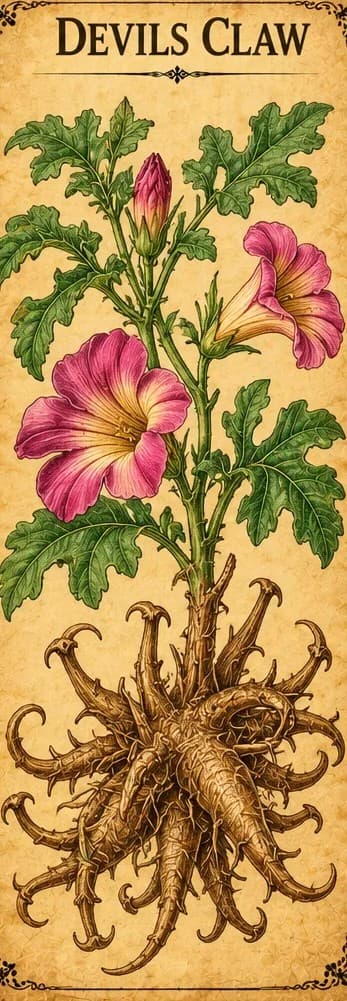
Botanical illustration of Devil's Claw

Devil's Claw

Harpagophytum procumbens

A southern African root recognised in the EU as a traditional medicine for minor joint pain and mild digestive problems. Trials of variable quality suggest it helps osteoarthritis and back pain.

No. 151Medicinal
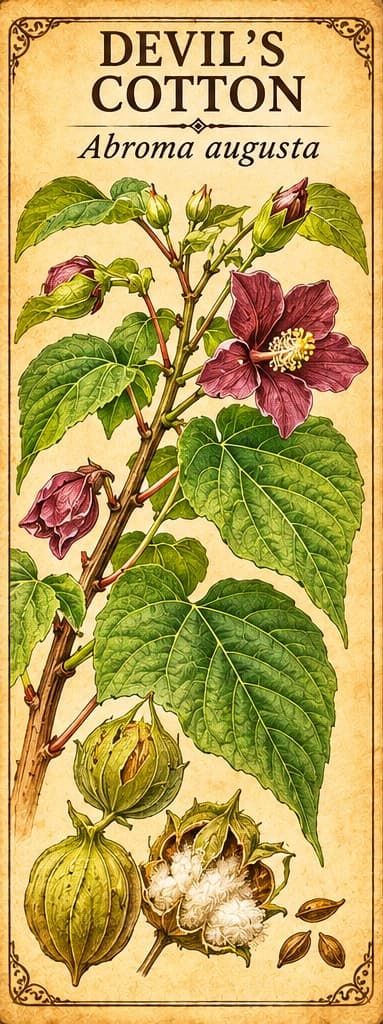
Botanical illustration of Devil's Cotton

Devil's Cotton

Abroma augusta

Ulatkambal, a shrub whose slimy leaf drink is used in Bangladesh and India for diabetes. It slowed sugar absorption in rats.

No. 152Medicinal
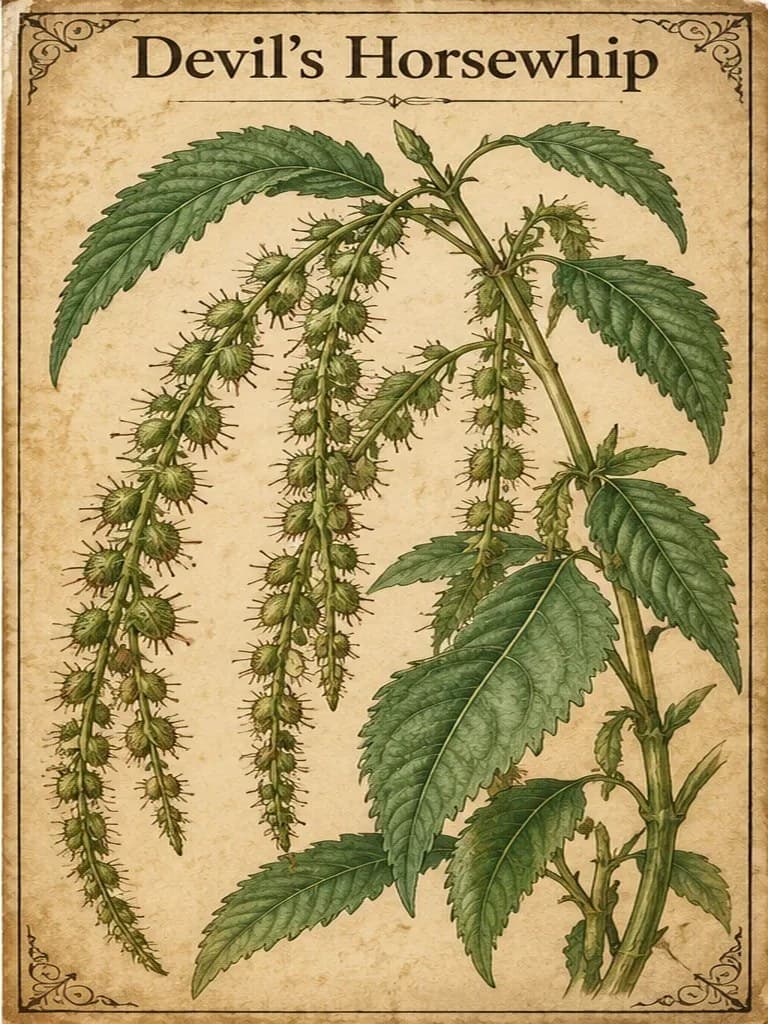
Botanical illustration of Devil's Horsewhip

Devil's Horsewhip

Achyranthes aspera

Prickly chaff flower, a weedy plant used in folk medicine around the world, including for menstrual problems and fertility control. Research so far is in lab and animal studies.

No. 153Culinary
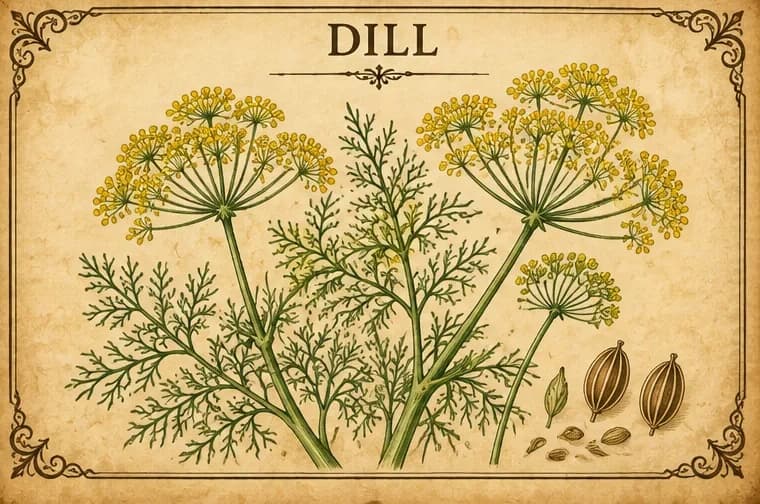
Botanical illustration of Dill

Dill

Anethum graveolens

A feathery, tangy kitchen herb often paired with fish and pickles. Its seeds are traditionally used for gas and upset stomach.

No. 154Aromatic
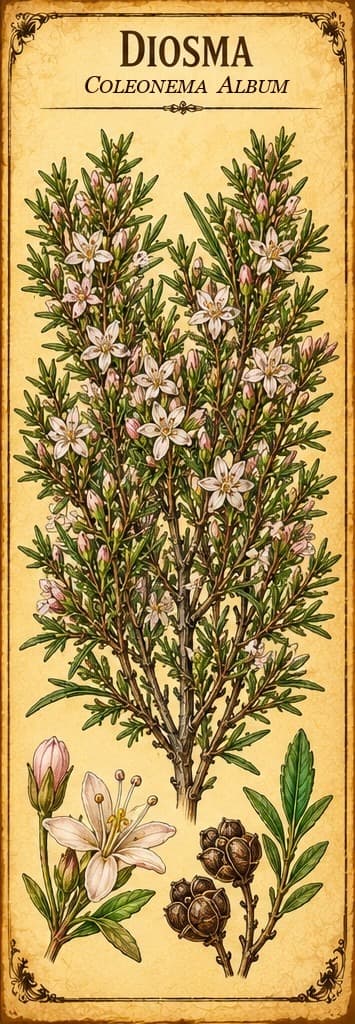
Botanical illustration of Diosma

Diosma

Coleonema album

A fragrant South African shrub that the Khoisan rub on their skin. Its oil slowed a skin fungus in the lab.

No. 155Culinary
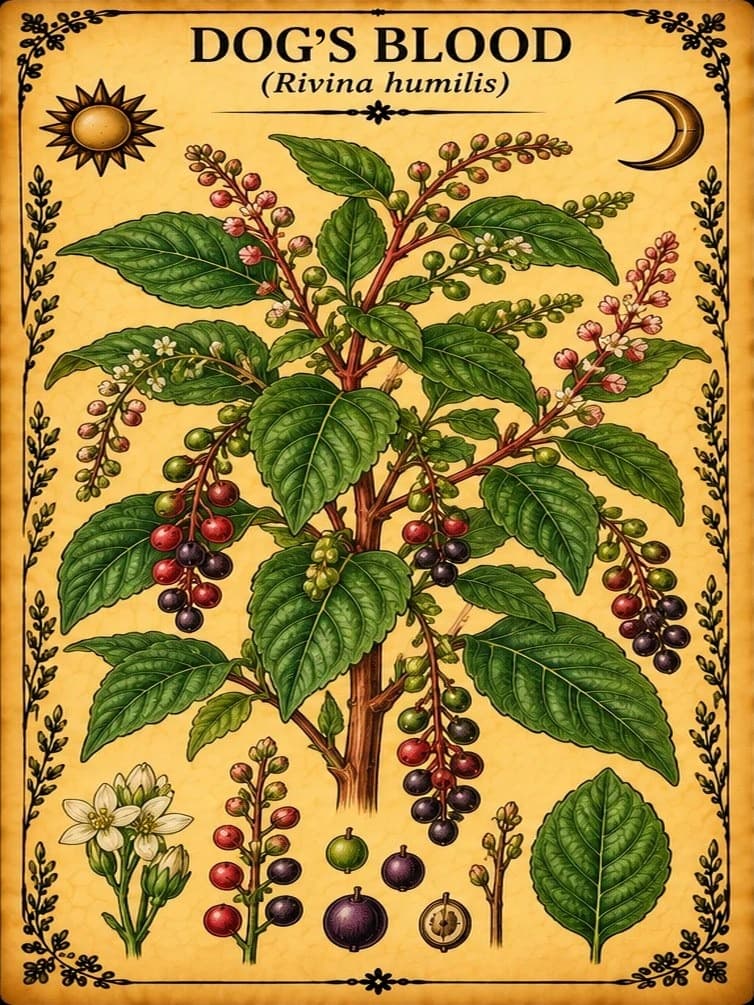
Botanical illustration of Dog's Blood

Dog's Blood

Rivina humilis

A small plant with red berries, known in Jamaica as dogberry and elsewhere as pigeon berry or blood berry. Its leaves are cooked as a leafy green; research so far is in the lab and in rats.

No. 156Medicinal
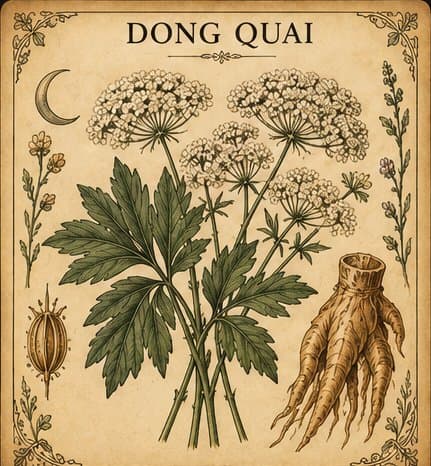
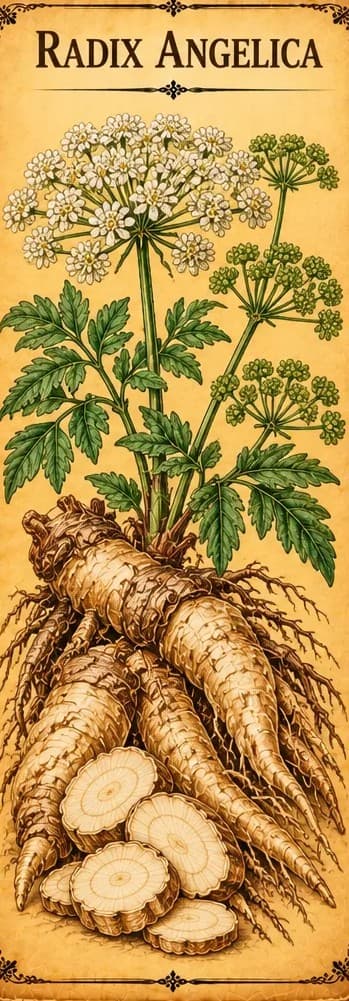
Botanical illustration of Dong Quai

Dong Quai

Angelica sinensis

A root that is one of the most widely used herbs in traditional Chinese medicine for women's health, including period pain and menopause.
No. 157Medicinal
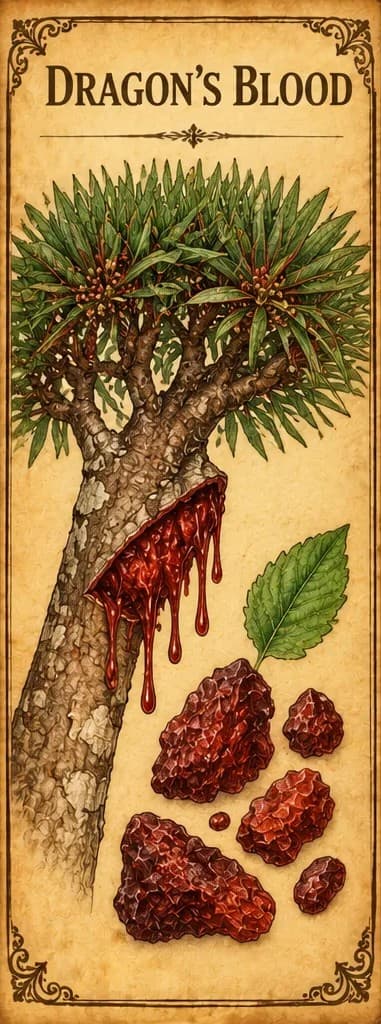
Botanical illustration of Dragon's Blood

Dragon's Blood

Croton lechleri

Sangre de drago, the blood-red sap of an Amazon tree, traditionally used to heal wounds. A drug purified from it, crofelemer, is an approved medicine for some types of diarrhea.

No. 158Medicinal
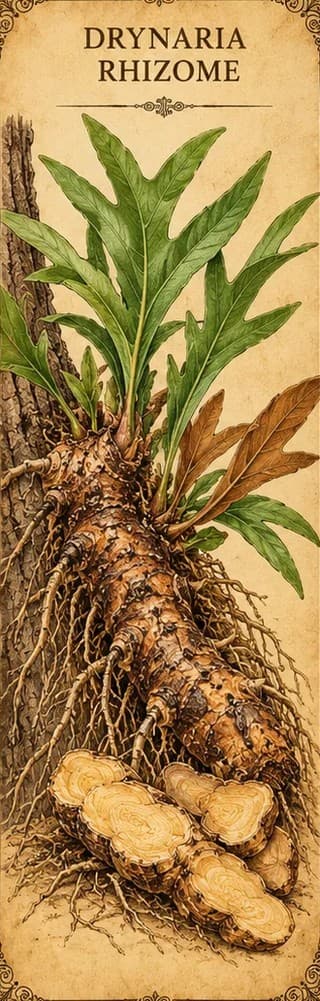
Botanical illustration of Drynaria Rhizome

Drynaria Rhizome

Drynaria fortunei

Gu sui bu, the rhizome of a fern used in Chinese medicine to prevent and treat bone diseases such as osteoporosis. In rats it helped bone formation.

No. 159Culinary
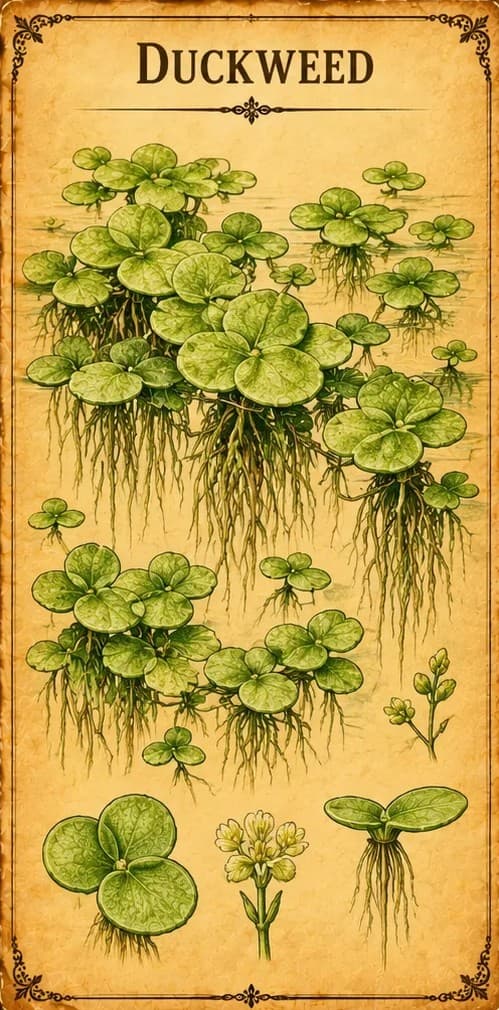
Botanical illustration of Duckweed

Duckweed

Lemna minor

A tiny floating water plant, high in protein, eaten in parts of Asia and studied as a new food. It soaks up whatever is in its water.

No. 160Medicinal
Botanical illustration of Duppy Gun

Duppy Gun

Ruellia tuberosa

Ruellia tuberosa, also called Mexican bluebell, a folk medicine for diabetes in Asia. It lowered blood sugar in diabetic rats but hasn't been tested in people.

No. 161Aromatic
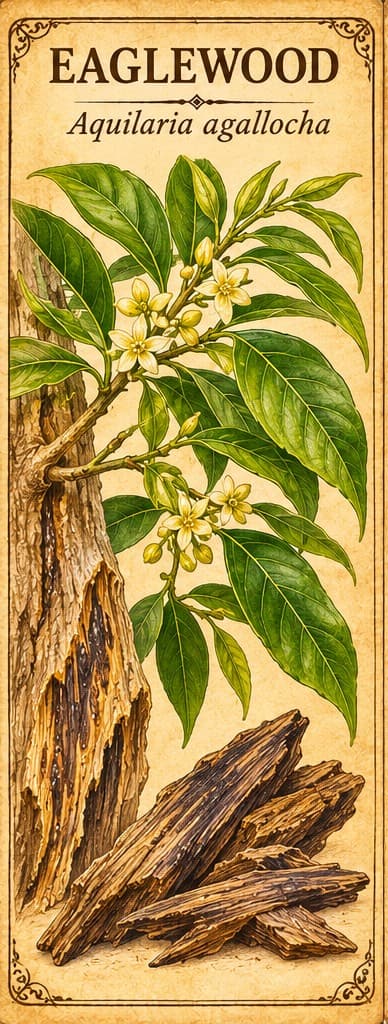
Botanical illustration of Eaglewood

Eaglewood

Aquilaria malaccensis

Agarwood or oud, the fragrant resin-filled heartwood of an Asian tree, prized for incense, perfume and traditional medicine.

No. 162Medicinal
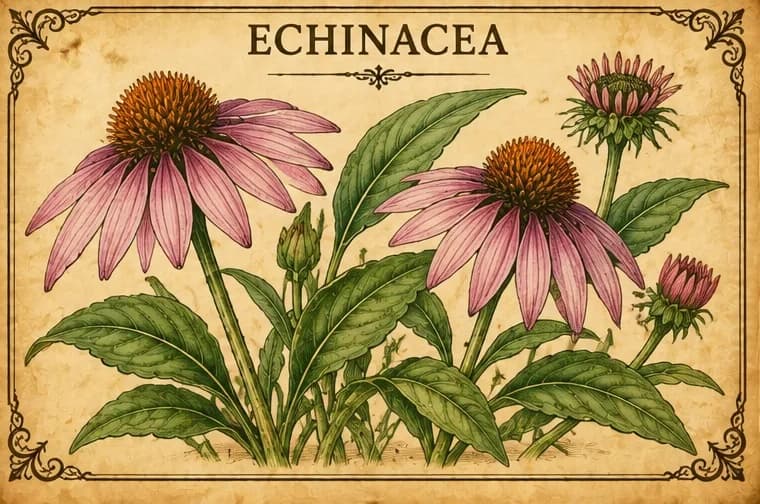
Botanical illustration of Echinacea

Echinacea

Echinacea purpurea

A purple coneflower traditionally used to support the immune system, especially for colds.

No. 163Medicinal
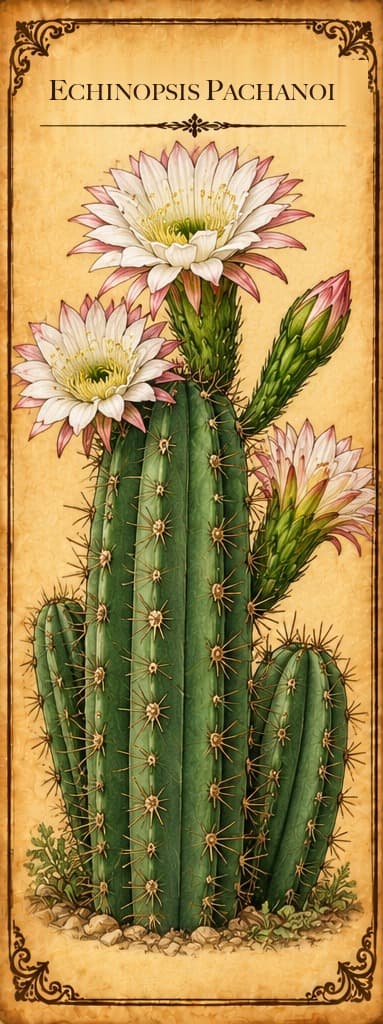
Botanical illustration of Echinopsis Pachanoi

Echinopsis Pachanoi

Echinopsis pachanoi

The San Pedro cactus of the Andes, used in traditional medicine for centuries. It contains mescaline, a hallucinogen, whose effects and safety are poorly studied.

No. 164Medicinal
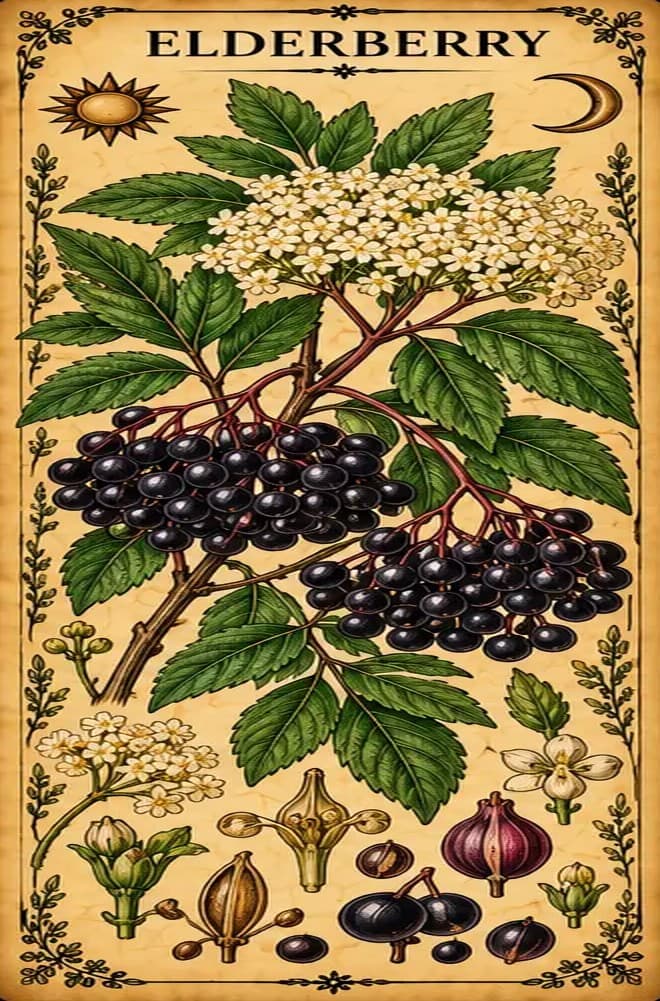
Botanical illustration of Elderberry

Elderberry

Sambucus nigra

The European elder, whose berries are used in folk medicine for colds and flu and whose flowers are recognized in Europe for early cold symptoms. Raw berries, leaves and stems are poisonous.

No. 165Medicinal
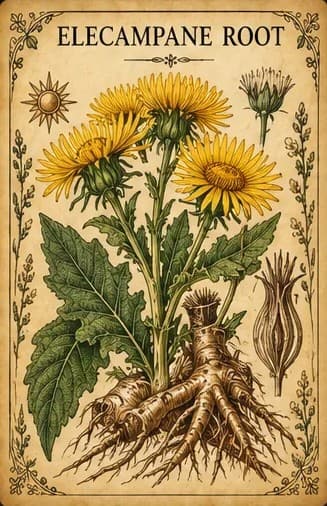
Botanical illustration of Elecampane

Elecampane

Inula helenium

A root used for centuries in European medicine, including medieval Ireland, for coughs, bronchitis and other chest complaints. Germany's Commission E didn't approve it, citing weak evidence and possible side effects.

No. 166Medicinal
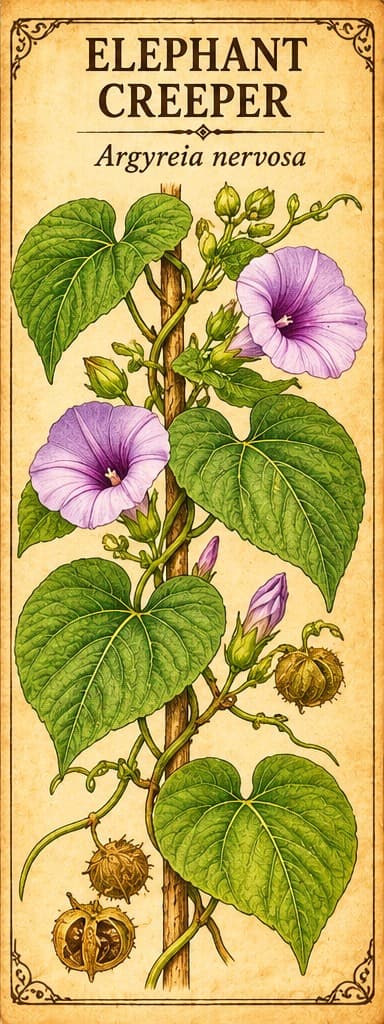
Botanical illustration of Elephant Creeper

Elephant Creeper

Argyreia nervosa

Hawaiian baby woodrose, a climbing vine whose leaves helped wounds heal in rats and whose seeds contain the hallucinogen LSA.

No. 167Culinary
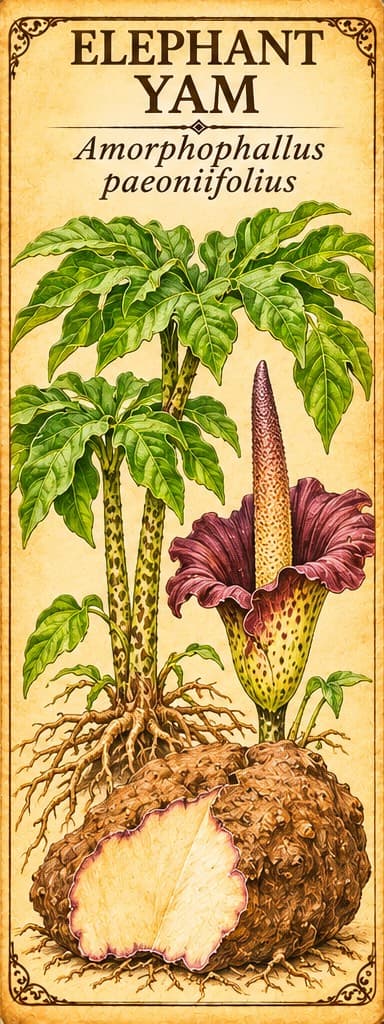
Botanical illustration of Elephant Yam

Elephant Yam

Amorphophallus paeoniifolius

Suran, a large edible tuber used in folk medicine for digestive and inflammatory problems. It protected the bowel in rats with colitis.

No. 168Medicinal
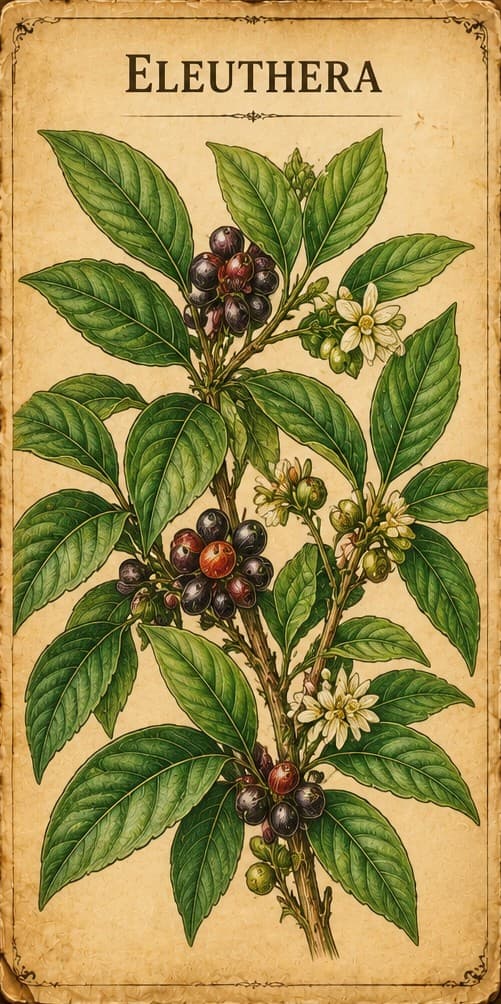
Botanical illustration of Eleuthera

Eleuthera

Croton eluteria

The bitter, aromatic bark of a small Bahamian tree, also called cascarilla. It was once a standard medicine for indigestion, gas, diarrhea and vomiting, and is now mainly a flavoring for drinks.

No. 169Medicinal
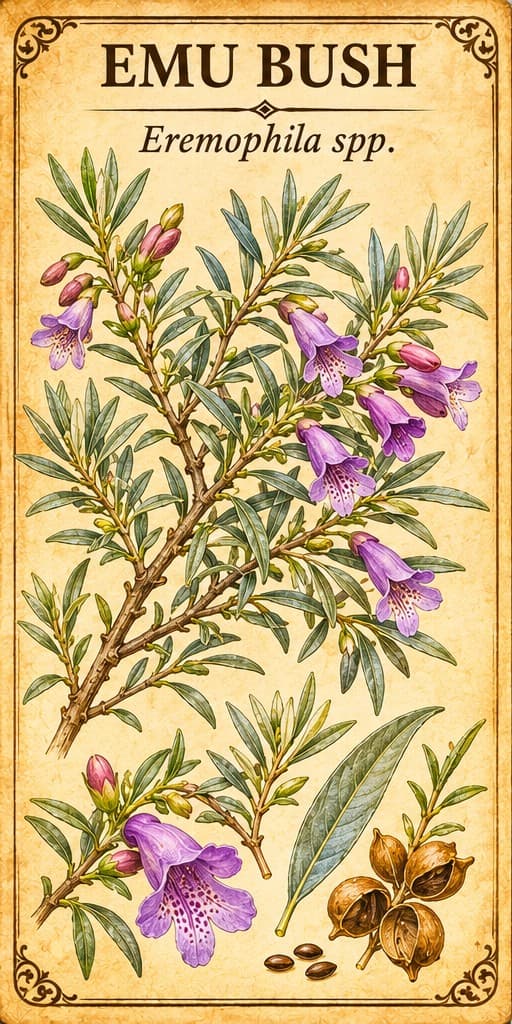
Botanical illustration of Emu Bush

Emu Bush

Eremophila spp.

A group of about 200 Australian desert shrubs, many of them traditional medicines of the First Australians for colds, flu, wounds and skin infections.

No. 170Medicinal
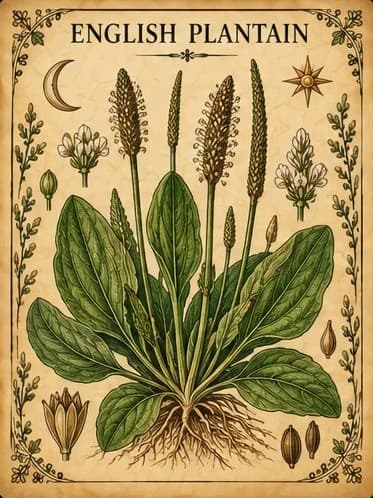
Botanical illustration of English Plantain

English Plantain

Plantago lanceolata

A plant (also called ribwort plantain) whose leaves are recognized in Europe as a traditional medicine for coughs, sore throats and minor skin inflammation.

No. 171Medicinal
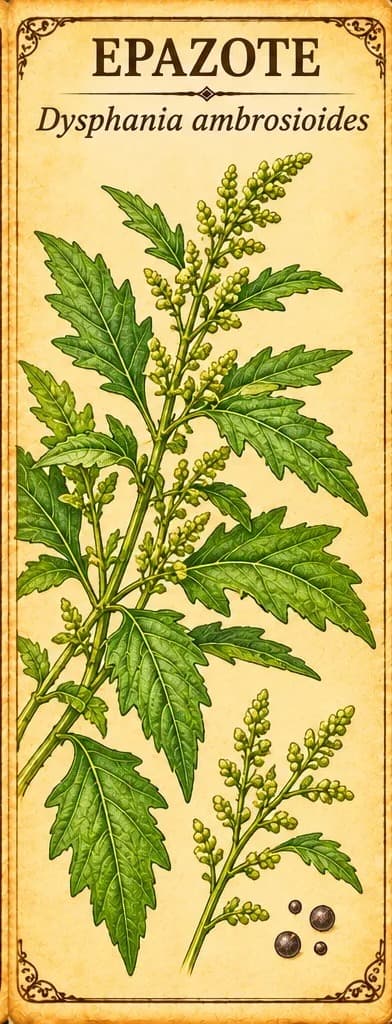
Botanical illustration of Epazote

Epazote

Dysphania ambrosioides

An herb used in Jamaican and Latin American folk medicine against worms. It can cause serious, even deadly, poisoning, especially in children.

No. 172Medicinal
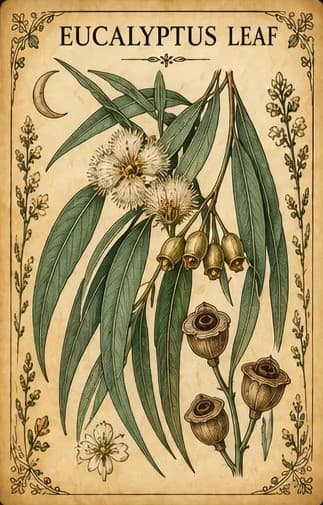
Botanical illustration of Eucalyptus

Eucalyptus

Eucalyptus globulus

Leaves of the eucalyptus tree, taken as tea or inhaled in steam, and recognized in Europe as a traditional medicine for cough with a cold.

No. 173Medicinal
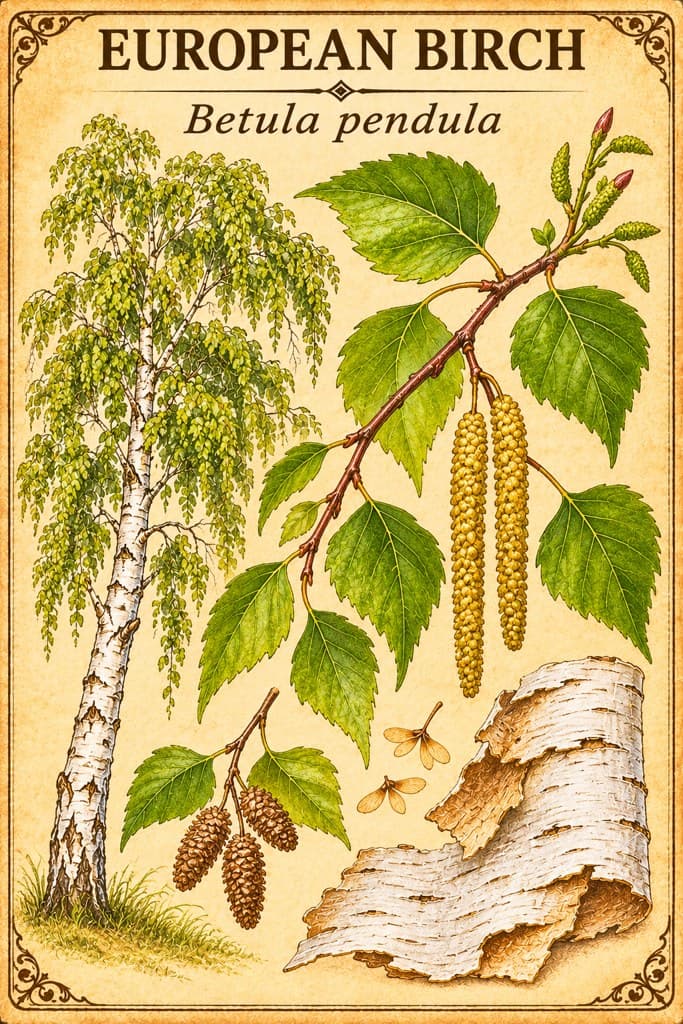
Botanical illustration of European Birch

European Birch

Betula pendula

Silver birch, whose leaf is recognized in Europe as a traditional medicine to increase urine flow. Gels made from its bark helped burns and blistering skin wounds heal in trials.

No. 174Medicinal
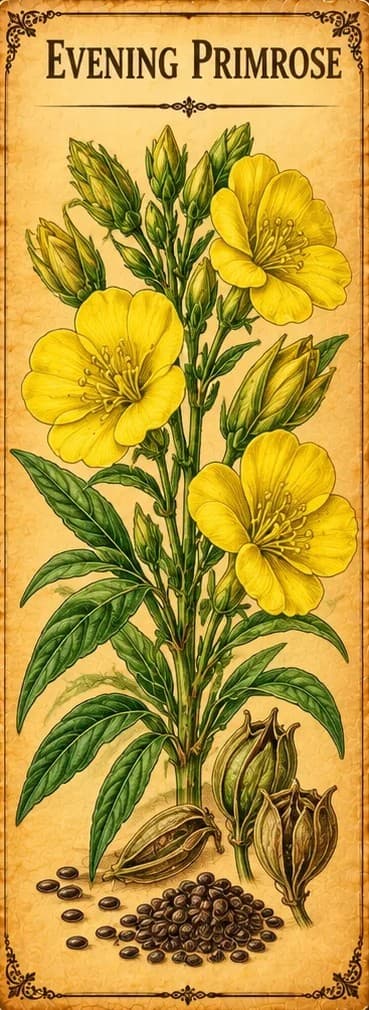
Botanical illustration of Evening Primrose

Evening Primrose

Oenothera biennis

A plant whose seed oil, rich in the fatty acid GLA, is promoted for eczema, PMS and breast pain. A Cochrane review found it doesn't help eczema.

No. 175Medicinal
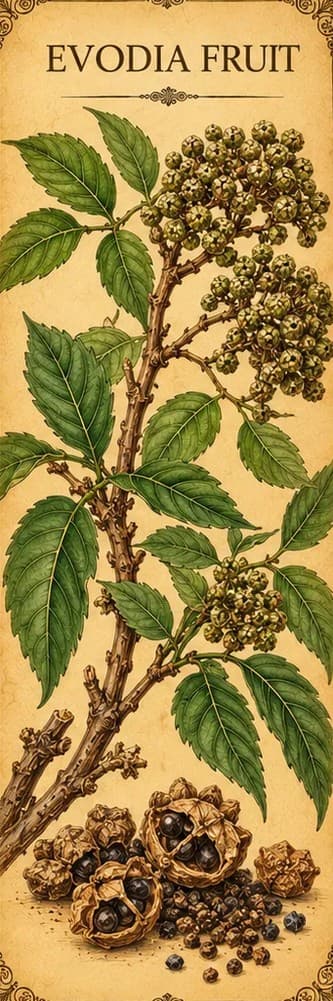
Botanical illustration of Evodia Fruit

Evodia Fruit

Tetradium ruticarpum

Wu zhu yu, a Chinese medicine fruit used to dispel cold, relieve pain and stop vomiting and diarrhoea, including for headache and period pain. It's mildly toxic and has caused liver damage.

No. 176Medicinal
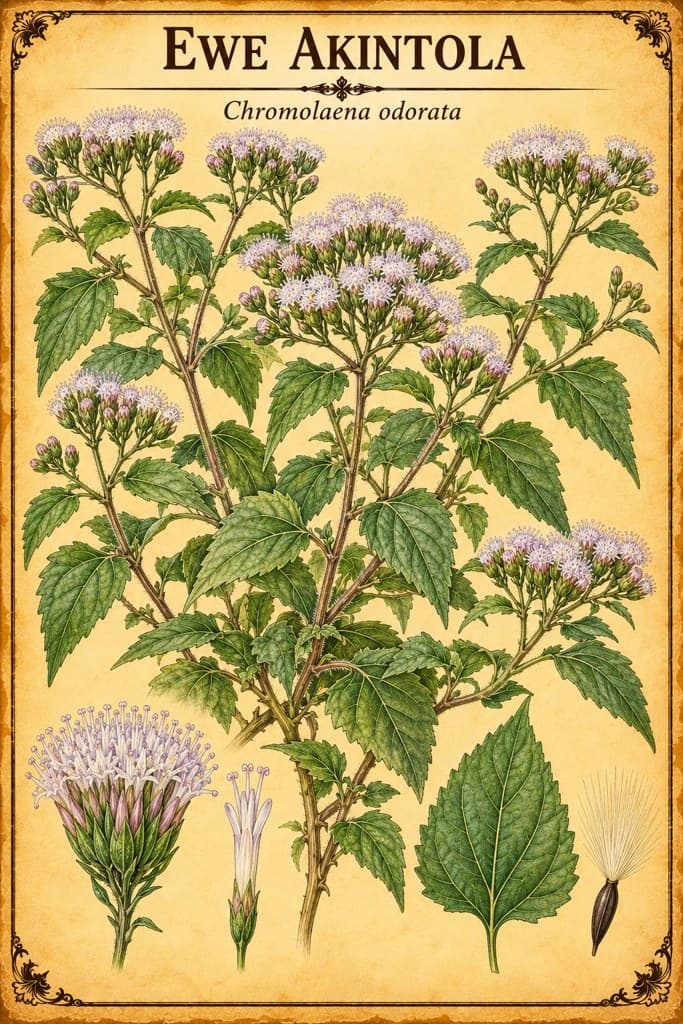
Botanical illustration of Ewe Akintola

Ewe Akintola

Chromolaena odorata

Siam weed, used by the Yoruba to stop bleeding and on fresh wounds, and for malaria and skin disease. Its leaf extract killed wound bacteria in the lab.

No. 177Medicinal
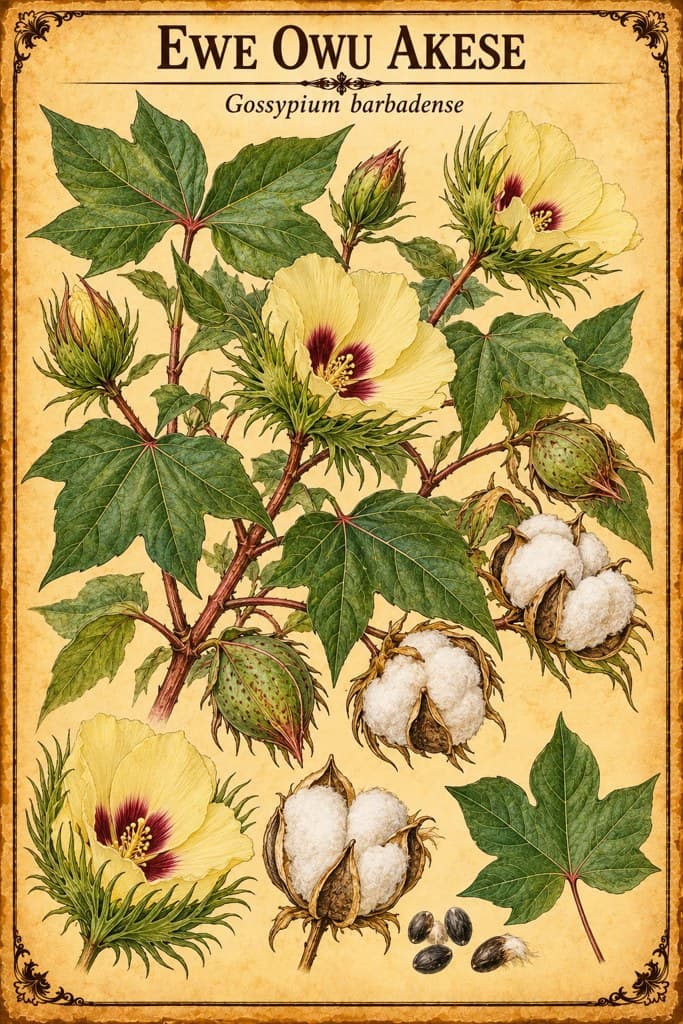
Botanical illustration of Ewe Owu Akese

Ewe Owu Akese

Gossypium barbadense

Sea-island cotton leaves, used by the Yoruba for infertility, malaria, ulcers and wounds, and in the Caribbean for itchy skin, bellyache and cuts.

No. 178Medicinal
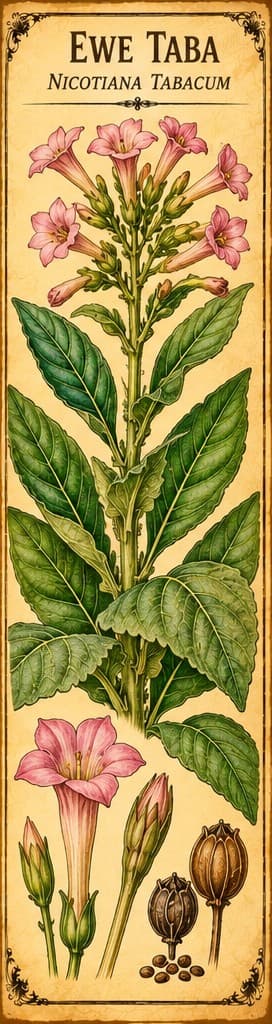
Botanical illustration of Ewe Taba

Ewe Taba

Nicotiana tabacum

Tobacco, called taba in Yoruba. In southwestern Nigeria the leaf is used for nosebleeds and many other ailments, and as snuff.

No. 179Medicinal
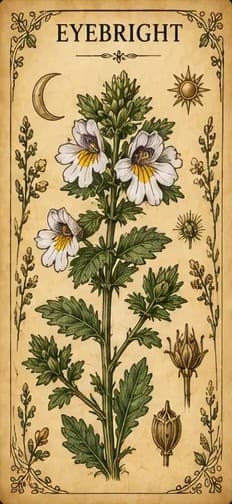
Botanical illustration of Eyebright

Eyebright

Euphrasia officinalis

A plant traditionally used on the eyes and in nasal ointments for colds. European regulators declined to approve it because its benefits aren't documented and home-made eye washes aren't safe.

No. 180Culinary
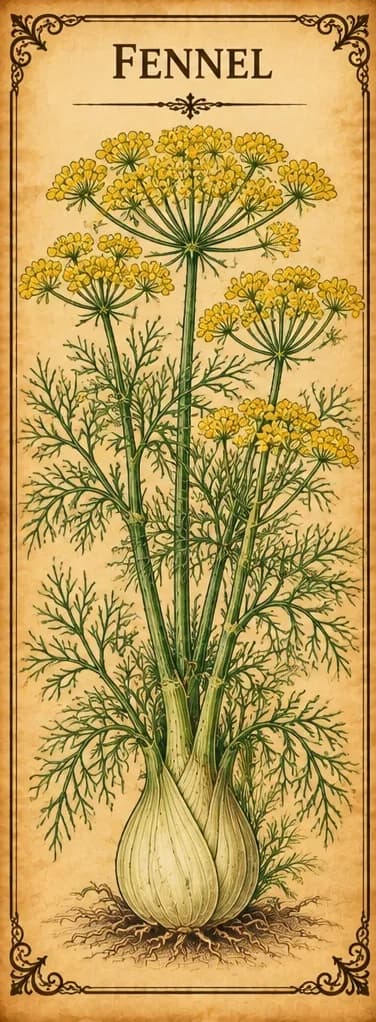
Botanical illustration of Fennel

Fennel

Foeniculum vulgare

An anise-flavored plant whose seeds and bulb are both widely eaten. The seeds are traditionally used for digestion.

No. 181Medicinal
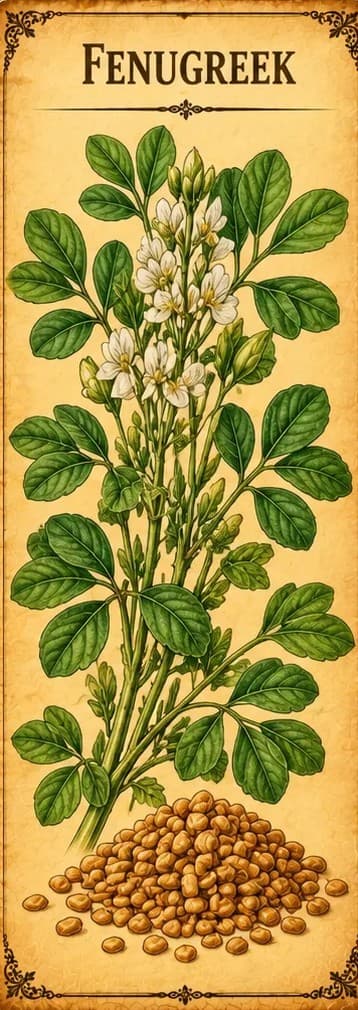
Botanical illustration of Fenugreek

Fenugreek

Trigonella foenum-graecum

A maple-scented seed used as a spice and traditional medicine for about 6,000 years. It may lower blood sugar in type 2 diabetes, but it isn't safe in pregnancy beyond food amounts.

No. 182Medicinal
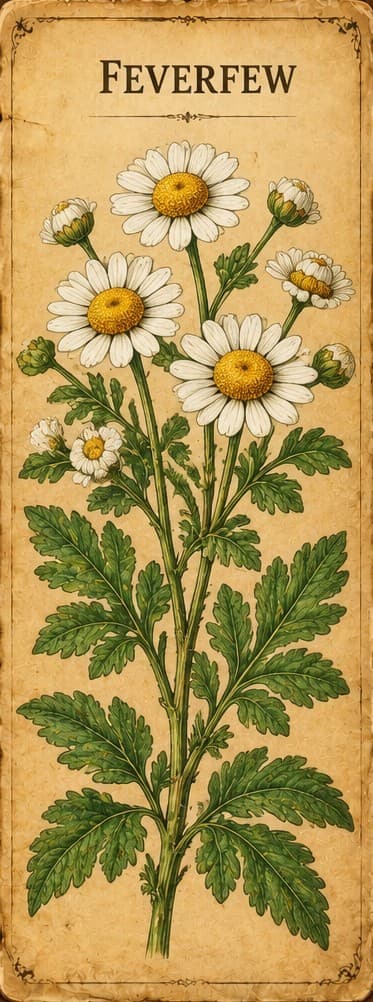
Botanical illustration of Feverfew

Feverfew

Tanacetum parthenium

A daisy-like herb recognised in Europe as a traditional remedy to help prevent migraines. Research results are mixed. Don't take it during pregnancy.

No. 183Medicinal
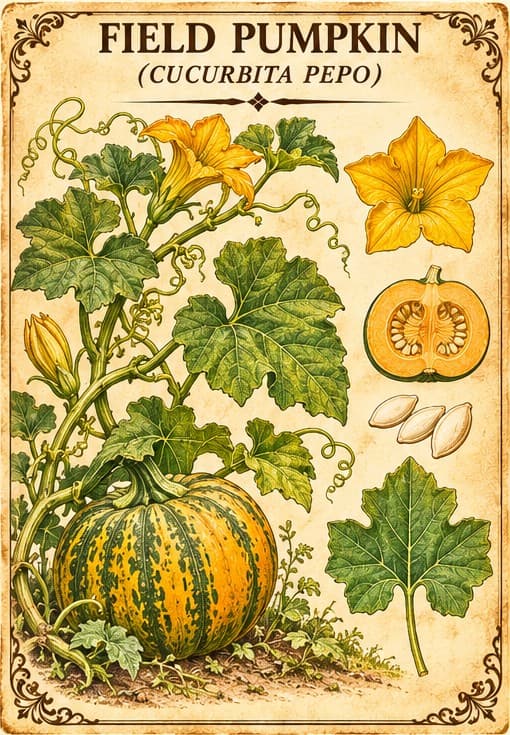
Botanical illustration of Field Pumpkin

Field Pumpkin

Cucurbita pepo

The common pumpkin. Its seeds are an EU traditional medicine for urinary symptoms from an enlarged prostate or overactive bladder, and Native Americans used them for urinary problems and worms.

No. 184Culinary
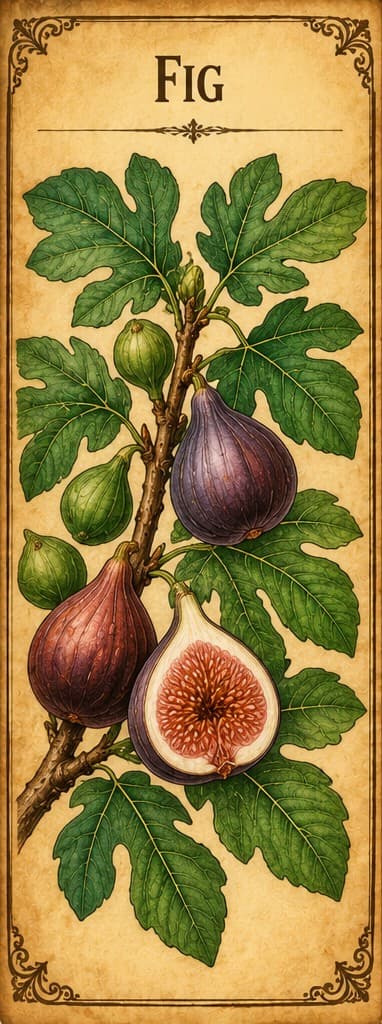
Botanical illustration of Fig

Fig

Ficus carica

The familiar fruit tree, used in folk medicine for inflammation and stomach problems. In a small trial, fig syrup eased constipation in pregnant women.

No. 185Culinary
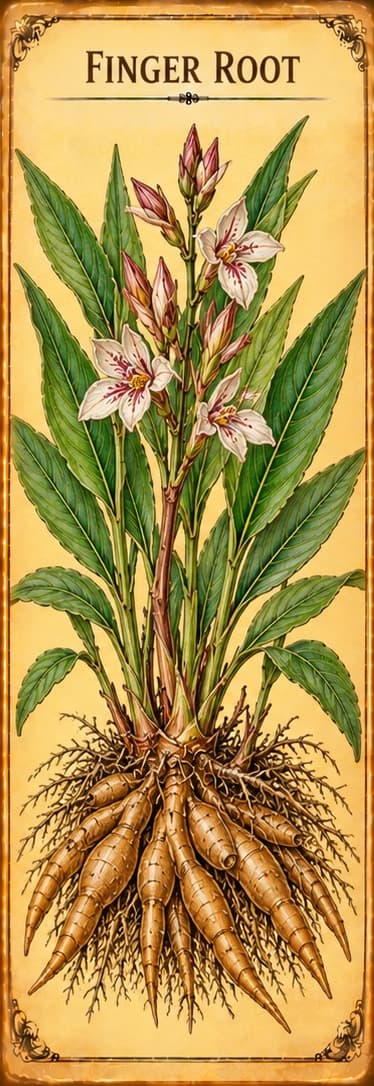
Botanical illustration of Finger Root

Finger Root

Boesenbergia rotunda

An Asian member of the ginger family used as a spice. A finger root mouth gargle reduced mouth sores in a trial of cancer patients.

No. 186Medicinal
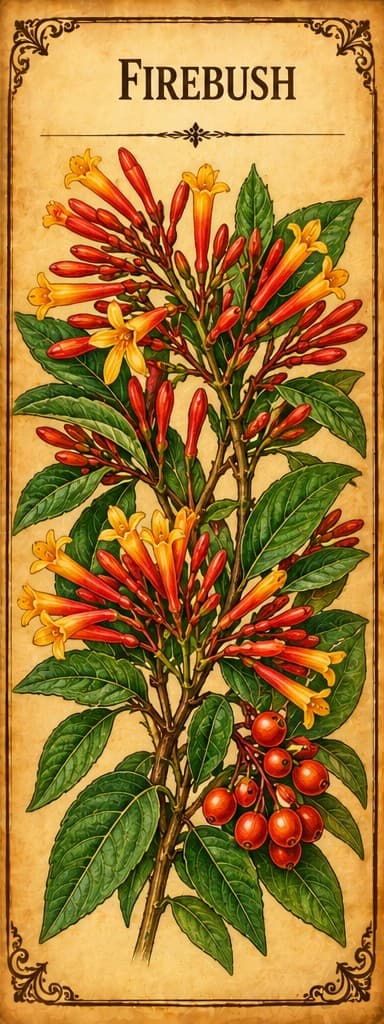
Botanical illustration of Firebush

Firebush

Hamelia patens

A tropical American shrub with fiery red-orange tubular flowers, traditionally used for skin infections, inflammation and stomach problems.

No. 187Medicinal
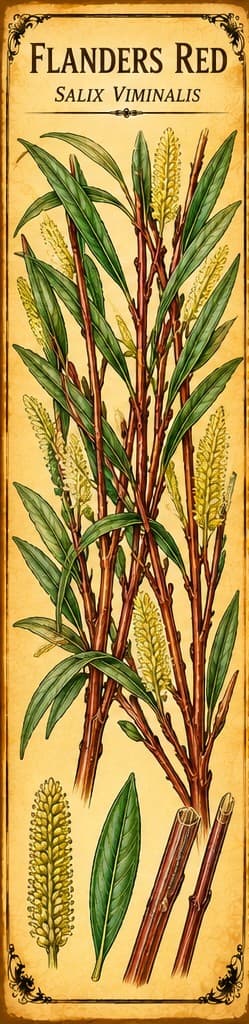
Botanical illustration of Flanders Red

Flanders Red

Salix viminalis

A basket willow variety of common osier (Salix viminalis). Its buds are rich in the antioxidant catechin, and its bark contains salicylic acid.

No. 188Culinary
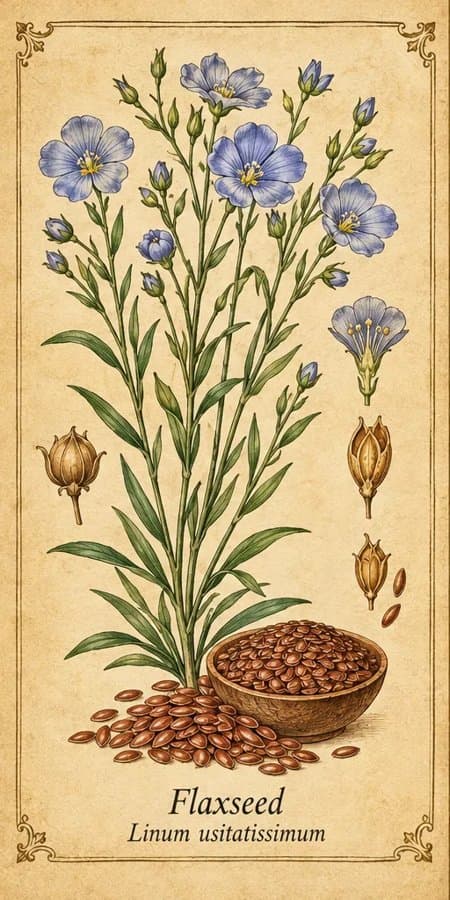
Botanical illustration of Flaxseed

Flaxseed

Linum usitatissimum

Small seeds rich in fiber and the omega-3 fat ALA, eaten whole, ground or as oil. Research suggests flaxseed may lower blood pressure and cholesterol slightly.

No. 189Medicinal
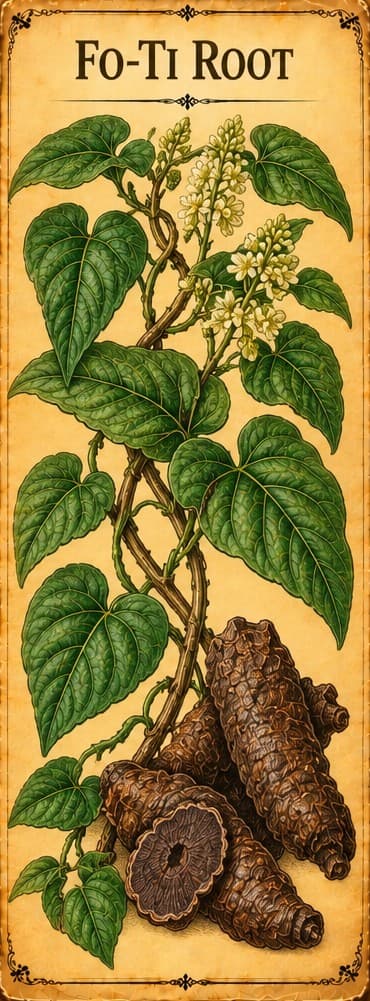
Botanical illustration of Fo-Ti

Fo-Ti

Reynoutria multiflora

He shou wu, a popular Chinese root traditionally taken to darken graying hair, as an anti-ageing tonic, and for dizziness and constipation. Hundreds of cases of liver injury have been linked to it, a few of them fatal.

No. 190Medicinal
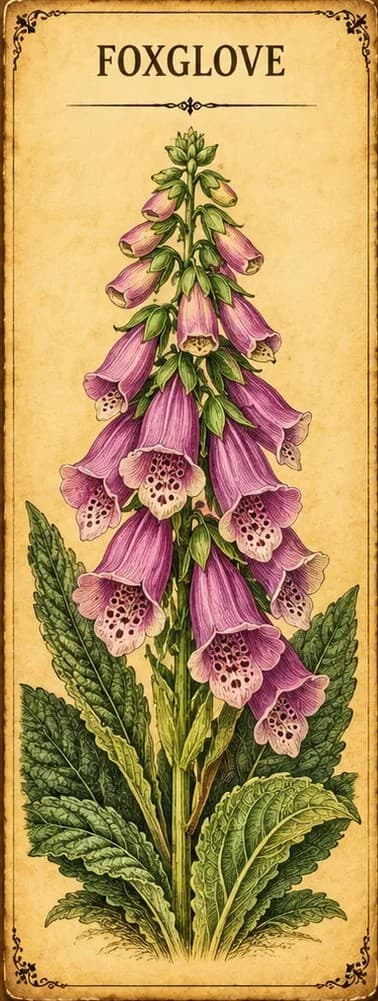
Botanical illustration of Foxglove

Foxglove

Digitalis purpurea

A tall garden flower and the source of digitalis heart medicines. All parts of the plant are poisonous and affect the heart.

No. 191Medicinal
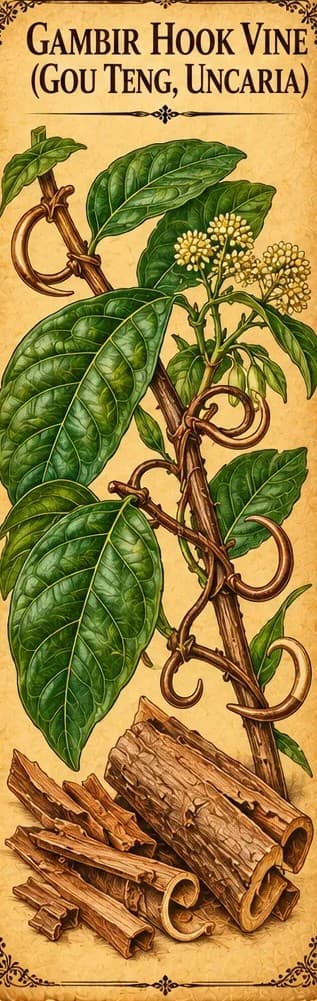
Botanical illustration of Gambir Hook Vine

Gambir Hook Vine

Uncaria rhynchophylla

Gou teng, the hooked stems of a climbing shrub used in Chinese medicine for over 1,500 years for convulsions, tremors, and high blood pressure with headache and dizziness.

No. 192Culinary
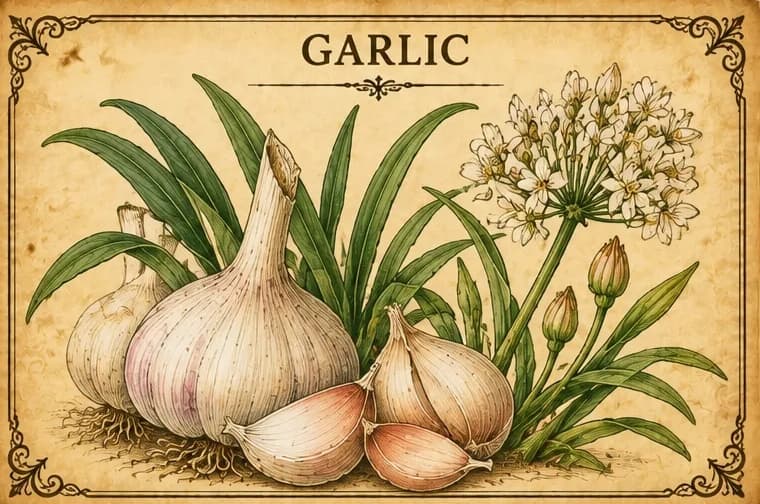
Botanical illustration of Garlic

Garlic

Allium sativum

A pungent kitchen bulb traditionally used for heart and circulation health. Research suggests garlic supplements may lower blood pressure and cholesterol a little.

No. 193Medicinal
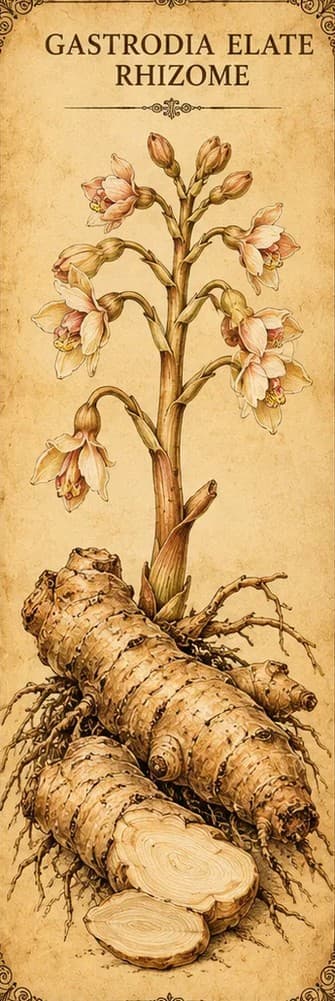
Botanical illustration of Gastrodia Elata Rhizome

Gastrodia Elata Rhizome

Gastrodia elata

Tian ma, the tuber of an orchid recorded over 2,000 years ago and used in Chinese medicine for headache, dizziness, high blood pressure and stroke. Research is mostly in the lab and in animals.

No. 194Medicinal
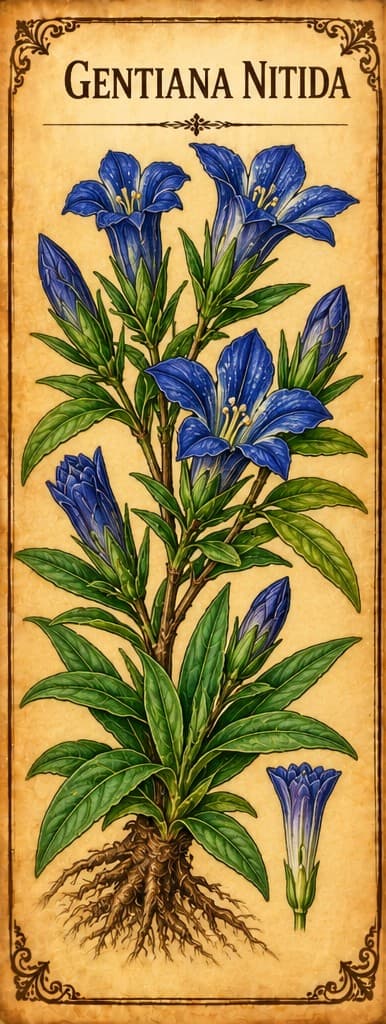
Botanical illustration of Gentiana Nitida

Gentiana Nitida

Gentianella nitida

A small Andean gentian sold in Peruvian markets as "hercampuri", mainly as a remedy for diabetes. It hasn't been studied for its effects or safety.

No. 195Medicinal
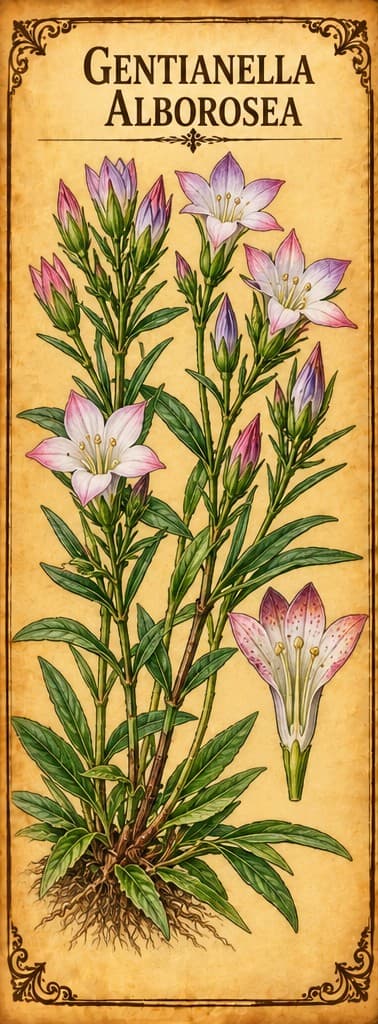
Botanical illustration of Gentianella Alborosea

Gentianella Alborosea

Gentianella alborosea

The Andean gentian usually called "hercampuri" in Peru, traditionally used for diabetes, cholesterol, the liver and digestion. It has only been studied in the lab.

No. 196Medicinal
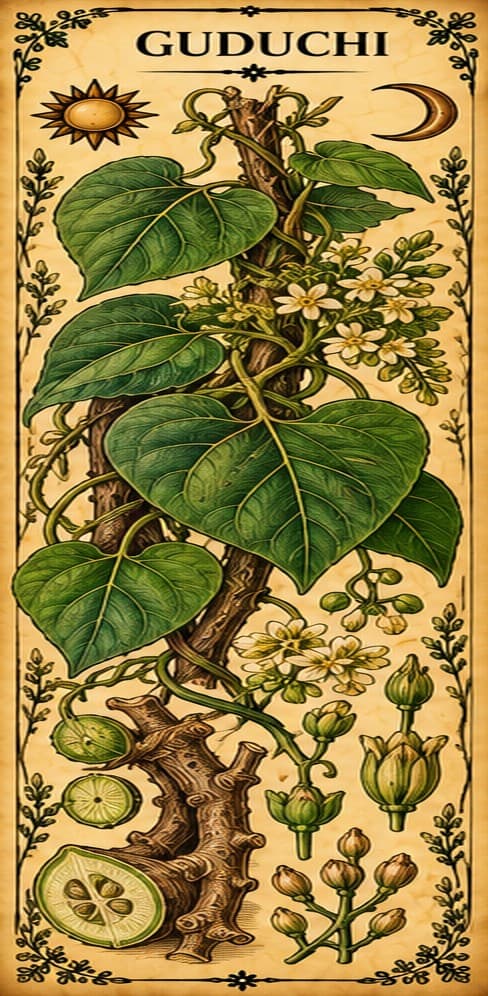
Botanical illustration of Giloy (Guduchi)

Giloy (Guduchi)

Tinospora cordifolia

An Ayurvedic climbing vine promoted in India as an immunity booster, including during COVID-19. Cases of liver injury have been reported, though some may involve a look-alike plant.

No. 197Medicinal
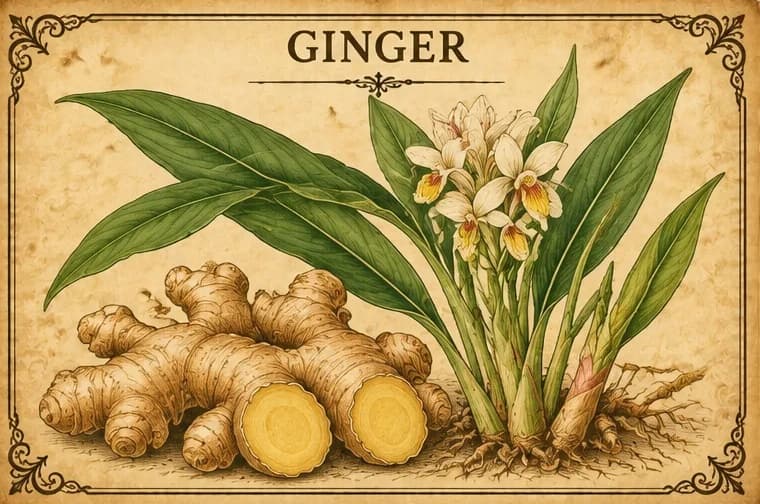
Botanical illustration of Ginger

Ginger

Zingiber officinale

A spicy, warming root traditionally used for nausea and inflammation. Research suggests it may help with nausea during pregnancy.

No. 198Medicinal
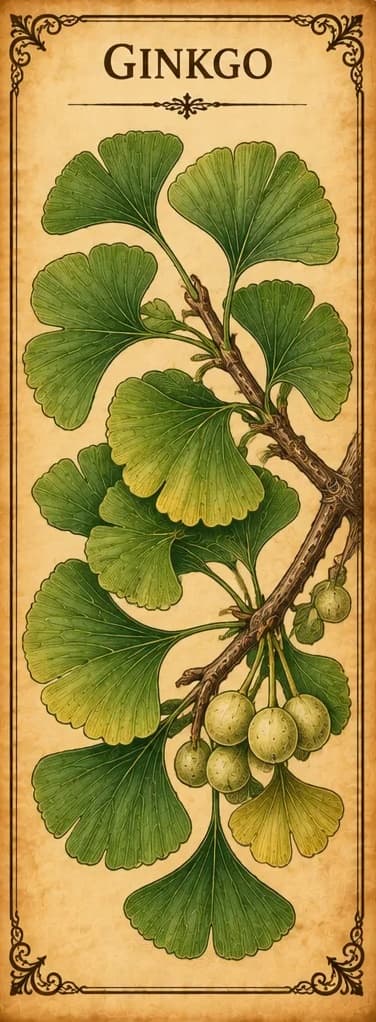
Botanical illustration of Ginkgo

Ginkgo

Ginkgo biloba

Leaves of the ginkgo tree, sometimes called the fossil tree, traditionally used in Europe for minor circulation problems and in Chinese medicine for cough.

No. 199Medicinal
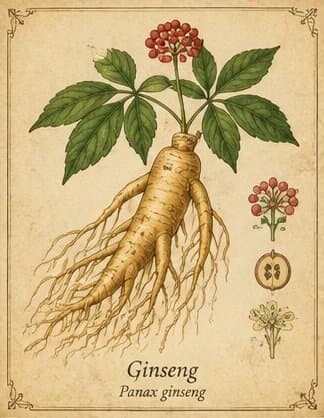
Botanical illustration of Ginseng

Ginseng

Panax ginseng

A root long used in traditional Chinese medicine as a calming herb and an adaptogen. Research on its effects is mixed.

No. 200Medicinal
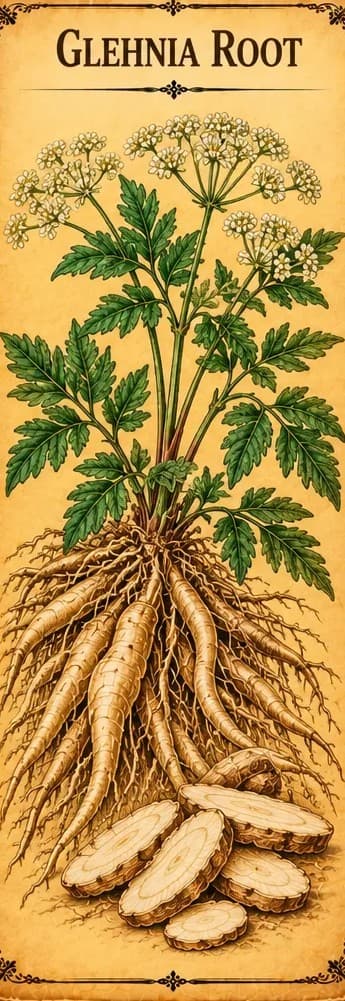
Botanical illustration of Glehnia Root

Glehnia Root

Glehnia littoralis

Bei sha shen, a root recorded in the Shennong Herbal Classic and used to clear the lungs, ease dry cough and dry mouth, and help the stomach.

No. 201Culinary
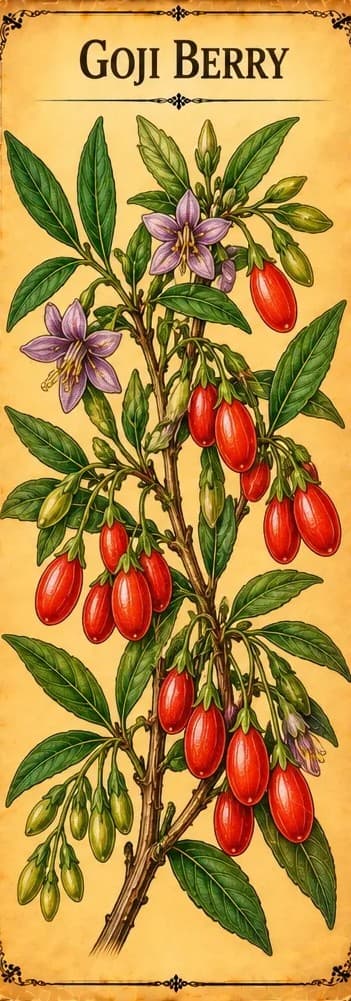
Botanical illustration of Goji Berry

Goji Berry

Lycium barbarum

Small red berries known in China for over 2,000 years as a tonic, now a popular health food. Small trials suggest they may slightly lower triglycerides and raise "good" cholesterol.

No. 202Medicinal
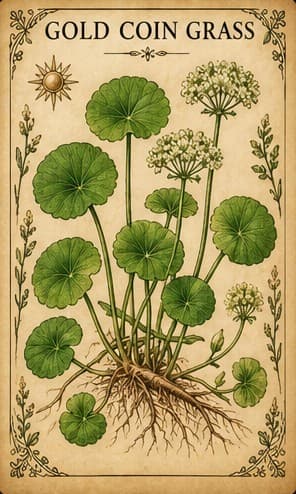
Botanical illustration of Gold Coin Grass

Gold Coin Grass

Lysimachia christinae, Desmodium styracifolium

A name used in traditional Chinese medicine for two plants, Lysimachia christinae (jin qian cao) and Desmodium styracifolium (guang jin qian cao). Both are used for gallstones and urinary stones; a large trial found a Desmodium extract helped small stones pass.

No. 203Medicinal
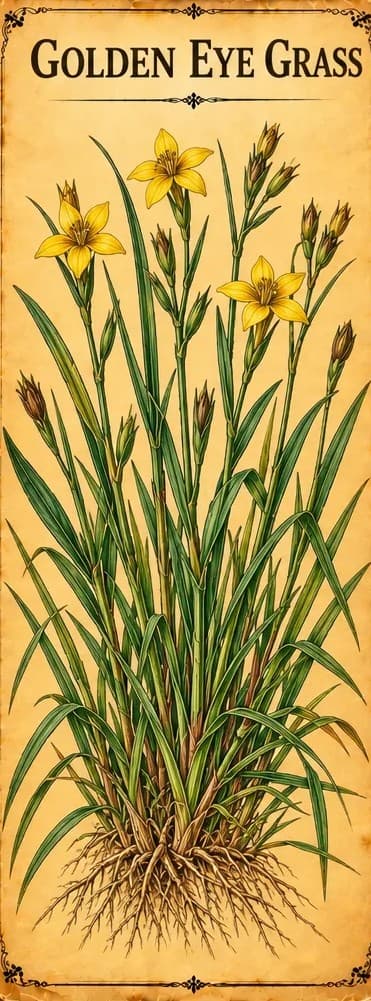
Botanical illustration of Golden Eye Grass

Golden Eye Grass

Curculigo orchioides

Kali musli or xian mao, an endangered herb valued in Ayurveda and Chinese medicine as a tonic and aphrodisiac, and used for rheumatic conditions. Research so far is in the lab and in animals.

No. 204Medicinal
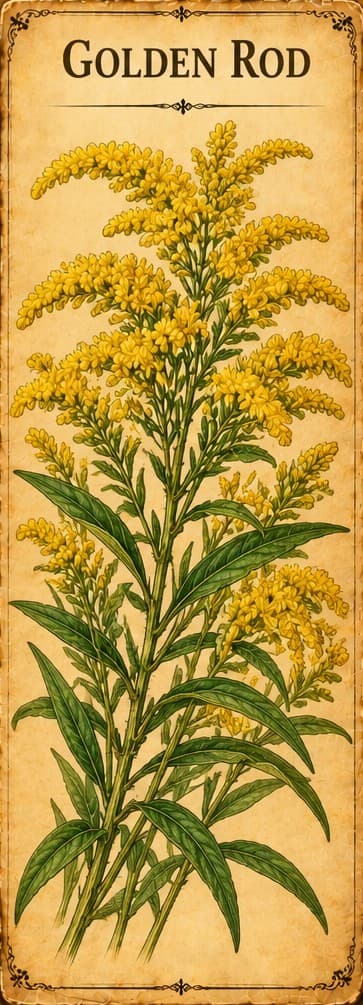
Botanical illustration of Goldenrod

Goldenrod

Solidago virgaurea

European goldenrod, recognised in Europe as a traditional remedy to increase urine flow alongside treatment for minor urinary complaints.

No. 205Medicinal
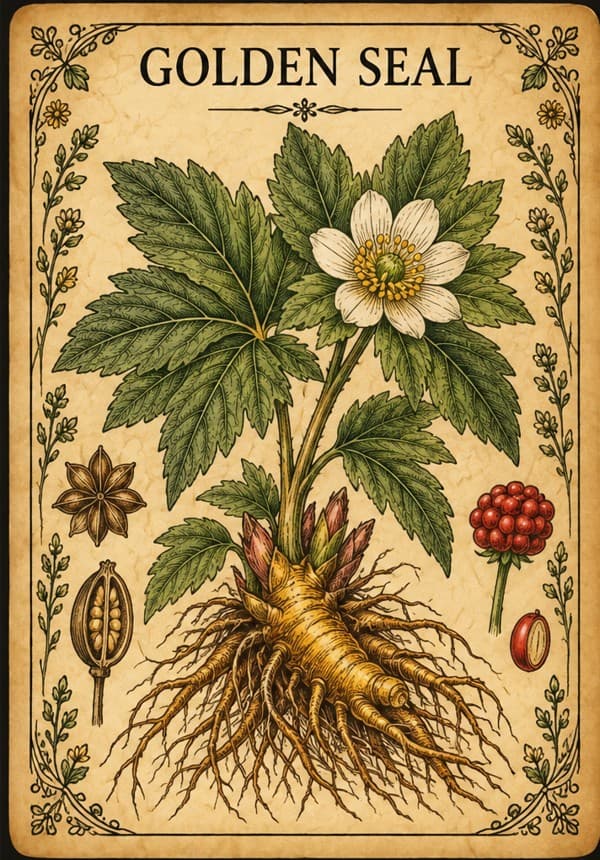
Botanical illustration of Goldenseal

Goldenseal

Hydrastis canadensis

A North American plant with a bright yellow root, used by Native Americans on wounds and for skin and eye conditions. There isn't enough research to know whether it helps any health condition.

No. 206Medicinal
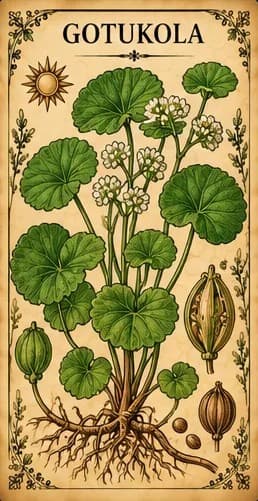
Botanical illustration of Gotu Kola

Gotu Kola

Centella asiatica

A plant used in traditional medicine for circulation, wounds and memory. Small studies suggest possible benefits for anxiety and thinking, but the evidence isn't strong.

No. 207Medicinal
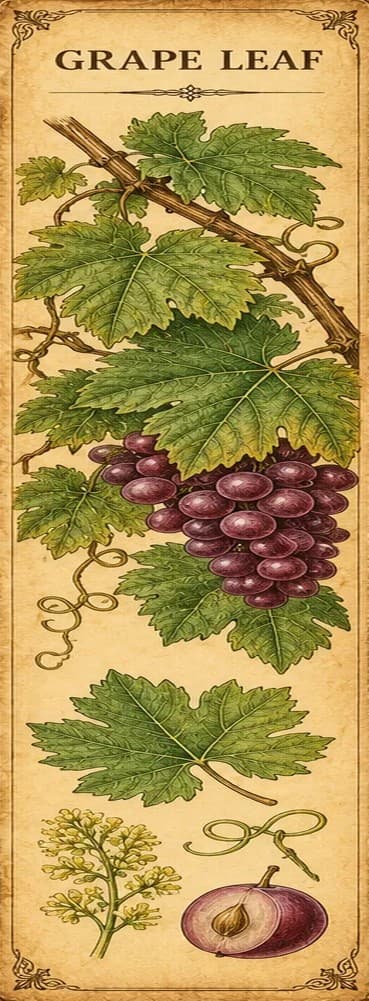
Botanical illustration of Grape Leaf

Grape Leaf

Vitis vinifera

Grapevine leaf, recognized in Europe as a medicine for long-term poor circulation in the leg veins, with swollen, heavy legs and varicose veins.

No. 208Medicinal
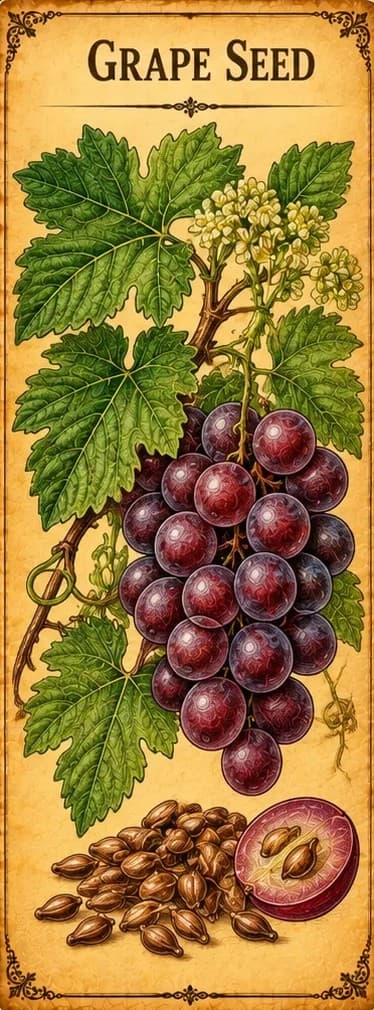
Botanical illustration of Grape Seed

Grape Seed

Vitis vinifera

An extract made from the seeds of wine grapes. Reviews suggest it may lower LDL cholesterol and the bottom number of blood pressure, but the studies were small.

No. 209Culinary
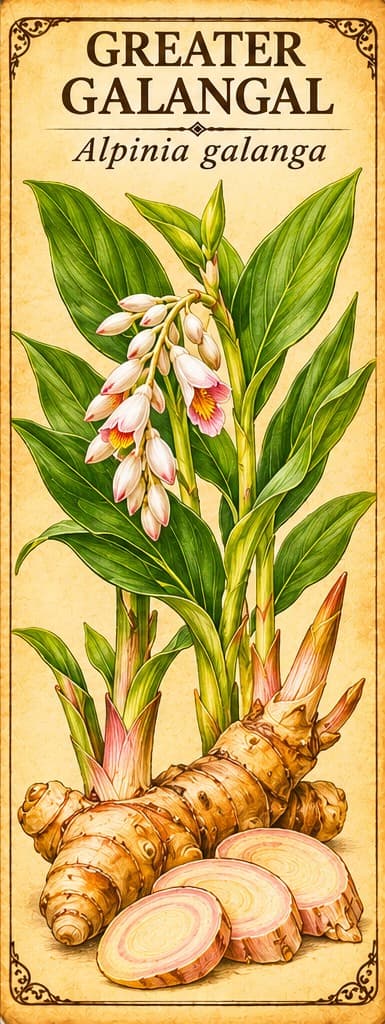
Botanical illustration of Greater Galangal

Greater Galangal

Alpinia galanga

A ginger-family spice used in Ayurveda, Chinese and Thai medicine. In a trial it improved erectile problems caused by antidepressants.

No. 210Medicinal
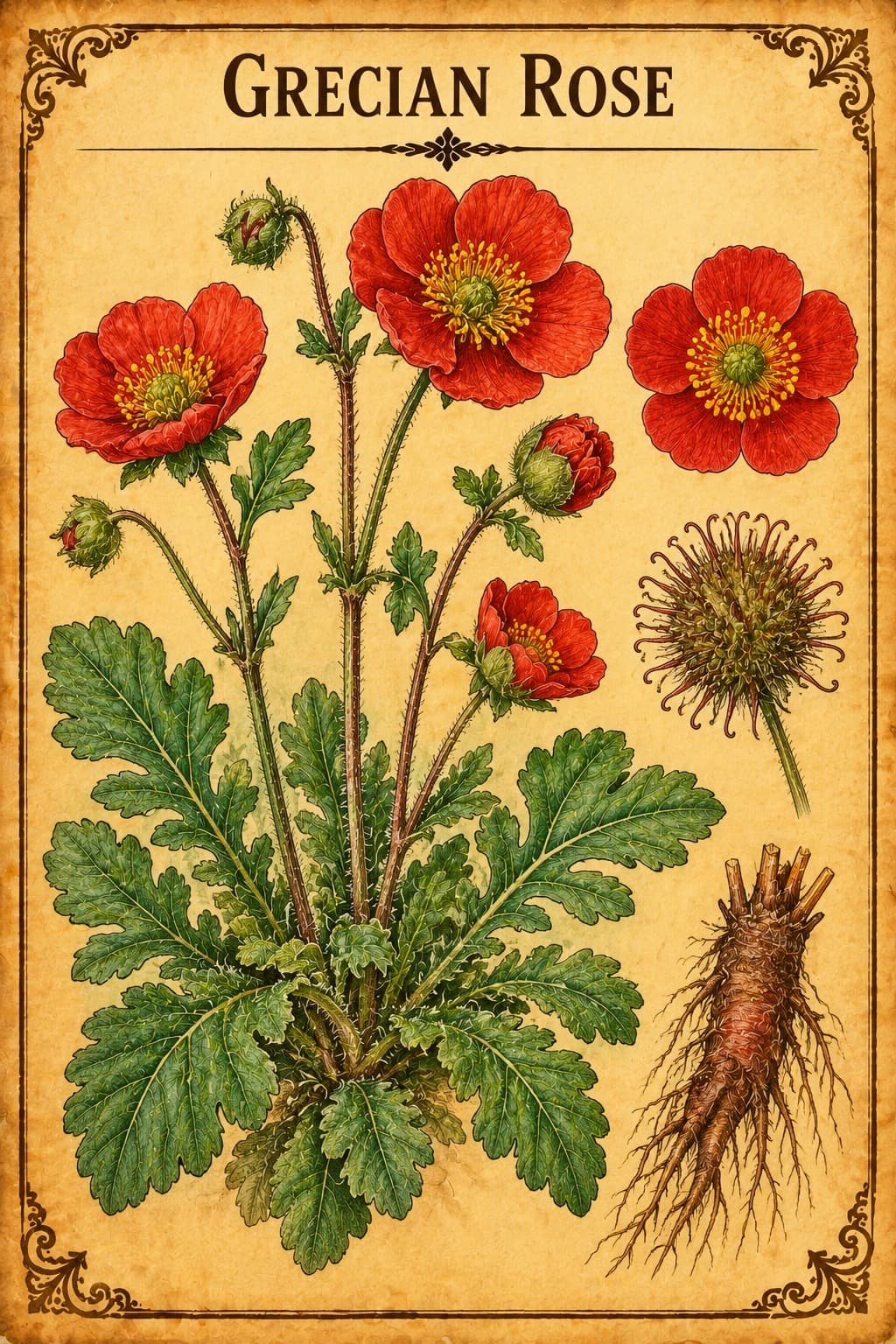
Botanical illustration of Grecian Rose

Grecian Rose

Geum quellyon

Chilean avens, or hierba del clavo, whose root is used in Mapuche medicine for tooth pain, stomach inflammation and prostatitis. It raised a transplant patient's cyclosporine to dangerous levels.

No. 211Medicinal
Botanical illustration of Green Tea

Green Tea

Camellia sinensis

Unfermented leaves of the tea plant, drunk for thousands of years. Drinking the tea is considered safe, but concentrated green tea extract supplements have rarely caused serious liver damage.

No. 212Culinary
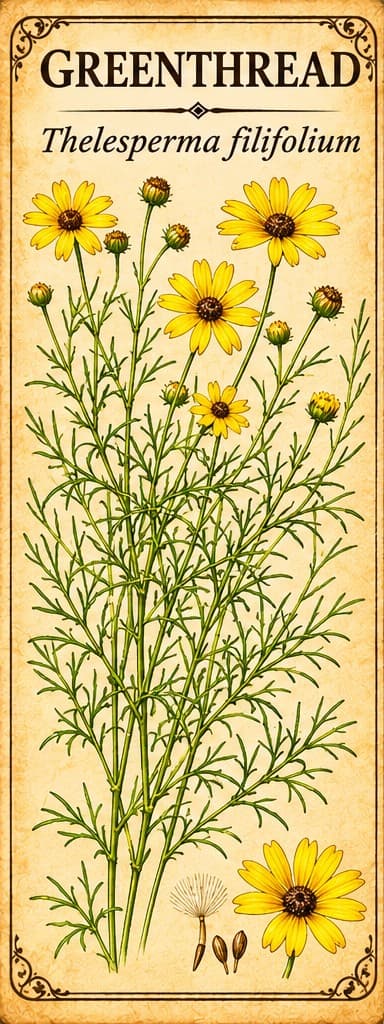
Botanical illustration of Greenthread

Greenthread

Thelesperma filifolium

A threadleaf wildflower of the Southwest, steeped as a tea by Pueblo peoples. Its close relative, Navajo tea, is a popular wild tea.

No. 213Medicinal
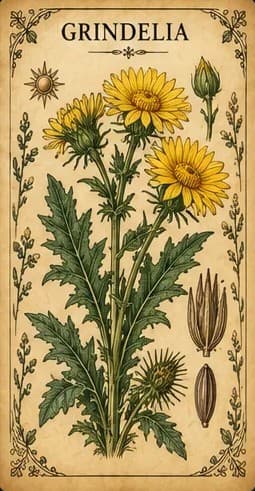
Botanical illustration of Grindelia

Grindelia

Grindelia robusta

Gumweed, a daisy-family plant whose above-ground parts are recognized in Europe as a traditional medicine for cough with a cold in adults.

No. 214Medicinal
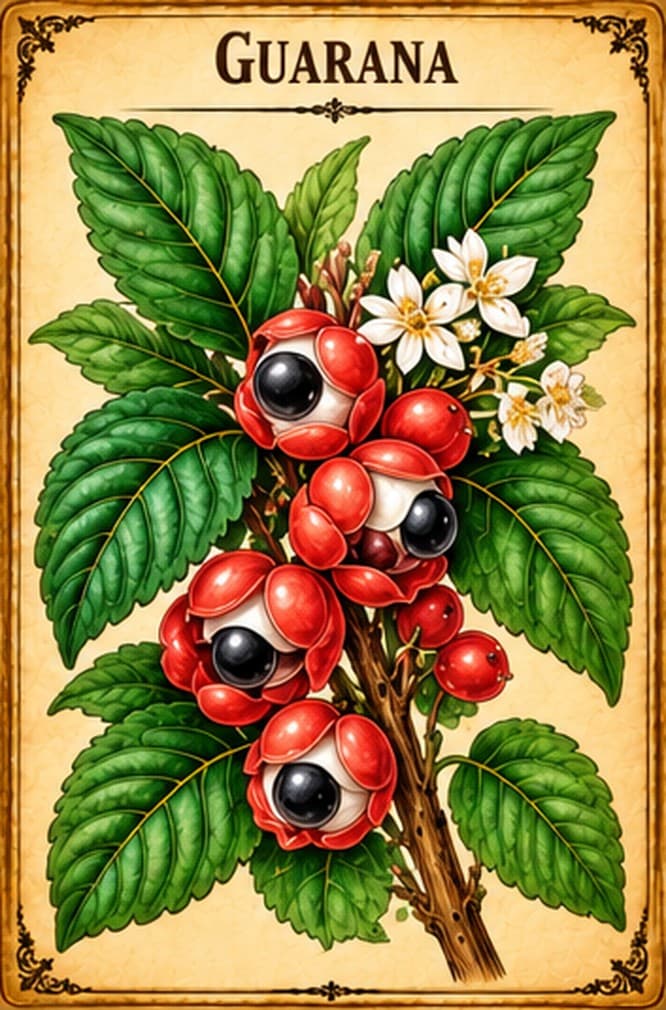
Botanical illustration of Guarana

Guarana

Paullinia cupana

An Amazonian plant whose caffeine-rich seeds are used for energy. Studies on cancer-related tiredness disagree.

No. 215Medicinal
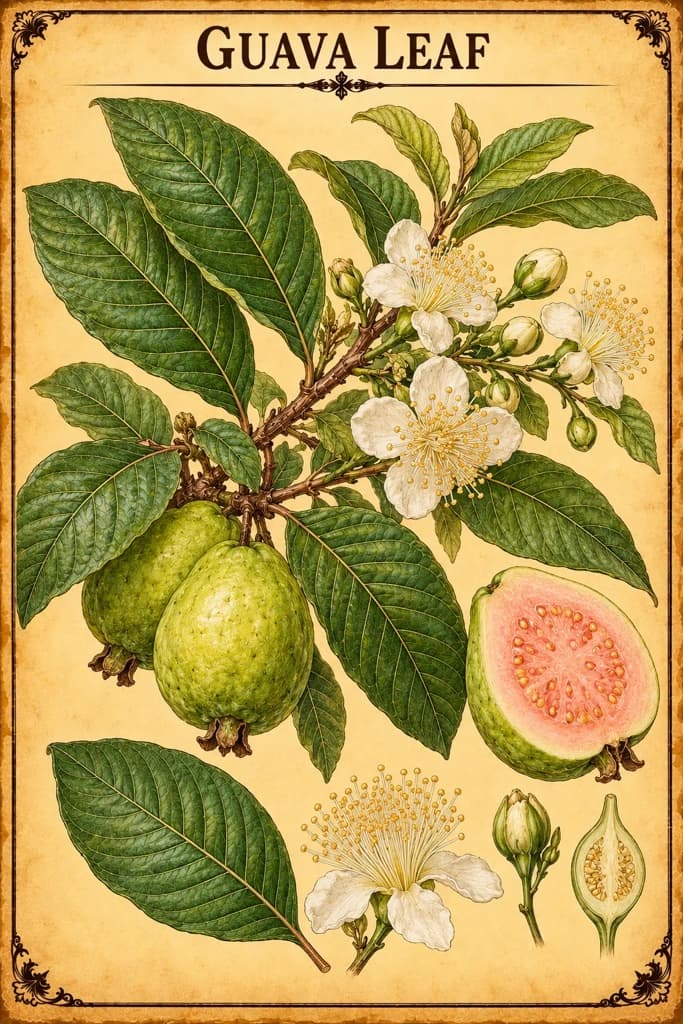
Botanical illustration of Guava Leaf

Guava Leaf

Psidium guajava

The leaves of the guava tree, widely used as a tea for diarrhea in the Caribbean, Latin America, Africa and Asia. Small trials have tested it for diarrhea, blood sugar after meals and gum inflammation.

No. 216Medicinal
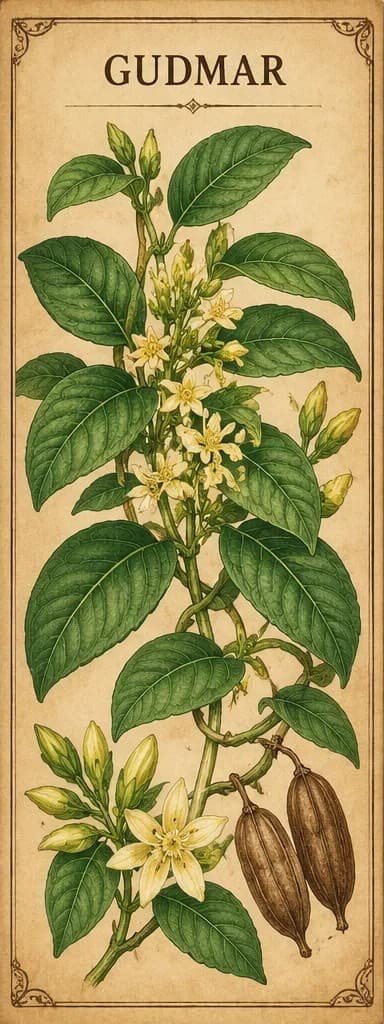
Botanical illustration of Gudmar

Gudmar

Gymnema sylvestre

Gurmar, the "sugar destroyer", an Ayurvedic climbing plant used for diabetes. It lowered blood sugar in animal studies, with mixed results in people.

No. 217Medicinal
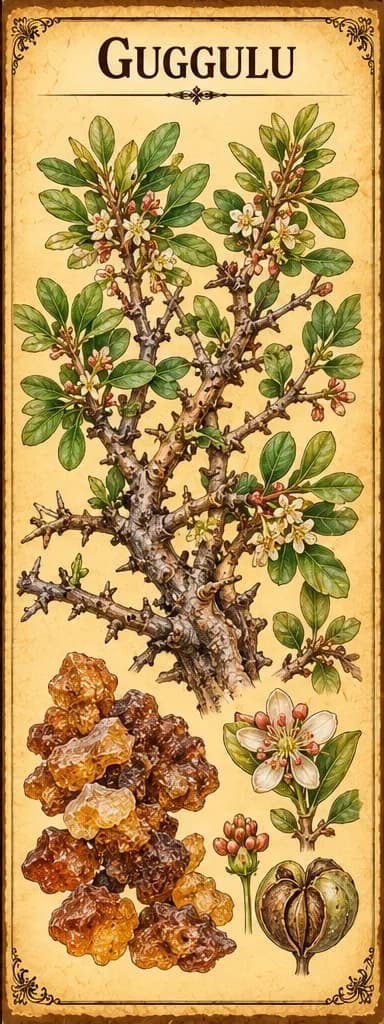
Botanical illustration of Guggulu

Guggulu

Commiphora wightii

The resin of the guggul tree, used in Ayurveda for thousands of years for arthritis, skin diseases and more. Studies on whether it lowers cholesterol are mixed, and it may make some medicines less effective.

No. 218Medicinal
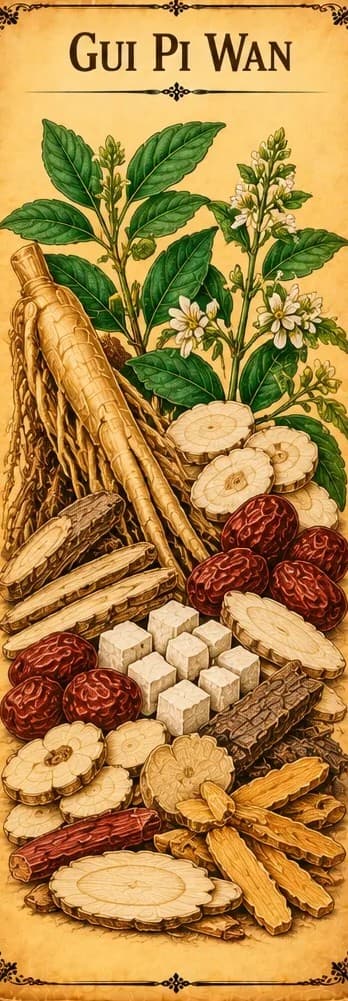
Botanical illustration of Gui Pi Wan

Gui Pi Wan

Panax ginseng, Astragalus membranaceus, Angelica sinensis and 9 other herbs
A classical 12-herb Chinese formula used to tonify qi and blood, for palpitations, forgetfulness, insomnia, poor appetite and tiredness. Small Chinese trials suggest it may help heart failure and anaemia alongside standard treatment.

No. 219Culinary
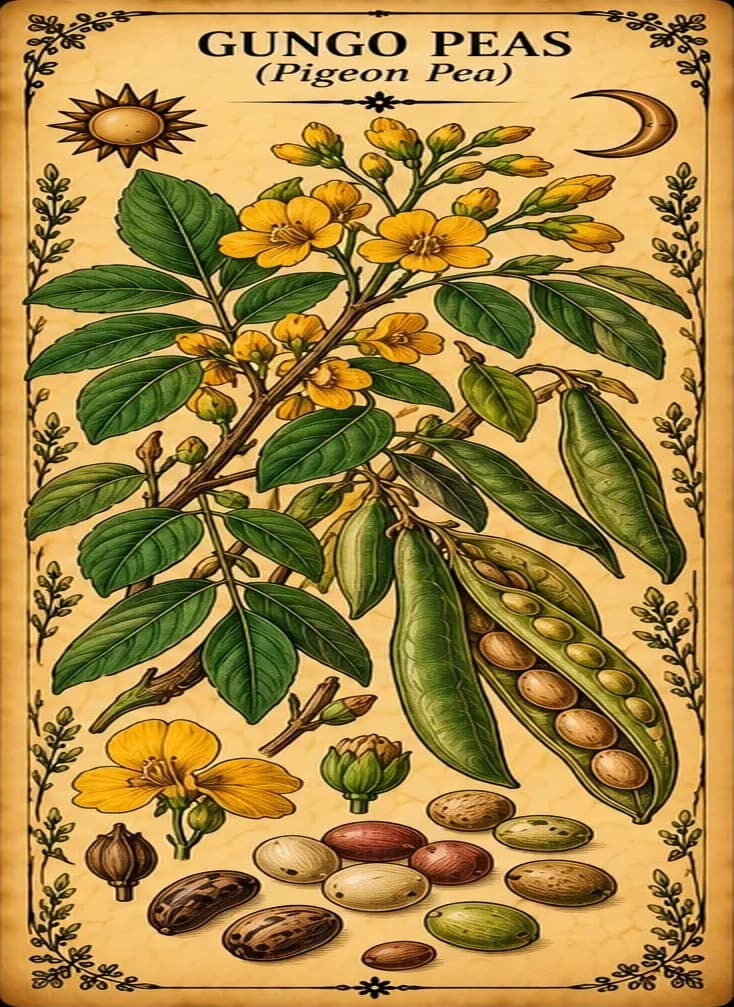
Botanical illustration of Gungo Peas

Gungo Peas

Cajanus cajan

Pigeon peas, a major food crop around the world. The leaves are used in Chinese medicine for bone conditions.

No. 220Medicinal
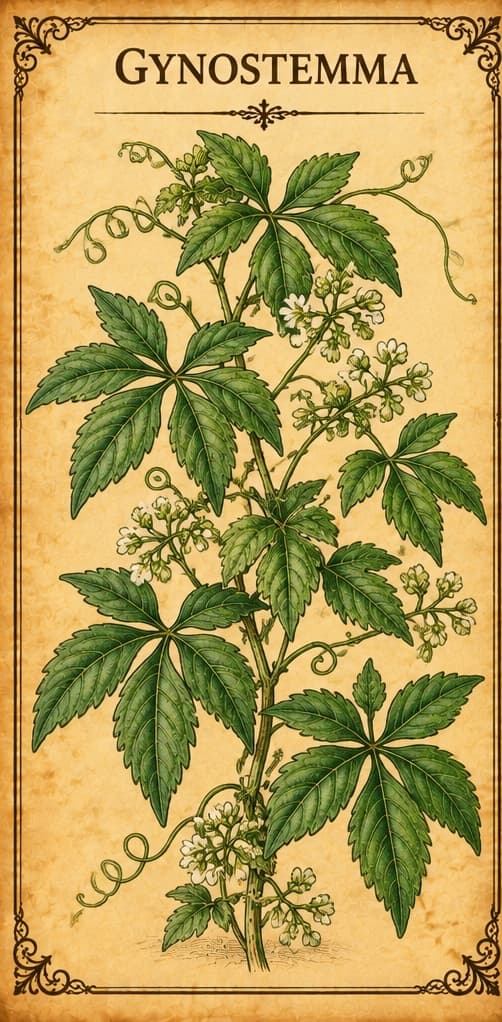
Botanical illustration of Gynostemma

Gynostemma

Gynostemma pentaphyllum

A plant from the cucumber family, known in China as jiaogulan and used in traditional medicine and teas. It has been studied for lowering cholesterol.

No. 221Medicinal
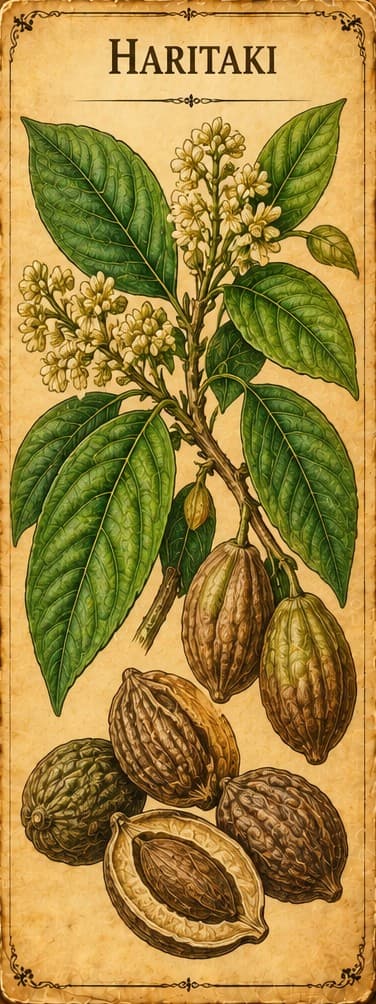
Botanical illustration of Haritaki

Haritaki

Terminalia chebula

The dried fruit of the chebulic myrobalan tree, called the "king of Tibetan medicines" and one of the three fruits in Triphala. It's used for constipation, digestion, coughs and dental health.

No. 222Medicinal
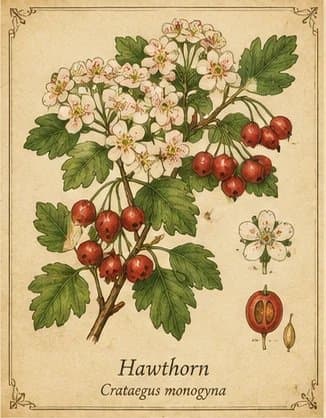
Botanical illustration of Hawthorn

Hawthorn

Crataegus monogyna

A flowering shrub of the rose family, traditionally used for the heart. Recognized in Europe for nervous heart complaints such as palpitations.

No. 223Medicinal
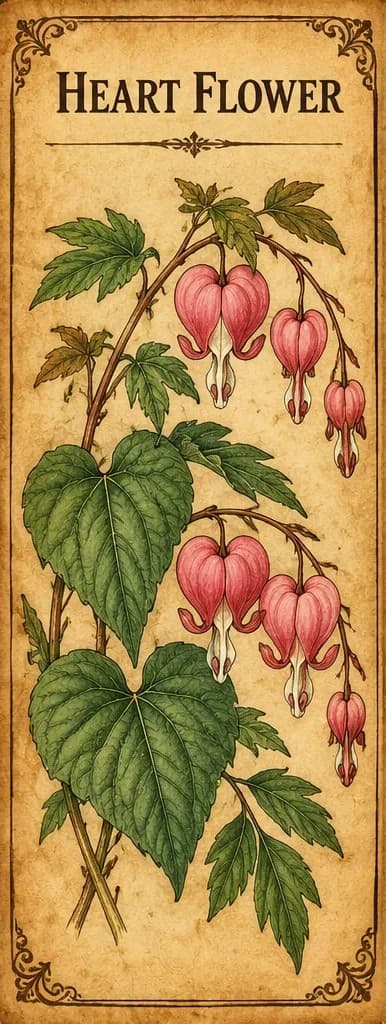
Botanical illustration of Heart Flower

Heart Flower

Lamprocapnos spectabilis

Better known as bleeding heart, a garden plant with heart-shaped pink flowers. Compounds from it have only been studied in the lab, and eating it has caused poisoning.

No. 224Medicinal
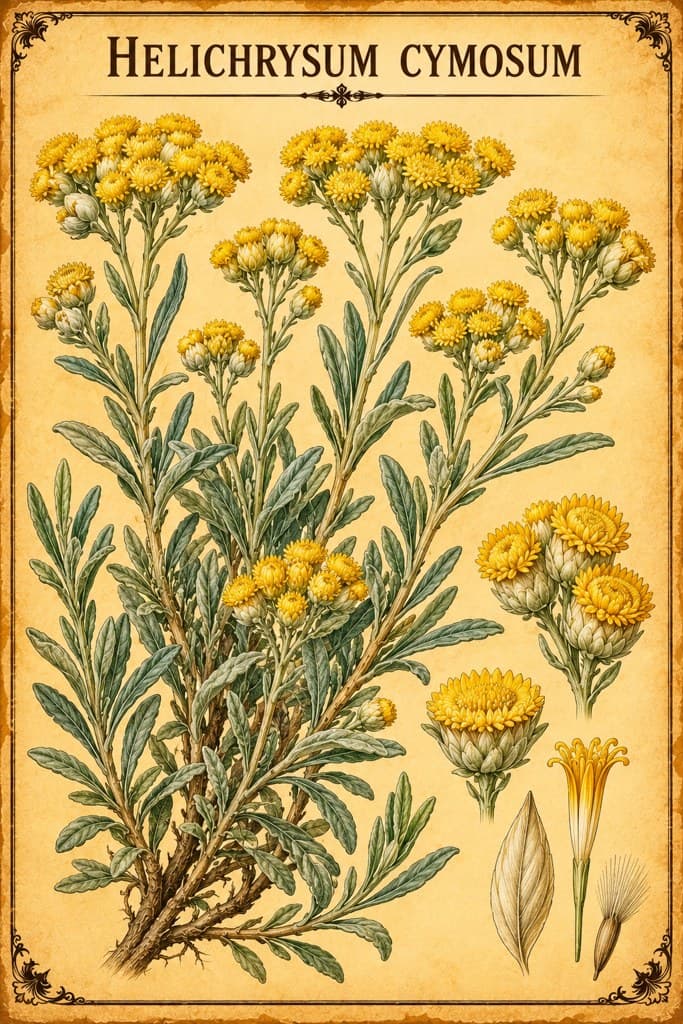
Botanical illustration of Helichrysum Cymosum

Helichrysum Cymosum

Helichrysum cymosum

Gold carpet, a silvery South African everlasting with yellow flower heads, used for coughs, colds, fever, menstrual pain and wounds. Its oil was active against the malaria parasite in the lab.

No. 225Medicinal
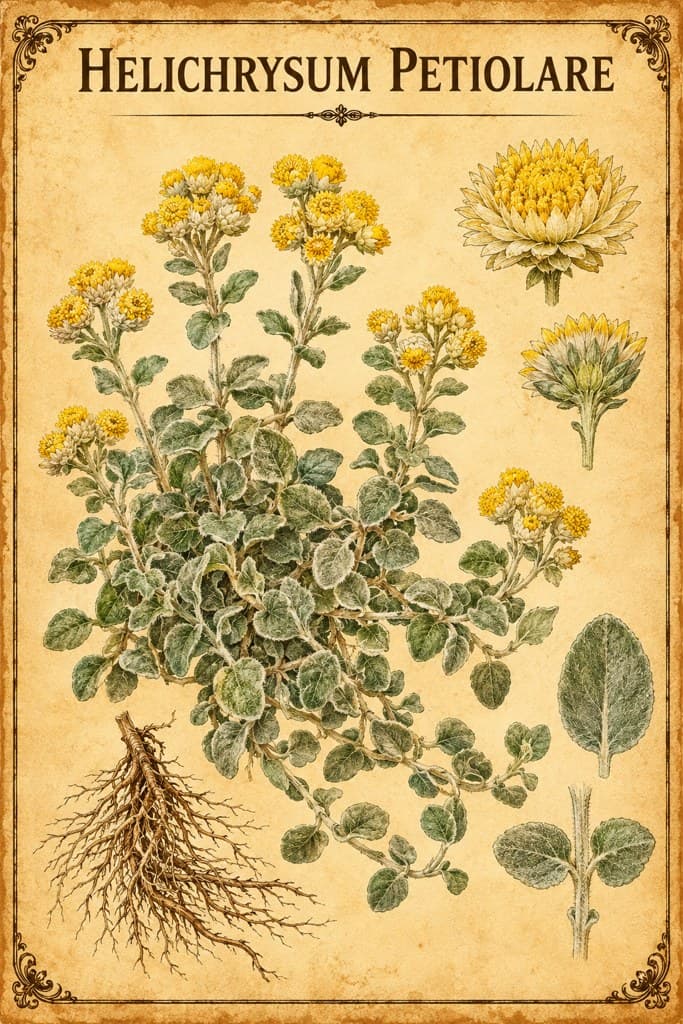
Botanical illustration of Helichrysum Petiolare

Helichrysum Petiolare

Helichrysum petiolare

Licorice plant or kooigoed, a silvery South African everlasting used for colds, coughs, fever, menstrual problems and skin care. Lab studies suggest it may help with blood sugar.

No. 226Medicinal
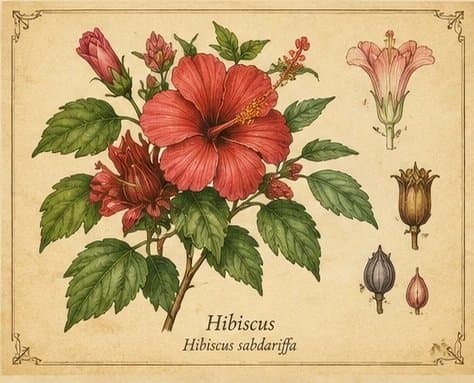
Botanical illustration of Hibiscus

Hibiscus

Hibiscus sabdariffa

The tart red calyces of this flower are made into a tea known as roselle or sour tea. Reviews of trials suggest it may lower blood pressure.

No. 227Medicinal
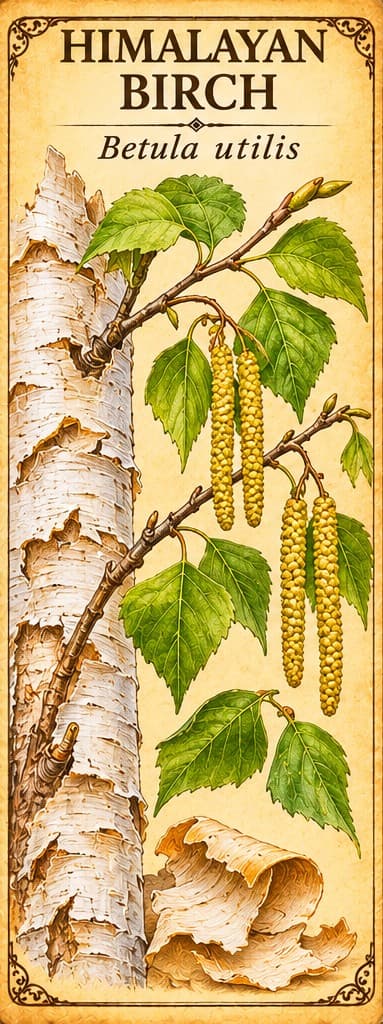
Botanical illustration of Himalayan Birch

Himalayan Birch

Betula utilis

Bhojpatra, a high-Himalayan birch whose bark is used in traditional medicine. Its compounds harmed cancer cells in the lab and a bark dressing healed wounds in rats.

No. 228Medicinal
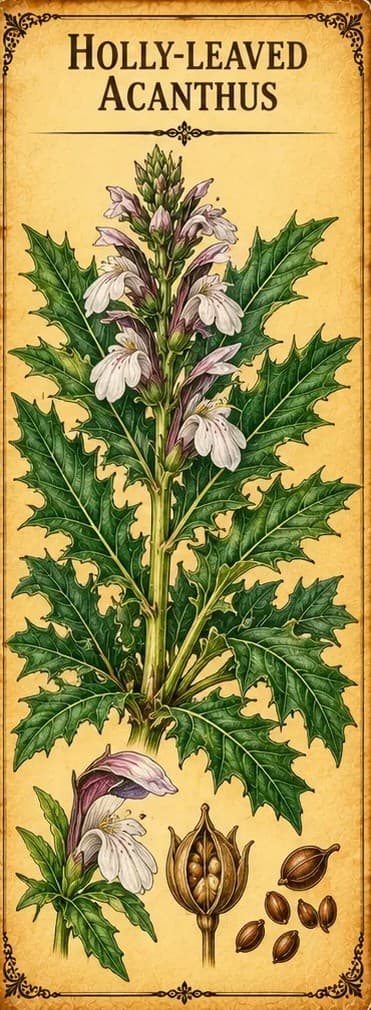
Botanical illustration of Holly-leaved Acanthus

Holly-leaved Acanthus

Acanthus ilicifolius

A mangrove plant used in folk medicine for wounds and skin, breathing and digestive problems. Research so far is in animals.

No. 229Medicinal
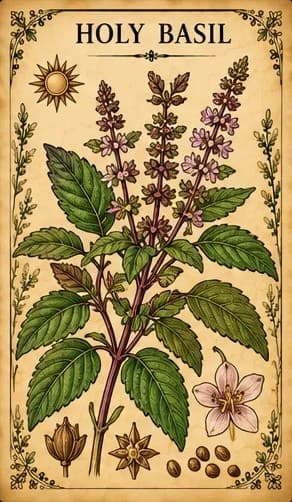
Botanical illustration of Holy Basil

Holy Basil

Ocimum tenuiflorum

Tulsi, a highly revered plant in India used in Ayurveda for stress, coughs, asthma and many other conditions. Small studies suggest it may ease stress and anxiety.

No. 230Medicinal
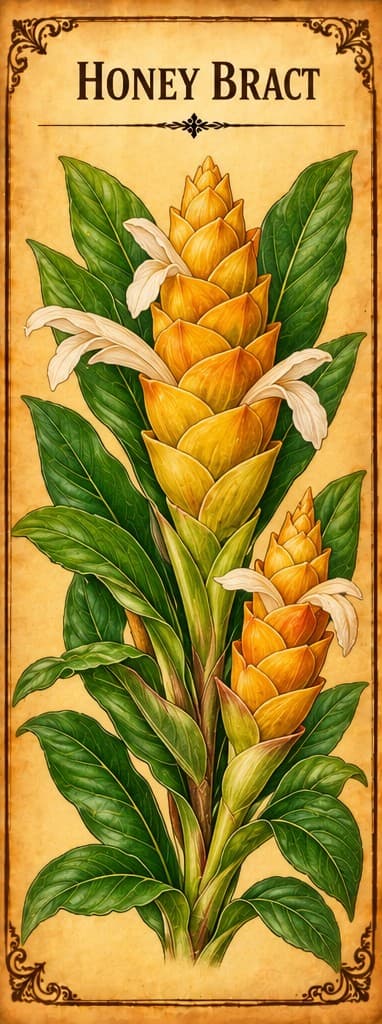
Botanical illustration of Honey Bract

Honey Bract

Renealmia alpinia

A wild ginger relative from tropical America used in folk medicine for snakebites. A compound from it blocked a rattlesnake venom toxin in mice.

No. 231Medicinal
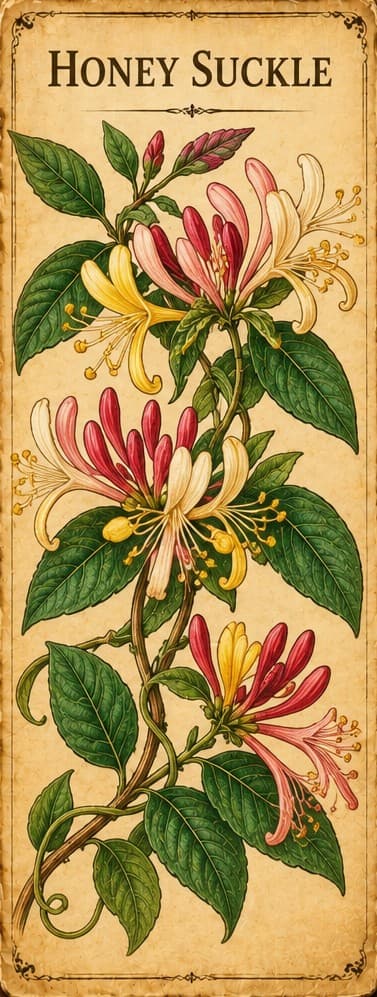
Botanical illustration of Honeysuckle

Honeysuckle

Lonicera japonica

Japanese honeysuckle, or jin yin hua, is a widely used herb in traditional Chinese medicine, taken for fevers, sore throats, skin sores and infections. Most research so far is in the lab and in animals.

No. 232Medicinal
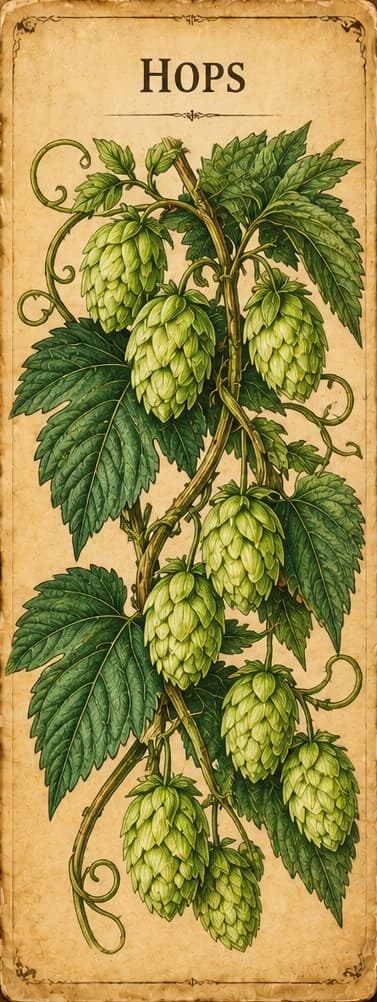
Botanical illustration of Hops

Hops

Humulus lupulus

The cone-like flowers of the hop vine, best known for flavoring beer. Recognised in Europe as a traditional remedy for mild stress and to help sleep.

No. 233Medicinal
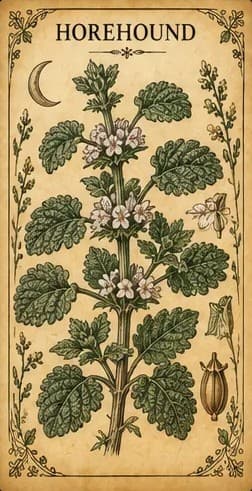
Botanical illustration of Horehound

Horehound

Marrubium vulgare

White horehound, a bitter mint-family herb recognized in Europe as a traditional medicine to help bring up phlegm with a cold, and for indigestion and poor appetite.

No. 234Medicinal
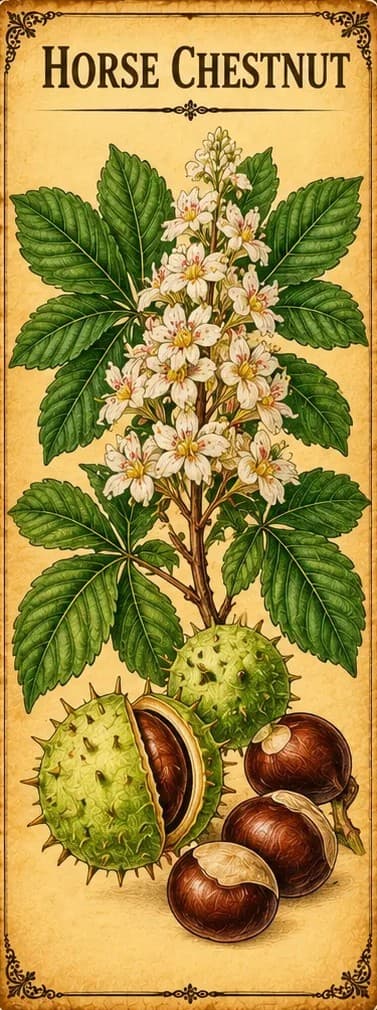
Botanical illustration of Horse Chestnut

Horse Chestnut

Aesculus hippocastanum

A European tree whose standardized seed extract is used for chronic venous insufficiency (poor blood flow in the leg veins). The raw plant is toxic.

No. 235Culinary
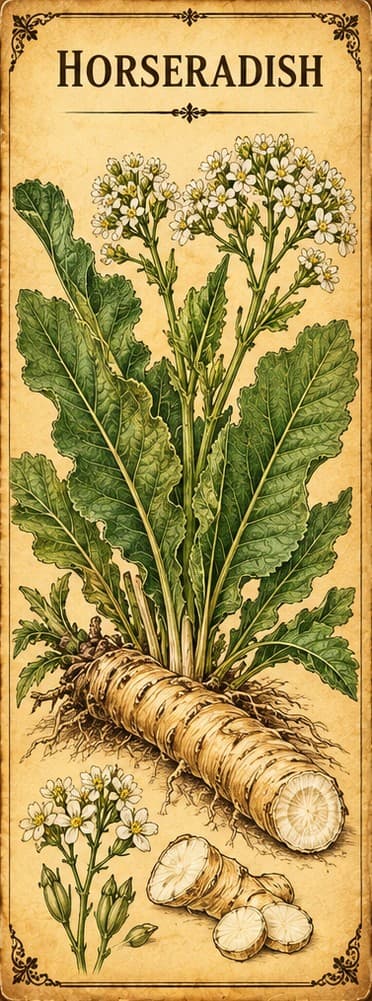
Botanical illustration of Horseradish

Horseradish

Armoracia rusticana

A hot, sharp root used as a condiment and traditionally for airway and bladder infections. A trial found a nasturtium and horseradish medicine reduced repeat bladder infections.

No. 236Medicinal
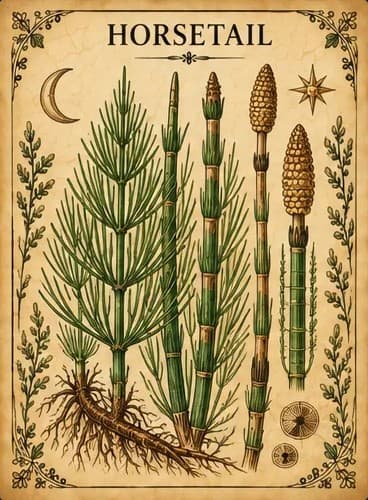
Botanical illustration of Horsetail

Horsetail

Equisetum arvense

A plant recognized in Europe as a traditional medicine for minor urinary complaints and, as a wash or dressing, for superficial wounds. One small trial found a horsetail ointment helped episiotomy wounds heal.

No. 237Culinary
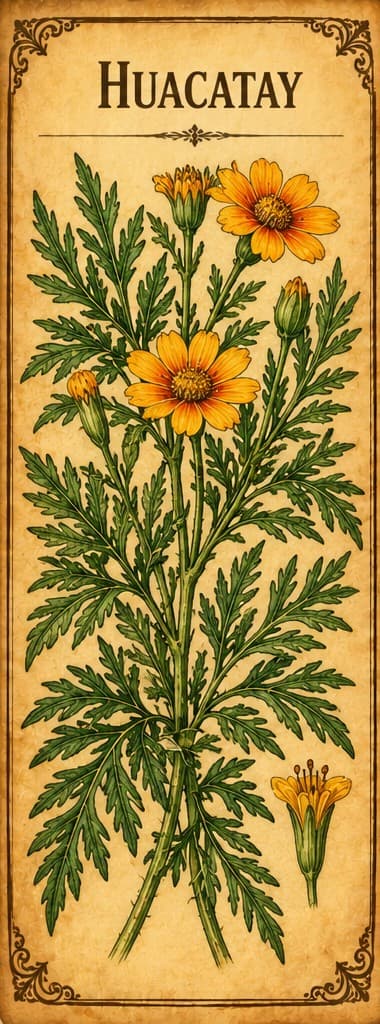
Botanical illustration of Huacatay

Huacatay

Tagetes minuta

A strong-smelling South American marigold, also called black mint. Its oil repels ticks and killed some bacteria in lab tests.

No. 238Medicinal
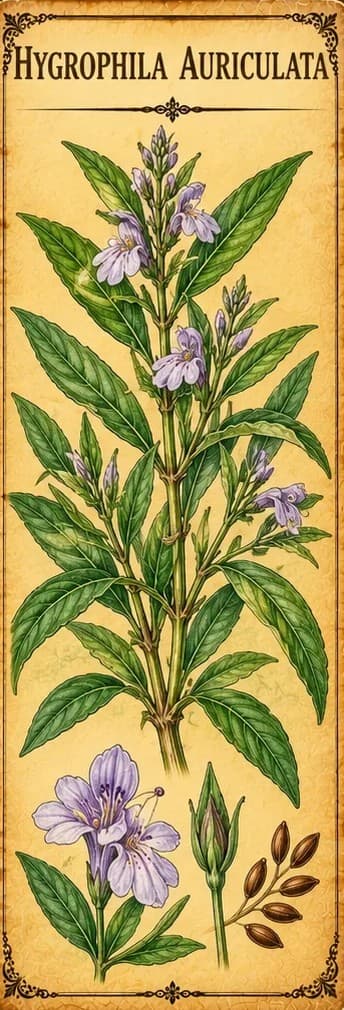
Botanical illustration of Hygrophila Auriculata

Hygrophila Auriculata

Hygrophila auriculata

An herb used in Ayurveda for the liver, kidney stones, swelling and as an aphrodisiac. Studied only in animals.

No. 239Medicinal
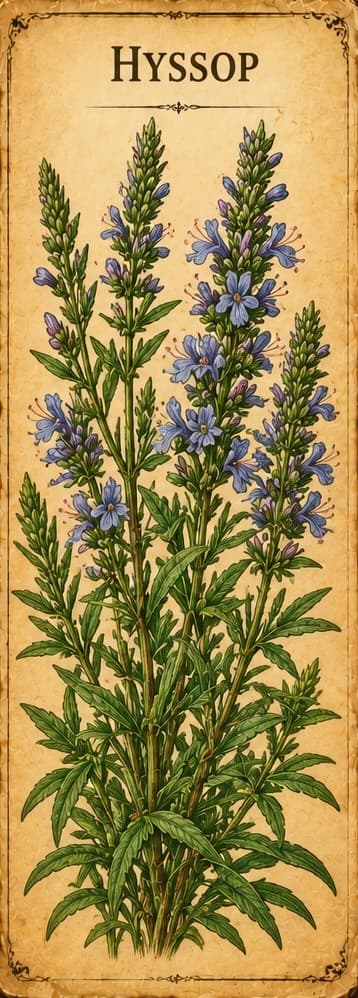
Botanical illustration of Hyssop

Hyssop

Hyssopus officinalis

A blue-flowered herb of the mint family, used for colds, coughs and poor appetite and as a flavoring. Its essential oil can cause seizures at high doses.

No. 240Medicinal
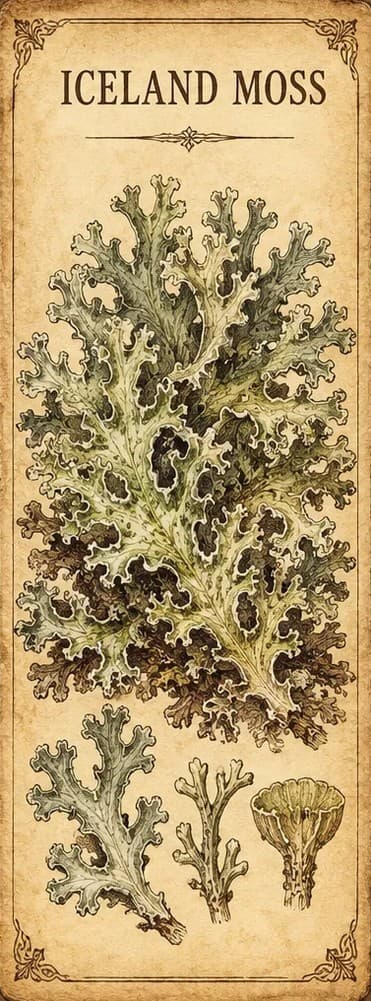
Botanical illustration of Iceland Moss

Iceland Moss

Cetraria islandica

A lichen, not a true moss, recognized in Europe as a traditional medicine to soothe throat irritation and dry cough, and for temporary loss of appetite.

No. 241Medicinal
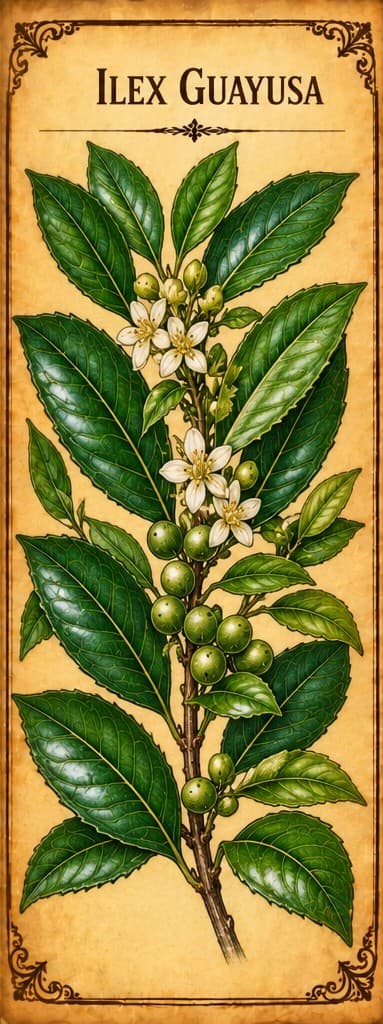
Botanical illustration of Ilex Guayusa

Ilex Guayusa

Ilex guayusa

A caffeine-rich holly from the Ecuadorian Amazon whose leaf tea has been drunk for thousands of years as a stimulant and in morning rituals.

No. 242Medicinal
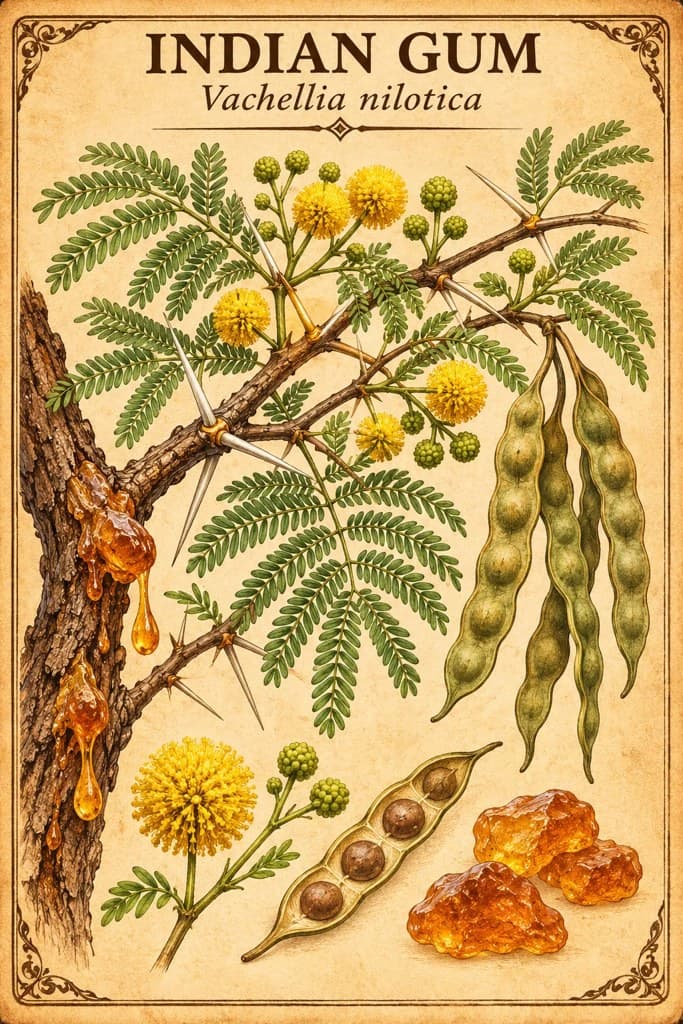
Botanical illustration of Indian Gum

Indian Gum

Vachellia nilotica

Babul, a thorny acacia whose gum, bark and pods are used in traditional medicine, and the most widely used acacia for treating livestock in Africa.

No. 243Medicinal
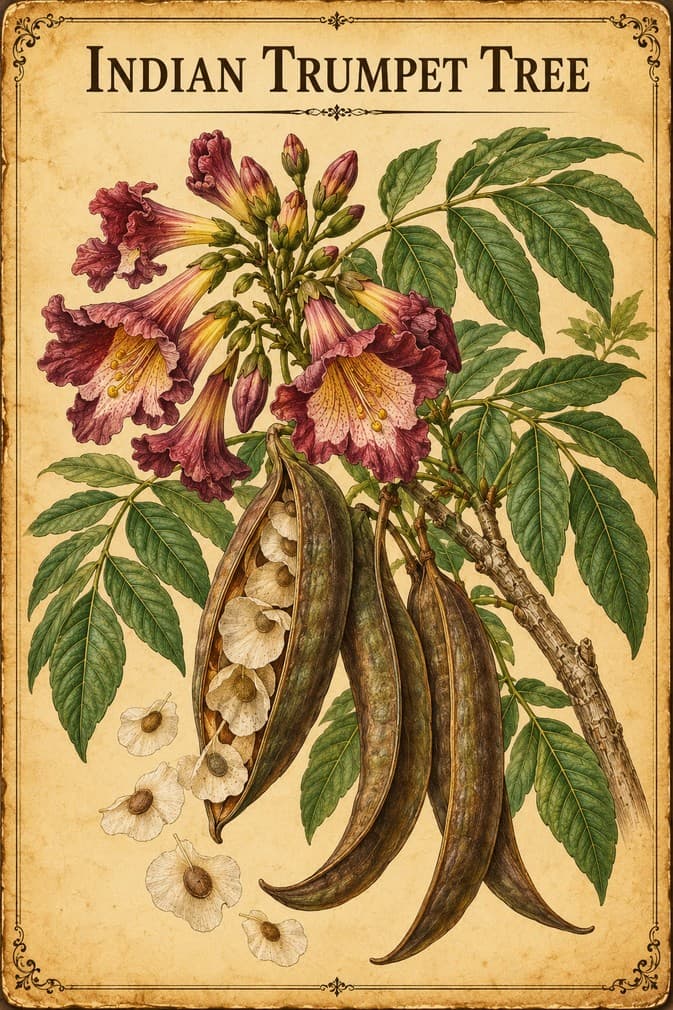
Botanical illustration of Indian Trumpet Tree

Indian Trumpet Tree

Oroxylum indicum

An Asian tree with huge sword-shaped seed pods, called shyonaka in Ayurveda, where its root bark and seeds are used for diarrhea, fever, coughs and joint pain. Its safety hasn't been studied in detail.

No. 244Culinary
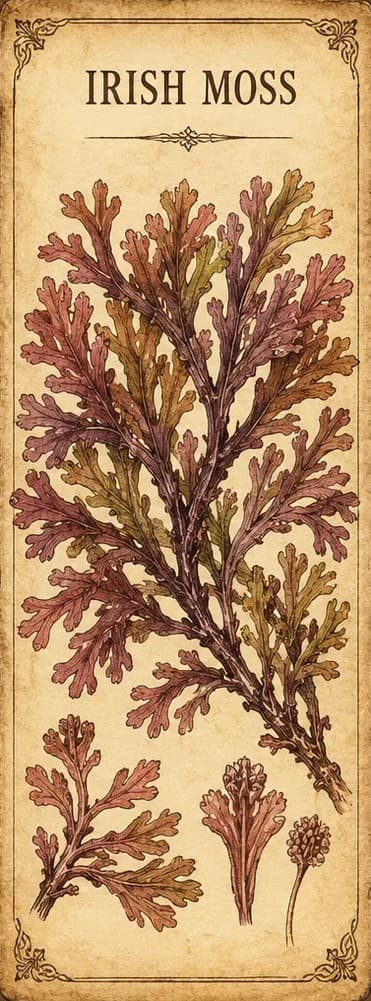
Botanical illustration of Irish Moss

Irish Moss

Chondrus crispus

Sea moss, a red seaweed used as food and medicine, though no medicinal benefit has been proven. It's a source of carrageenan, a food thickener.

No. 245Medicinal
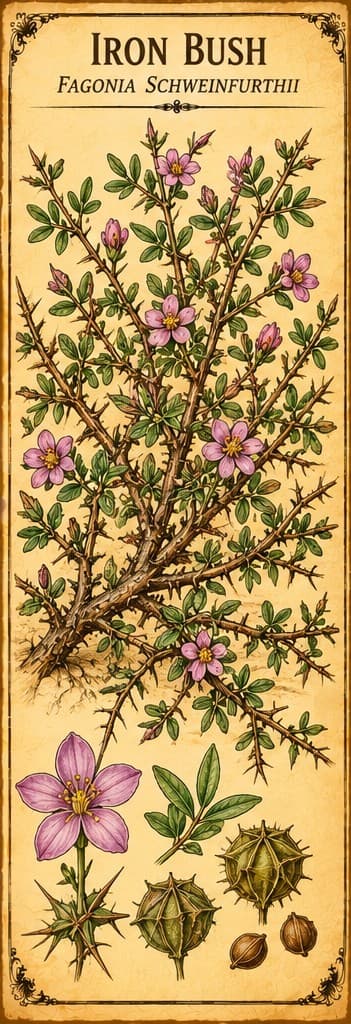
Botanical illustration of Iron Bush

Iron Bush

Fagonia schweinfurthii

A spiny desert shrublet of India used for liver problems. In lab and rat studies it protected the liver.

No. 246Medicinal
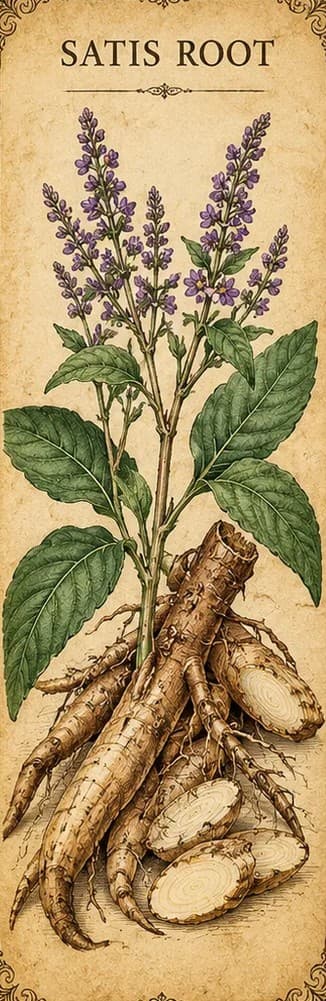
Botanical illustration of Isatis Root

Isatis Root

Isatis indigotica

Ban lan gen, a Chinese medicine root used for centuries for flu and viral infections, fever, cough and sore throat. Its compounds acted against viruses in lab studies.

No. 247Medicinal
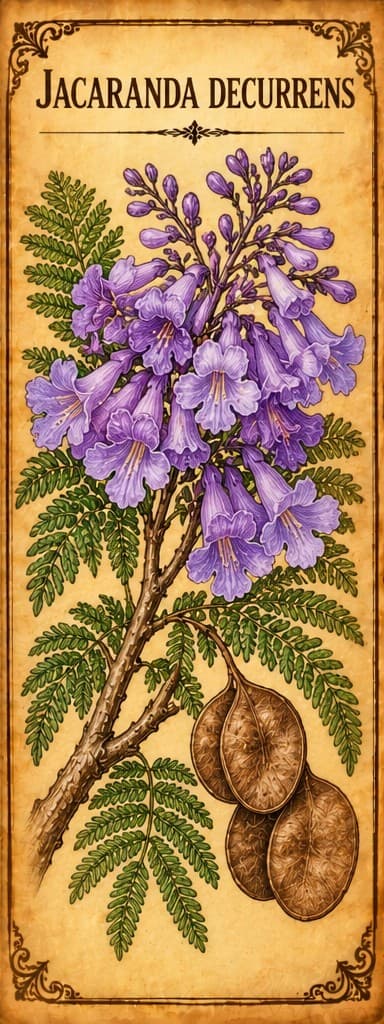
Botanical illustration of Jacaranda Decurrens

Jacaranda Decurrens

Jacaranda decurrens

Carobinha, a small jacaranda of Brazil's Cerrado savanna popularly used for skin diseases. In animal studies, its leaves sped wound healing and reduced weight gain.

No. 248Medicinal
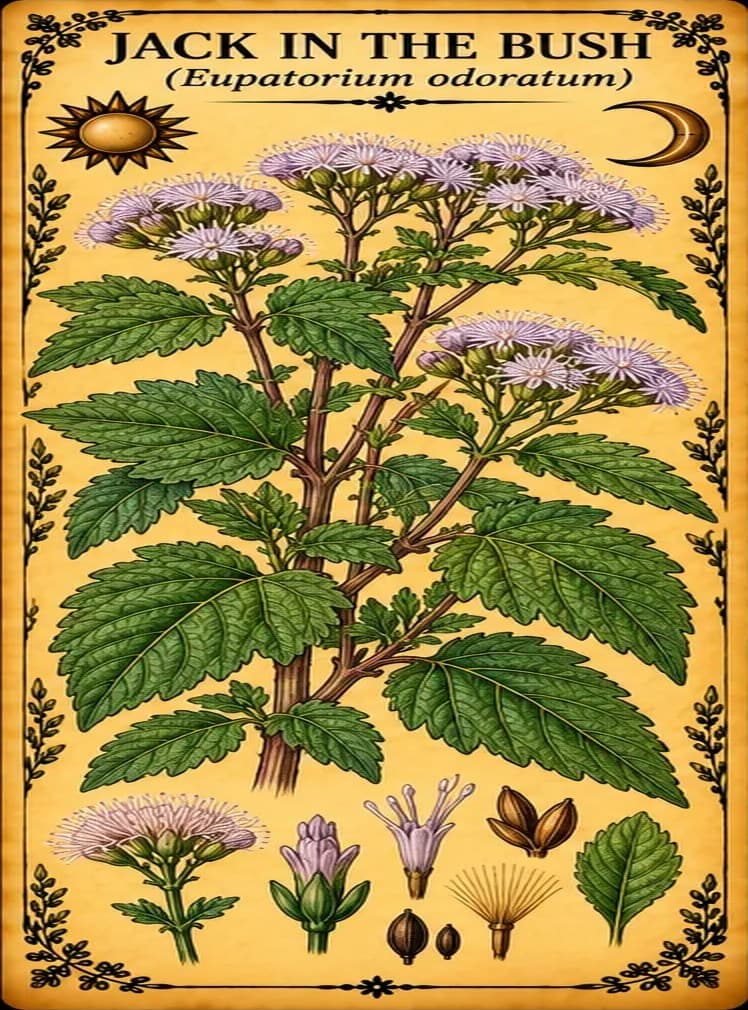
Botanical illustration of Jack in the Bush

Jack in the Bush

Chromolaena odorata

One of Jamaica's most popular bush teas for colds and flu, also used in Africa and Asia for fever, wounds and diabetes. Research so far is in the lab and in animals.

No. 249Medicinal
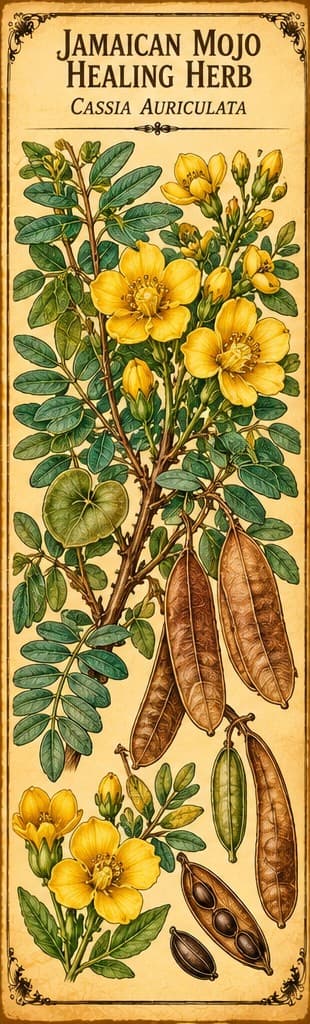
Botanical illustration of Jamaican Mojo Healing Herb

Jamaican Mojo Healing Herb

Senna auriculata

Avaram (Cassia auriculata), a yellow-flowered shrub used in Ayurveda and Siddha medicine, especially for diabetes. A small trial of an herbal powder containing it lowered blood sugar.

No. 250Medicinal
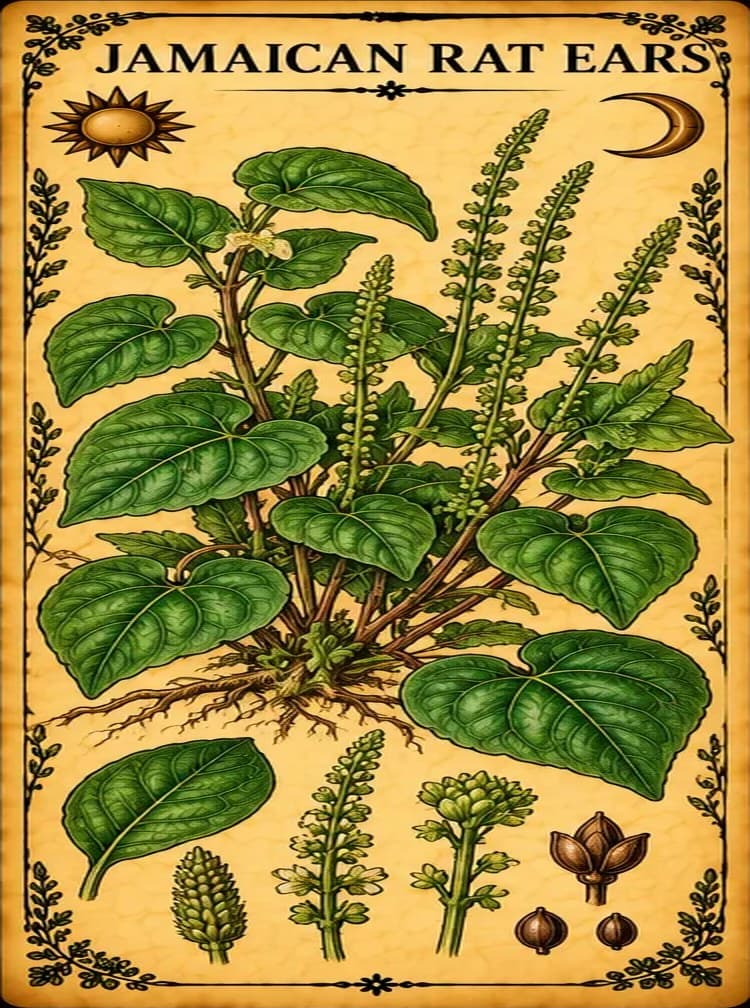
Botanical illustration of Jamaican Rat Ears

Jamaican Rat Ears

Peperomia pellucida

A small weed of damp, shady places, also called shining bush, used in Caribbean folk medicine as a cooling remedy and for skin sores. Research so far is limited and often weak.

No. 251Culinary
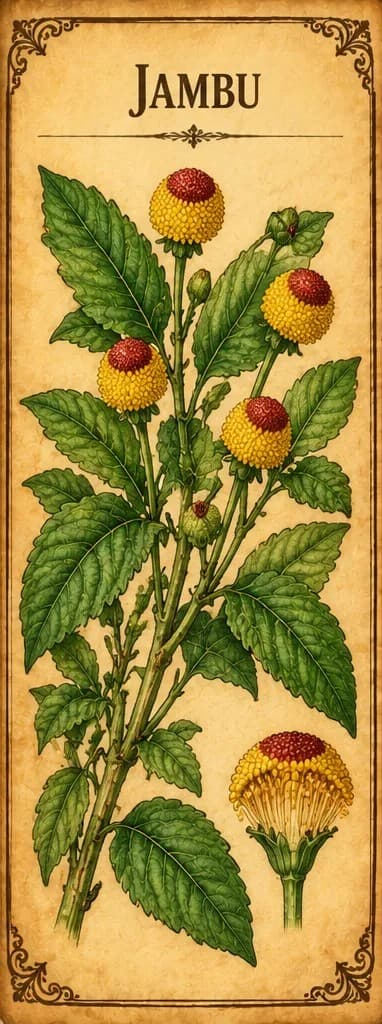
Botanical illustration of Jambu

Jambu

Acmella oleracea

The "toothache plant" of Brazil, whose flower buds cause a tingling, numbing feeling in the mouth. It's used as a spice and traditionally to ease tooth pain.

No. 252Medicinal
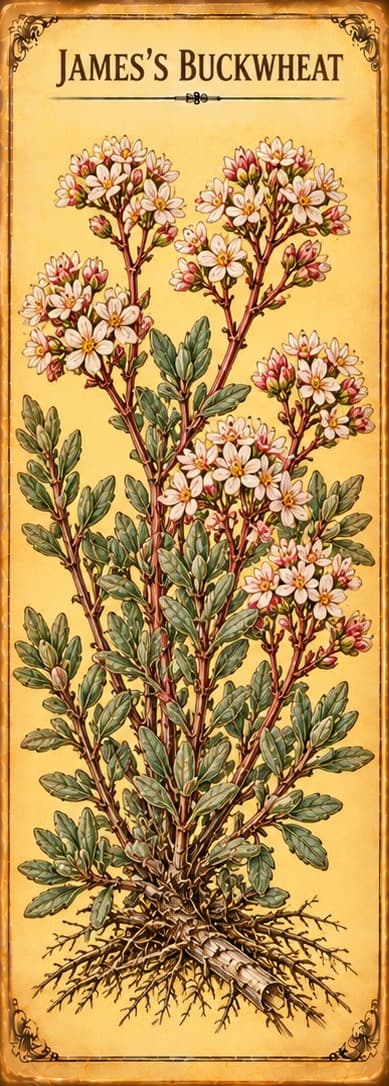
Botanical illustration of James's Buckwheat

James's Buckwheat

Eriogonum jamesii

A southwestern buckwheat whose root the Zuni ate for stomachaches and the Navajo used to ease labor pains.

No. 253Medicinal
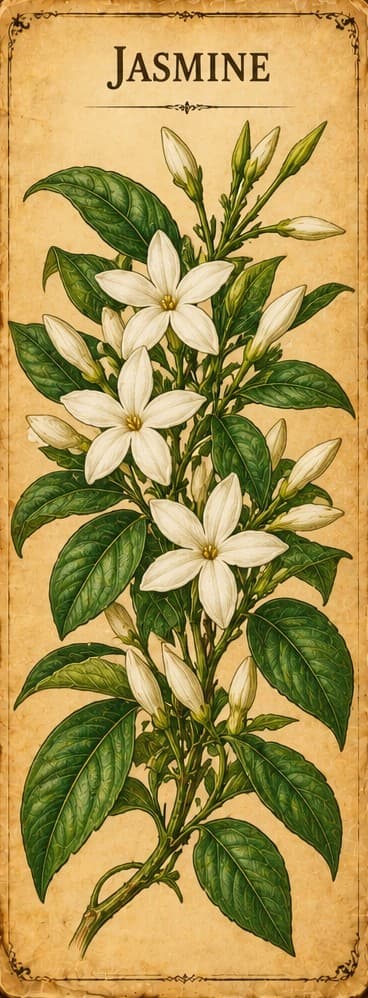
Botanical illustration of Jasmine

Jasmine

Jasminum sambac

Arabian jasmine, a fragrant white flower. Jasmine flowers placed on the breasts have been tested as a way to stop breast milk after childbirth, and a trial found they worked about as well as a standard medicine.

No. 254Medicinal
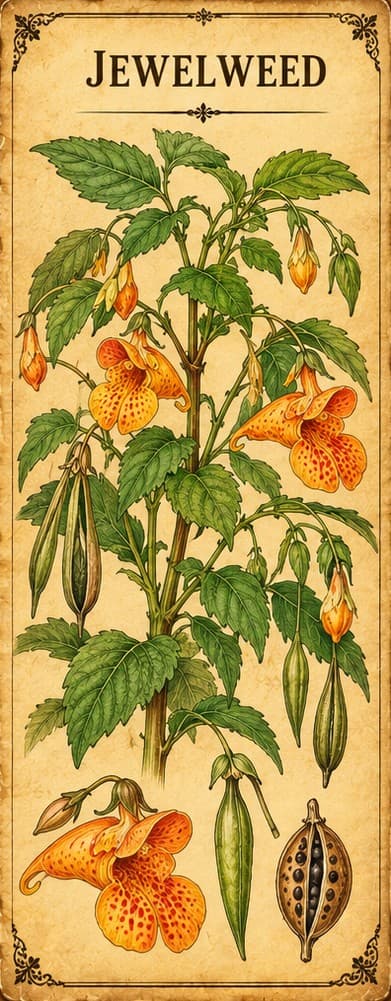
Botanical illustration of Jewelweed

Jewelweed

Impatiens capensis

A North American wildflower crushed into a mash by Native American tribes for poison ivy rash. Studies are mixed: fresh mash helped prevent a rash, but soap worked better.

No. 255Medicinal
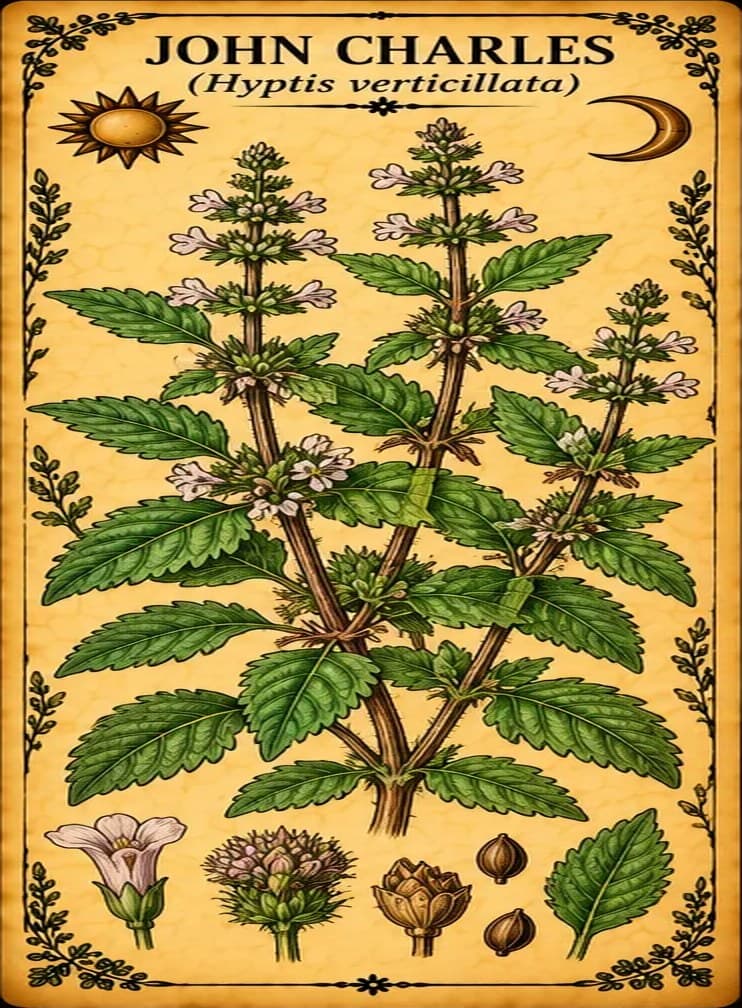
Botanical illustration of John Charles

John Charles

Hyptis verticillata

A Caribbean bush in the mint family, used since Maya and Aztec times for breathing, digestive, women's health and skin problems. It hasn't been tested in clinical trials.

No. 256Medicinal
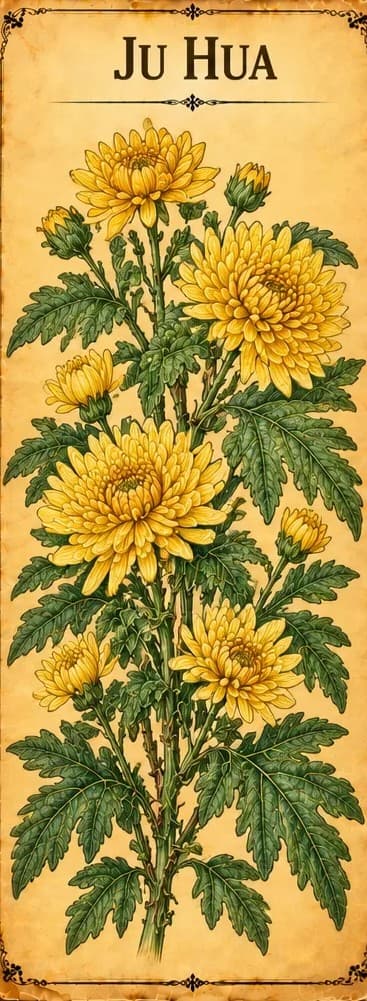
Botanical illustration of Ju Hua

Ju Hua

Chrysanthemum morifolium

Chrysanthemum flowers, drunk as tea in China for over 3,000 years and used in Chinese medicine for colds, dizziness, headaches and the eyes. It hasn't been tested on its own in clinical trials.

No. 257Medicinal
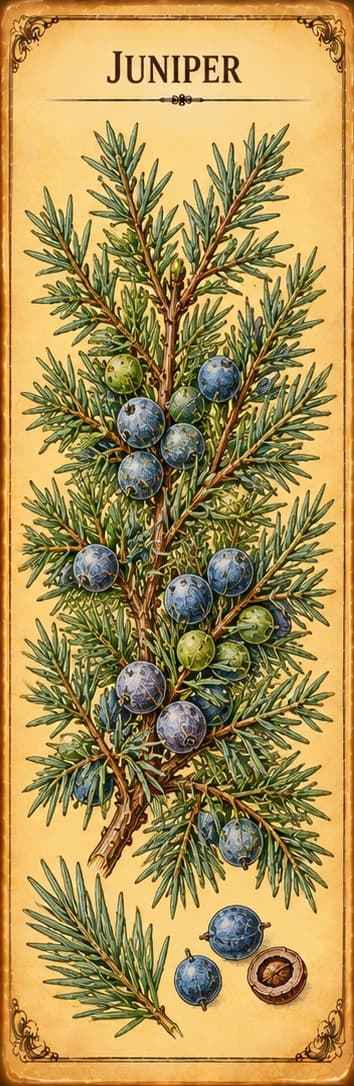
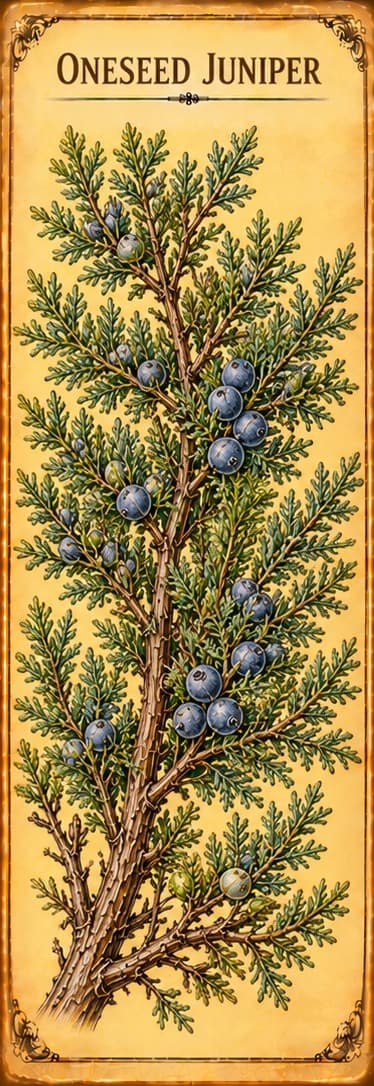
Botanical illustration of Juniper

Juniper

Juniperus communis

An evergreen shrub whose berries are a recognized traditional European remedy to increase urination and ease indigestion and gas.

No. 258Medicinal
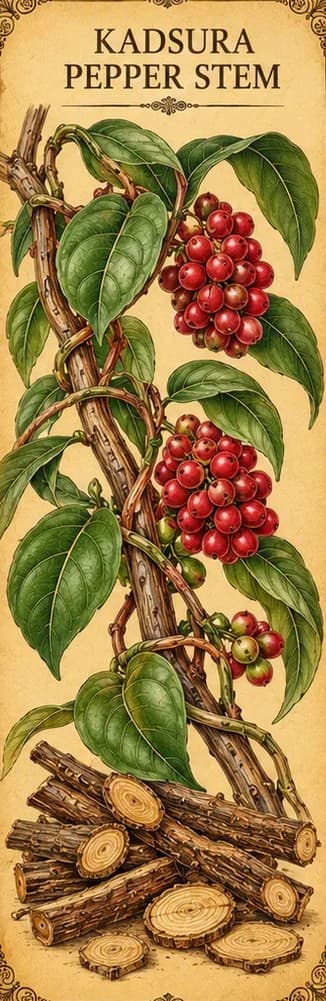
Botanical illustration of Kadsura Pepper Stem

Kadsura Pepper Stem

Piper kadsura

Hai feng teng, the stem of a pepper plant, used in East Asian medicine for over 2,000 years for rheumatism and joint pain.

No. 259Medicinal
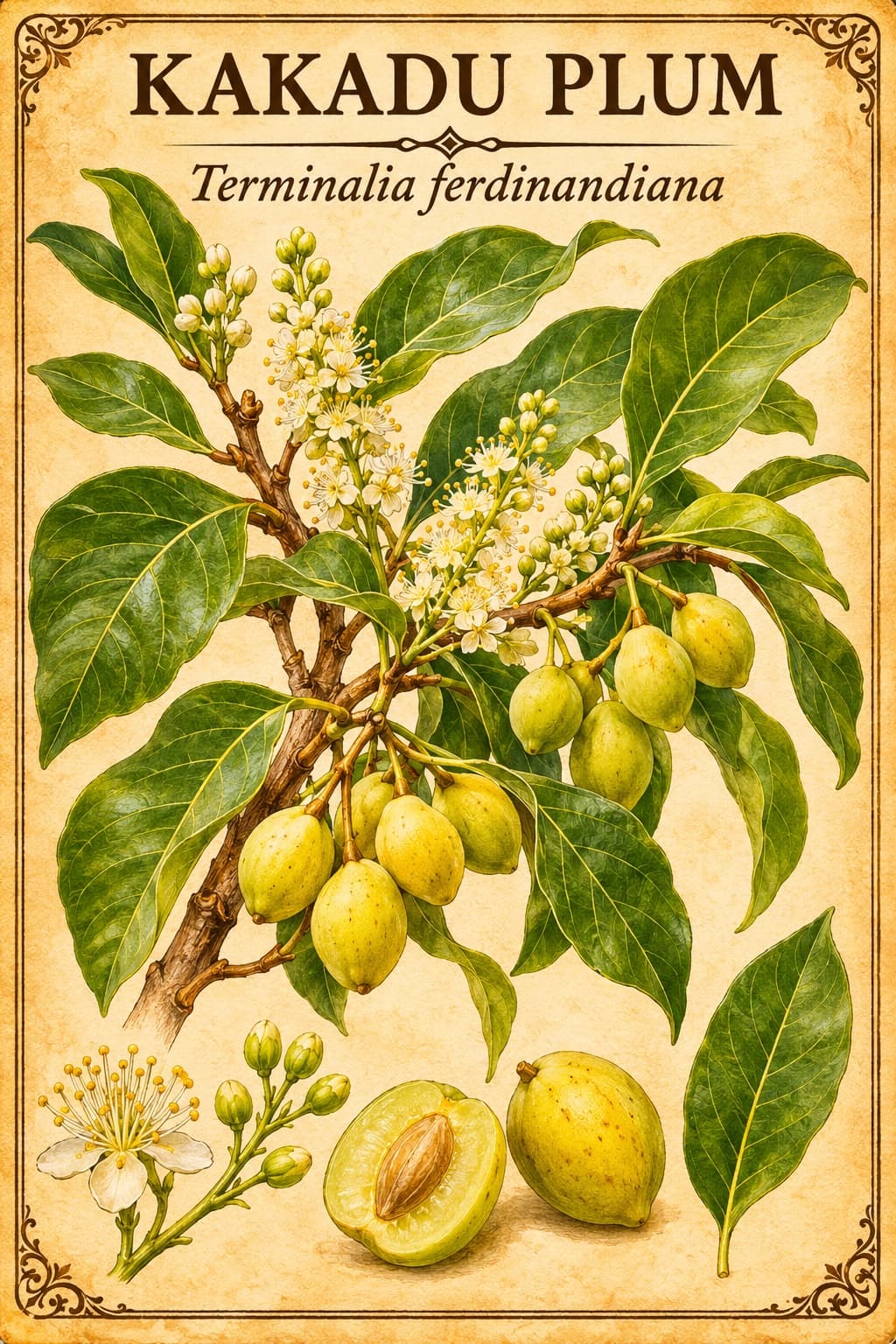
Botanical illustration of Kakadu Plum

Kakadu Plum

Terminalia ferdinandiana

A small northern Australian fruit, the richest known source of vitamin C. Aboriginal Australians use it as food and as a remedy for colds, flu and headaches.

No. 260Medicinal
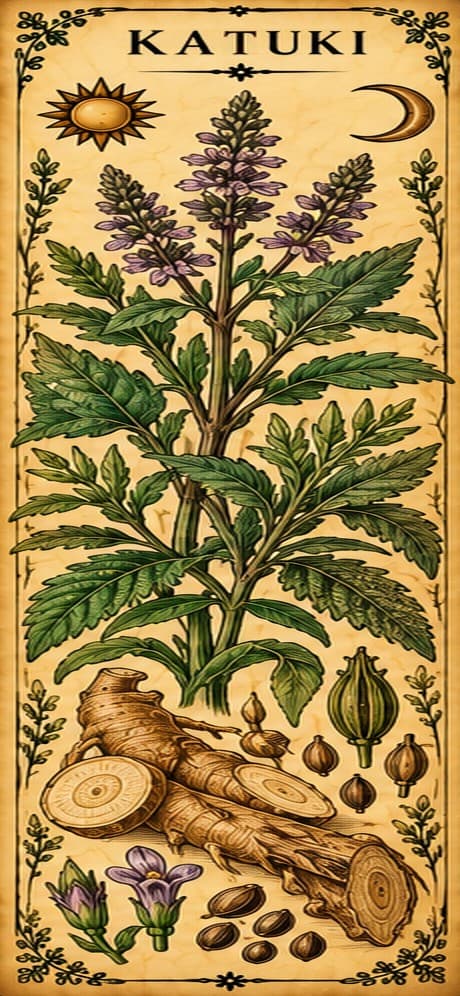
Botanical illustration of Katuki

Katuki

Picrorhiza kurroa

Kutki, a bitter root used in Ayurveda for thousands of years for fever, jaundice, the liver and breathing problems. It is now endangered in the wild.

No. 261Medicinal
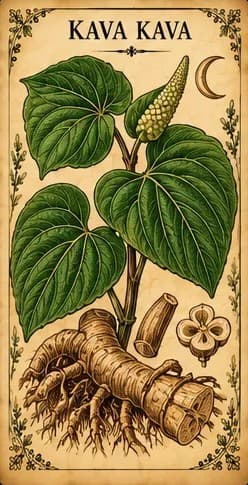
Botanical illustration of Kava

Kava

Piper methysticum

A root from the South Pacific, drunk in ceremonies for thousands of years. It may ease anxiety short term, but it has been linked to rare, sometimes fatal, liver damage.

No. 262Medicinal
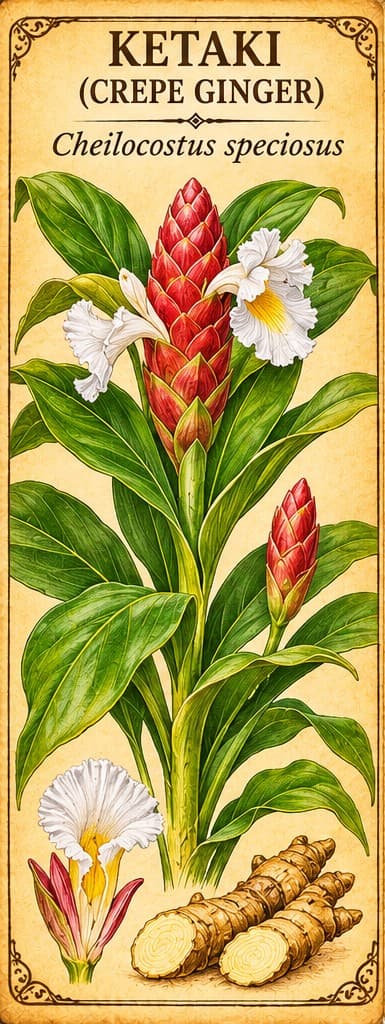
Botanical illustration of Ketaki

Ketaki

Cheilocostus speciosus

Crepe ginger, an Indian plant with red cone-like flower spikes, long used in traditional medicine. It eased pain and fever in rats.

No. 263Culinary
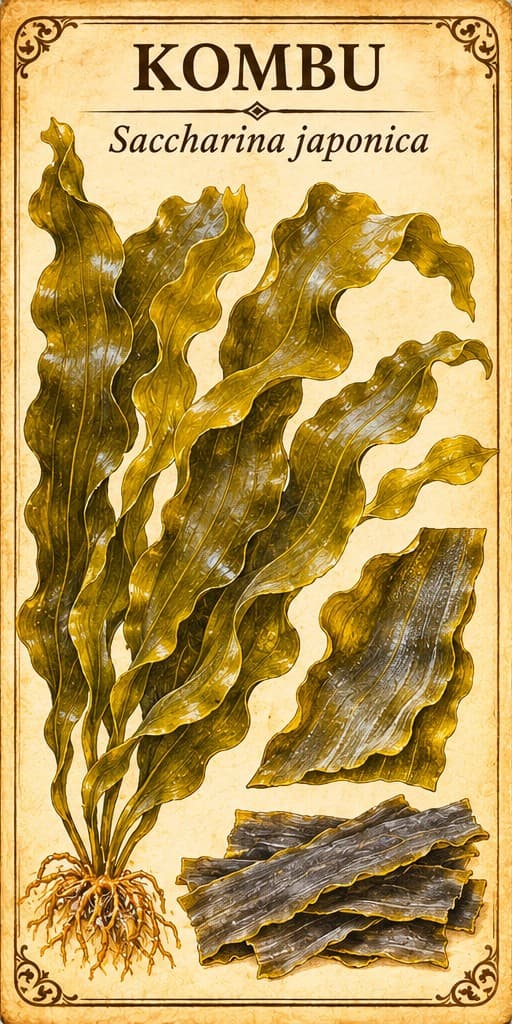
Botanical illustration of Kombu

Kombu

Saccharina japonica

A brown seaweed central to Japanese cooking and the main source of iodine in Japan. Too much iodine can harm the thyroid.

No. 264Medicinal
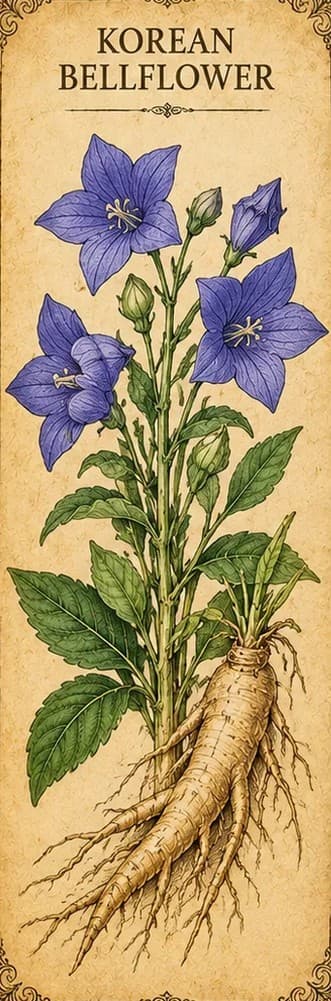
Botanical illustration of Korean Bellflower

Korean Bellflower

Platycodon grandiflorus

Jie geng or doraji, the root of the balloon flower, eaten as a vegetable and used since the Han Dynasty to clear phlegm, ease sore throats and treat cough.

No. 265Medicinal
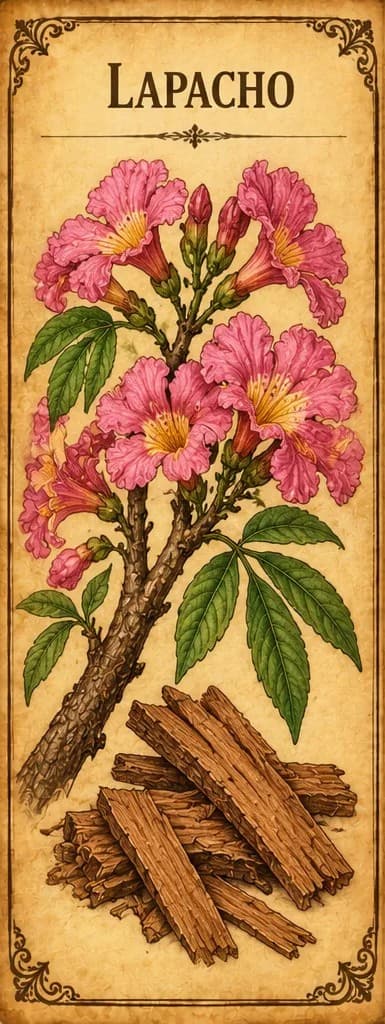
Botanical illustration of Lapacho

Lapacho

Handroanthus impetiginosus

Also called pau d'arco, a South American tree whose inner bark is made into a tea and sold as a supplement for infections and cancer. Its benefits haven't been shown in people.

No. 266Aromatic
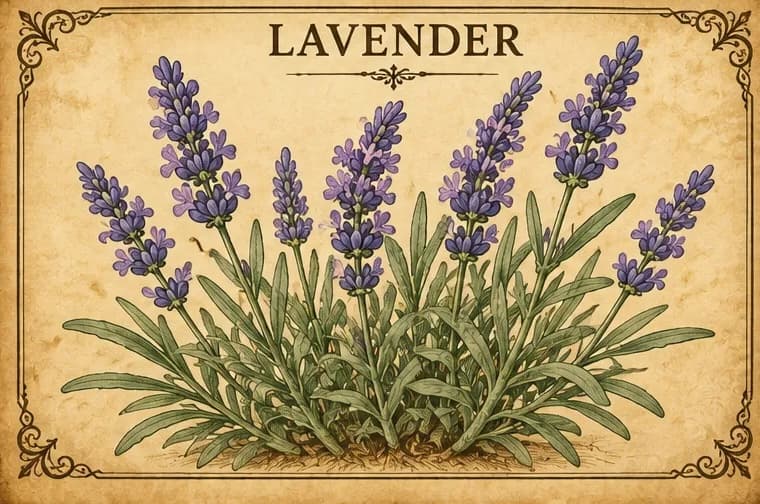
Botanical illustration of Lavender

Lavender

Lavandula angustifolia

A purple-flowered herb prized for its scent and traditionally used to relax.

No. 267Medicinal
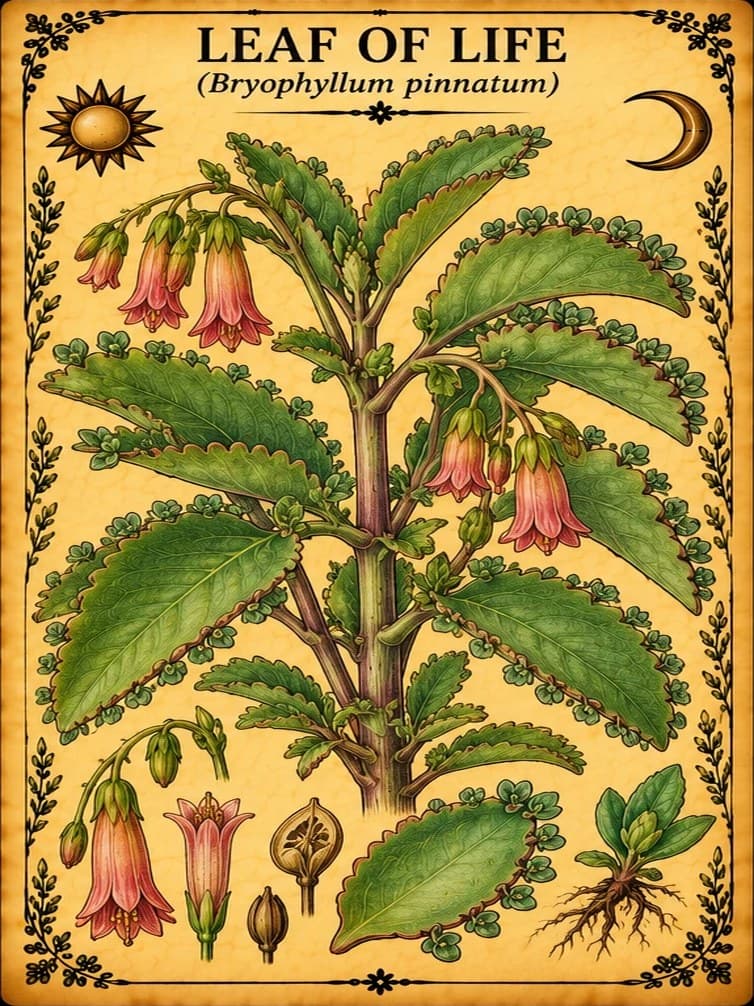
Botanical illustration of Leaf of Life

Leaf of Life

Bryophyllum pinnatum

One of Jamaica's most popular bush medicines, used for colds and flu. In Switzerland, tablets made from its leaf juice have been studied for overactive bladder and sleep.

No. 268Culinary
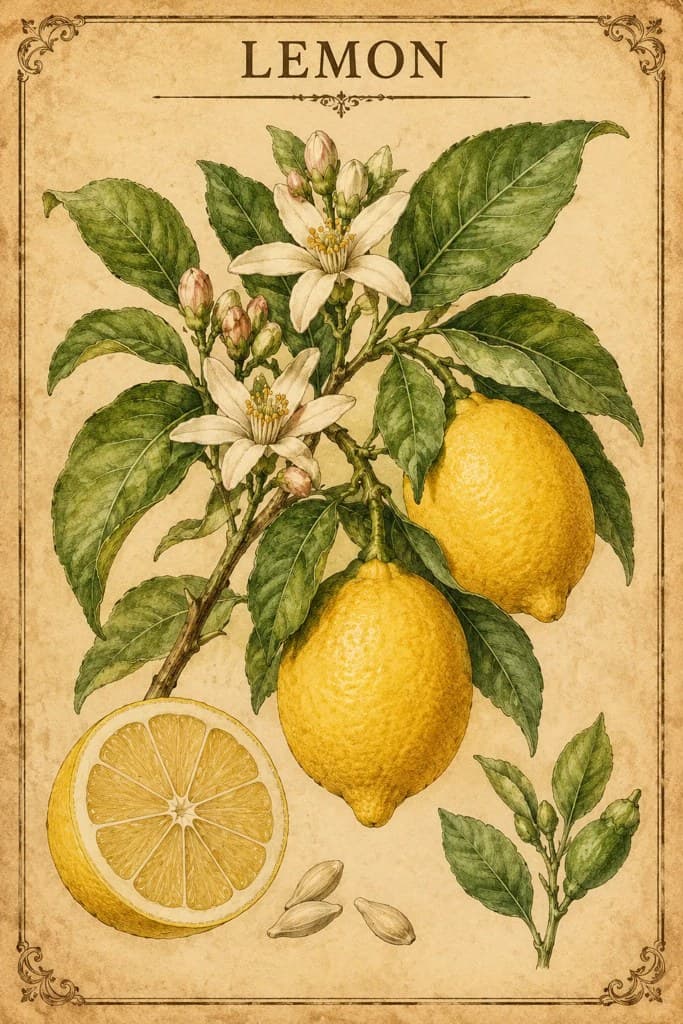
Botanical illustration of Lemon

Lemon

Citrus limon

The familiar sour citrus fruit, once used to treat scurvy and long used for colds and sore throats. Lemonade raises urine citrate, which helps prevent some kidney stones.

No. 269Medicinal
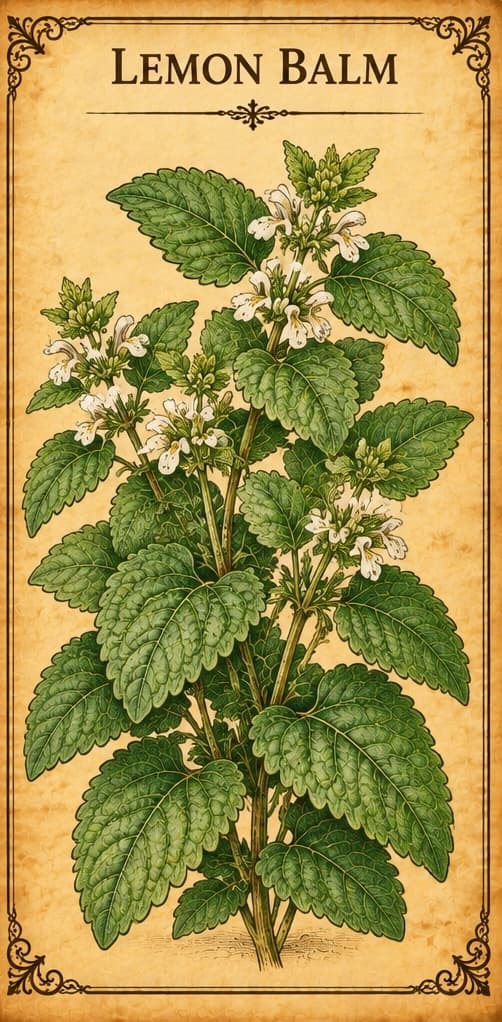
Botanical illustration of Lemon Balm

Lemon Balm

Melissa officinalis

A lemon-scented relative of mint, traditionally used to ease stress and help with sleep.

No. 270Aromatic
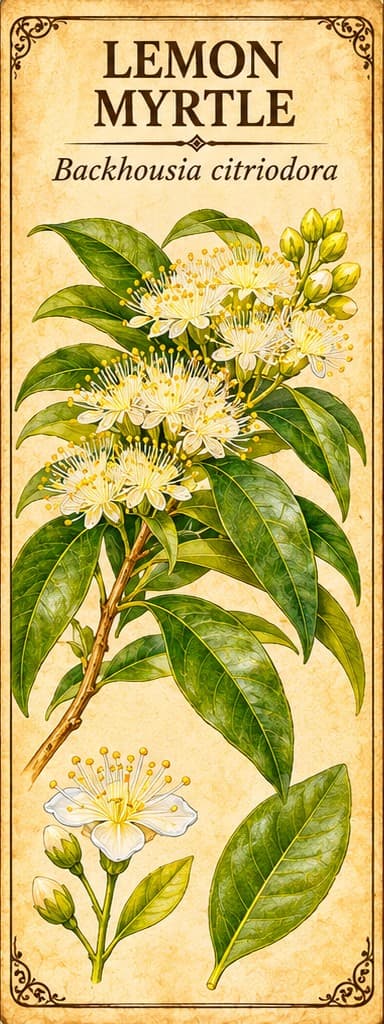
Botanical illustration of Lemon Myrtle

Lemon Myrtle

Backhousia citriodora

An Australian tree whose lemon-scented leaves are a First Nations remedy for wounds and mouth care. Its oil is one of the richest sources of citral and kills germs in lab tests.

No. 271Medicinal
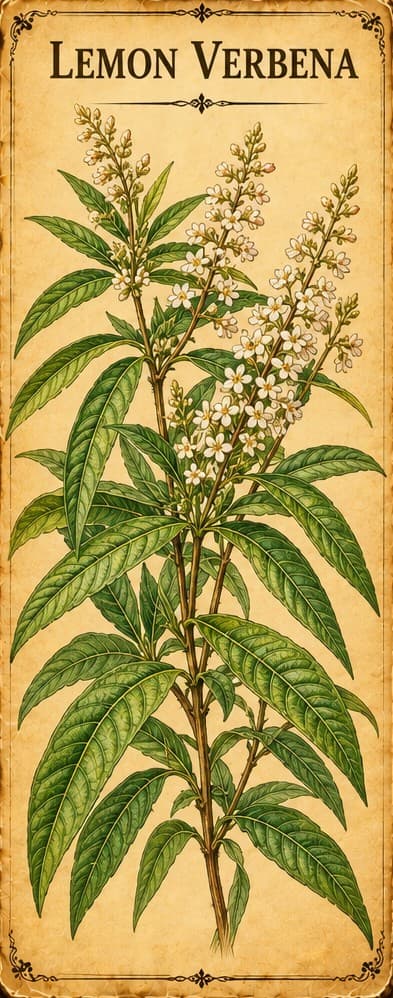
Botanical illustration of Lemon Verbena

Lemon Verbena

Aloysia citrodora

A lemon-scented shrub whose leaves make a herbal tea. It's recognised in Europe as a traditional remedy for mild stress, to help sleep, and for mild digestive complaints such as bloating and gas.

No. 272Culinary
Botanical illustration of Lemongrass

Lemongrass

Cymbopogon citratus

A lemon-scented grass, called fever grass in Jamaica, brewed as a tea for colds and flu and used in cooking. In a Brazilian study, lemongrass tea didn't help people sleep or feel less anxious.

No. 273Medicinal
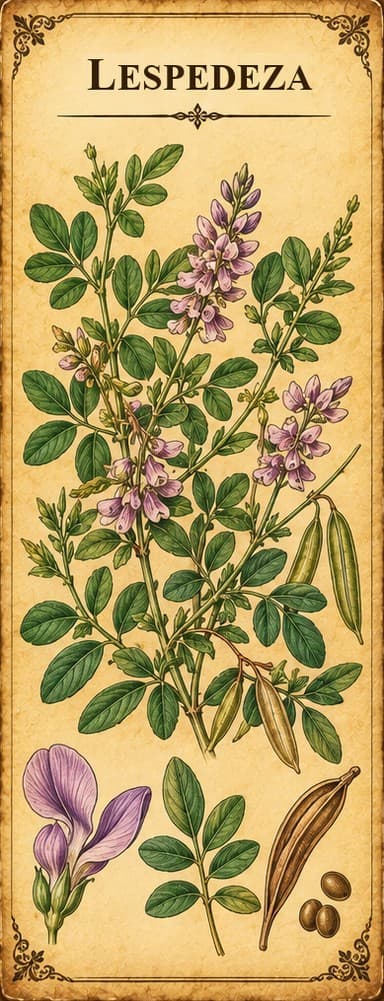
Botanical illustration of Lespedeza

Lespedeza

Lespedeza spp.

Bush clover, a group of about 40 plants used in East Asian folk medicine for skin rashes, inflammation and the liver. Research so far is in the lab.

No. 274Medicinal
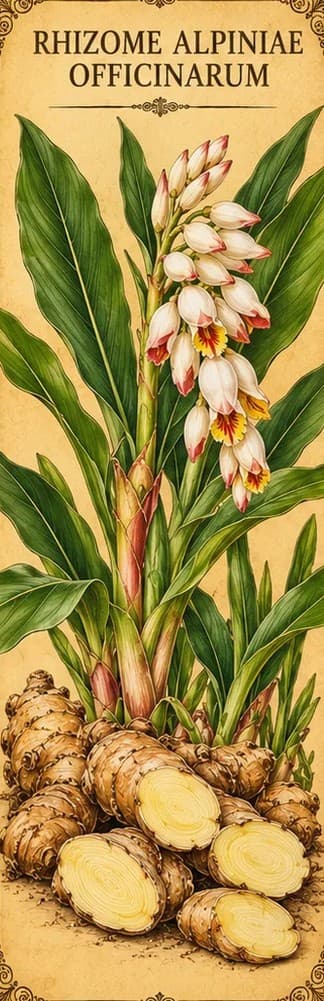
Botanical illustration of Lesser Galangal

Lesser Galangal

Alpinia officinarum

Gao liang jiang, an aromatic ginger-family rhizome used in Chinese medicine for thousands of years to warm the stomach and relieve stomach pain, vomiting and diarrhoea.

No. 275Medicinal
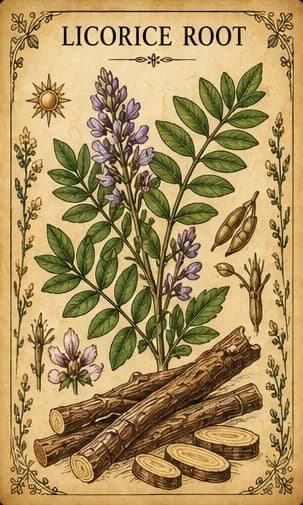
Botanical illustration of Licorice

Licorice

Glycyrrhiza glabra

A root used since ancient times in Egyptian, Greek, Chinese and Indian medicine for coughs, asthma and wounds. Recognized in Europe for cough with a cold and for indigestion, but too much can raise blood pressure and upset heart rhythm.

No. 276Medicinal
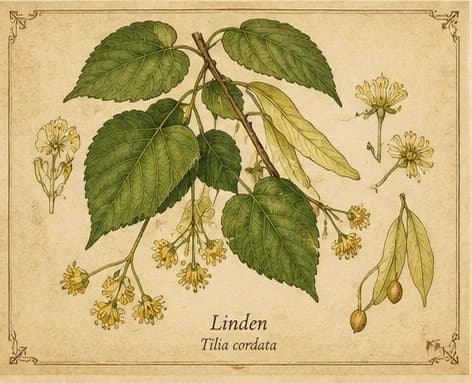
Botanical illustration of Linden

Linden

Tilia cordata

Flowers of the lime (linden) tree, traditionally made into tea for colds, stress and nervous heart complaints.

No. 277Medicinal
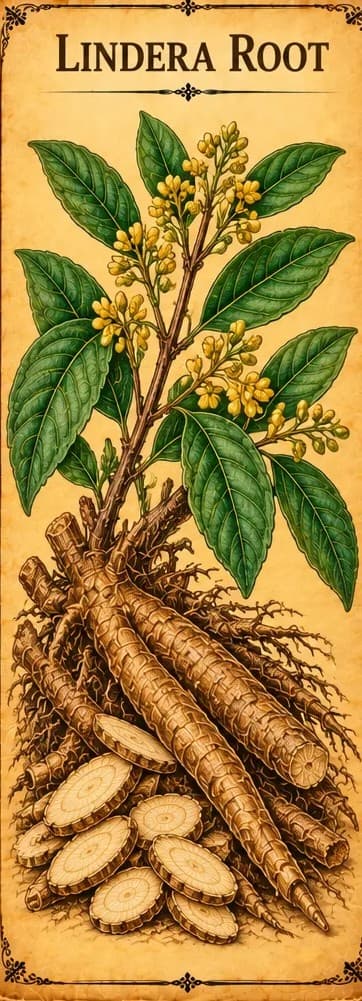
Botanical illustration of Lindera Root

Lindera Root

Lindera aggregata

Wu yao, the root of a laurel-family shrub used in China for thousands of years for digestive, urinary and inflammatory problems; its leaves are drunk as tea. Research is in the lab and in animals.

No. 278Medicinal
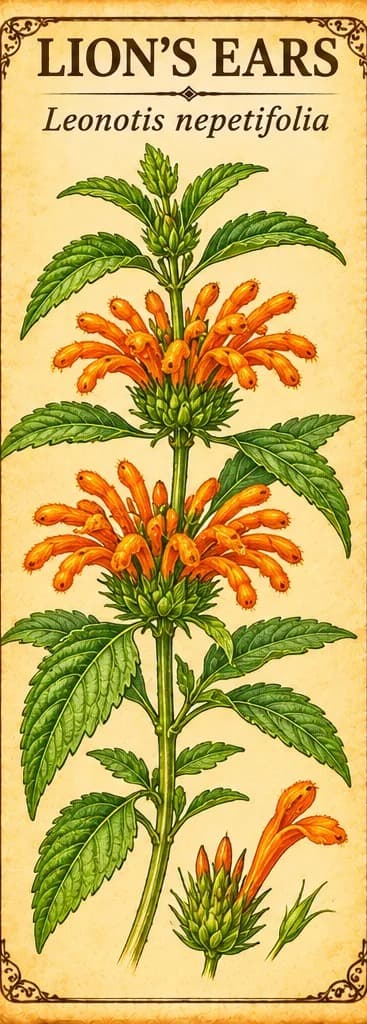
Botanical illustration of Lion's Ear

Lion's Ear

Leonotis nepetifolia

A plant in the mint family, known as shandilay in Trinidad, where it's a popular traditional remedy for colds and coughs. Research so far is limited to lab and animal studies.

No. 279Medicinal
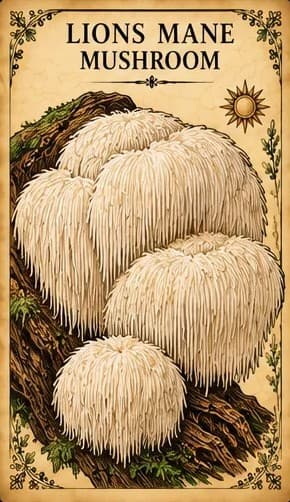
Botanical illustration of Lion's Mane

Lion's Mane

Hericium erinaceus

An edible mushroom studied for memory and mood. Small trials suggest it may help thinking in older adults with mild memory problems.

No. 280Culinary
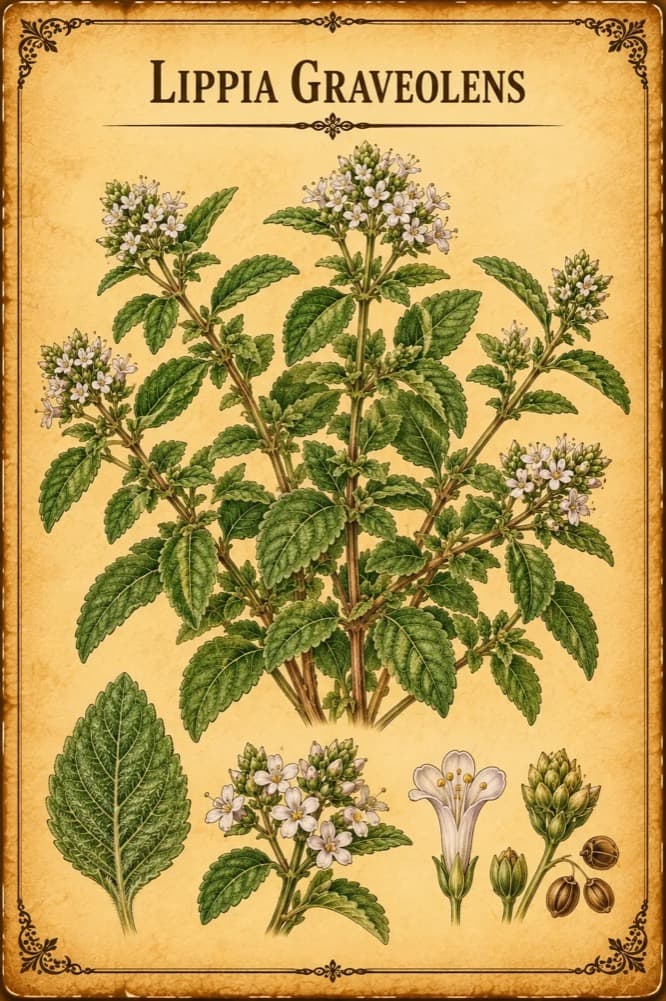
Botanical illustration of Lippia Graveolens

Lippia Graveolens

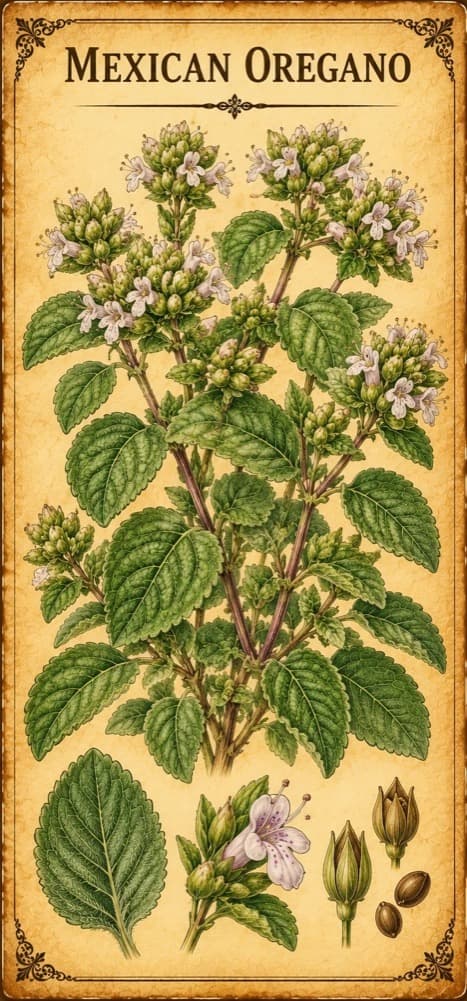
Lippia graveolens

A plant from northern Mexico also sold as Mexican oregano. It's in the verbena family, not the mint family, but its oil contains carvacrol and thymol like common oregano. Its oil has only been studied in the lab, not in animals or people.

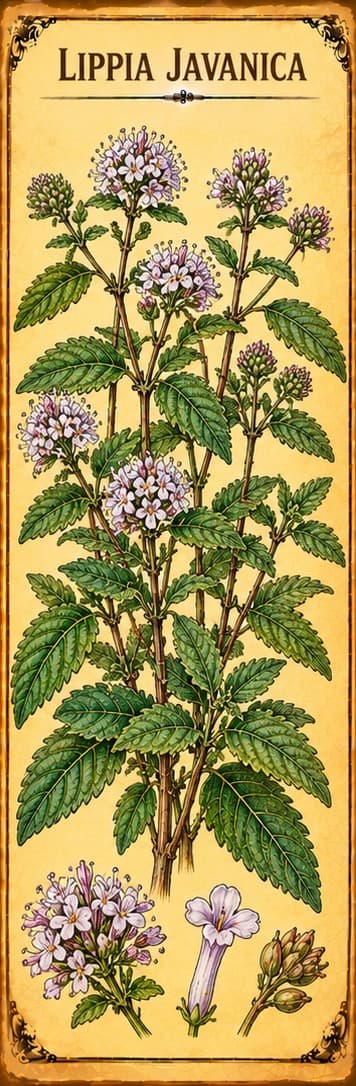
No. 281Medicinal
Botanical illustration of Lippia Javanica

Lippia Javanica

Lippia javanica

Fever tea, a fragrant African shrub used in South Africa to keep ticks off livestock. In rats, its tea protected the brain from lead damage.

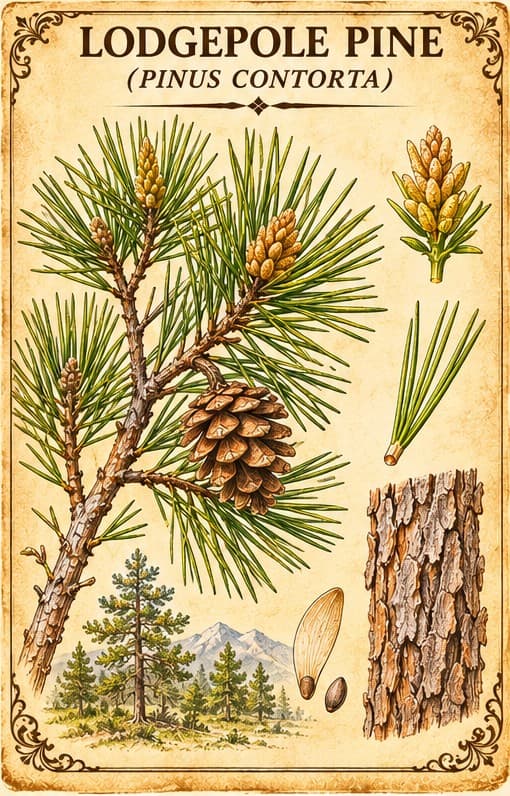
No. 282Medicinal
Botanical illustration of Lodgepole Pine

Lodgepole Pine

Pinus contorta

A western North American pine whose trunks were used as tipi poles. Its pitch was a favorite Native American remedy for colds, coughs, sore throats and sores.

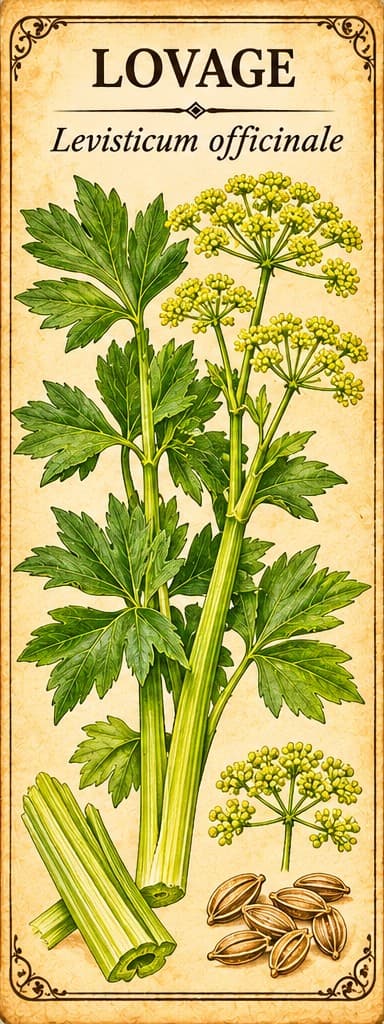
No. 283Culinary
Botanical illustration of Lovage

Lovage

Levisticum officinale

A celery-flavored herb whose root is an EU traditional herbal medicine to flush the urinary tract in minor urinary complaints.

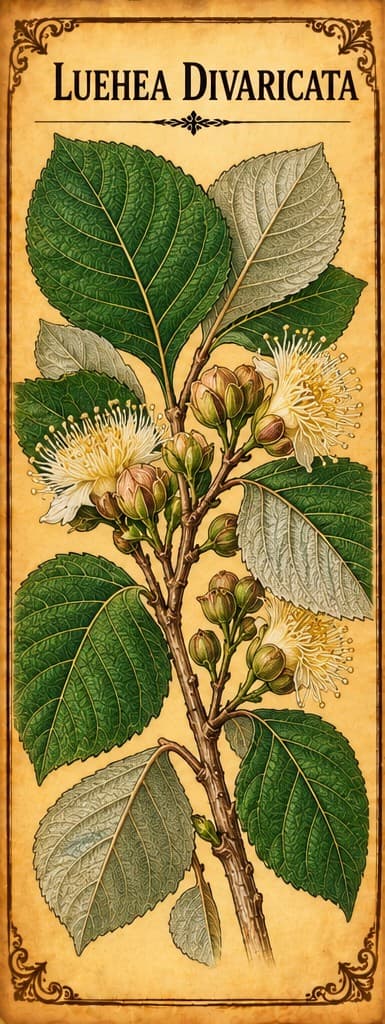
No. 284Medicinal
Botanical illustration of Luehea Divaricata

Luehea Divaricata

Luehea divaricata

A South American tree whose leaves Mbya-Guarani women use in a decoction meant to prevent pregnancy. No evidence supports that use, and the leaves contain potentially harmful compounds.

No. 285Medicinal
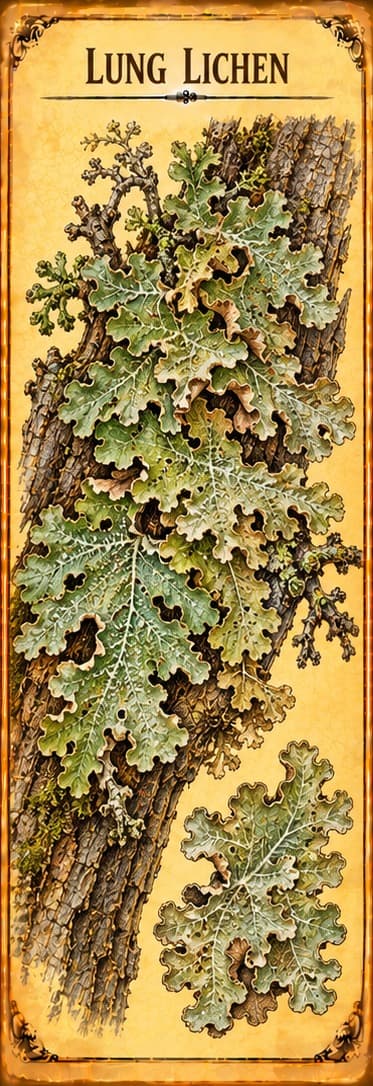
Botanical illustration of Lung Lichen

Lung Lichen

Lobaria pulmonaria

A leafy forest lichen that looks like lung tissue and has been used for lung problems since the 1400s. In the lab it was active against drug-resistant tuberculosis.

No. 286Medicinal
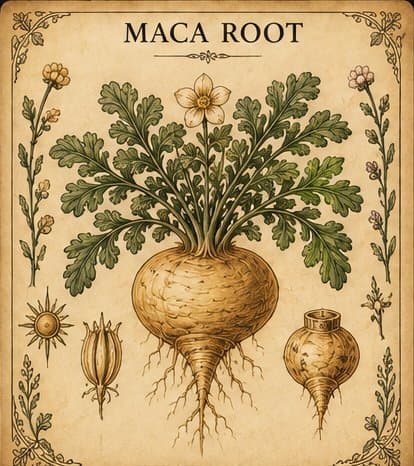
Botanical illustration of Maca

Maca

Lepidium meyenii

A root vegetable from the high Andes of Peru, used for centuries as food and to boost energy and fertility. Its effects haven't been proven in rigorous trials.

No. 287Culinary
Botanical illustration of Macadamia Nut

Macadamia Nut

Macadamia integrifolia

An Australian nut. The FDA allows a limited claim that eating 1.5 ounces a day may reduce heart disease risk, as part of a diet low in saturated fat.

No. 288Medicinal
Botanical illustration of Magnolia Bark

Magnolia Bark

Magnolia officinalis

Hou po, the bark of a magnolia tree used in Chinese medicine to ease bloating, stomach pain, diarrhoea and asthma, often paired with coptis root.

No. 289Medicinal
Botanical illustration of Malabar Nut

Malabar Nut

Justicia adhatoda

Vasaka, an Ayurvedic shrub used for coughs and asthma. Its compound vasicine led to the cough medicines bromhexine and ambroxol.

No. 290Medicinal
Botanical illustration of Mandrake

Mandrake

Mandragora autumnalis

A Mediterranean plant with a forked root, famous in myth and used in old herbal medicine for sleep, pain and fertility. Its root contains poisonous tropane alkaloids.

No. 291Medicinal
Botanical illustration of Mango Leaf

Mango Leaf

Mangifera indica

The leaves of the mango tree, made into a folk tea in Asia and Africa and traditionally used for diabetes, breathing problems and diarrhea. Research is mostly in the lab and in animals.

No. 292Medicinal
Botanical illustration of Manjistha

Manjistha

Rubia cordifolia

A climbing plant with long red roots, used in Chinese medicine to stop bleeding and in Ayurveda for inflammation, skin problems and menstrual pain. Most research is in labs and animals.

No. 293Medicinal
Botanical illustration of Maral Root

Maral Root

Rhaponticum carthamoides

Russian leuzea, a plant whose root has been used for centuries in eastern Russia. Researchers have suggested it may be an adaptogen, but most research is from Russian lab and animal studies.

No. 294Medicinal
Botanical illustration of Marigold

Marigold

Tagetes erecta

The orange-flowered Mexican marigold, or cempasúchil, used in folk medicine from Mexico to India for fevers, colds, stomach upsets and skin sores. It's a different plant from calendula (pot marigold).

No. 295Medicinal
Botanical illustration of Maritime Pine Bark

Maritime Pine Bark

Pinus pinaster

The bark of the French maritime pine, sold as the extract Pycnogenol. A Cochrane review found too little evidence to support it for any long-term condition.

No. 296Culinary
Botanical illustration of Marjoram

Marjoram

Origanum majorana

Sweet marjoram, a culinary herb of the mint family, used in traditional medicine for digestive, breathing, heart, joint and nerve complaints. Research so far is in the lab and in animals.

No. 297Medicinal
Botanical illustration of Marshmallow Root

Marshmallow Root

Althaea officinalis

A root recognized in Europe as a traditional medicine for mouth and throat irritation with a dry cough, and for mild stomach and gut discomfort.

No. 298Culinary
Botanical illustration of Mauby Bark

Mauby Bark

Colubrina arborescens

The bark used to make mauby, a bitter Caribbean drink and folk remedy. A very small study suggested it may lower blood pressure in some people.

No. 299Medicinal
Botanical illustration of Maytenus Aquifolium

Maytenus Aquifolium

Maytenus aquifolium

One of the Brazilian "espinheira-santa" shrubs used for stomach problems. In rats, its leaf extract protected against stomach ulcers.

No. 300Medicinal
Botanical illustration of Mediterranean Saltbush

Mediterranean Saltbush

Atriplex halimus

A salty-leaved shrub of the Mediterranean and North Africa, eaten as a vegetable and drunk as a tea for diabetes. It lowered blood sugar in rats.

No. 301Culinary
Botanical illustration of Mexican Oregano

Mexican Oregano

Poliomintha longiflora

A Mexican plant known as oregano. It's a different plant from common oregano, but its oil contains the same compounds, carvacrol and thymol. Its oil has only been studied in the lab, not in animals or people.

No. 302Medicinal
Botanical illustration of Milk Thistle

Milk Thistle

Silybum marianum

A tall, purple-flowered thistle from Europe, long used for liver problems. Studies of it and its extract silymarin in liver disease have been conflicting or too limited to show a clear benefit.

No. 303Medicinal
Botanical illustration of Milky Oats

Milky Oats

Avena sativa

The green oat plant, sold as milky oats or oat herb. Oat herb harvested before flowering is recognised in Europe as a traditional remedy for mild stress and to help sleep.

No. 304Culinary
Botanical illustration of Misijallo

Misijallo

Gaultheria insipida

An Andean wintergreen relative whose berries have traditionally been gathered and eaten. Its medicinal use hasn't been studied.

No. 305Medicinal
Botanical illustration of Mistletoe

Mistletoe

Viscum album

European mistletoe, used for centuries for seizures and headaches. Injected extracts are widely prescribed in Europe for people with cancer, but it isn't a proven cancer treatment.

No. 306Medicinal
Botanical illustration of Mitragyna

Mitragyna

Mitragyna speciosa

Kratom, a Southeast Asian tree whose leaves act like a stimulant at low doses and like an opioid at higher doses. People use it for pain and opioid withdrawal, but the FDA has warned against it and it can cause dependence.

No. 307Medicinal
Botanical illustration of Monkshood

Monkshood

Aconitum ferox

A deadly Himalayan aconite whose root is used in Ayurveda only after special purification. It has caused fatal poisonings.

No. 308Medicinal
Botanical illustration of Moringa

Moringa

Moringa oleifera

A nutritious tree used as food and traditional medicine, including for stomach and gut problems. In animal studies it helped heal stomach ulcers; in people it has been studied mainly for blood pressure and blood sugar.

No. 309Medicinal
Botanical illustration of Mormon Tea

Mormon Tea

Ephedra trifurca

A jointfir shrub of the Southwest, drunk as a tea by the Navajo for stomach and kidney troubles. It's thought to lack the ephedrine in Chinese ephedra, but this is uncertain.

No. 310Medicinal
Botanical illustration of Mosla Herb

Mosla Herb

Mosla chinensis

Xiang ru, an aromatic mint-family herb used in China for about 1,500 years to bring on sweating and treat summer colds, heatstroke and diarrhoea.

No. 311Medicinal
Botanical illustration of Motherwort

Motherwort

Leonurus cardiaca

A plant from the mint family, traditionally used as a heart tonic and for women's health. Recognized in Europe for nervous heart complaints such as palpitations.

No. 312Medicinal
Botanical illustration of Mucuna

Mucuna

Mucuna pruriens

Velvet bean, a climbing bean whose seeds are a natural source of levodopa, the main Parkinson's medicine. Used in Ayurveda for male infertility, nerve disorders and Parkinson's disease.

No. 313Medicinal
Botanical illustration of Mugwort

Mugwort

Artemisia vulgaris

A common plant called the "mother of herbs" in the Middle Ages, when it was used on wounds. It is also used in Chinese moxibustion. Mugwort is a major cause of pollen allergy and can cause skin allergies.

No. 314Medicinal
Botanical illustration of Mullein

Mullein

Verbascum thapsus

A plant whose flowers are made into tea and recognized in Europe as a traditional medicine for sore throat with a dry cough and cold.

No. 315Medicinal
Botanical illustration of Mulungu

Mulungu

Erythrina mulungu

A Brazilian coral tree used traditionally for breathing problems. In a trial before dental surgery, it didn't ease anxiety better than a placebo.

No. 316Medicinal
Botanical illustration of Muna

Muna

Minthostachys mollis

Muña, an aromatic Andean mint widely used in Peruvian traditional medicine. Farmers also layer its leaves in stored potatoes to keep moths away.

No. 317Medicinal
Botanical illustration of Myrrh

Myrrh

Commiphora myrrha

An aromatic gum resin from Africa and Arabia, recognized in Europe as a traditional remedy for mouth ulcers, mouth inflammation and minor wounds.

No. 318Medicinal
Botanical illustration of Nagarmotha

Nagarmotha

Cyperus rotundus

Nut grass, whose rhizome has been used in Ayurveda for 2,000 years and in Chinese medicine for stomach pain and period problems.

No. 319Medicinal
Botanical illustration of Neem

Neem

Azadirachta indica

A South Asian tree used in Ayurvedic medicine on the skin and for oral hygiene. Neem works against lice, and a small trial found a neem lotion worked as well as standard treatment for scabies.

No. 320Medicinal
Botanical illustration of Nettle

Nettle

Urtica dioica

A stinging plant eaten as a spring vegetable and traditionally used for joint pain and urinary complaints.

No. 321Medicinal
Botanical illustration of Nicotiana Glauca

Nicotiana Glauca

Nicotiana glauca

Tree tobacco, a yellow-flowered shrub from South America that now grows wild in dry regions worldwide. Its leaves contain anabasine, a nicotine-like poison; eating them has stopped people breathing.

No. 322Culinary
Botanical illustration of Old Man Saltbush

Old Man Saltbush

Atriplex nummularia

An Australian saltbush named for its high mineral content, whose seeds have been eaten and whose leaves feed livestock in dry regions.

No. 323Medicinal
Botanical illustration of Old Man's Beard

Old Man's Beard

Usnea barbata

Usnea, a beard-like lichen used in Chinese medicine and around the world for infections, wounds and coughs. Its usnic acid kills some microbes in the lab.

No. 324Culinary
Botanical illustration of Olive

Olive

Olea europaea

The Mediterranean fruit and its oil, the main fat of the Mediterranean diet. A review of 30 trials found olive oil lowered markers of inflammation.

No. 325Medicinal
Botanical illustration of Olive Leaf

Olive Leaf

Olea europaea

Leaves of the olive tree, recognised in Europe as a traditional remedy for mild water retention. In one trial, olive leaf extract lowered blood pressure about as much as a standard medicine.

No. 326Medicinal
Botanical illustration of Oneseed Juniper

Oneseed Juniper

Juniperus monosperma

A southwestern juniper whose berries were eaten and seasoned meat, and whose leaves were used by the Apache and Hopi for colds, coughs and indigestion.

No. 327Medicinal
Botanical illustration of Ophiopogon Root

Ophiopogon Root

Ophiopogon japonicus

Mai dong, the small tuberous roots of a clumping plant, and one of the three herbs in the classical Chinese heart formula sheng mai. Its main compound has been studied in the lab and in animals.
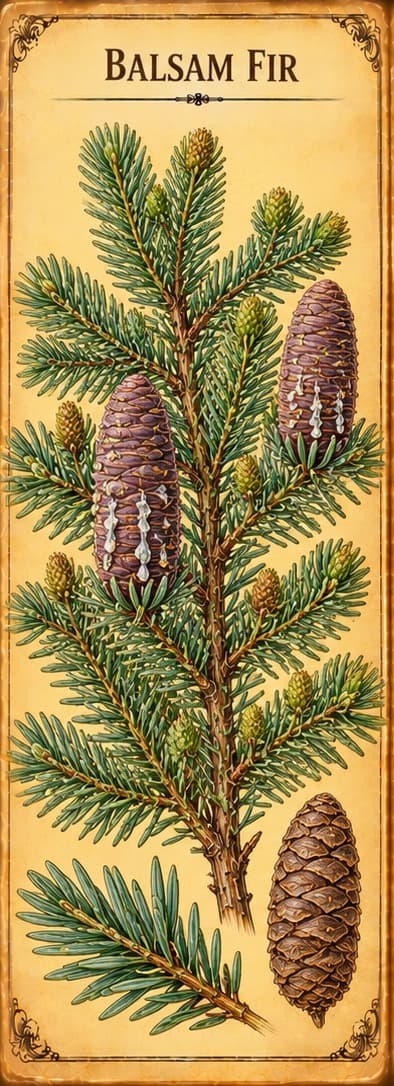
No. 328Culinary
Botanical illustration of Oregano

Oregano

Origanum vulgare

A pungent Mediterranean kitchen herb central to pizza and pasta sauces.

No. 329Medicinal
Botanical illustration of Osha

Osha

Ligusticum porteri

A root from the Rocky Mountains, long used by Hispanic and Native American peoples for colds, flu and chest infections. It has only been studied in the lab.

No. 330Culinary
Botanical illustration of Osmanthus Fragrans

Osmanthus Fragrans

Osmanthus fragrans

Sweet osmanthus, a plant from southwestern China, Japan and Korea traditionally used for cough and asthma, bad breath, toothache, stomach ache, diarrhoea and rheumatism.

No. 331Medicinal
Botanical illustration of Palasha

Palasha

Butea monosperma

Flame of the forest, an Indian tree. Its leaf extract lowered blood sugar and raised insulin in diabetic rats.

No. 332Culinary
Botanical illustration of Pale Wolfberry

Pale Wolfberry

Lycium pallidum

A desert shrub whose red berries were an important food for the Navajo, Hopi and other Southwestern peoples.

No. 333Aromatic
Botanical illustration of Palo Santo

Palo Santo

Bursera graveolens

A fragrant tree from dry forests of Mexico to Peru whose wood is burned as incense. Lab studies of its essential oil, which is mostly limonene, found it killed some microbes and repelled mosquitoes.

No. 334Medicinal
Botanical illustration of Paneer Doda

Paneer Doda

Withania coagulans

Indian rennet, a shrub whose dried berries are used in Ayurveda and Unani medicine for diabetes. It lowered blood sugar in diabetic rats.

No. 335Culinary
Botanical illustration of Parsley

Parsley

Petroselinum crispum

A versatile, mild kitchen herb used as both a garnish and a flavor base.

No. 336Medicinal
Botanical illustration of Passion Flower

Passion Flower

Passiflora incarnata

A climbing vine from the Americas, used as a calming herb since at least the 1500s. It is recognized in Europe for mild stress and to help sleep, and small studies suggest it may ease anxiety.

No. 337Medicinal
Botanical illustration of Pellitory

Pellitory

Parietaria officinalis

Pellitory-of-the-wall, a plant whose close relative is used as a tea for urinary infections and swelling. Its pollen is a major cause of hay fever.

No. 338Medicinal
Botanical illustration of Penny Royal

Penny Royal

Clinopodium brownei

Jamaican pennyroyal, one of the island's popular bush medicines for breathing and digestive problems. It is a different plant from European pennyroyal, but its oil contains the same toxic compound, pulegone.

No. 339Medicinal
Botanical illustration of Pepper Elder

Pepper Elder

Piper amalago

A plant in the pepper family whose leaves are made into a Jamaican bush tea for colds and flu. Research so far is mostly in rats.

No. 340Medicinal
Botanical illustration of Peppermint

Peppermint

Mentha piperita

A cooling, menthol-rich herb traditionally used for digestion and headaches. Research suggests peppermint oil may help IBS symptoms.

No. 341Medicinal
Botanical illustration of Periwinkle

Periwinkle

Catharanthus roseus

Madagascar periwinkle, a garden plant used in Caribbean folk medicine for diabetes and the source of two cancer drugs. The plant can be poisonous.

No. 342Culinary
Botanical illustration of Persimmon

Persimmon

Diospyros kaki

An orange fruit rich in antioxidants. In a trial, a persimmon extract helped overweight adults lose body fat.

No. 343Medicinal
Botanical illustration of Pfaffia Glomerata

Pfaffia Glomerata

Pfaffia glomerata

A Brazilian plant whose root is popular as a tonic and aphrodisiac and for pain and inflammation. It contains beta-ecdysone, a plant steroid, and has been studied in the lab and in animals.

No. 344Medicinal
Botanical illustration of Pine Needles

Pine Needles

Pinus spp.

Needles of pine trees, brewed into a tea popular in Japan, Korea, China and Russia, and used in folk medicine for coughs, colds and flu. Some pines contain a substance that causes miscarriage in cattle.

No. 345Medicinal
Botanical illustration of Pineapple Leaf

Pineapple Leaf

Ananas comosus

The leaves of the pineapple plant, traditionally used for diarrhoea, pain, swelling and infections. Research so far is only in rats.

No. 346Medicinal
Botanical illustration of Pippali

Pippali

Piper longum

Long pepper, a climbing shrub from India whose fruit is used in Ayurveda for cough, asthma and colds, and as a rejuvenating tonic. Small studies in people found little or uncertain benefit.

No. 347Medicinal
Botanical illustration of Pipsissewa

Pipsissewa

Chimaphila umbellata

A small evergreen woodland plant whose leaves are used in Appalachia for rheumatism. Its compound chimaphilin has been studied in the lab.

No. 348Medicinal
Botanical illustration of Pleurisy Root

Pleurisy Root

Asclepias tuberosa

A milkweed whose root was traditionally used for breathing problems and to loosen mucus. It contains heart-affecting compounds, and its sap has injured people's eyes.

No. 349Culinary
Botanical illustration of Plum Flower

Plum Flower

Prunus mume

The blossom of the Japanese apricot (Prunus mume), an edible flower and herbal medicine (Mume Flos) rich in antioxidants. Research is in the lab and in mice.

No. 350Medicinal
Botanical illustration of Pokeberry

Pokeberry

Phytolacca americana

American pokeweed, a tall plant with purple-black berries. All parts are poisonous, especially the root. Some people eat the young leaves as "poke sallet" after boiling them twice, but this doesn't guarantee safety.

No. 351Medicinal
Botanical illustration of Polygonatum Sibiricum

Polygonatum Sibiricum

Polygonatum sibiricum

Huang jing, a relative of Solomon's seal used in China for over 2,000 years as food and as a tonic for tiredness, weakness and slow-healing wounds. Research is in the lab.

No. 352Medicinal
Botanical illustration of Polyporus Umbellatus

Polyporus Umbellatus

Polyporus umbellatus

Zhu ling, an edible medicinal fungus used in Chinese medicine for swelling, scanty urine, urinary problems, jaundice and diarrhoea. In animal studies it increased urination.

No. 353Culinary
Botanical illustration of Pomegranate

Pomegranate

Punica granatum

A Middle Eastern fruit whose juice may help lower blood pressure and blood sugar slightly. The root, stem and peel may be unsafe in large amounts.

No. 354Medicinal
Botanical illustration of Poppy

Poppy

Papaver rhoeas

The red corn poppy, a common field weed, used in folk medicine for coughs, sleep problems, diarrhea and pain, and eaten in salads. Eating it has poisoned adults, causing seizures and loss of consciousness. It's a different plant from the opium poppy.

No. 355Medicinal
Botanical illustration of Poria Cocos

Poria Cocos

Wolfiporia cocos

Fu ling, an edible fungus used in Chinese medicine for over 2,000 years to promote urination, reduce swelling, aid digestion and calm the mind. It's in nearly 15% of Chinese Pharmacopoeia preparations.

No. 356Medicinal
Botanical illustration of Prekese

Prekese

Tetrapleura tetraptera

Aidan fruit, the dried pod of a West African tree, widely used in traditional medicine. It caused no poisoning in rodent studies.

No. 357Medicinal
Botanical illustration of Prickly Ash

Prickly Ash

Zanthoxylum americanum

The "toothache tree", a thorny North American shrub whose bark Native Americans used for toothache, rheumatism, fevers, colds and coughs.

No. 358Culinary
Botanical illustration of Prickly Pear Cactus

Prickly Pear Cactus

Opuntia ficus-indica

The nopal cactus of Mexico, eaten as a vegetable and fruit. It's rich in antioxidants, and small studies suggest it may raise antioxidant levels and help with weight.

No. 359Medicinal
Botanical illustration of Prunella Vulgaris

Prunella Vulgaris

Prunella vulgaris

Self-heal, called xia ku cao in China, a mint-family herb used in Chinese medicine since the Han Dynasty and eaten as a vegetable and tea. Low-quality trials suggest it may help when added to standard treatment for an overactive thyroid.

No. 360Medicinal
Botanical illustration of Psyllium

Psyllium

Plantago ovata

Ispaghula husk, a fiber that swells into a gel and works as a mild laxative. Recognized in Europe for constipation, and shown in trials to lower LDL cholesterol.

No. 361Medicinal
Botanical illustration of Punarnava

Punarnava

Boerhavia diffusa

A creeping Ayurvedic rejuvenating herb used for urinary, liver and digestive problems. Its root protected the kidneys in rats.

No. 362Culinary
Botanical illustration of Purslane

Purslane

Portulaca oleracea

A leafy plant eaten as a vegetable and used as a folk medicine, called pussley in Trinidad. Reviews of trials found it may lower fasting blood sugar a little and improve cholesterol in people with type 2 diabetes.

No. 363Medicinal
Botanical illustration of Qiang Li Yin Qiao Jie Du Wan

Qiang Li Yin Qiao Jie Du Wan

Lonicera japonica, Forsythia suspensa and other herbs
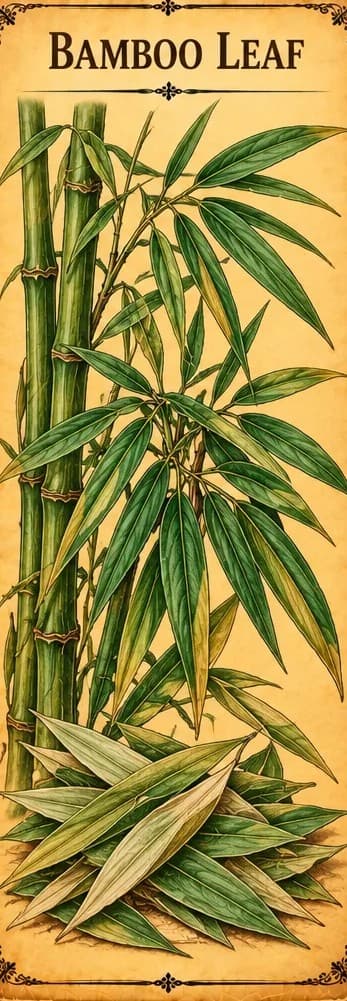
A Chinese patent medicine based on Yin Qiao San, a honeysuckle and forsythia formula used early in colds and flu for fever, sore throat and headache.
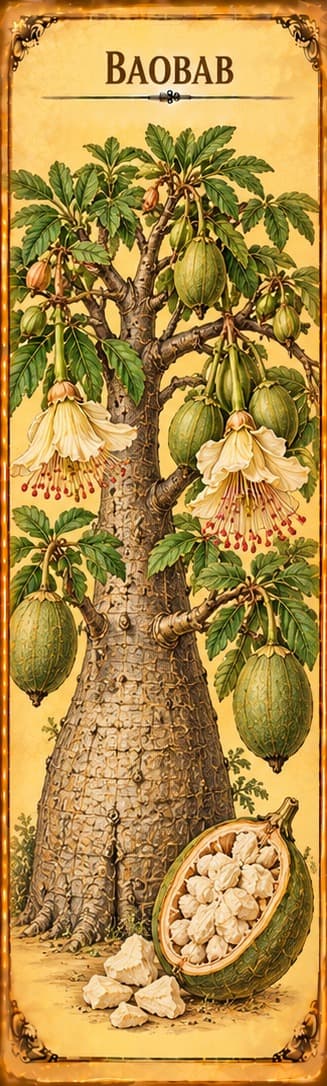
No. 364Medicinal
Botanical illustration of Queen Anne's Lace

Queen Anne's Lace

Daucus carota

Wild carrot, whose seeds have long been used in folk medicine to prevent pregnancy. It hasn't been proven safe or effective, and it looks like deadly poison hemlock.

No. 365Medicinal
Botanical illustration of Quercetin

Quercetin

Plant flavonoid (found in apples, onions and other foods)

A natural plant compound found in apples, onions, grapes, citrus and parsley, and sold as a supplement. In a trial of 1,002 people it didn't prevent colds overall.

No. 366Medicinal
Botanical illustration of Ra-Moon

Ra-Moon

Trophis racemosa

Ramoon, a Jamaican tree whose bark is made into tea and roots drinks as a traditional remedy for libido, and whose leaves feed livestock. It hasn't been studied in people.

No. 367Medicinal
Botanical illustration of Ramie Root

Ramie Root

Boehmeria nivea

Zhu ma gen, the root of a nettle-family plant used in Chinese medicine for threatened miscarriage, colic in pregnancy and skin infections. It hasn't been tested on its own in people.

No. 368Medicinal
Botanical illustration of Raspberry Leaf

Raspberry Leaf

Rubus idaeus

Leaves of the raspberry plant, made into tea. Traditionally used for period cramps and widely used in pregnancy, though its safety in pregnancy hasn't been proven.

No. 369Medicinal
Botanical illustration of Red Cinchona

Red Cinchona

Cinchona pubescens

The Andean "fever tree" whose bark gave the world quinine, the first effective malaria treatment. Quinine is now a prescription drug with serious side effects.

No. 370Medicinal
Botanical illustration of Red Clover

Red Clover

Trifolium pratense

A pink-flowered clover traditionally used for skin problems and whooping cough. It has been studied for menopausal hot flashes, with inconsistent results.

No. 371Medicinal
Botanical illustration of Red Jurema

Red Jurema

Mimosa ophthalmocentra

A thorny tree of northeastern Brazil whose bark is used for coughs and bronchitis. Its roots contain DMT and have been used by Indigenous peoples to make a hallucinogenic ceremonial drink.

No. 372Medicinal
Botanical illustration of Red Peony Root

Red Peony Root

Paeonia lactiflora

Chi shao, a root from Paeonia lactiflora, used to "cool the blood" and relieve "blood stasis" and pain: for nosebleeds, sore eyes, period pain and injuries. Research is in animals.

No. 373Medicinal
Botanical illustration of Red Tower Ginger

Red Tower Ginger

Costus comosus

An Ecuadorian plant with tall red flower cones, traditionally used for fever, asthma, worms, diabetes and liver problems. Its stem has only been studied in the lab.

No. 374Medicinal
Botanical illustration of Redstem Stork's Bill

Redstem Stork's Bill

Erodium cicutarium

Filaree, a small weedy geranium eaten as greens and used by the Zuni for sores, rashes and stomachache.

No. 375Medicinal
Botanical illustration of Reed Rhizome

Reed Rhizome

Phragmites australis

Lu gen, the underground stem of the common reed, used in Chinese medicine to clear heat and increase urination, for fever, nausea and urinary problems.

No. 376Medicinal
Botanical illustration of Rehmannia Root

Rehmannia Root

Rehmannia glutinosa

Di huang, a Chinese medicine root used raw or steamed black, recorded in the Shennong Herbal Classic for injuries, joint pain and as a "kidney" tonic. Research is in the lab and in animals.

No. 377Medicinal
Botanical illustration of Reishi

Reishi

Ganoderma lucidum

A mushroom prized for centuries in traditional Chinese, Japanese and Korean medicine. A Cochrane review found it didn't lower heart disease risk factors.

No. 378Medicinal
Botanical illustration of Rhodiola Rosea

Rhodiola Rosea

Rhodiola rosea

Golden root, recognised in the EU as a traditional herbal medicine for stress symptoms such as tiredness and exhaustion. Small trials suggest it may help exercise performance.

No. 379Culinary
Botanical illustration of Rooibos

Rooibos

Aspalathus linearis

A South African shrub whose leaves make a caffeine-free red tea. A few small studies in people have mixed results, and there are rare reports of liver injury.

No. 380Medicinal
Botanical illustration of Rose Heath

Rose Heath

Chaetopappa ericoides

A low white-flowered desert plant used by several Southwestern peoples for swelling, rheumatism, digestive troubles and toothache.

No. 381Medicinal
Botanical illustration of Rosehips

Rosehips

Rosa canina

The fruit of wild roses such as the dog rose, rich in vitamin C. Rosehip seed oil and powder have been studied for scars and wrinkles in small trials.

No. 382Culinary
Botanical illustration of Rosemary

Rosemary

Salvia rosmarinus

A woody, pine-scented kitchen herb popular in roasted dishes and hair care.

No. 383Medicinal
Botanical illustration of Sacred Thornapple

Sacred Thornapple

Datura wrightii

A datura of the American Southwest. Its withanolides have been studied against cancer cells in the lab.

No. 384Culinary
Botanical illustration of Saffron

Saffron

Crocus sativus

A costly spice made from the red threads of the saffron crocus flower, used for thousands of years in Chinese and Persian medicine. Small trials, all in Iran, suggest it may help depression.

No. 385Culinary
Botanical illustration of Sage

Sage

Salvia officinalis

A silvery-leaved kitchen herb with a savory, slightly peppery flavor, traditionally used for sore throats and indigestion.

No. 386Aromatic
Botanical illustration of Sandalwood

Sandalwood

Santalum album

Indian sandalwood, whose fragrant heartwood oil is prized in perfume and valued in Ayurveda and Chinese medicine. Much oil sold as sandalwood is fake.

No. 387Medicinal
Botanical illustration of Sanddune Wallflower

Sanddune Wallflower

Erysimum capitatum

A yellow-flowered western wallflower used by several peoples for muscle aches, headache, toothache and wounds.

No. 388Medicinal
Botanical illustration of Sarsaparilla

Sarsaparilla

Smilax ornata

A plant whose root is boiled into Jamaican roots tonics and used for colds and flu. Research on sarsaparilla plants is mostly preliminary lab and animal work.

No. 389Medicinal
Botanical illustration of Sassafras

Sassafras

Sassafras albidum

An eastern North American tree whose fragrant root was made into tea and used for bronchitis and as a tonic. Its oil, safrole, causes cancer, and sassafras tea is banned as a food in the US.

No. 390Medicinal
Botanical illustration of Sausage Tree

Sausage Tree

Kigelia africana

An African tree with huge sausage-shaped fruit, an established plant in African traditional medicine. Its fruit extract slowed colon cancer cells in the lab.

No. 391Culinary
Botanical illustration of Savannah Cherry

Savannah Cherry

Eugenia calycina

A threatened shrub of Brazil's Cerrado savanna with small red berries rich in antioxidant pigments. Its leaf oil killed mosquito larvae in lab tests.

No. 392Medicinal
Botanical illustration of Saw Palmetto

Saw Palmetto

Serenoa repens

A small palm whose berries are promoted for urinary symptoms of an enlarged prostate. A 2023 Cochrane review found little or no benefit over placebo.

No. 393Medicinal
Botanical illustration of Scarlet Globemallow

Scarlet Globemallow

Sphaeralcea coccinea

A mallow of western and central North America. Plains and Southwestern peoples chewed it into a cooling salve for sores and wounds.

No. 394Medicinal
Botanical illustration of Sceletium Tortuosum

Sceletium Tortuosum

Sceletium tortuosum

A South African succulent, known as kanna, chewed for centuries by the San and Khoi peoples to ease hunger, thirst and tiredness and to lift mood. Small trials of an extract found it well tolerated.

No. 395Medicinal
Botanical illustration of Schisandra

Schisandra

Schisandra chinensis

A fruit known in Chinese as wu wei zi ("five-flavor fruit"), long used in traditional Chinese medicine for the liver, coughs and energy. Studies in people are few and small.

No. 396Medicinal
Botanical illustration of Scrophularia Root

Scrophularia Root

Scrophularia ningpoensis

Xuan shen, a Chinese medicine root recorded in the Shennong Herbal Classic and used for sore throat, abscesses and constipation. Research is in the lab and in animals.

No. 397Medicinal
Botanical illustration of Scutellaria Baicalensis

Scutellaria Baicalensis

Scutellaria baicalensis

Chinese skullcap, or huang qin, a root used in Chinese medicine for over 2,000 years for diarrhoea, bleeding, sleeplessness and lung infections. Most research is in the lab or on multi-herb formulas.

No. 398Medicinal
Botanical illustration of Sea Buckthorn

Sea Buckthorn

Hippophae rhamnoides

An orange berry eaten as juice, oil and food, and used in traditional Chinese medicine for cough and digestion. Trials suggest it may improve blood fats in people with abnormal levels.

No. 399Medicinal
Botanical illustration of Search Mi Heart

Search Mi Heart

Rhytidophyllum tomentosum

A Jamaican plant whose dried leaves are made into a bush tea, traditionally used for colds and flu, the heart, breathing problems and digestion. It hasn't been studied in research.

No. 400Medicinal
Botanical illustration of Senna

Senna

Senna alexandrina

A stimulant laxative from the leaves and pods, recognized in Europe for short-term relief of occasional constipation.

No. 401Medicinal
Botanical illustration of Serpentina

Serpentina

Rauvolfia serpentina

Indian snakeroot, the root that gave the blood pressure medicine reserpine. Doctors used it widely for high blood pressure in the 1940s and 1950s until side effects, especially depression, made it fall out of favour.

No. 402Culinary
Botanical illustration of Sesame Seeds

Sesame Seeds

Sesamum indicum

A common food seed and oil. Trials suggest sesame products may lower long-term blood sugar and inflammation. Sesame is a major food allergen.

No. 403Medicinal
Botanical illustration of Shal Leafed Bush

Shal Leafed Bush

Clerodendrum infortunatum

Bhant, an Ayurvedic shrub used after childbirth, on wounds, and for jaundice, fever and asthma. Its leaf extract lowered blood sugar in rats.

No. 404Medicinal
Botanical illustration of Shame O' Lady

Shame O' Lady

Mimosa pudica

The sensitive plant, whose leaves fold up when touched. TRAMIL, the Caribbean traditional-medicine network, recommends it as a tea for period cramps.

No. 405Medicinal
Botanical illustration of Shan Zha

Shan Zha

Crataegus pinnatifida

Chinese hawthorn fruit, eaten and used in Chinese medicine for over 2,000 years for indigestion, especially after meat, and for high blood fats. Research is mostly in the lab and in animals.

No. 406Medicinal
Botanical illustration of Shatavari

Shatavari

Asparagus racemosus

A root used in Ayurveda as a tonic and to increase breast milk. Research on it is limited.

No. 407Medicinal
Botanical illustration of Sheep Sorrel

Sheep Sorrel

Rumex acetosella

A common weed best known as one of the four herbs in Essiac, a tea sold as a cancer remedy. The US National Cancer Institute found no good evidence that Essiac works against cancer.
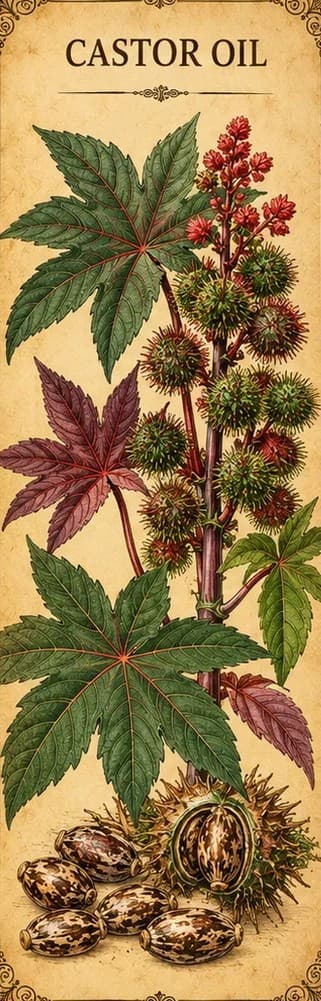
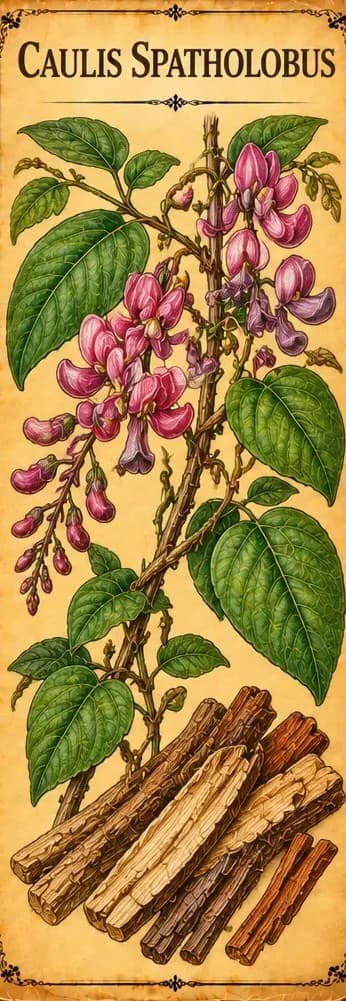
No. 408Medicinal
Botanical illustration of Sheng Mai Yin Wan

Sheng Mai Yin Wan

Panax ginseng, Ophiopogon japonicus, Schisandra chinensis

A classical Chinese formula of ginseng, ophiopogon and schisandra, used for about 1,000 years to "supplement qi and yin" and for heart symptoms. Low-quality trials in viral myocarditis suggest possible benefit.

No. 409Medicinal
Botanical illustration of Shi Hu

Shi Hu

Dendrobium nobile

Dendrobium, the fleshy stem of an orchid ranked a premium herb in the Shennong Herbal Classic and used in Chinese medicine to strengthen the eyes and nourish yin. Research is in the lab and in animals.

No. 410Medicinal
Botanical illustration of Shilajit

Shilajit

Mineral pitch, a resin-like substance from mountain rocks

A blackish-brown, gummy substance that oozes from rocks in the Himalayas, used in Ayurveda as a rejuvenator. Unpurified shilajit and some products can contain heavy metals and other toxins.

No. 411Culinary
Botanical illustration of Shiso Perilla Seeds

Shiso Perilla Seeds

Perilla frutescens

Seeds of the perilla (shiso) plant, an East Asian oilseed. They're about 30–45% oil, rich in an omega-3 fat called alpha-linolenic acid. Perilla seeds can cause serious allergic reactions, especially in young children.

No. 412Medicinal
Botanical illustration of Siamese Cassia

Siamese Cassia

Senna siamea

A tree whose leaves are eaten in Thailand, where it is called khi lek and traditionally used for sleep. A calming product made from it caused cases of hepatitis.

No. 413Medicinal
Botanical illustration of Siberian Ginseng

Siberian Ginseng

Eleutherococcus senticosus

Eleuthero, a root recognized in Europe as a traditional medicine for tiredness and weakness.

No. 414Medicinal
Botanical illustration of Siris Tree

Siris Tree

Albizia lebbeck

Shirisha, the main herb in an Ayurvedic formula for allergies. Its stem bark improved breathing in people with asthma in clinical studies.

No. 415Medicinal
Botanical illustration of Skullcap

Skullcap

Scutellaria lateriflora

A North American mint-family herb, taken as a tea or extract for anxiety, stress and sleep. It has been linked to rare cases of liver injury, often in mixed products.

No. 416Medicinal
Botanical illustration of Slippery Elm

Slippery Elm

Ulmus rubra

The inner bark of a North American elm, taken by mouth for sore throat and stomach upset and used on the skin for rashes. It is generally recognized as safe.

No. 417Medicinal
Botanical illustration of Snake Gourd Root

Snake Gourd Root

Trichosanthes kirilowii

Tian hua fen, a Chinese medicine root used for centuries for diabetes, swelling and menstrual problems. Its protein, trichosanthin, ends pregnancies and was once widely used in China for abortion.

No. 418Medicinal
Botanical illustration of Snakeroot

Snakeroot

Ageratina pichinchensis

A plant native to Mexico, known there as axihuitl, long used in traditional Mexican medicine for skin problems and wounds. Small trials in Mexico have tested extracts for fungal skin and nail infections and leg ulcers.

No. 419Medicinal
Botanical illustration of Snapdragon

Snapdragon

Antirrhinum majus

A Mediterranean garden flower. In Iraqi folk medicine the whole plant is boiled for liver problems and as a wash, and in lab tests its flower extract slowed some bacteria and fungi.

No. 420Medicinal
Botanical illustration of Solomon's Seal

Solomon's Seal

Polygonatum odoratum

Angular Solomon's seal, or yu zhu, a root eaten as both food and medicine in China for over 2,000 years, used for dry coughs, thirst and a dry throat. Most research is in the lab and in animals.

No. 421Medicinal
Botanical illustration of Sophora Root

Sophora Root

Sophora flavescens

Ku shen, a bitter root used in Chinese medicine for over 1,700 years for dysentery, jaundice and skin diseases. Low-quality trials of a Chinese capsule containing it suggest it may help ulcerative colitis.

No. 422Medicinal
Botanical illustration of Soursop

Soursop

Annona muricata

A tropical fruit (graviola) used in folk medicine for stomachache, diarrhea and intestinal parasites. Eating it has been linked to more severe Parkinson's disease in the Caribbean.

No. 423Medicinal
Botanical illustration of Southern Magnolia

Southern Magnolia

Magnolia grandiflora

A large evergreen magnolia tree from the southeastern United States. The Choctaw and Koasati used its bark as a wash for heat rash and sores, and one small trial tested a bark mouthwash against tooth-decay bacteria.

No. 424Culinary
Botanical illustration of Soybean

Soybean

Glycine max

A bean long grown in Asia and eaten as tofu, miso, tempeh, edamame and soy milk. Soy protein may lower cholesterol slightly, and isoflavones may ease hot flashes a little.

No. 425Medicinal
Botanical illustration of Spanish Moss

Spanish Moss

Tillandsia usneoides

A flowering plant in the pineapple family, not a true moss, that hangs from trees. Traditionally used for diabetes, high blood pressure and rheumatism; research so far is only in the lab and in mice.

No. 426Culinary
Botanical illustration of Spearmint

Spearmint

Mentha spicata

A mint grown worldwide as a flavoring and tea, traditionally used for colds, coughs and digestive problems. Small trials suggest spearmint tea may lower testosterone in women with PCOS, and an extract may slightly help memory and attention.

No. 427Medicinal
Botanical illustration of Speranskia

Speranskia

Speranskia tuberculata

A Chinese medicinal herb used to "dispel wind and dampness", promote circulation and relieve pain. Very little research has been published on it.

No. 428Medicinal
Botanical illustration of Sphagnum Moss

Sphagnum Moss

Sphagnum spp.

Peat moss, a very absorbent bog moss used in Europe for centuries as a wound dressing and as nappies and bedding for babies.

No. 429Medicinal
Botanical illustration of Spiked Pepper

Spiked Pepper

Piper aduncum

A tropical American pepper shrub, also called matico, whose leaves are traditionally used for stomach pain and indigestion. In mice, its leaf oil protected the stomach from ulcers.

No. 430Aromatic
Botanical illustration of Spikenard

Spikenard

Nardostachys jatamansi

A fragrant, endangered Himalayan plant whose root is used in traditional Chinese medicine for pain and digestion. It has only been studied in the lab.

No. 431Medicinal
Botanical illustration of Spiral Ginger

Spiral Ginger

Costus spiralis

A tropical American plant with spiraling stems, used in Brazil since the 1600s for kidney problems, urinary infections and inflammation. It has been studied in rats and mice.

No. 432Medicinal
Botanical illustration of St. John's Wort

St. John's Wort

Hypericum perforatum

A yellow-flowered herb traditionally used to support mood. It interacts with many common medicines.

No. 433Medicinal
Botanical illustration of Staff Tree

Staff Tree

Celastrus paniculatus

Jyotishmati, an Ayurvedic climbing shrub whose seed oil is used as a brain tonic for memory. In mice it eased pain and had antidepressant-like effects.

No. 434Culinary
Botanical illustration of Star Anise

Star Anise

Illicium verum

The star-shaped fruit of an evergreen tree, used as a spice and in traditional Chinese medicine. Don't give star anise tea to babies: it has made infants seriously ill.

No. 435Medicinal
Botanical illustration of Stemona Root

Stemona Root

Stemona species

Bai bu, the root of Stemona plants used across South and East Asia for cough and asthma, and to kill lice and other pests.

No. 436Culinary
Botanical illustration of Stinging Nettle Seeds

Stinging Nettle Seeds

Urtica dioica

The seeds of the stinging nettle plant. They give an edible oil rich in linoleic acid, but their medicinal use hasn't been studied.

No. 437Medicinal
Botanical illustration of Stinkingtoe

Stinkingtoe

Hymenaea courbaril

Jatobá, a tropical American tree with large woody pods of edible pulp, used in Brazil for wounds, coughs, rheumatism and stomach problems.

No. 438Medicinal
Botanical illustration of Strong Back Root

Strong Back Root

Morinda royoc

Redgal, a root boiled into Jamaica's "strong back" roots tonic, used by men for impotence and stamina. It hasn't been studied in people.

No. 439Medicinal
Botanical illustration of Supari

Supari

Areca catechu

Areca nut, the seed of a palm chewed by about 600 million people, usually in betel quid. It causes mouth and throat cancer.

No. 440Culinary
Botanical illustration of Susumber

Susumber

Solanum torvum

Turkey berry, a small berry from the nightshade family cooked in Jamaican dishes and used in traditional medicine in Asia, Africa and South America. Some batches of berries have caused serious poisoning.

No. 441Medicinal
Botanical illustration of Sutherlandia

Sutherlandia

Lessertia frutescens

"Cancer bush", one of South Africa's most popular medicinal plants. A critical review found its cancer research unconvincing and doesn't recommend it for cancer.

No. 442Aromatic
Botanical illustration of Sweet Birch

Sweet Birch

Betula lenta

An eastern North American birch whose bark oil is almost pure methyl salicylate, like wintergreen oil. Commercial "birch oils" are often fake.

No. 443Culinary
Botanical illustration of Sweet Leaf

Sweet Leaf

Stevia rebaudiana

Stevia, a South American plant whose leaves give sugar-free sweeteners. Short human studies found little effect on blood sugar or weight.

No. 444Aromatic
Botanical illustration of Sweetgrass

Sweetgrass

Hierochloe odorata

A sweet-smelling northern grass, braided and burned by Native Americans in smudging and used as a perfume by the Sámi.

No. 445Medicinal
Botanical illustration of Sweetgum

Sweetgum

Liquidambar styraciflua

A North American tree whose fragrant resin, storax, has long been used for coughs, skin problems and ulcers. Its seeds are a source of shikimic acid, used to make the flu medicine Tamiflu. It hasn't been studied in people.

No. 446Medicinal
Botanical illustration of Sword Plant

Sword Plant

Echinodorus grandiflorus

A Brazilian water plant (chapéu-de-couro) whose leaves are a folk remedy for high blood pressure, swelling and fluid retention. Studied only in animals.

No. 447Culinary
Botanical illustration of Tarragon

Tarragon

Artemisia dracunculus

A kitchen herb used in traditional medicine in Iran, Pakistan, Azerbaijan and India for digestive problems, pain, sleep and worms. Its essential oil is high in estragole, a substance of concern, though water extracts contain very little.

No. 448Culinary
Botanical illustration of Tart Cherry

Tart Cherry

Prunus cerasus

A sour cherry whose juice and concentrate are popular with athletes. Reviews found it modestly helps exercise recovery and endurance.

No. 449Medicinal
Botanical illustration of Tayuya

Tayuya

Cayaponia tayuya

A climbing vine of the gourd family whose large root is used in Brazil, Peru and Colombia for inflammation and rheumatism. It has only been studied in mice and the lab.

No. 450Medicinal
Botanical illustration of Tea Tree

Tea Tree

Melaleuca alternifolia

An Australian tree whose leaves Aboriginal Australians used for wounds, burns and insect bites. Its oil, used on the skin, may modestly help acne. Never swallow it.

No. 451Medicinal
Botanical illustration of Tepezcohuite

Tepezcohuite

Mimosa tenuiflora

A tree from southern Mexico to Brazil whose bark is used on wounds and burns. Two small trials of a bark gel for leg ulcers disagreed.

No. 452Medicinal
Botanical illustration of Three-Leafed Caper

Three-Leafed Caper

Crateva nurvala

An Asian tree used in traditional medicine for kidney and bladder stones, inflammation and fever. Its extracts eased pain and lowered blood sugar in animals.

No. 453Culinary
Botanical illustration of Thyme

Thyme

Thymus vulgaris

A small-leaved, earthy herb used widely in savory cooking and traditionally in cough remedies.

No. 454Culinary
Botanical illustration of Tiger Flower

Tiger Flower

Tigridia pavonia

A Mexican iris with spotted flowers, whose small corm is baked and eaten and tastes like sweet potato. Its flowers are offerings to saints in Michoacán.

No. 455Medicinal
Botanical illustration of Tourist Plant

Tourist Plant

Dimorphocarpa wislizeni

Spectacle pod, a desert mustard that the Hopi, Navajo and Apache used on wounds, sores, swellings and itching.

No. 456Culinary
Botanical illustration of Tremella

Tremella

Tremella fuciformis

Snow fungus, an edible white, frilly fungus eaten and used in Chinese medicine for centuries. Most research is in the lab; one small trial suggests it may help with memory complaints.

No. 457Medicinal
Botanical illustration of Trichosanthes Peel

Trichosanthes Peel

Trichosanthes kirilowii

Gua lou pi, the dried fruit peel of the snake gourd plant, used in Chinese medicine for about 2,000 years for heart conditions such as angina and for cough with phlegm.

No. 458Medicinal
Botanical illustration of Triphala

Triphala

Phyllanthus emblica, Terminalia bellirica, Terminalia chebula

A classic Ayurvedic blend of three dried fruits (amalaki, bibhitaki and haritaki), used as a cornerstone of digestive care and as a laxative. Research in people is limited.

No. 459Medicinal
Botanical illustration of Turkey Tail

Turkey Tail

Trametes versicolor

A mushroom used in traditional Chinese medicine as a tonic. Extracts from it are used alongside cancer treatment in Japan and China.

No. 460Medicinal
Botanical illustration of Turmeric

Turmeric

Curcuma longa

A golden root used in curries, known for its natural compound curcumin and traditionally used for inflammation.

No. 461Medicinal
Botanical illustration of Uva Ursi

Uva Ursi

Arctostaphylos uva-ursi

Bearberry leaf, recognised in Europe as a traditional remedy for mild, repeated bladder infections in adult women. Use it for no more than a week.

No. 462Medicinal
Botanical illustration of Valerian

Valerian

Valeriana officinalis

A root traditionally used to help with sleep.

No. 463Culinary
Botanical illustration of Vanilla

Vanilla

Vanilla planifolia

The cured pods of a Mexican climbing orchid, the source of vanilla flavor. Known as tlilxochitl to the Aztecs, it was one of the first Mexican plants with medicinal uses recorded after the Spanish arrived.

No. 464Medicinal
Botanical illustration of Velvetweed

Velvetweed

Abutilon theophrasti

Velvetleaf, used in traditional Chinese medicine for inflammation, swelling and pain. Its leaf flavonoids eased lung inflammation in mice.

No. 465Medicinal
Botanical illustration of Vervain

Vervain

Stachytarpheta jamaicensis

Called vervain in Jamaica and vervine in Antigua and Trinidad, a weedy plant whose leaves make a "cooling" tea used for the stomach, colds and coughs, and to clean wounds.

No. 466Medicinal
Botanical illustration of Water Fern

Water Fern

Azolla spp.

A small floating fern used for centuries as a natural fertilizer in Asian rice paddies. Extracts have been tested only in rats.

No. 467Culinary
Botanical illustration of Wattle Seed

Wattle Seed

Acacia spp.

The roasted, ground seeds of certain Australian wattles, a staple food of Aboriginal communities. They're rich in protein and fiber.

No. 468Medicinal
Botanical illustration of Wereke

Wereke

Ibervillea sonorae

The root of a wild gourd from northwestern Mexico, sold as dried "chips" and boiled into a tea for diabetes in Mexican folk medicine. Lab and animal studies suggest it may lower blood sugar, but it hasn't been tested in people.

No. 469Medicinal
Botanical illustration of West Indian Milkberry

West Indian Milkberry

Chiococca alba

A tropical American shrub, called cainca in Brazil, used by Maya healers for fever and rheumatism. In lab tests its root blocked two mosquito-borne viruses.

No. 470Medicinal
Botanical illustration of Western Mugwort

Western Mugwort

Artemisia ludoviciana

A silvery sagebrush of North America, called estafiate in Mexico, where it's used for gastritis. Lab and mouse studies found it active against H. pylori.

No. 471Medicinal
Botanical illustration of White Hellebore

White Hellebore

Veratrum album

A poisonous mountain plant of Europe and northern Asia. In Bulgaria, a decoction of it has been made for hair loss.

No. 472Medicinal
Botanical illustration of White Lead Tree

White Lead Tree

Leucaena leucocephala

A fast-growing tropical tree used in Indonesia for diabetes. Its extracts lowered blood sugar in the lab, but it contains the toxic compound mimosine.

No. 473Medicinal
Botanical illustration of White Mulberry Leaf

White Mulberry Leaf

Morus alba

The leaf of the white mulberry tree. A review of 12 trials found it lowered fasting blood sugar and HbA1c.

No. 474Aromatic
Botanical illustration of White Sage

White Sage

Salvia apiana

A silvery Californian sage burned in Native American cleansing rituals and now widely sold in smudge sticks. Its oil has only been studied in the lab.

No. 475Medicinal
Botanical illustration of White Willow

White Willow

Salix alba

Willow bark, a natural source of salicin, a relative of aspirin. Recognized in Europe for short-term lower back pain, and traditionally for joint pain, fever and headache.

No. 476Medicinal
Botanical illustration of Wild Cherry

Wild Cherry

Prunus serotina

Black cherry (capulín), a North American tree whose bark was a Native American remedy for breathing infections and is now used in cough syrups. Its seeds and leaves contain compounds that can release cyanide.

No. 477Medicinal
Botanical illustration of Wild Lettuce

Wild Lettuce

Lactuca virosa

Opium lettuce, historically used as a painkiller and to bring on sleep. Eating it raw has caused poisoning with confusion and hallucinations.

No. 478Medicinal
Botanical illustration of Wintergreen

Wintergreen

Gaultheria procumbens

A low North American shrub whose aspirin-like oil has long been used for rheumatism, muscle pain, colds and fever. The oil is highly poisonous if swallowed.

No. 479Medicinal
Botanical illustration of Witch Hazel

Witch Hazel

Hamamelis virginiana

A North American shrub whose leaves are recognized in Europe as a traditional medicine for minor skin inflammation, itchy piles and mouth inflammation.

No. 480Medicinal
Botanical illustration of Wormwood

Wormwood

Artemisia absinthium

A bitter herb recognized in Europe as a traditional medicine for temporary loss of appetite and mild heartburn and stomach and gut complaints.

No. 481Culinary
Botanical illustration of Ximenia Caffra

Ximenia Caffra

Ximenia caffra

Sour plum, a well-known wild fruit of southern Africa. Its seed extract eased arthritis in rats.

No. 482Medicinal
Botanical illustration of Yarrow

Yarrow

Achillea millefolium

An herb recognised in Europe as a traditional remedy for loss of appetite, mild digestive problems, period cramps and small wounds.

No. 483Medicinal
Botanical illustration of Yauhtli

Yauhtli

Tagetes lucida

Mexican mint marigold, a fragrant golden-flowered herb used in Mexico for rheumatic pain and nervous-system problems. In animal studies it eased gout pain and calmed psychosis-like behavior.

No. 484Medicinal
Botanical illustration of Yavasca

Yavasca

Alhagi maurorum

Camel thorn, a spiny desert shrub used in Iran for kidney stones. In a trial, its extract cleared stones as well as a standard drug.

No. 485Medicinal
Botanical illustration of Yellow Dock

Yellow Dock

Rumex crispus

Curly dock, a plant whose root and leaves are traditional laxatives and tonics, also used for skin problems and jaundice. Research is in the lab and in rats.

No. 486Culinary
Botanical illustration of Yellow Mombin

Yellow Mombin

Spondias mombin

A tropical tree with tart yellow fruit (taperebá or cajá in Brazil), used in folk medicine for digestive problems, fever and wounds. The fruit is rich in antioxidants; medicinal effects have only been studied in animals.

No. 487Medicinal
Botanical illustration of Yerba Mansa

Yerba Mansa

Anemopsis californica

A plant of the Southwest and California, one of the region's most used Native American remedies for wounds, colds and sore throats. Its root compounds stopped some germs in lab tests.

No. 488Culinary
Botanical illustration of Yerba Mate

Yerba Mate

Ilex paraguariensis

A South American drink made from the dried leaves of a holly tree. Trials hint it may help blood sugar control, but found no effect on cholesterol.

No. 489Medicinal
Botanical illustration of Yerba Santa

Yerba Santa

Eriodictyon californicum

A shrub from the southwestern United States and northern Mexico whose leaves have been used by Indigenous peoples for centuries, especially for breathing problems.

No. 490Medicinal
Botanical illustration of Yew

Yew

Taxus baccata

An evergreen tree whose leaves and seeds contain taxine alkaloids, deadly poisons that stop the heart. It isn't used as a remedy.

No. 491Medicinal
Botanical illustration of Yohimbe

Yohimbe

Pausinystalia johimbe

The bark of a central and west African tree, promoted for erectile dysfunction, sports performance and weight loss. There's little research in people, and yohimbine, its main compound, has been linked to heart attacks and seizures.

No. 492Medicinal
Botanical illustration of Yucca Root

Yucca Root

Yucca schidigera

A desert plant of the southwestern US and northern Mexico, used by Native Americans for arthritis. It's rich in soapy compounds called saponins and is approved as a food additive in the US, but evidence for arthritis is weak.