HerbsSearch — Discover the Power of Plants

The Herbal Library

Search the full collection

Browse every herb in the database by name, category, or the body system it's traditionally associated with.

Results

88 herbs

No. 001Culinary
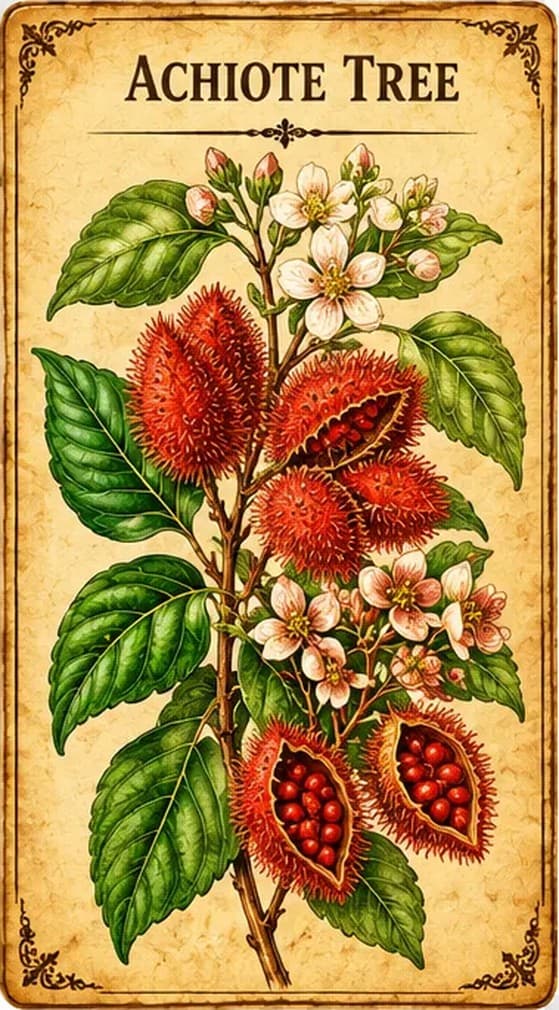
Botanical illustration of Achiote Tree

Achiote Tree

Bixa orellana

A tropical American shrub whose seeds give annatto, a red-orange food coloring. A small trial found its ointment improved the look of surgical scars.

No. 002Culinary
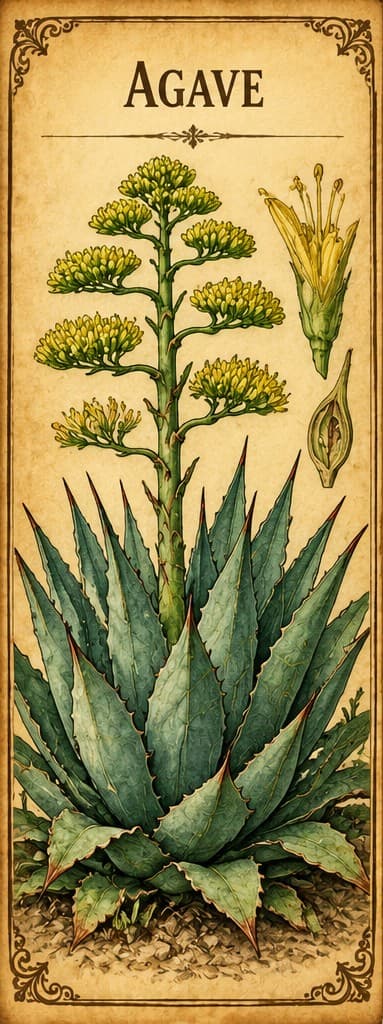
Botanical illustration of Agave

Agave

Agave americana

The century plant of Mexico, whose sap is fermented into pulque and whose cooked heart is used to make mezcal. Its fibers are made into cord and cloth.

No. 003Culinary
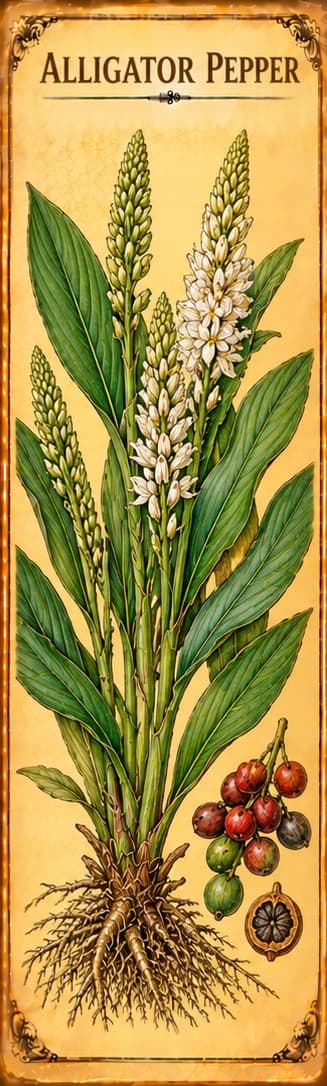
Botanical illustration of Alligator Pepper

Alligator Pepper

Aframomum melegueta

Grains of paradise, a peppery West African seed in the ginger family. In a small pilot trial, a seed extract eased anxiety and improved mood and sleep.

No. 004Culinary
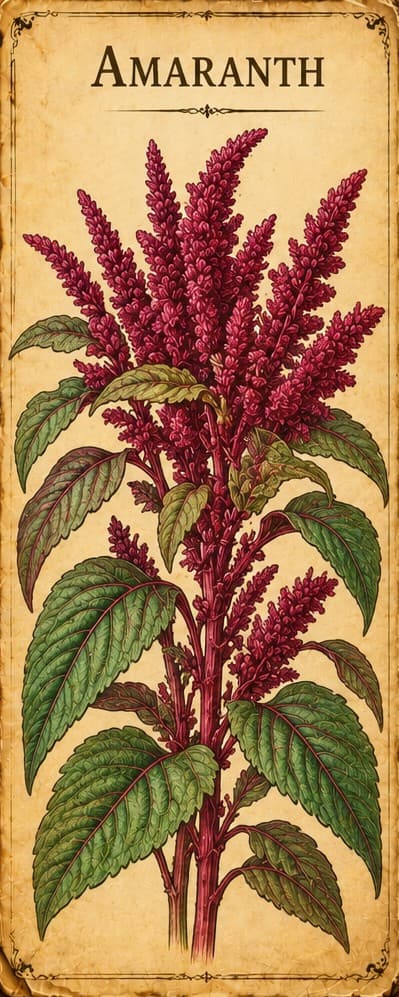
Botanical illustration of Amaranth

Amaranth

Amaranthus spp.

A group of fast-growing plants grown worldwide for their nutritious seeds (grain) and leaves, eaten in soups, sauces and baked goods. The grain is rich in protein, and researchers are studying its possible health benefits.

No. 005Culinary
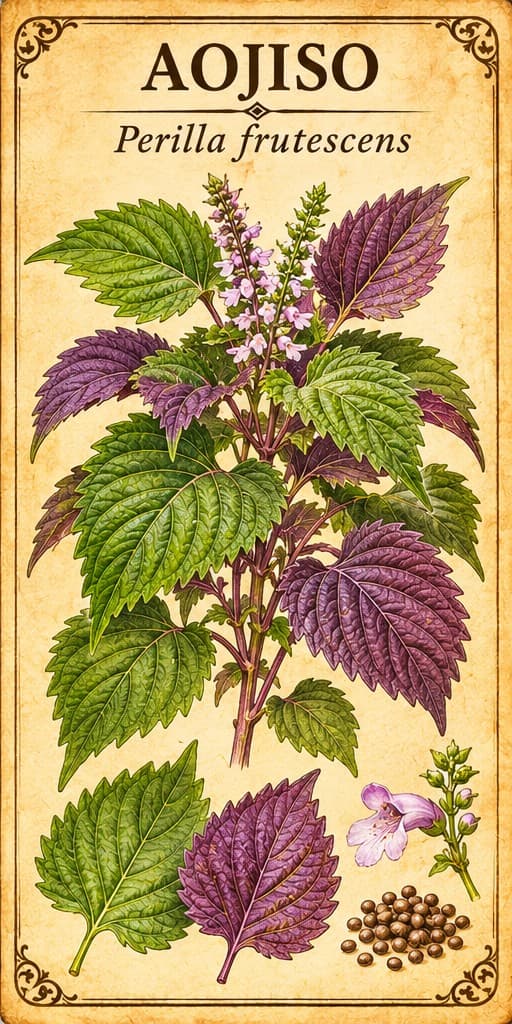
Botanical illustration of Aojiso

Aojiso

Perilla frutescens

Green shiso leaf, a Japanese herb and an official medicine in the Chinese and Japanese pharmacopoeias, used for colds, nausea and allergies. Perilla extracts eased hay fever in human studies.

No. 006Culinary
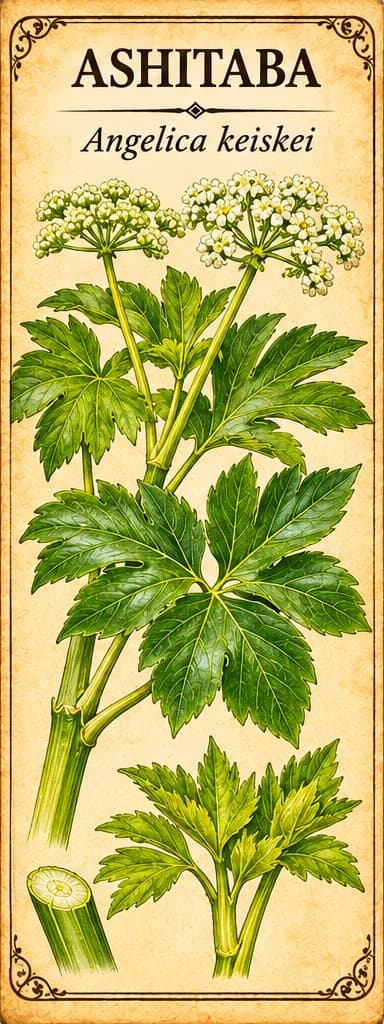
Botanical illustration of Ashitaba

Ashitaba

Angelica keiskei

A Japanese health-food herb. In one trial, its chalcone compounds reduced belly fat and waist size in overweight adults.

No. 007Culinary
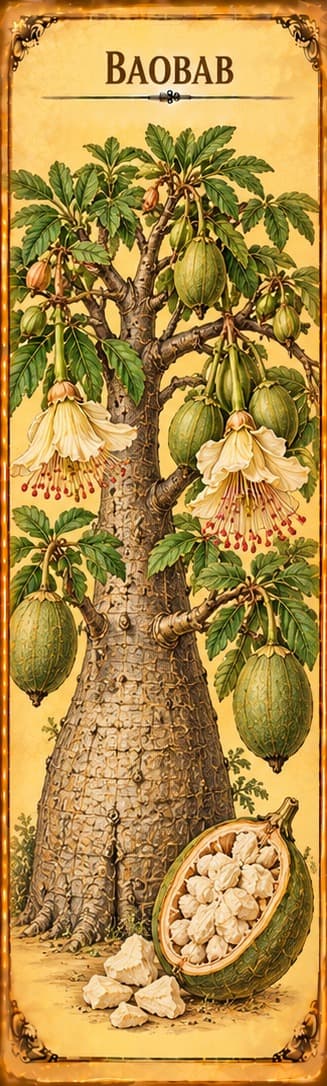
Botanical illustration of Baobab

Baobab

Adansonia digitata

The African "monkeybread" tree, whose fiber-rich fruit pulp is a traditional food. Its health benefits are suggested by lab studies but haven't been established in people.

No. 008Culinary
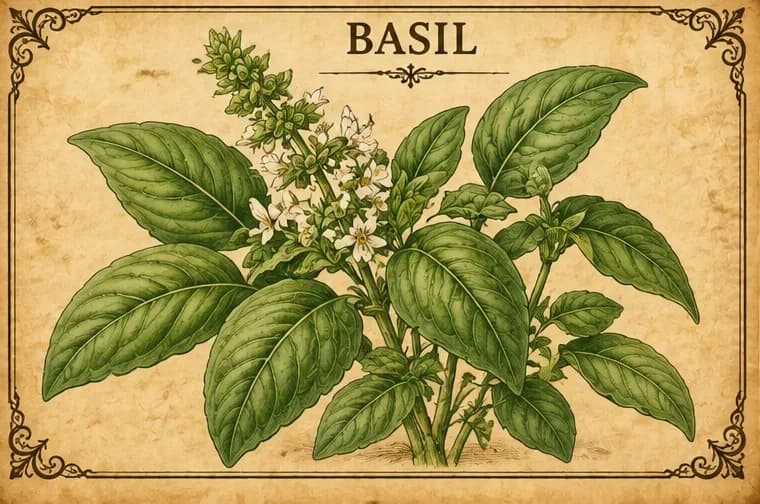
Botanical illustration of Basil

Basil

Ocimum basilicum

A fragrant, warm-weather kitchen herb central to Italian and Southeast Asian cooking.

No. 009Culinary
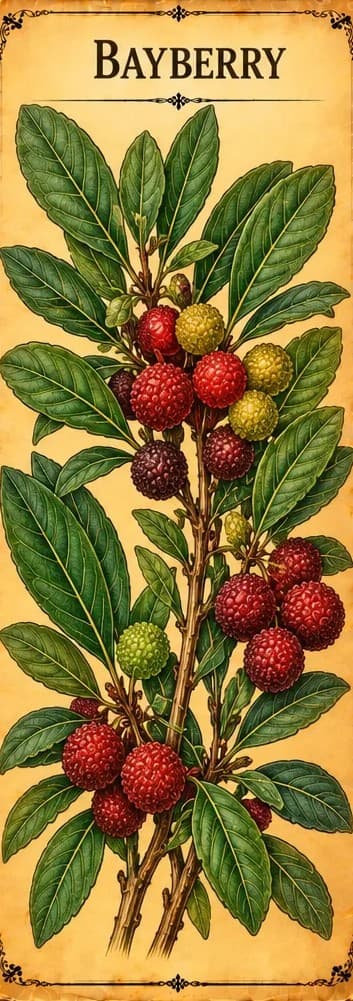
Botanical illustration of Bayberry

Bayberry

Myrica rubra

Chinese bayberry (yangmei), a red fruit grown in China for over 2,000 years. Parts of the tree have been used as folk medicine, but research is limited to the lab and animals.

No. 010Culinary
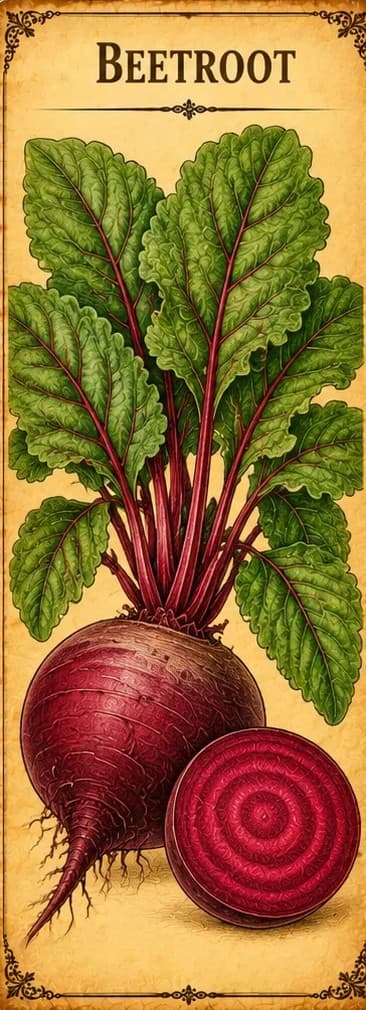
Botanical illustration of Beetroot

Beetroot

Beta vulgaris

A root vegetable whose juice is rich in nitrate. In short trials, beetroot juice lowered the top number of blood pressure by about 4 points.

No. 011Culinary
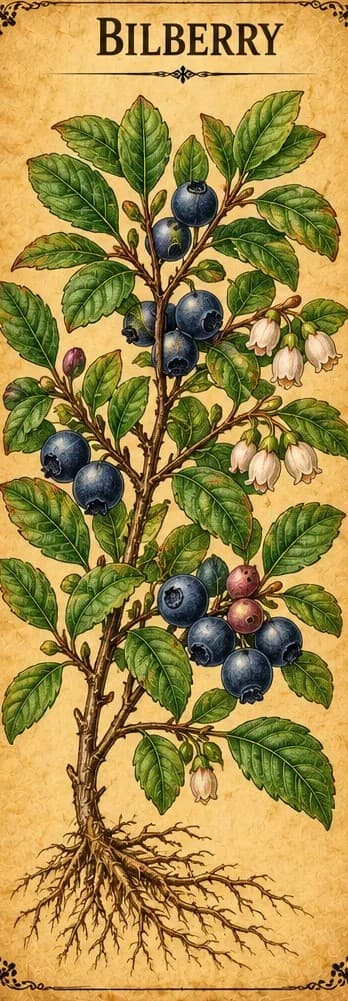
Botanical illustration of Bilberry

Bilberry

Vaccinium myrtillus

Dried bilberries are a traditional EU herbal medicine for mild diarrhea and mouth inflammation. Trials of supplements for blood sugar and heart health are small and inconclusive.

No. 012Culinary
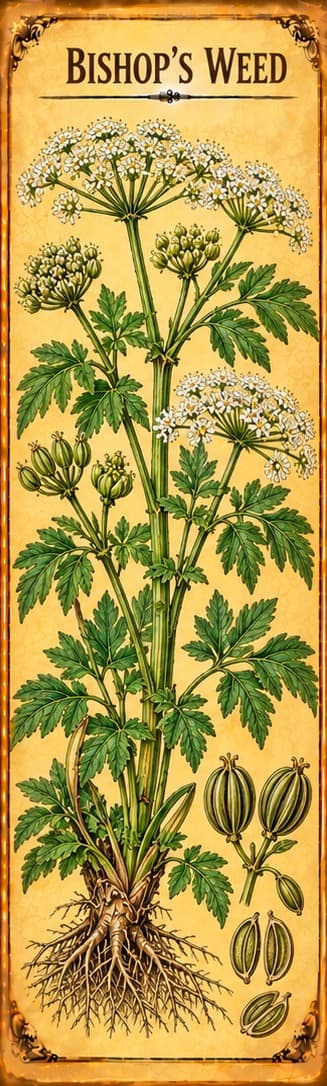
Botanical illustration of Bishop's Weed

Bishop's Weed

Trachyspermum ammi

Ajwain, a spice of the carrot family long used in Persian and Indian medicine for digestion and breathing. Its oil eased dental injection pain in a trial in children.

No. 013Culinary
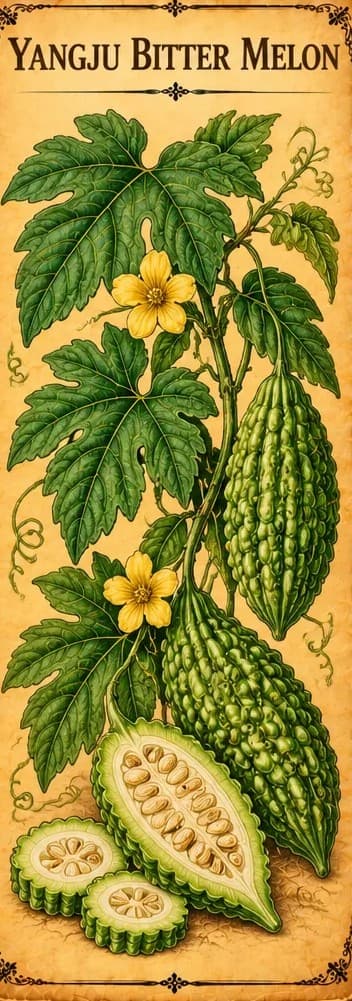
Botanical illustration of Bitter Melon

Bitter Melon

Momordica charantia

The fruit of Momordica charantia, the same species as cerasee, studied mainly for diabetes. Trials disagree on whether it lowers blood sugar.

No. 014Culinary
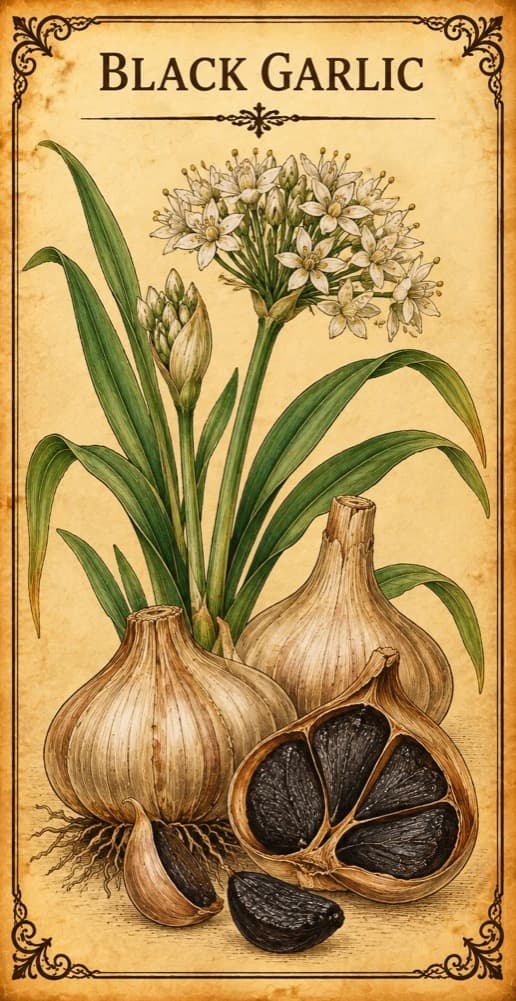
Botanical illustration of Black Garlic

Black Garlic

Allium sativum

Garlic bulbs aged with gentle heat for weeks until the cloves turn black, soft and sweet, long eaten in Korea, Japan and Thailand. A few small trials suggest it may slightly improve some blood fat and blood pressure measures.
No. 015Culinary
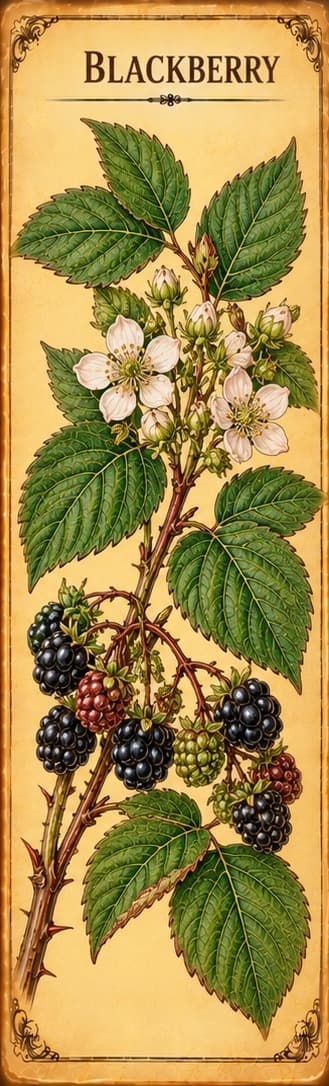
Botanical illustration of Blackberry

Blackberry

Rubus fruticosus

The familiar bramble fruit, whose leaves and roots have been used in herbal medicine for diarrhea and dysentery. The berries are rich in antioxidant pigments.

No. 016Culinary
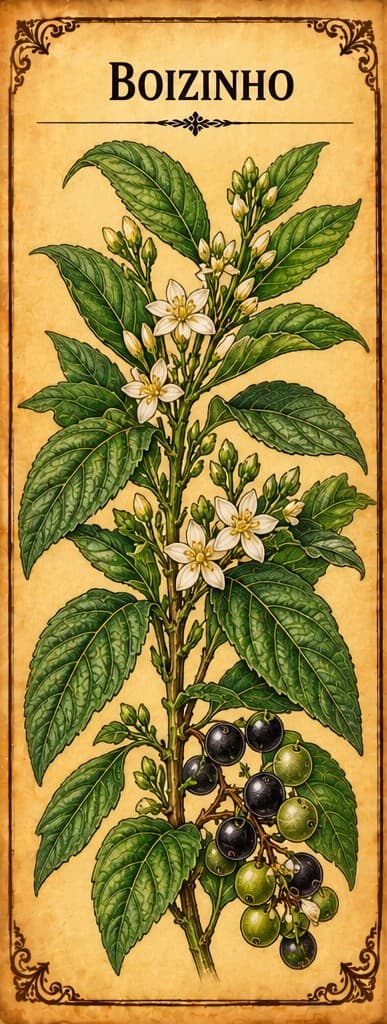
Botanical illustration of Boizinho

Boizinho

Eugenia stipitata

Araçá-boi, a tart yellow fruit of the western Amazon. Its fruit and seeds are rich in antioxidants and have been studied in the lab.

No. 017Culinary
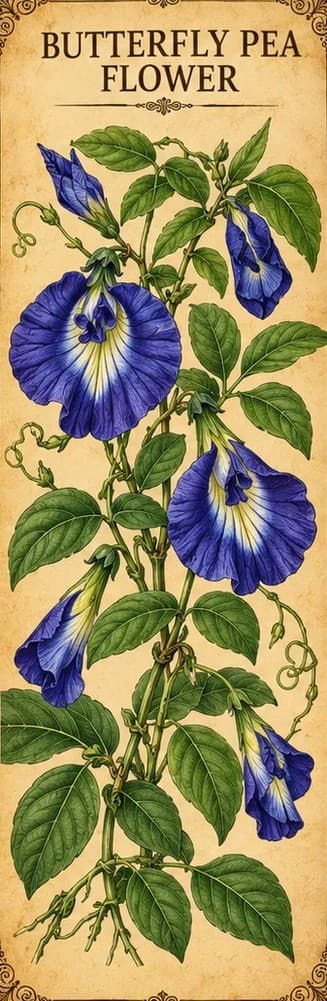
Botanical illustration of Butterfly Pea Flower

Butterfly Pea Flower

Clitoria ternatea

A vivid blue flower used as a colour-changing tea and food colouring, and traditionally in South Asia to boost memory and for headache and eye infections.

No. 018Culinary
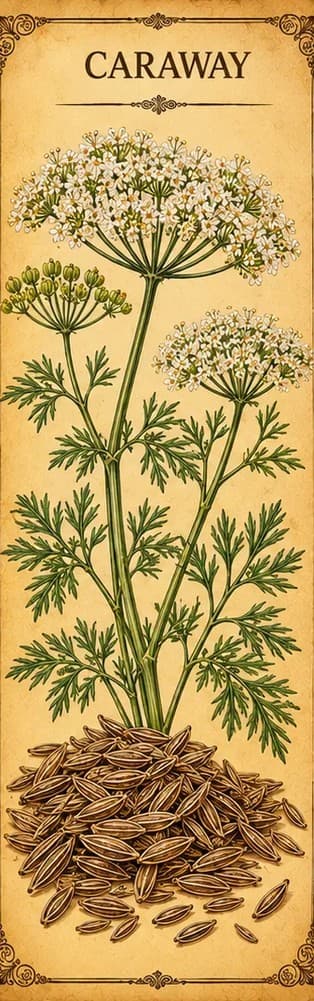
Botanical illustration of Caraway

Caraway

Carum carvi

A carrot-family plant whose fruit (seeds) is used as a spice and, in Europe, as a traditional tea for bloating and wind.

No. 019Culinary
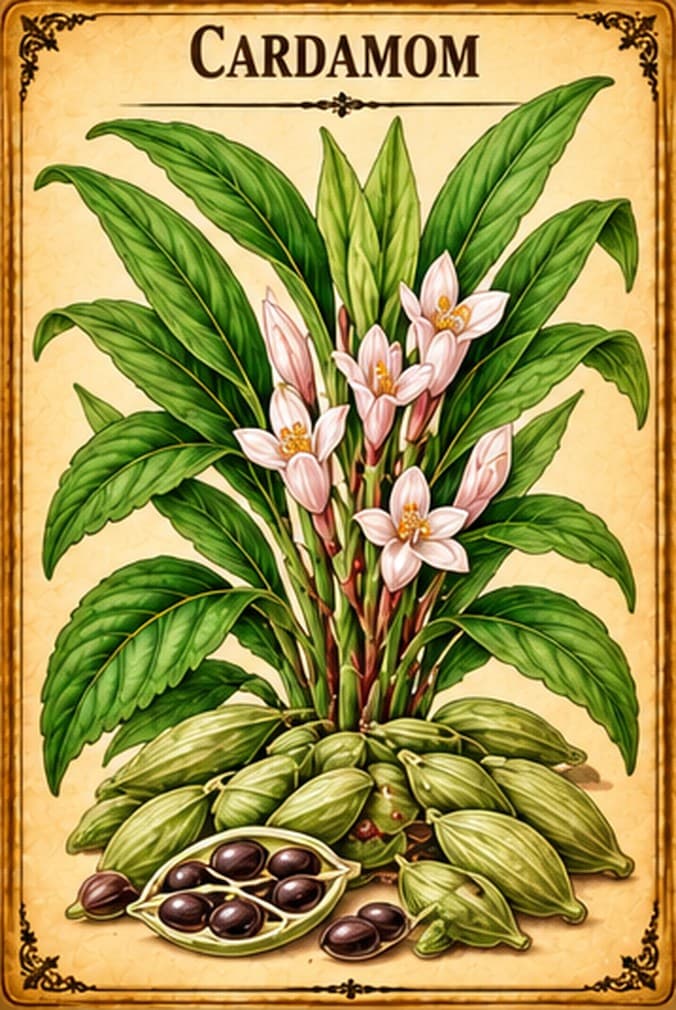
Botanical illustration of Cardamom

Cardamom

Elettaria cardamomum

A spice from the ginger family. Reviews of small trials found it lowered some blood fats, inflammation markers and blood pressure slightly.

No. 020Culinary
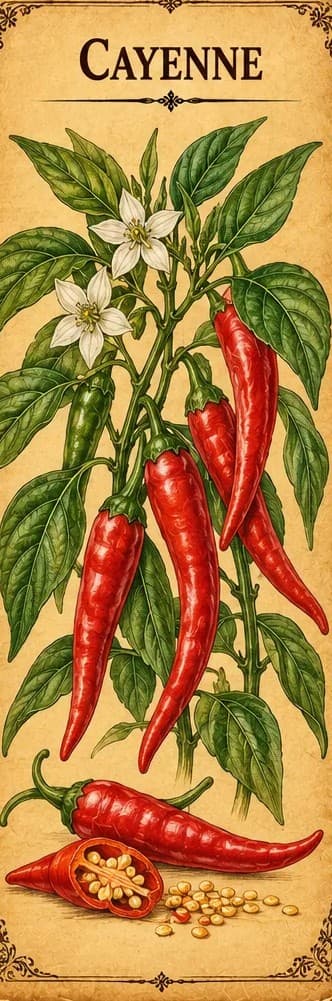
Botanical illustration of Cayenne

Cayenne

Capsicum frutescens

Hot chili pepper. In the EU, cayenne extract in skin plasters and creams is an accepted medicine for muscle pain such as low back pain.

No. 021Culinary
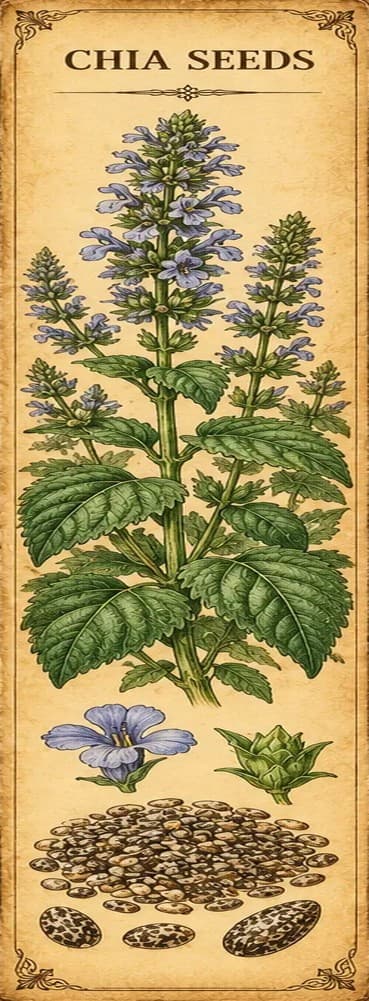
Botanical illustration of Chia Seeds

Chia Seeds

Salvia hispanica

Seeds rich in fibre, protein and omega-3 fats that form a gel in water. In trials they reduced waist size and blood pressure slightly, but not cholesterol or blood sugar.

No. 022Culinary
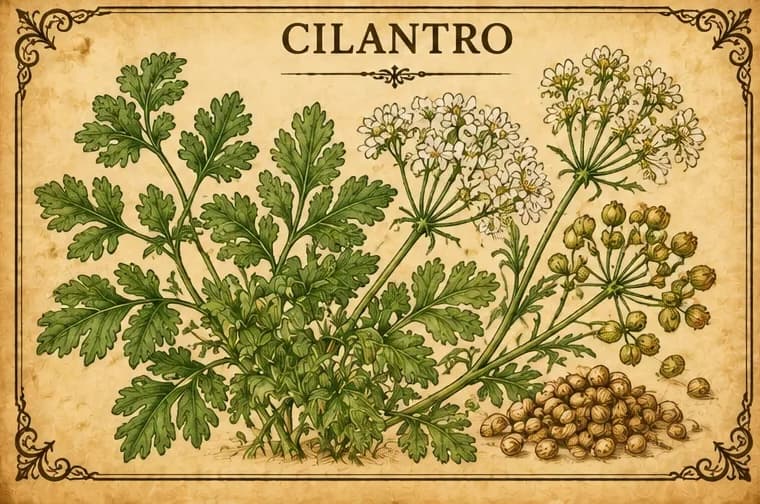
Botanical illustration of Cilantro

Cilantro

Coriandrum sativum

A fresh, citrusy kitchen herb. Its seeds, sold as coriander, are traditionally used to support digestion.

No. 023Culinary
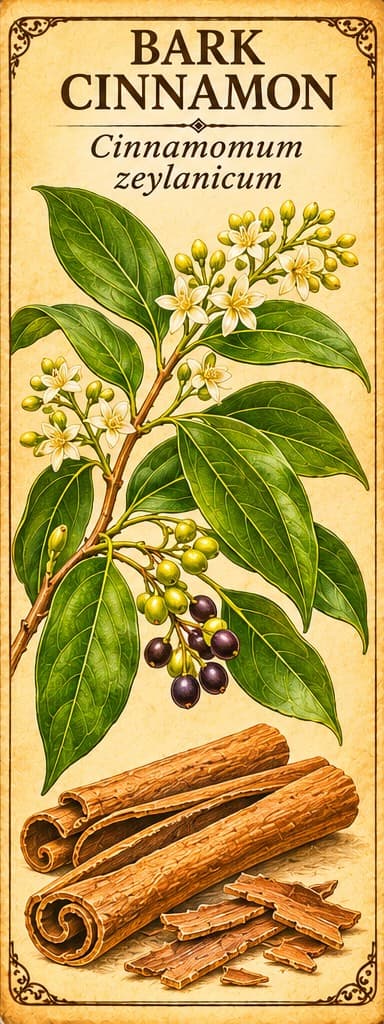
Botanical illustration of Cinnamon

Cinnamon

Cinnamomum verum

A warm kitchen spice made from tree bark, traditionally used for digestive complaints. Research on its effects on blood sugar and cholesterol is mixed.

No. 024Culinary
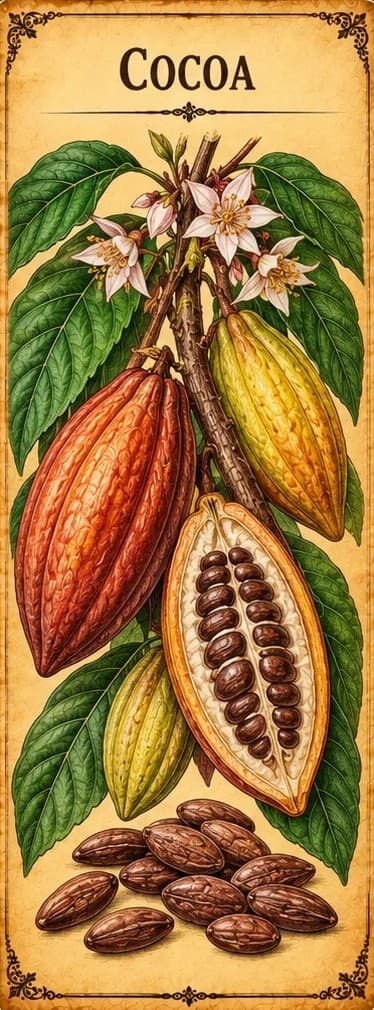
Botanical illustration of Cocoa

Cocoa

Theobroma cacao

The bean behind chocolate. Flavanol-rich cocoa lowered blood pressure slightly in a Cochrane review, and a large trial found fewer heart-related deaths.

No. 025Culinary
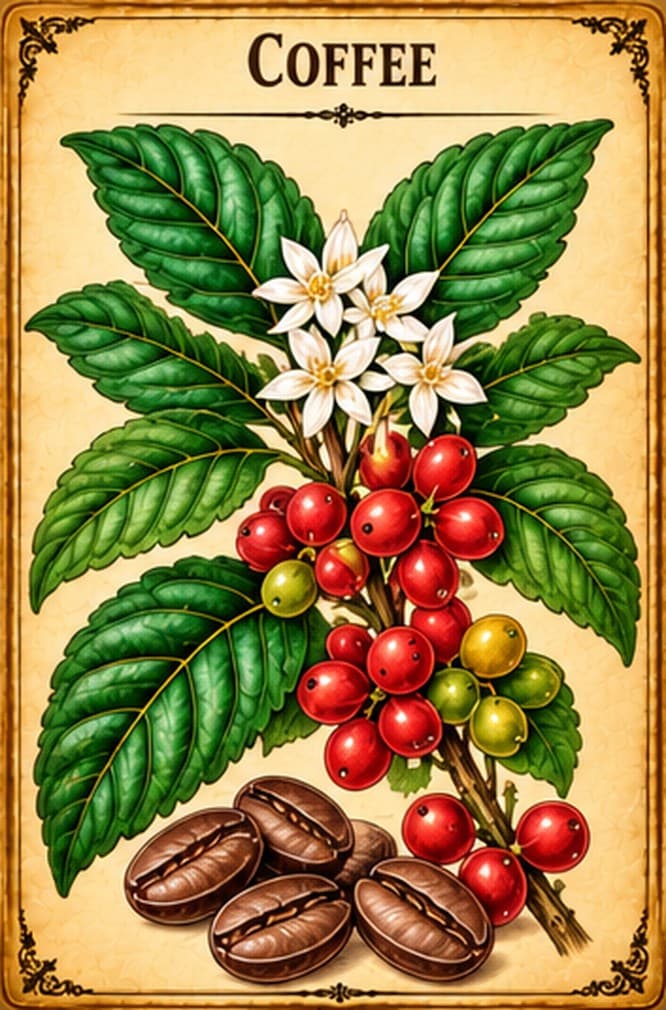
Botanical illustration of Coffee

Coffee

Coffea arabica

The world's favorite caffeine drink. Large reviews link 3 to 4 cups a day with lower risk of several diseases, though these studies show links, not proof.

No. 026Culinary
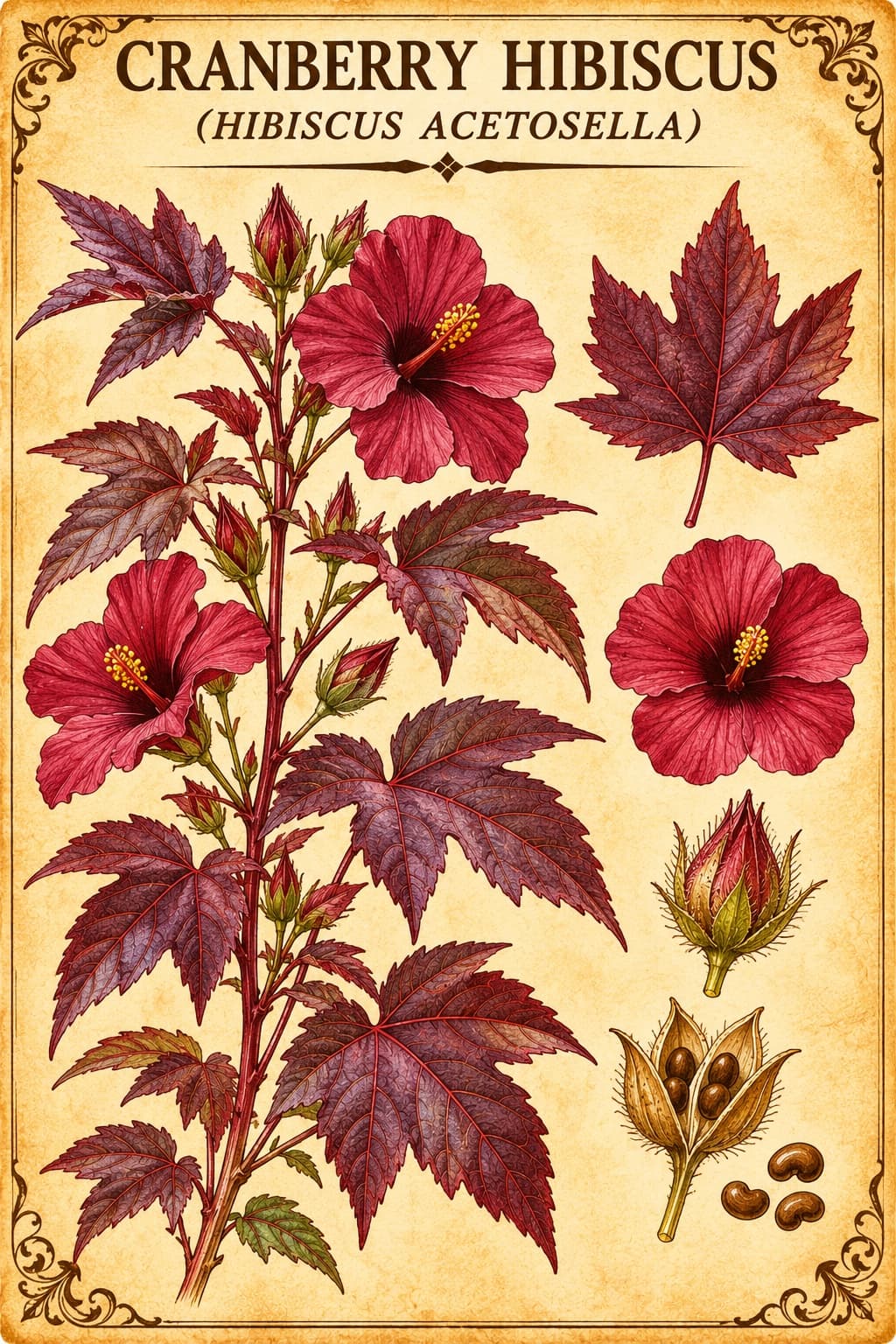
Botanical illustration of Cranberry Hibiscus

Cranberry Hibiscus

Hibiscus acetosella

An African hibiscus whose leaves are eaten as a vegetable and boiled into drinks for anemia and fever. Its sour flowers are edible too.

No. 027Culinary
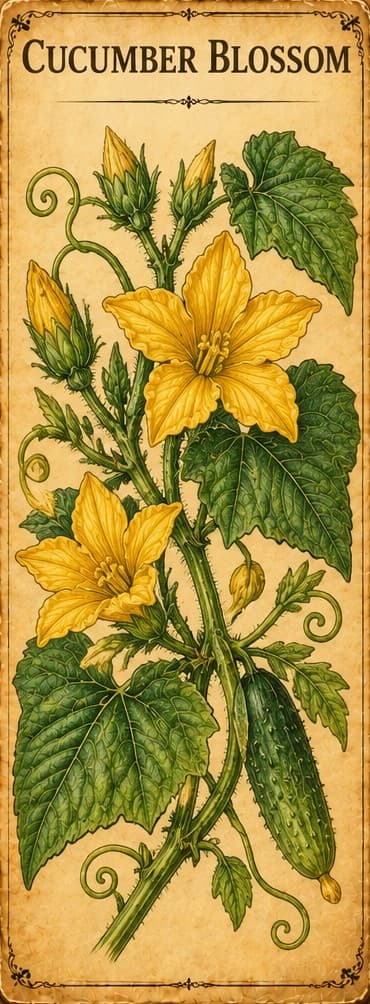
Botanical illustration of Cucumber Blossom

Cucumber Blossom

Cucumis sativus

The yellow flower of the cucumber vine. The flowers have barely been studied: one lab study found a flower extract slowed some bacteria and fungi, an effect the researchers called almost comparable to standard medicines.

No. 028Culinary
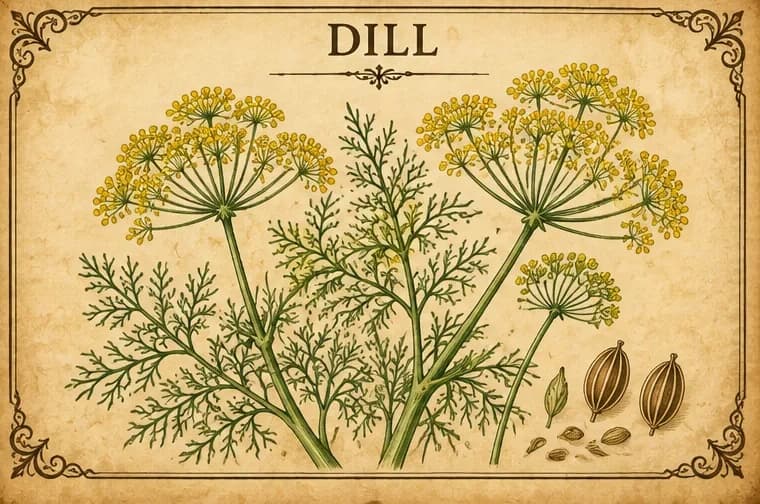
Botanical illustration of Dill

Dill

Anethum graveolens

A feathery, tangy kitchen herb often paired with fish and pickles. Its seeds are traditionally used for gas and upset stomach.

No. 029Culinary
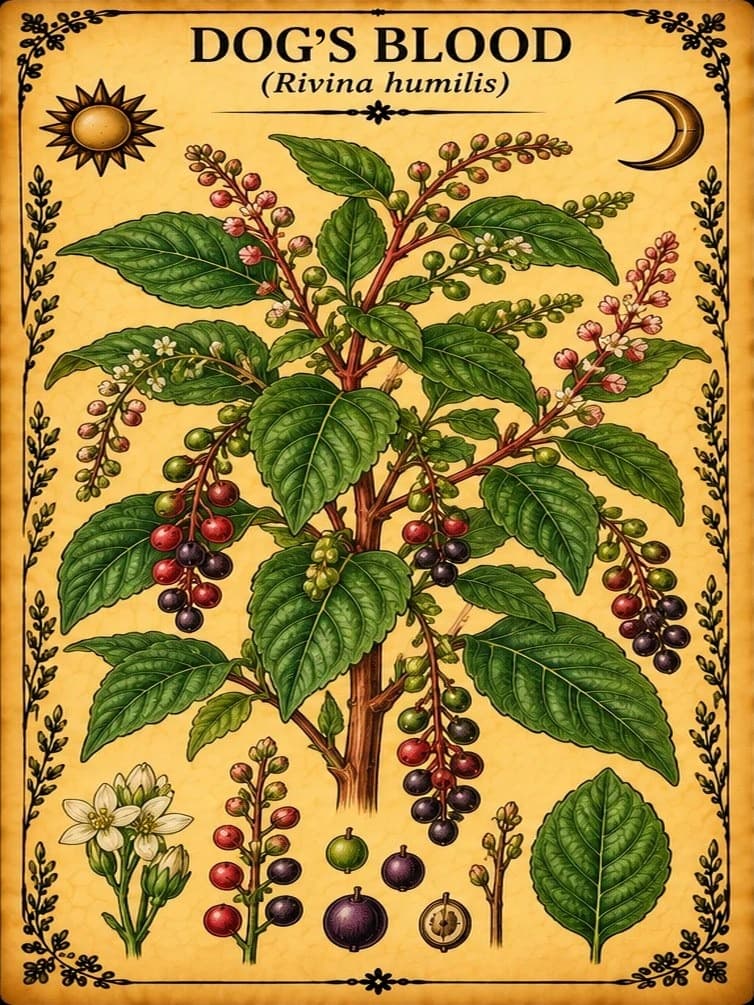
Botanical illustration of Dog's Blood

Dog's Blood

Rivina humilis

A small plant with red berries, known in Jamaica as dogberry and elsewhere as pigeon berry or blood berry. Its leaves are cooked as a leafy green; research so far is in the lab and in rats.

No. 030Culinary
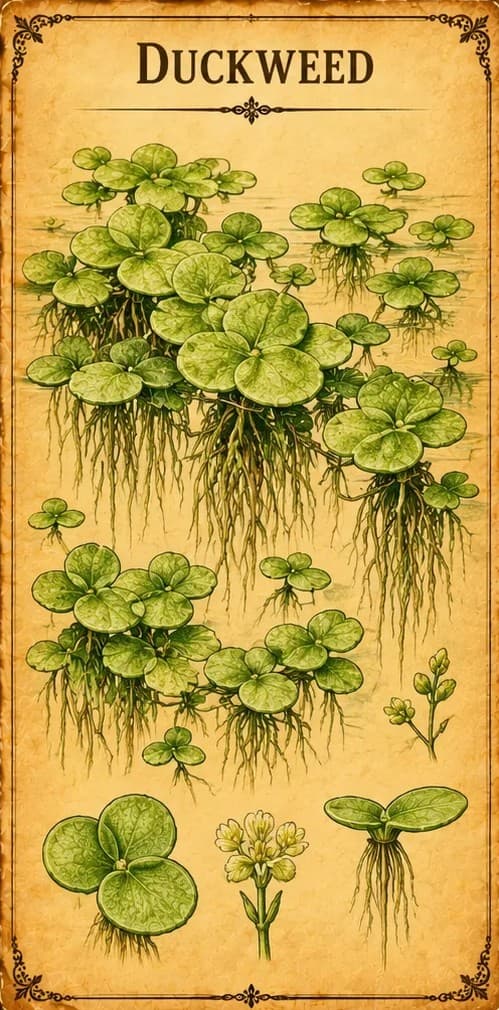
Botanical illustration of Duckweed

Duckweed

Lemna minor

A tiny floating water plant, high in protein, eaten in parts of Asia and studied as a new food. It soaks up whatever is in its water.

No. 031Culinary
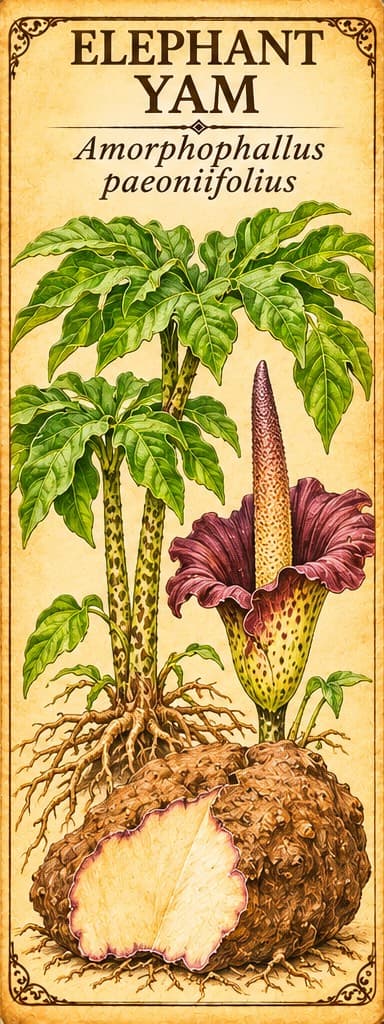
Botanical illustration of Elephant Yam

Elephant Yam

Amorphophallus paeoniifolius

Suran, a large edible tuber used in folk medicine for digestive and inflammatory problems. It protected the bowel in rats with colitis.

No. 032Culinary
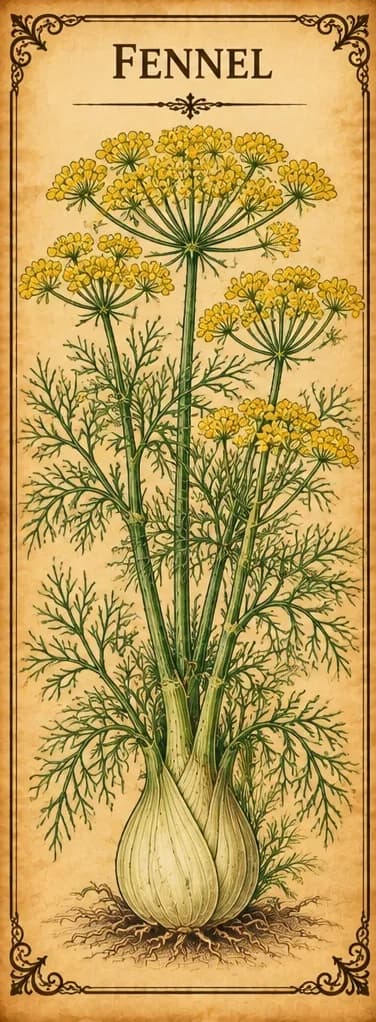
Botanical illustration of Fennel

Fennel

Foeniculum vulgare

An anise-flavored plant whose seeds and bulb are both widely eaten. The seeds are traditionally used for digestion.

No. 033Culinary
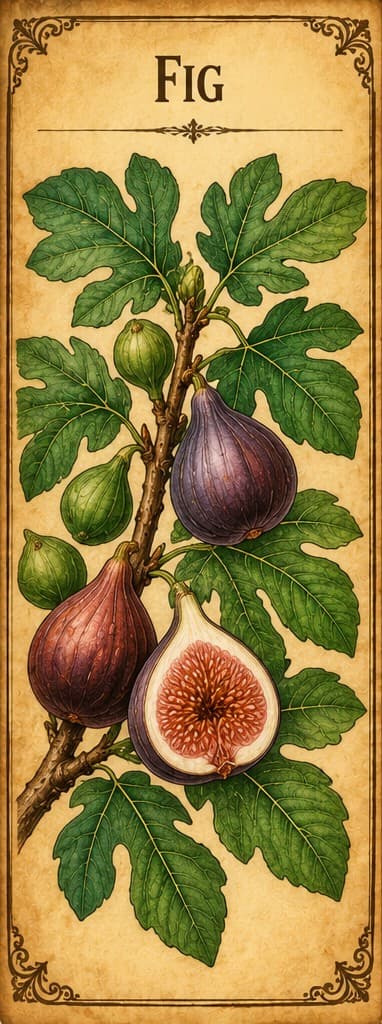
Botanical illustration of Fig

Fig

Ficus carica

The familiar fruit tree, used in folk medicine for inflammation and stomach problems. In a small trial, fig syrup eased constipation in pregnant women.

No. 034Culinary
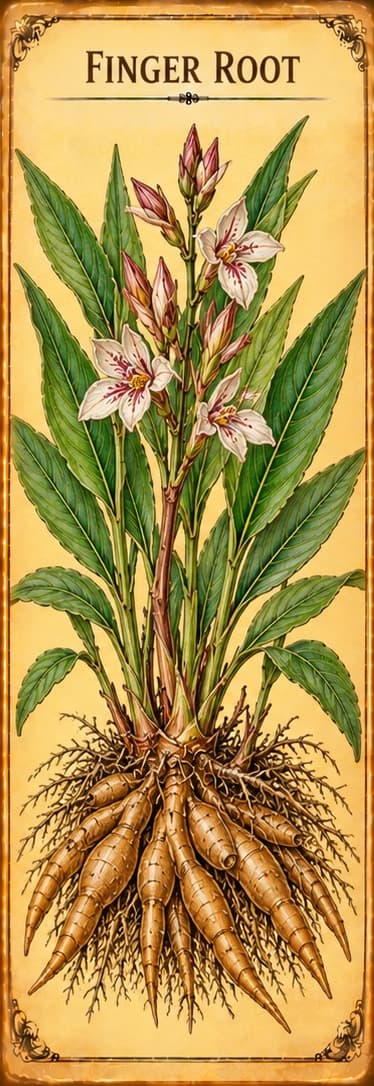
Botanical illustration of Finger Root

Finger Root

Boesenbergia rotunda

An Asian member of the ginger family used as a spice. A finger root mouth gargle reduced mouth sores in a trial of cancer patients.

No. 035Culinary
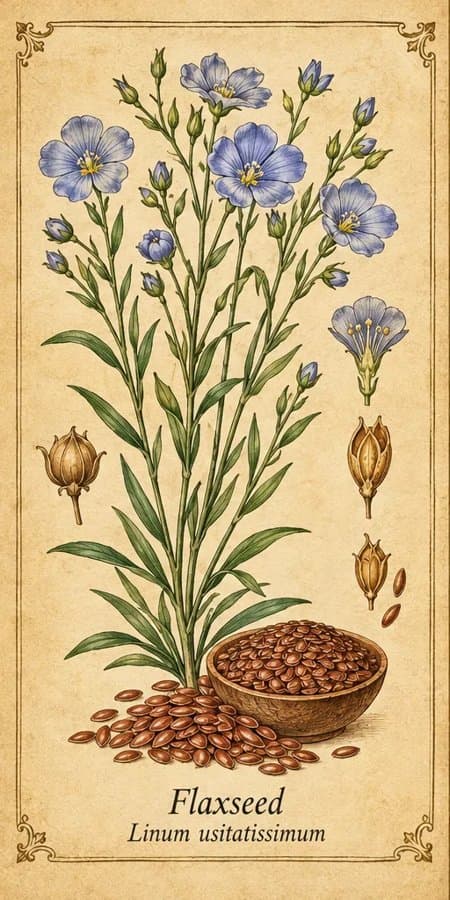
Botanical illustration of Flaxseed

Flaxseed

Linum usitatissimum

Small seeds rich in fiber and the omega-3 fat ALA, eaten whole, ground or as oil. Research suggests flaxseed may lower blood pressure and cholesterol slightly.

No. 036Culinary
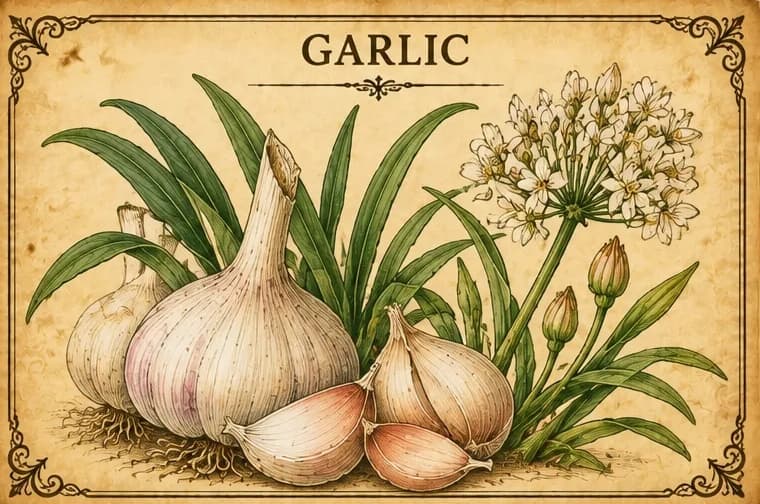
Botanical illustration of Garlic

Garlic

Allium sativum

A pungent kitchen bulb traditionally used for heart and circulation health. Research suggests garlic supplements may lower blood pressure and cholesterol a little.

No. 037Culinary
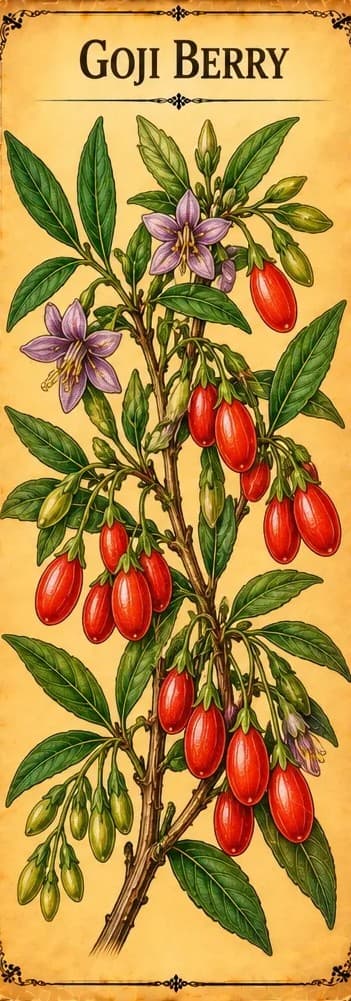
Botanical illustration of Goji Berry

Goji Berry

Lycium barbarum

Small red berries known in China for over 2,000 years as a tonic, now a popular health food. Small trials suggest they may slightly lower triglycerides and raise "good" cholesterol.

No. 038Culinary
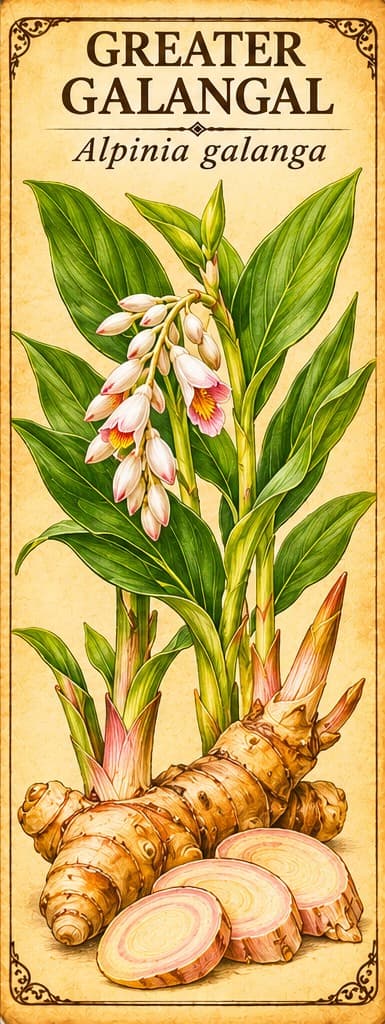
Botanical illustration of Greater Galangal

Greater Galangal

Alpinia galanga

A ginger-family spice used in Ayurveda, Chinese and Thai medicine. In a trial it improved erectile problems caused by antidepressants.

No. 039Culinary
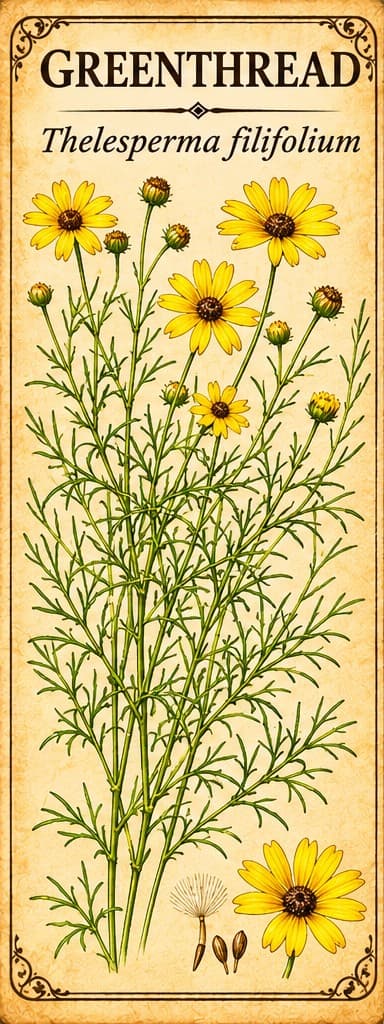
Botanical illustration of Greenthread

Greenthread

Thelesperma filifolium

A threadleaf wildflower of the Southwest, steeped as a tea by Pueblo peoples. Its close relative, Navajo tea, is a popular wild tea.

No. 040Culinary
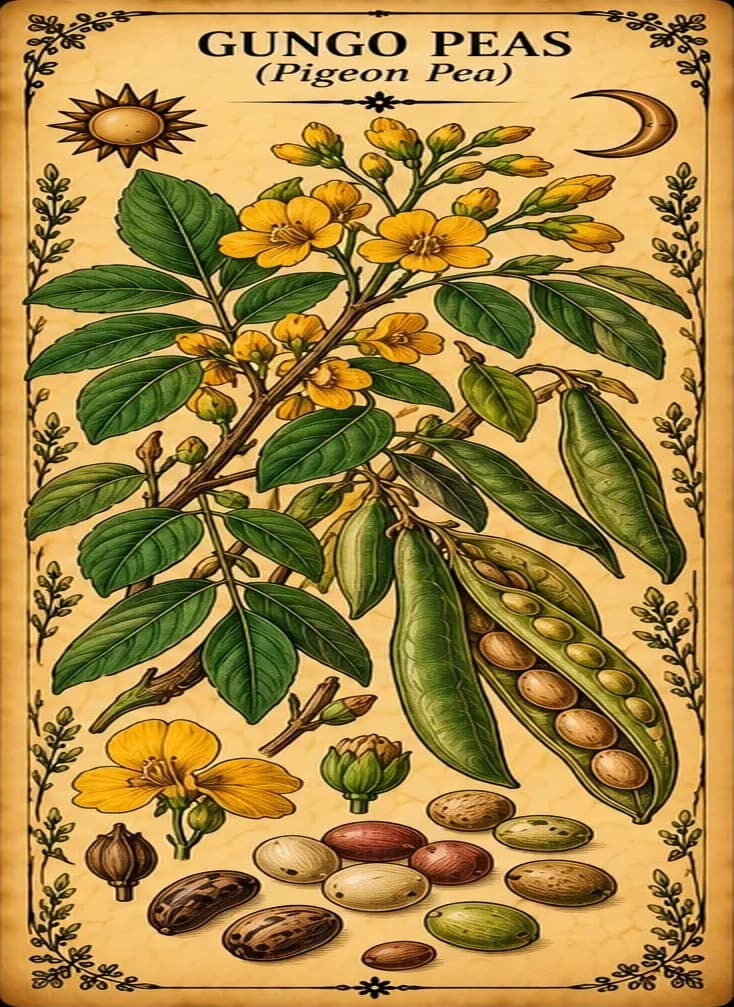
Botanical illustration of Gungo Peas

Gungo Peas

Cajanus cajan

Pigeon peas, a major food crop around the world. The leaves are used in Chinese medicine for bone conditions.

No. 041Culinary
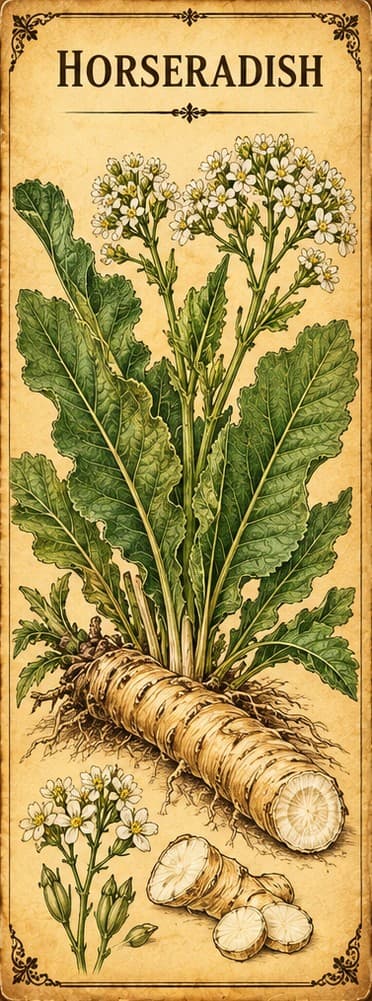
Botanical illustration of Horseradish

Horseradish

Armoracia rusticana

A hot, sharp root used as a condiment and traditionally for airway and bladder infections. A trial found a nasturtium and horseradish medicine reduced repeat bladder infections.

No. 042Culinary
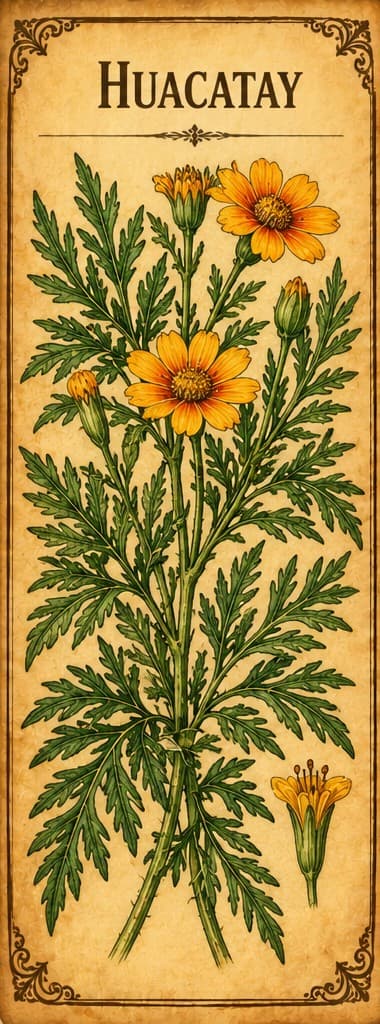
Botanical illustration of Huacatay

Huacatay

Tagetes minuta

A strong-smelling South American marigold, also called black mint. Its oil repels ticks and killed some bacteria in lab tests.

No. 043Culinary
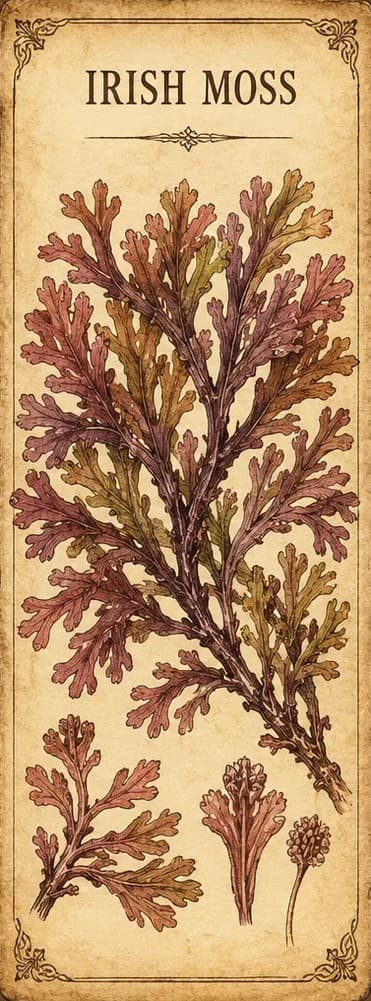
Botanical illustration of Irish Moss

Irish Moss

Chondrus crispus

Sea moss, a red seaweed used as food and medicine, though no medicinal benefit has been proven. It's a source of carrageenan, a food thickener.

No. 044Culinary
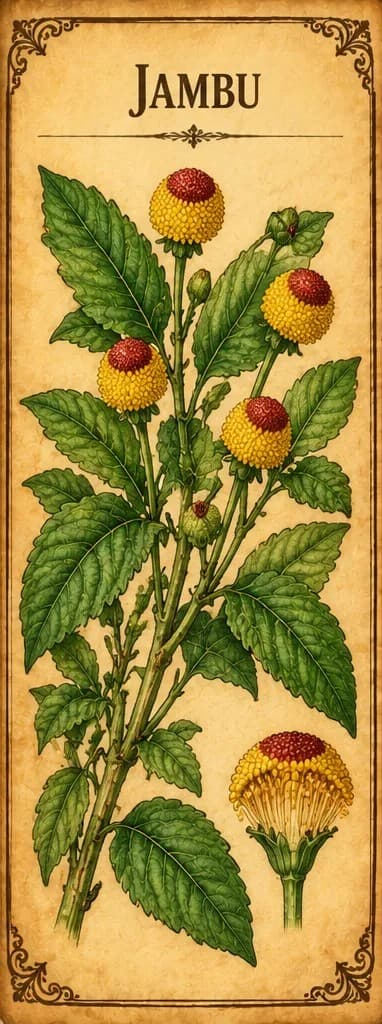
Botanical illustration of Jambu

Jambu

Acmella oleracea

The "toothache plant" of Brazil, whose flower buds cause a tingling, numbing feeling in the mouth. It's used as a spice and traditionally to ease tooth pain.

No. 045Culinary
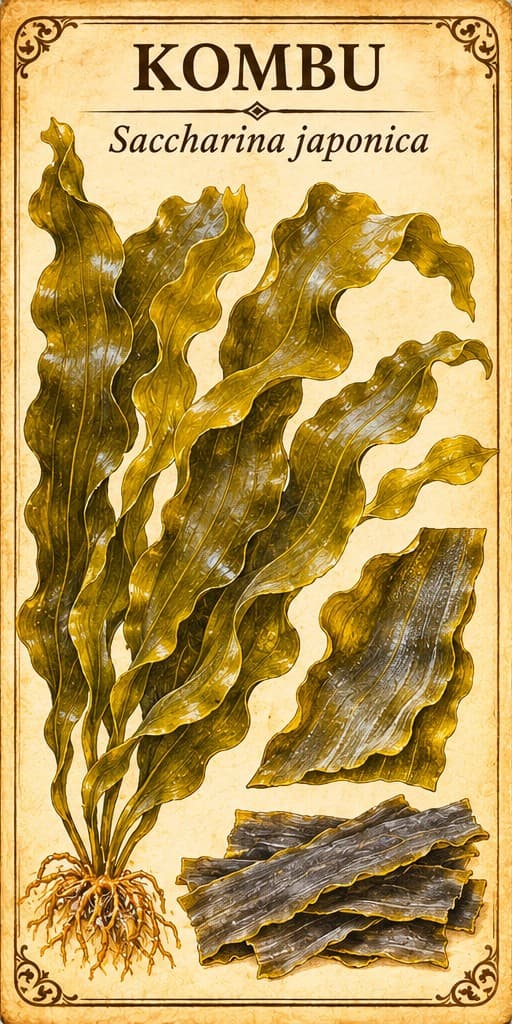
Botanical illustration of Kombu

Kombu

Saccharina japonica

A brown seaweed central to Japanese cooking and the main source of iodine in Japan. Too much iodine can harm the thyroid.

No. 046Culinary
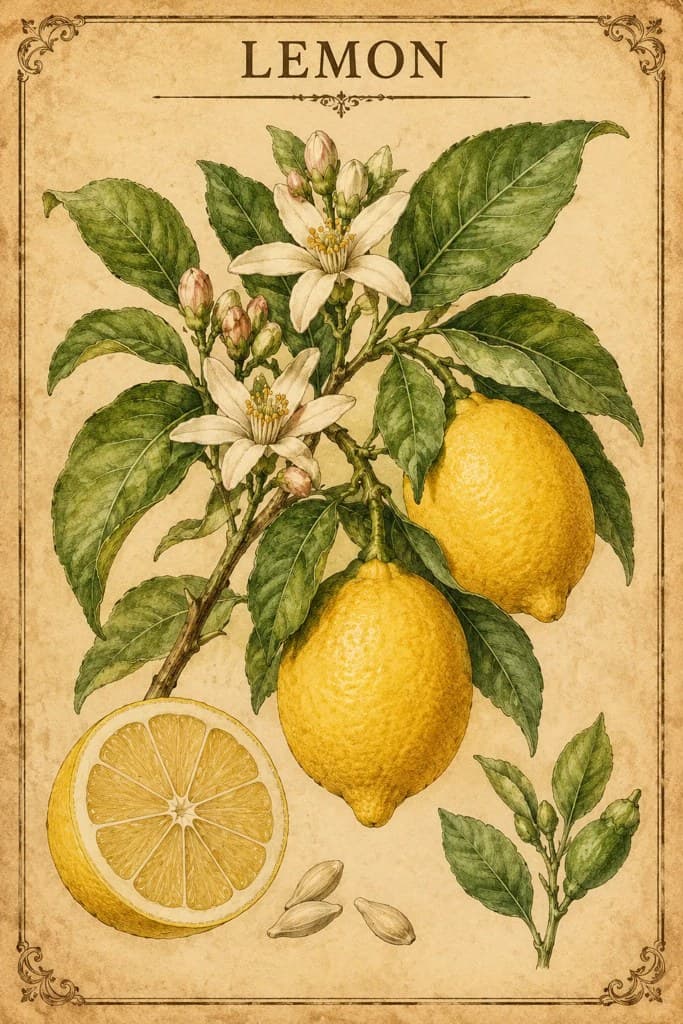
Botanical illustration of Lemon

Lemon

Citrus limon

The familiar sour citrus fruit, once used to treat scurvy and long used for colds and sore throats. Lemonade raises urine citrate, which helps prevent some kidney stones.

No. 047Culinary
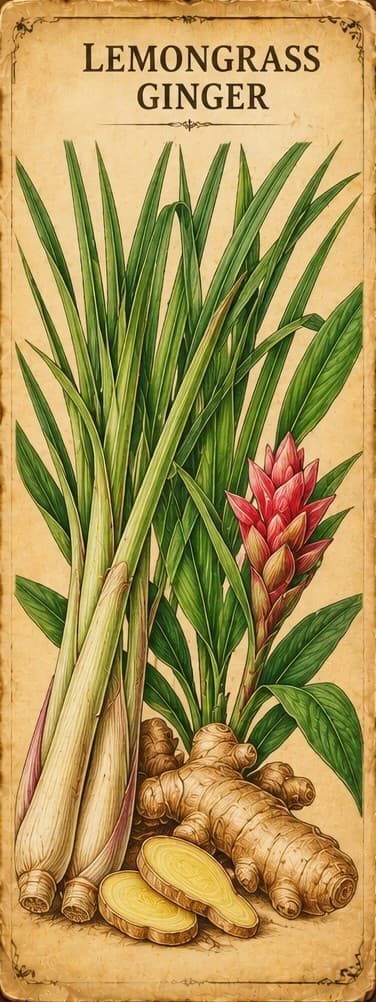
Botanical illustration of Lemongrass

Lemongrass

Cymbopogon citratus

A lemon-scented grass, called fever grass in Jamaica, brewed as a tea for colds and flu and used in cooking. In a Brazilian study, lemongrass tea didn't help people sleep or feel less anxious.

No. 048Culinary
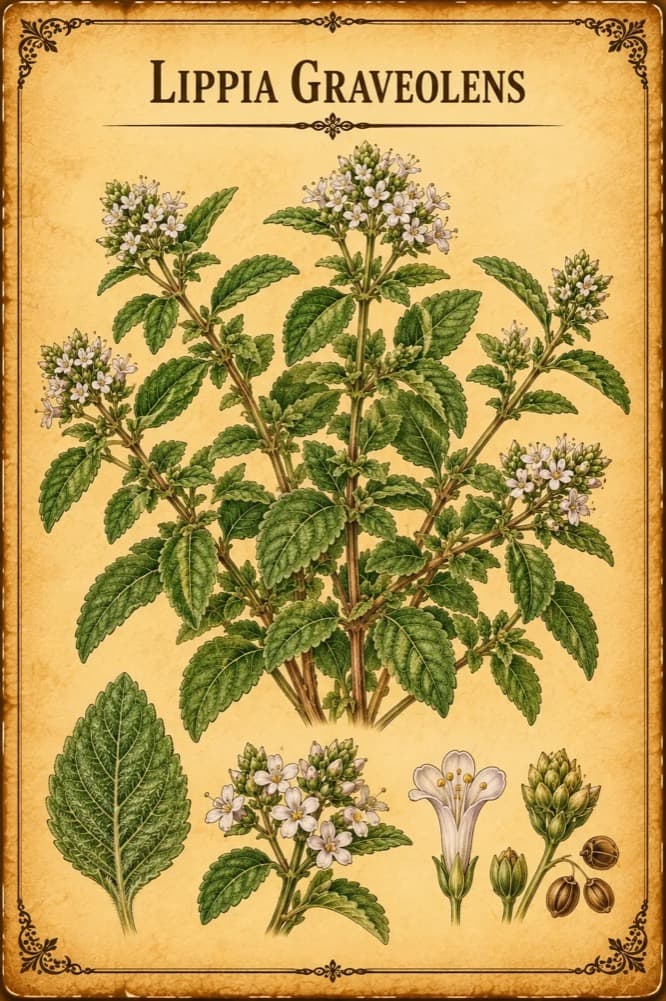
Botanical illustration of Lippia Graveolens

Lippia Graveolens

Lippia graveolens

A plant from northern Mexico also sold as Mexican oregano. It's in the verbena family, not the mint family, but its oil contains carvacrol and thymol like common oregano. Its oil has only been studied in the lab, not in animals or people.

No. 049Culinary
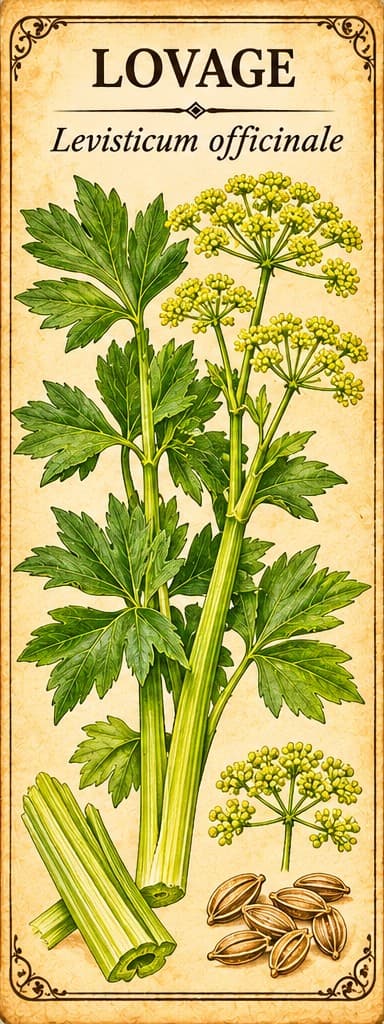
Botanical illustration of Lovage

Lovage

Levisticum officinale

A celery-flavored herb whose root is an EU traditional herbal medicine to flush the urinary tract in minor urinary complaints.

No. 050Culinary
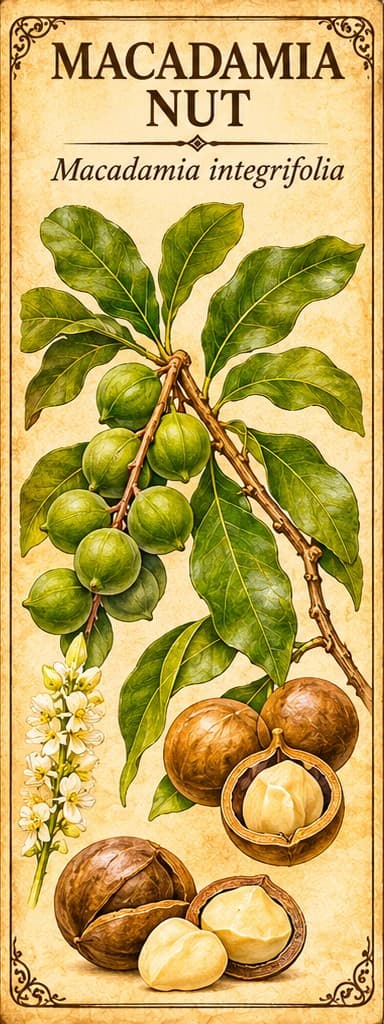
Botanical illustration of Macadamia Nut

Macadamia Nut

Macadamia integrifolia

An Australian nut. The FDA allows a limited claim that eating 1.5 ounces a day may reduce heart disease risk, as part of a diet low in saturated fat.

No. 051Culinary
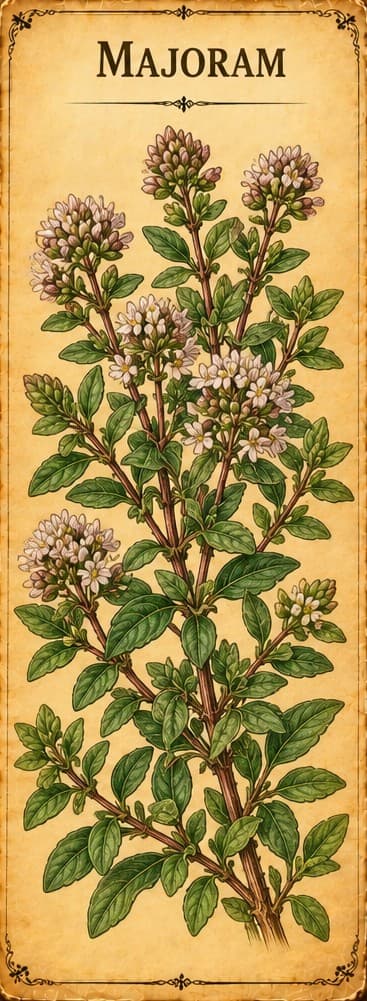
Botanical illustration of Marjoram

Marjoram

Origanum majorana

Sweet marjoram, a culinary herb of the mint family, used in traditional medicine for digestive, breathing, heart, joint and nerve complaints. Research so far is in the lab and in animals.

No. 052Culinary
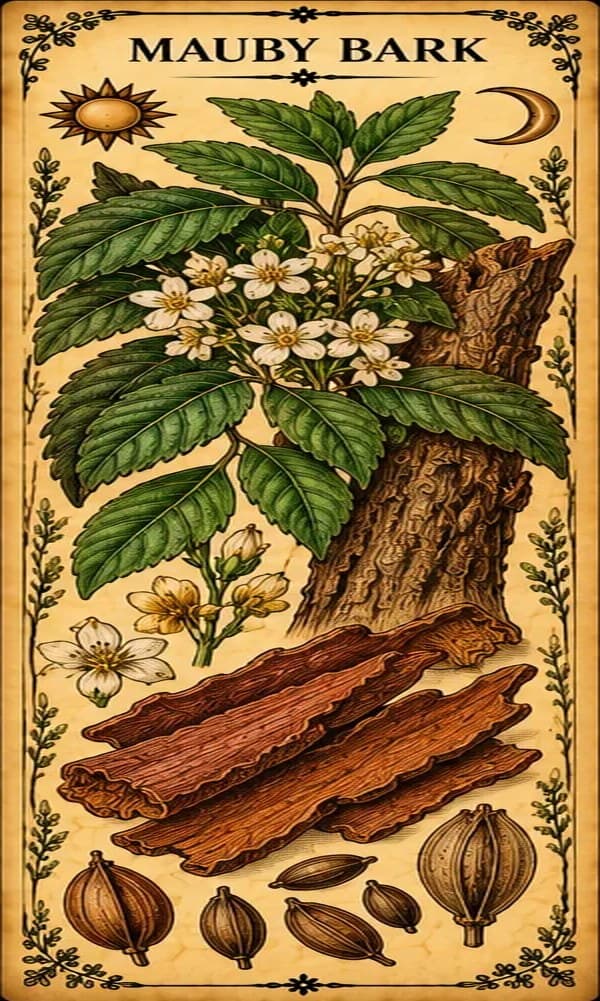
Botanical illustration of Mauby Bark

Mauby Bark

Colubrina arborescens

The bark used to make mauby, a bitter Caribbean drink and folk remedy. A very small study suggested it may lower blood pressure in some people.

No. 053Culinary
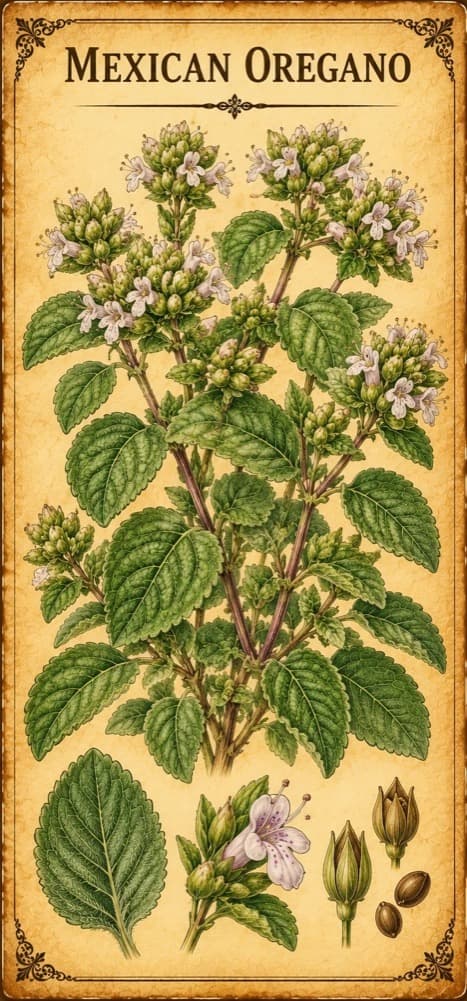
Botanical illustration of Mexican Oregano

Mexican Oregano

Poliomintha longiflora

A Mexican plant known as oregano. It's a different plant from common oregano, but its oil contains the same compounds, carvacrol and thymol. Its oil has only been studied in the lab, not in animals or people.

No. 054Culinary
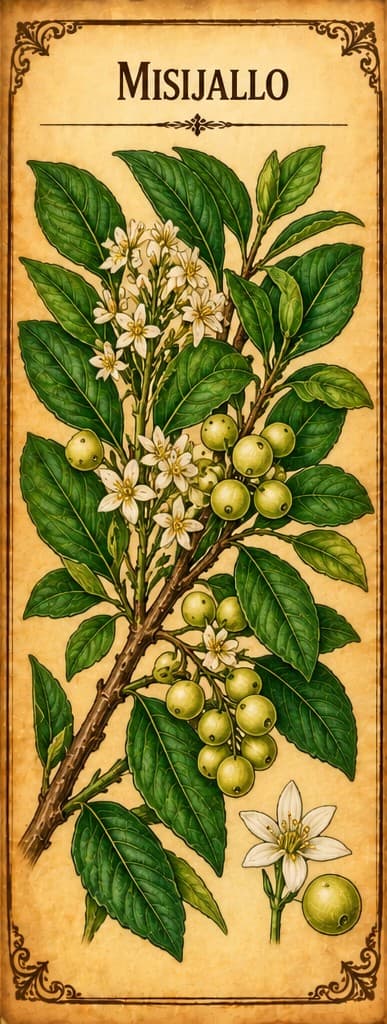
Botanical illustration of Misijallo

Misijallo

Gaultheria insipida

An Andean wintergreen relative whose berries have traditionally been gathered and eaten. Its medicinal use hasn't been studied.

No. 055Culinary
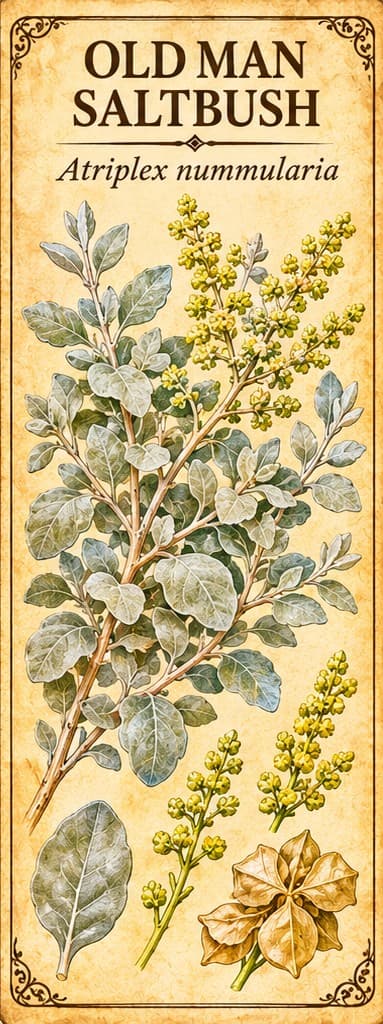
Botanical illustration of Old Man Saltbush

Old Man Saltbush

Atriplex nummularia

An Australian saltbush named for its high mineral content, whose seeds have been eaten and whose leaves feed livestock in dry regions.

No. 056Culinary
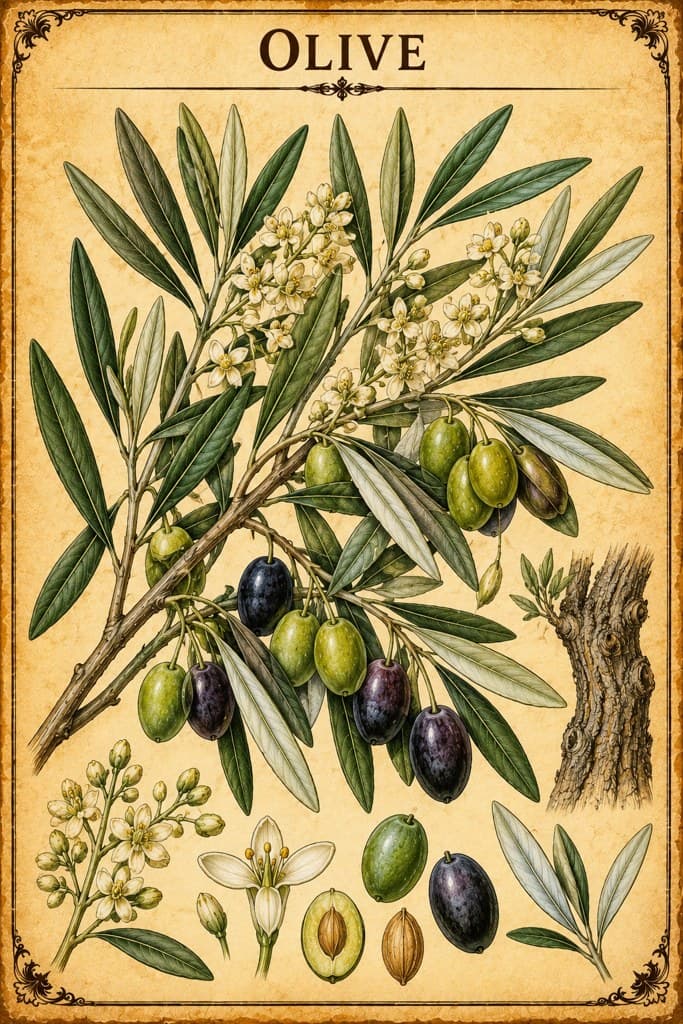
Botanical illustration of Olive

Olive

Olea europaea

The Mediterranean fruit and its oil, the main fat of the Mediterranean diet. A review of 30 trials found olive oil lowered markers of inflammation.

No. 057Culinary
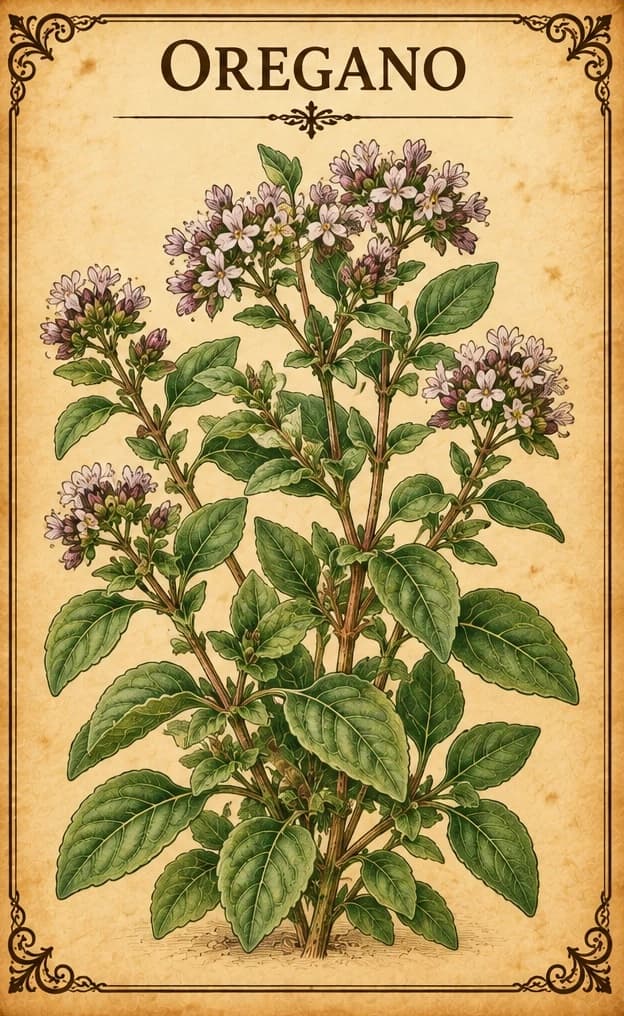
Botanical illustration of Oregano

Oregano

Origanum vulgare

A pungent Mediterranean kitchen herb central to pizza and pasta sauces.

No. 058Culinary
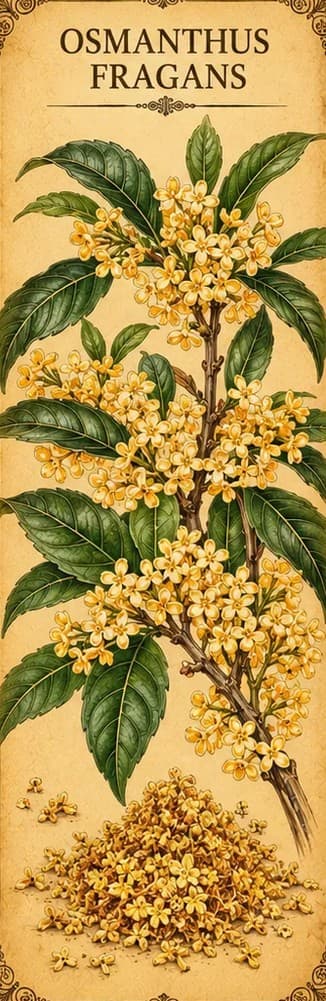
Botanical illustration of Osmanthus Fragrans

Osmanthus Fragrans

Osmanthus fragrans

Sweet osmanthus, a plant from southwestern China, Japan and Korea traditionally used for cough and asthma, bad breath, toothache, stomach ache, diarrhoea and rheumatism.

No. 059Culinary
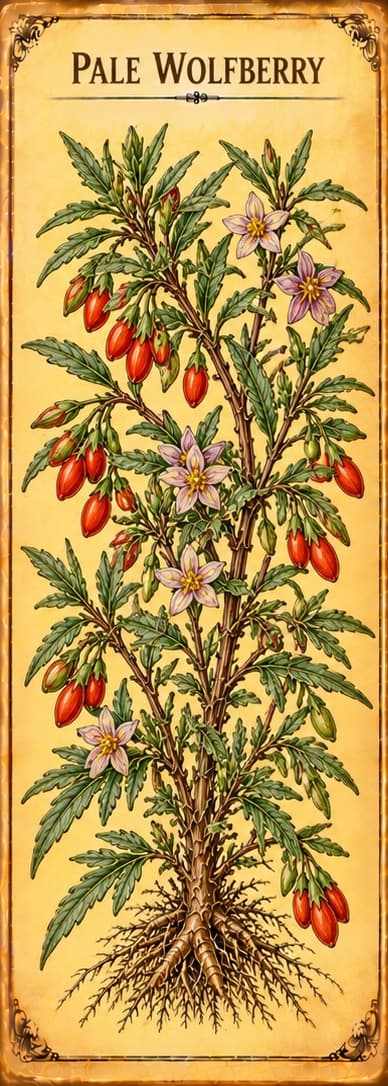
Botanical illustration of Pale Wolfberry

Pale Wolfberry

Lycium pallidum

A desert shrub whose red berries were an important food for the Navajo, Hopi and other Southwestern peoples.

No. 060Culinary
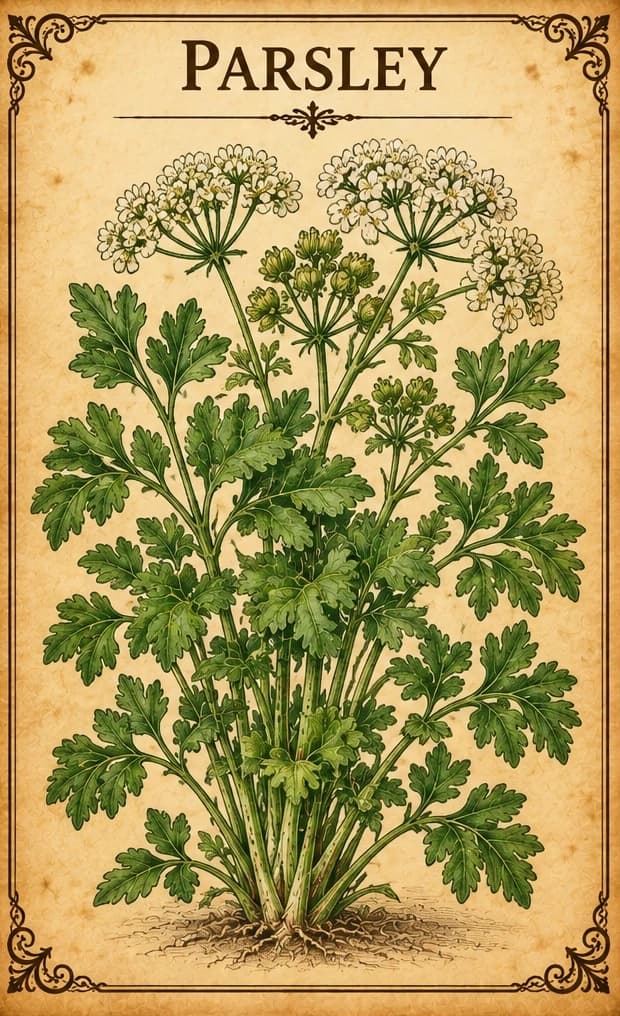
Botanical illustration of Parsley

Parsley

Petroselinum crispum

A versatile, mild kitchen herb used as both a garnish and a flavor base.

No. 061Culinary
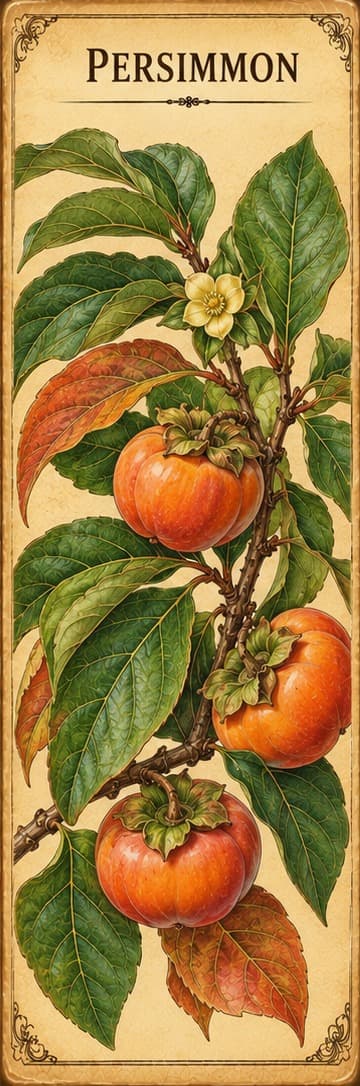
Botanical illustration of Persimmon

Persimmon

Diospyros kaki

An orange fruit rich in antioxidants. In a trial, a persimmon extract helped overweight adults lose body fat.

No. 062Culinary
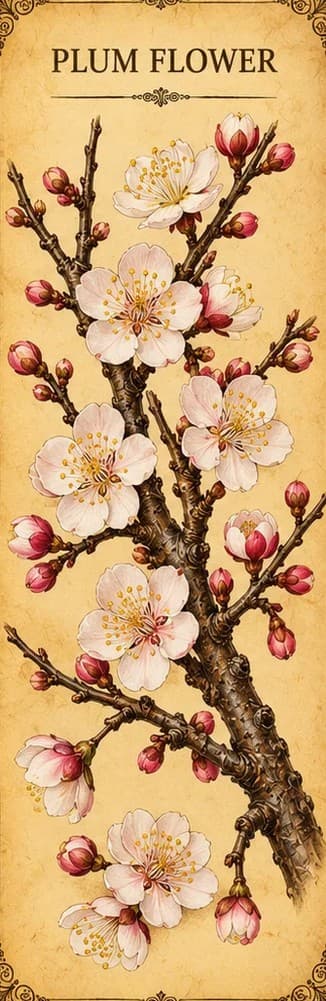
Botanical illustration of Plum Flower

Plum Flower

Prunus mume

The blossom of the Japanese apricot (Prunus mume), an edible flower and herbal medicine (Mume Flos) rich in antioxidants. Research is in the lab and in mice.

No. 063Culinary
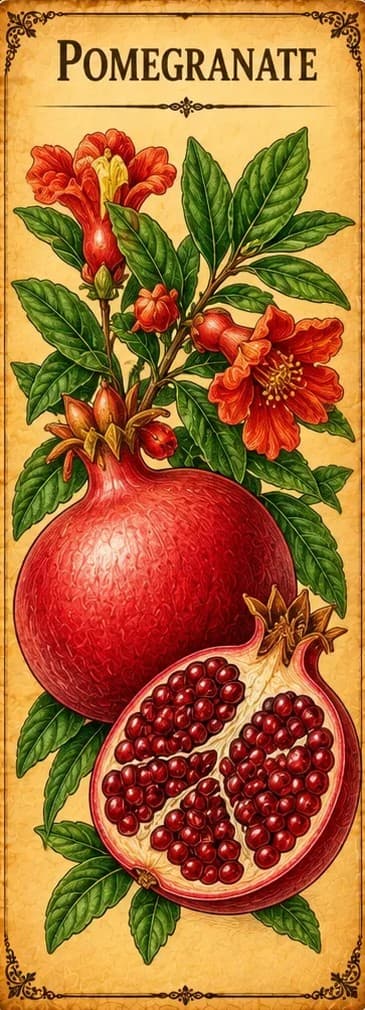
Botanical illustration of Pomegranate

Pomegranate

Punica granatum

A Middle Eastern fruit whose juice may help lower blood pressure and blood sugar slightly. The root, stem and peel may be unsafe in large amounts.

No. 064Culinary
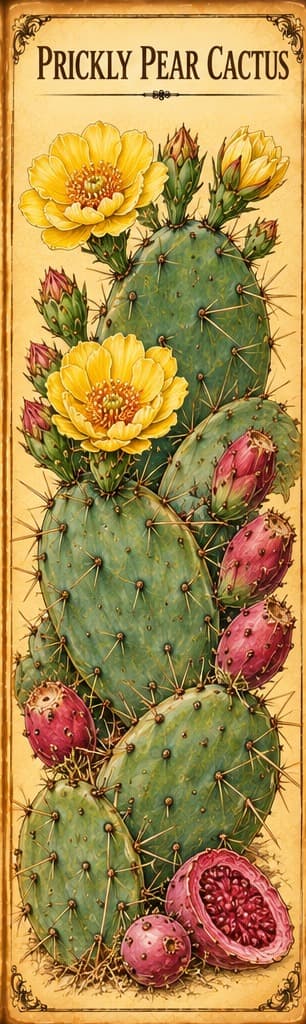
Botanical illustration of Prickly Pear Cactus

Prickly Pear Cactus

Opuntia ficus-indica

The nopal cactus of Mexico, eaten as a vegetable and fruit. It's rich in antioxidants, and small studies suggest it may raise antioxidant levels and help with weight.

No. 065Culinary
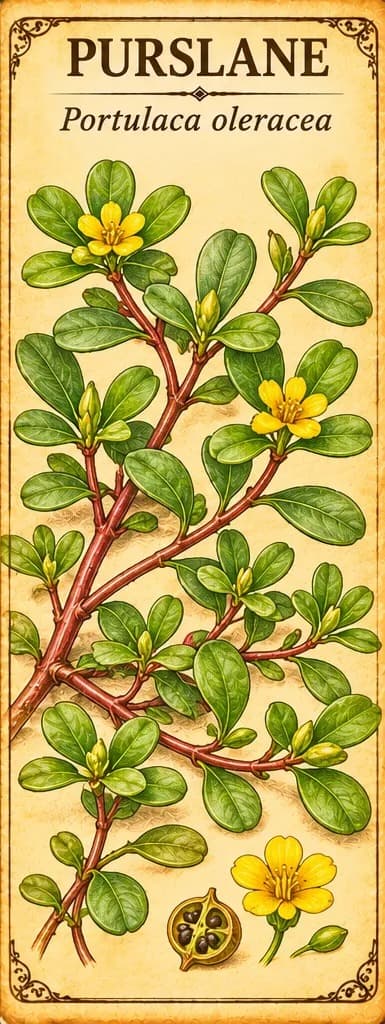
Botanical illustration of Purslane

Purslane

Portulaca oleracea

A leafy plant eaten as a vegetable and used as a folk medicine, called pussley in Trinidad. Reviews of trials found it may lower fasting blood sugar a little and improve cholesterol in people with type 2 diabetes.

No. 066Culinary
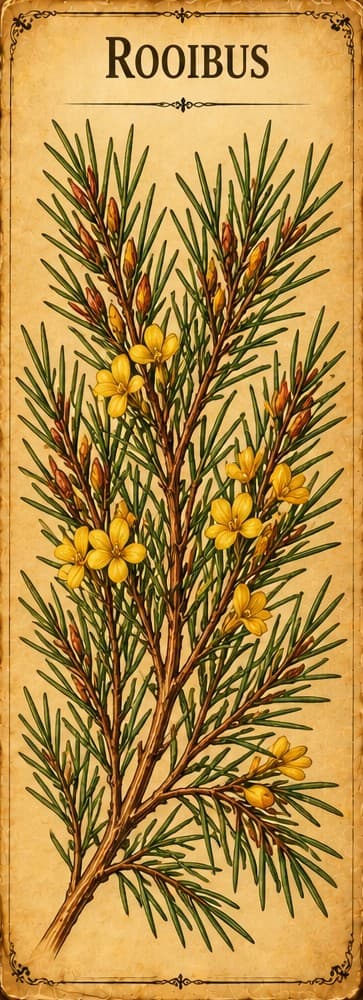
Botanical illustration of Rooibos

Rooibos

Aspalathus linearis

A South African shrub whose leaves make a caffeine-free red tea. A few small studies in people have mixed results, and there are rare reports of liver injury.

No. 067Culinary
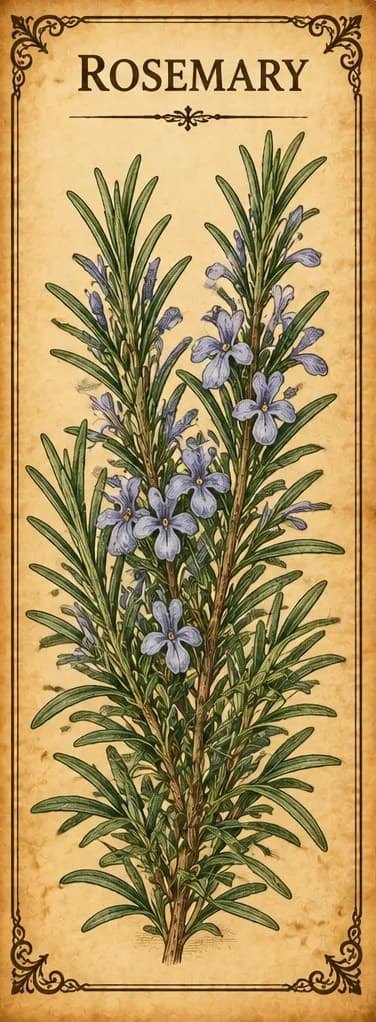
Botanical illustration of Rosemary

Rosemary

Salvia rosmarinus

A woody, pine-scented kitchen herb popular in roasted dishes and hair care.

No. 068Culinary
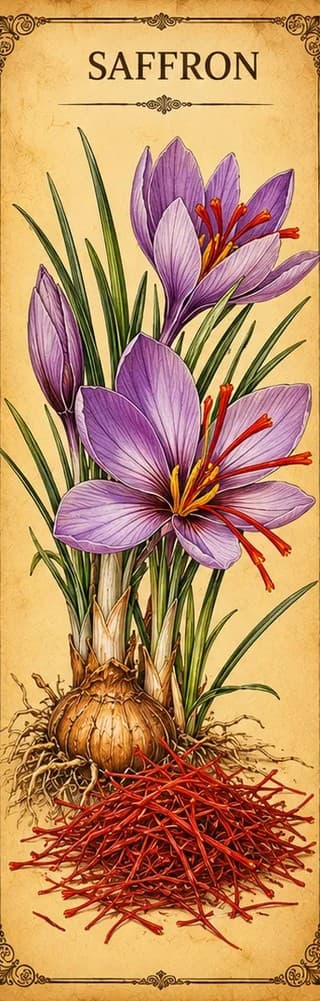
Botanical illustration of Saffron

Saffron

Crocus sativus

A costly spice made from the red threads of the saffron crocus flower, used for thousands of years in Chinese and Persian medicine. Small trials, all in Iran, suggest it may help depression.

No. 069Culinary
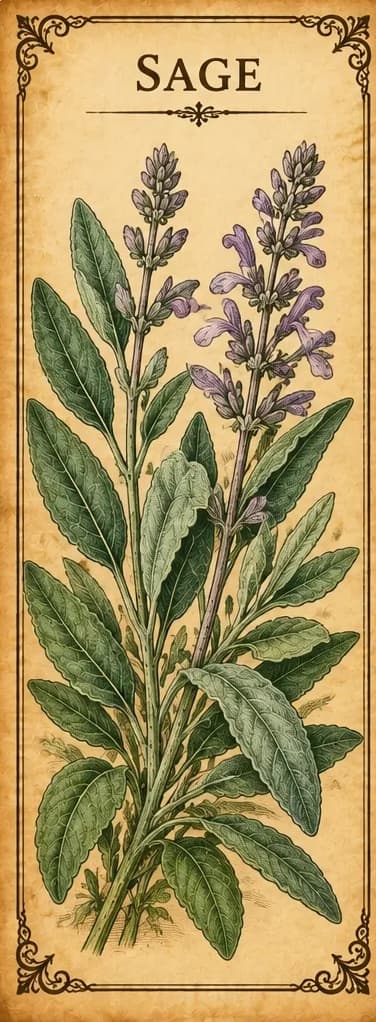
Botanical illustration of Sage

Sage

Salvia officinalis

A silvery-leaved kitchen herb with a savory, slightly peppery flavor, traditionally used for sore throats and indigestion.

No. 070Culinary
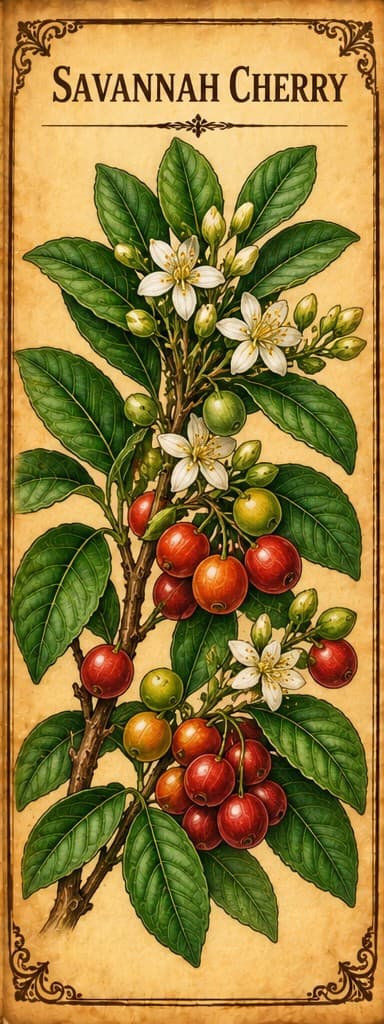
Botanical illustration of Savannah Cherry

Savannah Cherry

Eugenia calycina

A threatened shrub of Brazil's Cerrado savanna with small red berries rich in antioxidant pigments. Its leaf oil killed mosquito larvae in lab tests.

No. 071Culinary
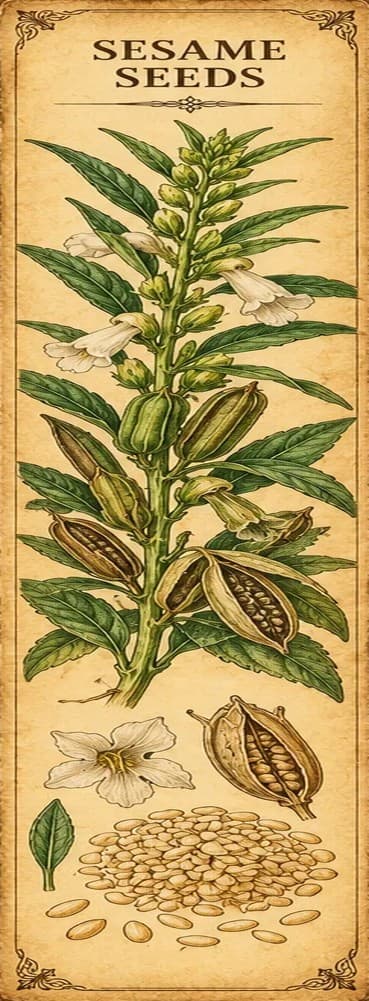
Botanical illustration of Sesame Seeds

Sesame Seeds

Sesamum indicum

A common food seed and oil. Trials suggest sesame products may lower long-term blood sugar and inflammation. Sesame is a major food allergen.

No. 072Culinary
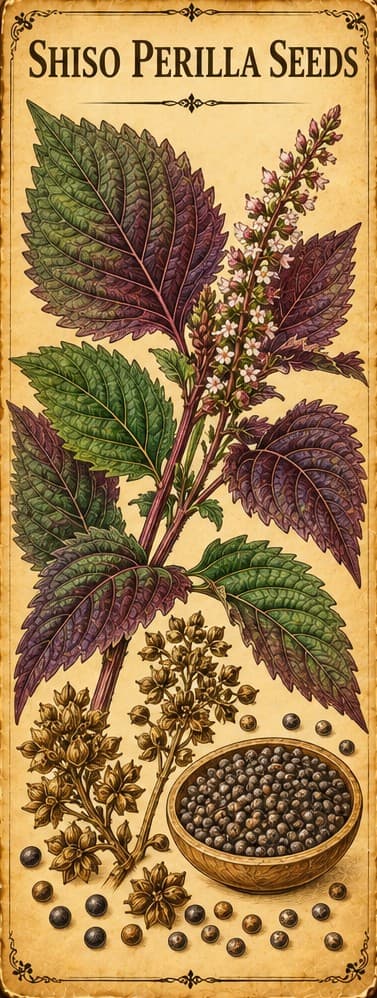
Botanical illustration of Shiso Perilla Seeds

Shiso Perilla Seeds

Perilla frutescens

Seeds of the perilla (shiso) plant, an East Asian oilseed. They're about 30–45% oil, rich in an omega-3 fat called alpha-linolenic acid. Perilla seeds can cause serious allergic reactions, especially in young children.

No. 073Culinary
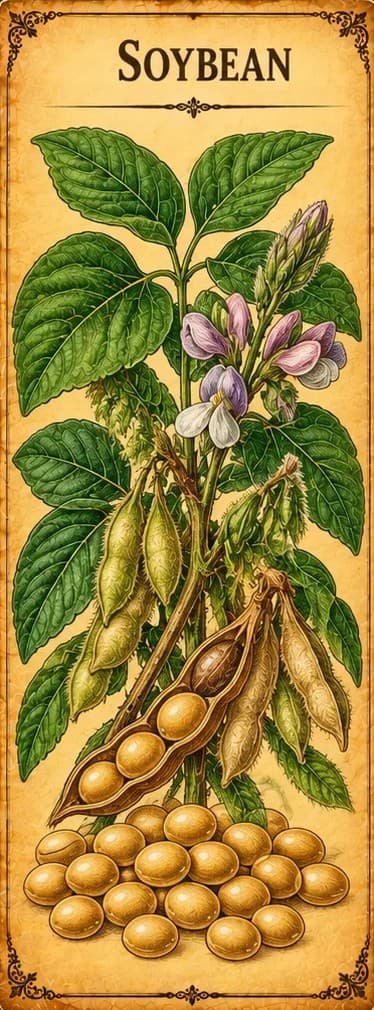
Botanical illustration of Soybean

Soybean

Glycine max

A bean long grown in Asia and eaten as tofu, miso, tempeh, edamame and soy milk. Soy protein may lower cholesterol slightly, and isoflavones may ease hot flashes a little.

No. 074Culinary
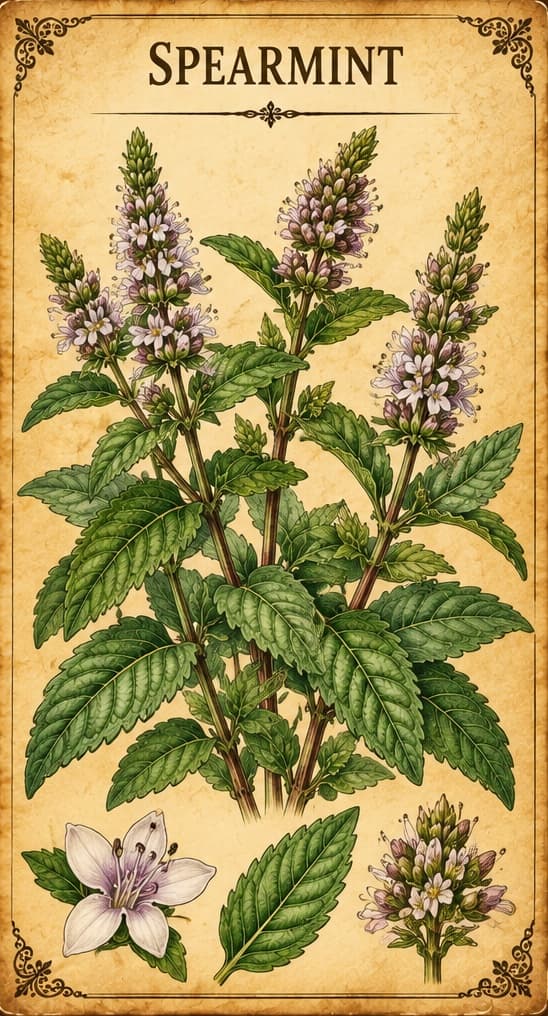
Botanical illustration of Spearmint

Spearmint

Mentha spicata

A mint grown worldwide as a flavoring and tea, traditionally used for colds, coughs and digestive problems. Small trials suggest spearmint tea may lower testosterone in women with PCOS, and an extract may slightly help memory and attention.

No. 075Culinary
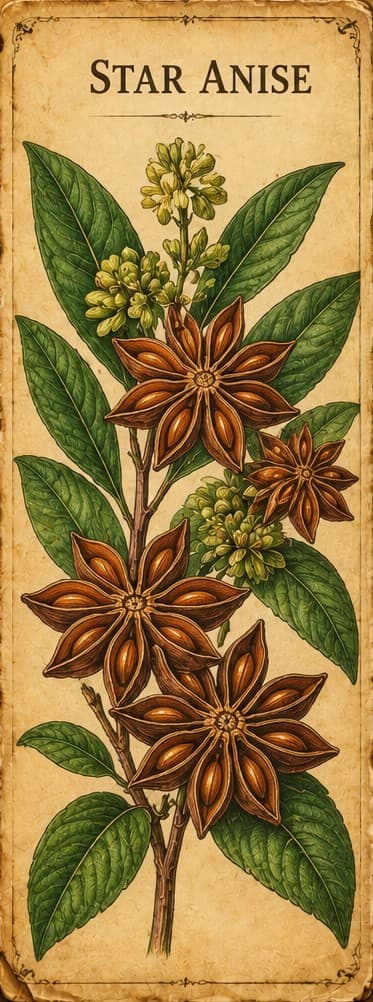
Botanical illustration of Star Anise

Star Anise

Illicium verum

The star-shaped fruit of an evergreen tree, used as a spice and in traditional Chinese medicine. Don't give star anise tea to babies: it has made infants seriously ill.

No. 076Culinary
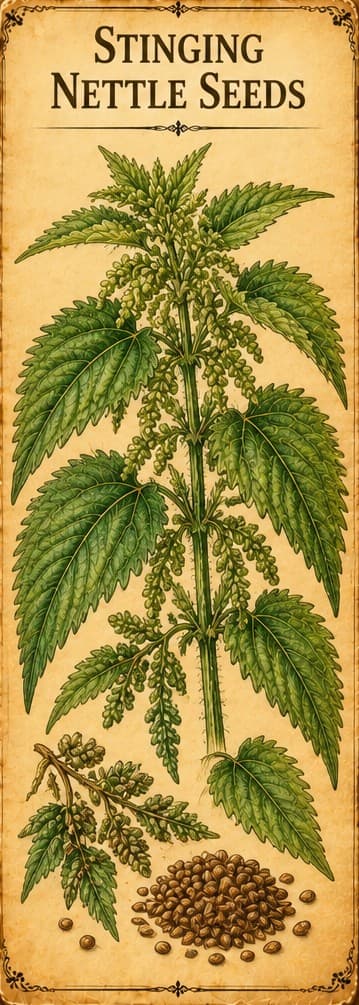
Botanical illustration of Stinging Nettle Seeds

Stinging Nettle Seeds

Urtica dioica

The seeds of the stinging nettle plant. They give an edible oil rich in linoleic acid, but their medicinal use hasn't been studied.

No. 077Culinary
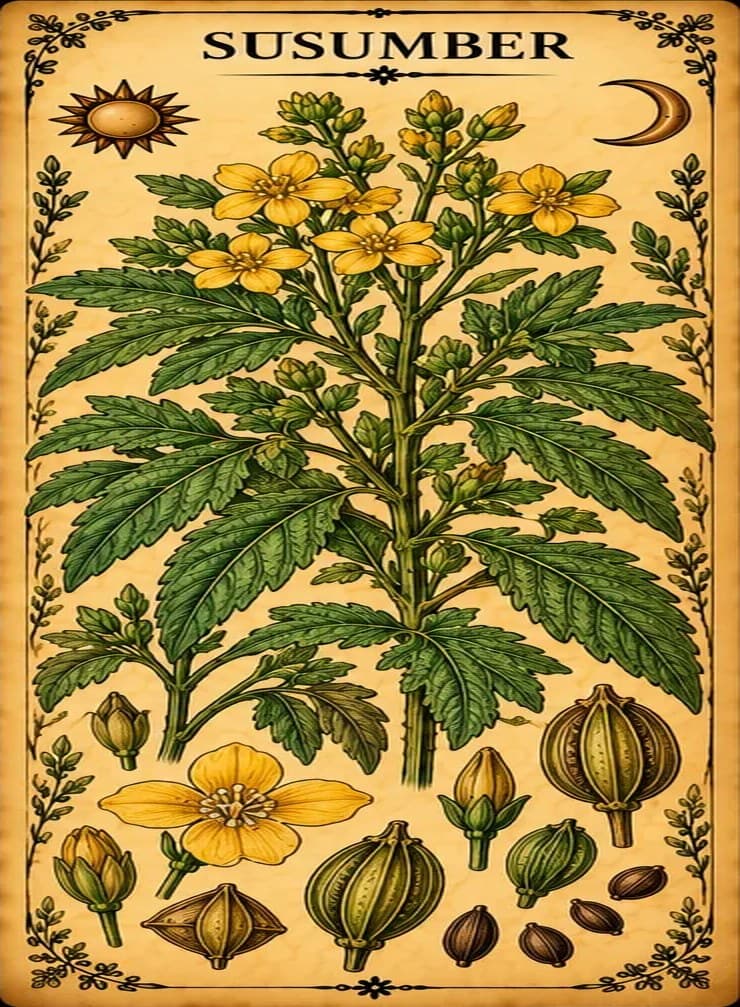
Botanical illustration of Susumber

Susumber

Solanum torvum

Turkey berry, a small berry from the nightshade family cooked in Jamaican dishes and used in traditional medicine in Asia, Africa and South America. Some batches of berries have caused serious poisoning.

No. 078Culinary
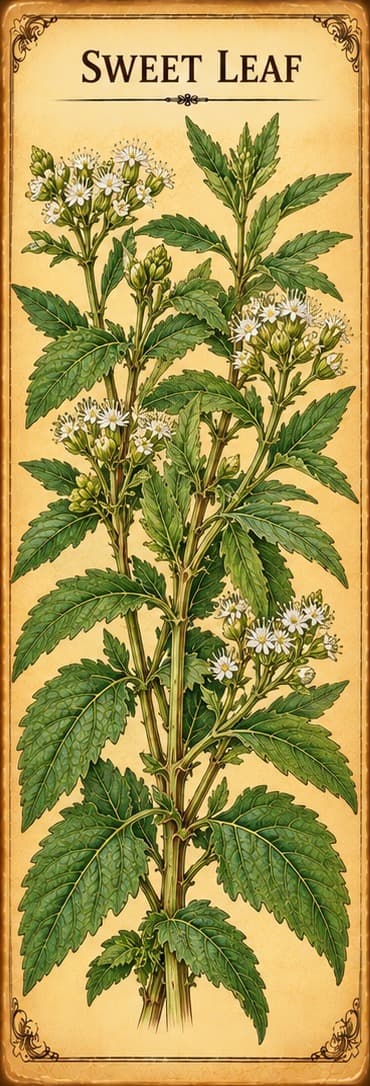
Botanical illustration of Sweet Leaf

Sweet Leaf

Stevia rebaudiana

Stevia, a South American plant whose leaves give sugar-free sweeteners. Short human studies found little effect on blood sugar or weight.

No. 079Culinary
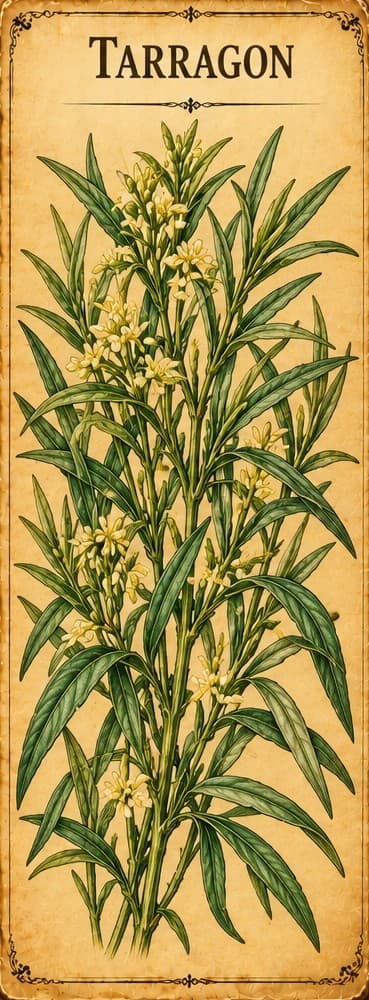
Botanical illustration of Tarragon

Tarragon

Artemisia dracunculus

A kitchen herb used in traditional medicine in Iran, Pakistan, Azerbaijan and India for digestive problems, pain, sleep and worms. Its essential oil is high in estragole, a substance of concern, though water extracts contain very little.

No. 080Culinary
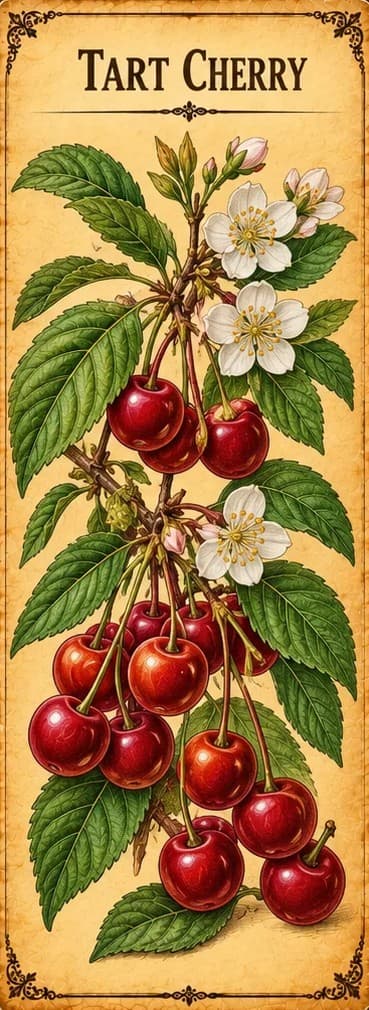
Botanical illustration of Tart Cherry

Tart Cherry

Prunus cerasus

A sour cherry whose juice and concentrate are popular with athletes. Reviews found it modestly helps exercise recovery and endurance.

No. 081Culinary
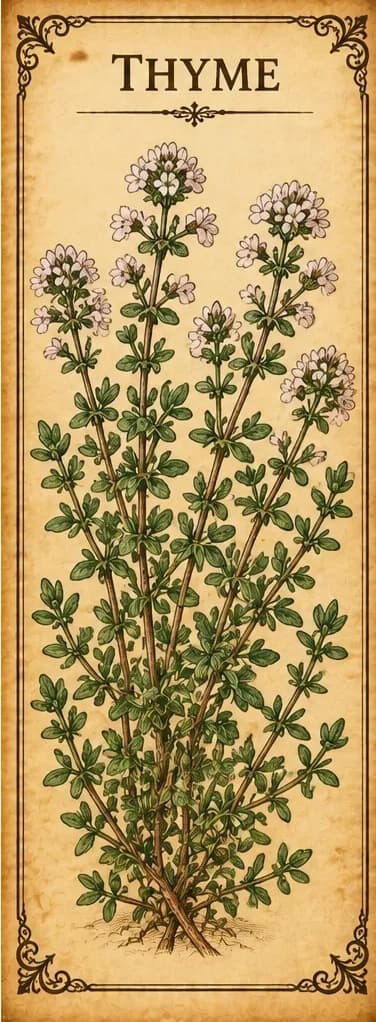
Botanical illustration of Thyme

Thyme

Thymus vulgaris

A small-leaved, earthy herb used widely in savory cooking and traditionally in cough remedies.

No. 082Culinary
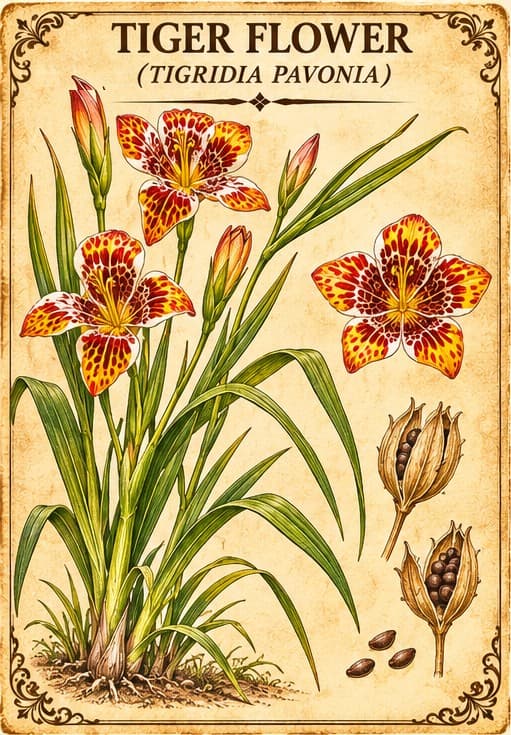
Botanical illustration of Tiger Flower

Tiger Flower

Tigridia pavonia

A Mexican iris with spotted flowers, whose small corm is baked and eaten and tastes like sweet potato. Its flowers are offerings to saints in Michoacán.

No. 083Culinary
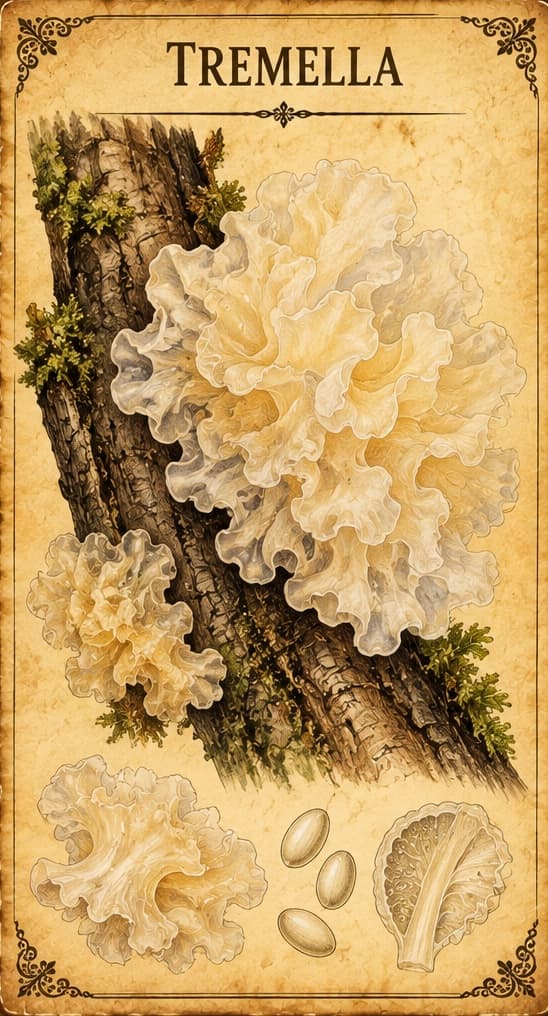
Botanical illustration of Tremella

Tremella

Tremella fuciformis

Snow fungus, an edible white, frilly fungus eaten and used in Chinese medicine for centuries. Most research is in the lab; one small trial suggests it may help with memory complaints.

No. 084Culinary
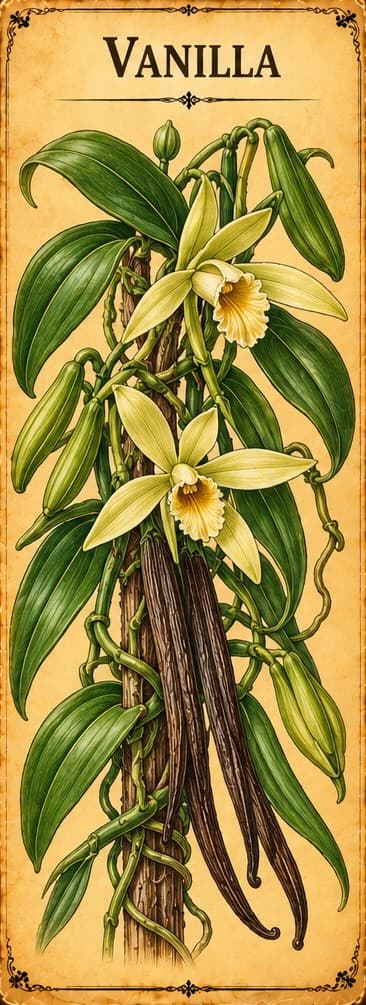
Botanical illustration of Vanilla

Vanilla

Vanilla planifolia

The cured pods of a Mexican climbing orchid, the source of vanilla flavor. Known as tlilxochitl to the Aztecs, it was one of the first Mexican plants with medicinal uses recorded after the Spanish arrived.

No. 085Culinary
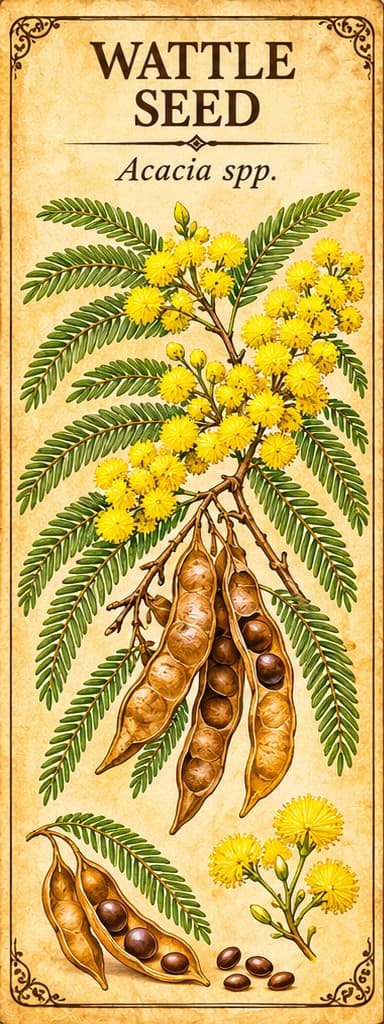
Botanical illustration of Wattle Seed

Wattle Seed

Acacia spp.

The roasted, ground seeds of certain Australian wattles, a staple food of Aboriginal communities. They're rich in protein and fiber.

No. 086Culinary
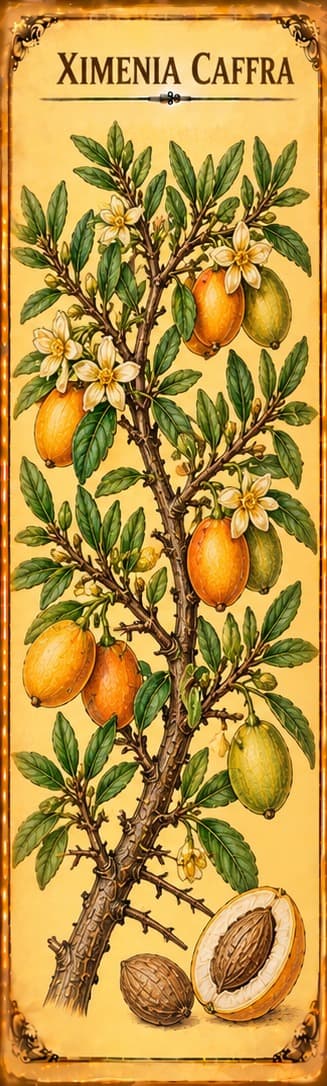
Botanical illustration of Ximenia Caffra

Ximenia Caffra

Ximenia caffra

Sour plum, a well-known wild fruit of southern Africa. Its seed extract eased arthritis in rats.

No. 087Culinary
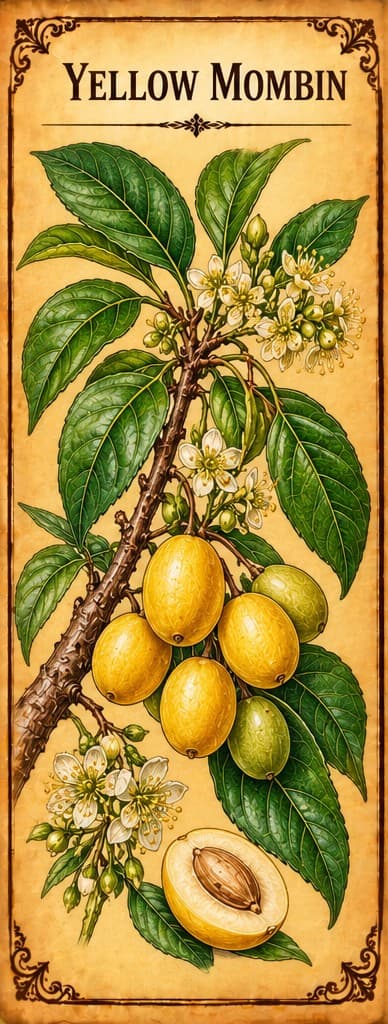
Botanical illustration of Yellow Mombin

Yellow Mombin

Spondias mombin

A tropical tree with tart yellow fruit (taperebá or cajá in Brazil), used in folk medicine for digestive problems, fever and wounds. The fruit is rich in antioxidants; medicinal effects have only been studied in animals.

No. 088Culinary
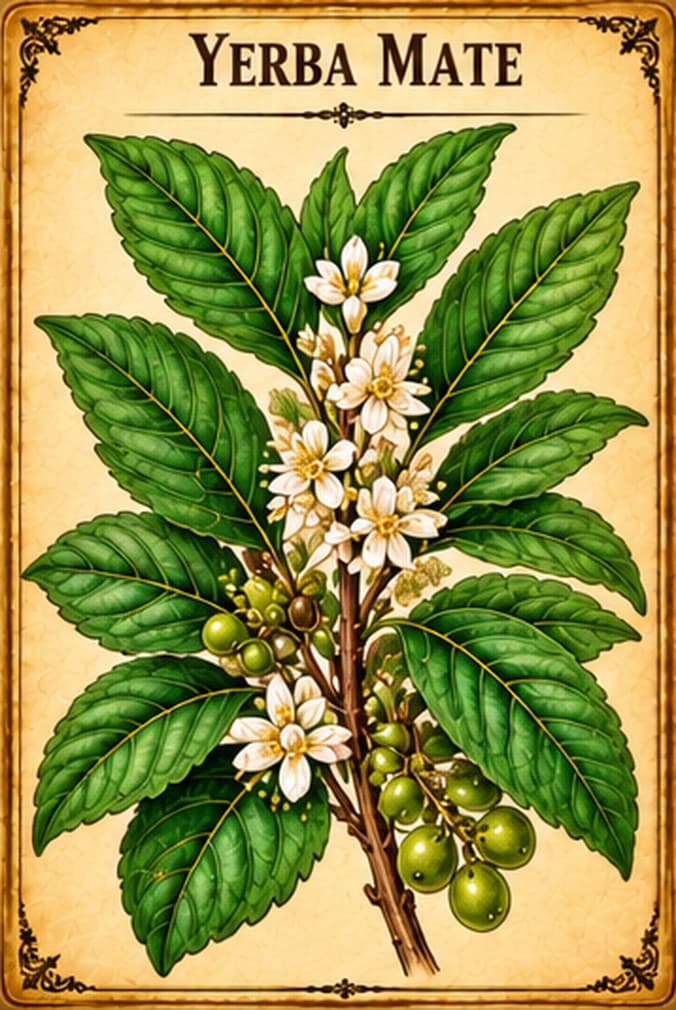
Botanical illustration of Yerba Mate

Yerba Mate

Ilex paraguariensis

A South American drink made from the dried leaves of a holly tree. Trials hint it may help blood sugar control, but found no effect on cholesterol.