
Immune
Immune Support (Colds and Flu)
Herbs used to help the body resist or recover from colds, flu and other infections. No herb replaces vaccines or medical treatment. See a doctor for a high fever, trouble breathing, or an illness that lasts or keeps coming back.
Herbs can't replace vaccines or medical treatment for infections. Several herbs promoted as immune boosters have caused liver or kidney damage, and some affect medicines that suppress the immune system. Check with your doctor or pharmacist, especially if you have an autoimmune disease or take regular medicines. These herbs are listed because of traditional use or research, not because they're proven treatments.
22 herbs
Each note says whether the link comes from traditional use or research, and what the research found.
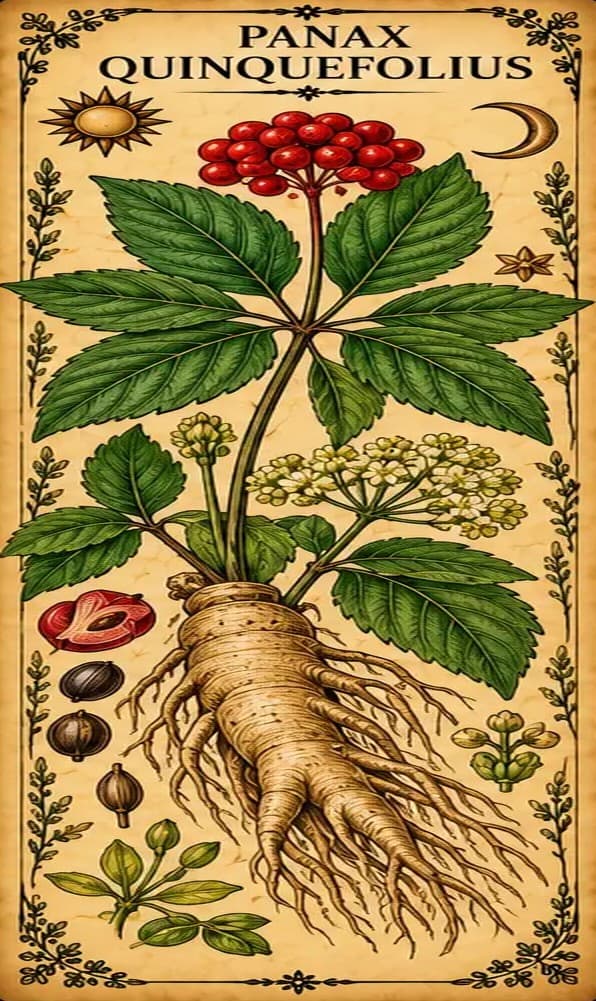 American GinsengPanax quinquefolius
Taken for 8 to 16 weeks, it shortened colds in healthy adults in a few trials; evidence is inconsistent.
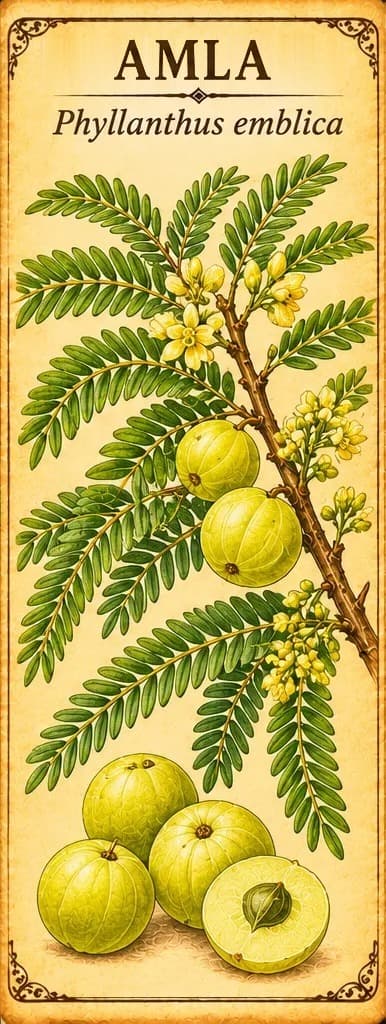 AmlaPhyllanthus emblica
Rich in vitamin C; trials found it lowered a marker of inflammation, but it hasn't been tested for preventing infections.
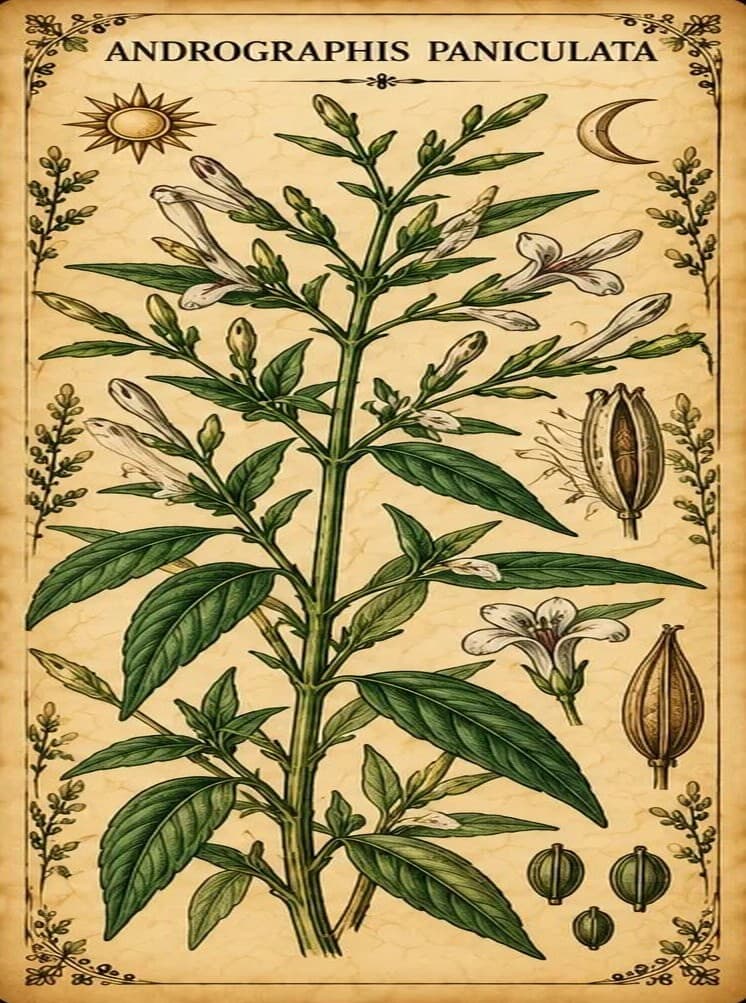 AndrographisAndrographis paniculata
Mostly studied for colds and flu; it may shorten symptoms and make them less severe.
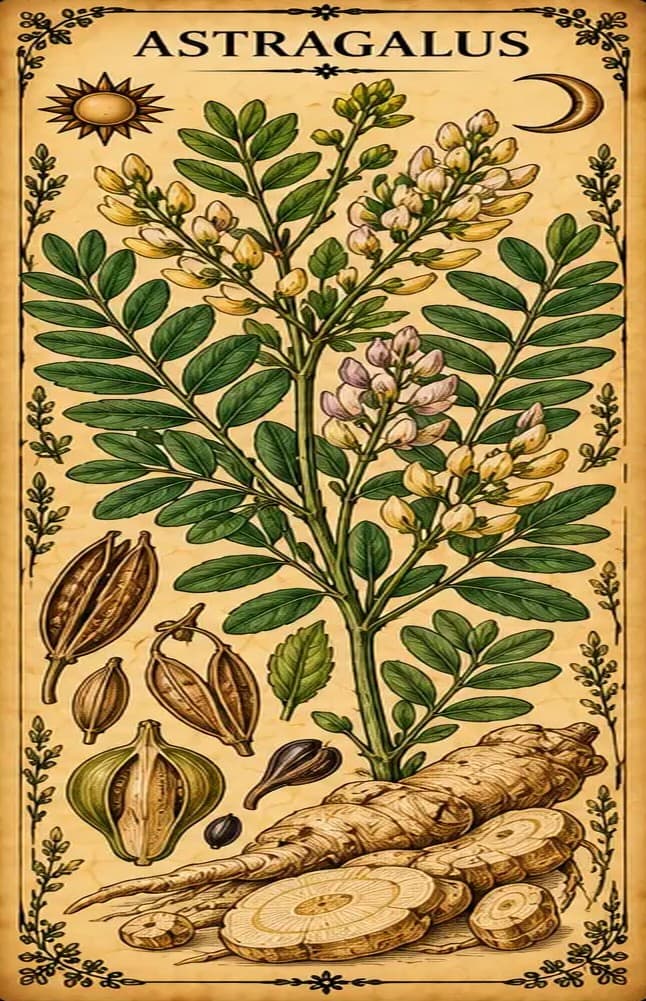 AstragalusAstragalus membranaceus
Promoted to strengthen the immune system; small studies suggest it boosts immune responses, but evidence isn't reliable enough to know if it helps.
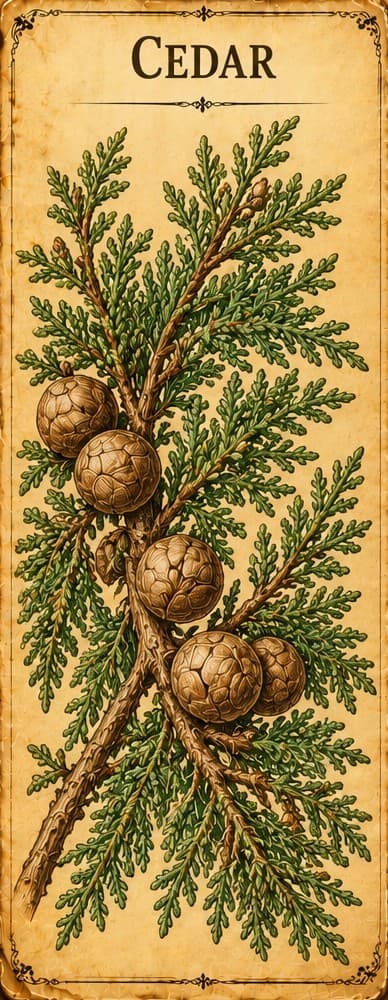 CedarThuja occidentalis
Combined with echinacea and wild indigo in a product studied for colds. Not tested on its own.
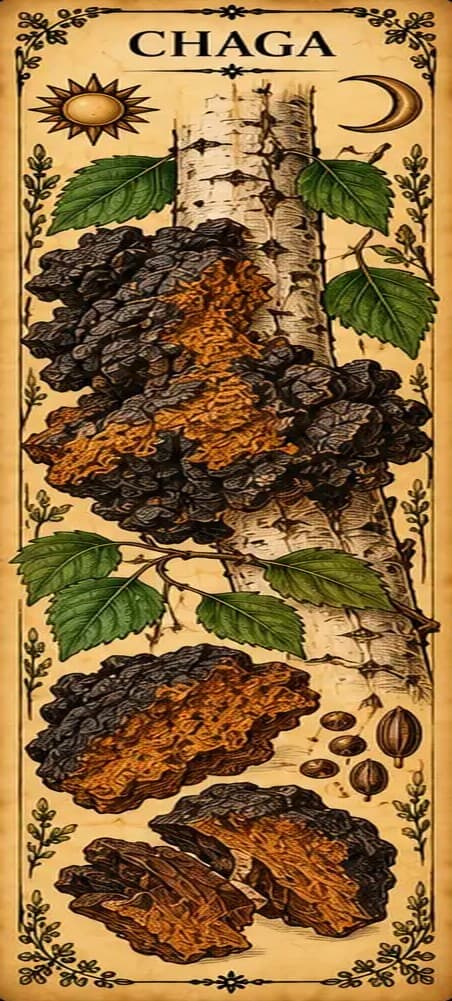 ChagaInonotus obliquus
A traditional Siberian immune remedy; only lab and animal studies exist, and long-term use has damaged kidneys.
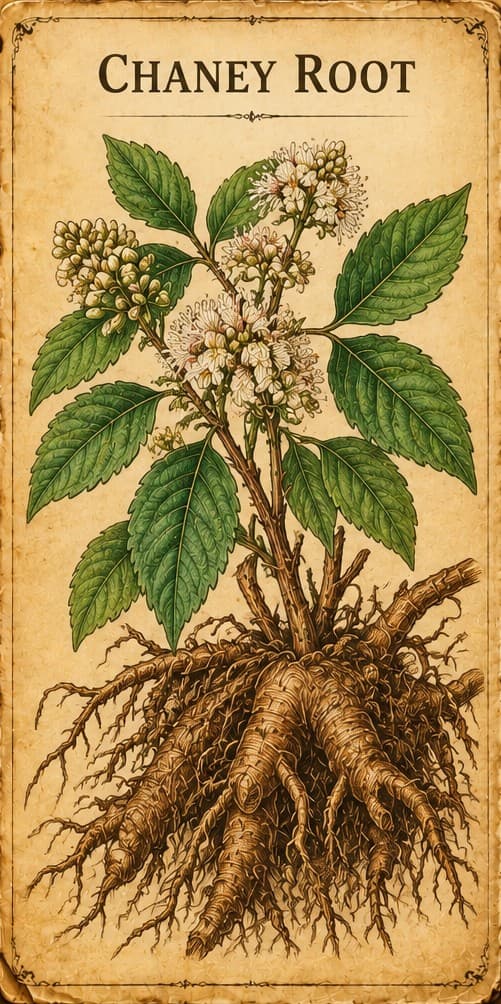 Chaney RootSmilax balbisiana
Traditionally brewed as a tea for colds and flu in Jamaica. Not studied in people.
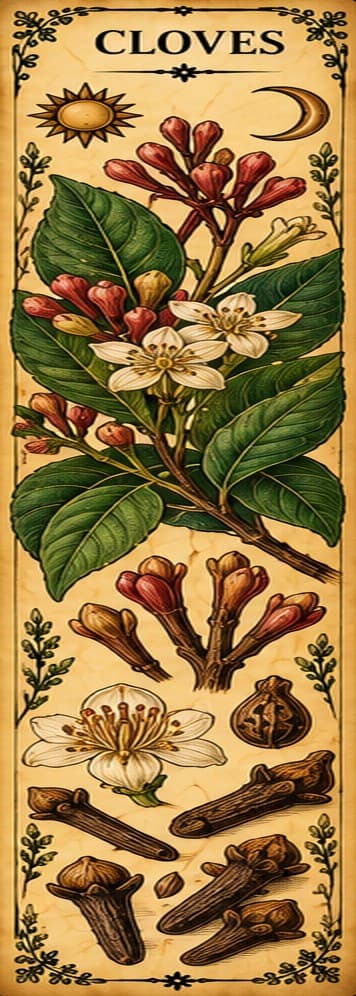 ClovesSyzygium aromaticum
In lab tests clove oil kills bacteria and fungi; it hasn't been tested for immunity in people.
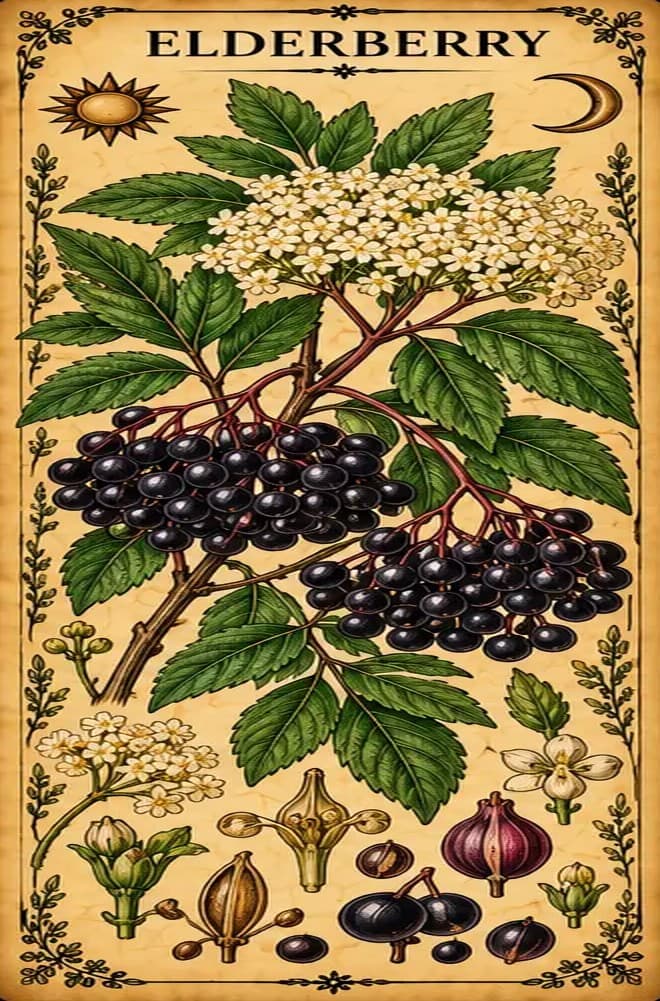 ElderberrySambucus nigra
Traditionally used for colds and flu; a meta-analysis found it eased upper respiratory symptoms, though evidence is preliminary.
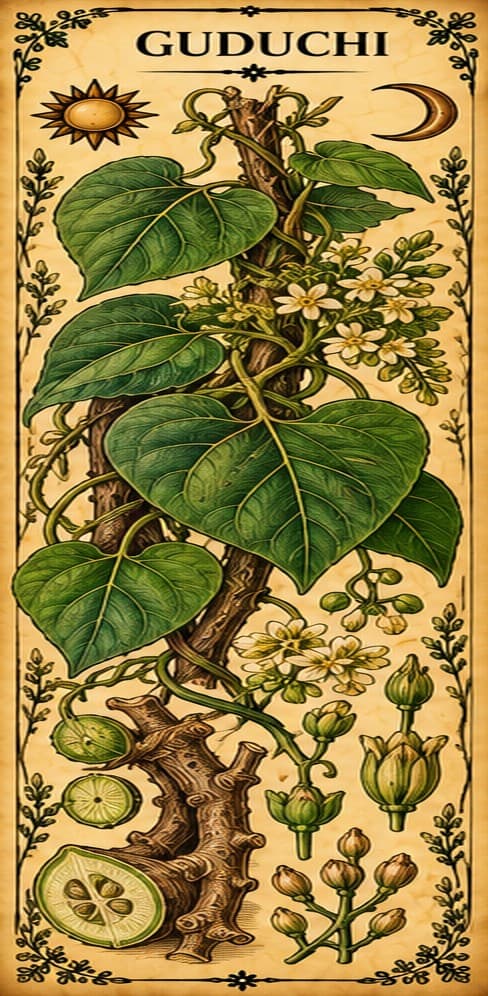 Giloy (Guduchi)Tinospora cordifolia
Promoted in India as an immunity booster; evidence is from lab and animal studies, and liver injury has been reported.
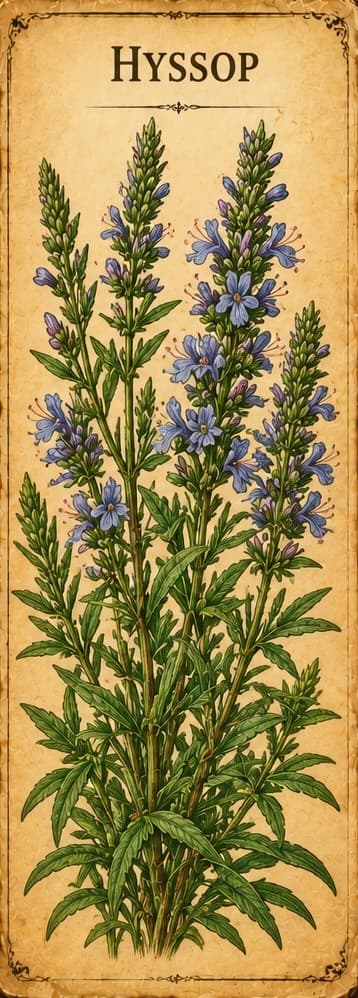 HyssopHyssopus officinalis
Traditionally used for colds. Not tested in trials.
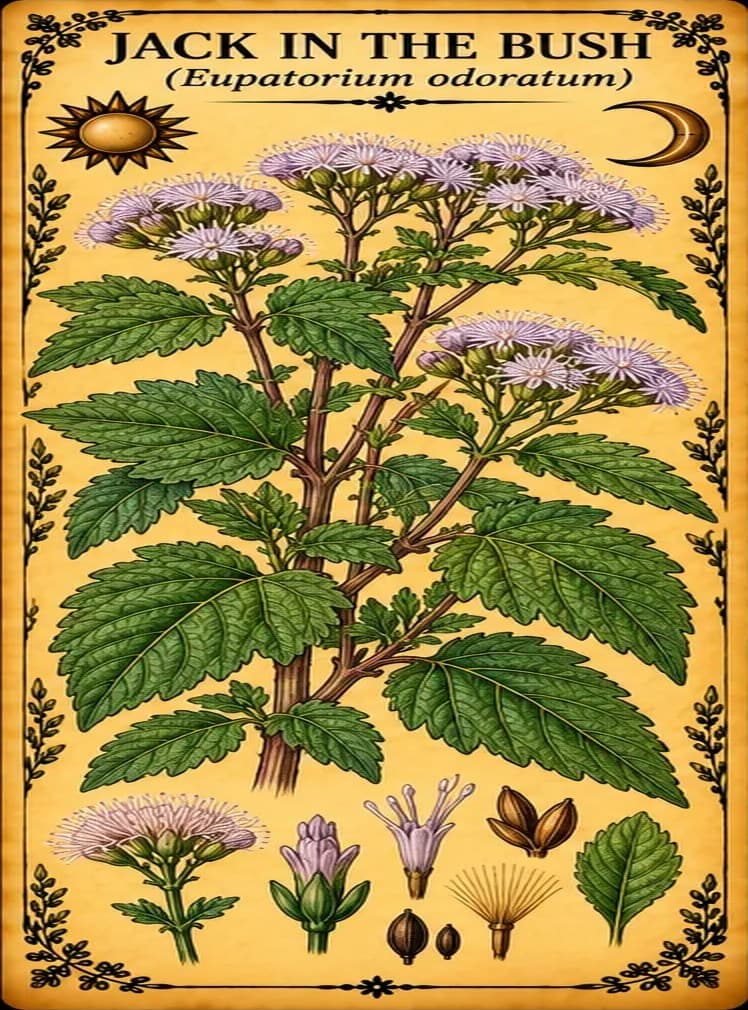 Jack in the BushChromolaena odorata
One of the plants used most often in Jamaica for colds and flu.
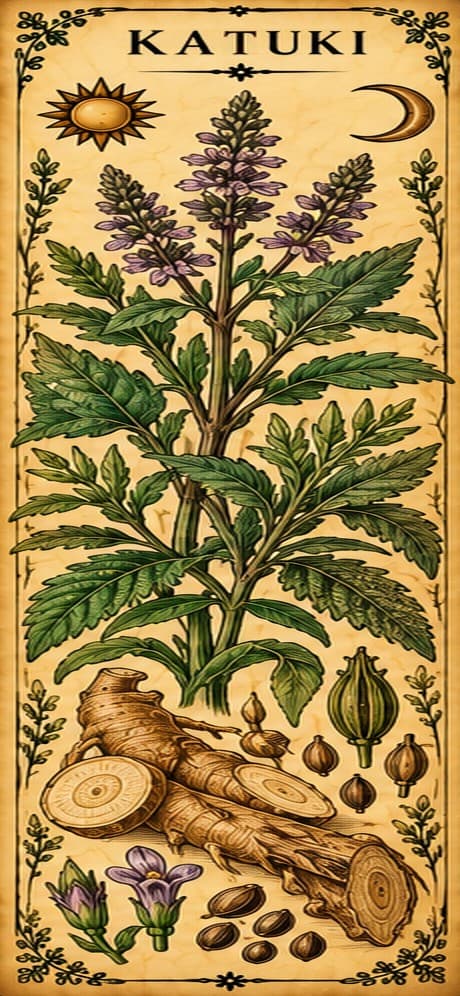 KatukiPicrorhiza kurroa
Traditionally used for recurring fevers; immune effects have been seen only in lab and animal studies.
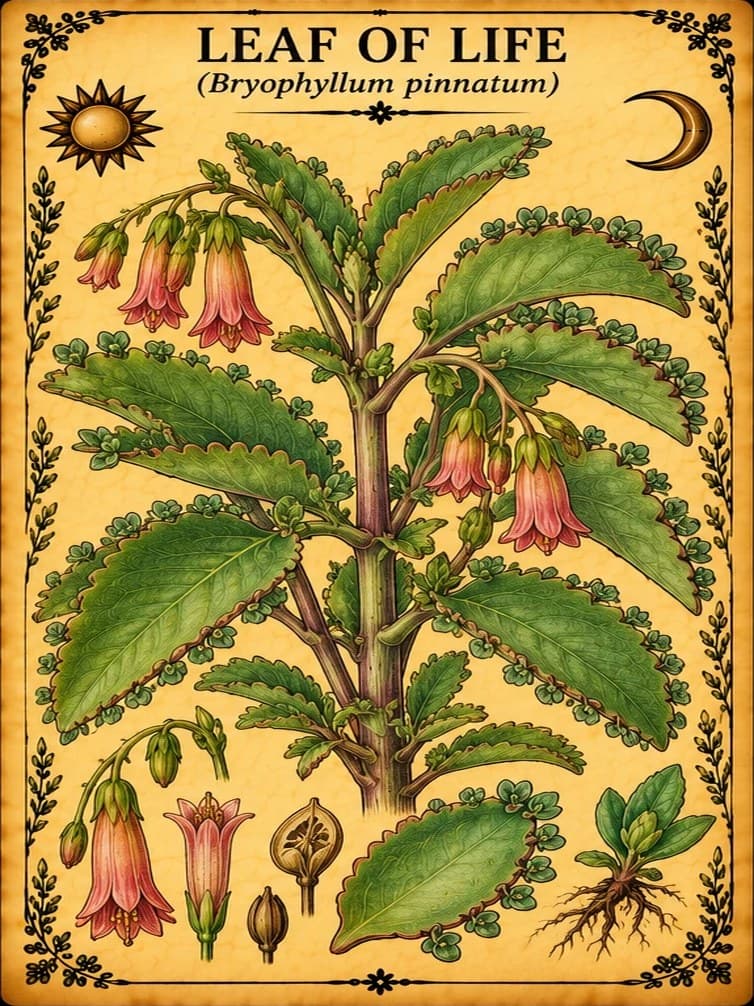 Leaf of LifeBryophyllum pinnatum
One of the plants used most often in Jamaica for colds and flu.
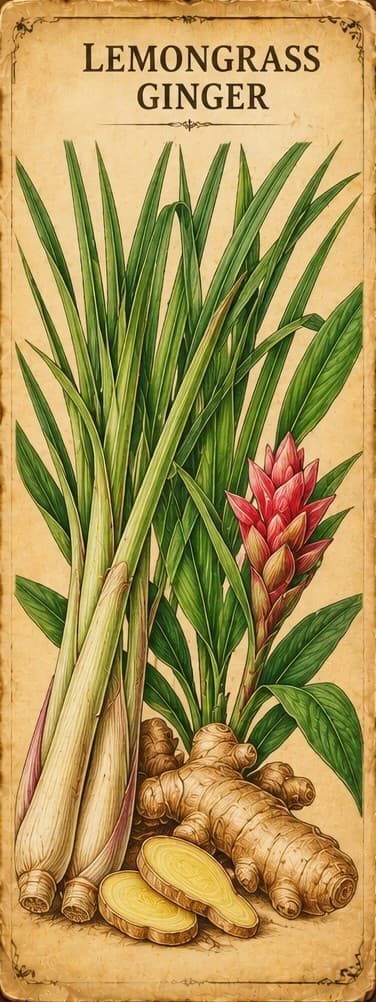 LemongrassCymbopogon citratus
One of Jamaica's most-used teas for colds and flu (as fever grass). Based on tradition, not research.
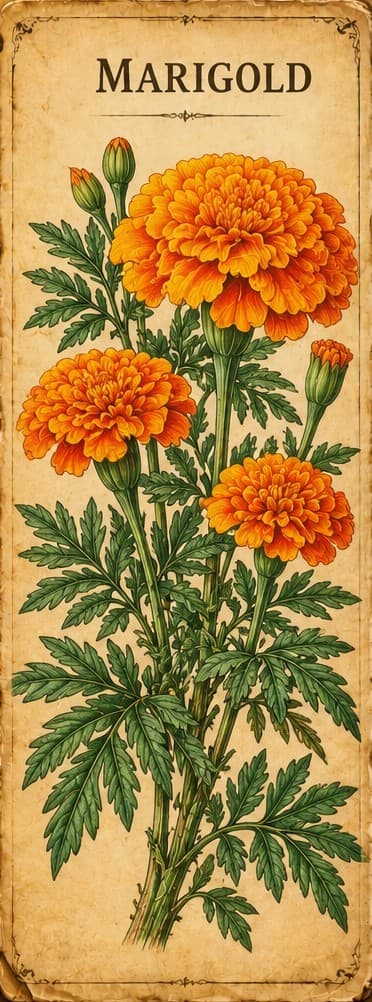 MarigoldTagetes erecta
Marigold flower tea is traditionally drunk for flu and sore throat in Mexico and Guatemala. Not studied in people.
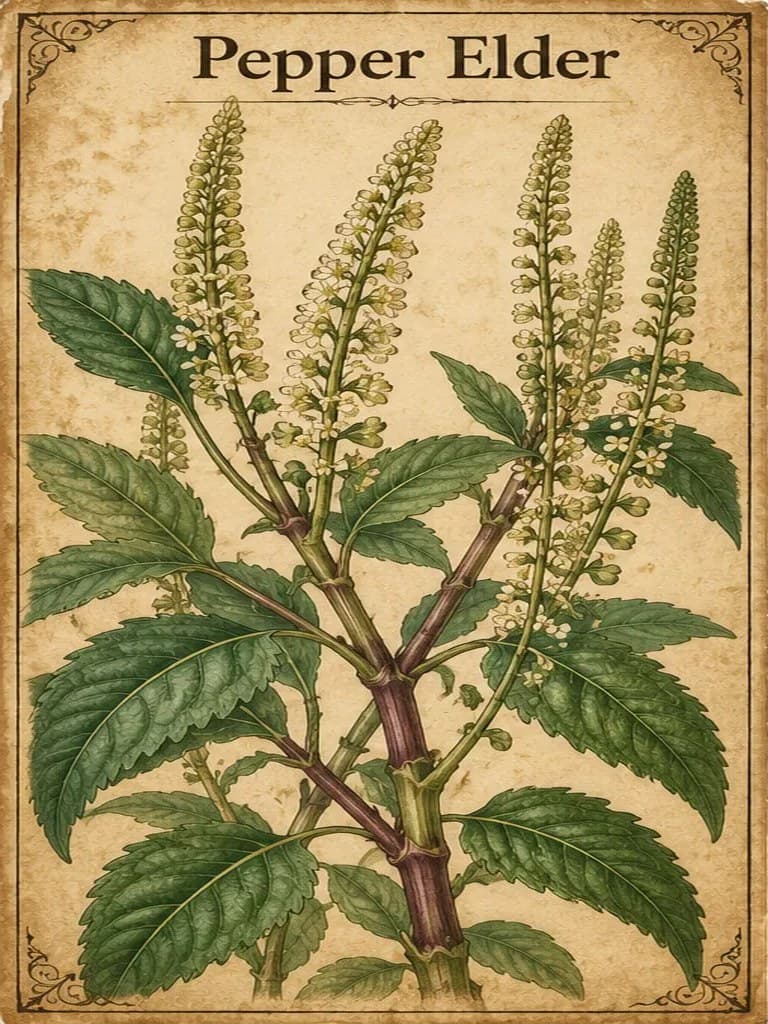 Pepper ElderPiper amalago
An anecdotal Jamaican remedy for colds and flu. This use hasn't been tested in people.
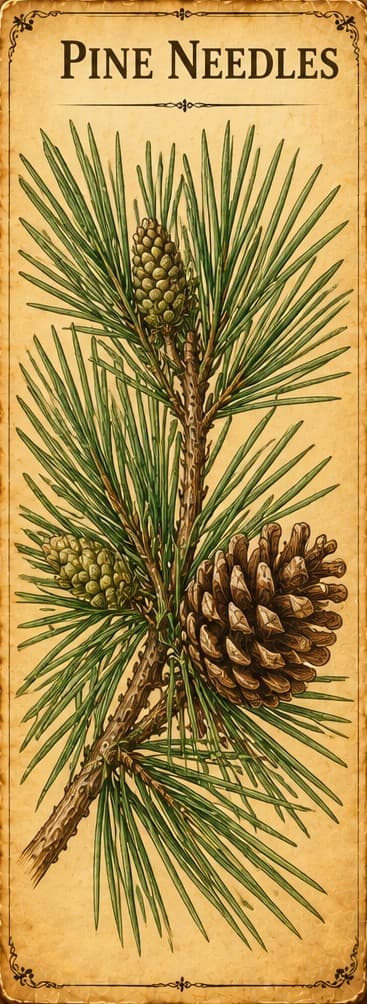 Pine NeedlesPinus spp.
Pine needle tea is traditionally used for colds and flu, and by the Algonquin to strengthen the immune system. Not tested in trials.
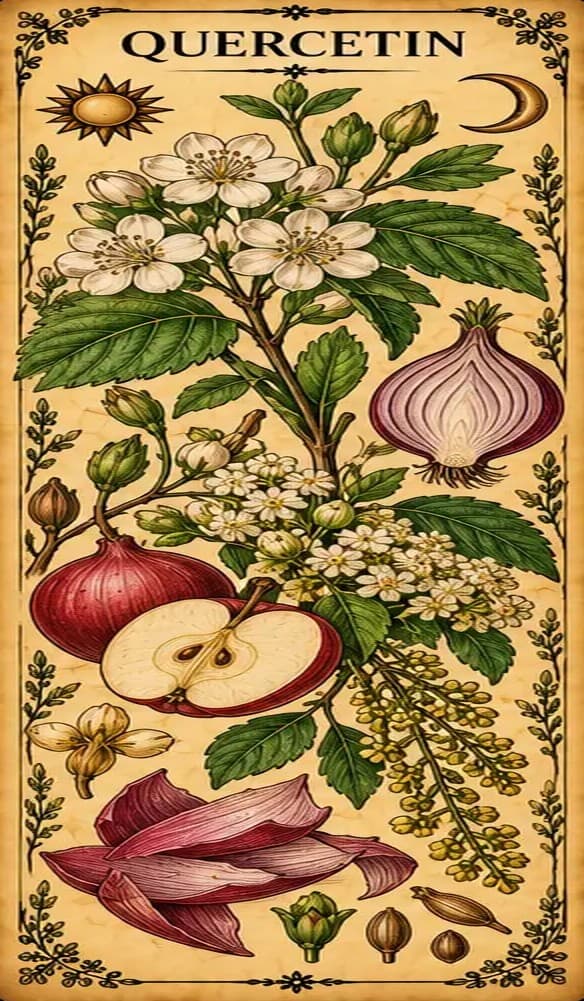 QuercetinPlant flavonoid (found in apples, onions and other foods)
In a large trial it didn't prevent colds overall; a subgroup of fitter older adults had milder illness.
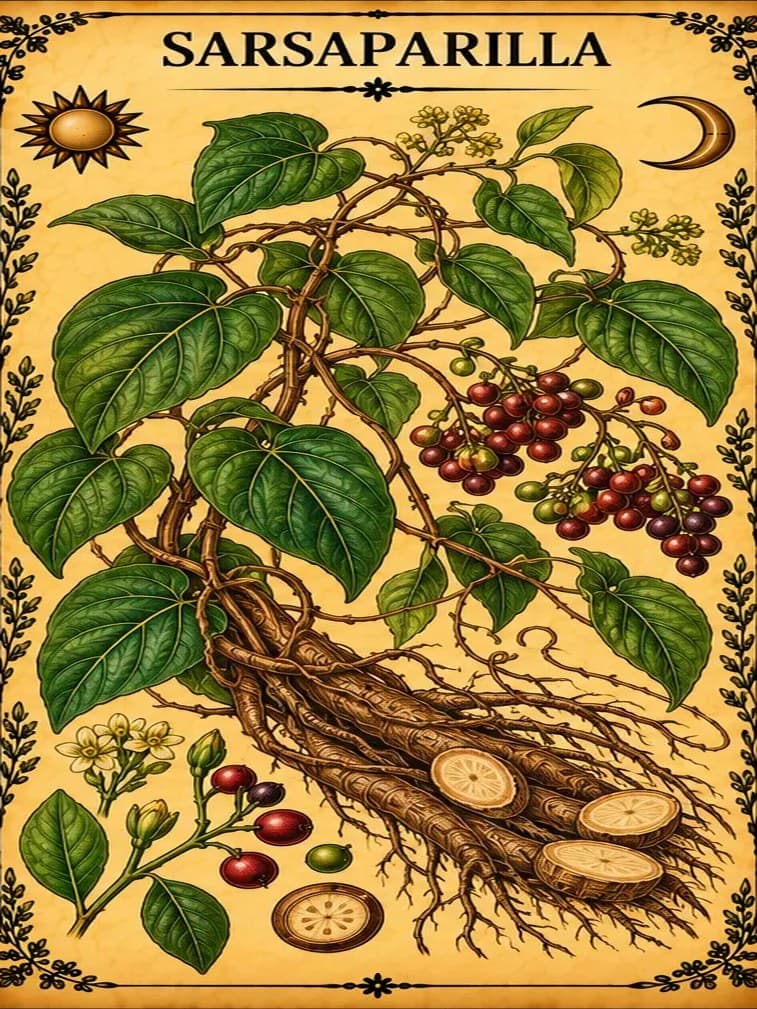 SarsaparillaSmilax ornata
One of the plants used most often in Jamaica for colds and flu.
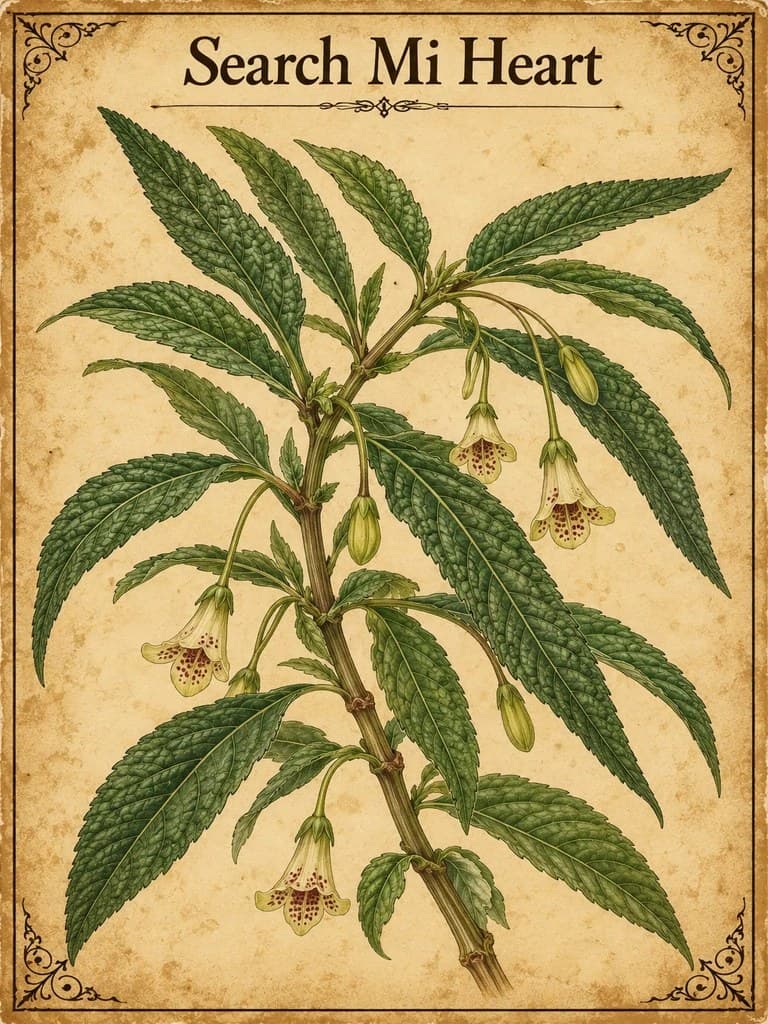 Search Mi HeartRhytidophyllum tomentosum
An anecdotal Jamaican remedy for colds and flu.
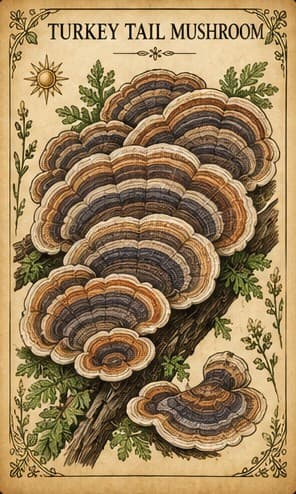 Turkey TailTrametes versicolor
Traditionally used in Chinese medicine to boost the immune system.