
Mediterranean Folk Medicine
15 herbs
These are traditional uses, not proven treatments.
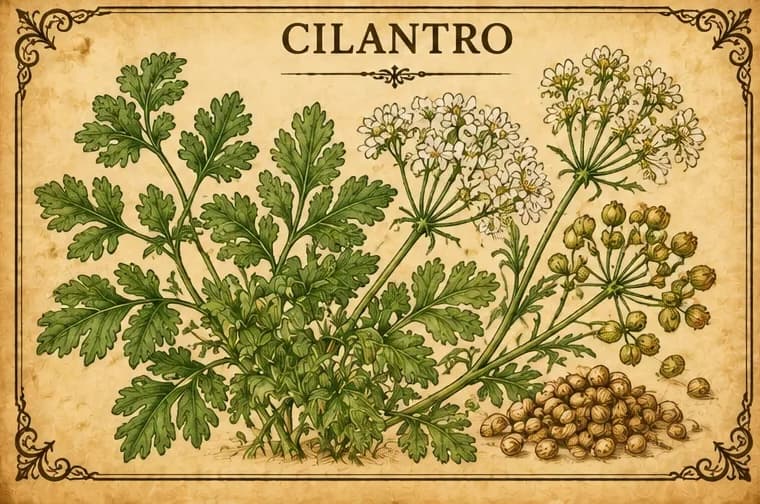 CilantroCoriandrum sativum
Native to the eastern Mediterranean. Traditionally used in Turkey to aid digestion and boost appetite.
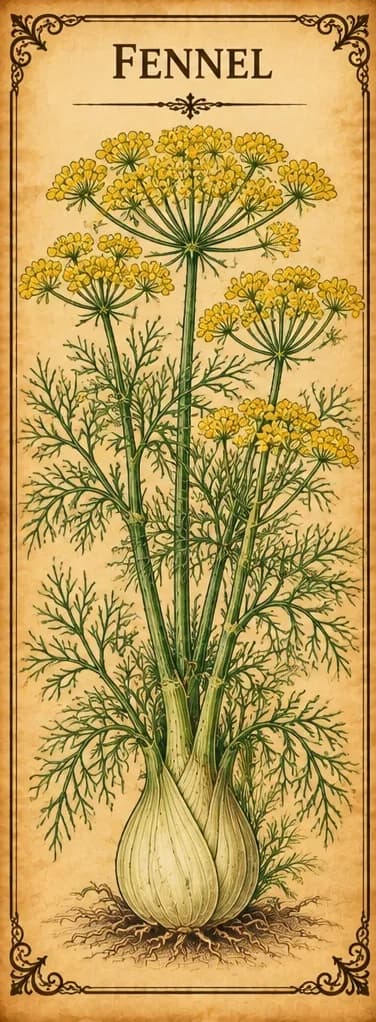 FennelFoeniculum vulgare
Fennel is native to the Mediterranean region (from the Mediterranean to Ethiopia and western Nepal, according to Kew and GBIF). Mediterranean and European folk medicine has long used it to aid digestion and relieve gas, for stomach upsets and constipation, for breathing problems, to reduce inflammation, and to increase breast milk in nursing mothers.
Technical detail: carminative, galactagogue.
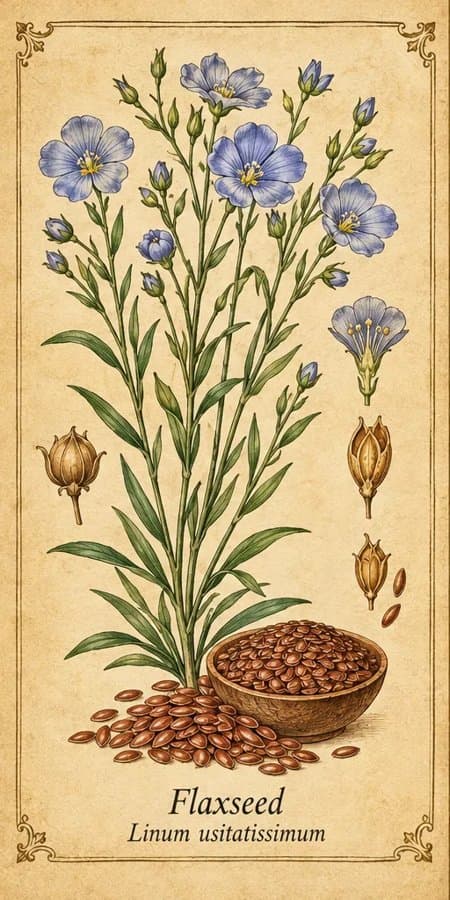 FlaxseedLinum usitatissimum
Used as a laxative in ancient Greece, and to make linen in ancient Egypt.
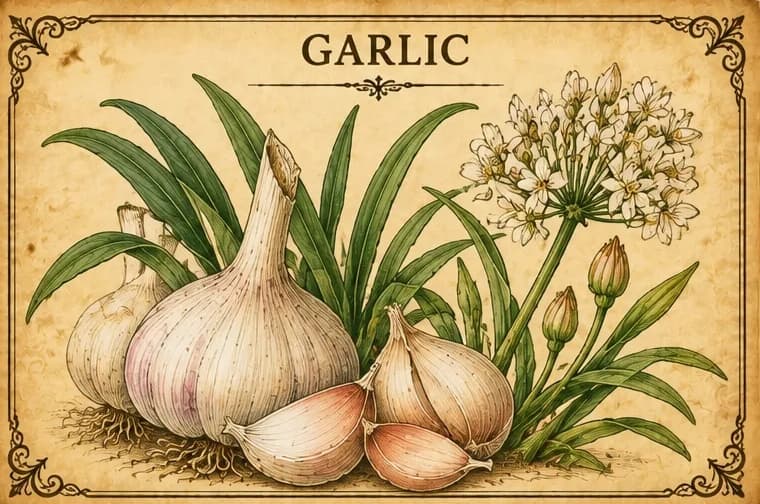 GarlicAllium sativum
Used historically in ancient Egypt and Greece for headaches, pneumonia, throat conditions and digestive problems.
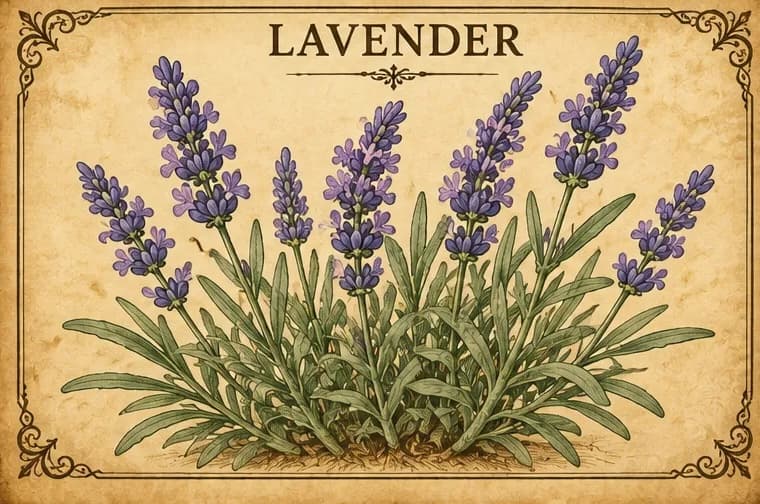 LavenderLavandula angustifolia
The ancient Greeks, Romans and Egyptians used lavender as a medicine and for its scent. They valued it for fighting germs, calming, and easing inflammation. These traditional uses continued in European herbal medicine through the Middle Ages.
Technical detail: traditionally described as antiseptic, calming, anti-inflammatory and antioxidative.
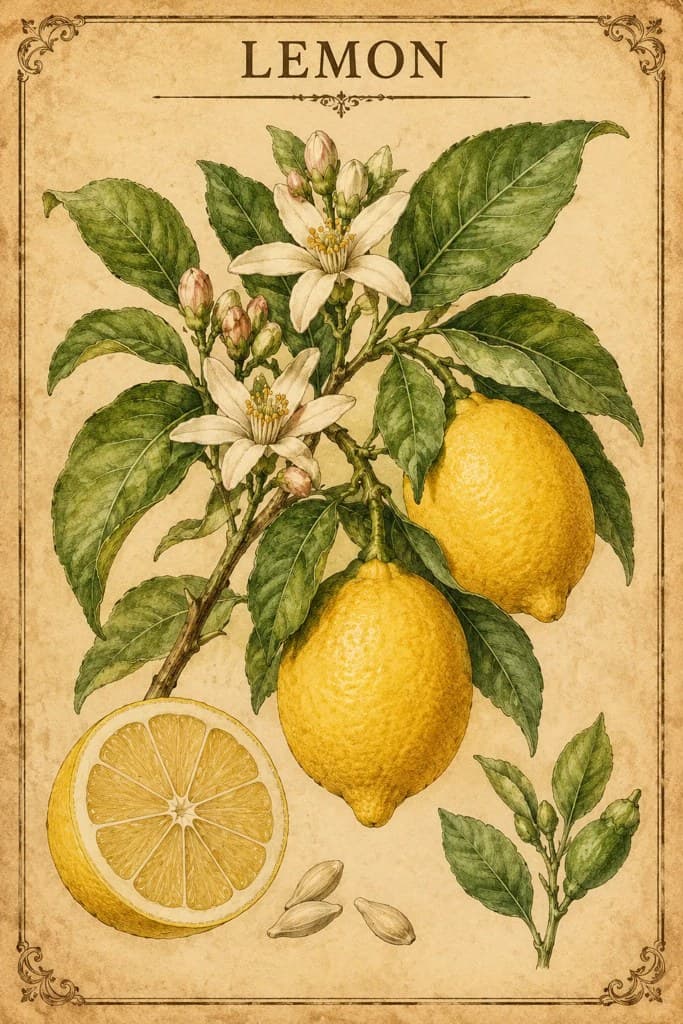 LemonCitrus limon
Lemon juice used for scurvy, colds, sore throats, fever and rheumatism.
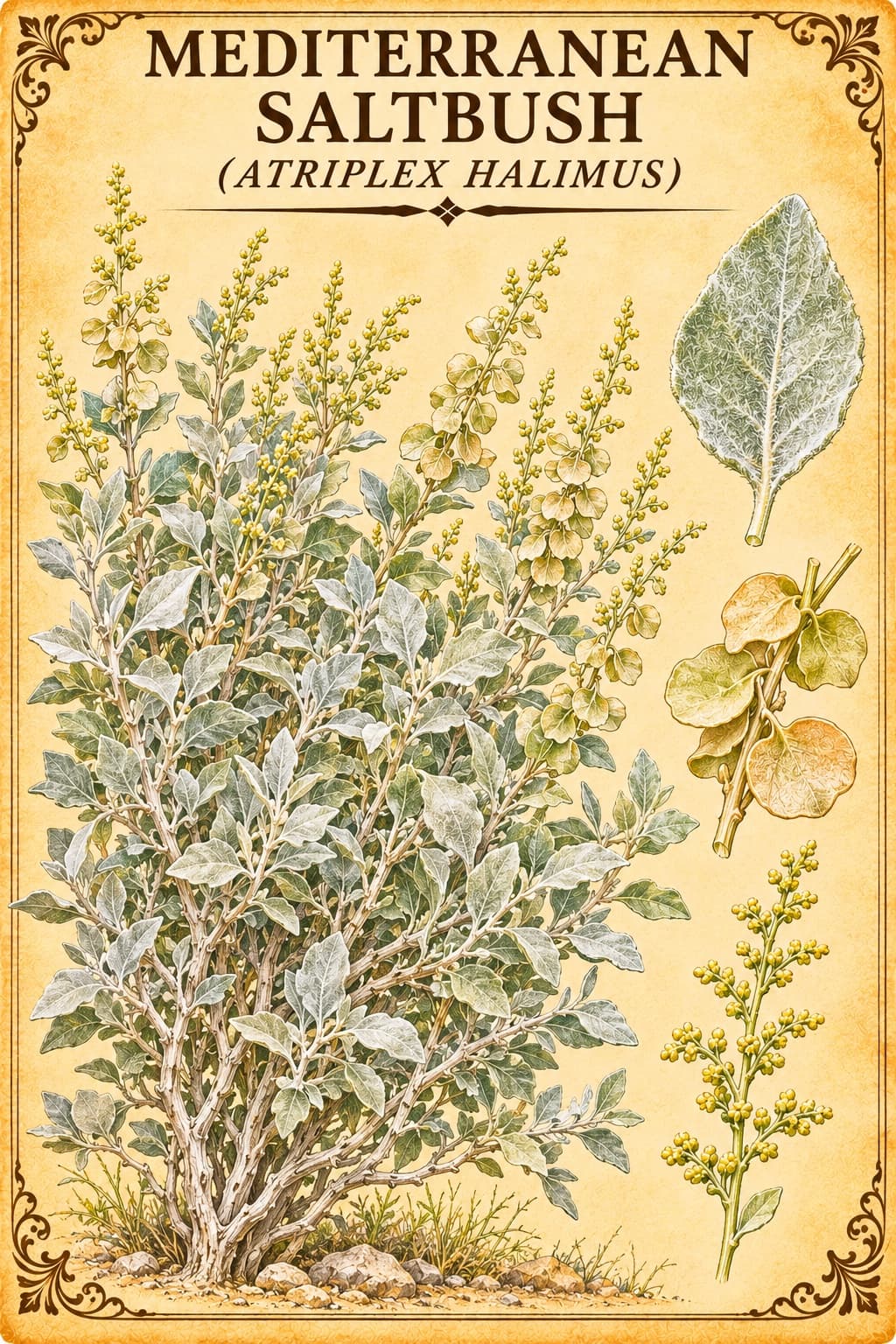 Mediterranean SaltbushAtriplex halimus
Leaf decoctions and teas used across the Mediterranean and North Africa for diabetes, heart, gut and joint problems.
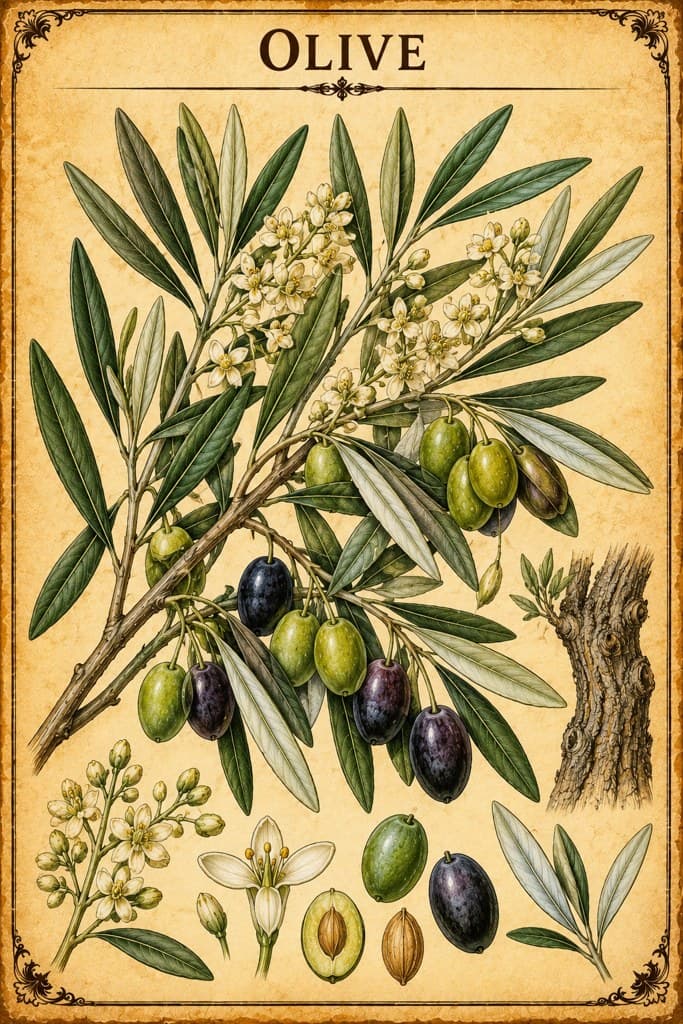 OliveOlea europaea
The main dietary fat of the Mediterranean, long used on skin and hair.
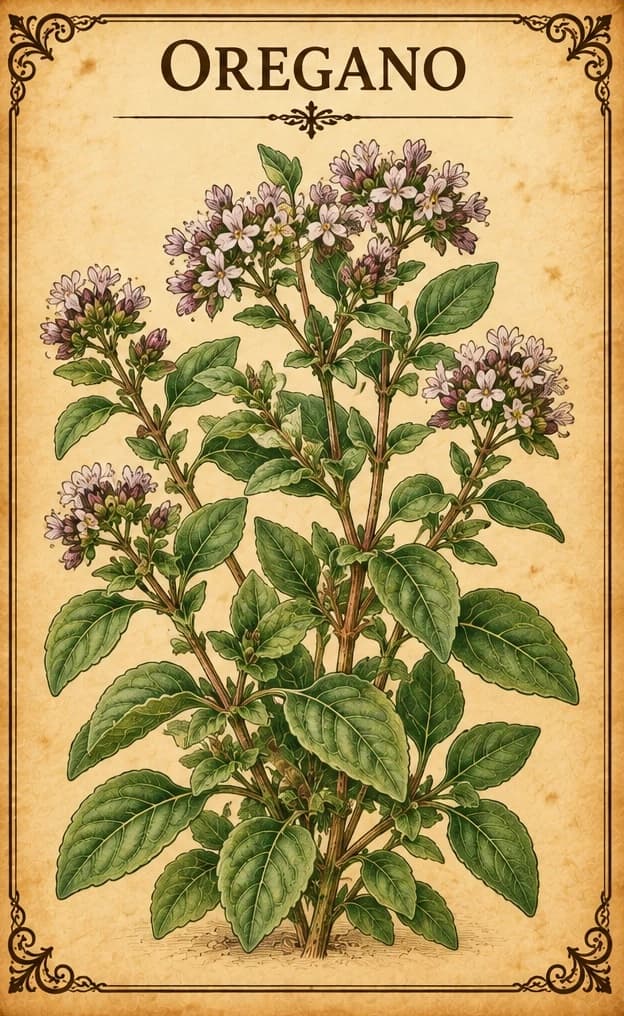 OreganoOriganum vulgare
Native to the Mediterranean region. It has long been used in Mediterranean and Iranian folk medicine, both as a cooking spice and as a traditional remedy for breathing problems, digestive complaints and infections.
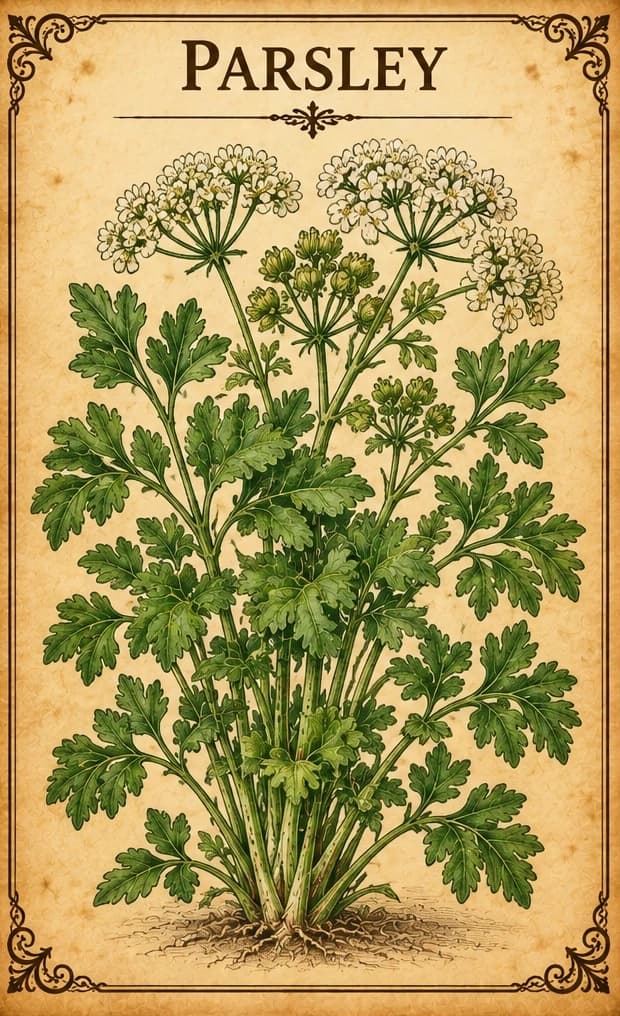 ParsleyPetroselinum crispum
Native to the central and eastern Mediterranean (Algeria, Greece, Morocco and the northwestern Balkans, according to Kew). The ancient Greeks and Romans used it for urinary complaints and to prevent kidney stones, and its medical use is recorded as far back as the Ebers Papyrus, an ancient Egyptian medical text.
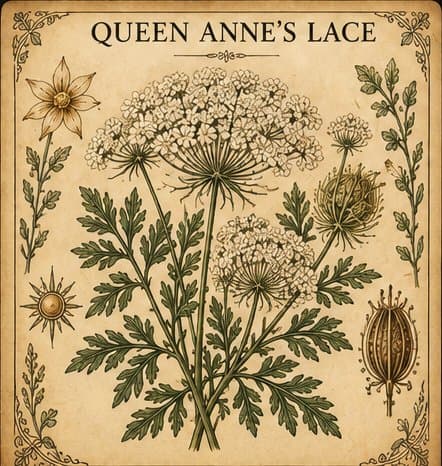 Queen Anne's LaceDaucus carota
The ancient Greeks recommended the seeds to prevent pregnancy and bring on periods, and the Romans used wild carrot in contraceptive preparations.
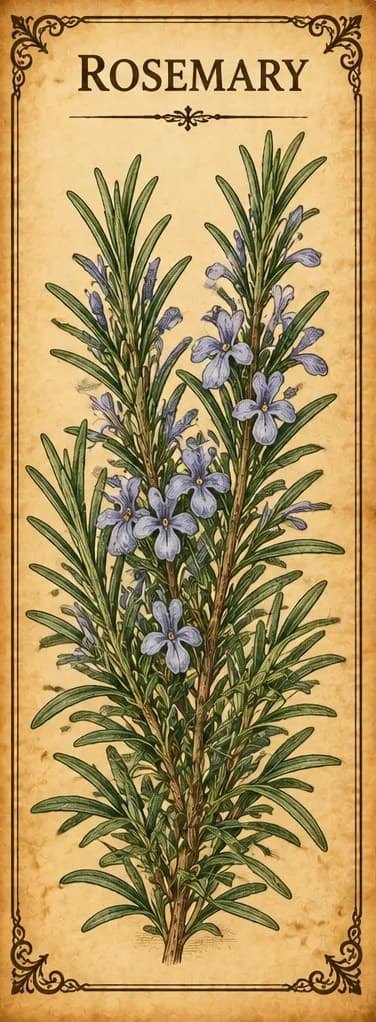 RosemarySalvia rosmarinus
Native to the Mediterranean region, where it has long been used in cooking and in folk medicine for digestive complaints, muscle and joint pain, minor wounds and poor circulation.
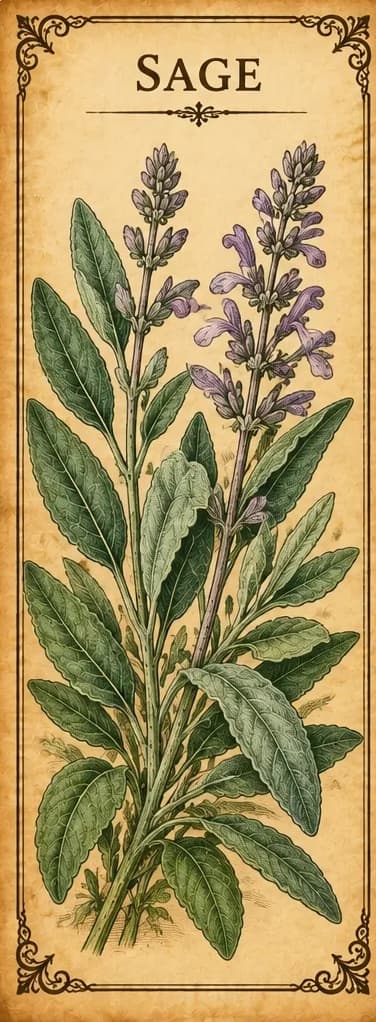 SageSalvia officinalis
In European folk medicine, sage leaf has long been used for indigestion, heavy sweating, memory and thinking complaints, and inflammation of the mouth, throat and skin. Germany's Commission E approved it for indigestion and heavy sweating. In parts of Asia and Latin America, folk use has also included seizures, ulcers, gout, rheumatism, dizziness, tremor, paralysis, diarrhea and high blood sugar.
Technical detail: dyspepsia, excessive perspiration, hyperglycemia.
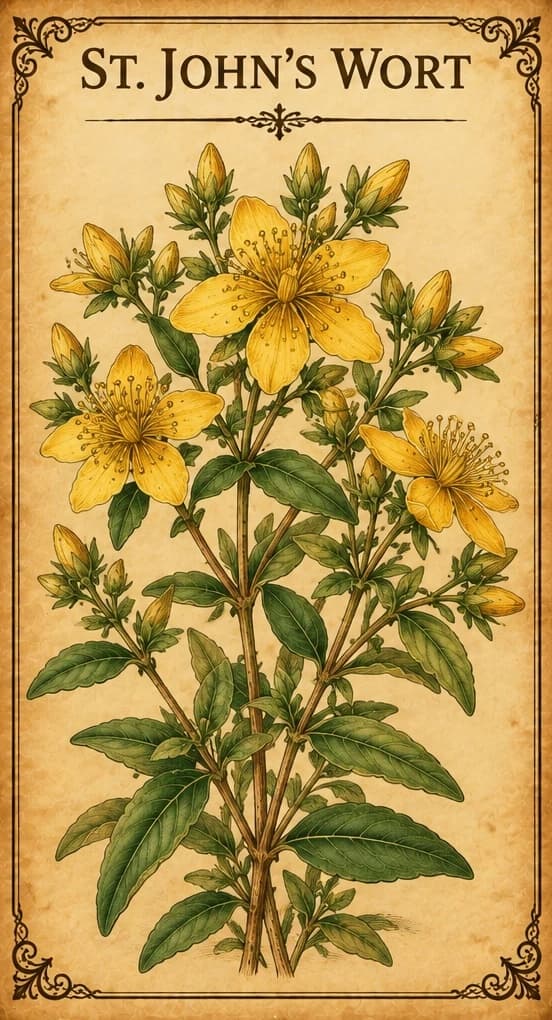 St. John's WortHypericum perforatum
In ancient Greek medicine, used for snake bites, stomach upset, menstrual cramps, low mood and wounds.
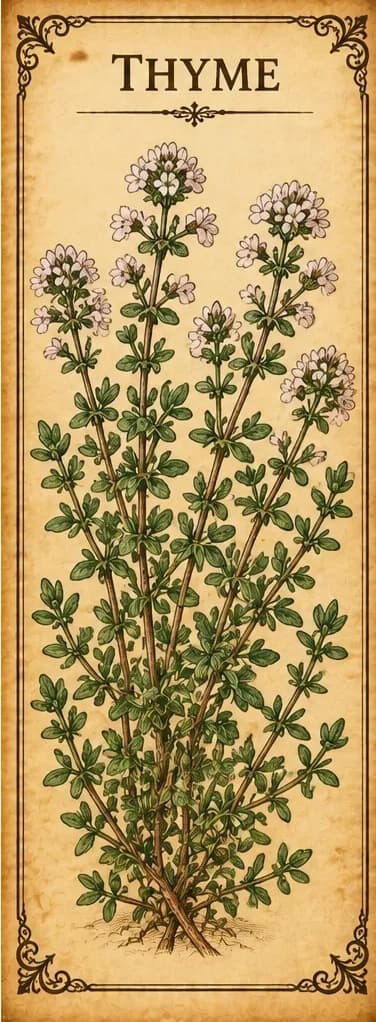 ThymeThymus vulgaris
Native to the Mediterranean region. The ancient Egyptians, Greeks and Romans used thyme for embalming, purification and disinfection. It has a long history of folk use across the Mediterranean and Europe for breathing problems, upset stomach, intestinal worms and minor wounds.