
Skin
Acne
Pimples, blackheads, whiteheads and deeper painful lumps on the face, chest or back. See a health professional if it's severe or painful, leaves scars, or isn't improving. Herbal products can themselves irritate the skin, so test a small patch first.
Most minor skin problems can be cared for at home, but see a doctor for deep, infected or slow-healing wounds, serious burns, or rashes that come with a fever. Several of these herbs can cause skin allergies, especially plants in the daisy family such as calendula and mugwort. These herbs are listed because of traditional use or research, not because they're proven treatments.
9 herbs
Each note says whether the link comes from traditional use or research, and what the research found.
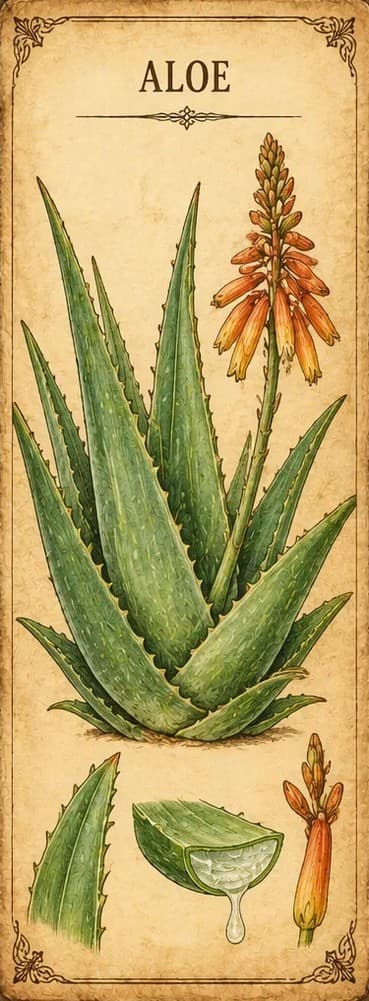 AloeAloe vera
Aloe gel is promoted for acne. Two small studies suggest it may help when used on the skin along with other acne treatments.
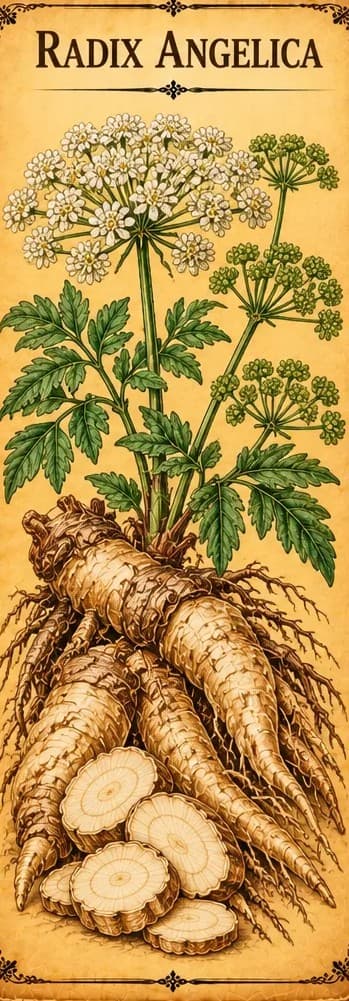 Bai ZhiAngelica dahurica
Used in Japan for acne and skin rashes. A traditional use, not tested in trials.
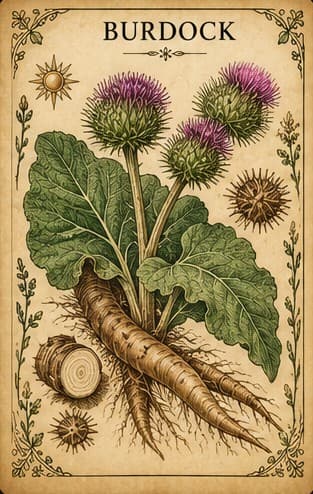 BurdockArctium lappa
Burdock fruit is used on the skin for acne in traditional Chinese medicine. In lab tests, peptides from the root stopped the growth of acne bacteria. Not tested in people.
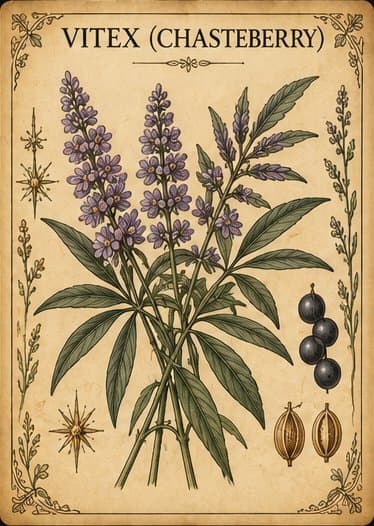 ChasteberryVitex agnus-castus
European guidance lists acne as a possible side effect of chasteberry. Our sources don't support using it to treat acne.
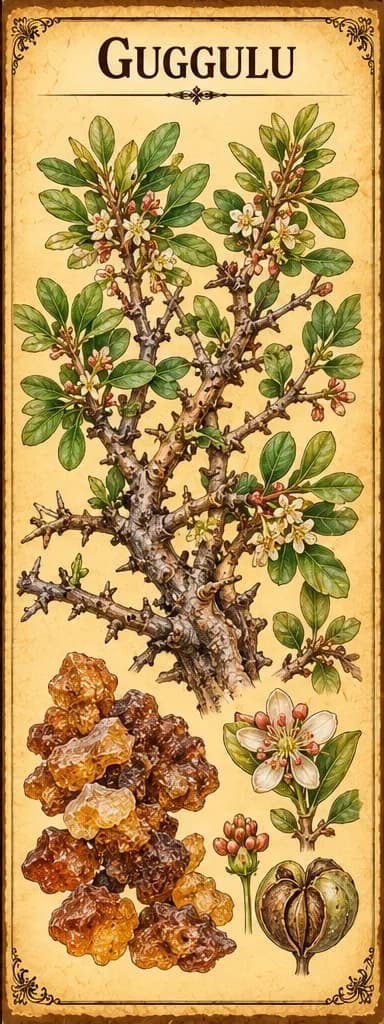 GugguluCommiphora wightii
Promoted for acne, but Memorial Sloan Kettering finds the evidence lacking for guggul on its own.
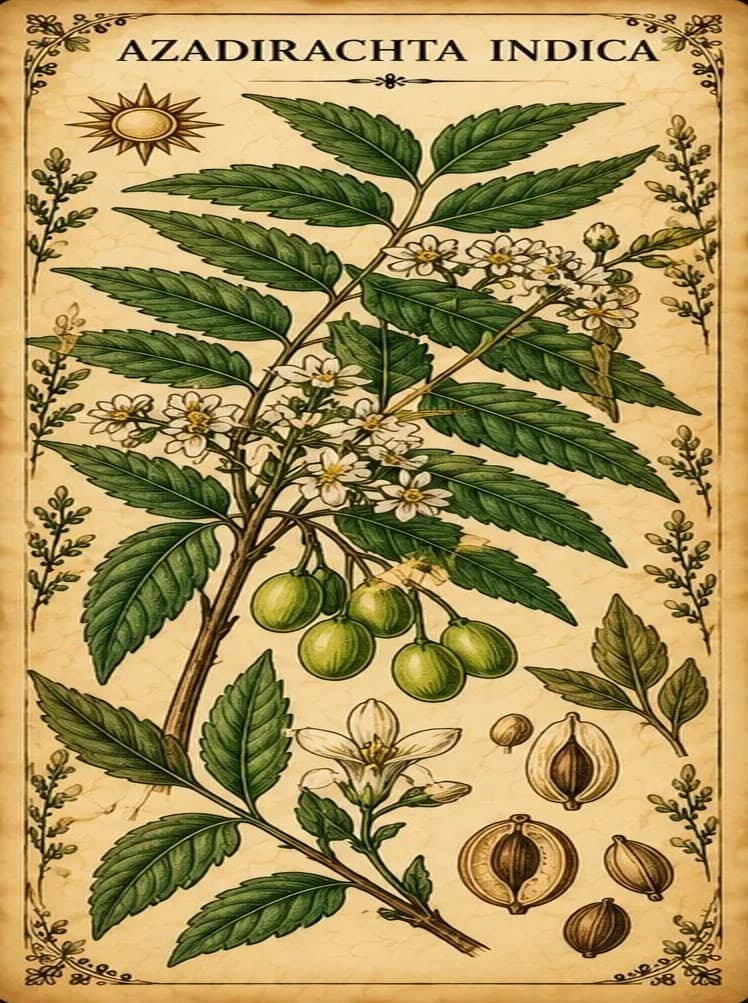 NeemAzadirachta indica
In one small 4-week study with no comparison group, most people using a neem and turmeric face wash had fewer pimples. The maker's staff took part.
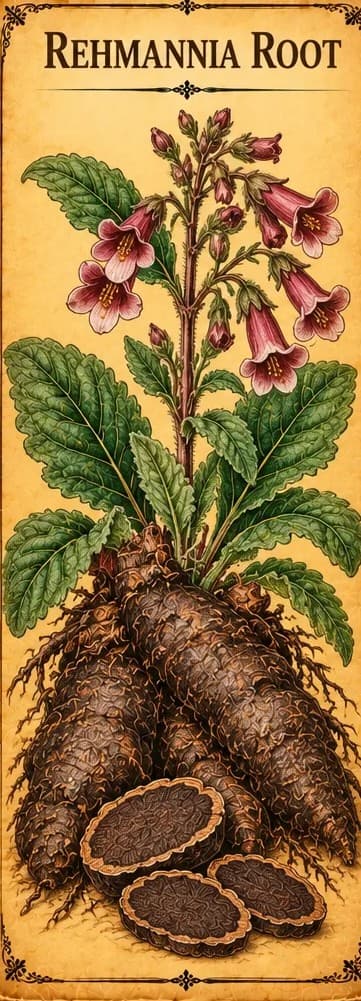 Rehmannia RootRehmannia glutinosa
In a very small 8-week trial in 22 women, acne improved somewhat more with a rehmannia leaf extract taken by mouth than with a dummy capsule. It used the leaf, not the root.
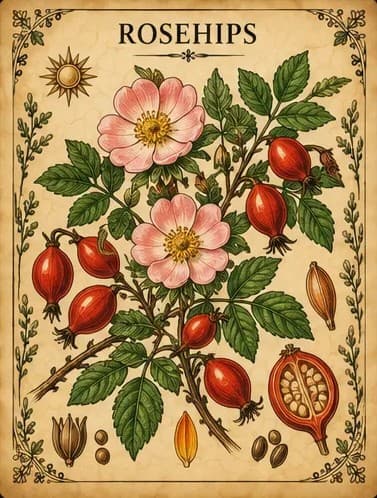 RosehipsRosa canina
In lab tests, rosehip extracts slowed the growth of bacteria linked to acne. Not tested for acne in people.
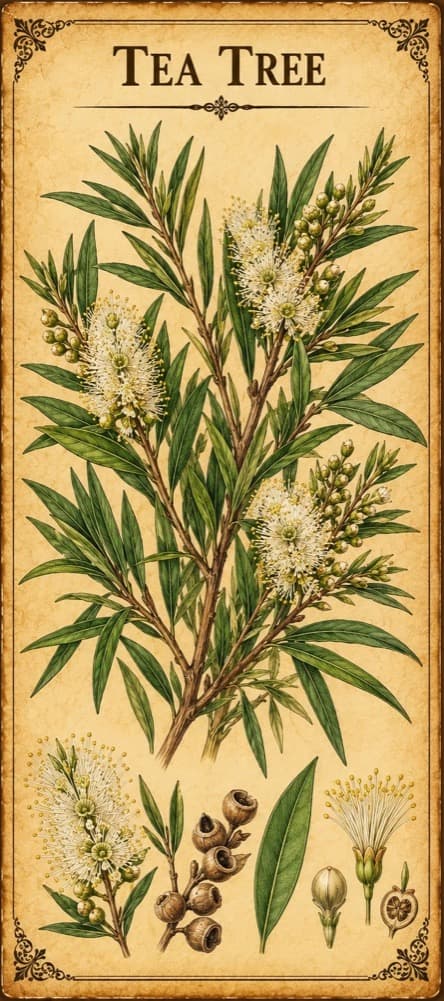 Tea TreeMelaleuca alternifolia
Several small trials and a 2026 review suggest a 5% tea tree oil gel on the skin may modestly reduce acne, with mostly mild side effects. NCCIH says more evidence is needed.