
Western Herbalism
8 herbs
These are traditional uses, not proven treatments.
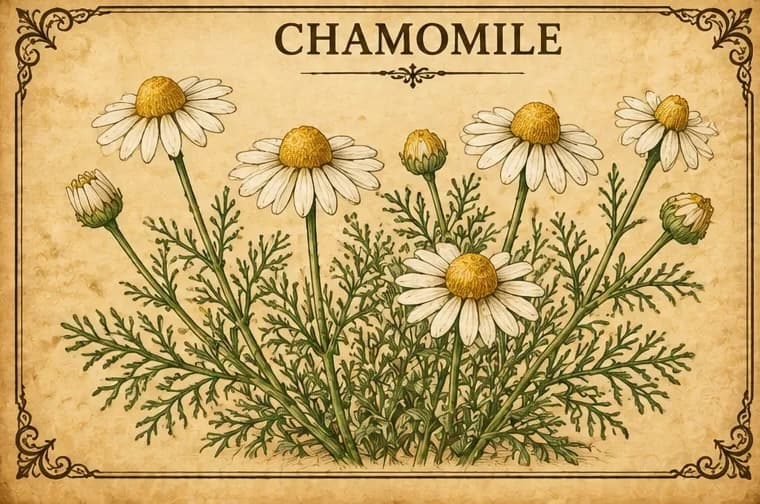 ChamomileMatricaria chamomilla
Recorded in ancient Egyptian, Greek and Roman medical writings, with long-standing use for digestive complaints and skin irritation.
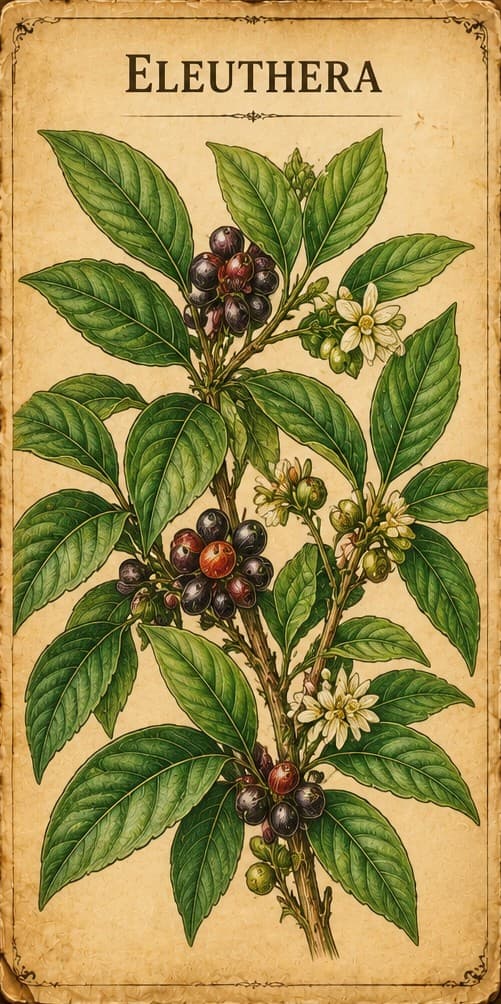 EleutheraCroton eluteria
Listed in the US Pharmacopoeia and used by 19th-century American doctors as a bitter tonic for indigestion, diarrhea and vomiting.
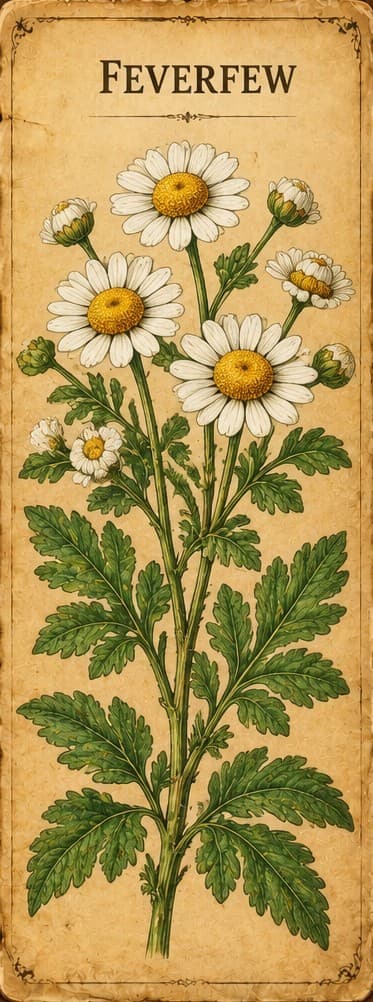 FeverfewTanacetum parthenium
Historically used for fevers, headaches, period problems and many other complaints.
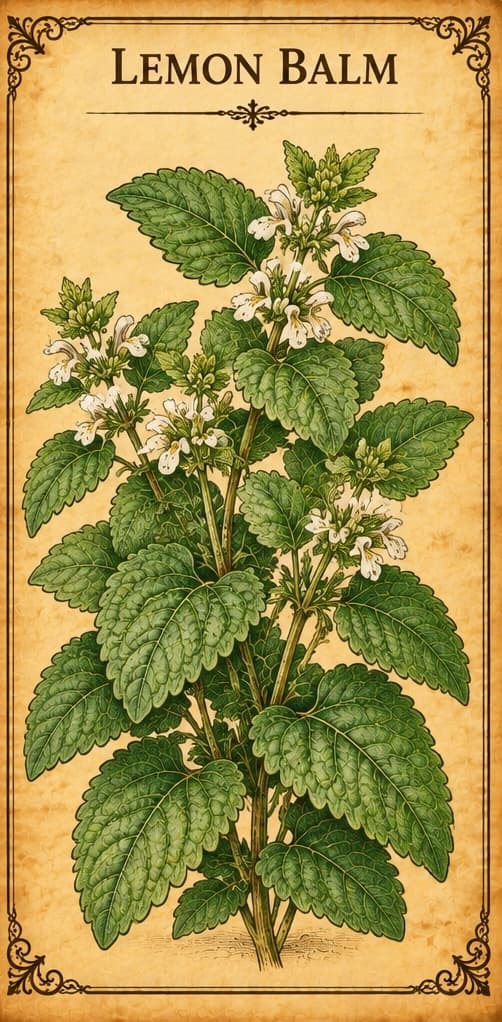 Lemon BalmMelissa officinalis
Lemon balm has been written about for about 2,000 years. It appears in the Historia Plantarum (around 300 BC) and in Dioscorides' De Materia Medica (around 50–80 AD). It is still listed in the British Herbal Pharmacopoeia and the European Pharmacopoeia for anxiety, sleep, memory and thinking, viral infections and digestion.
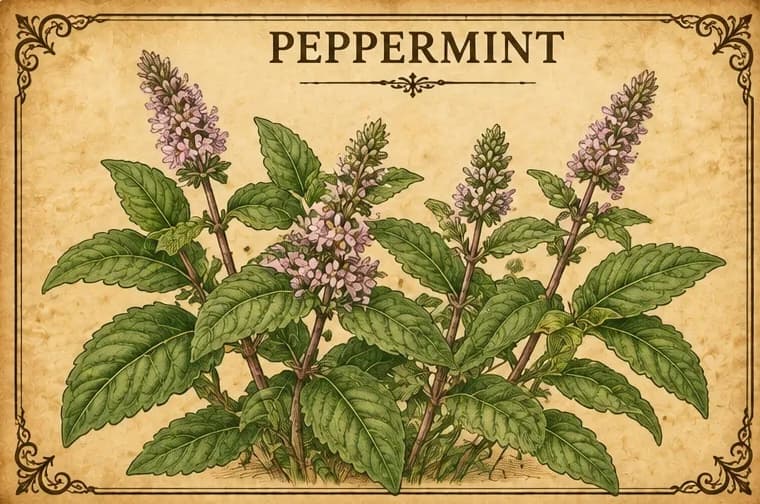 PeppermintMentha piperita
People in ancient Greece, Rome and Egypt used mint plants for digestive problems. Peppermint oil has been used for centuries in Western herbal medicine for stomach and gut complaints.
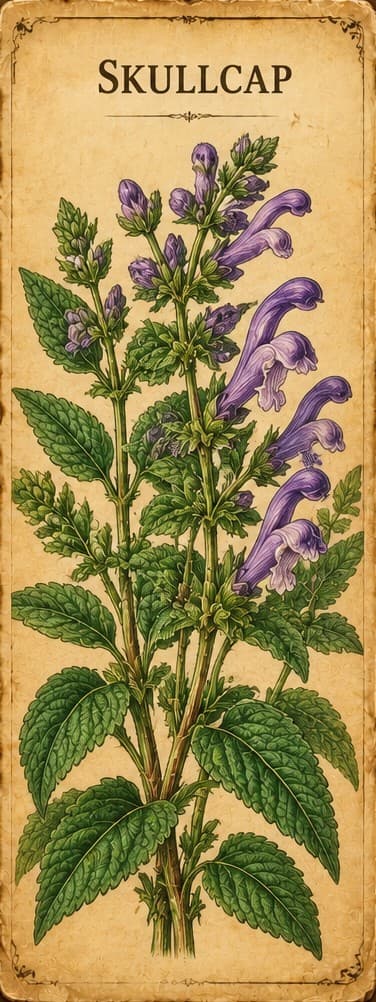 SkullcapScutellaria lateriflora
Used today as a tea or extract for anxiety, stress and sleep problems.
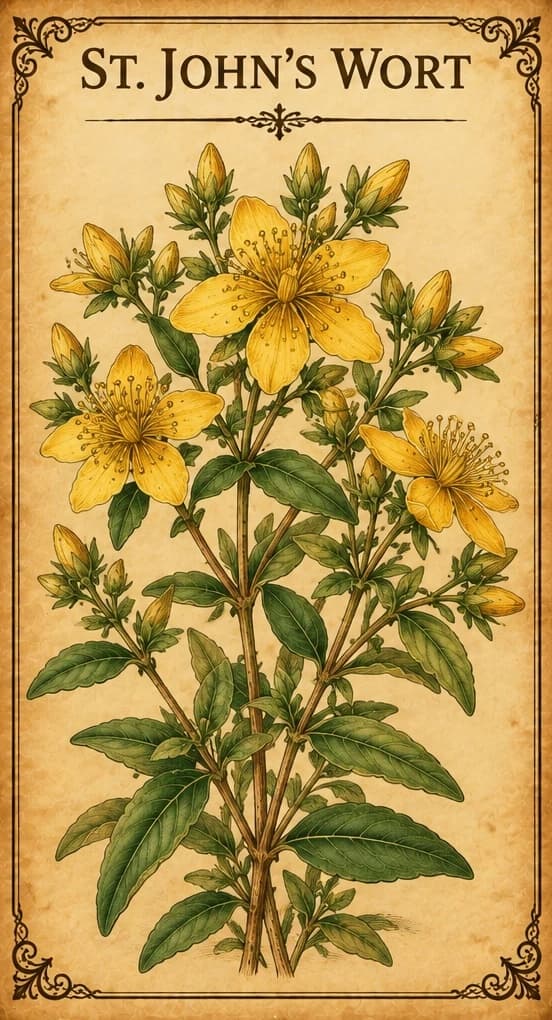 St. John's WortHypericum perforatum
Historically used for depression, stomach ulcers, colds and wound healing. The name probably comes from the plant blooming around the feast of St. John the Baptist in late June.
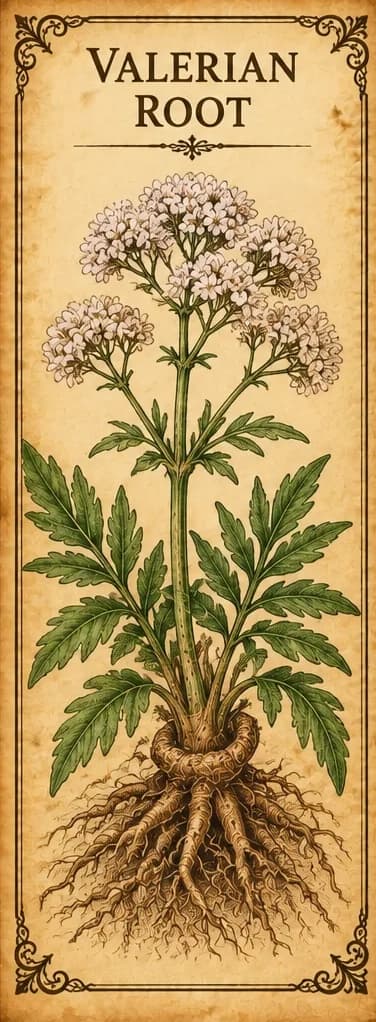 ValerianValeriana officinalis
Valerian root has been part of official Western medicine for more than 240 years. It is traditionally seen as mildly calming, anxiety-easing and cramp-relieving. In Europe it has mainly been used for anxiety and restlessness, and in the United States mainly to help with sleep.
Technical detail: traditionally described as a mild sedative, anxiolytic and antispasmodic.