
Nervous System
Sleep Problems (Insomnia)
Trouble falling asleep or staying asleep. See a doctor if sleep problems last for weeks or affect your daily life.
Several of these herbs can make you sleepy and add to the effects of alcohol and of sleep or anxiety medicines, so don't drive if they make you drowsy. Some, such as kava, have been linked to liver damage. For ongoing anxiety, low mood or sleep problems, talk to a health professional. These herbs are listed because of traditional use or research, not because they're proven treatments.
19 herbs
Each note says whether the link comes from traditional use or research, and what the research found.
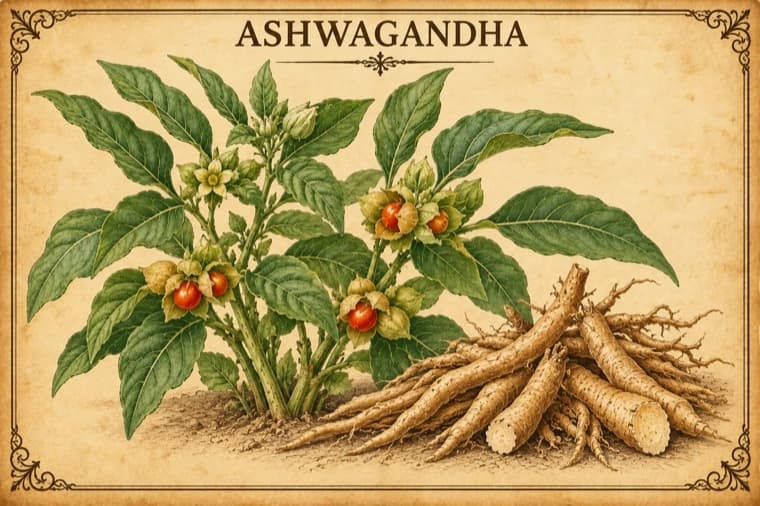 AshwagandhaWithania somnifera
Traditionally used to bring on sleep; research suggests some products may help insomnia.
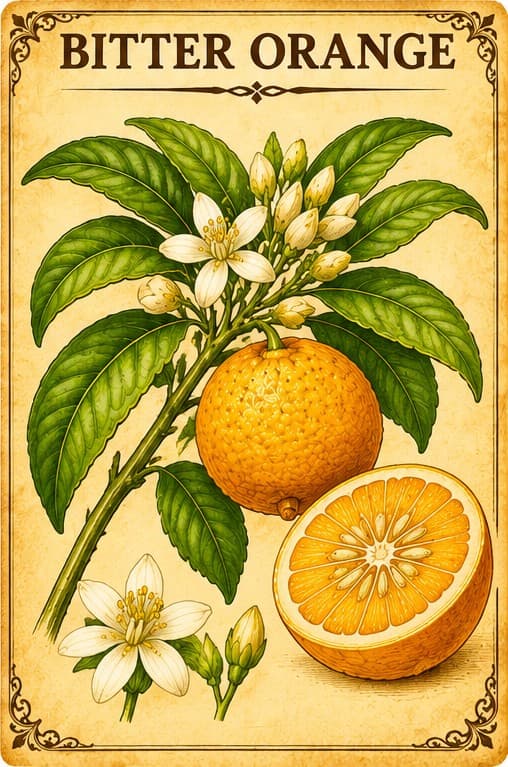 Bitter OrangeCitrus aurantium
The leaves are a folk remedy for sleeplessness. Not studied in people.
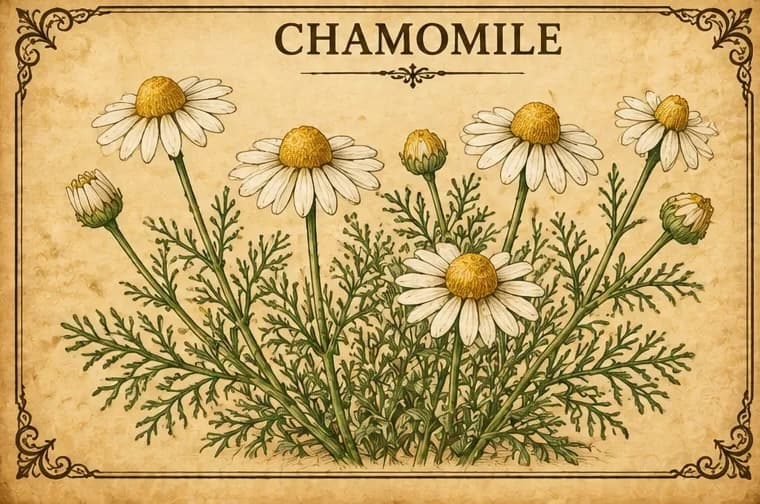 ChamomileMatricaria chamomilla
Traditionally used for relaxation and known as a sleep aid, but a 2019 review found little research support for insomnia.
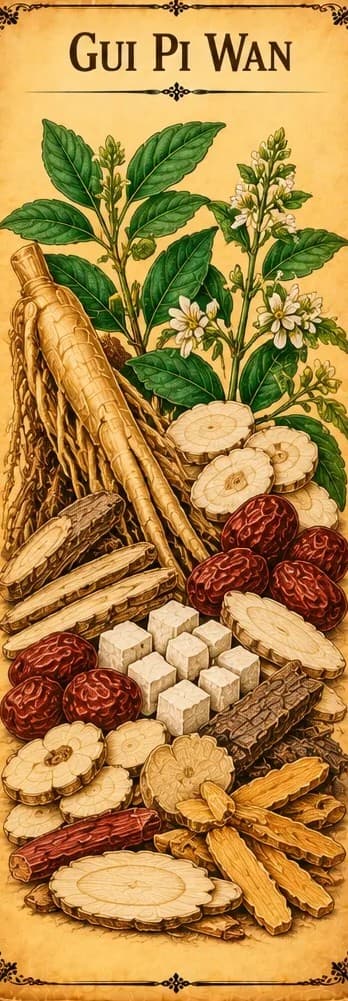 Gui Pi WanPanax ginseng, Astragalus membranaceus, Angelica sinensis and 9 other herbs
A classical Chinese formula for insomnia with palpitations and forgetfulness. Not tested on its own for sleep in these reviews.
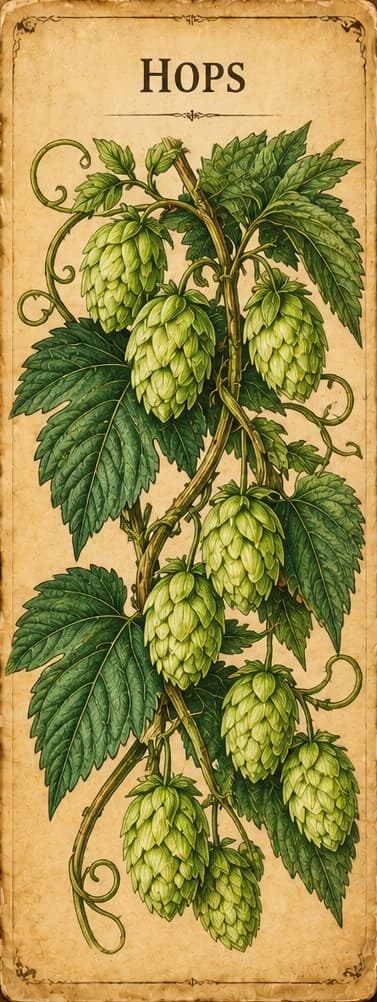 HopsHumulus lupulus
Recognised in Europe as a traditional remedy to help sleep. Based on long use, not clinical trials.
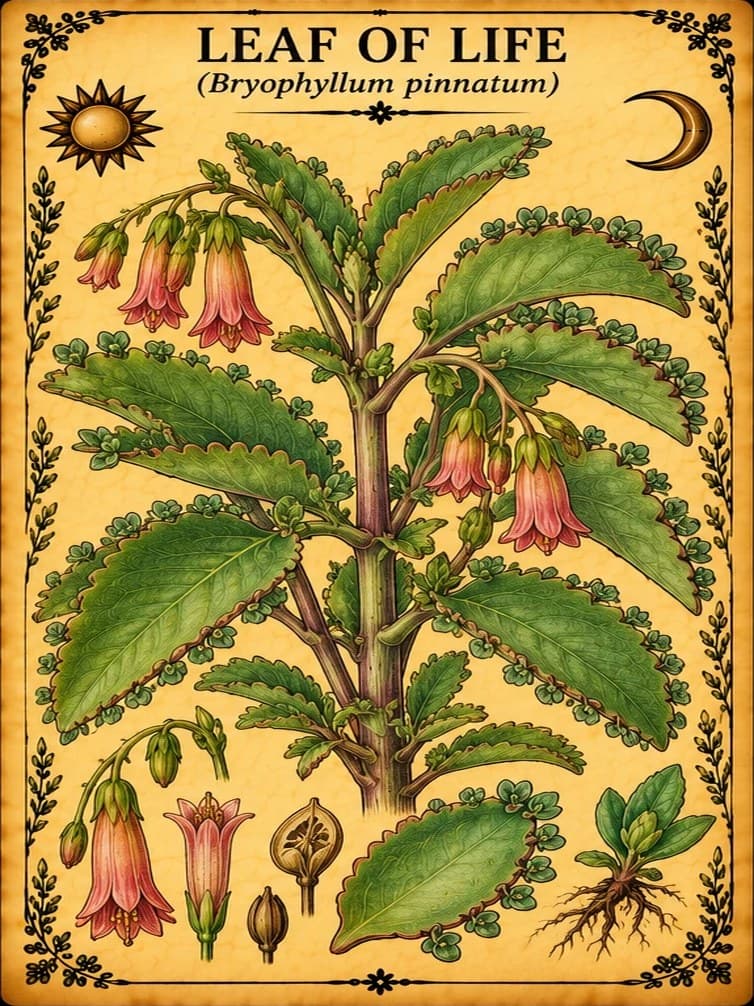 Leaf of LifeBryophyllum pinnatum
In a small study, tablets made from the leaf juice reduced night-time urination and improved sleep in women with an overactive bladder.
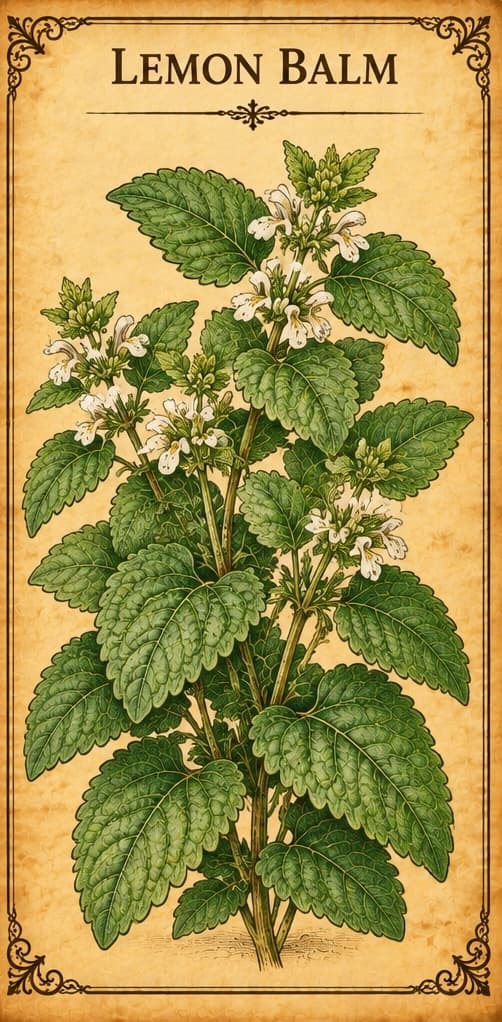 Lemon BalmMelissa officinalis
Traditionally used to help sleep. In one study, sleep improved after 6 weeks in adults with moderate sleep problems.
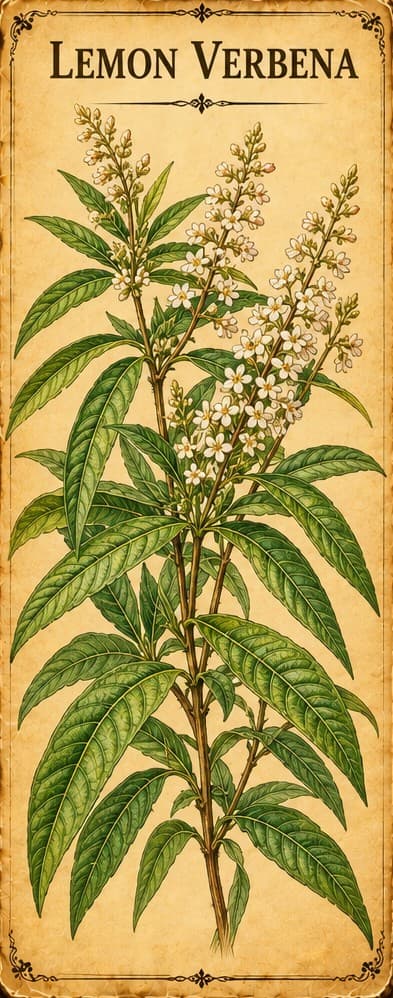 Lemon VerbenaAloysia citrodora
Two trials found a lemon verbena extract improved sleep quality.
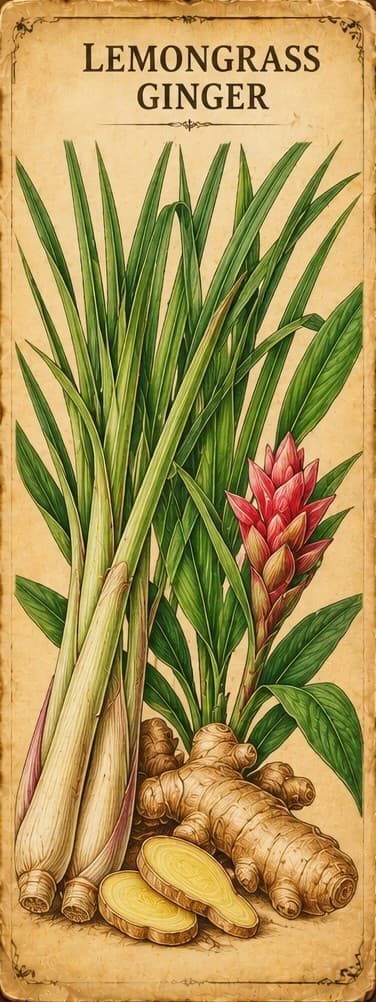 LemongrassCymbopogon citratus
Used as a calming tea, but in a study of 50 volunteers it didn't help sleep more than a dummy drink.
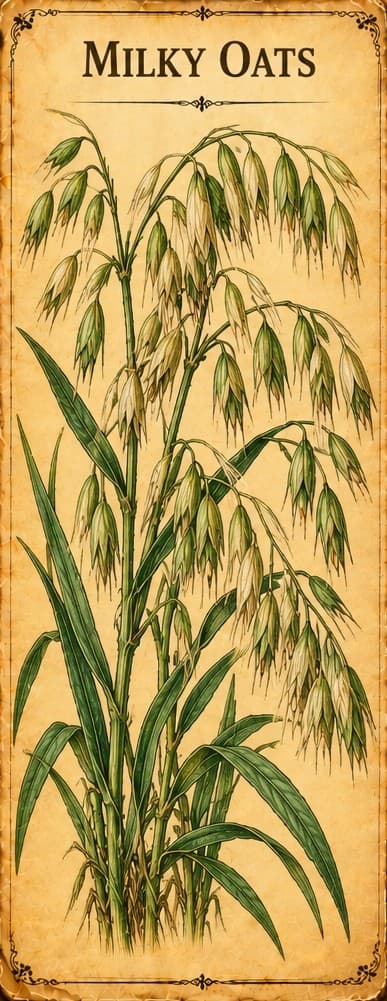 Milky OatsAvena sativa
Green oat herb is recognised in Europe as a traditional remedy to help sleep. Based on long use, not trials.
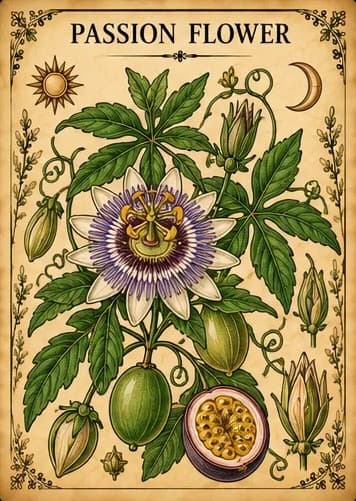 Passion FlowerPassiflora incarnata
Recognized in Europe as a traditional medicine to help sleep. Research suggests it may increase total sleep time, with mixed results otherwise.
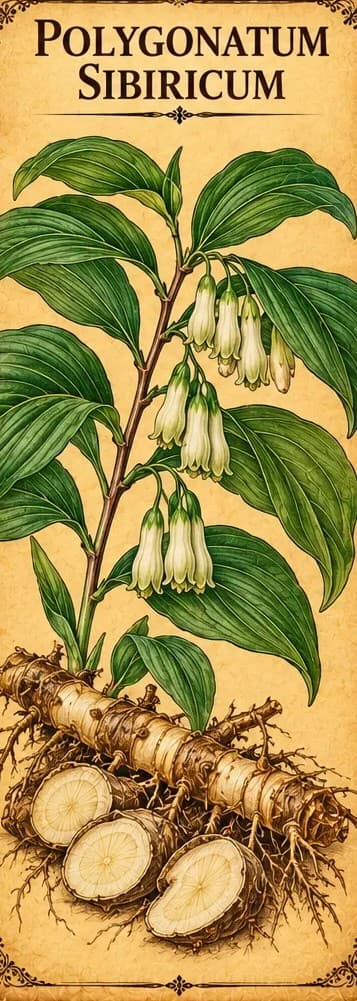 Polygonatum SibiricumPolygonatum sibiricum
In one trial, the root extract improved mild insomnia and total sleep time.
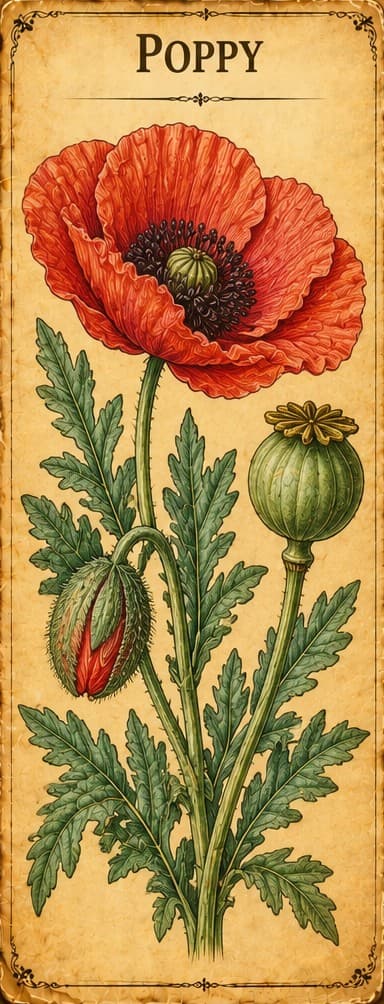 PoppyPapaver rhoeas
Used in folk medicine for sleep problems. Not tested in trials, and eating the plant has caused poisoning.
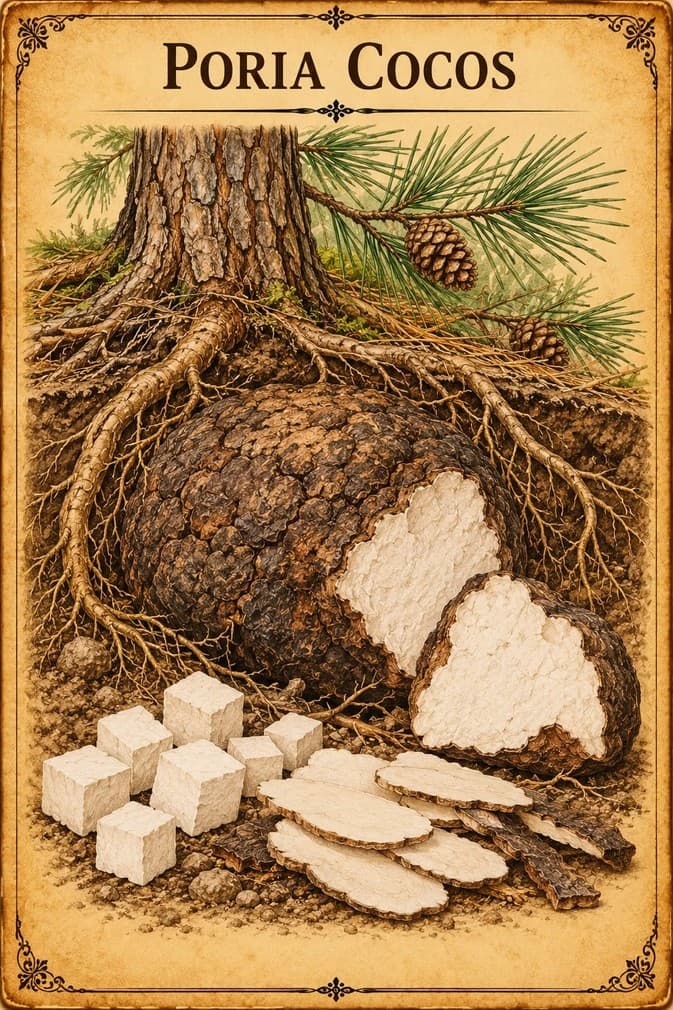 Poria CocosWolfiporia cocos
Traditionally used to calm the mind. Not tested on its own in trials.
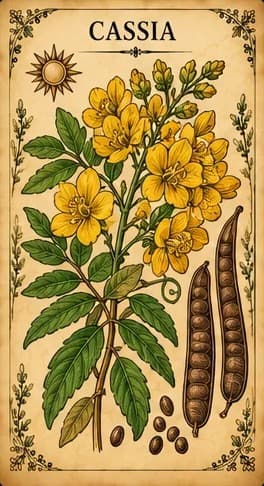 Siamese CassiaSenna siamea
Traditionally used for insomnia. Its compound barakol made animals sleepy, but it hasn't been tested in people.
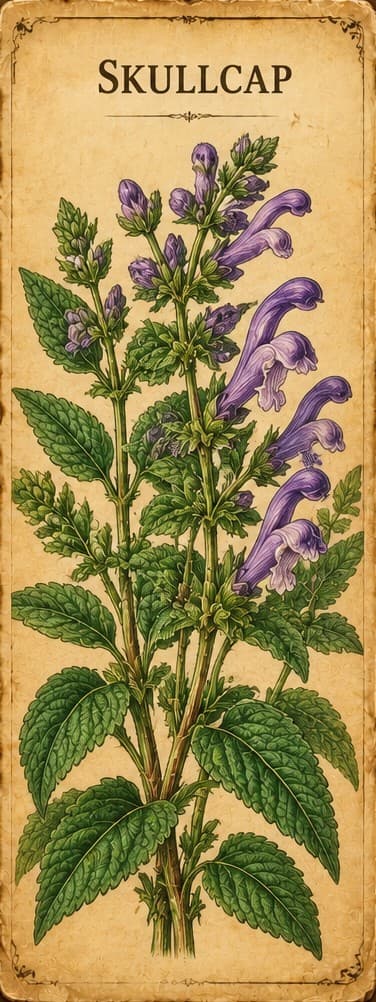 SkullcapScutellaria lateriflora
Traditionally taken as a tea or extract for trouble sleeping.
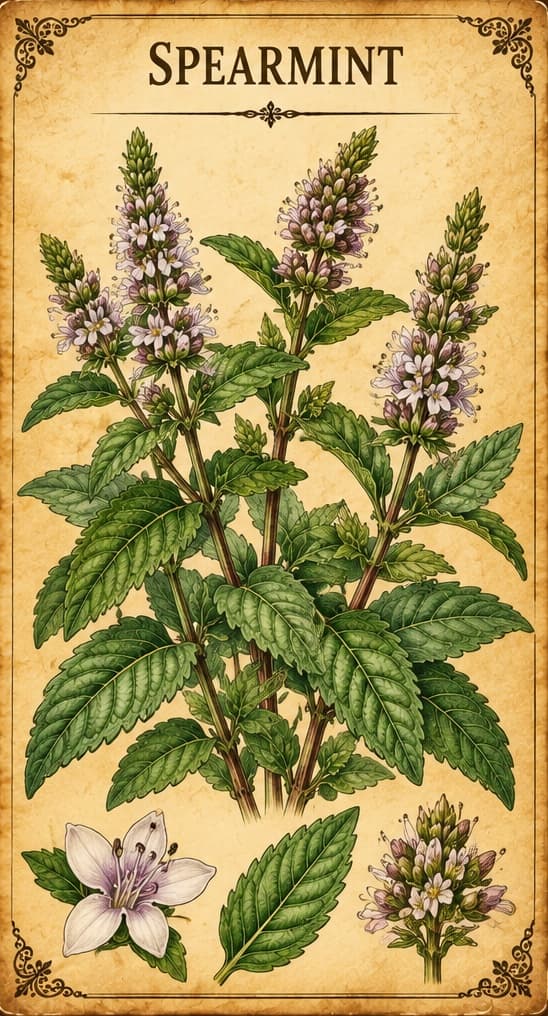 SpearmintMentha spicata
In one trial funded by its maker, older adults taking 900 mg of a spearmint extract said they fell asleep more easily than with a placebo.
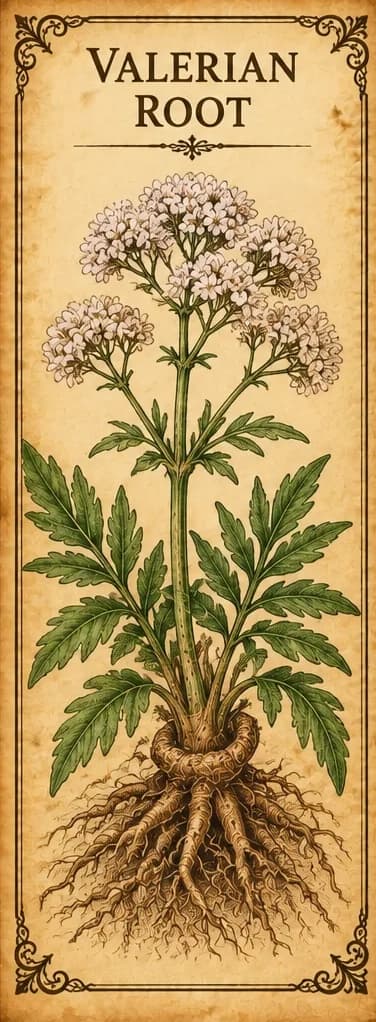 ValerianValeriana officinalis
Traditionally used for sleep. A review of 60 studies found a modest, inconsistent improvement; US sleep experts advise against it for long-term insomnia.
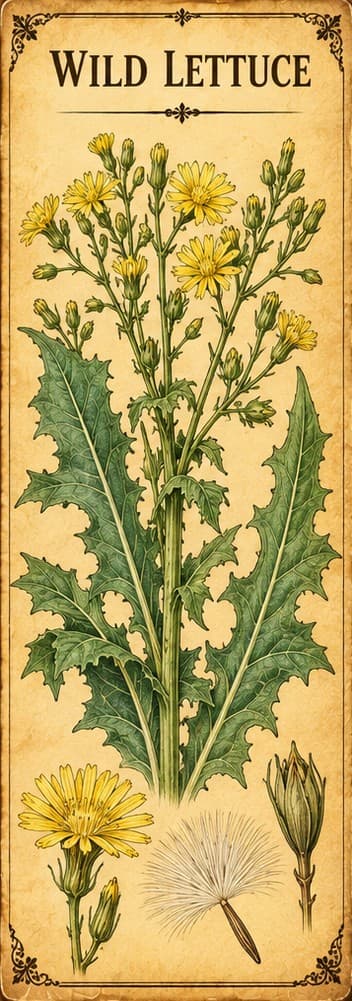 Wild LettuceLactuca virosa
Historically used as a sedative and sleep aid; only tested in mice.