
Skin
Cuts, Wounds, Burns and Skin Ulcers
Minor cuts, scrapes and burns, and slow-healing sores such as leg ulcers. Get medical care for deep or large wounds, serious burns, signs of infection (spreading redness, warmth, pus or fever), or sores that don't heal, especially if you have diabetes or poor circulation.
Most minor skin problems can be cared for at home, but see a doctor for deep, infected or slow-healing wounds, serious burns, or rashes that come with a fever. Several of these herbs can cause skin allergies, especially plants in the daisy family such as calendula and mugwort. These herbs are listed because of traditional use or research, not because they're proven treatments.
33 herbs
Each note says whether the link comes from traditional use or research, and what the research found.
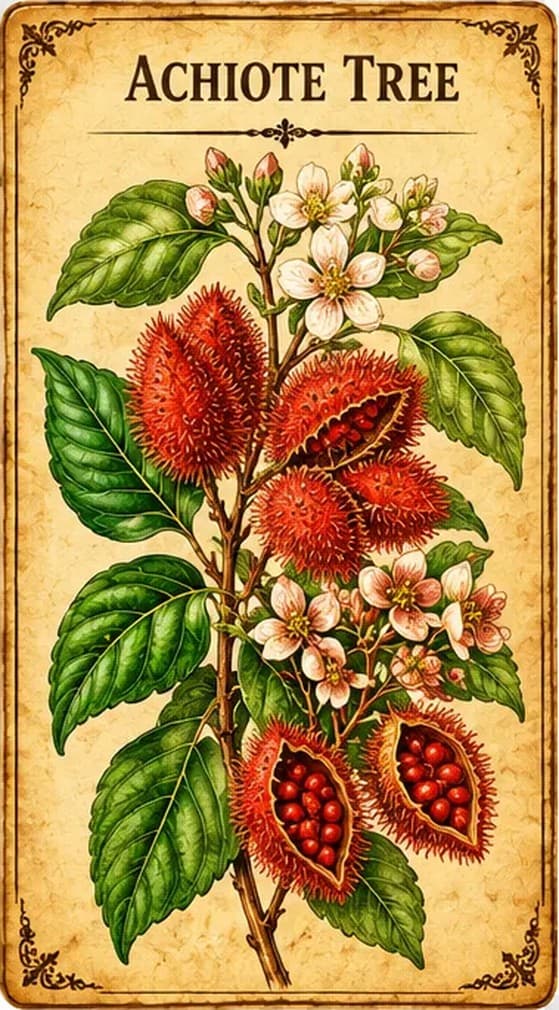 Achiote TreeBixa orellana
A small trial found an achiote ointment improved the look of surgical scars.
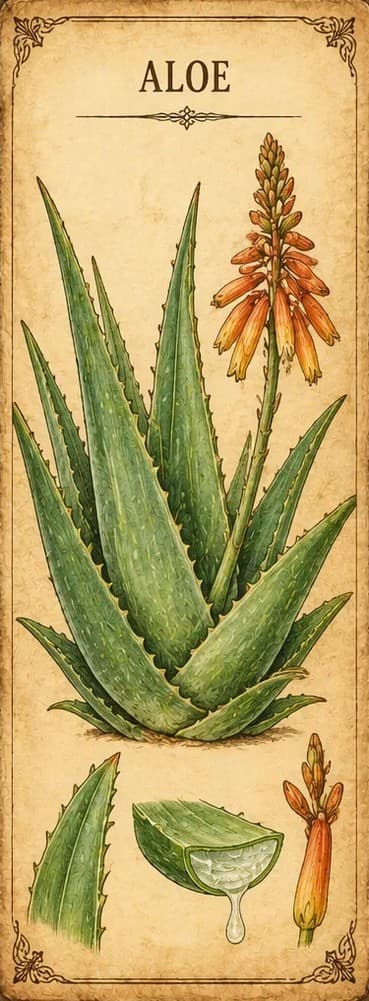 AloeAloe vera
Aloe gel on the skin may speed burn healing and reduce burn pain.
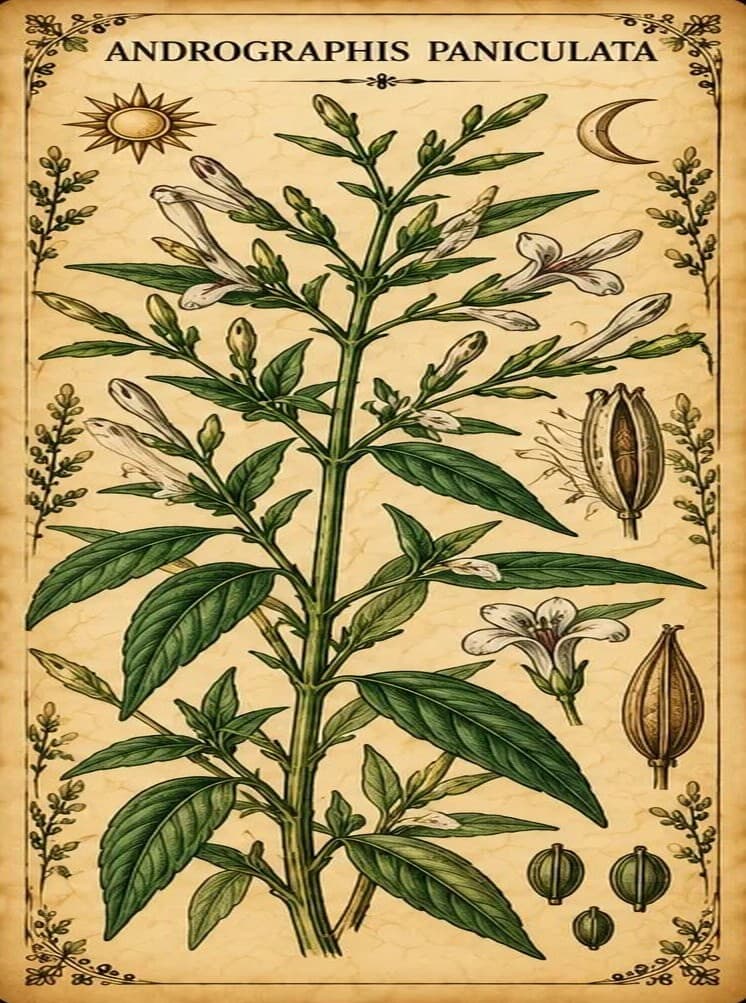 AndrographisAndrographis paniculata
Traditionally used for wounds and skin infections; not tested for this in people.
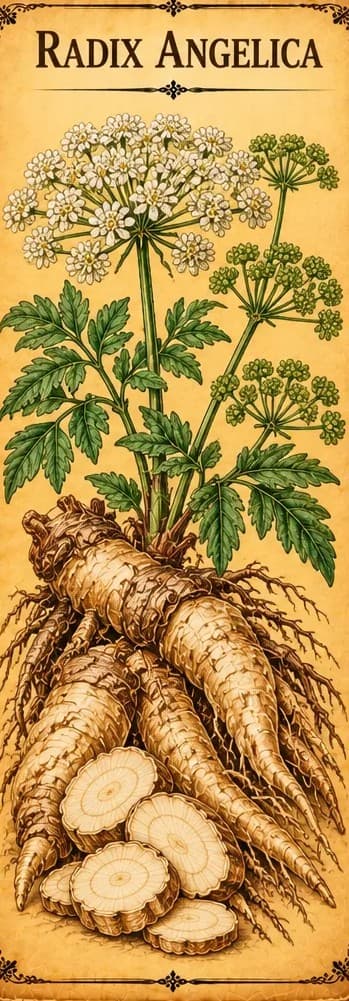 Bai ZhiAngelica dahurica
In one small trial, a bai zhi dressing helped early pressure sores more than an antifungal cream.
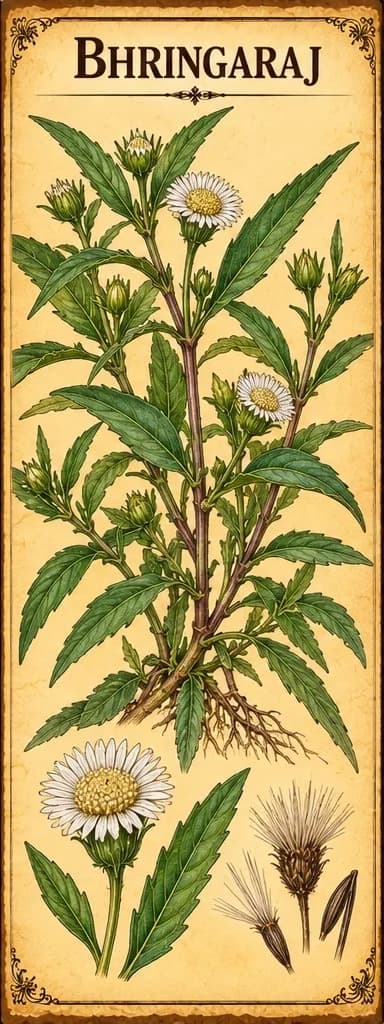 BhringarajEclipta prostrata
Traditional use only: used for cuts, wounds and burns in India and Nepal. Not studied in people.
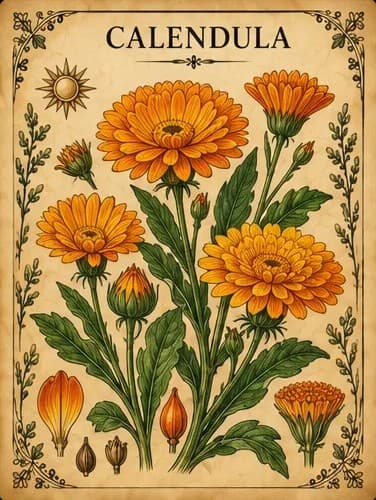 CalendulaCalendula officinalis
Recognized in Europe as a traditional medicine to help minor wounds heal. A review found some evidence of benefit; results for burns were mixed.
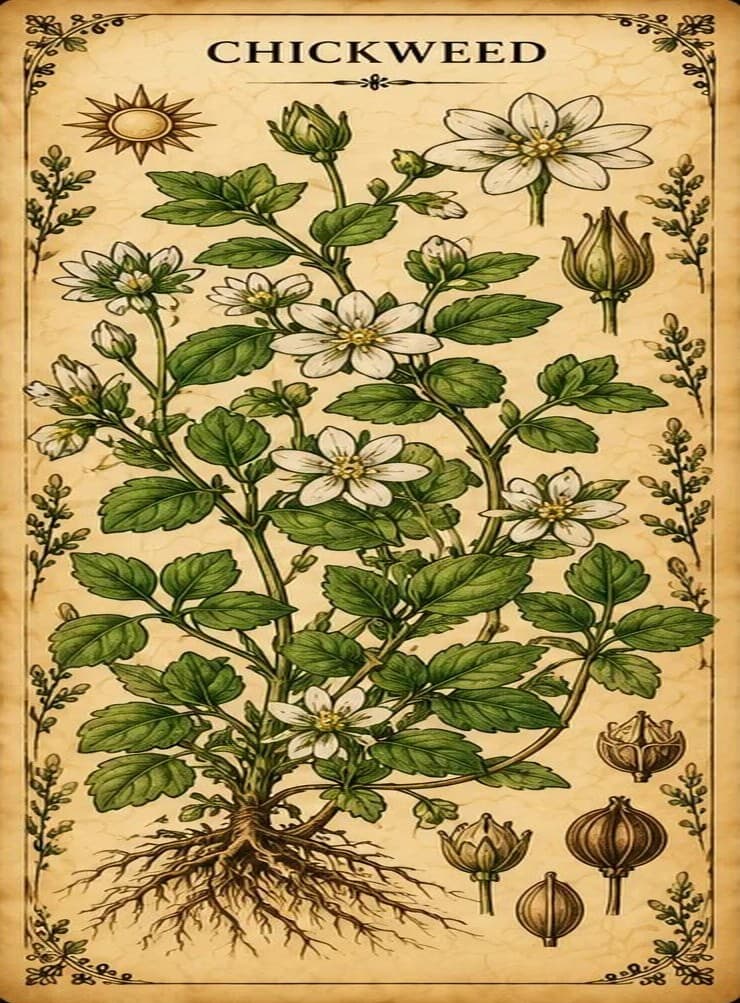 ChickweedStellaria media
Traditionally used for burns, cuts and scratches. It hasn't been studied in people.
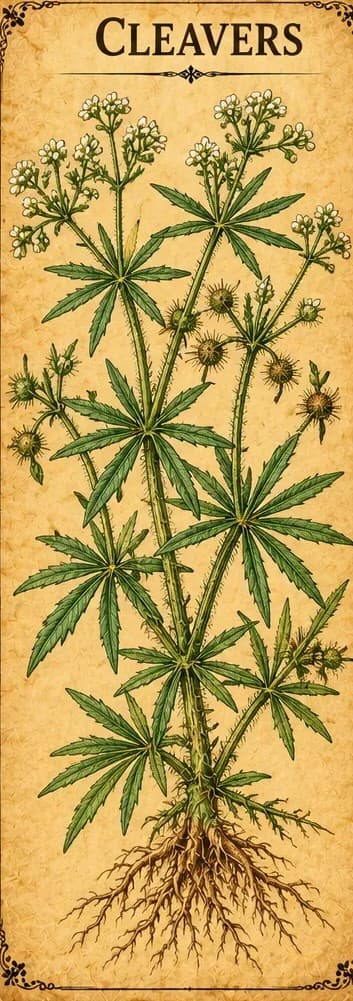 CleaversGalium aparine
A traditional wound and burn remedy; an extract helped skin cells close a wound in the lab. Not tested in people.
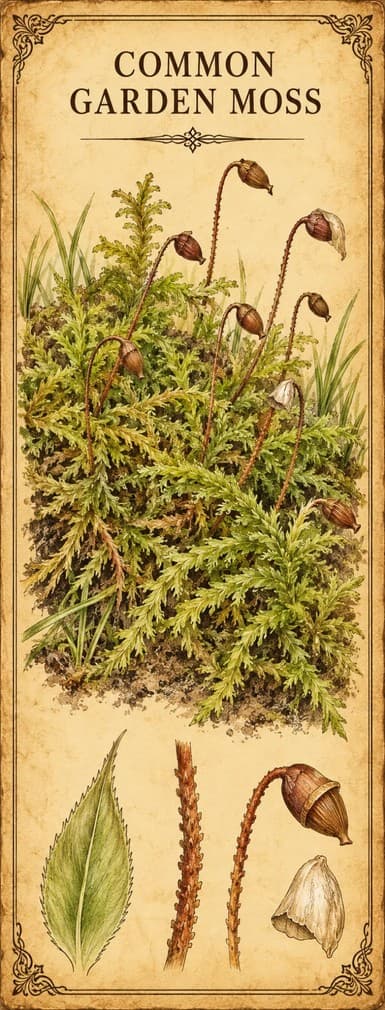 Common Garden MossBrachythecium rutabulum
Historically used as a wound dressing to stop bleeding; very absorbent in lab tests but not tested in people.
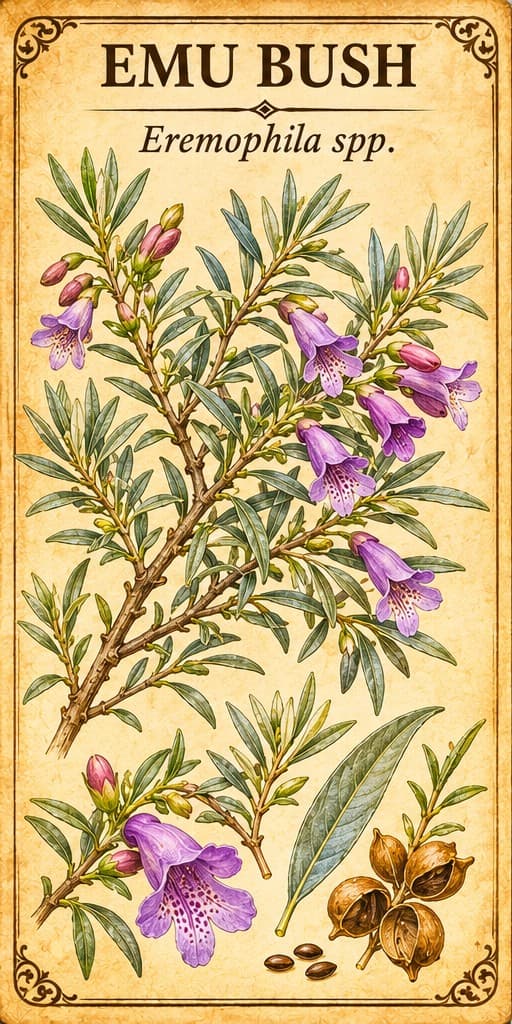 Emu BushEremophila spp.
Leaf decoctions were used as hot baths for wounds and skin infections. Not studied in people.
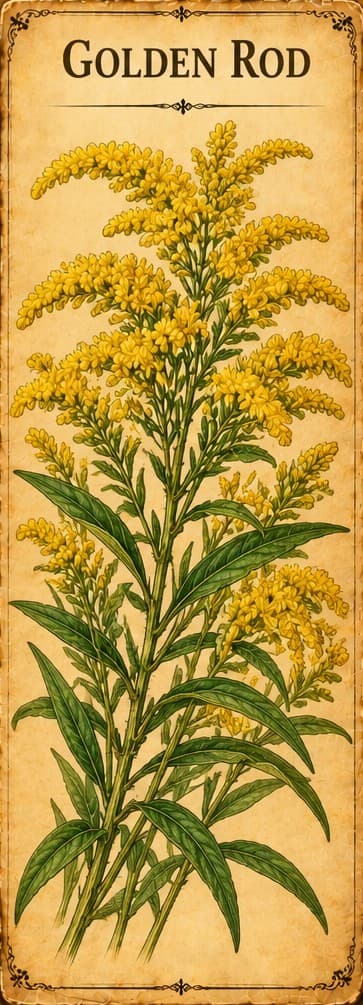 GoldenrodSolidago virgaurea
A traditional Native American and European wound remedy. Not tested in trials.
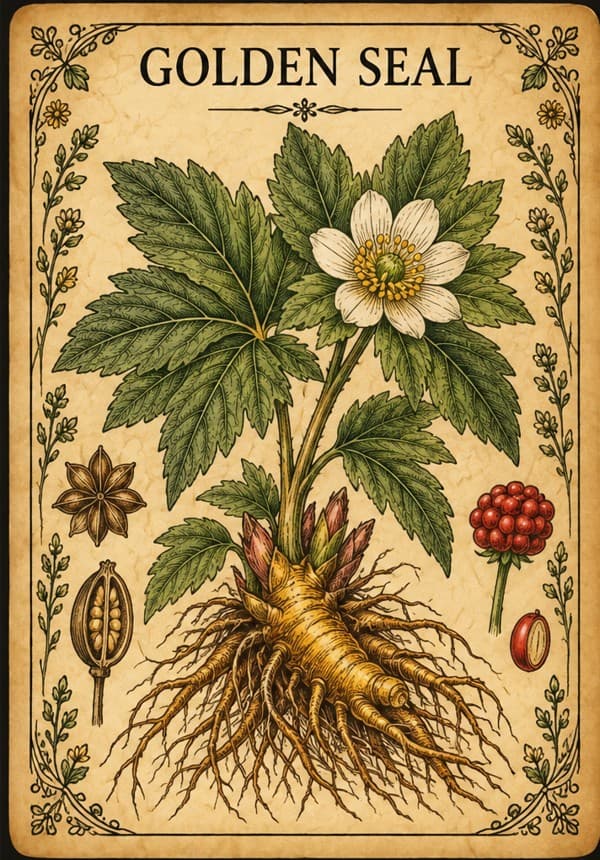 GoldensealHydrastis canadensis
Used by Native Americans on wounds. There are no studies in people, and it may make skin more sensitive to sunlight.
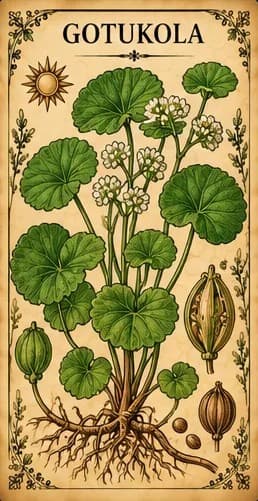 Gotu KolaCentella asiatica
A review of 4 trials suggests gotu kola may help wounds heal; more studies are needed.
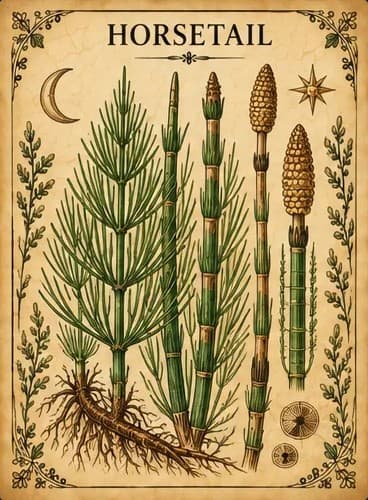 HorsetailEquisetum arvense
Recognized in Europe as a traditional medicine for superficial wounds. One trial found a horsetail ointment helped episiotomy wounds heal.
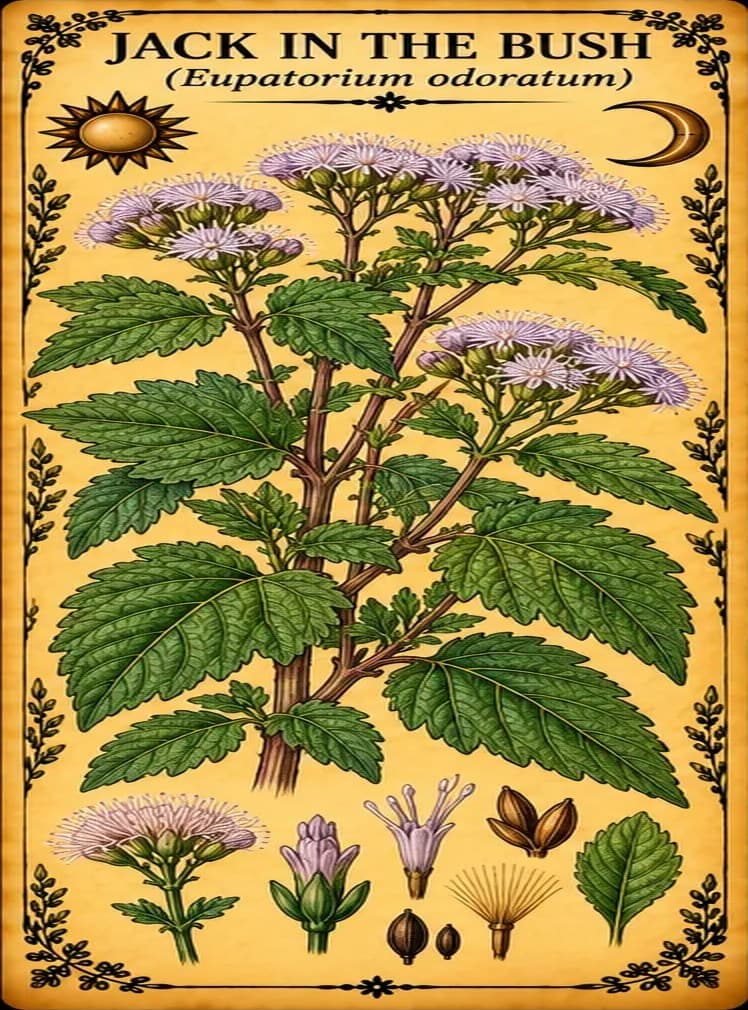 Jack in the BushChromolaena odorata
Traditionally used for wounds. It helped wounds heal in lab and animal studies.
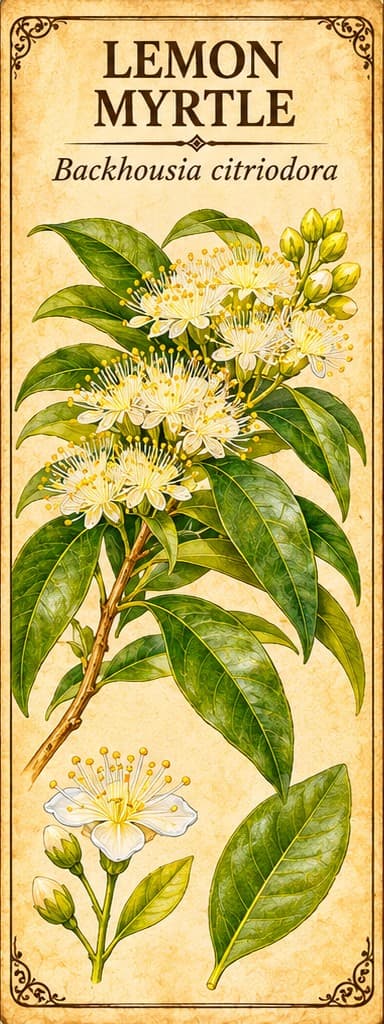 Lemon MyrtleBackhousia citriodora
A traditional First Nations wound remedy. The oil kills wound germs in lab tests; not tested on wounds in people.
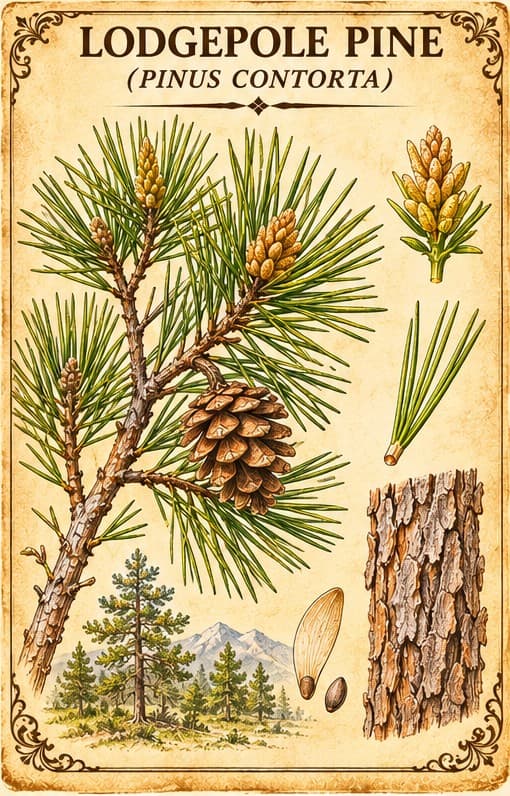 Lodgepole PinePinus contorta
Pitch was put on cuts, sores and burns. Not studied in people.
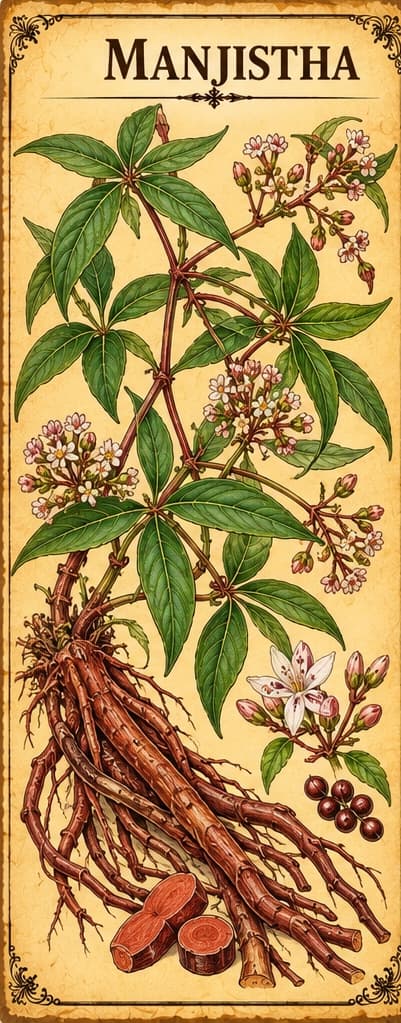 ManjisthaRubia cordifolia
Traditional use only: used for wounds in Chinese medicine, and as a honey paste to help wounds heal in Ayurveda. Not studied in people.
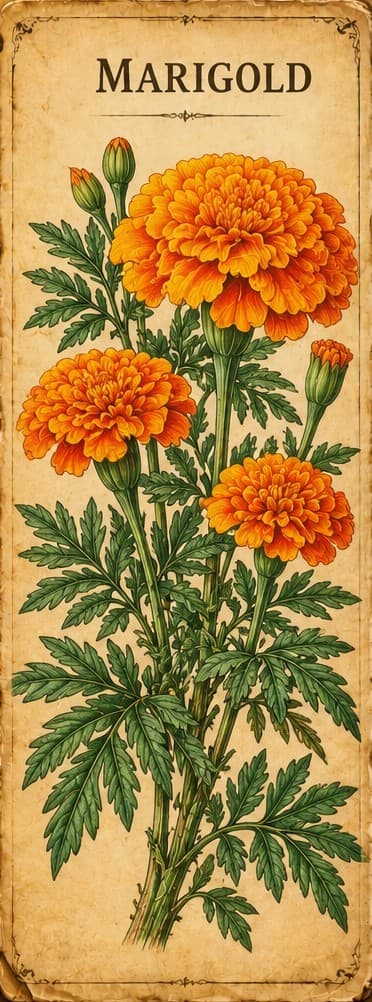 MarigoldTagetes erecta
Traditionally put on sores, wounds and burns in India and Guatemala. Not studied in people.
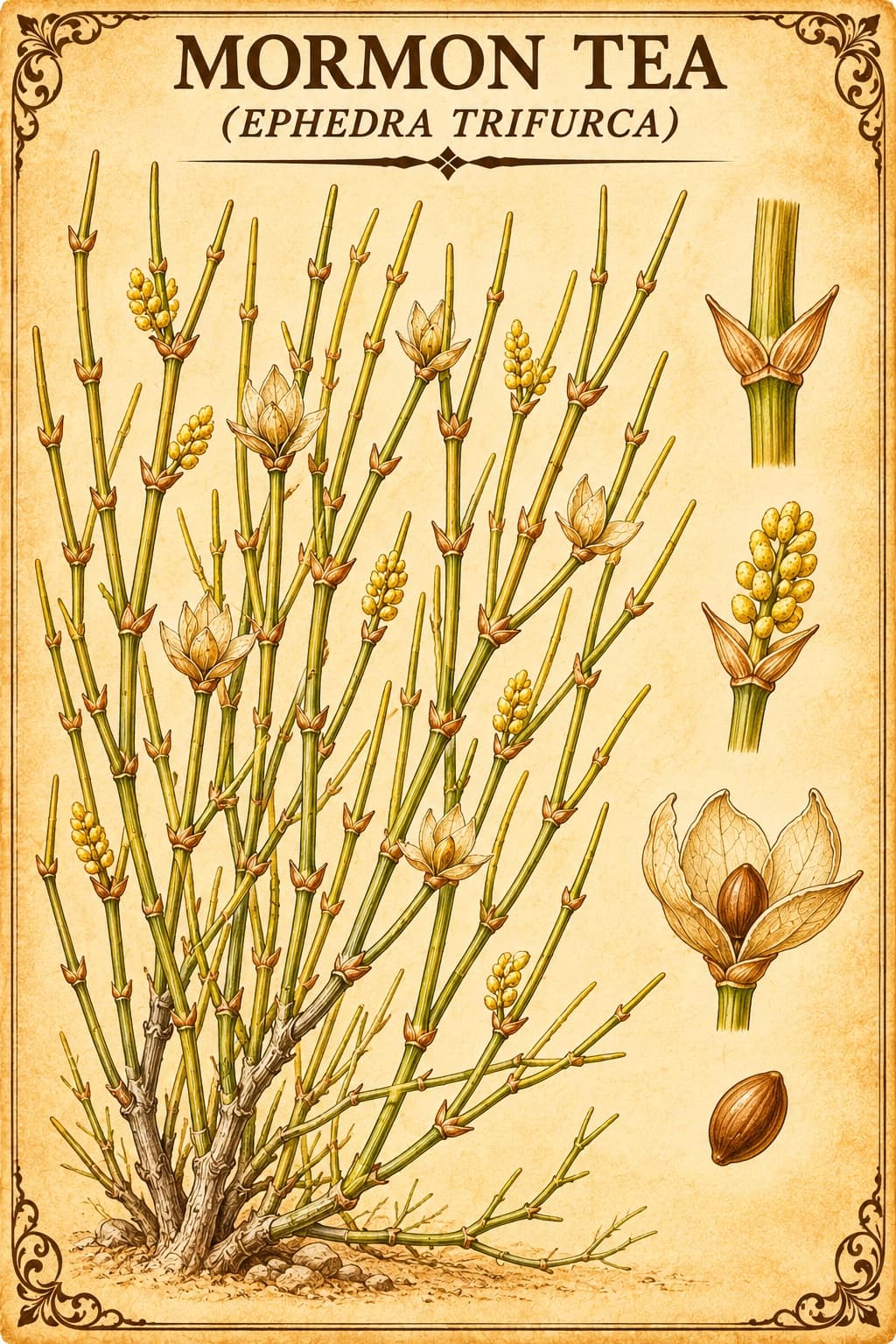 Mormon TeaEphedra trifurca
Ground or boiled stems were put on sores by the Cocopa. Not studied in people.
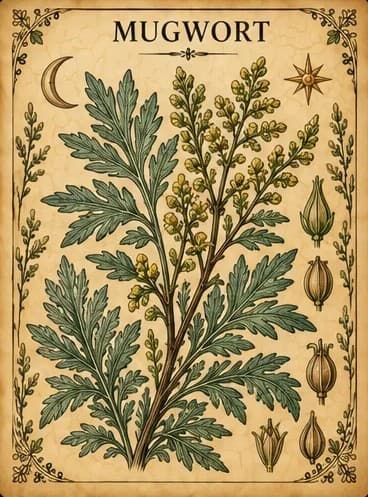 MugwortArtemisia vulgaris
Used on wounds in medieval European medicine. It hasn't been tested for wounds in people.
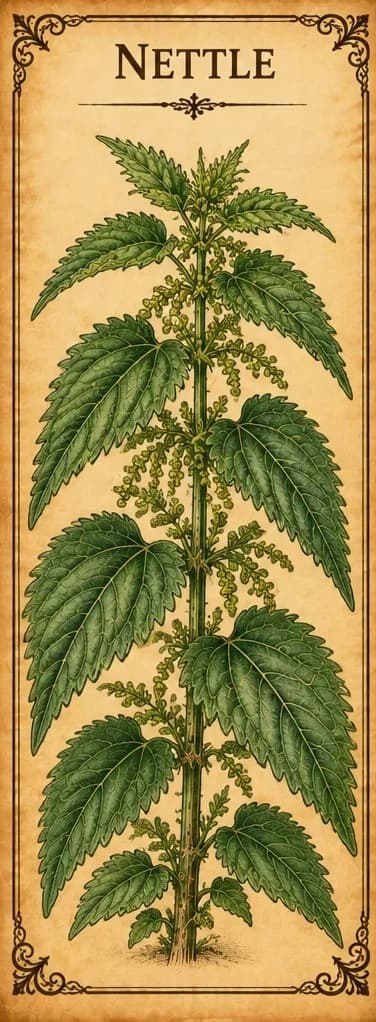 NettleUrtica dioica
Traditionally used in Europe, Asia and Africa for cuts and wounds. This hasn't been tested in people.
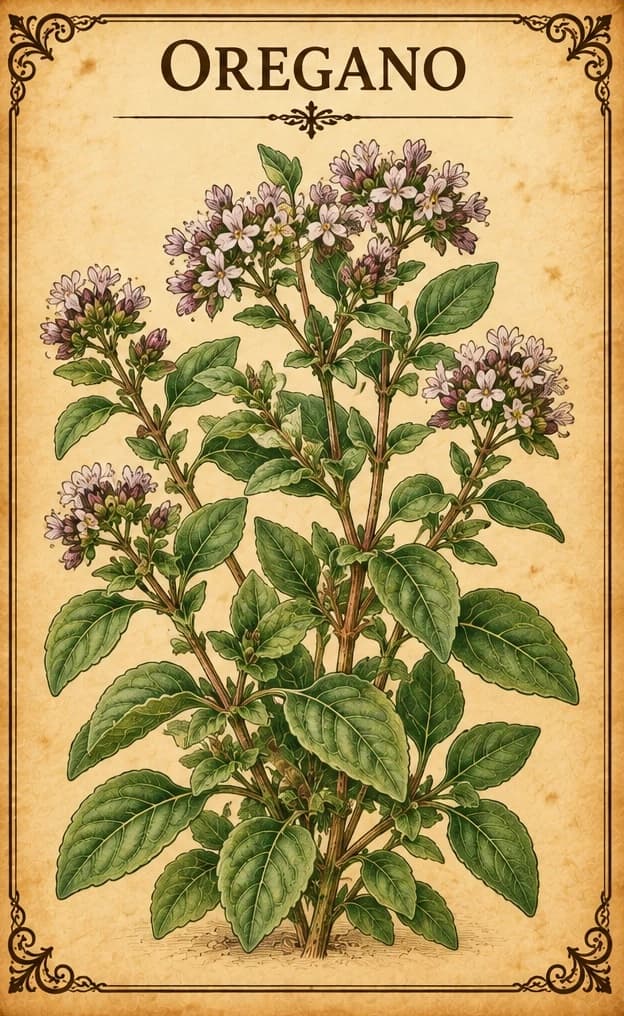 OreganoOriganum vulgare
In one small trial, a 3% oregano extract ointment on surgical wounds meant fewer wounds grew staph bacteria than with petroleum jelly. Scars looked about the same overall.
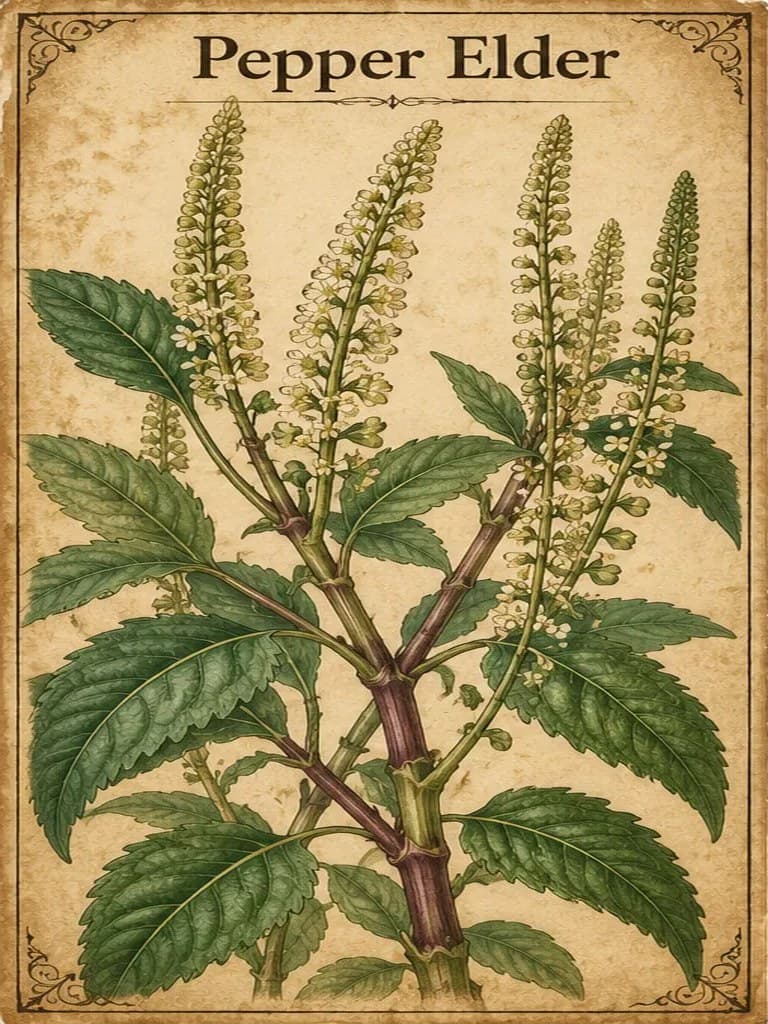 Pepper ElderPiper amalago
In one case report, leaves boiled in water helped a wound heal in a person with diabetes. This hasn't been tested in a controlled study.
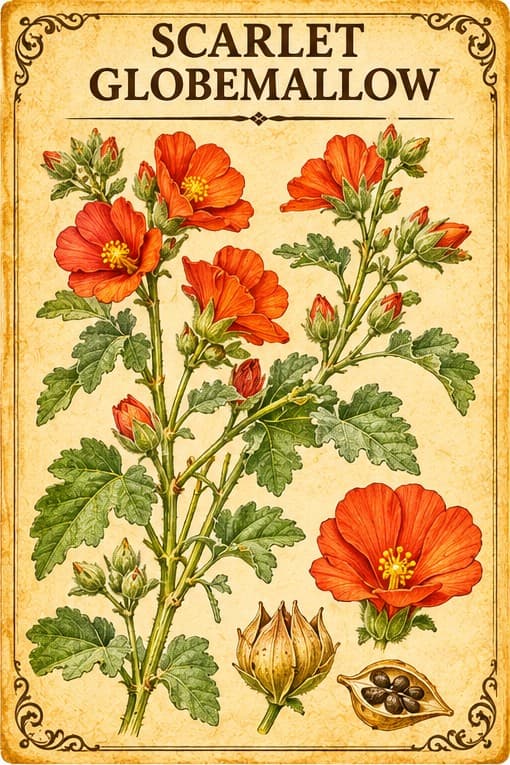 Scarlet GlobemallowSphaeralcea coccinea
Chewed plant or roots were put on sores and wounds by the Dakota and Lakota. Not studied in people.
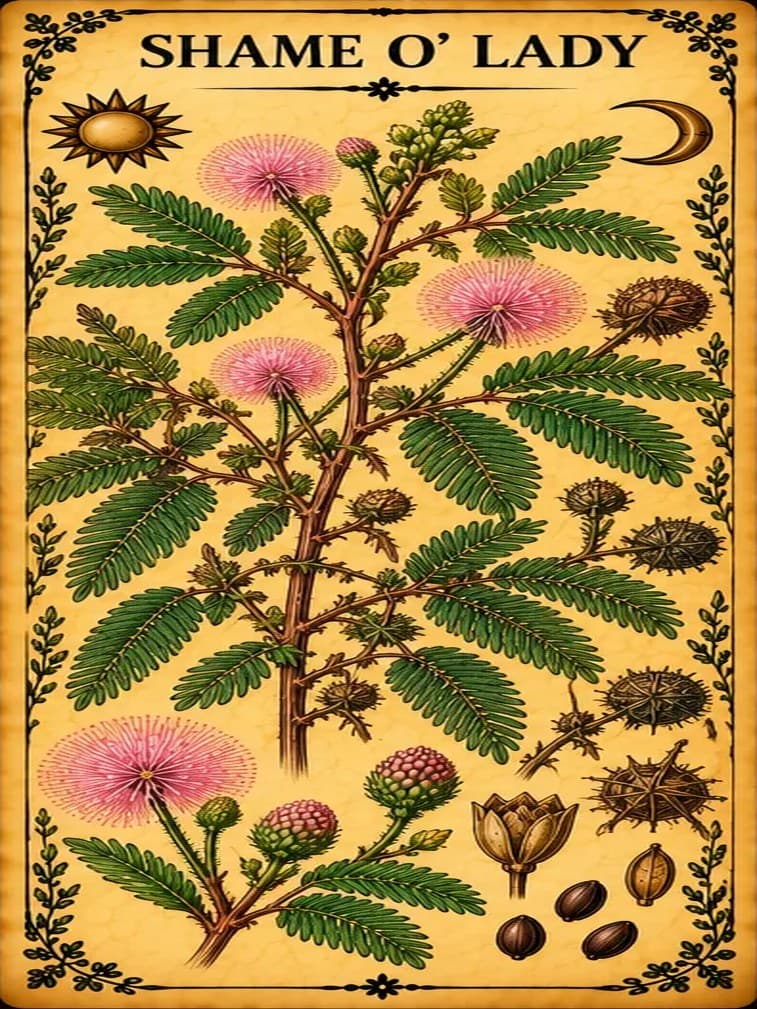 Shame O' LadyMimosa pudica
Traditionally put on wounds.
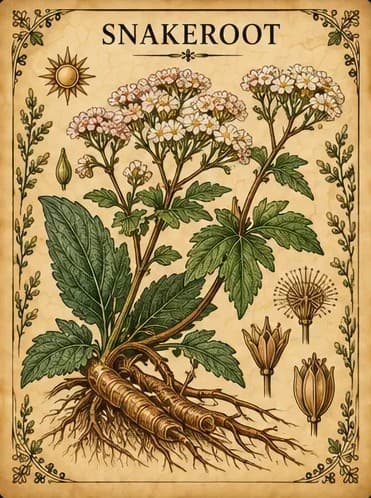 SnakerootAgeratina pichinchensis
Traditionally used in Mexico for wounds. Small trials suggest it may help leg ulcers and diabetic foot ulcers heal.
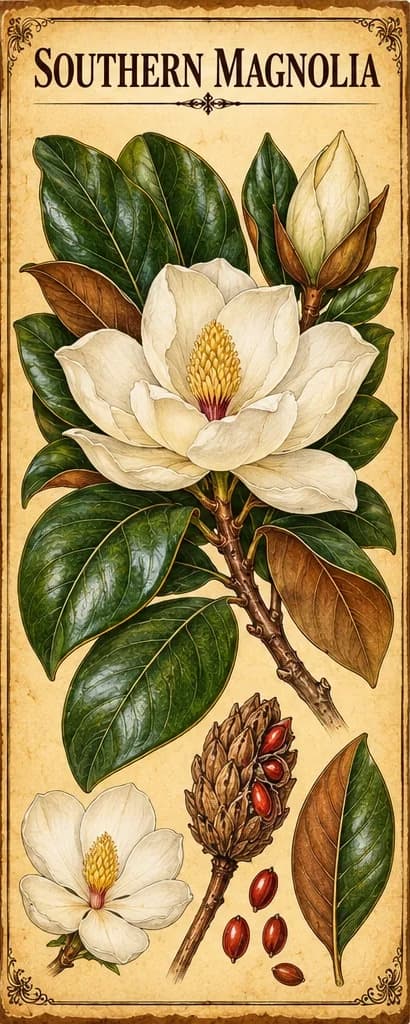 Southern MagnoliaMagnolia grandiflora
Traditional use only: the Koasati used a bark wash on sores. Not studied in people.
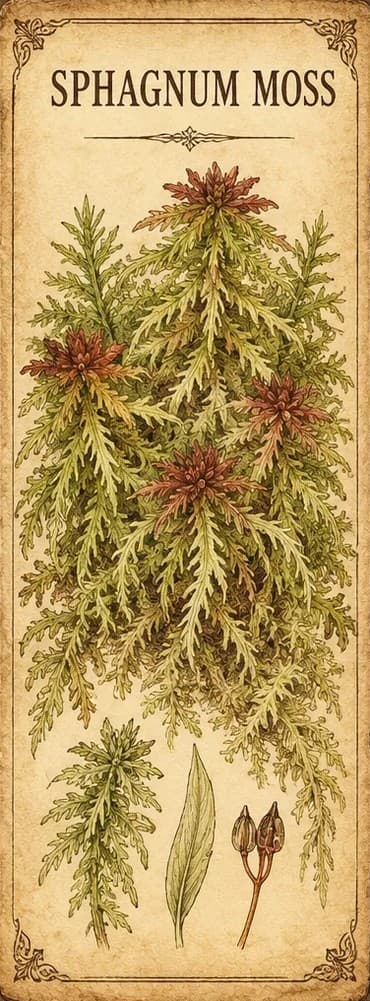 Sphagnum MossSphagnum spp.
Historically used as a wound dressing; not tested in modern trials.
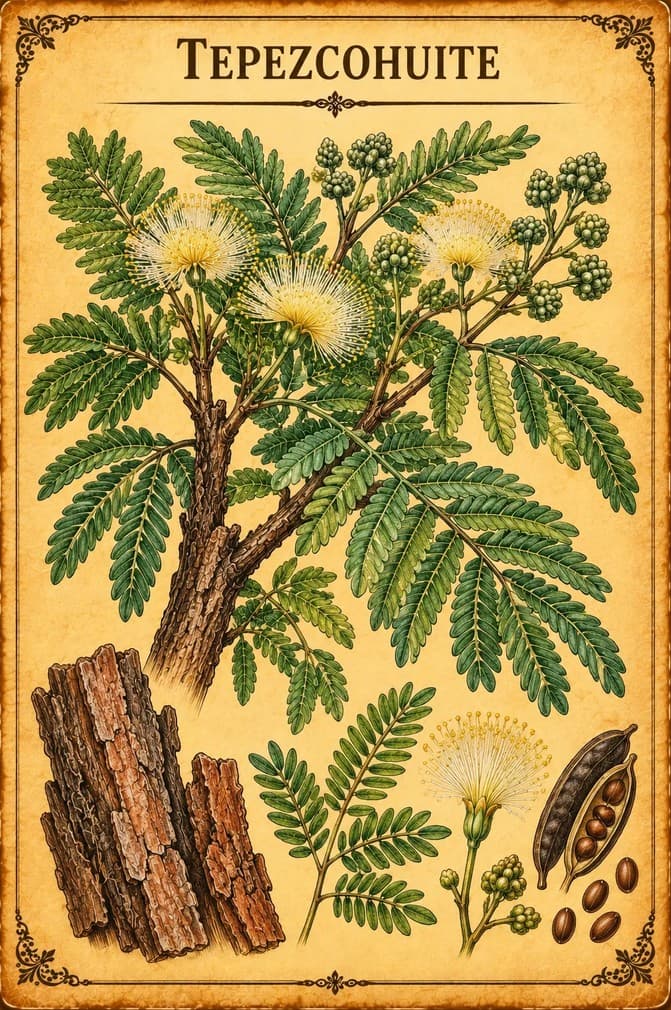 TepezcohuiteMimosa tenuiflora
Used on wounds and burns in Mexico. Of two small trials of a bark gel for leg ulcers, one found it helped and one found no benefit.
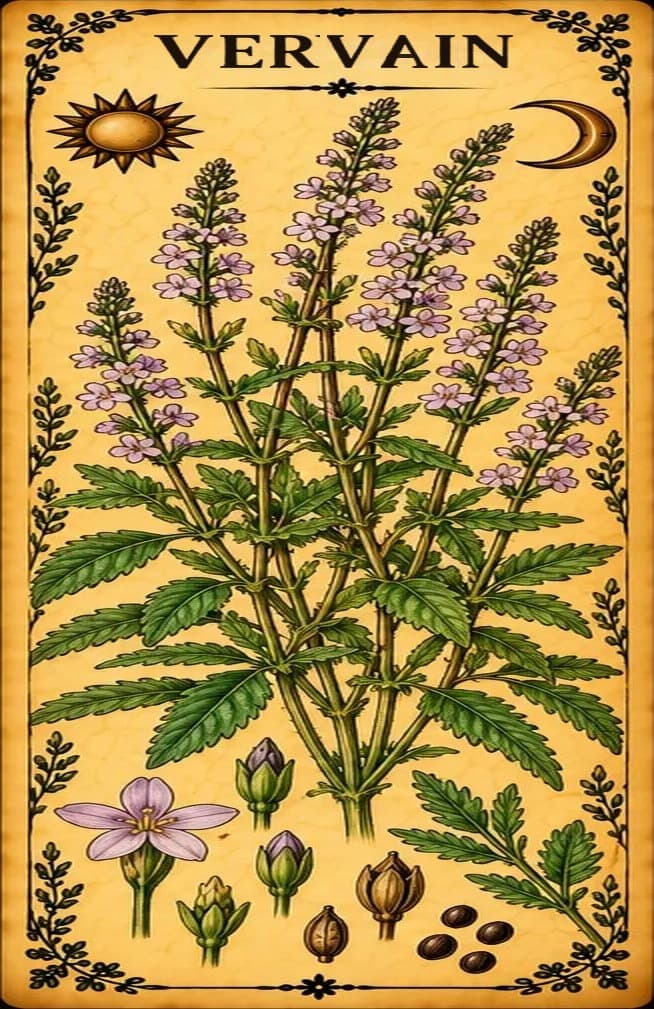 VervainStachytarpheta jamaicensis
The leaves are traditionally used to clean cuts, wounds and sores.
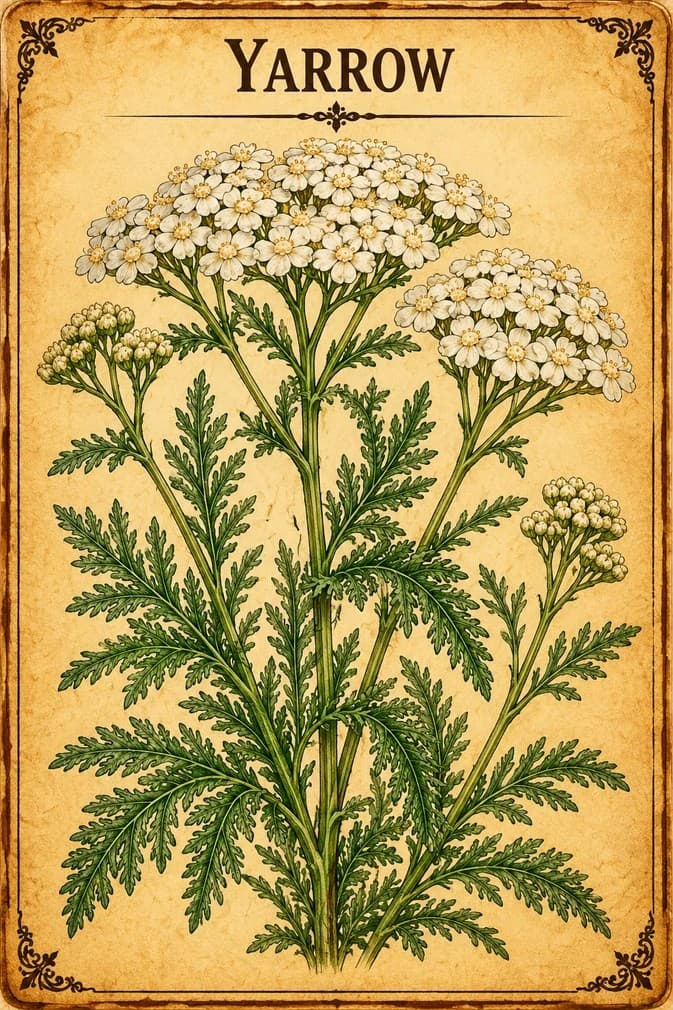 YarrowAchillea millefolium
Recognised in Europe as a traditional remedy for small, shallow wounds.
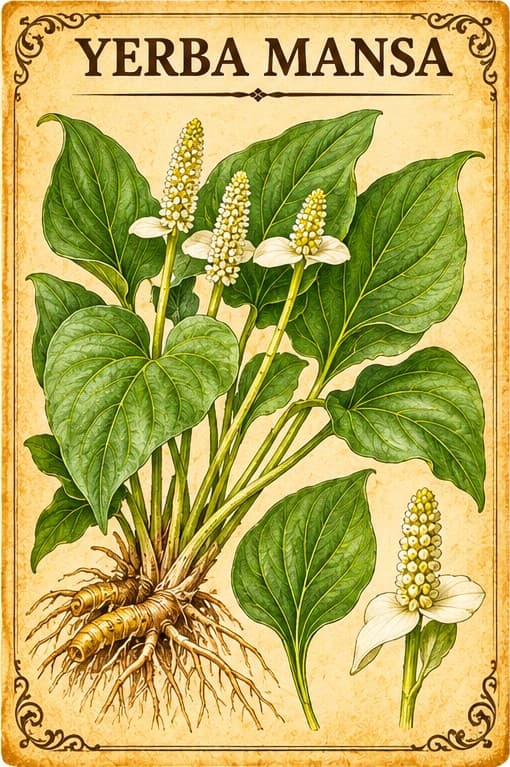 Yerba MansaAnemopsis californica
A widely used Native American wound and sore remedy. Root compounds stopped some germs in lab tests; not tested in people.