
Traditional Chinese Medicine
90 herbs
These are traditional uses, not proven treatments.
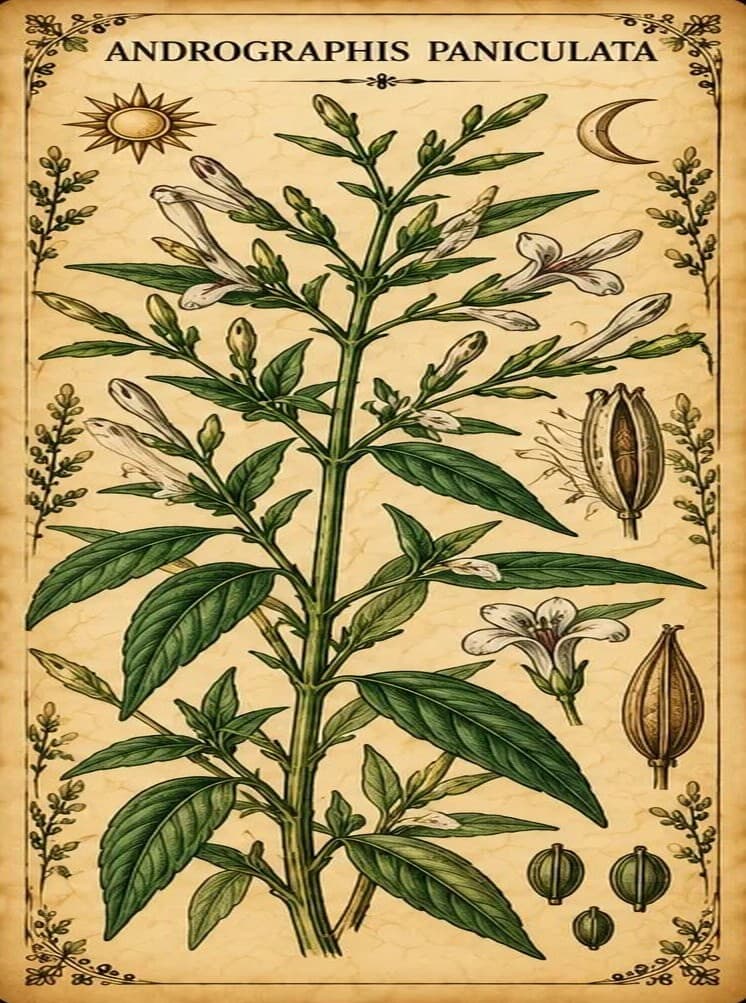 AndrographisAndrographis paniculata
Known as chuan xin lian; used, often with other herbs, for infections and fevers.
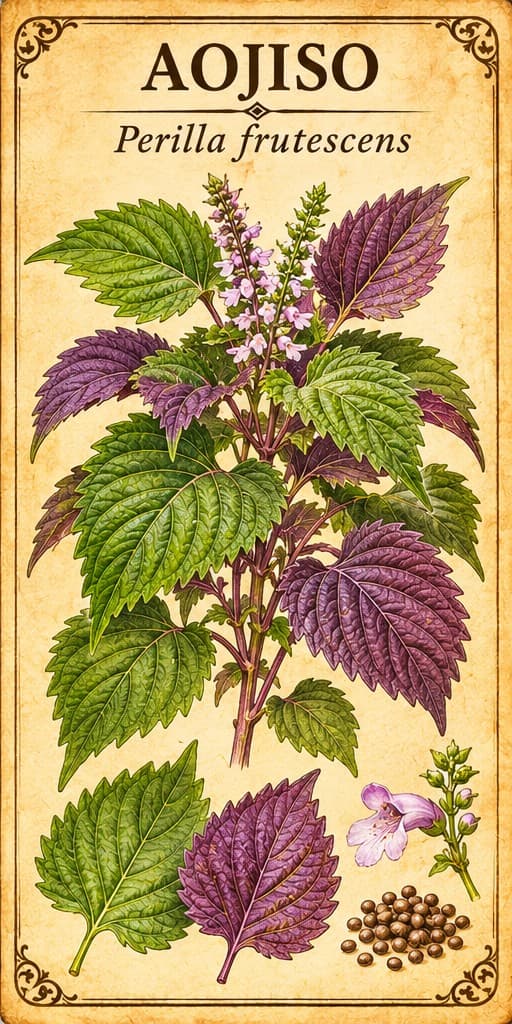 AojisoPerilla frutescens
Perilla leaf (Perillae Folium) is listed in the Chinese and Japanese pharmacopoeias.
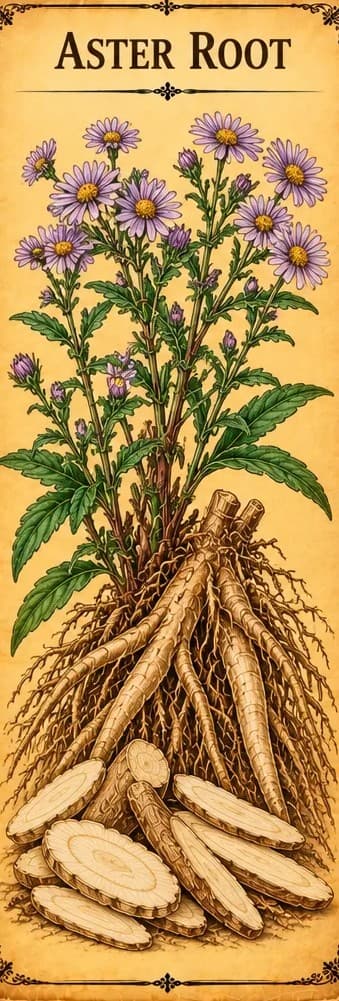 Aster RootAster tataricus
Called zi wan ("purple, soft"); recorded in the Shennong Herbal Classic as a lung medicine to moisten the lungs and relieve cough and phlegm.
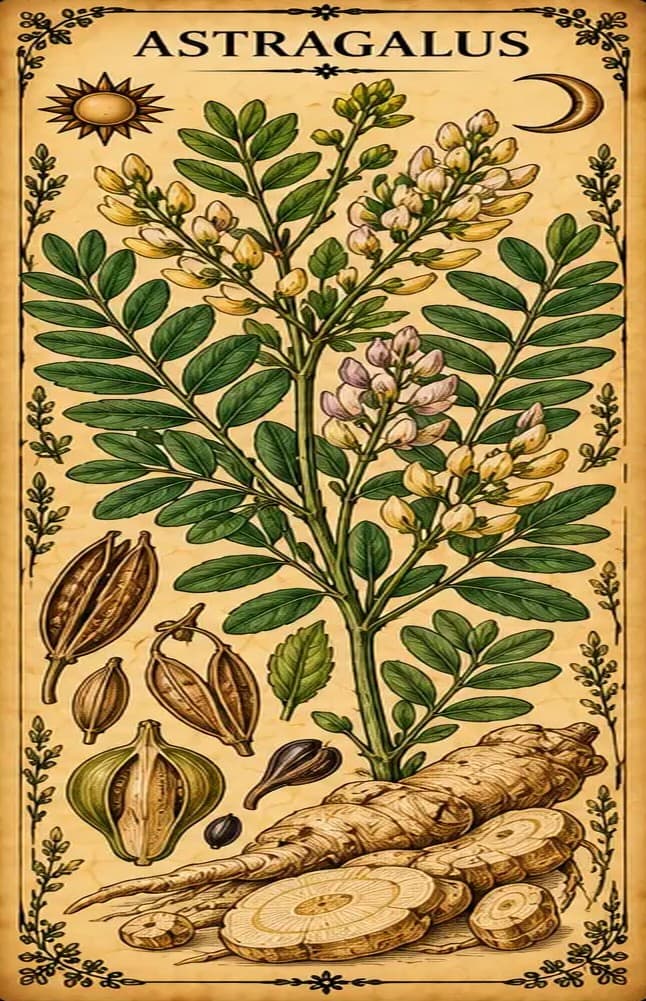 AstragalusAstragalus membranaceus
The root (huang qi) has been used for centuries, often combined with other herbs.
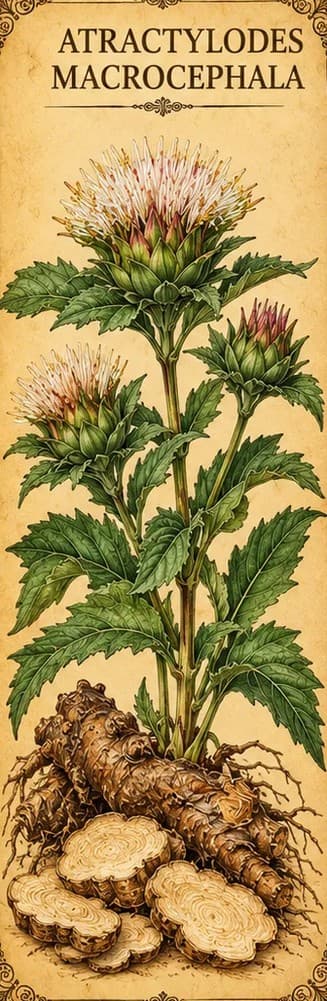 Atractylodes MacrocephalaAtractylodes macrocephala
Called bai zhu; a tonic for weak digestion ("spleen deficiency") and for calming the fetus, and a core herb in formulas for irritable bowel.
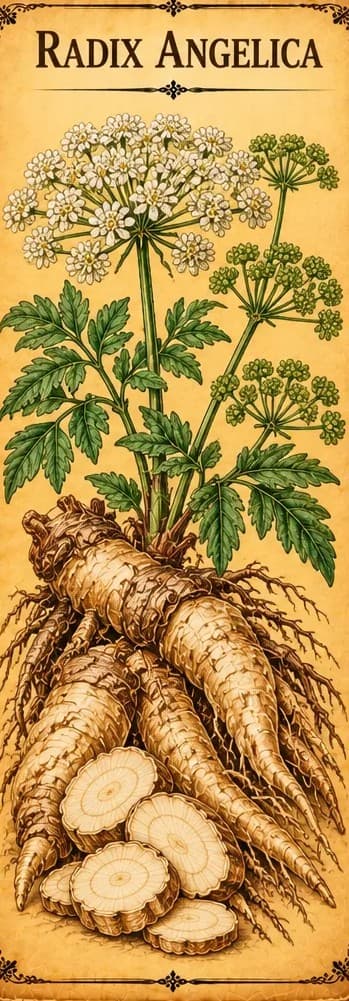 Bai ZhiAngelica dahurica
Called bai zhi; used for centuries for colds, headache, blocked sinuses, toothache and skin sores.
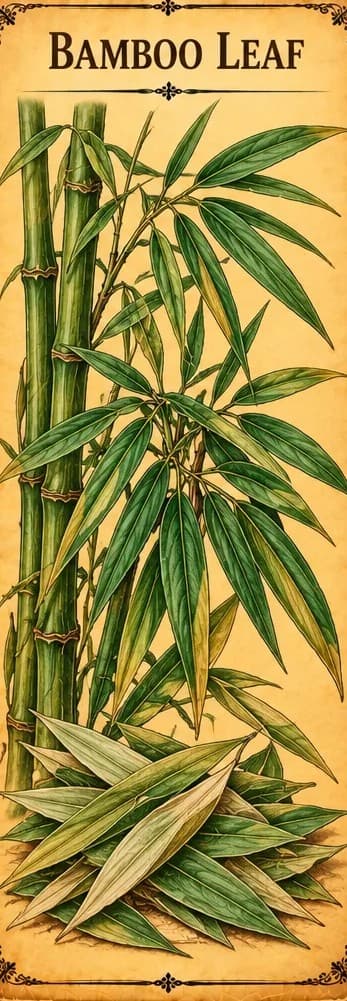 Bamboo LeafLophatherum gracile
Called dan zhu ye; used for feverish heartburn and thirst, painful urination and tongue sores, and drunk as tea in southern China.
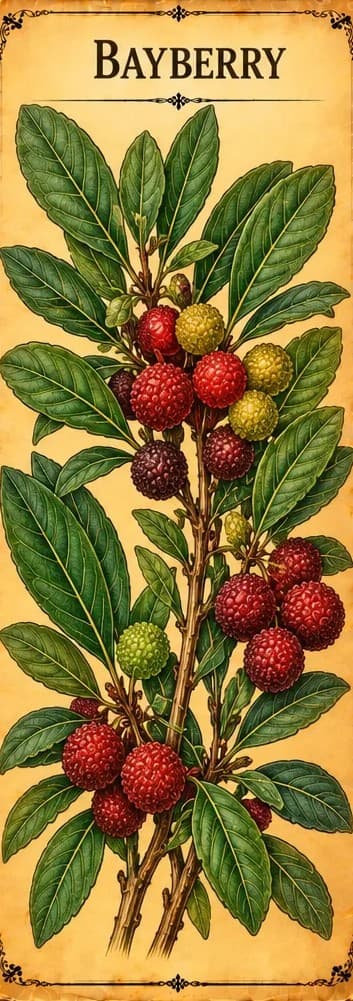 BayberryMyrica rubra
Grown in China for more than 2,000 years; different parts of the tree have been used as folk medicines.
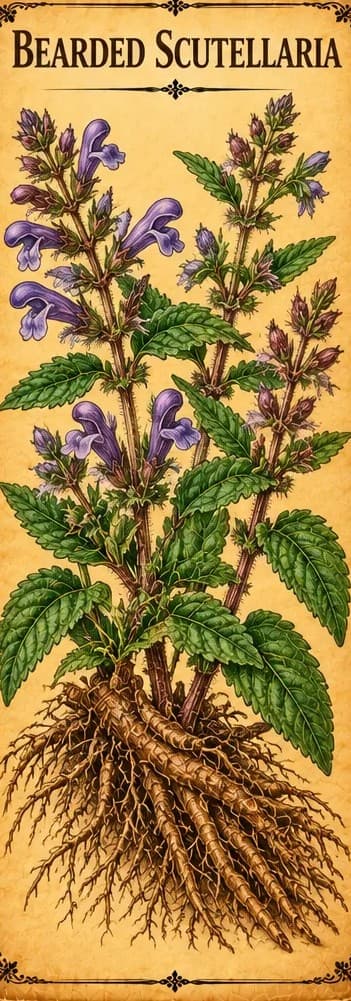 Bearded ScutellariaScutellaria barbata
Called ban zhi lian; first recorded in the Ming Dynasty for snake bites, and used to "clear heat and remove toxins", reduce swelling and move blood.
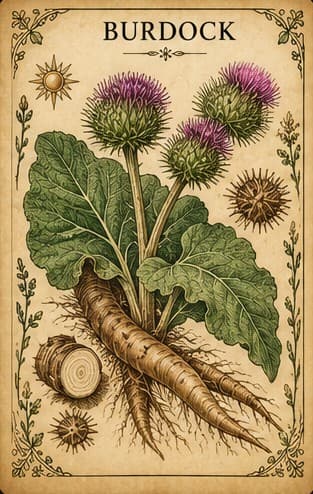 BurdockArctium lappa
The fruit is valued as a blood purifier, for sore throat and colds, and on the skin for acne, eczema and psoriasis.
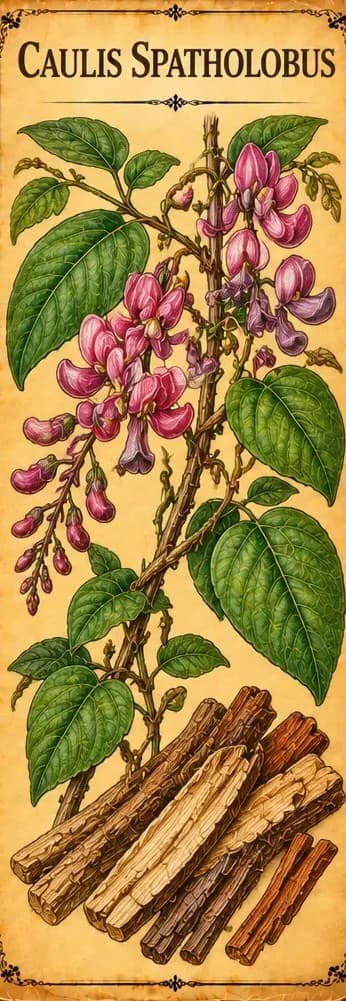 Caulis SpatholobusSpatholobus suberectus
Called ji xue teng ("chicken blood vine"); used for nearly 1,000 years for anemia, irregular menstruation and rheumatic joint pain.
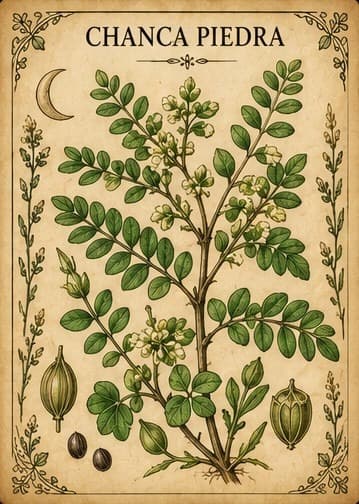 Chanca PiedraPhyllanthus niruri
Known in Chinese medicine for liver and kidney problems.
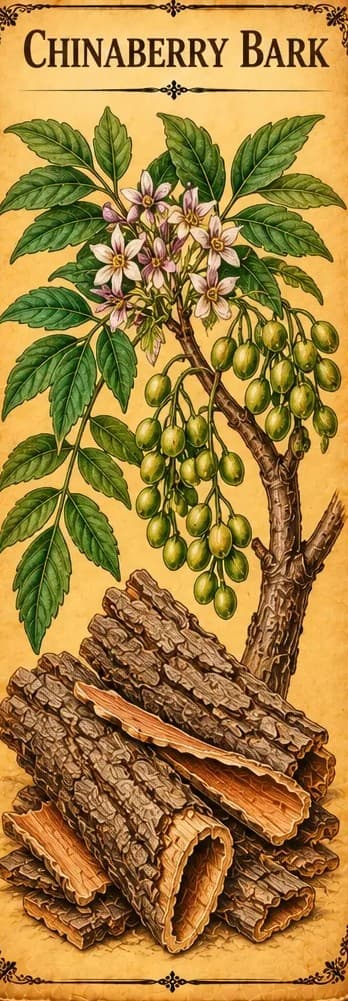 Chinaberry BarkMelia azedarach
Melia has long been recorded in Chinese medical books; its compound toosendanin was developed into a roundworm medicine. It's toxic to the liver.
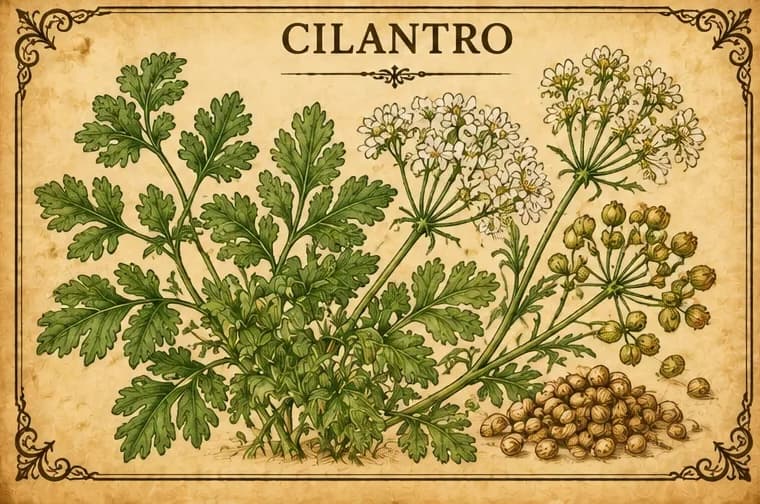 CilantroCoriandrum sativum
Traditionally used in Chinese medicine for flu and bad breath.
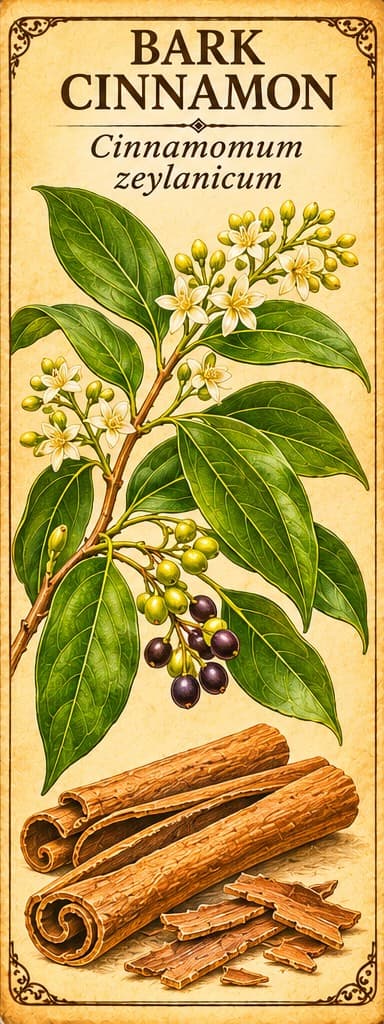 CinnamonCinnamomum verum
The bark, leaves, flowers, fruits and roots have long been used in traditional medicine and cooking in China.
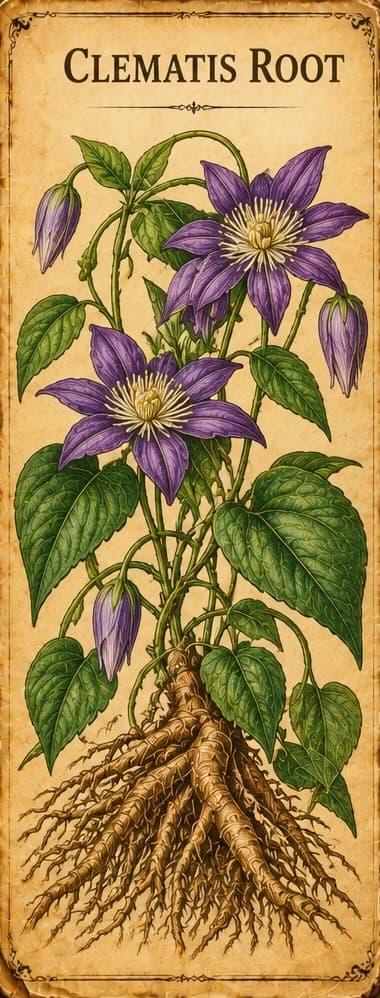 Clematis RootClematis chinensis
Used for rheumatic joint pain, numb limbs and stiff, tight tendons.
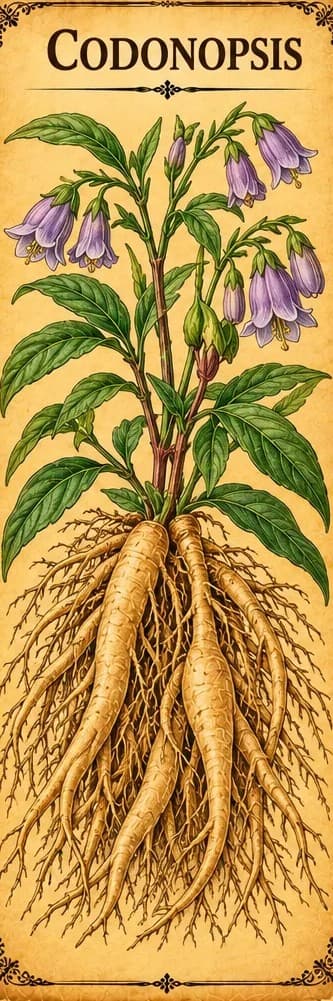 CodonopsisCodonopsis pilosula
Called dang shen; a tonic used alongside or in place of ginseng for about 1,000 years, to strengthen the spleen, stomach and lungs.
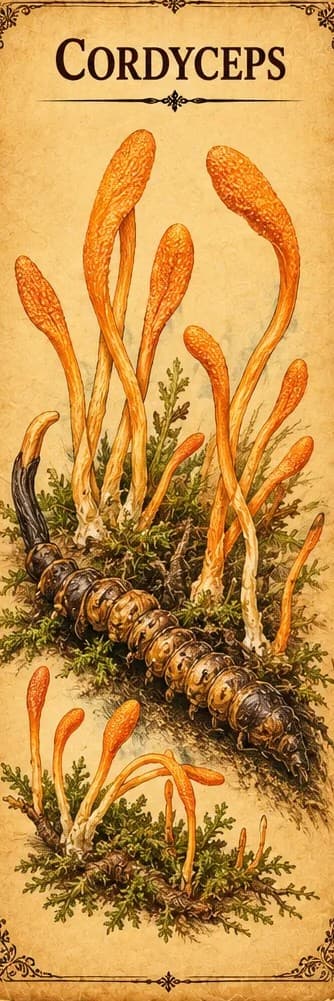 CordycepsOphiocordyceps sinensis
Called dong chong xia cao ("winter worm, summer grass"); used for over 700 years as a tonic for the lungs and kidneys.
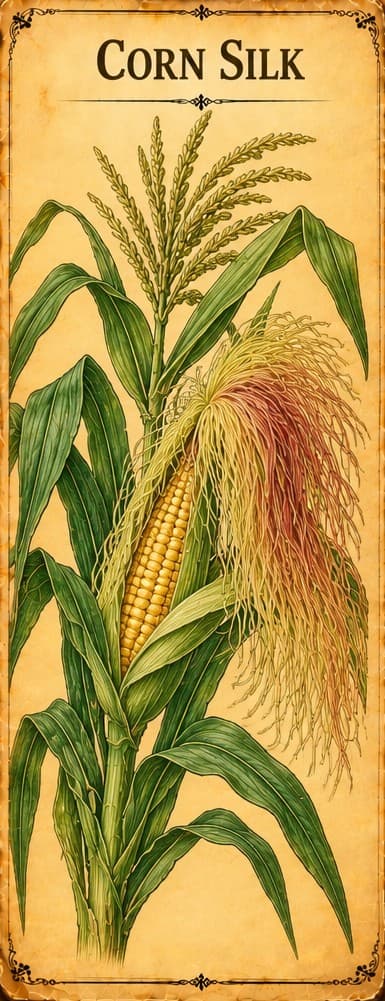 Corn SilkZea mays
Recorded since 1476 and listed in the Chinese Pharmacopoeia; used to increase urination and reduce swelling.
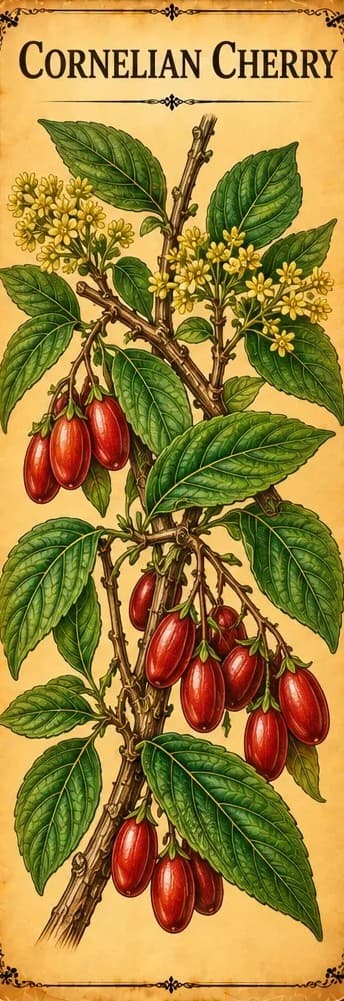 Cornelian CherryCornus officinalis
Called shan zhu yu; recorded since the Shennong Ben Cao Jing and used for about 2,000 years as a liver and kidney tonic, and for dizziness, ringing in the ears, frequent urination and heavy sweating.
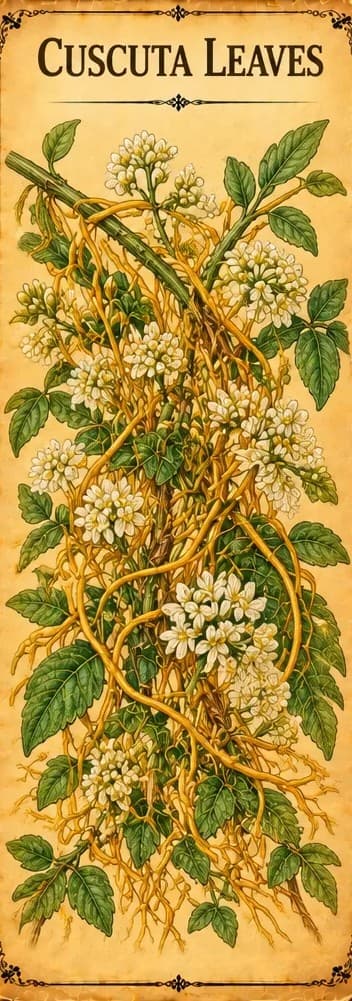 CuscutaCuscuta chinensis
The seed, tu si zi, is a top-grade tonic in the Shennong Herbal Classic, used for the liver and kidneys, eyesight, keeping pregnancies stable and fertility.
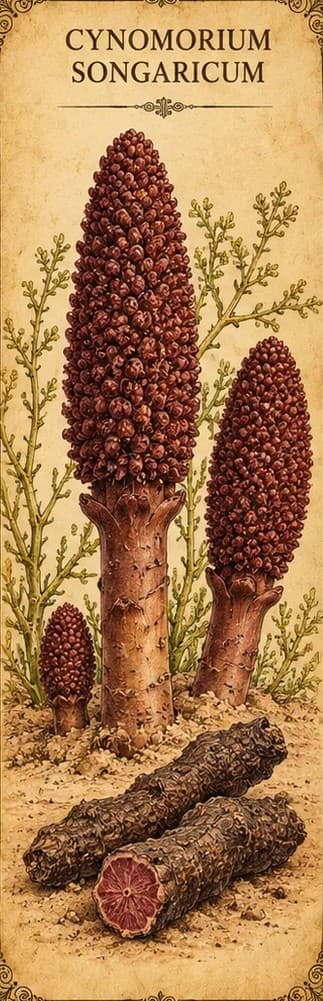 Cynomorium SongaricumCynomorium songaricum
Called suo yang; used for centuries to "tonify kidney yang" and enrich the blood.
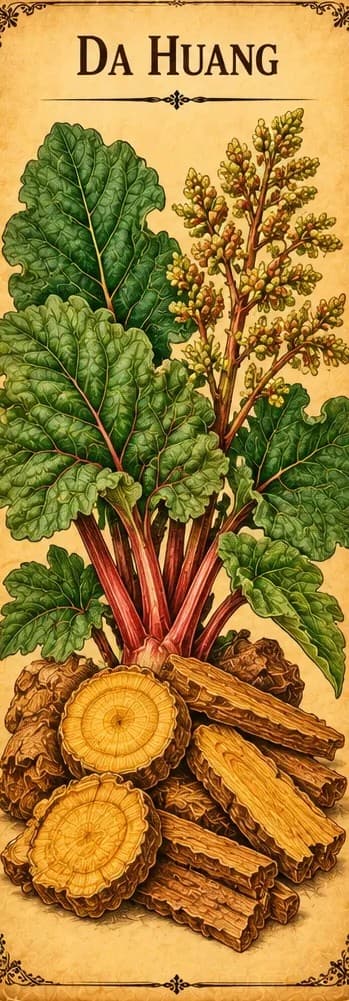 Da HuangRheum palmatum
Called da huang; used for thousands of years as a purgative to "clear heat", and to restore menstruation and relieve "blood stasis".
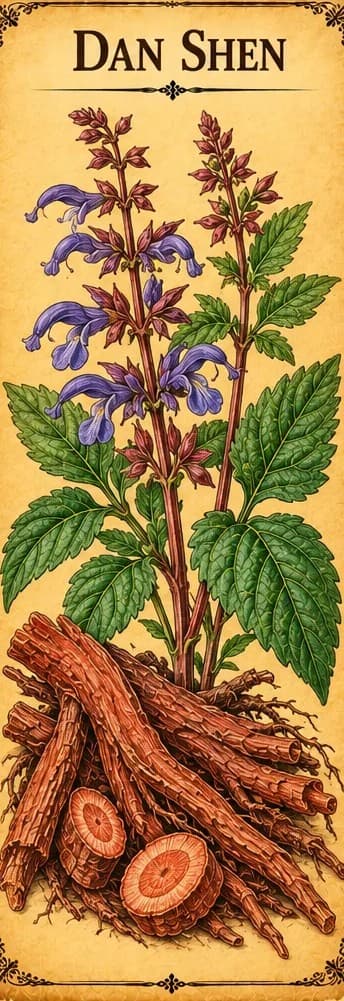 Dan ShenSalvia miltiorrhiza
Called dan shen; the root is widely used in Chinese medicine, especially for the heart and circulation.
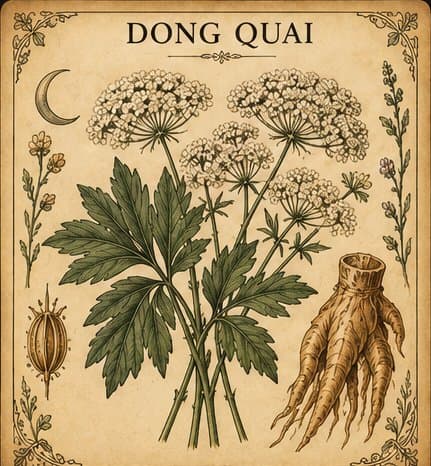 Dong QuaiAngelica sinensis
One of the herbs most commonly used by Traditional Chinese Medicine practitioners, with a long history in China, Korea and Japan, mainly for women's reproductive problems such as period pain, missing periods and menopause.
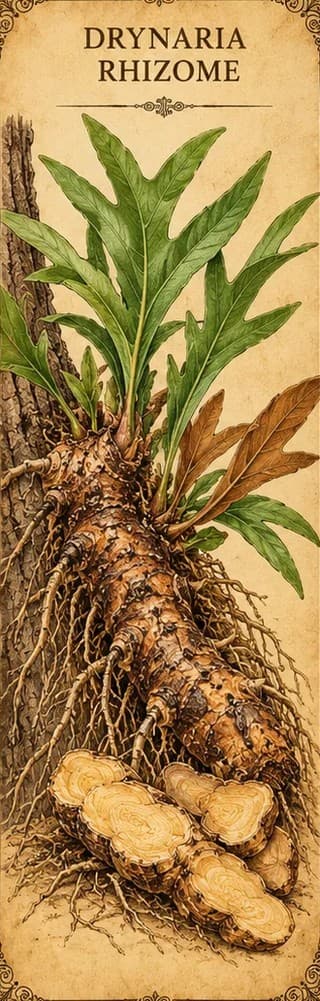 Drynaria RhizomeDrynaria fortunei
Called gu sui bu; commonly used to prevent and treat bone diseases such as osteoporosis.
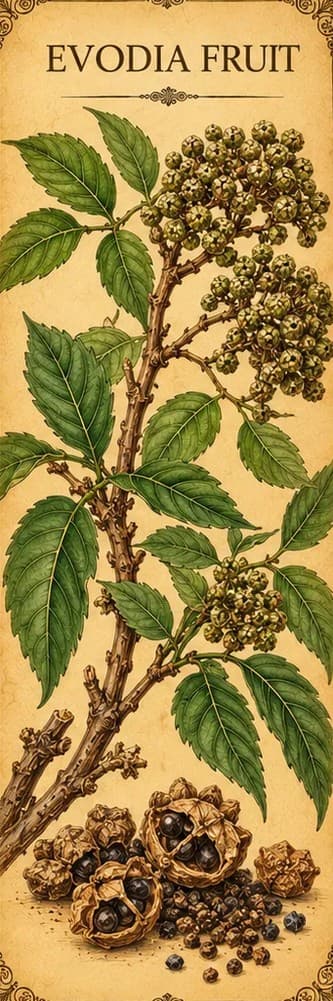 Evodia FruitTetradium ruticarpum
Called wu zhu yu; recorded in the Shennong Herbal Classic and used to dispel cold, relieve pain and stop vomiting and diarrhoea. It's mildly toxic.
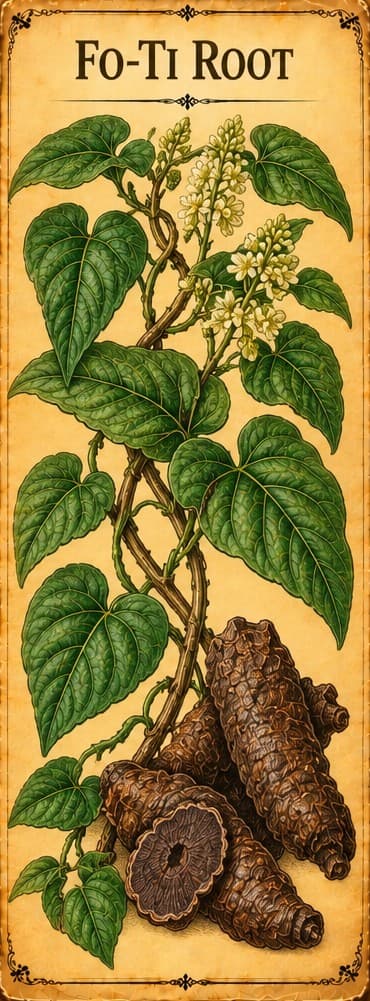 Fo-TiReynoutria multiflora
Called he shou wu; first recorded in the Kaibao Bencao (973–974 AD). Processed root is used to darken hair, nourish the liver and kidneys and as an anti-ageing tonic; raw root to relax the bowels.
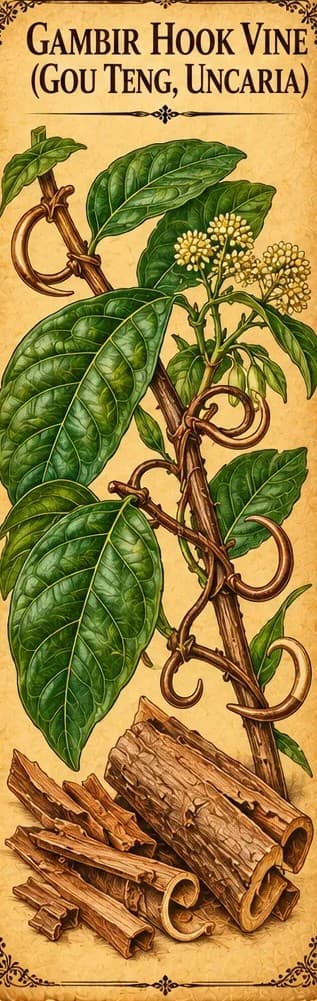 Gambir Hook VineUncaria rhynchophylla
Called gou teng; used for over 1,500 years to "extinguish wind" and "calm liver yang": for convulsions, tremors, high blood pressure, headache and dizziness.
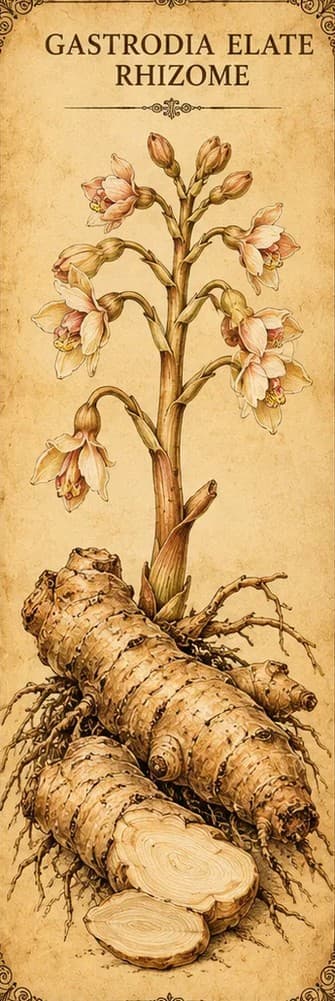 Gastrodia Elata RhizomeGastrodia elata
Called tian ma; recorded in the Shennong Herbal Classic over 2,000 years ago and used for headache, dizziness, high blood pressure, stroke and numbness.
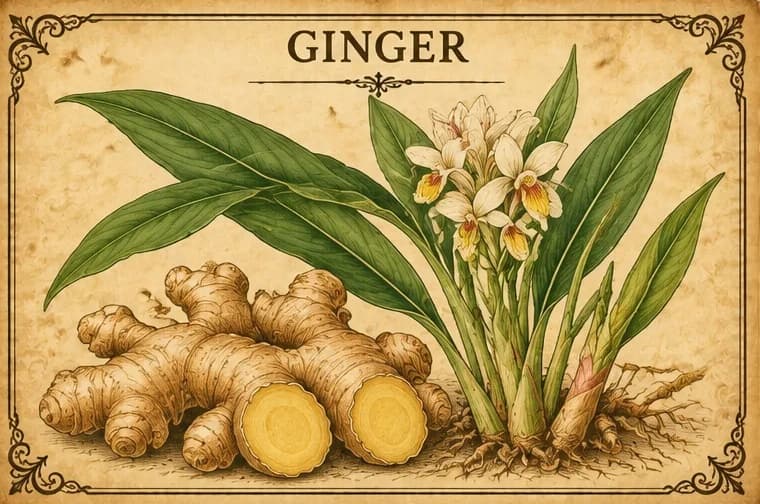 GingerZingiber officinale
Fresh ginger (Sheng Jiang) has been used since ancient times and appears in the Shen Nong Ben Cao Jing, one of the oldest Chinese herbal texts. The Chinese Pharmacopoeia lists it to ease the early stage of colds ("exterior syndrome"), to "disperse cold", and to stop vomiting.
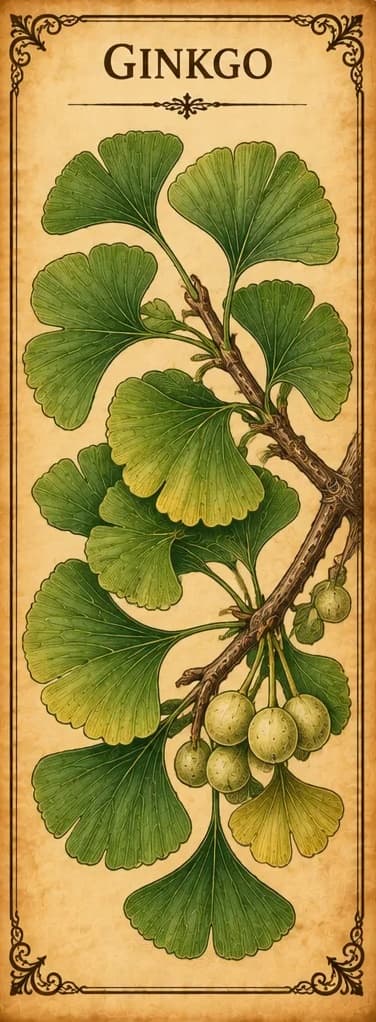 GinkgoGinkgo biloba
Long used in Chinese medicine for cough, diarrhea and other conditions.
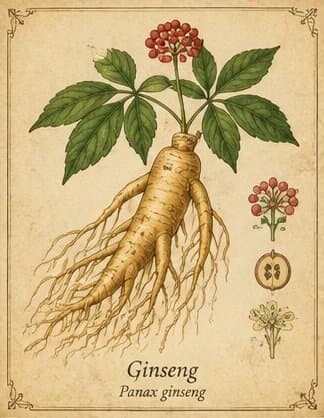 GinsengPanax ginseng
Used in traditional Chinese medicine as a calming herb, and as an adaptogen.
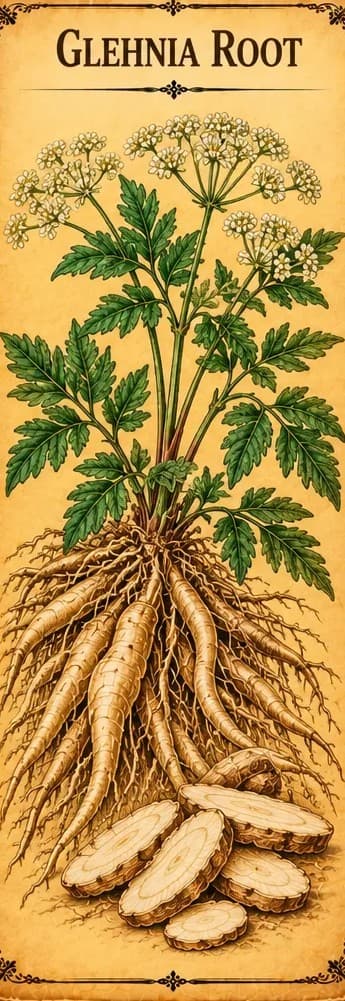 Glehnia RootGlehnia littoralis
Called bei sha shen; recorded in the Shennong Herbal Classic and used to nourish yin, clear the lungs and help the stomach.
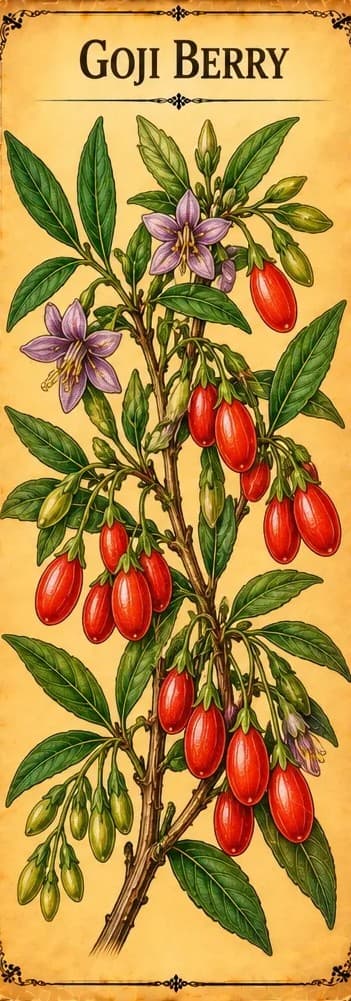 Goji BerryLycium barbarum
Known in China for over 2,000 years as a tonic for various organs.
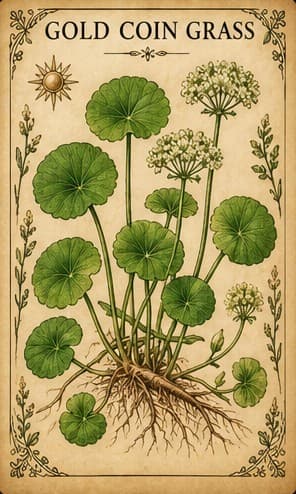 Gold Coin GrassLysimachia christinae, Desmodium styracifolium
Both plants are used for gallstones and urinary stones. Lysimachia christinae is the only ingredient in Jin Qian Cao capsules. Desmodium styracifolium is listed in the Chinese Pharmacopoeia and is also used for poor bile flow, hepatitis and jaundice.
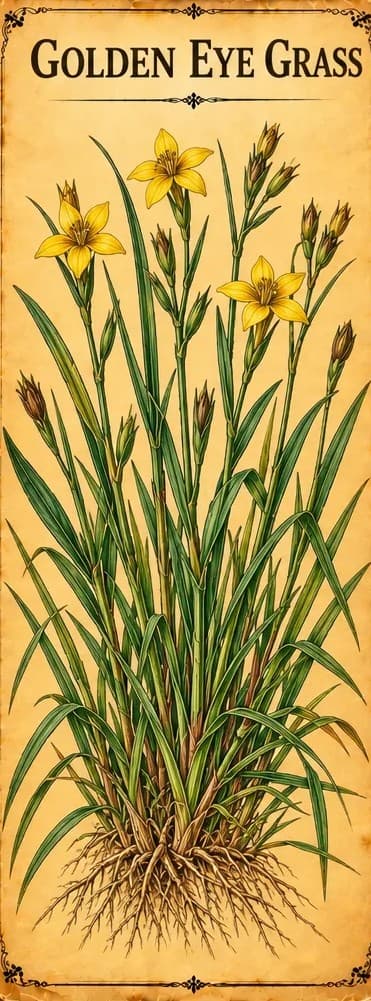 Golden Eye GrassCurculigo orchioides
Called xian mao; the rhizome is used as a tonic for vitality, the liver and kidneys, and for rheumatic conditions.
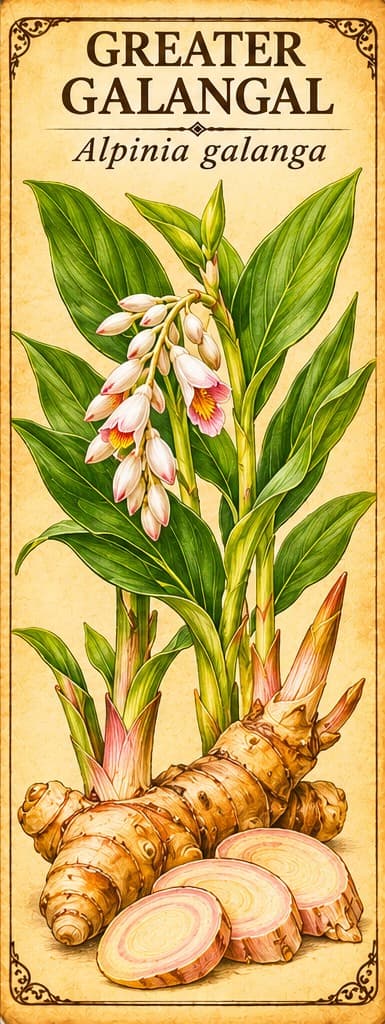 Greater GalangalAlpinia galanga
Used as a medicinal herb.
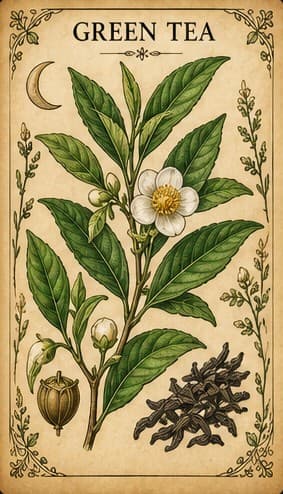 Green TeaCamellia sinensis
The tea plant was first grown in China thousands of years ago, and tea has been used for health for about 3,000 years.
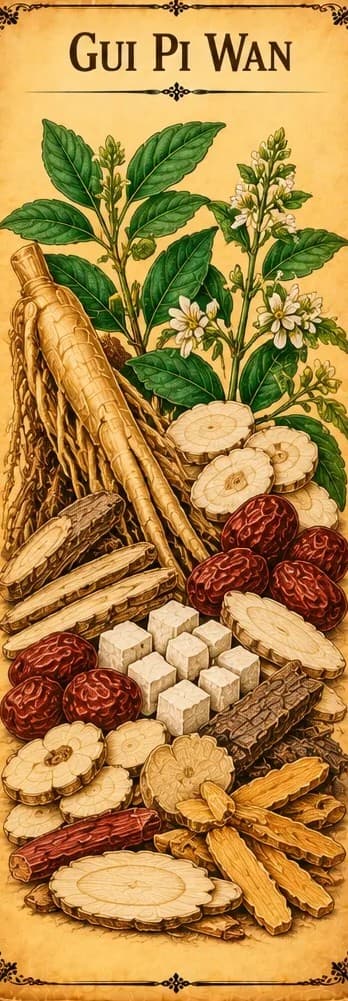 Gui Pi WanPanax ginseng, Astragalus membranaceus, Angelica sinensis and 9 other herbs
A classical formula that tonifies qi and blood and strengthens the spleen and heart; used for palpitations, forgetfulness, insomnia, poor appetite and tiredness.
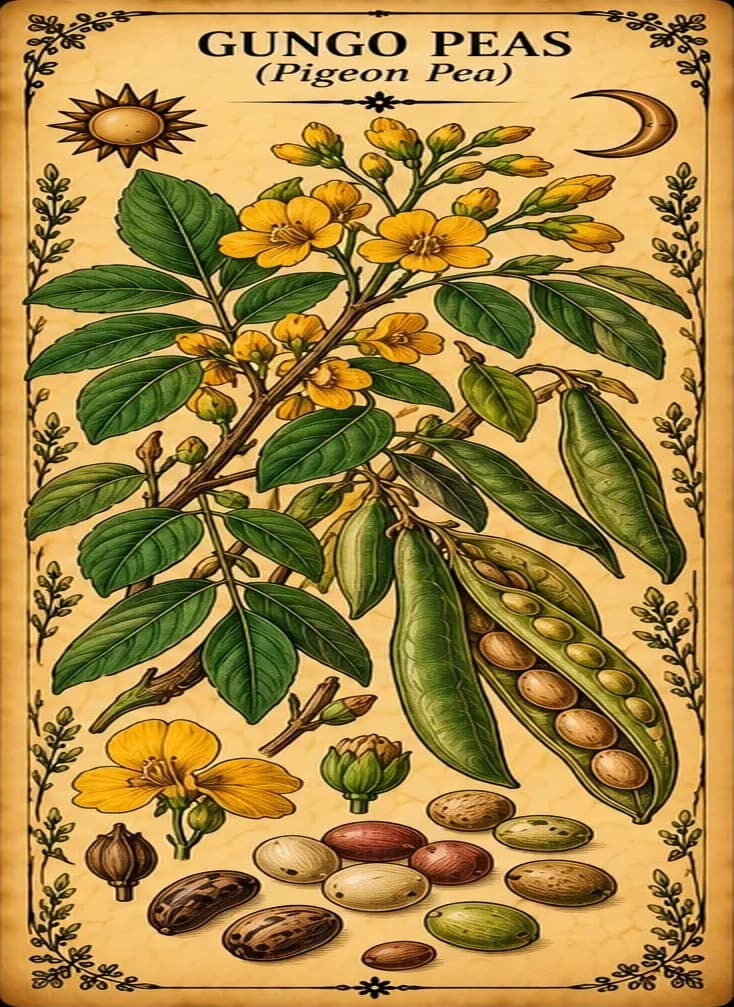 Gungo PeasCajanus cajan
The leaves are a well-known Chinese medicine for bone conditions such as osteoporosis and osteonecrosis.
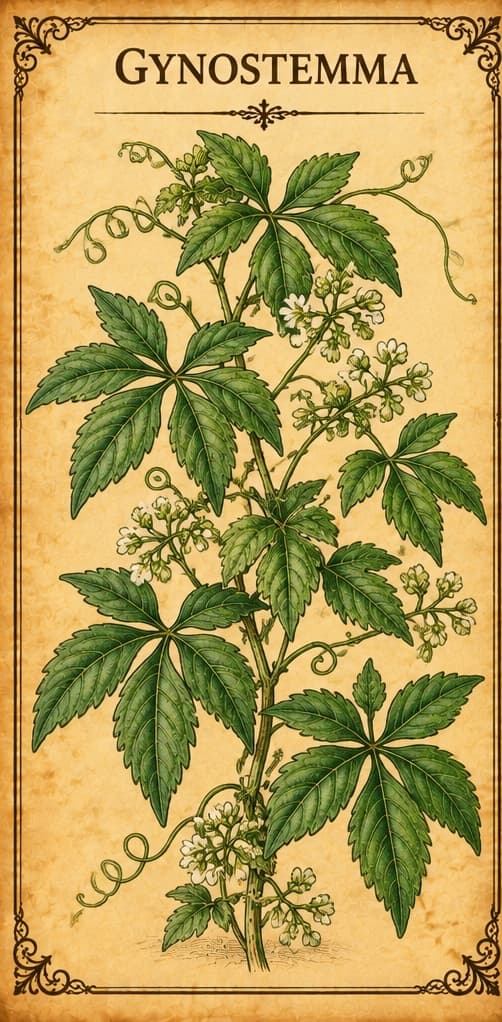 GynostemmaGynostemma pentaphyllum
Known as jiaogulan, a traditional Chinese medicinal herb that is also widely used in foods, teas and supplements.
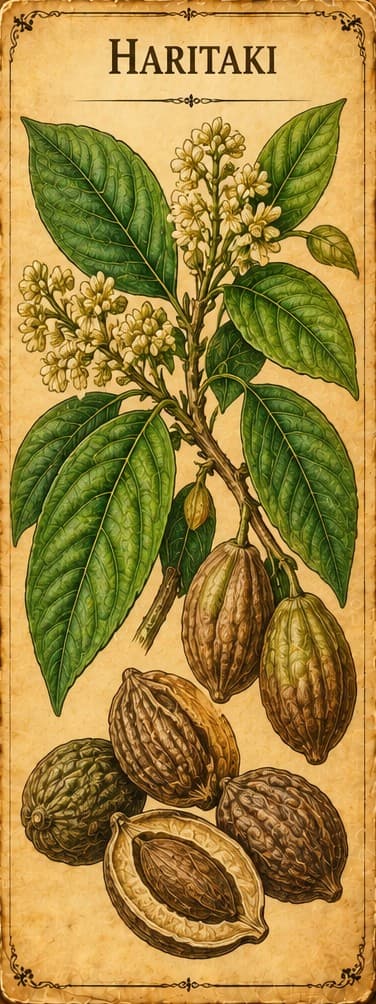 HaritakiTerminalia chebula
Used in China for thousands of years, first recorded in the Jin Dynasty (266–317 AD).
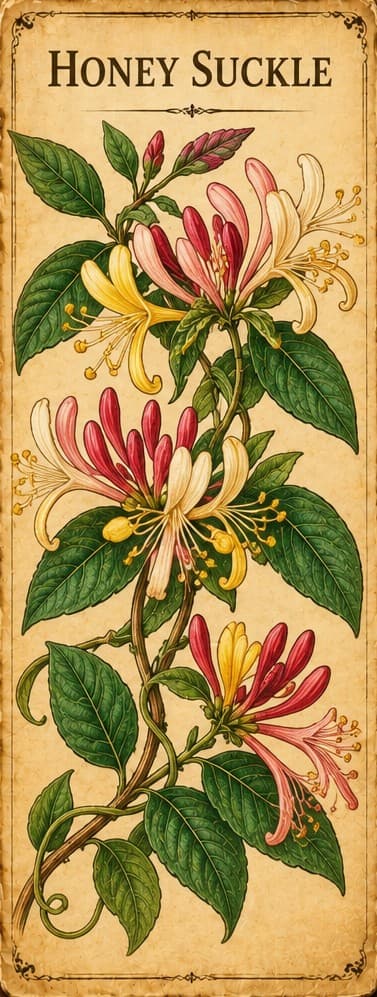 HoneysuckleLonicera japonica
Known as jin yin hua; used for fevers, sore throats, skin sores and boils, and infectious diseases.
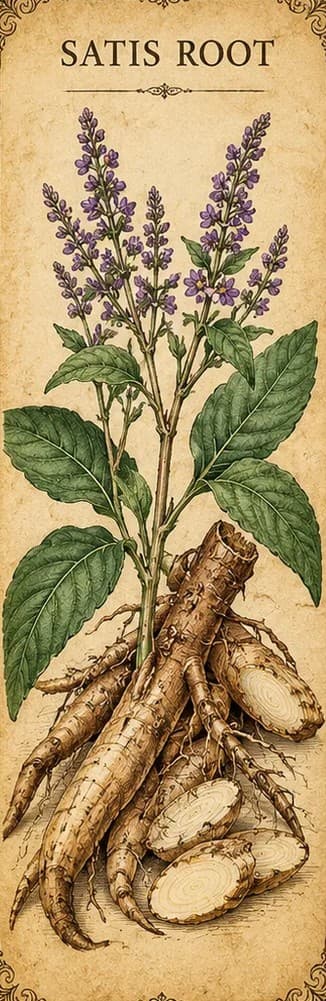 Isatis RootIsatis indigotica
Called ban lan gen; used for centuries to "clear toxins", for flu and other viral infections, fever, cough and sore throat.
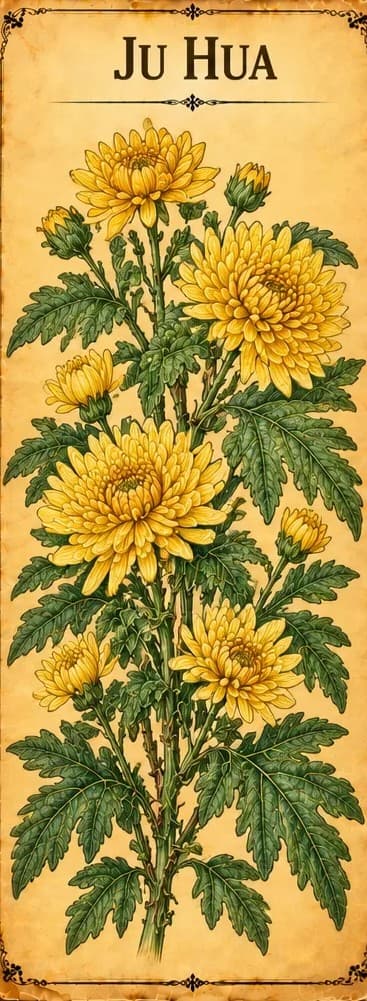 Ju HuaChrysanthemum morifolium
Called ju hua; recorded since the Shennong Herbal Classic. Used to "disperse wind-heat", calm the liver, brighten the eyes, and for dizziness and colds.
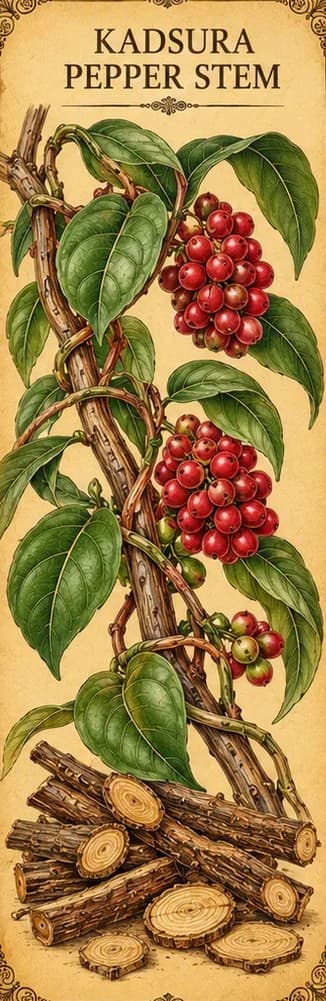 Kadsura Pepper StemPiper kadsura
Called hai feng teng; used for over 2,000 years to dispel rheumatism and relieve joint pain.
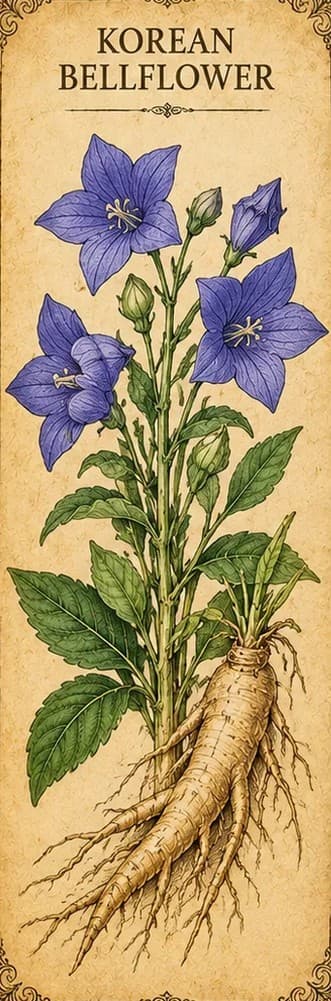 Korean BellflowerPlatycodon grandiflorus
Called jie geng; first recorded in the Shennong Herbal Classic and used to clear phlegm, ease sore throats and treat cough and lung abscesses.
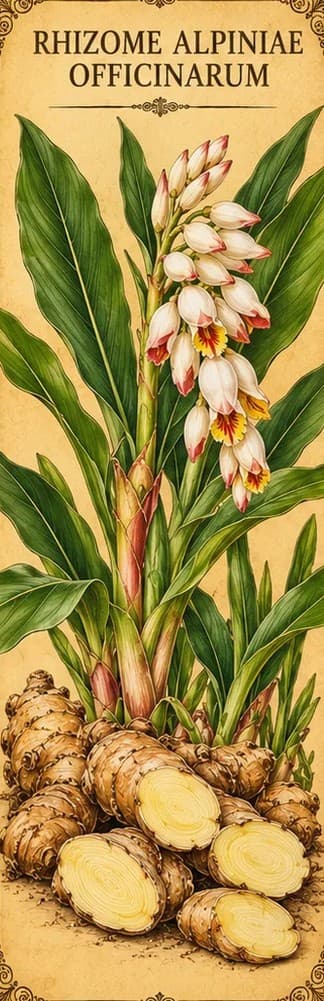 Lesser GalangalAlpinia officinarum
First recorded in the Ming Yi Bie Lu; used for thousands of years to warm the stomach, dispel cold and relieve stomach pain, vomiting and diarrhoea.
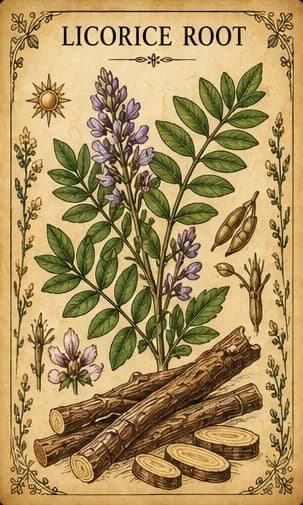 LicoriceGlycyrrhiza glabra
Used historically for coughs, asthma, wounds and lung, liver and artery diseases.
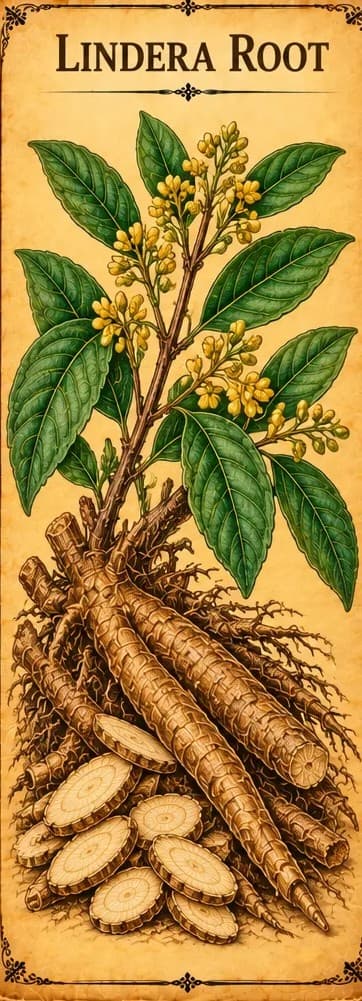 Lindera RootLindera aggregata
Called wu yao; the roots and leaves have been used for thousands of years as medicine and food, for digestive, urinary and inflammatory problems.
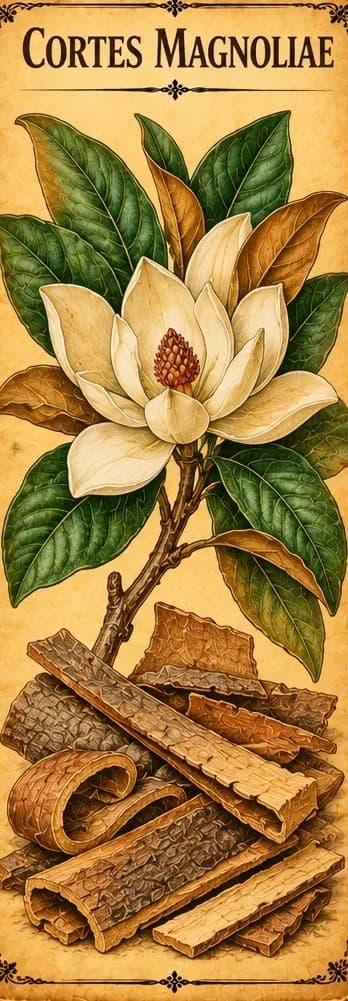 Magnolia BarkMagnolia officinalis
Called hou po; used to move qi, "dry dampness" and ease breathing, and with huang lian (coptis) for dysentery, bloating and stomach pain.
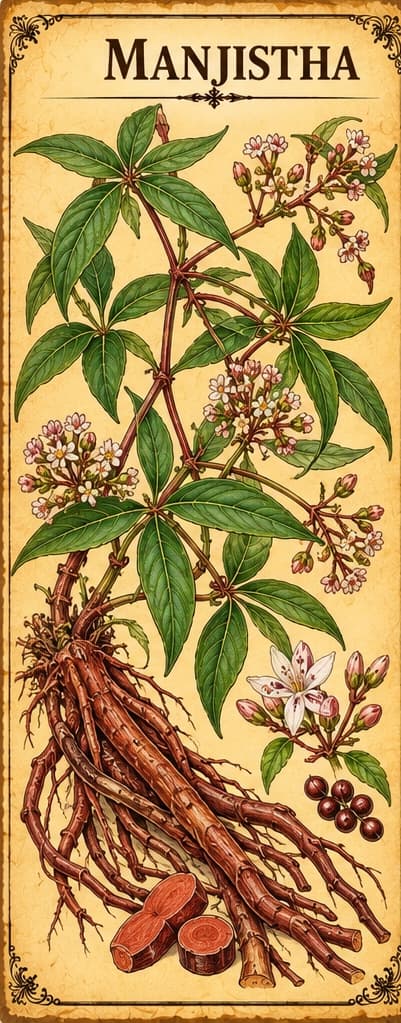 ManjisthaRubia cordifolia
The root (qiancaogen) is used mainly to stop bleeding; it's listed in the Chinese Pharmacopoeia.
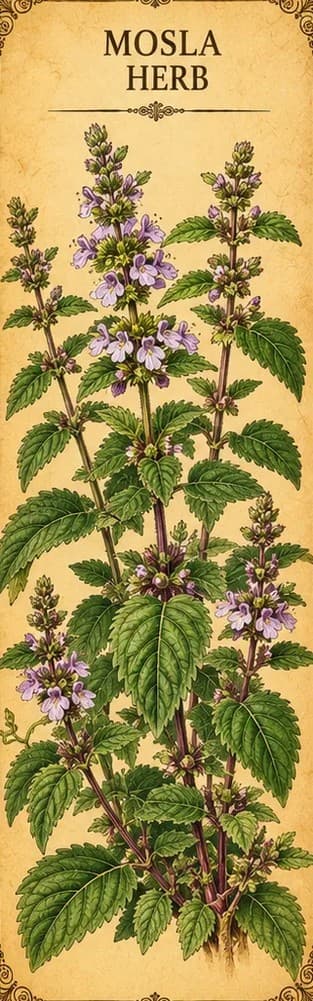 Mosla HerbMosla chinensis
Called xiang ru; used for about 1,500 years as food and medicine to bring on sweating and treat summer colds, heatstroke and diarrhoea.
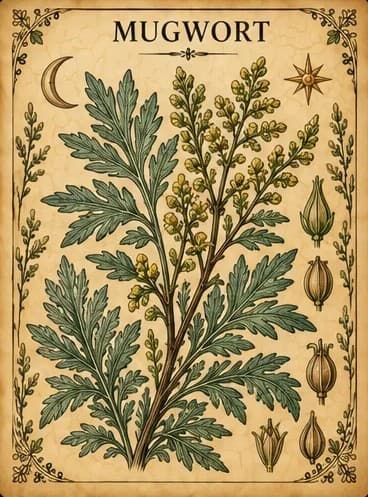 MugwortArtemisia vulgaris
Dried leaves (moxa) are burned on or near the skin in moxibustion.
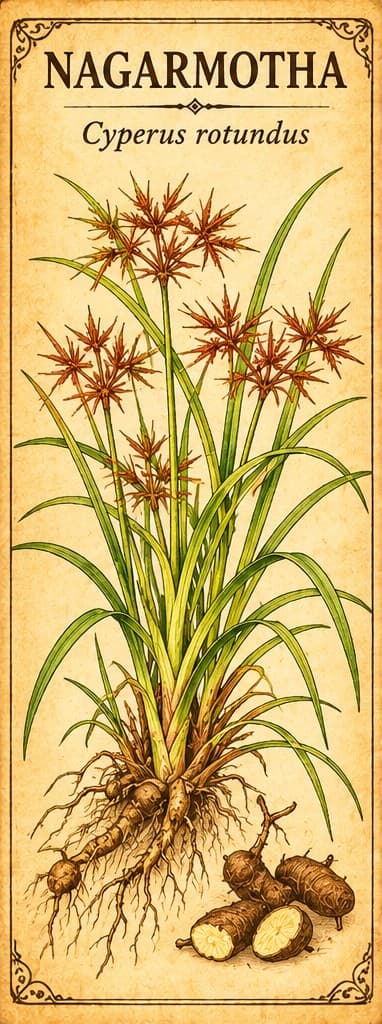 NagarmothaCyperus rotundus
Rhizome used for liver problems, stomach pain, breast tenderness and period problems.
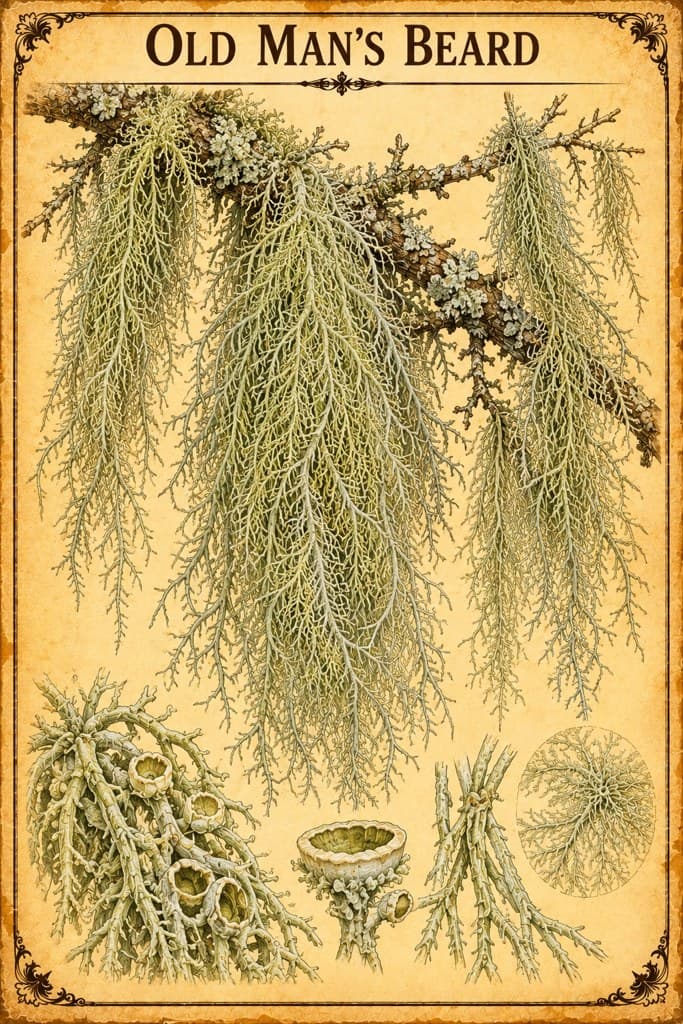 Old Man's BeardUsnea barbata
Called song luo; first recorded in 101 BC, though rarely used today.
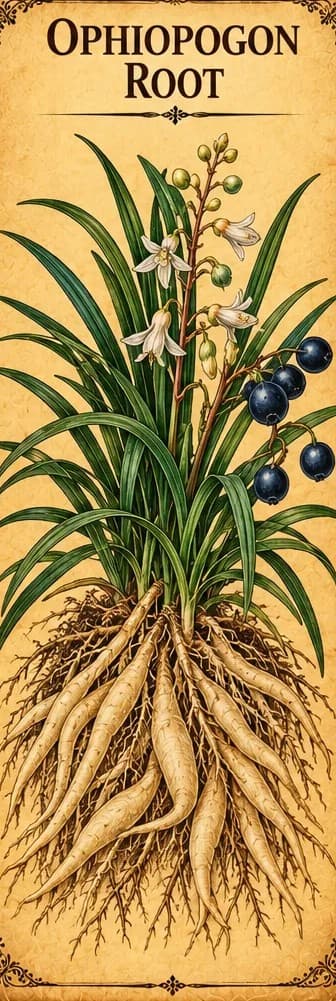 Ophiopogon RootOphiopogon japonicus
Called mai dong; one of the three herbs in the classical formula sheng mai, used to "supplement qi and yin".
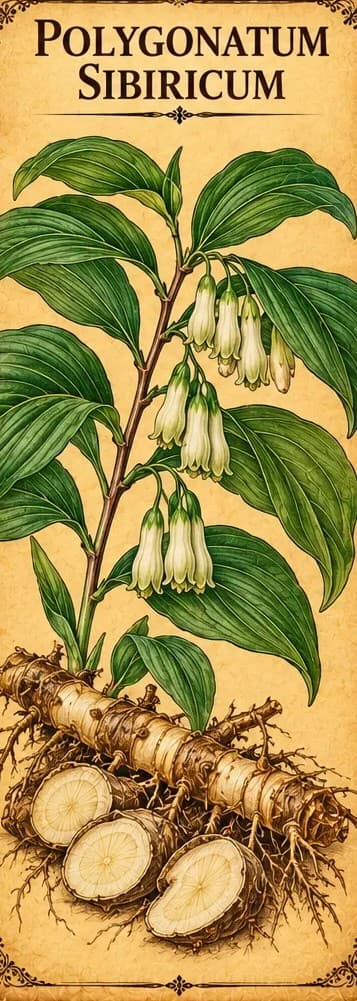 Polygonatum SibiricumPolygonatum sibiricum
Called huang jing; used for over 2,000 years as a superior tonic for qi and yin and to strengthen the spleen, lungs and kidneys.
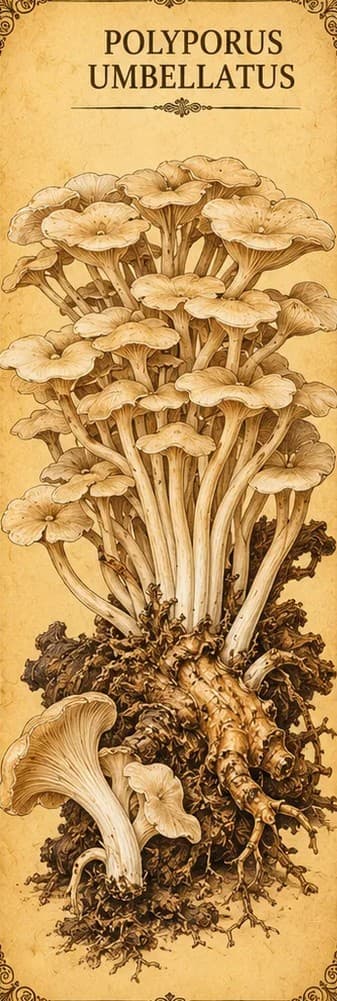 Polyporus UmbellatusPolyporus umbellatus
Called zhu ling; used for swelling (oedema), scanty urine, urinary problems, vaginal discharge, jaundice and diarrhoea.
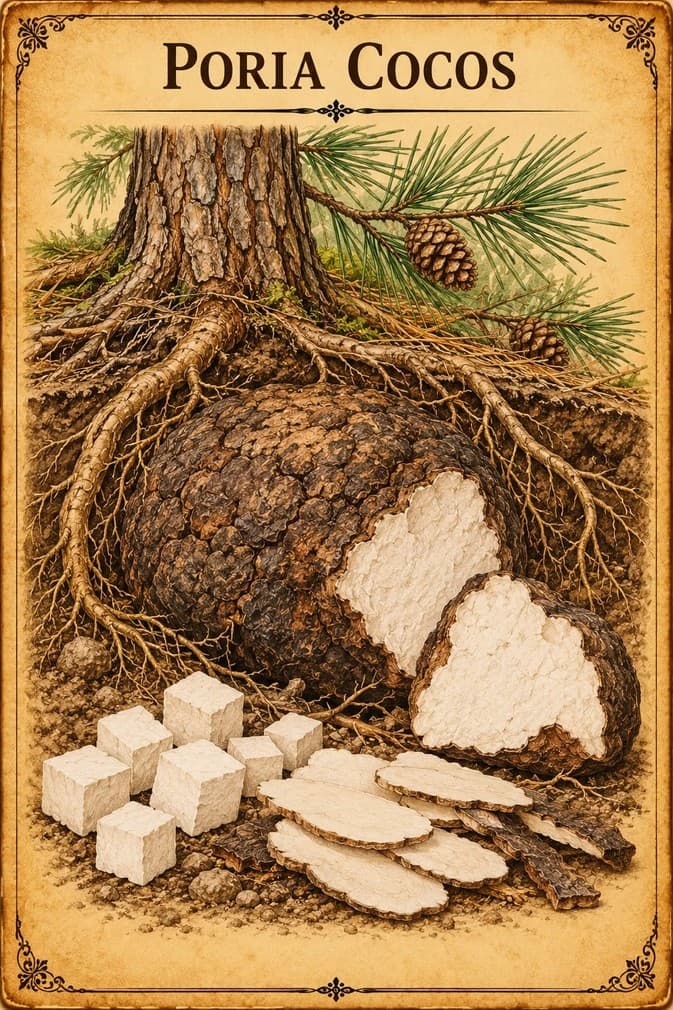 Poria CocosWolfiporia cocos
Called fu ling; recorded in the Shennong Herbal Classic and used for over 2,000 years to promote urination, "remove dampness", strengthen the spleen and calm the mind.
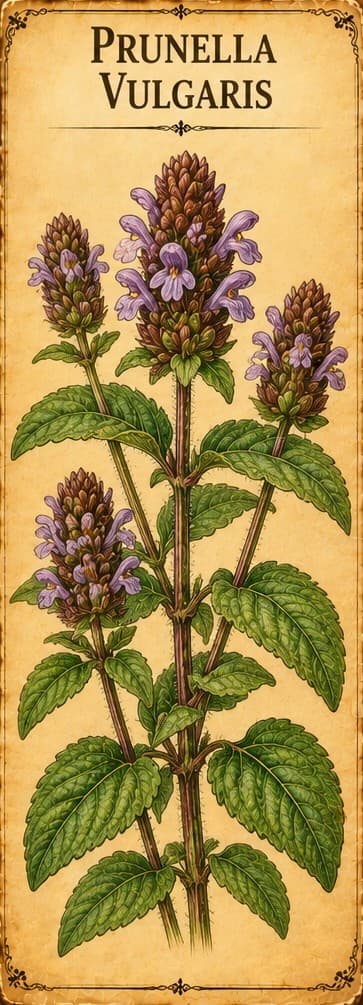 Prunella VulgarisPrunella vulgaris
Called xia ku cao; recorded since the Han Dynasty and used as both a medicine and a food.
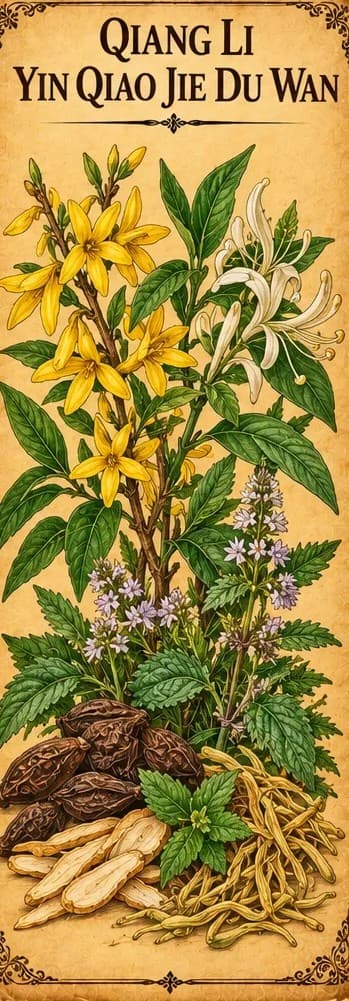 Qiang Li Yin Qiao Jie Du WanLonicera japonica, Forsythia suspensa and other herbs
Based on Yin Qiao San from the classic Analysis of Warm Diseases; used early in colds and flu to expel "wind-heat", for fever, sore throat and headache.
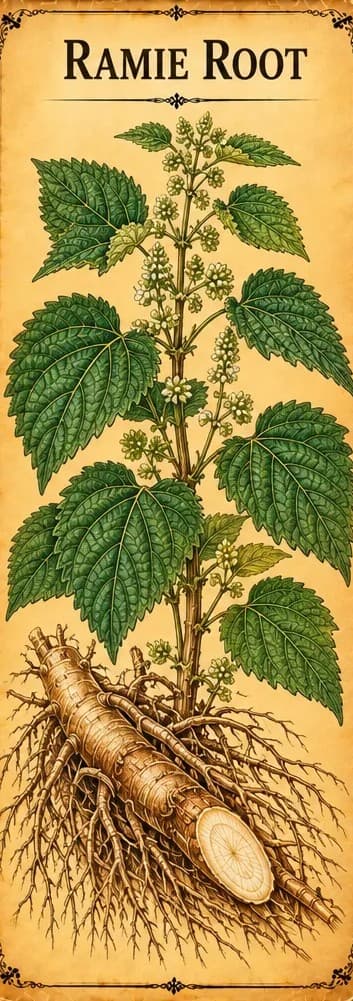 Ramie RootBoehmeria nivea
Called zhu ma gen; the root is used for threatened miscarriage, colic in pregnancy, impetigo and vaginal discharge.
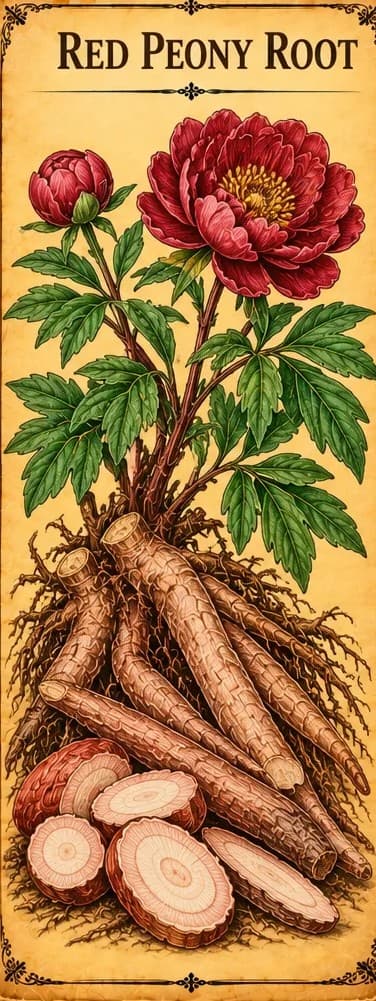 Red Peony RootPaeonia lactiflora
Called chi shao; a "heat-clearing, blood-cooling" herb used to relieve "blood stasis" and pain, for nosebleeds, sore eyes, period pain and injuries.
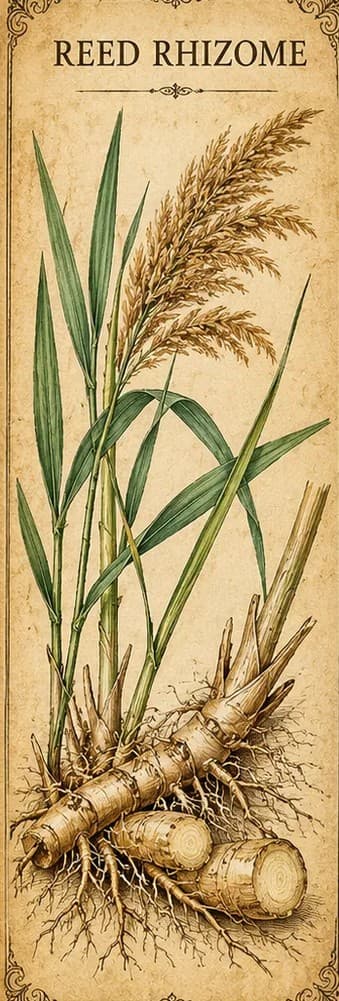 Reed RhizomePhragmites australis
Called lu gen; used to "clear heat" and increase urination, for fever, nausea and urinary problems.
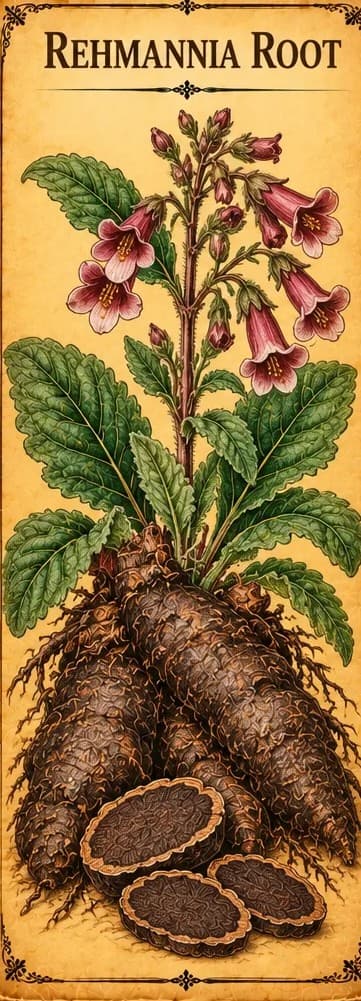 Rehmannia RootRehmannia glutinosa
Called di huang; recorded in the Shennong Herbal Classic and used for centuries to strengthen the "kidneys" and treat kidney diseases.
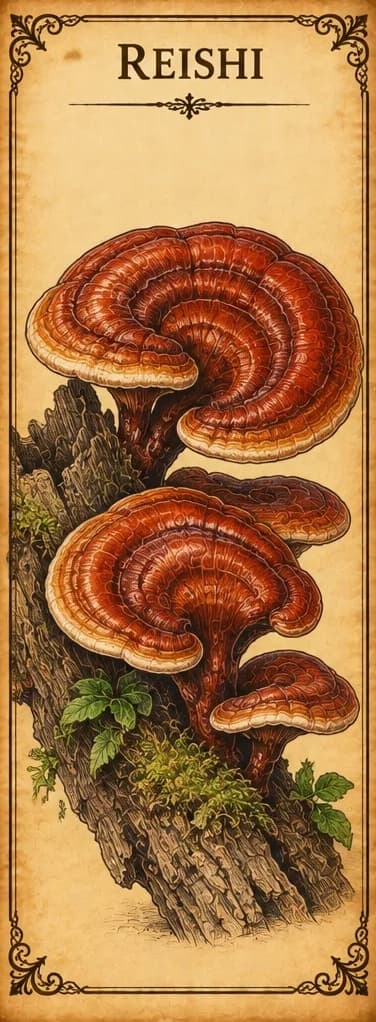 ReishiGanoderma lucidum
Holds an important place in the traditional medicine of China, Japan, Korea and other Asian countries, where it's used to increase energy, boost the immune system and support general health.
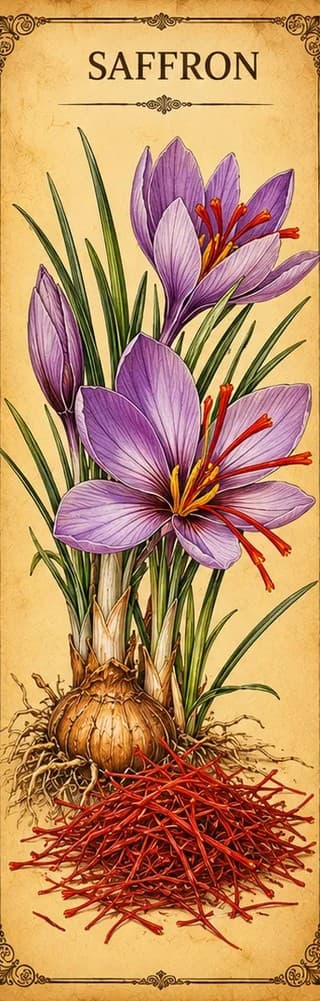 SaffronCrocus sativus
Used for thousands of years in traditional Chinese medicine.
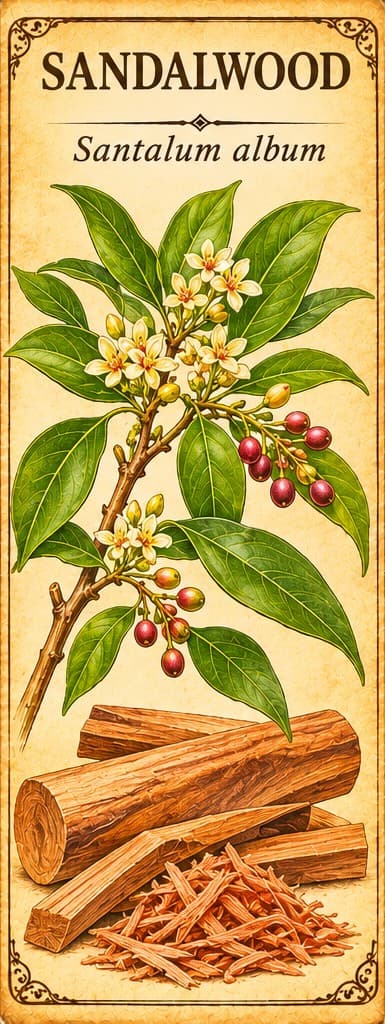 SandalwoodSantalum album
Valued for its healing properties since ancient times.
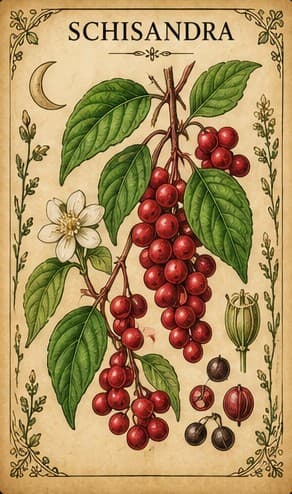 SchisandraSchisandra chinensis
Used for coughs, liver conditions, stomach problems and sweating, and as a tonic for energy. Its Chinese name, wu wei zi, means "five-flavored fruit".
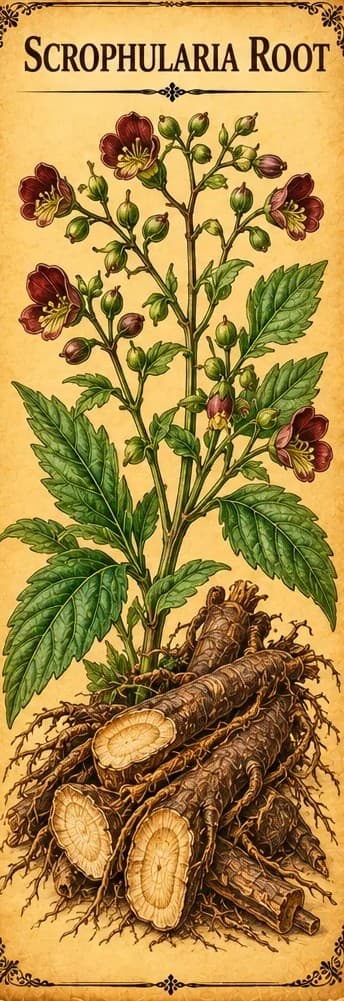 Scrophularia RootScrophularia ningpoensis
Called xuan shen; recorded in the Shennong Herbal Classic and used to "clear heat", nourish yin and "remove toxins", for sore throat, abscesses and constipation.
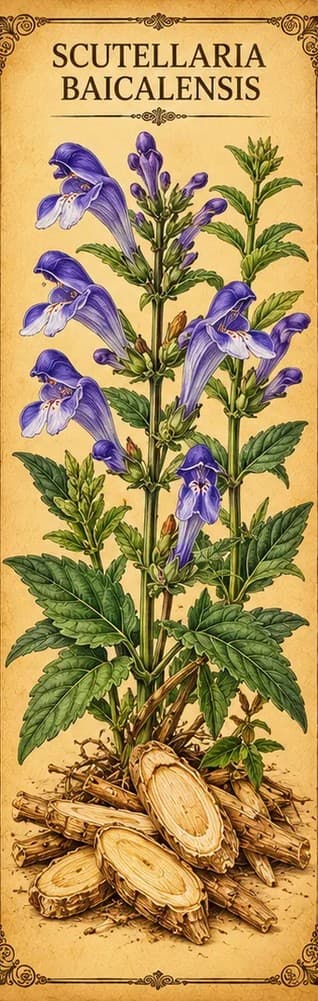 Scutellaria BaicalensisScutellaria baicalensis
Called huang qin; used for over 2,000 years and listed in the Chinese Pharmacopoeia, traditionally to "clear heat", "dry dampness", stop bleeding and calm the unborn baby.
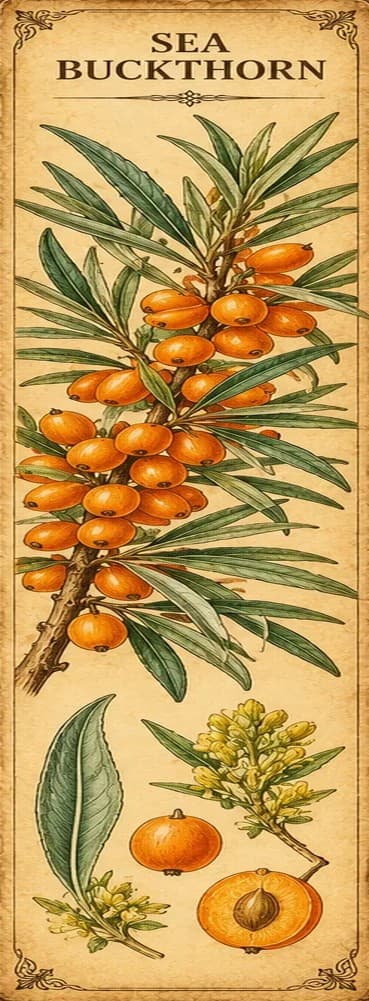 Sea BuckthornHippophae rhamnoides
Used since ancient times to relieve cough, aid digestion, get the blood moving and ease pain.
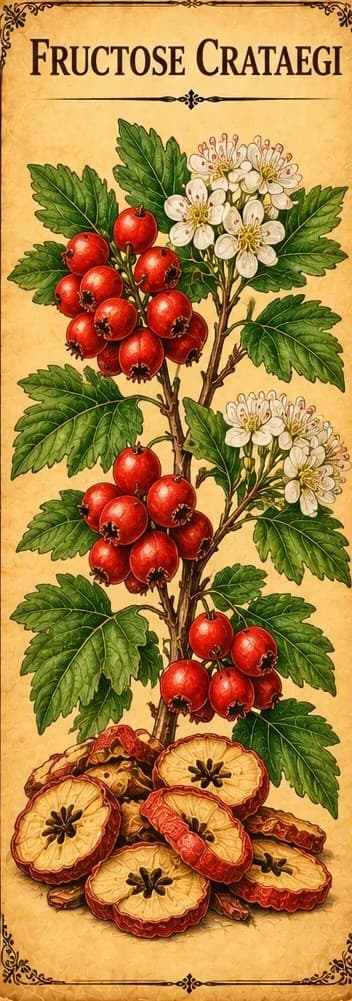 Shan ZhaCrataegus pinnatifida
Called shan zha; used for over 2,000 years as food and medicine for indigestion (especially after meat), high blood fats and "blood stasis".
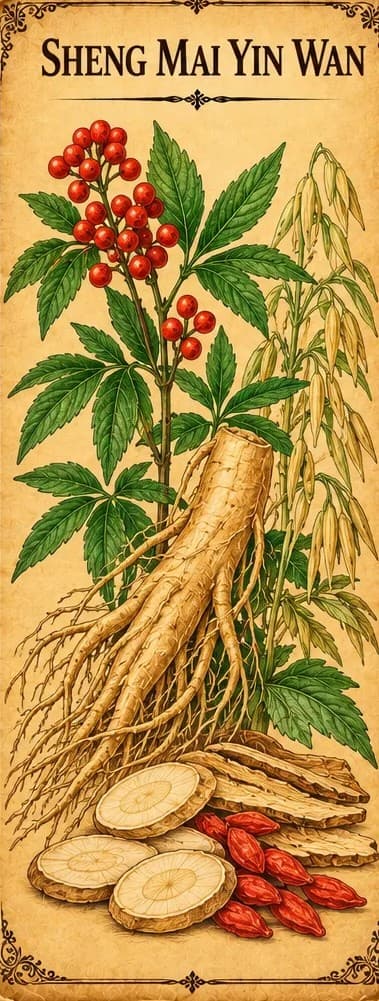 Sheng Mai Yin WanPanax ginseng, Ophiopogon japonicus, Schisandra chinensis
A classical formula first recorded about 1,000 years ago, used to "supplement qi and yin" and for heart symptoms such as palpitations.
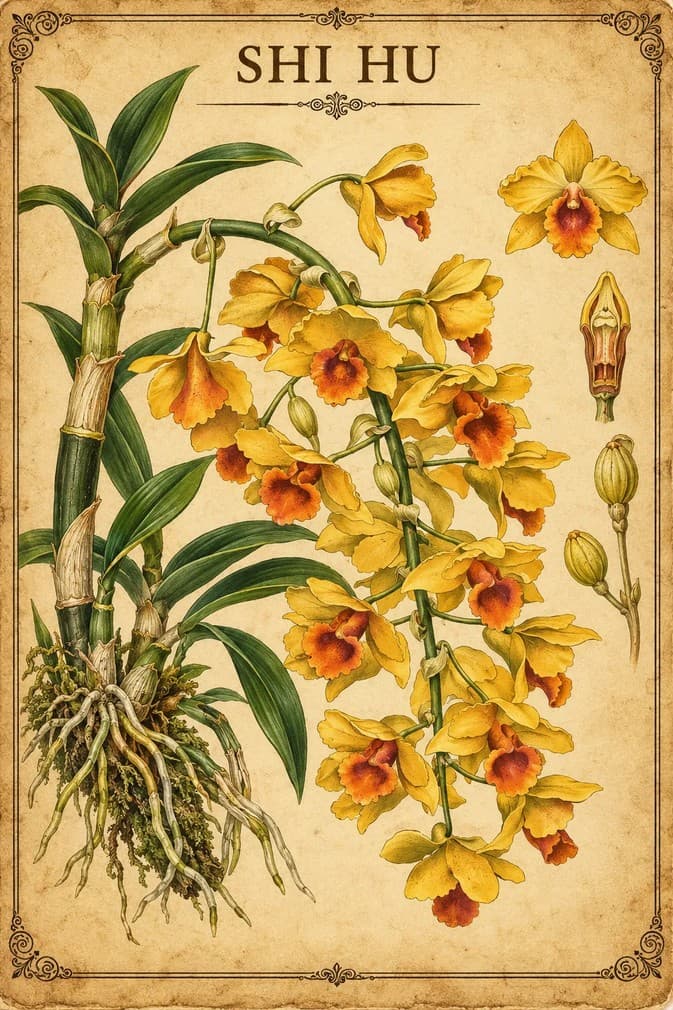 Shi HuDendrobium nobile
Called shi hu; ranked a premium herb in the Shennong Herbal Classic and used to strengthen the eyes and nourish yin.
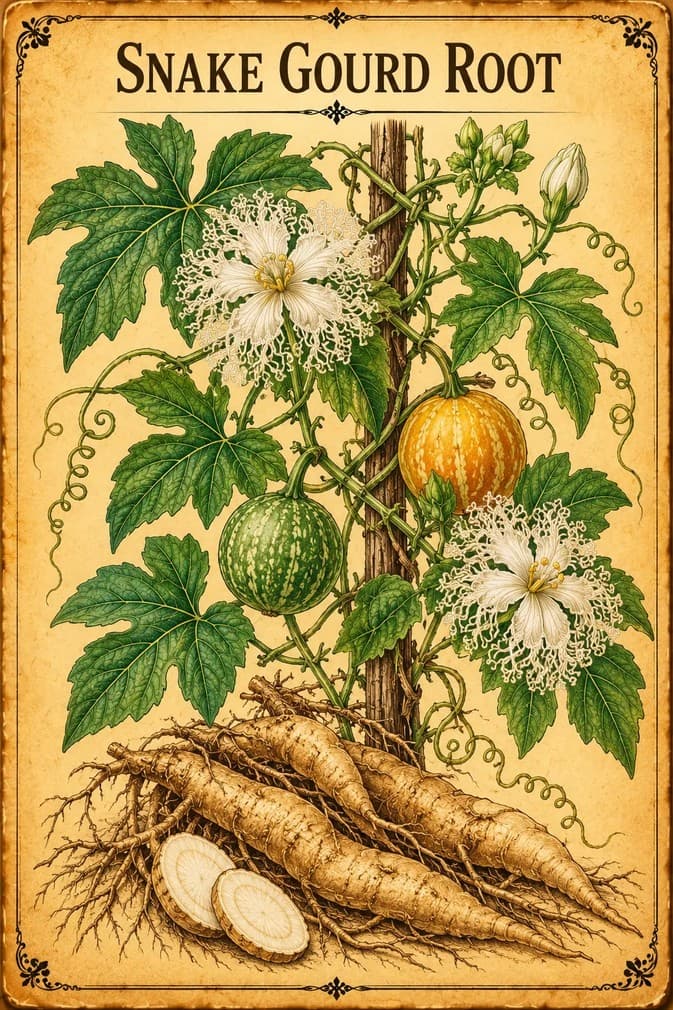 Snake Gourd RootTrichosanthes kirilowii
Called tian hua fen; first recorded in the 7th century. Used to "clear heat", reduce swelling, regulate menstruation and, historically, to cause abortion.
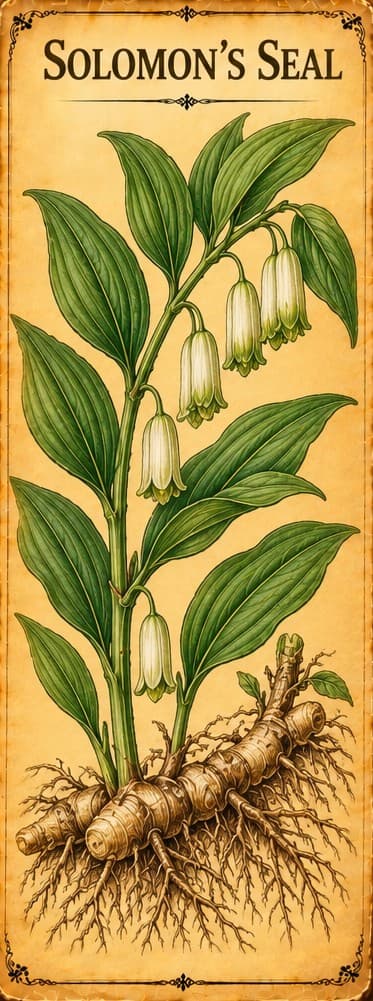 Solomon's SealPolygonatum odoratum
Called yu zhu; listed as a superior-grade herb in the Shen Nong Ben Cao Jing and used as both food and medicine.
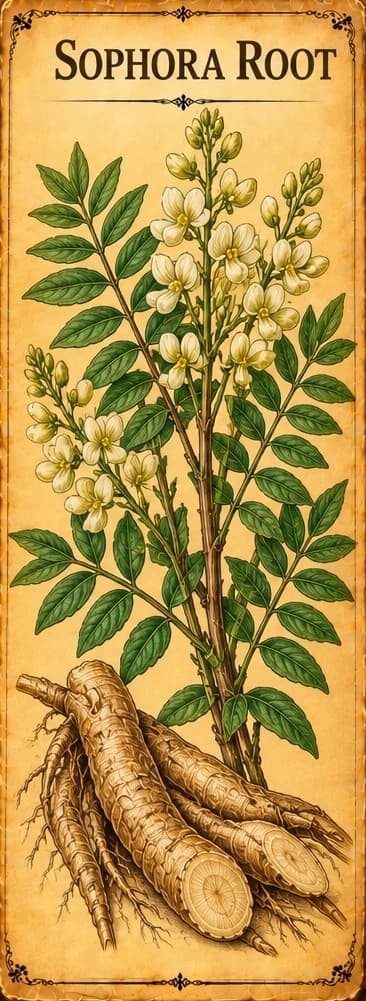 Sophora RootSophora flavescens
Called ku shen; recorded in the Shennong Bencao Jing and used for over 1,700 years for dysentery, jaundice and skin diseases.
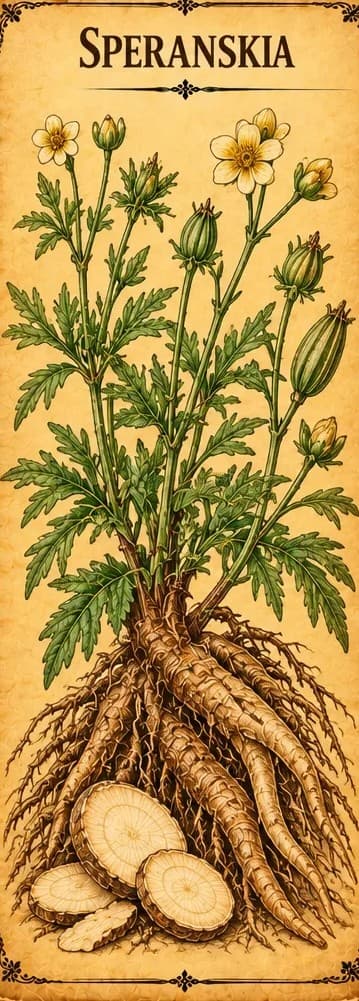 SperanskiaSperanskia tuberculata
Used to "dispel wind and dampness", promote blood circulation and relieve pain.
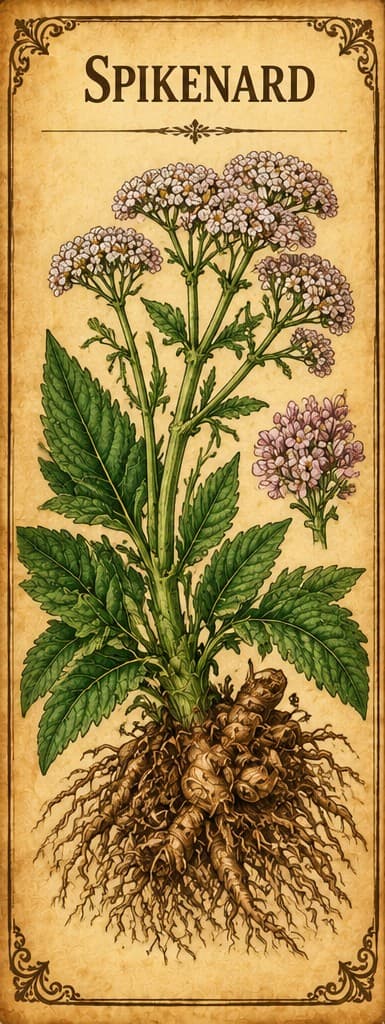 SpikenardNardostachys jatamansi
Used to regulate qi flow, relieve pain and improve digestion.
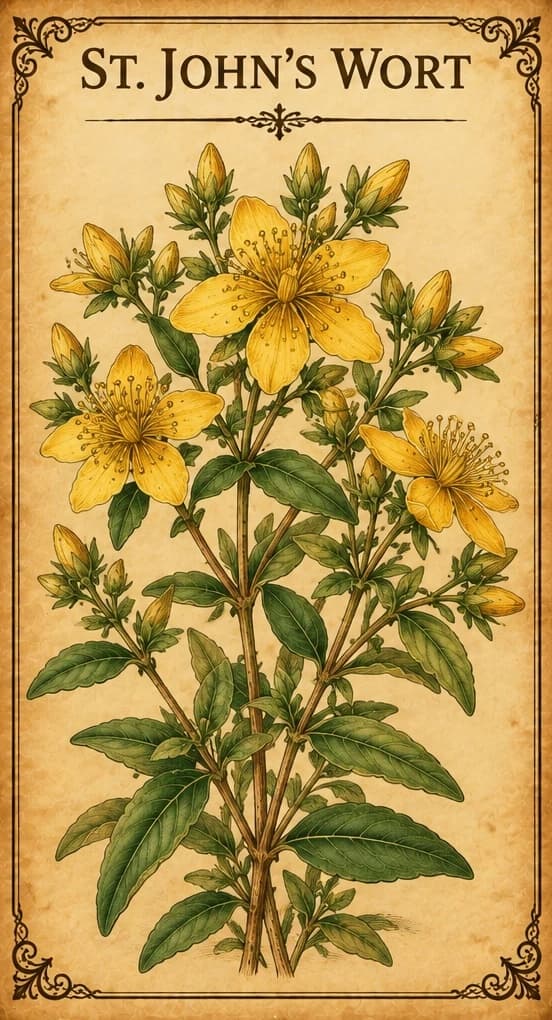 St. John's WortHypericum perforatum
Known as Guan Ye Lian Qiao (贯叶连翘). Historically used for vomiting or coughing up blood, bleeding between periods, irregular periods, bleeding from injuries and wound care.
Technical detail: hematemesis, hemoptysis, metrorrhagia, traumatic hemorrhage.
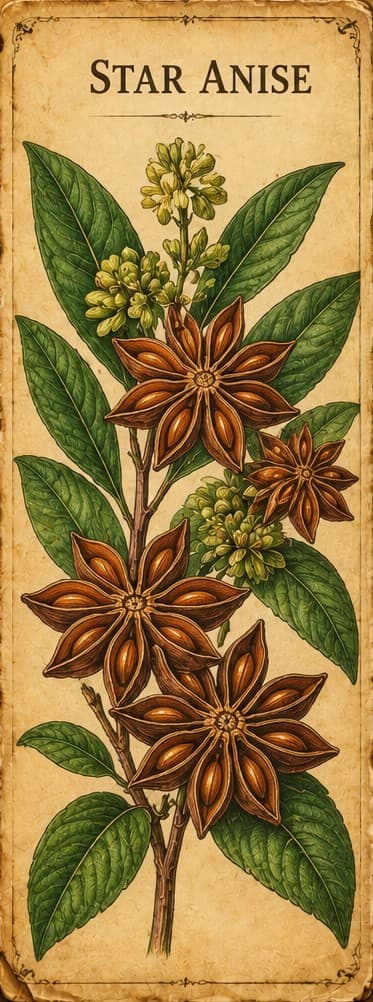 Star AniseIllicium verum
Used in Chinese medicine to "warm" the body, ease pain and help the flow of qi, and in formulas for belly pain.
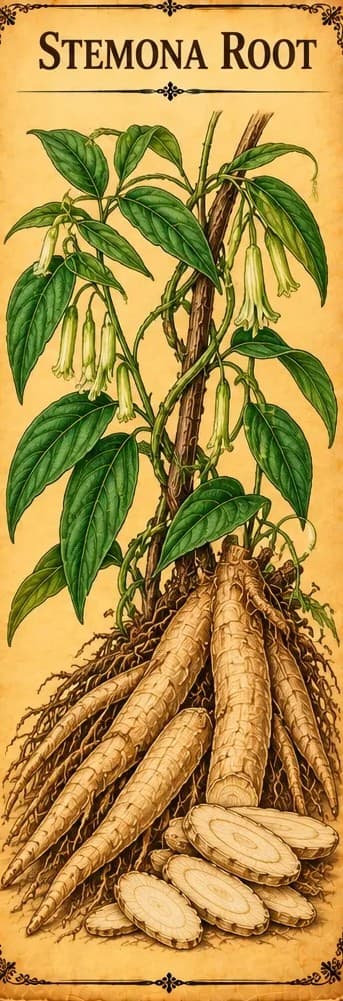 Stemona RootStemona species
Called bai bu; used across South and East Asia to relieve cough and phlegm, for asthma, and to kill lice and other pests.
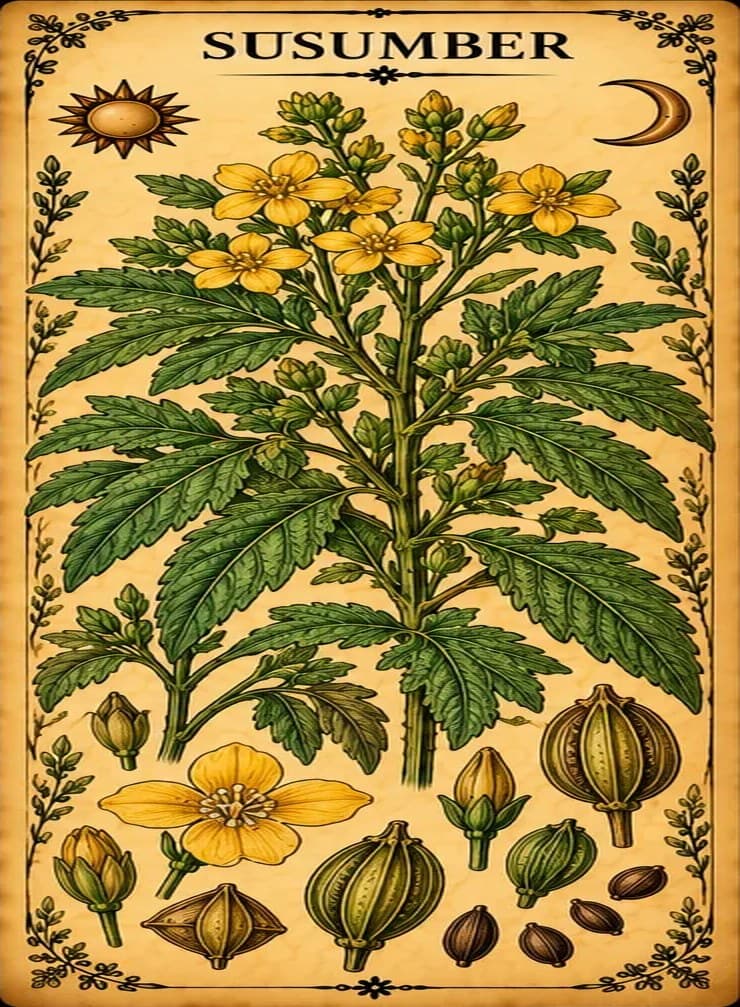 SusumberSolanum torvum
Recorded in Chinese medicine, where it's considered to reduce inflammation and to be calming.
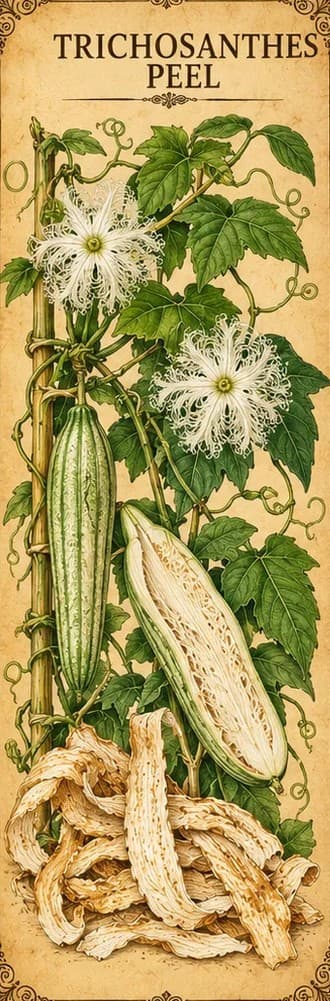 Trichosanthes PeelTrichosanthes kirilowii
Called gua lou pi; used for about 2,000 years for heart and blood-vessel diseases such as angina, and for cough with "lung heat" and phlegm.
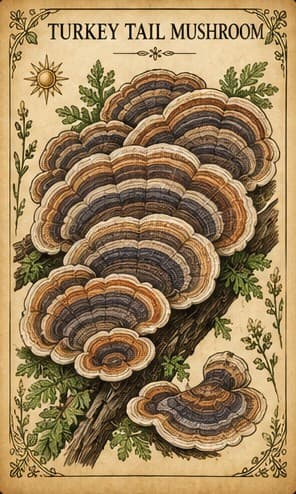 Turkey TailTrametes versicolor
Used as a tonic to improve general health and boost the immune system.
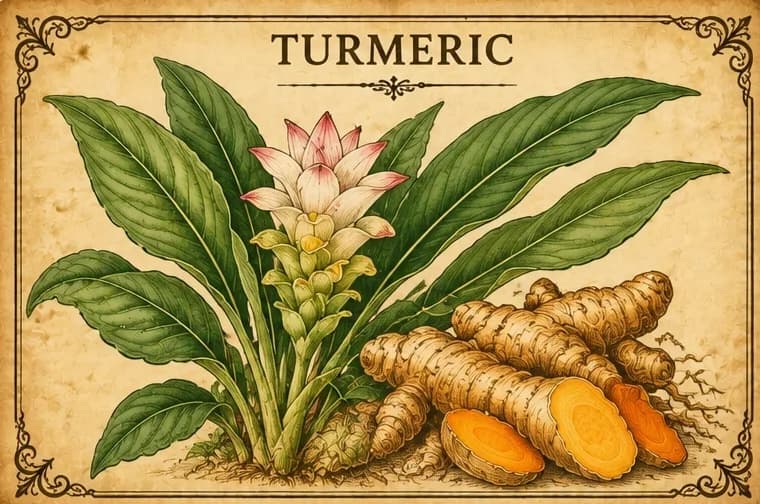 TurmericCurcuma longa
Known as Jiang Huang (姜黄). Traditionally used to "promote blood circulation", "resolve blood stasis" (poor blood flow, in Chinese medicine terms) and relieve pain, and prescribed for conditions involving "stagnation" and swelling.
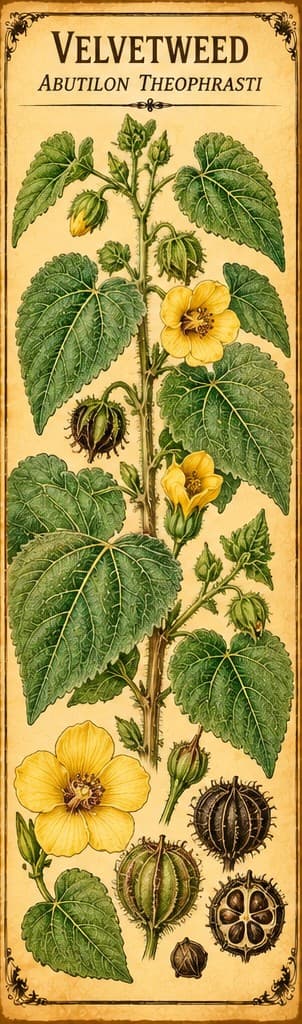 VelvetweedAbutilon theophrasti
Used for inflammation, ulcers, swelling, venom and pain.