
Native American Ethnobotany
44 herbs
These are traditional uses, not proven treatments.
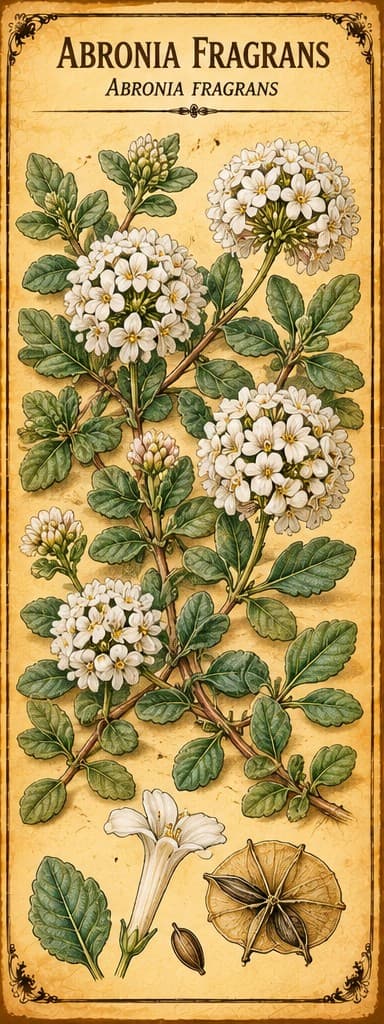 Abronia FragransAbronia fragrans
Used by the Navajo, Zuni, Ute, Acoma and Laguna peoples.
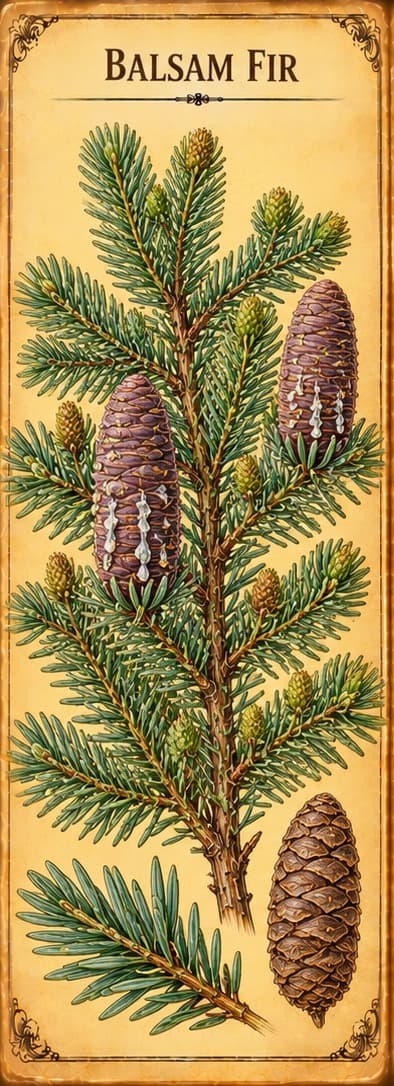 Balsam FirAbies balsamea
Used by the Abnaki, Algonquin, Chippewa, Cree, Iroquois and other peoples.
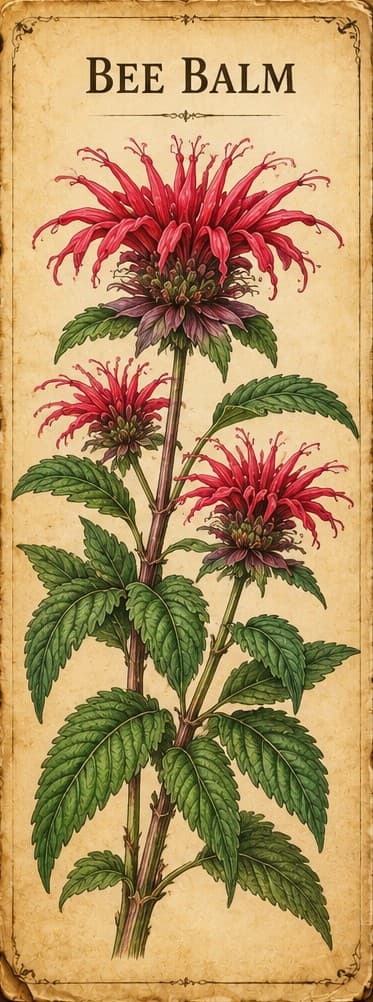 Bee BalmMonarda didyma
Monarda plants were used by many tribes for fever, headache, cough and pain; the Cherokee used bee balm as a poultice for colds and headaches.
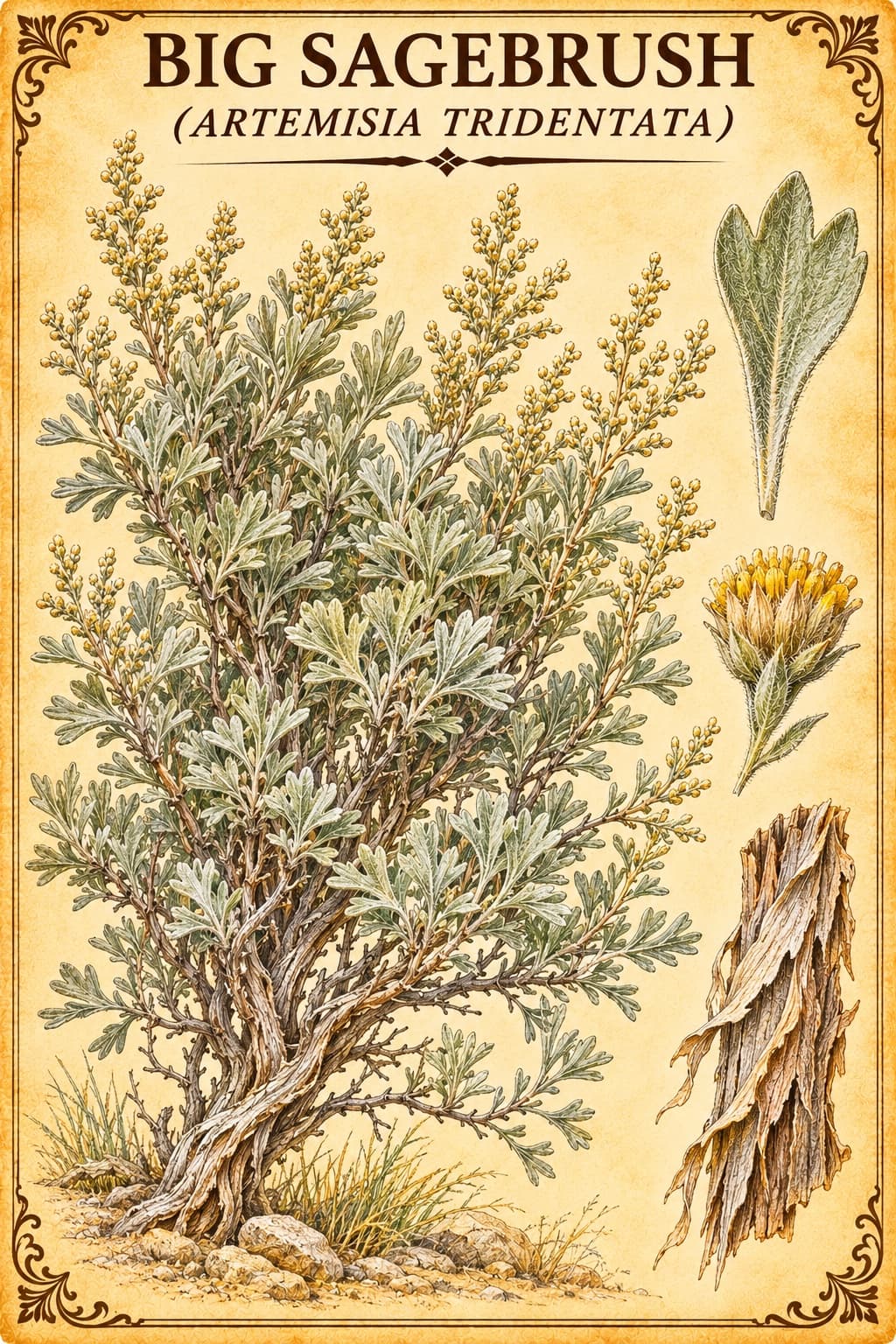 Big SagebrushArtemisia tridentata
Used by more than 20 peoples, including the Paiute, Shoshoni, Navajo, Zuni, Tewa, Hopi, Washo, Klamath and Okanagan-Colville.
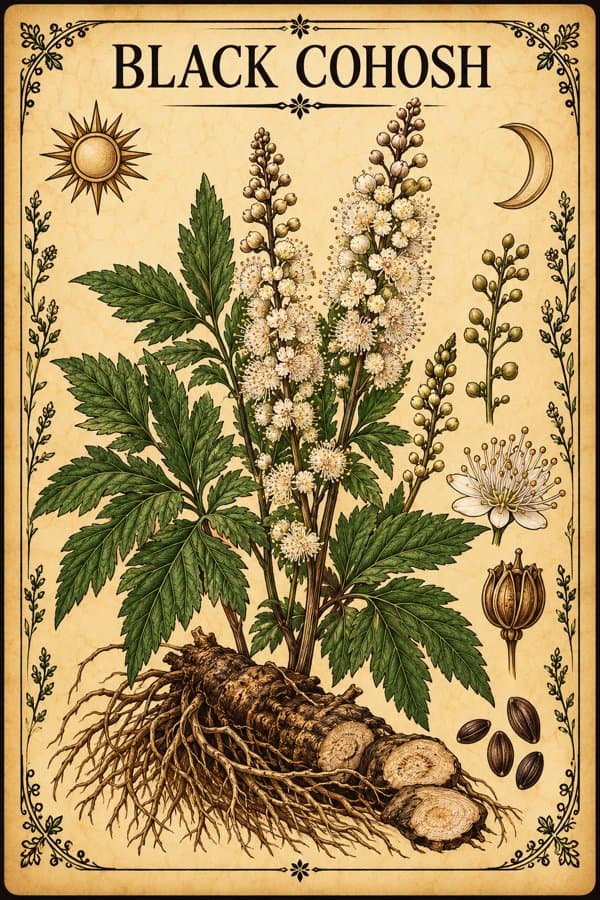 Black CohoshActaea racemosa
Used by Native Americans for kidney problems, malaria, sore throat and menstrual cramps.
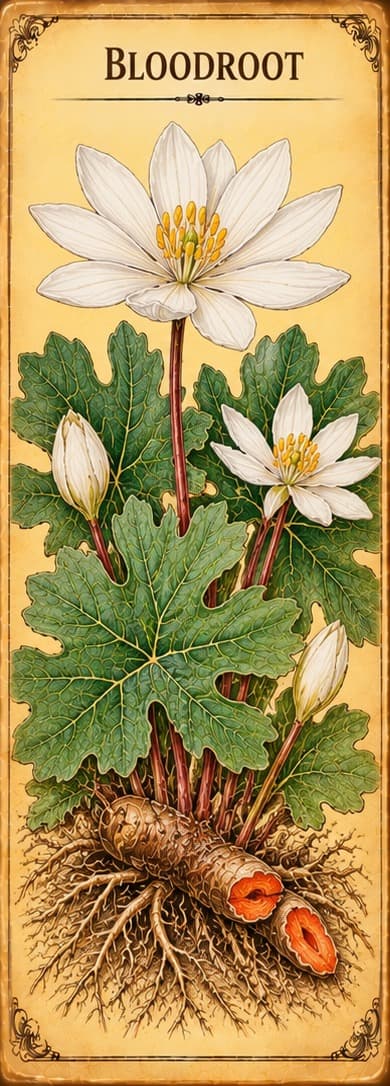 BloodrootSanguinaria canadensis
Used for fever and rheumatism, and to cause vomiting.
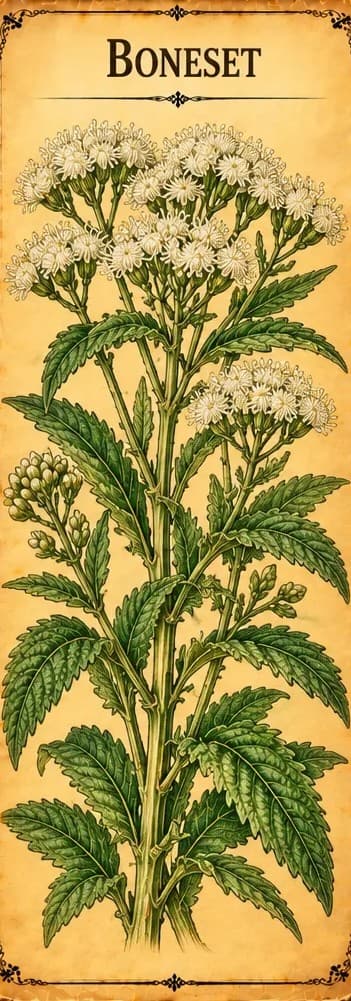 BonesetEupatorium perfoliatum
Used by Native Americans for fever and infections, and as a whole-plant tea for colds, sore throat and flu.
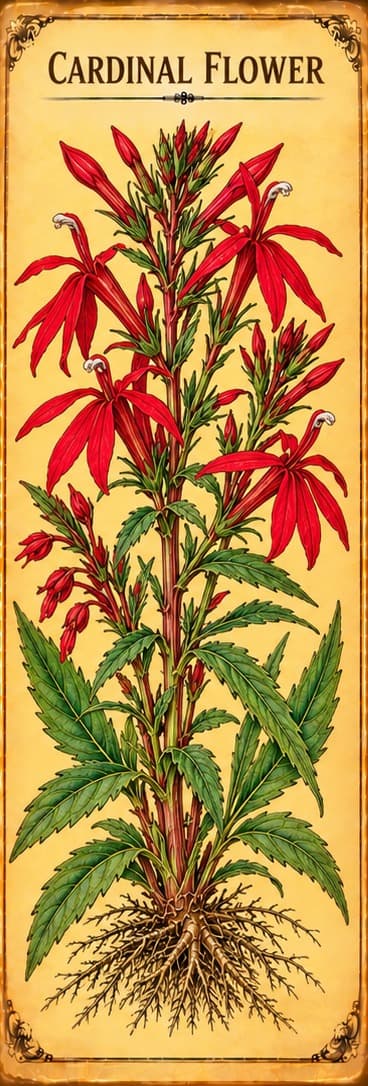 Cardinal FlowerLobelia cardinalis
Used by the Cherokee, Iroquois, Delaware, Meskwaki and Pawnee.
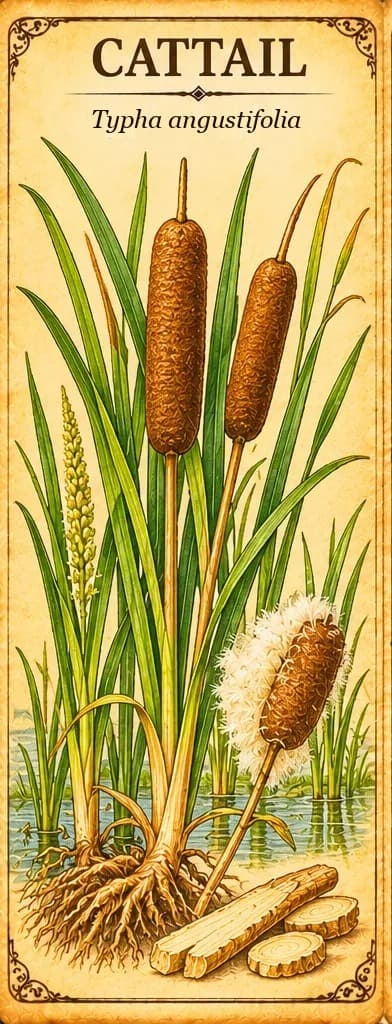 CattailTypha angustifolia
Used by the Pima, Hopi, Micmac and Malecite.
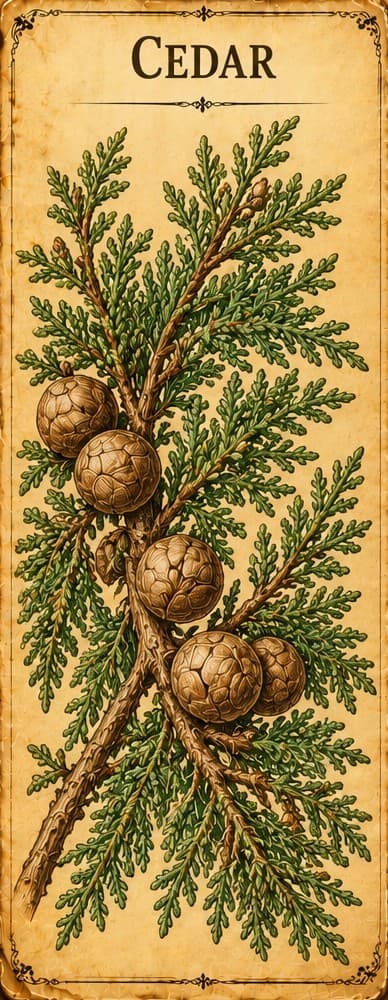 CedarThuja occidentalis
Indigenous people in Canada showed it to a 16th-century expedition as a remedy for weakness from scurvy.
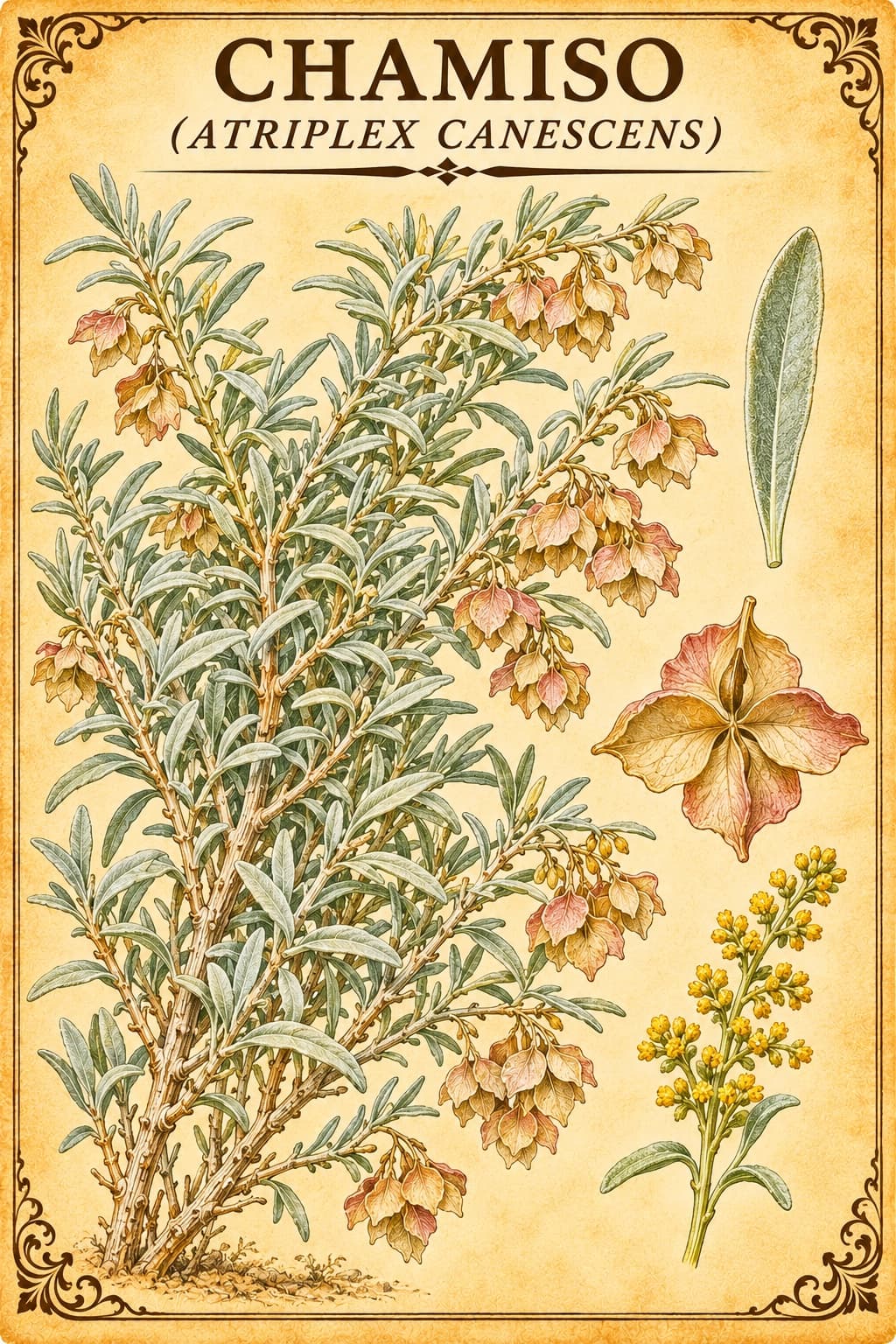 ChamisoAtriplex canescens
Used by the Navajo, Hopi, Zuni, Havasupai, Jemez, Tewa, Shoshoni and other peoples of the Southwest.
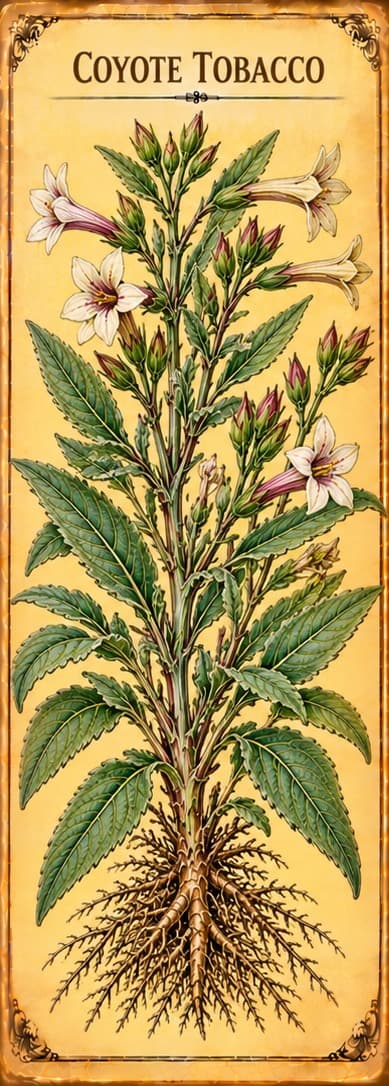 Coyote TobaccoNicotiana attenuata
Wild tobacco smoked in pipes on the Columbia Plateau for at least 1,200 years.
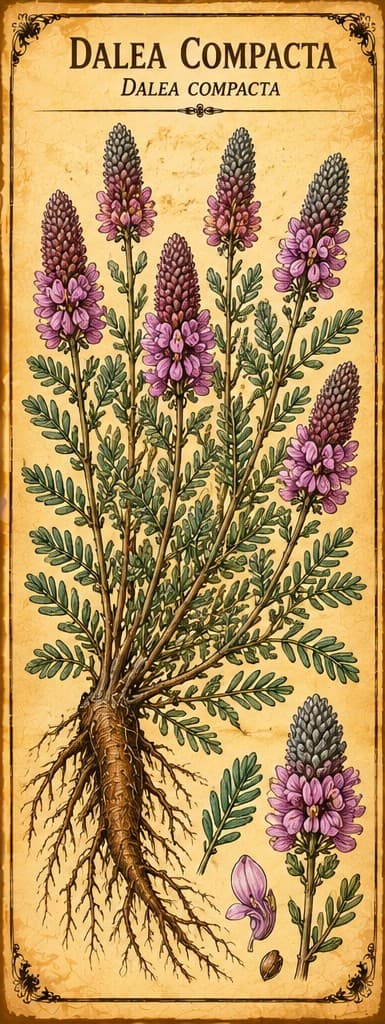 Dalea CompactaDalea compacta
Used by the Zuni for stomachaches and skin sores.
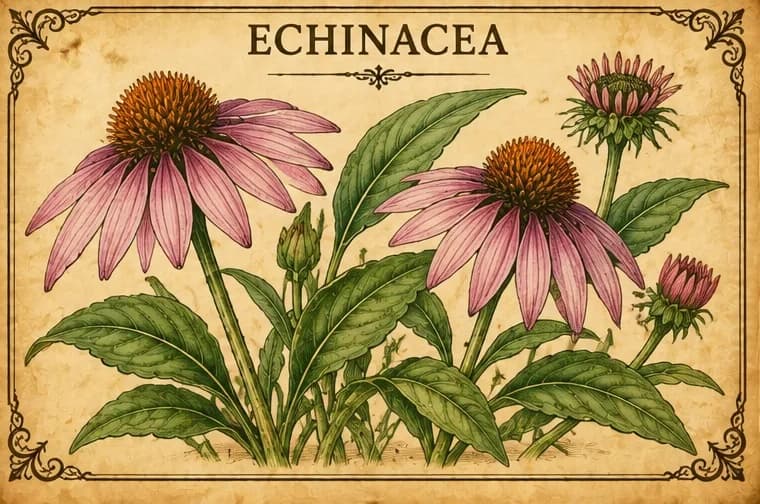 EchinaceaEchinacea purpurea
Native American peoples used echinacea to relieve toothache, calm coughs and increase saliva, using preparations rich in natural compounds called alkamides. This use carried over into Eclectic medicine, a branch of American medicine in the early 1900s that relied heavily on plants.
Technical detail: antitussive, sialagogue.
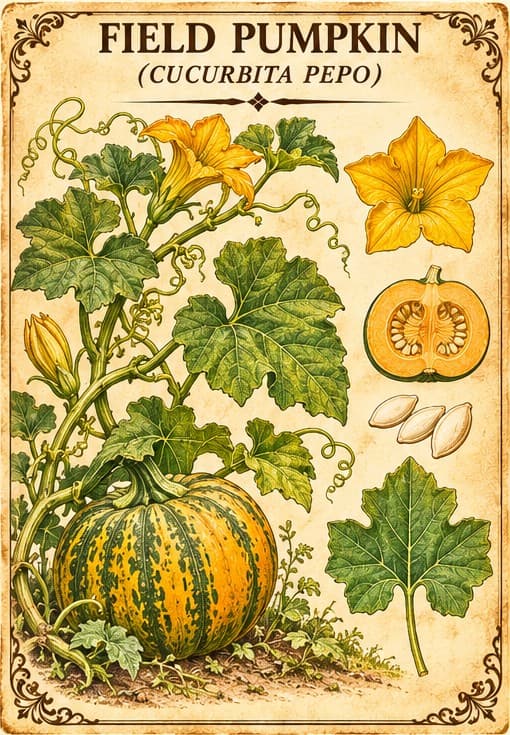 Field PumpkinCucurbita pepo
Seeds used by the Cherokee, Iroquois and Menominee for urinary problems and worms.
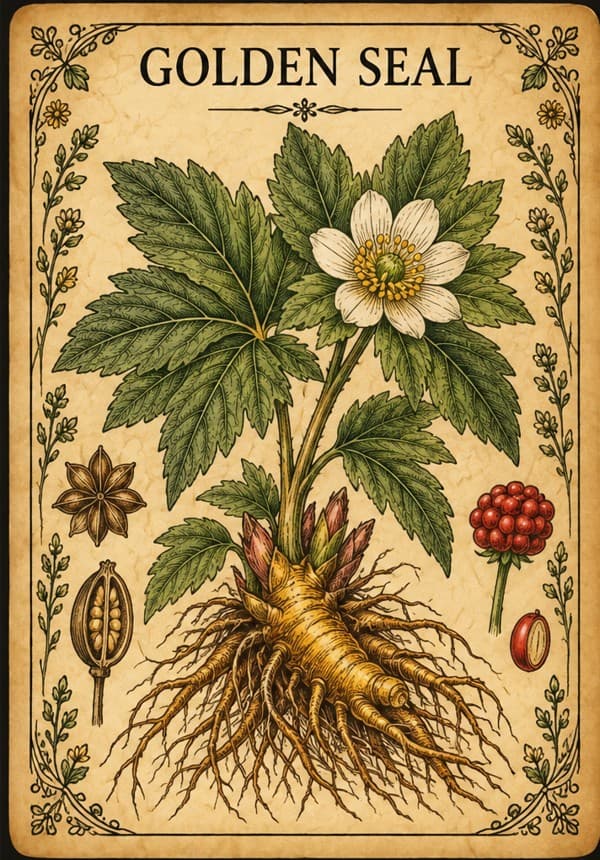 GoldensealHydrastis canadensis
Used for digestive problems, wounds, skin and eye conditions, and cancer, and as a bitter tonic.
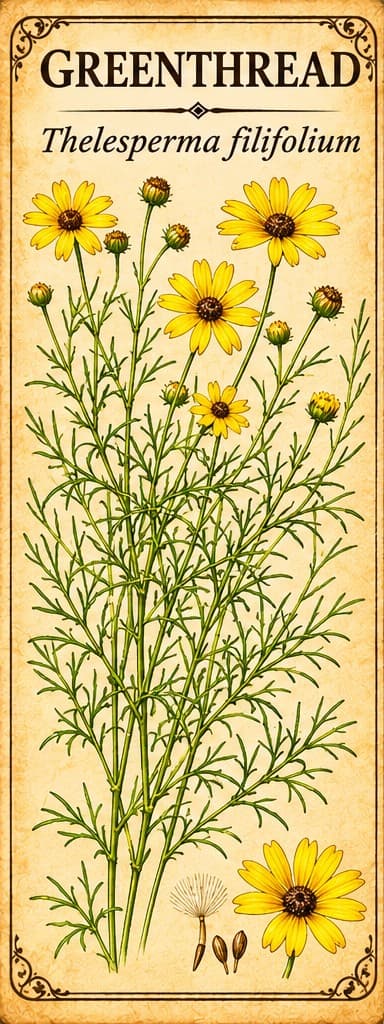 GreenthreadThelesperma filifolium
Drunk as a tea by the Tewa and Western Keres; its relative Navajo tea by the Navajo, Hopi and Apache.
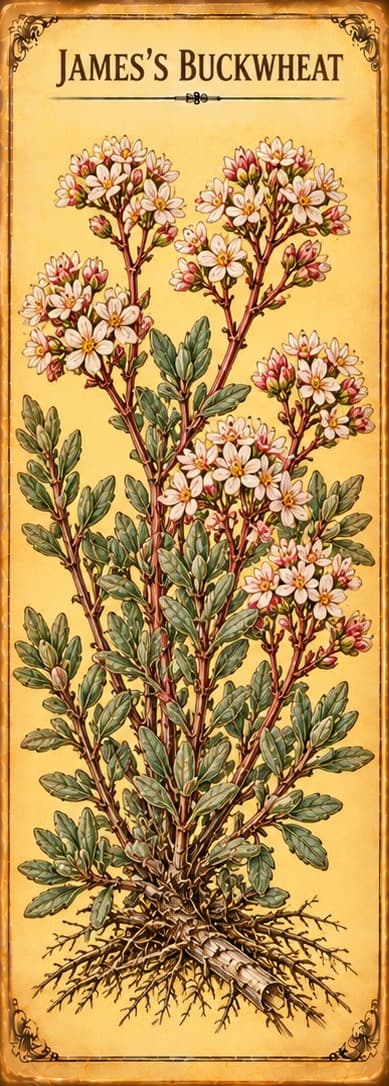 James's BuckwheatEriogonum jamesii
Used by the Zuni, Navajo, Apache and Western Keres.
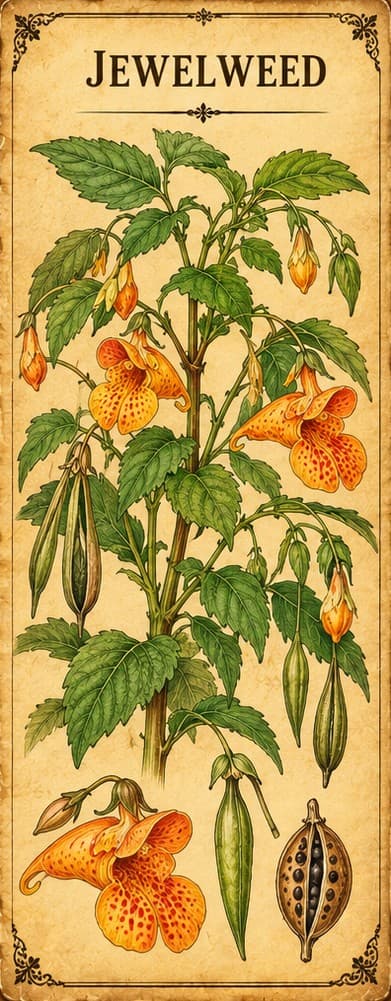 JewelweedImpatiens capensis
Many Native American tribes used crushed jewelweed to treat or prevent rashes from poison ivy and stinging nettle.
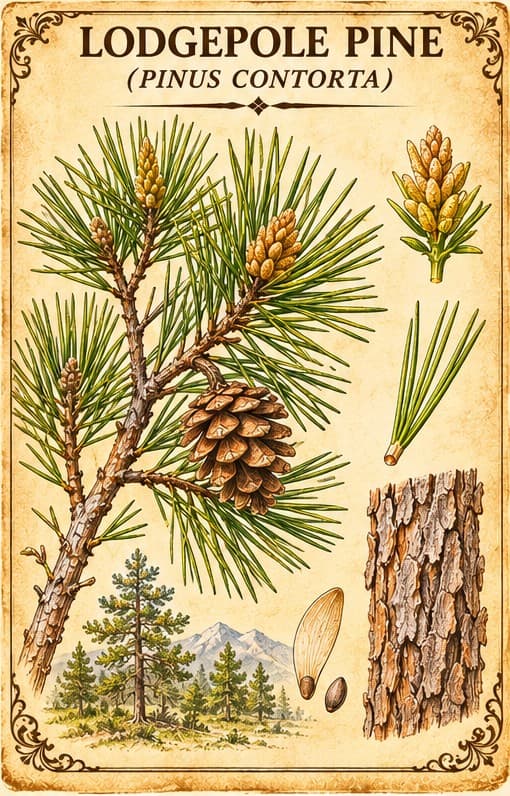 Lodgepole PinePinus contorta
Used by the Thompson, Okanagan, Gitksan, Carrier, Blackfoot, Bella Coola, Kwakiutl and many other western peoples.
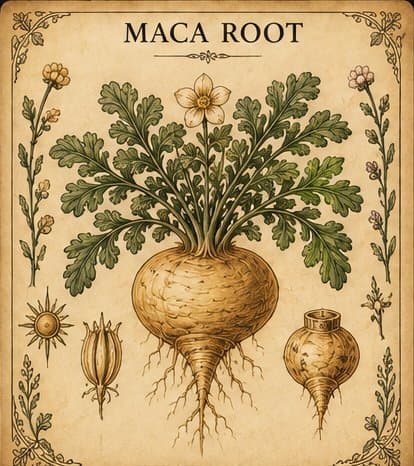 MacaLepidium meyenii
Used for centuries in the Peruvian Andes as a food and medicine to improve health, energy and fertility, and as an adaptogen for anemia and female hormone balance.
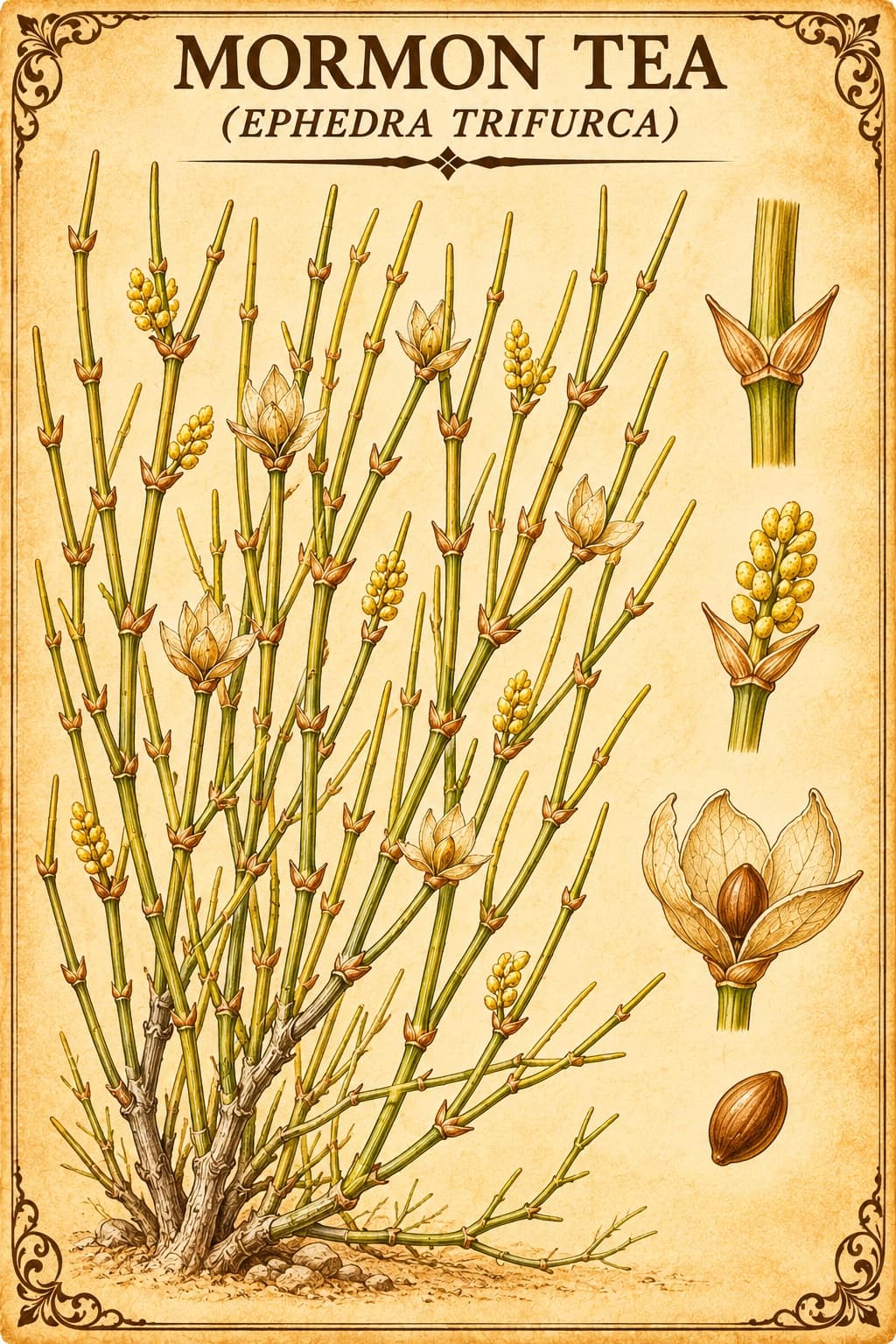 Mormon TeaEphedra trifurca
Used by the Navajo, Pima (O'odham) and Cocopa peoples.
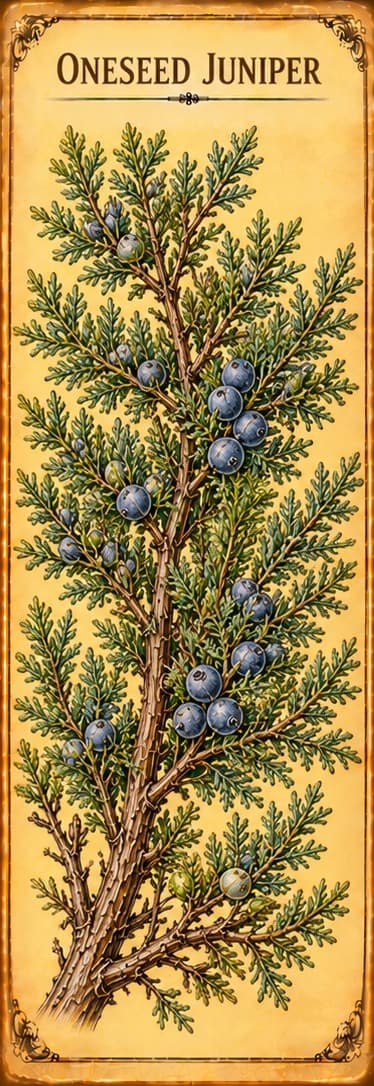 Oneseed JuniperJuniperus monosperma
Used by the Hopi, Apache, Acoma, Jemez, Isleta and Western Keres.
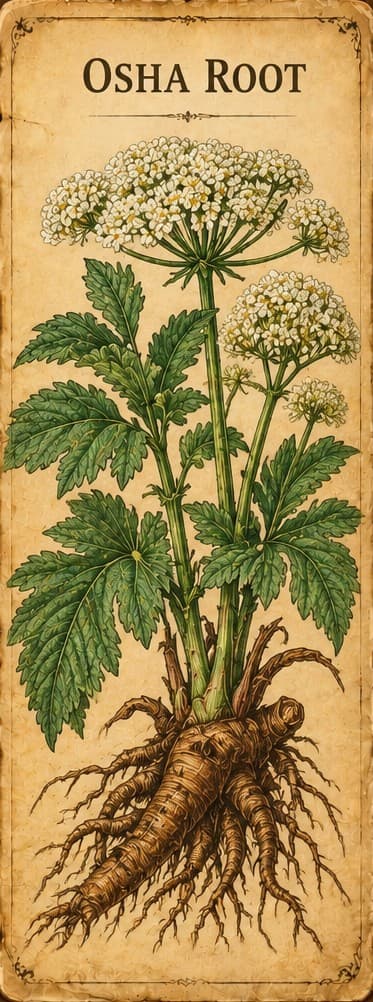 OshaLigusticum porteri
Used for many years by Hispanic and Native American peoples for colds, flu, chest infections and digestive upset.
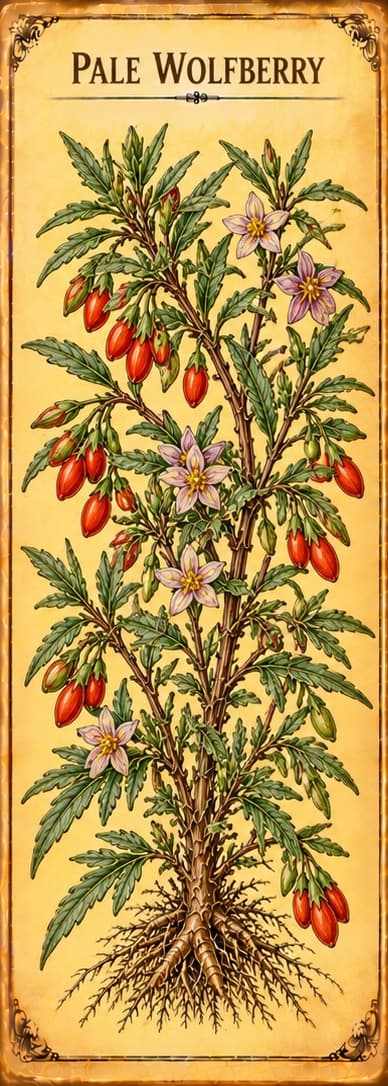 Pale WolfberryLycium pallidum
Berries eaten by the Navajo, Hopi, Havasupai, Acoma and Pueblo peoples.
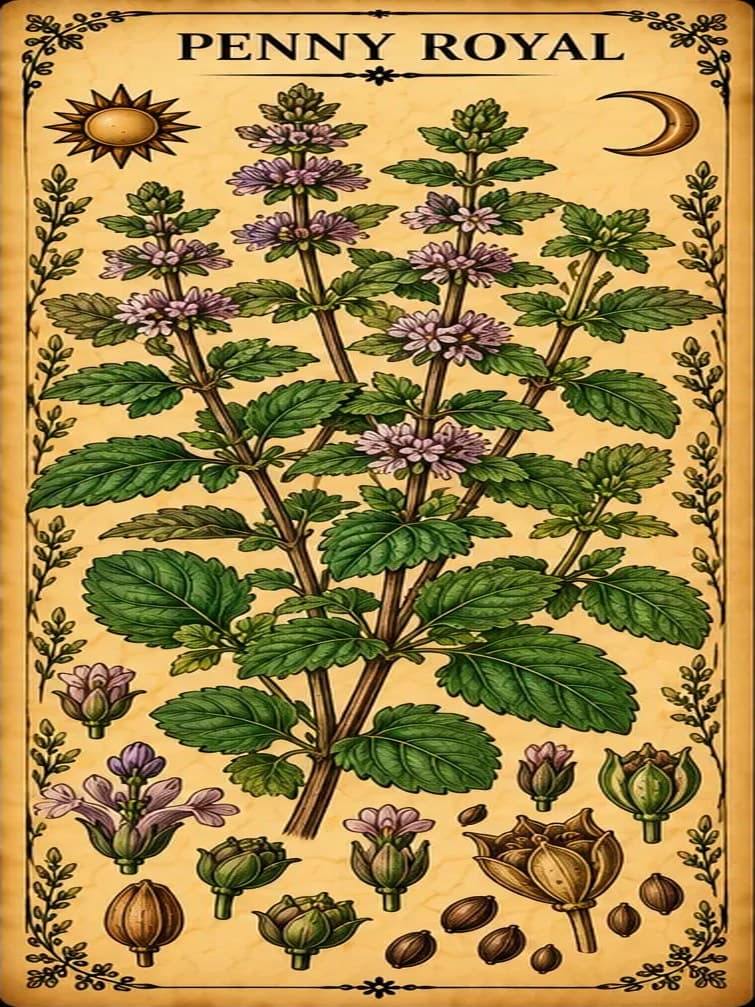 Penny RoyalClinopodium brownei
One of the most culturally important medicinal plants for the Q'eqchi' Maya of Guatemala, used to bathe sick children.
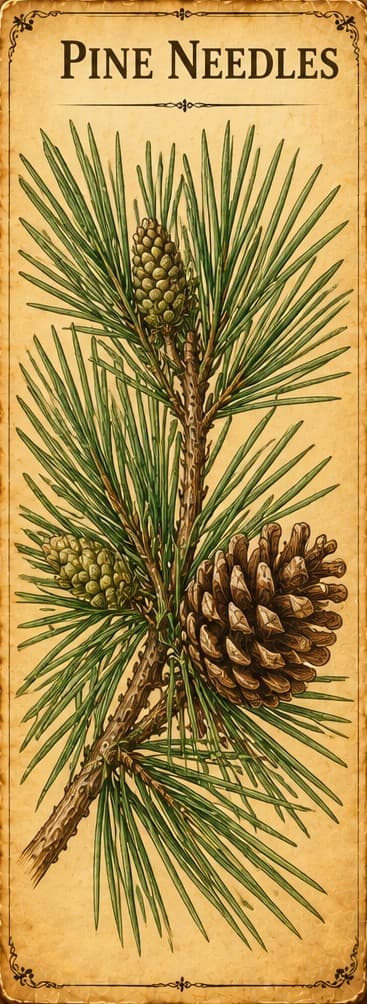 Pine NeedlesPinus spp.
The Algonquin people have used white pine needle tea to strengthen the immune system.
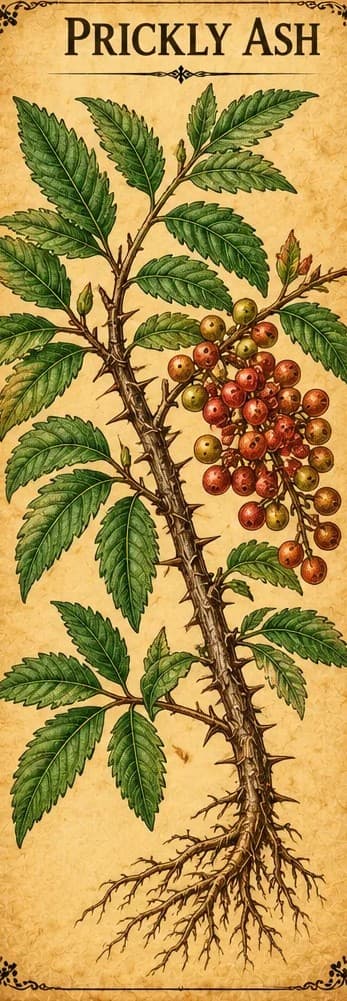 Prickly AshZanthoxylum americanum
Used by many tribes, including the Cherokee, Creek, Iroquois, Ojibwa and Potawatomi, for toothache, rheumatism, fevers, colds and coughs.
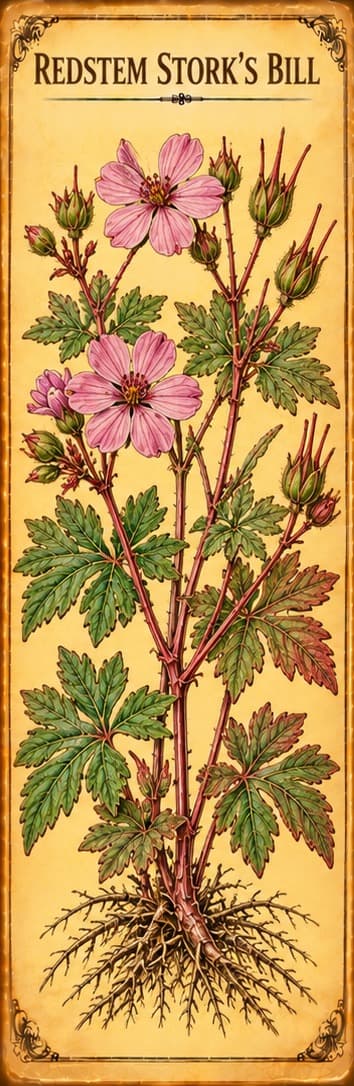 Redstem Stork's BillErodium cicutarium
Used by the Zuni, Navajo, Jemez, Costanoan and Diegueño.
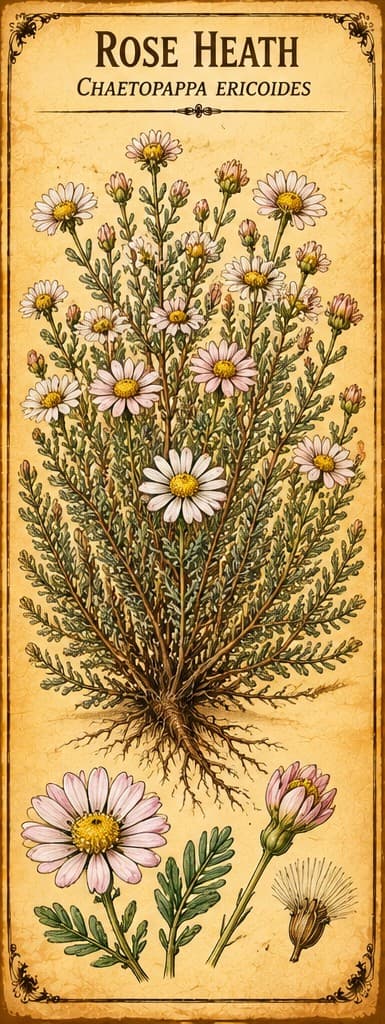 Rose HeathChaetopappa ericoides
Used by the Hopi, Navajo, Zuni, Havasupai and Western Keres peoples.
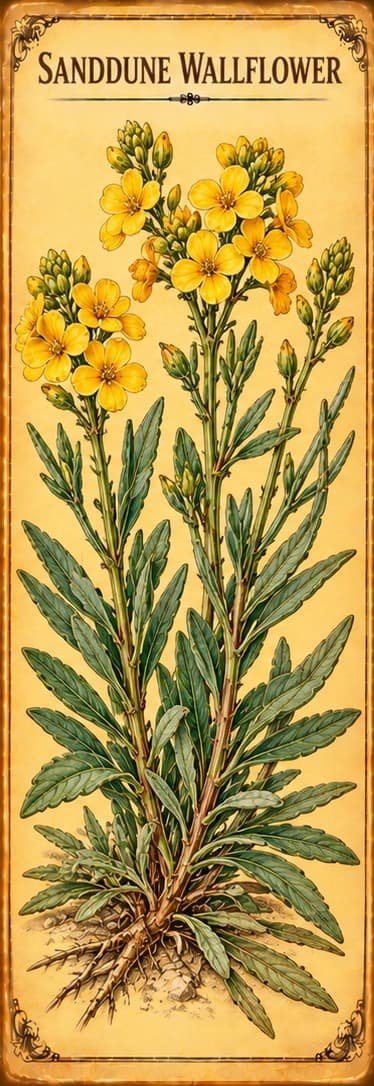 Sanddune WallflowerErysimum capitatum
Used by the Zuni, Navajo, Hopi, Okanagan-Colville and Teton Sioux.
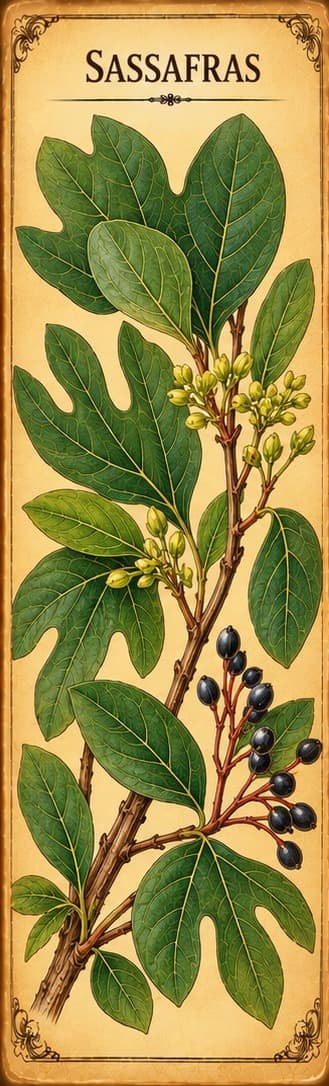 SassafrasSassafras albidum
Root tea used as a tonic and for bronchitis in Appalachia.
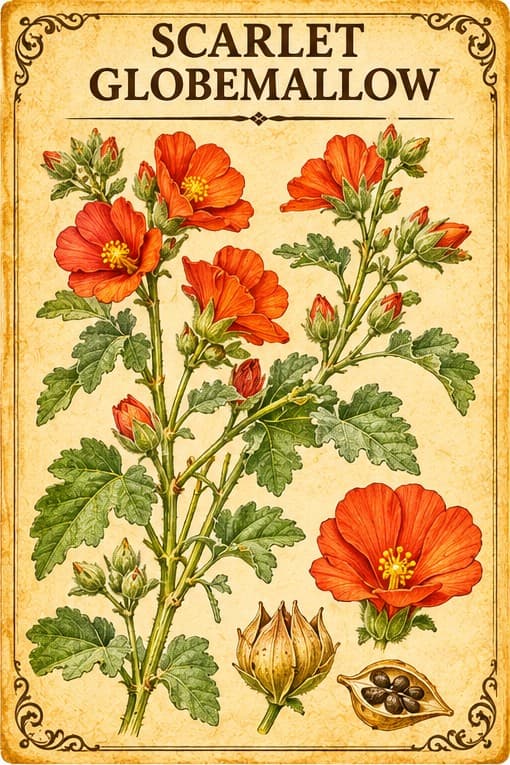 Scarlet GlobemallowSphaeralcea coccinea
Used by the Blackfoot, Lakota, Dakota, Navajo, Cheyenne, Comanche, Acoma and Laguna peoples.
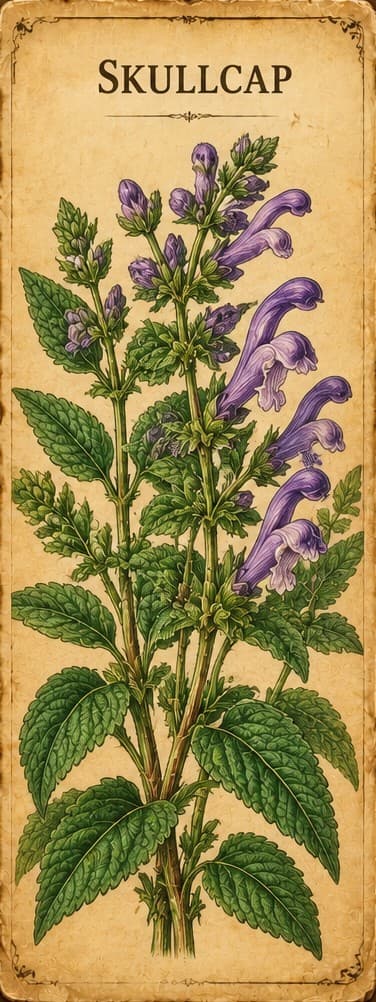 SkullcapScutellaria lateriflora
Used for centuries by Native Americans, including the Cherokee, for period problems, nerves, digestion and kidney problems.
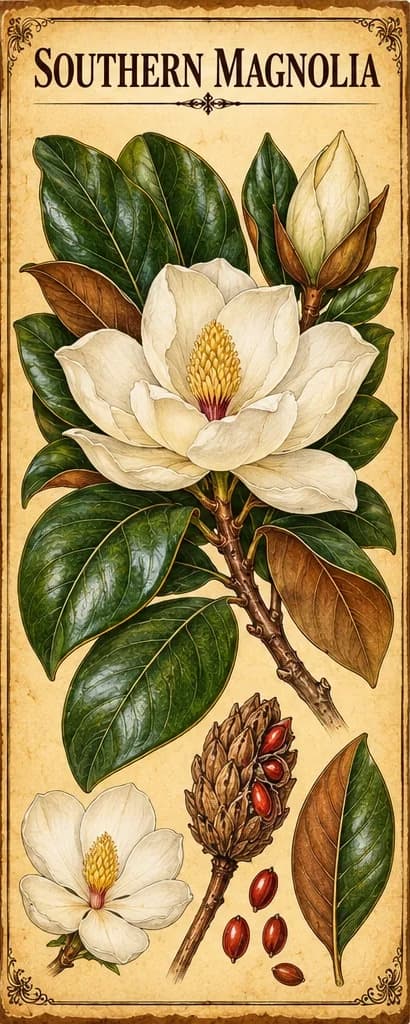 Southern MagnoliaMagnolia grandiflora
Choctaw and Koasati use of the bark as a wash for heat rash and sores, and in a steam bath for swelling.
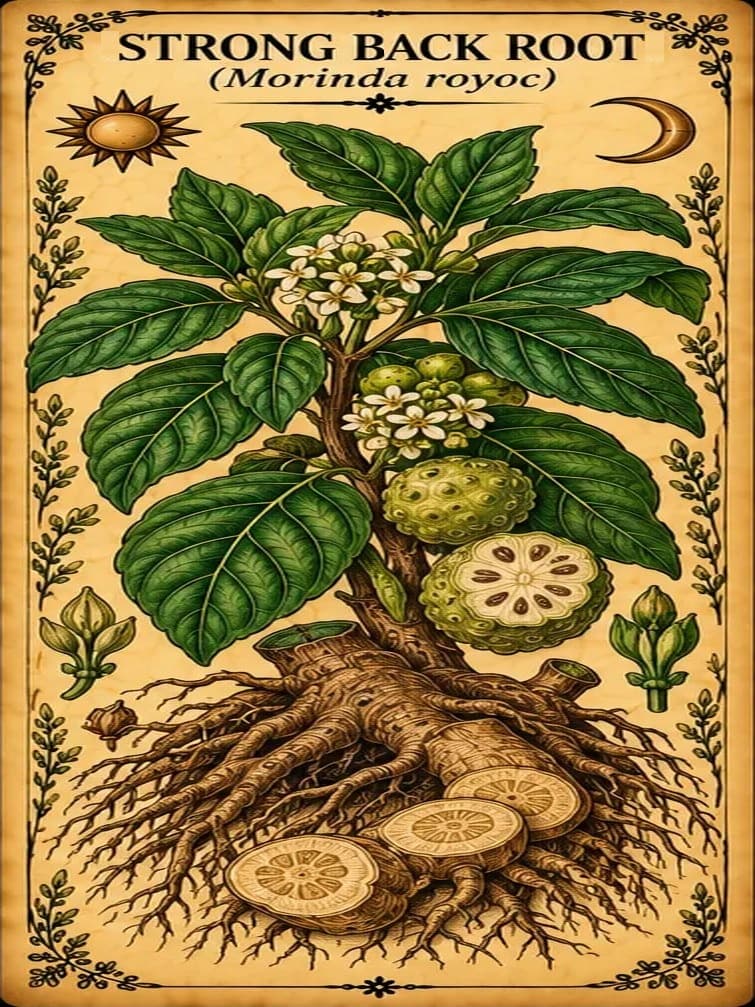 Strong Back RootMorinda royoc
Used in traditional Mayan medicine for stomach and bowel pain.
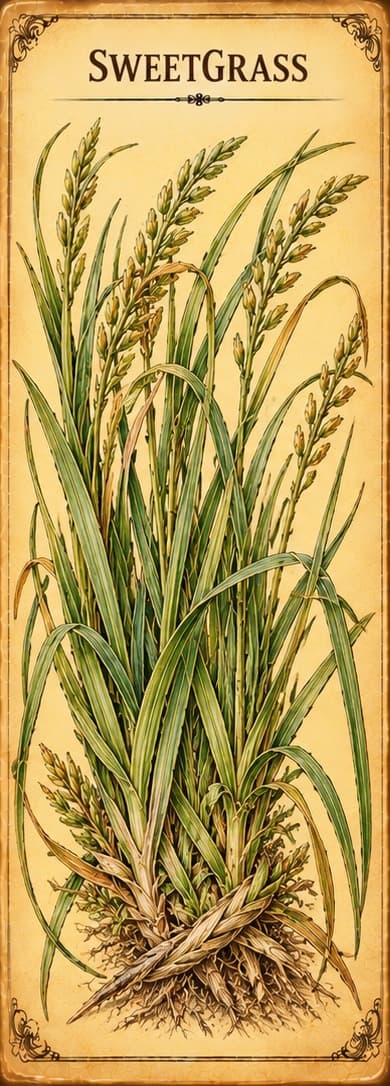 SweetgrassHierochloe odorata
Burned in smudging ceremonies.
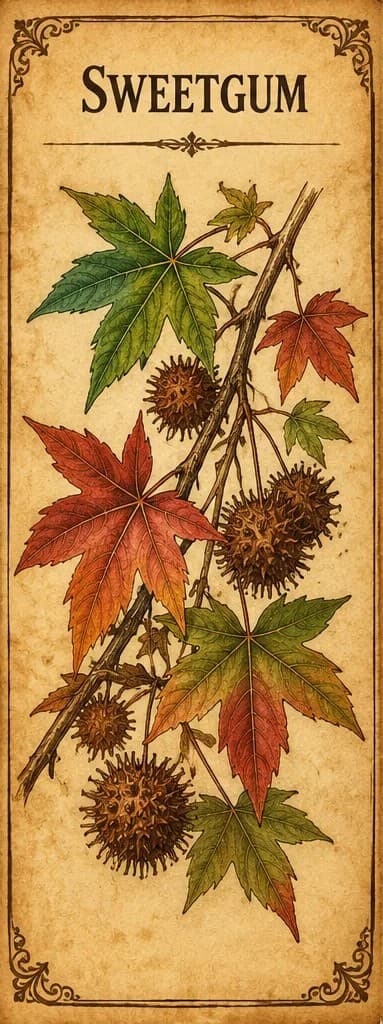 SweetgumLiquidambar styraciflua
Native Americans used storax, the tree's resin, to control coughs and dysentery.
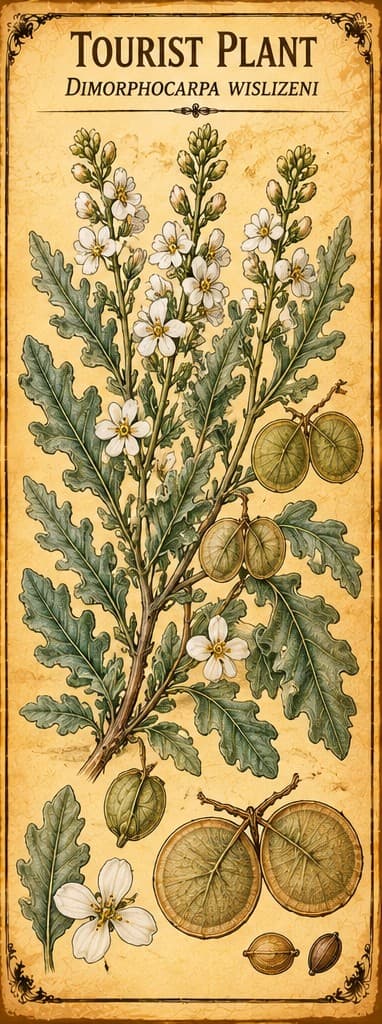 Tourist PlantDimorphocarpa wislizeni
Used by the Hopi, Navajo, Zuni, Apache and Western Keres peoples.
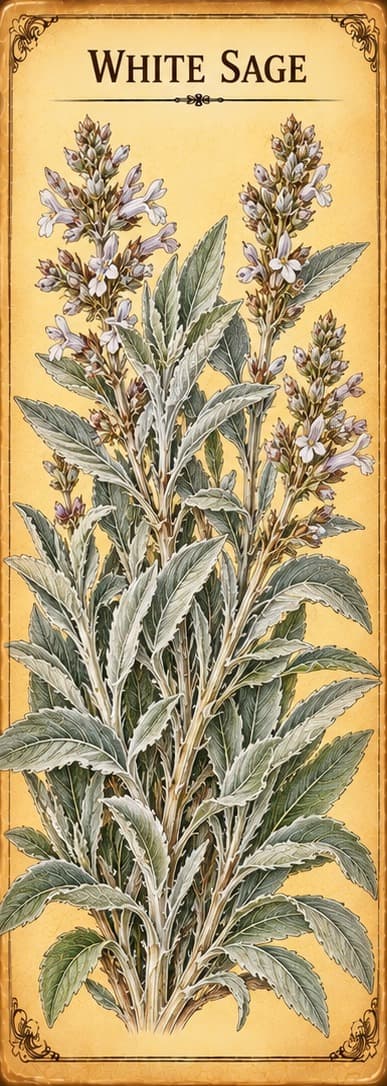 White SageSalvia apiana
Bundled with other plants and burned for smudging, a cleansing ritual.
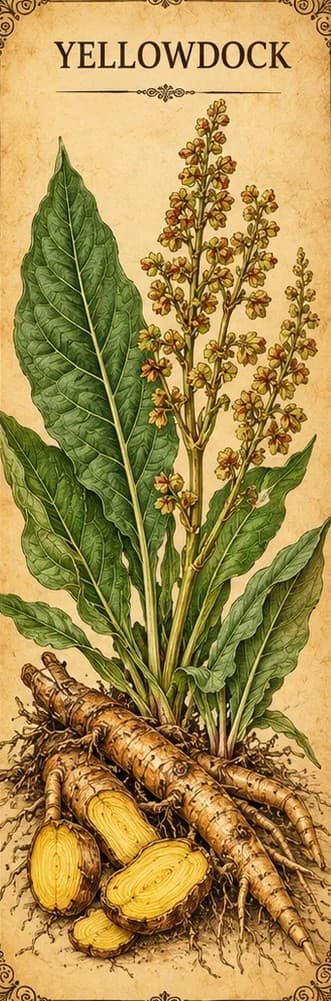 Yellow DockRumex crispus
Recorded in Native American medicine for treating cancerous sores.
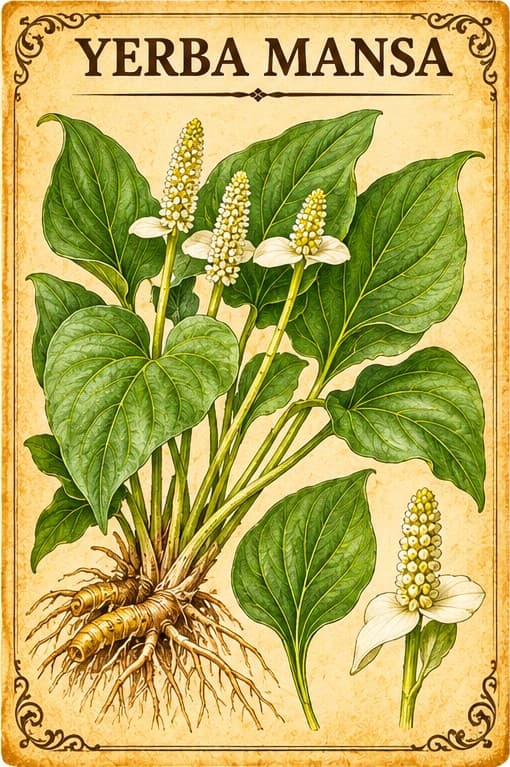 Yerba MansaAnemopsis californica
Used by the Cahuilla, Chumash, Pima, Shoshoni, Paiute, Kawaiisu, Costanoan, Isleta and other peoples of the Southwest and California.
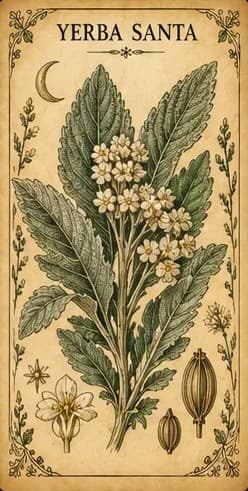 Yerba SantaEriodictyon californicum
Used by Indigenous peoples for centuries for various ailments, especially breathing problems.
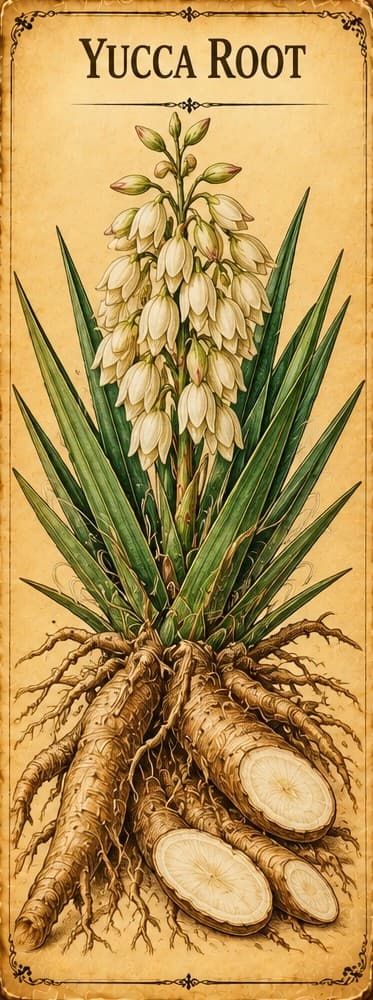 Yucca RootYucca schidigera
Used by Native Americans for arthritis and other ailments.