
Decoction
Made by simmering tougher plant parts, such as roots, bark or seeds, in water.
69 herbs
How each herb is prepared this way. Open an herb for its sources and safety information.
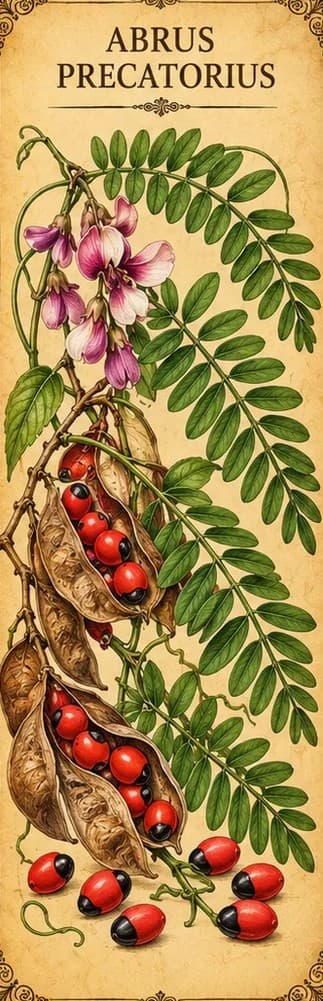 Abrus PrecatoriusAbrus precatorius
In West Java, Indonesia, a decoction of the leaves is commonly drunk.
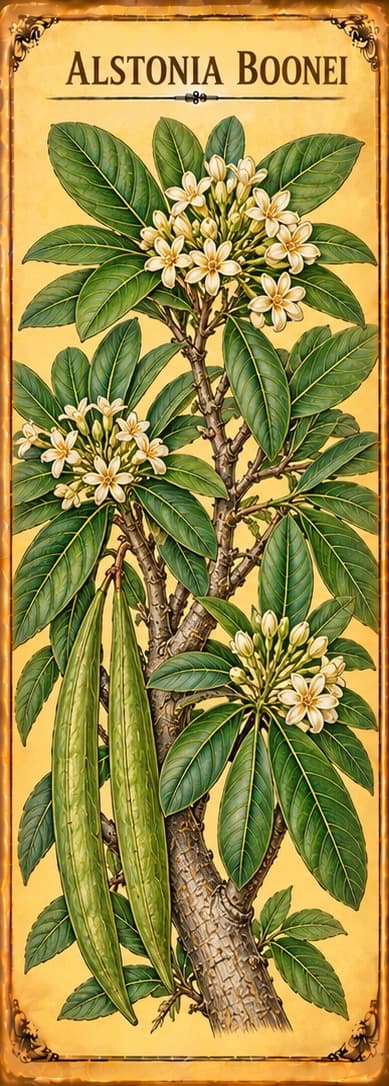 Alstonia BooneiAlstonia boonei
Bark boiled in water, sometimes sweetened with honey, taken up to 4 times a day for pain.
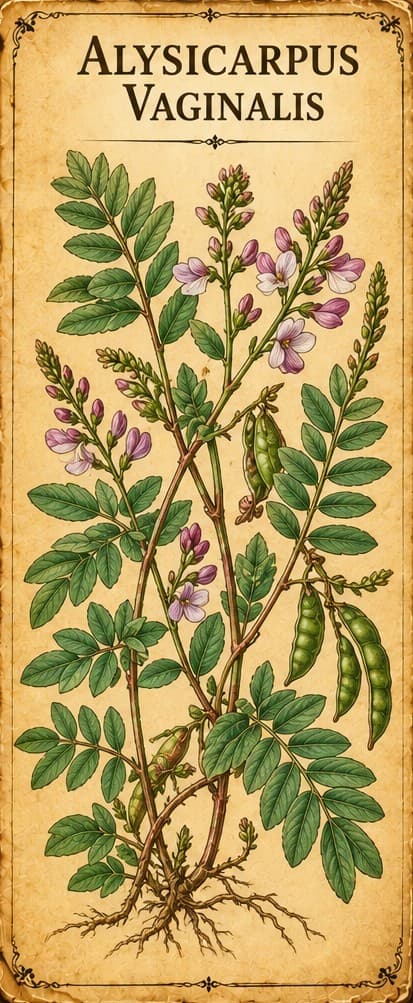 Alysicarpus VaginalisAlysicarpus vaginalis
In Jamaica, the plant is boiled with other roots and herbs, such as chaney root, sarsaparilla and ginger, into a "roots tonic" drink.
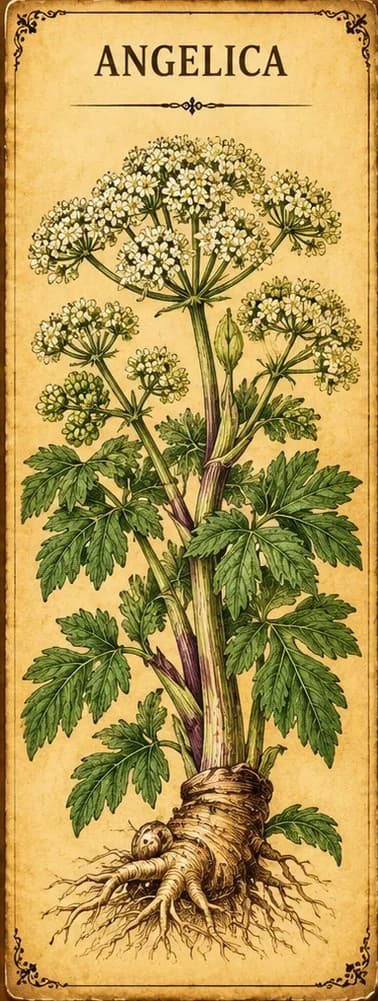 AngelicaAngelica archangelica
Herbalists simmer 1 to 2 teaspoons of the dried root in a cup of water for 2 minutes, then steep it covered for 15 minutes.
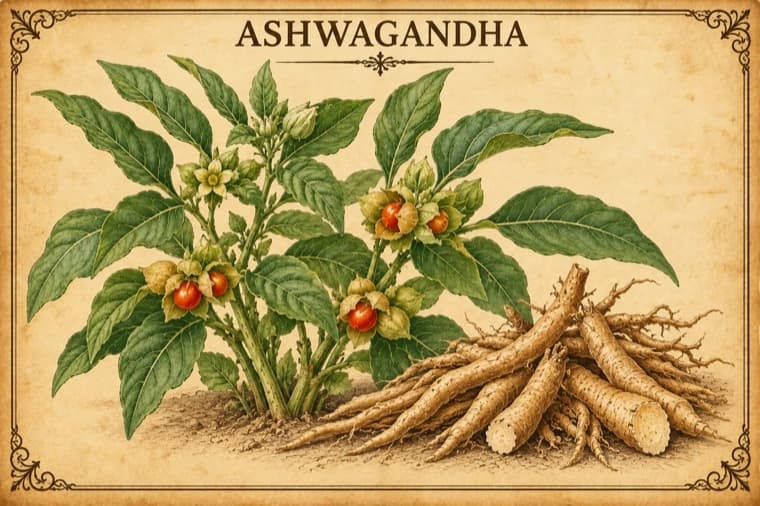 AshwagandhaWithania somnifera
Herbalists simmer the root in water as a tea (decoction), and in Ayurveda it's traditionally cooked in milk or ghee (clarified butter).
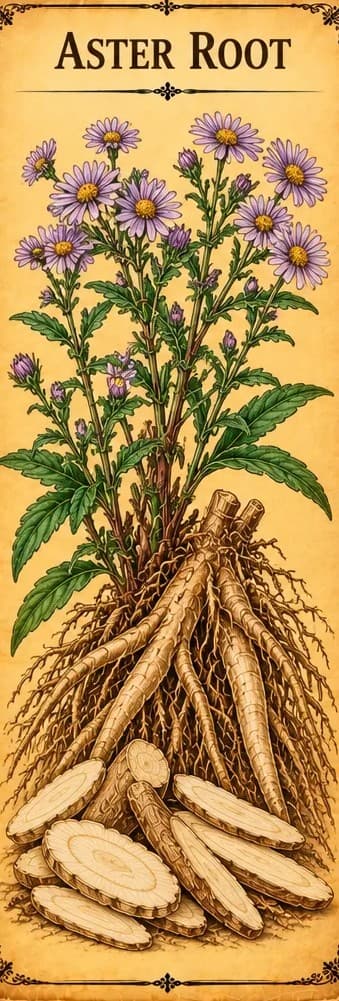 Aster RootAster tataricus
The root is boiled (decocted) with other herbs, such as licorice and honey, for coughs.
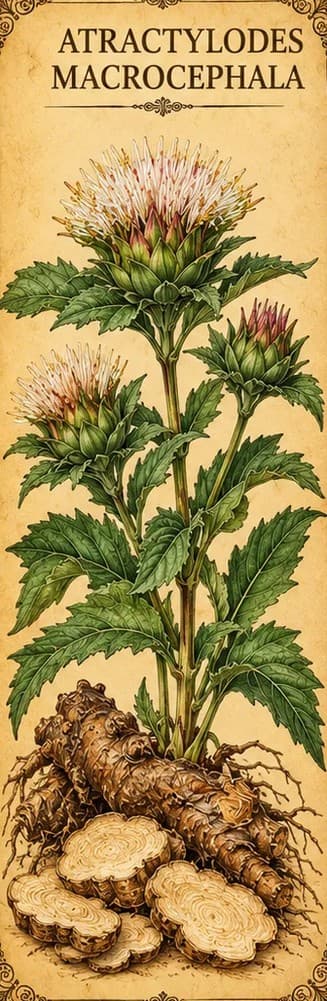 Atractylodes MacrocephalaAtractylodes macrocephala
It's one of the four herbs in Sijunzi decoction, with ginseng, poria and licorice.
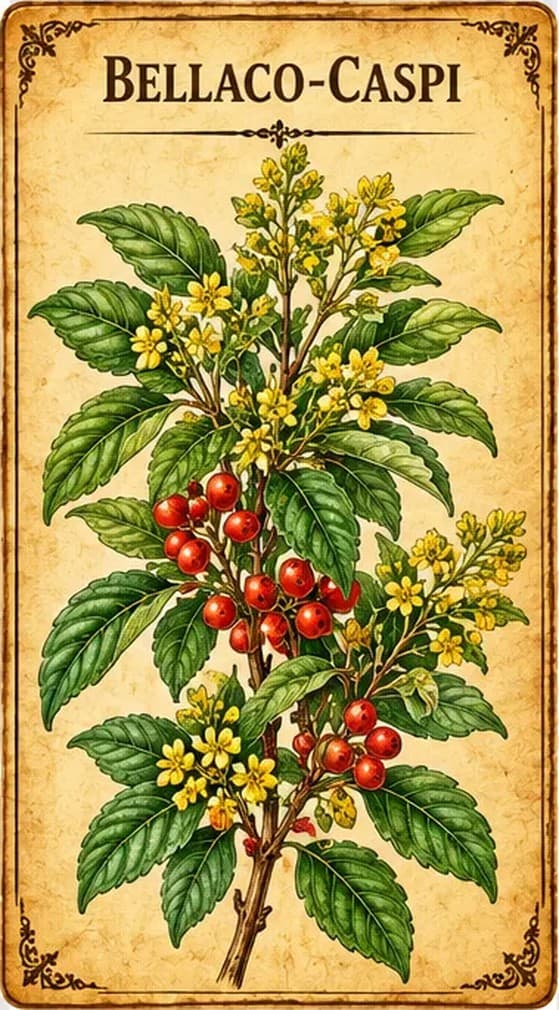 Bellaco-CaspiHimatanthus sucuuba
The bark or leaves are simmered into a decoction or tea.
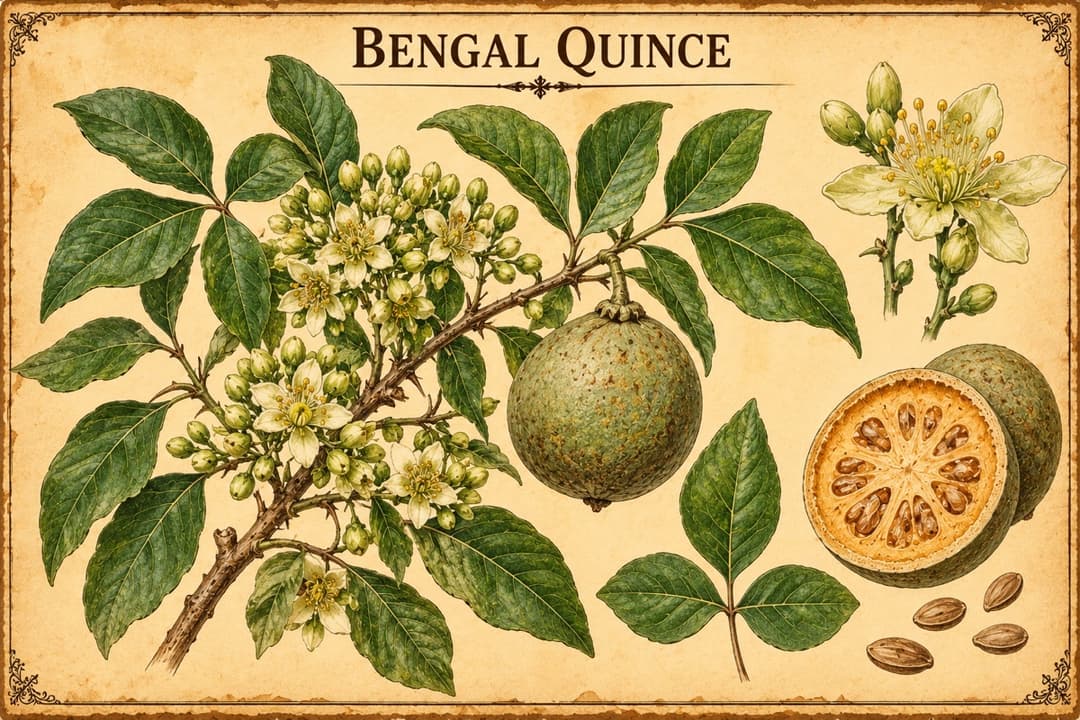 Bengal QuinceAegle marmelos
The bark is boiled into a tea for fever and cough.
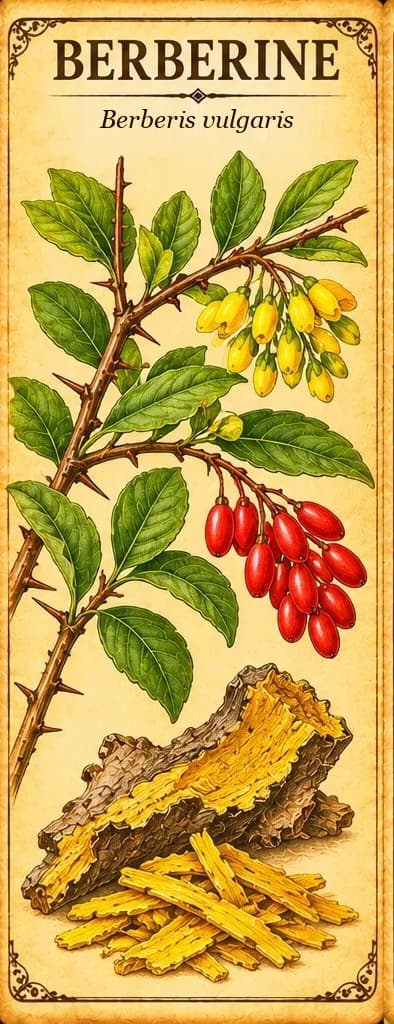 BerberineBerberis vulgaris
The crude bark can also be taken as a decoction.
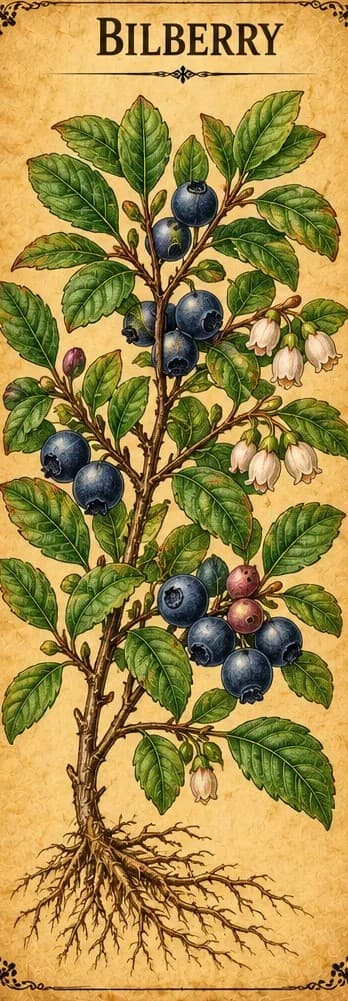 BilberryVaccinium myrtillus
The dried berries are simmered in water to make a liquid that's used in the mouth, for example as a rinse.
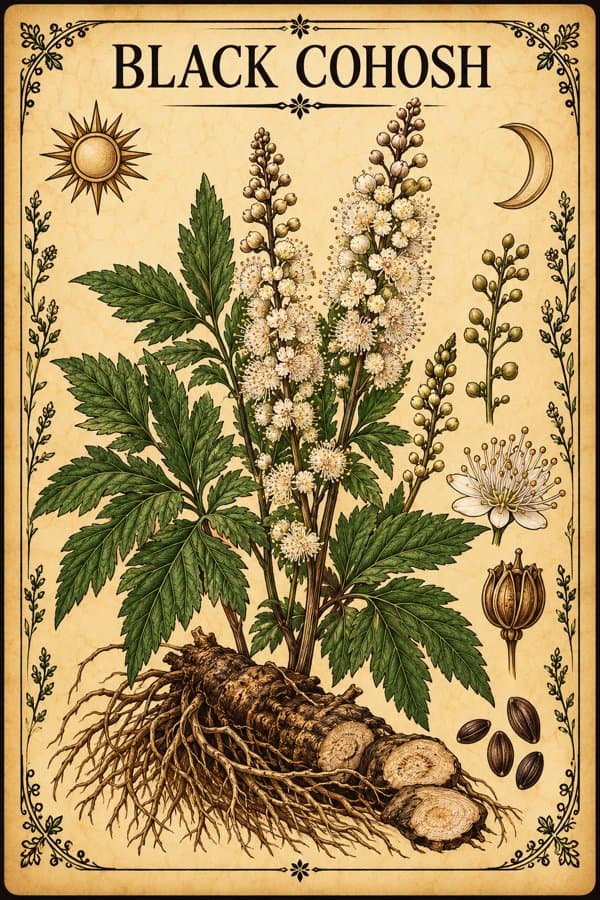 Black CohoshActaea racemosa
Herbalists simmer 1 to 2 teaspoons of the dried root in a cup of water.
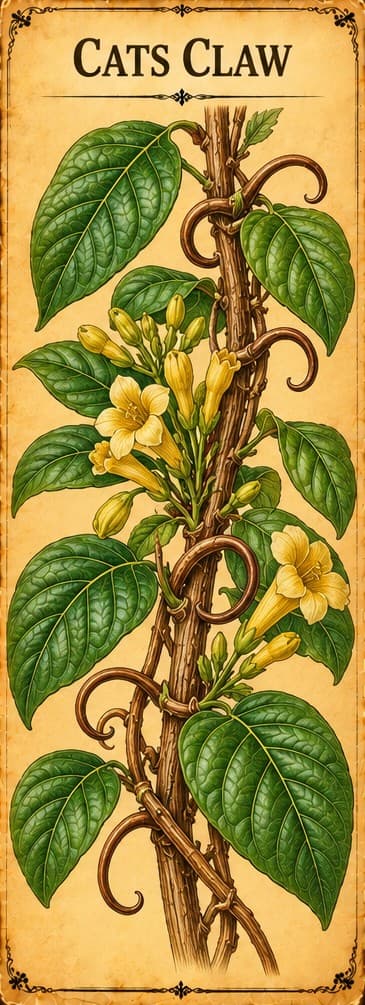 Cat's ClawUncaria tomentosa
The dried stem bark is made into infusions and decoctions.
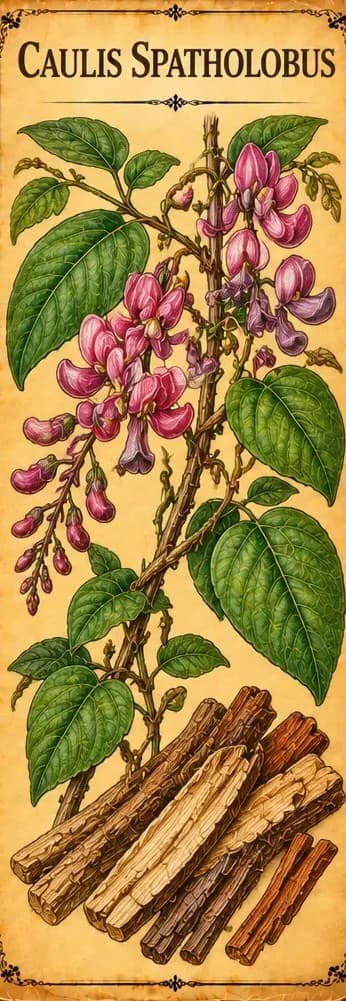 Caulis SpatholobusSpatholobus suberectus
It's the main ingredient in Chinese herbal decoctions such as Gubi decoction.
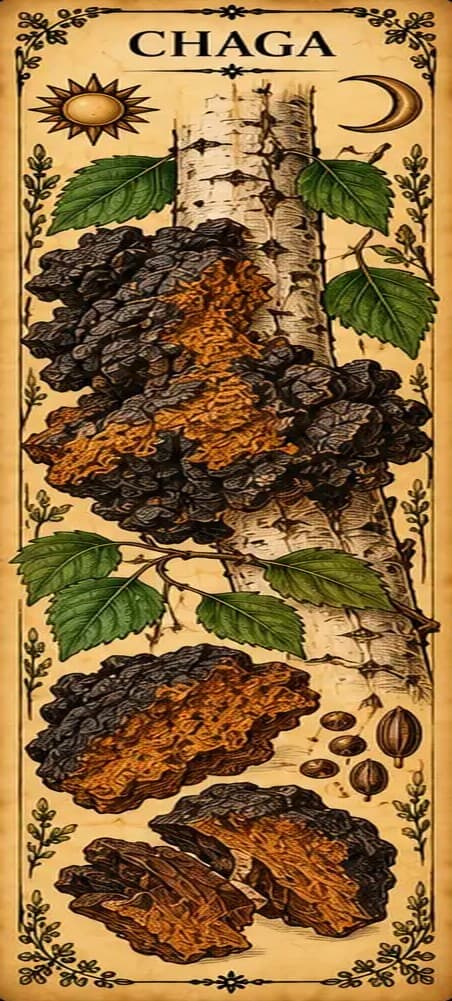 ChagaInonotus obliquus
The hard woody mass is boiled to make a tea.
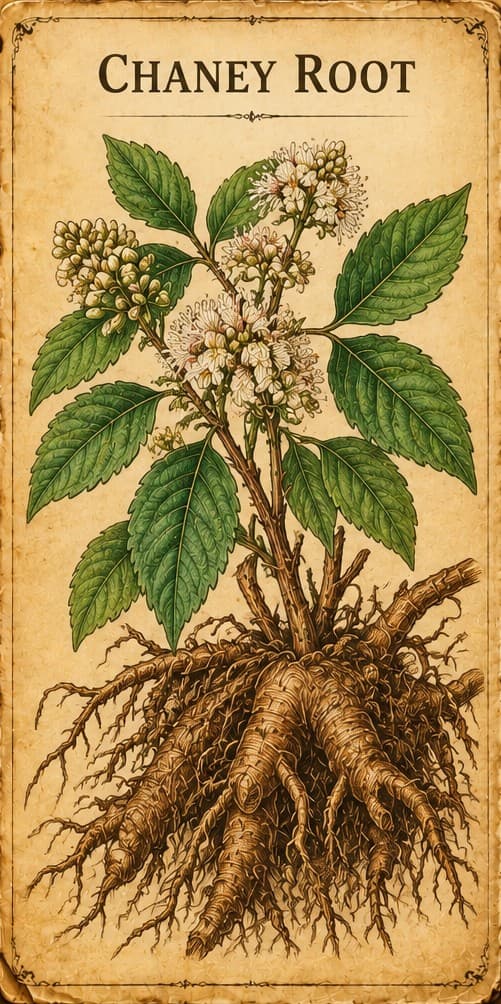 Chaney RootSmilax balbisiana
In Jamaica, the roots are soaked, then brewed in water for about 10 minutes with other roots and herbs, such as sarsaparilla and ginger, and sweetened to taste.
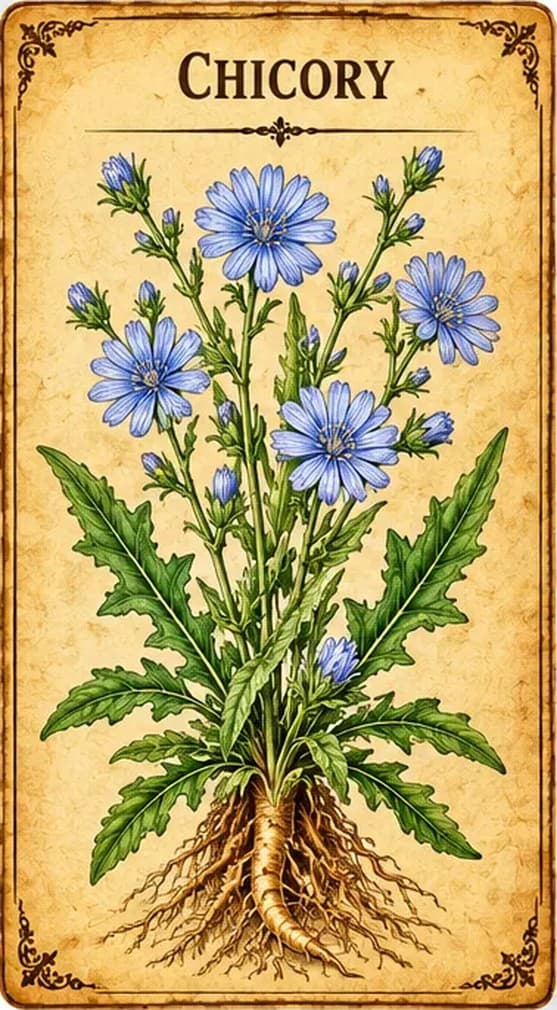 ChicoryCichorium intybus
The cut root can also be simmered in water as a decoction, once a day.
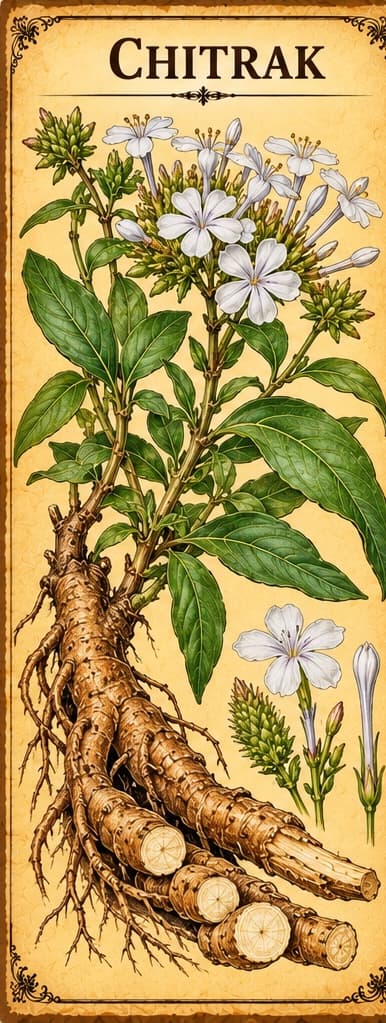 ChitrakPlumbago zeylanica
A tea made by boiling purified root was tested in rats.
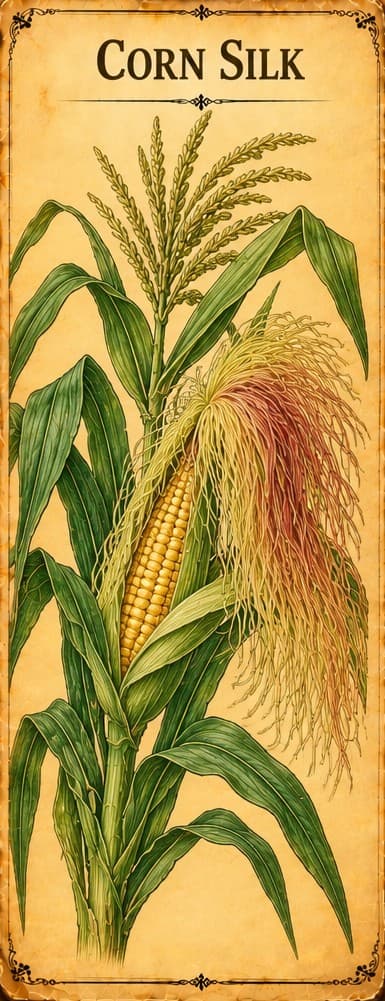 Corn SilkZea mays
Corn silk has also been taken as a decoction (simmered in water).
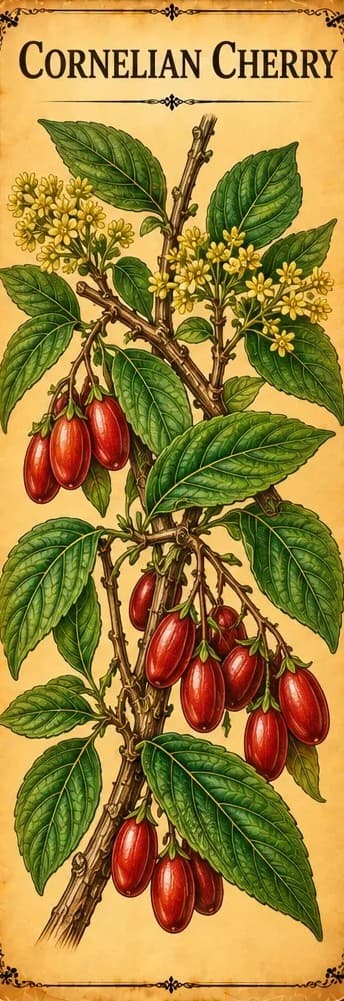 Cornelian CherryCornus officinalis
It's one of the six herbs in Liuwei Dihuang decoction, a classic Chinese formula.
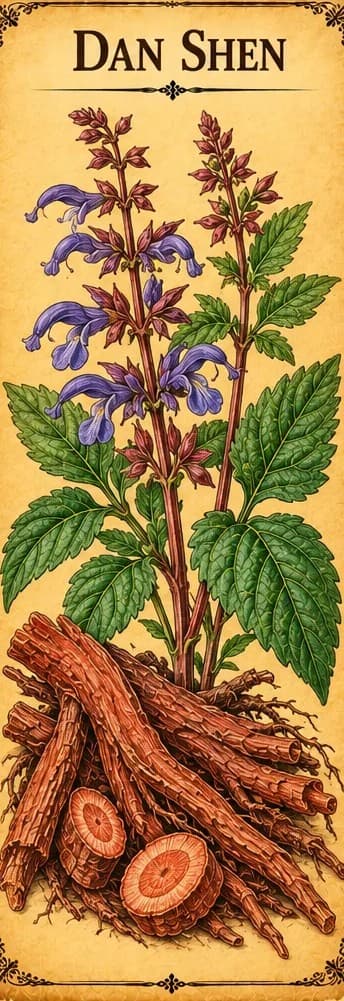 Dan ShenSalvia miltiorrhiza
It's used crude or in preparations such as decoctions, dripping pills and injections.
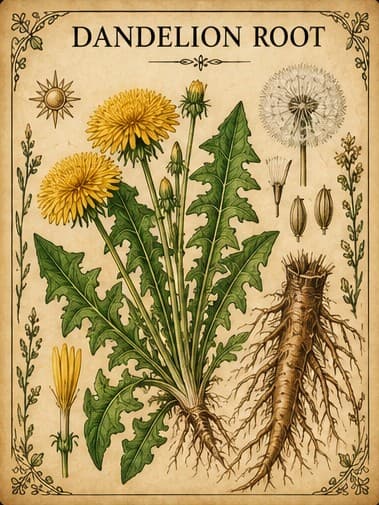 DandelionTaraxacum officinale
The root is simmered in water as a decoction, and the roasted root is used as a caffeine-free coffee substitute.
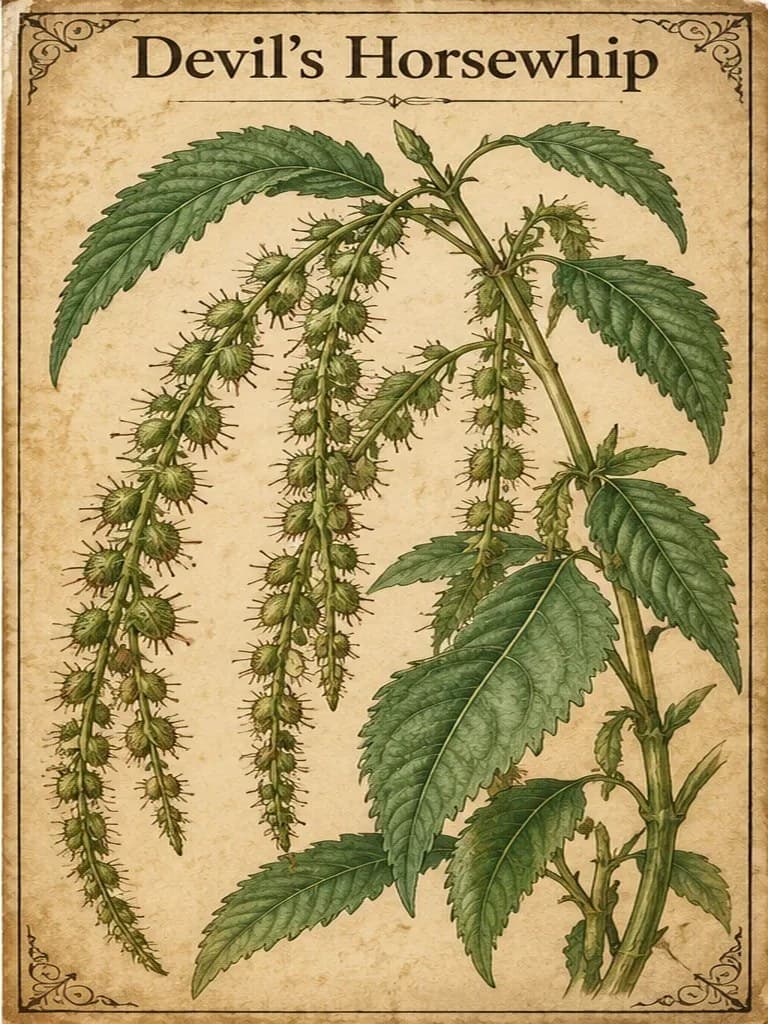 Devil's HorsewhipAchyranthes aspera
In the Ivory Coast, decoctions are used for diabetes and to increase urination.
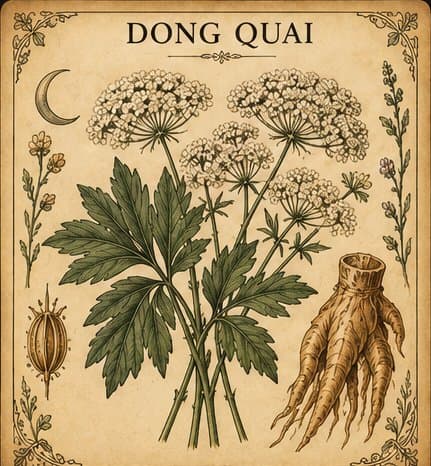 Dong QuaiAngelica sinensis
Herbalists simmer 1 to 2 teaspoons of the root in a cup of water for 2 minutes, then steep it covered for 15 minutes. Wine infusions are a traditional Chinese preparation.
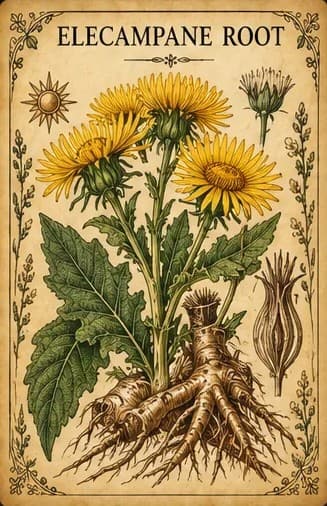 ElecampaneInula helenium
The root is traditionally boiled in water to make a decoction.
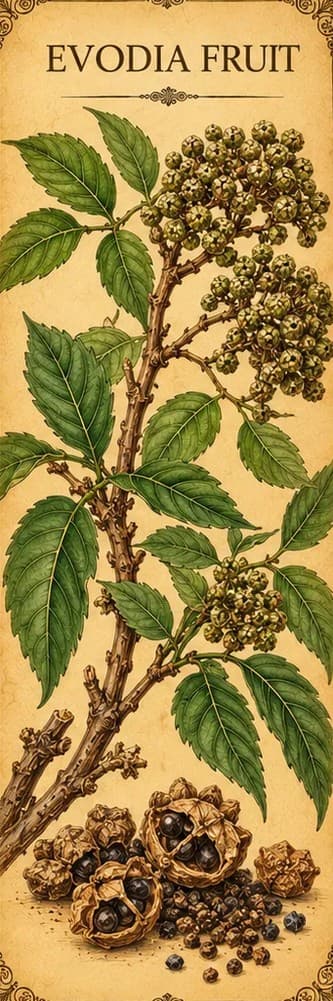 Evodia FruitTetradium ruticarpum
The usual dose of 2 to 5 g is taken as a water decoction, or as pills or powder.
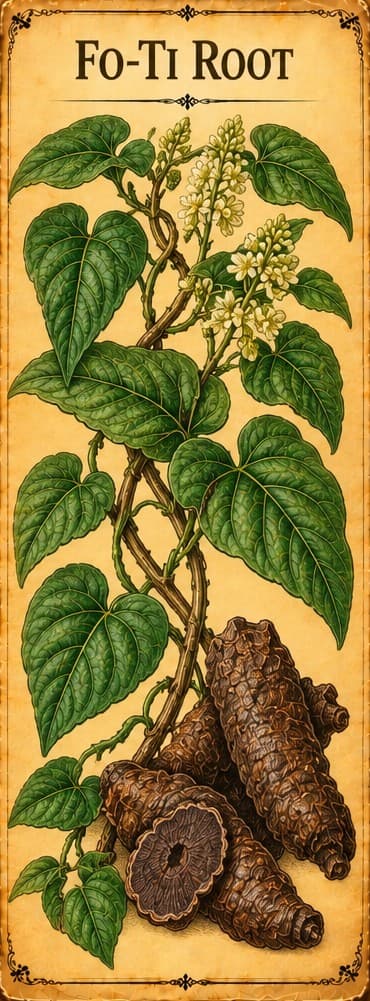 Fo-TiReynoutria multiflora
The root is used raw or processed (boiled in black-bean liquid), as decoctions and in Chinese patent medicines.
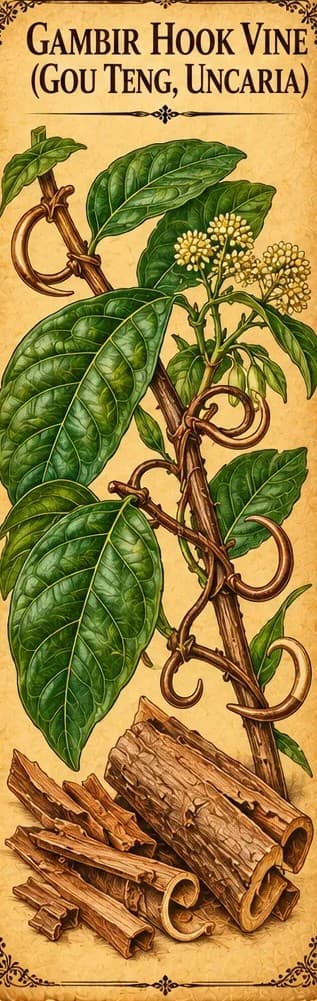 Gambir Hook VineUncaria rhynchophylla
The hooks are traditionally added to a boiling decoction only for the last 5 to 10 minutes, because long boiling breaks down its main compounds.
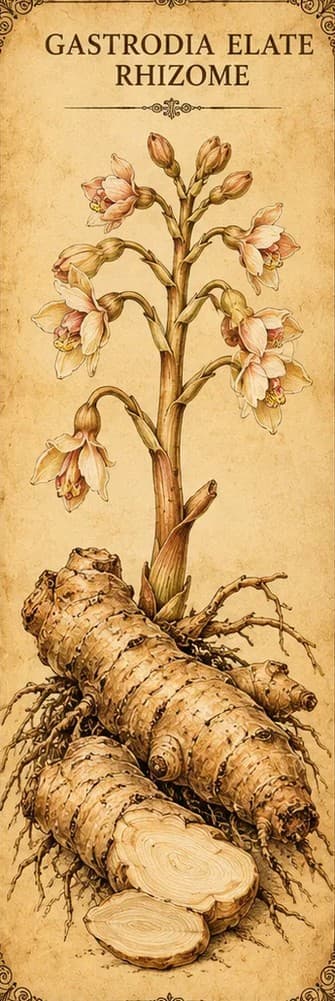 Gastrodia Elata RhizomeGastrodia elata
It's usually taken as a decoction, often with other herbs such as chuanxiong.
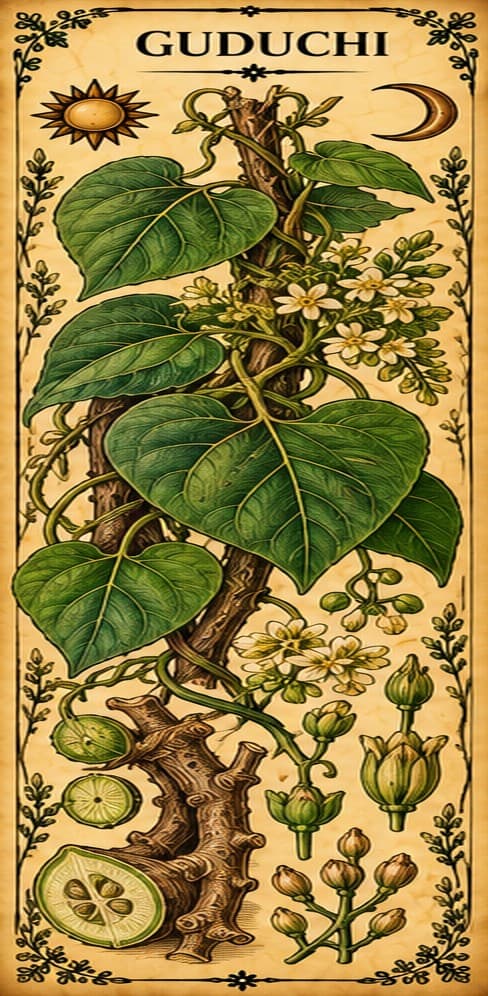 Giloy (Guduchi)Tinospora cordifolia
In one study of patients with liver injury, people had taken it as tablets or decoctions.
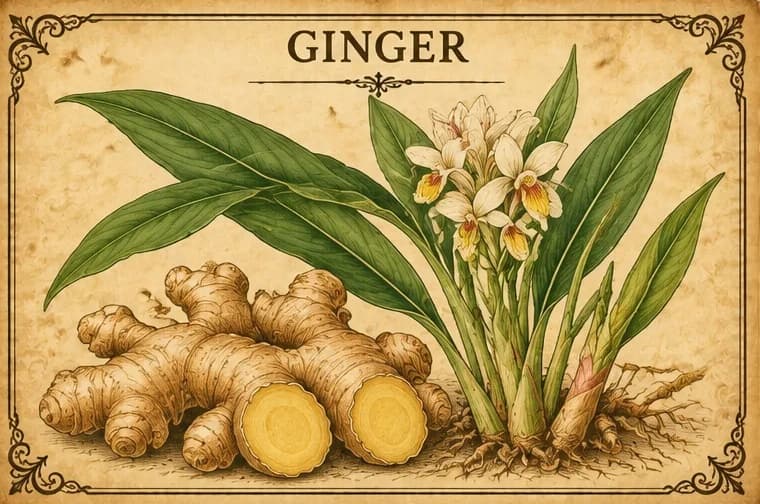 GingerZingiber officinale
The dried root is also simmered in water as a decoction.
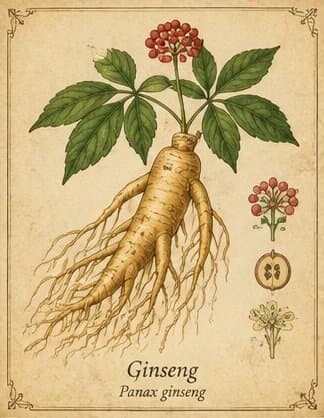 GinsengPanax ginseng
Herbalists simmer 1 to 2 teaspoons of the dried root in a cup of water.
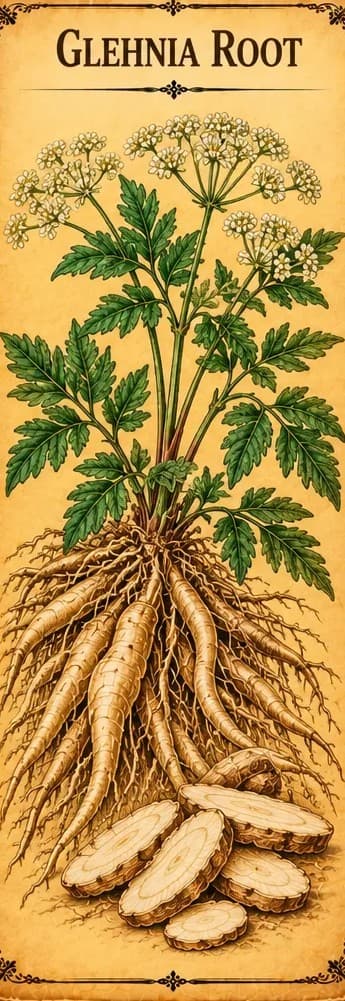 Glehnia RootGlehnia littoralis
It's used in Chinese formulas such as Yiguanjian decoction and Yiwei decoction.
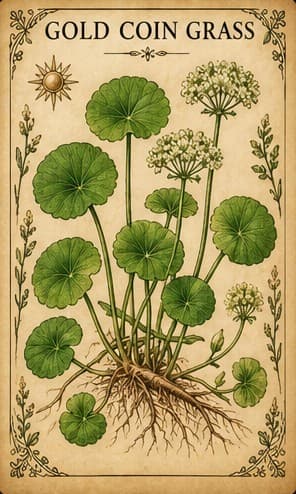 Gold Coin GrassLysimachia christinae, Desmodium styracifolium
The whole plant is boiled in water as a decoction.
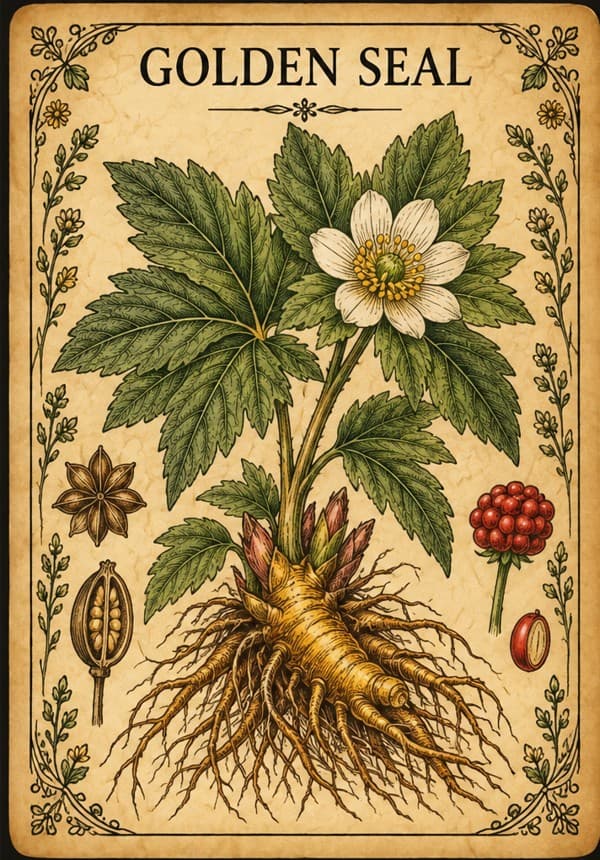 GoldensealHydrastis canadensis
The dried rhizomes and roots are taken as a powder or a decoction.
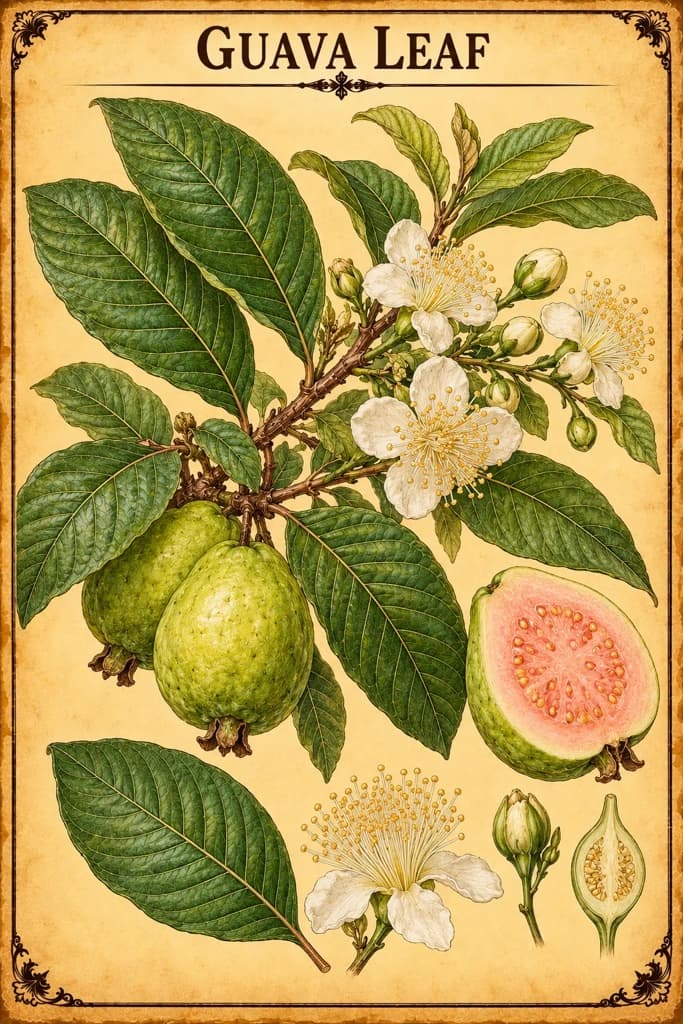 Guava LeafPsidium guajava
TRAMIL's recipe for diarrhea or vomiting: 30 grams of fresh leaves (young shoots preferred) boiled for 5 minutes in 1 liter (4 cups) of water, optionally with a little salt and sugar; 1 cup 3 to 4 times a day.
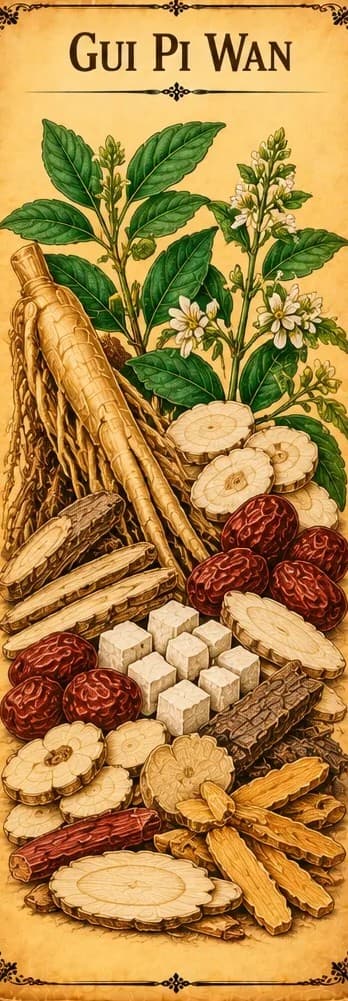 Gui Pi WanPanax ginseng, Astragalus membranaceus, Angelica sinensis and 9 other herbs
The formula is also prepared as Guipi decoction.
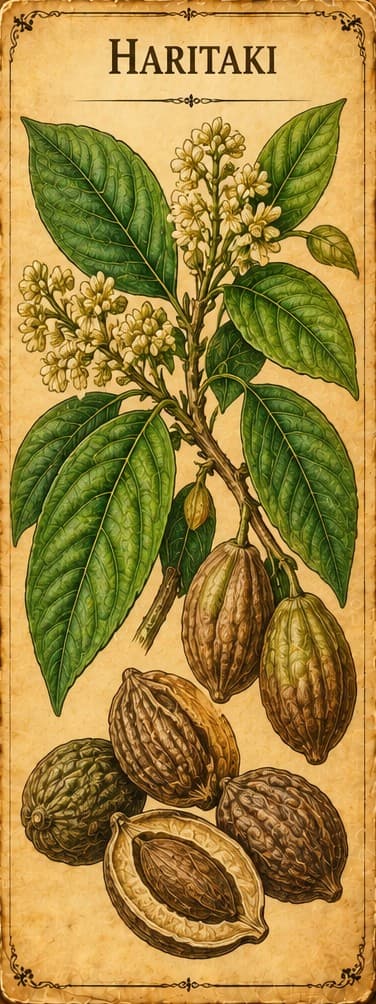 HaritakiTerminalia chebula
The dried fruit is boiled in water as a decoction.
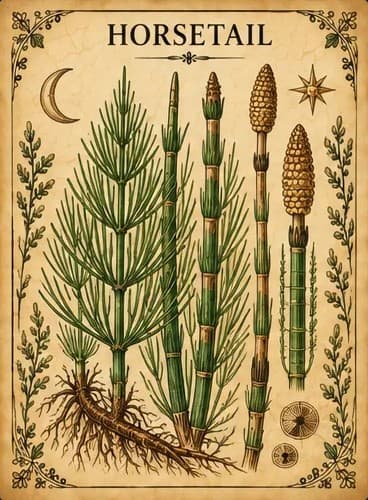 HorsetailEquisetum arvense
The dried plant is simmered in water to make a liquid that's applied to the skin.
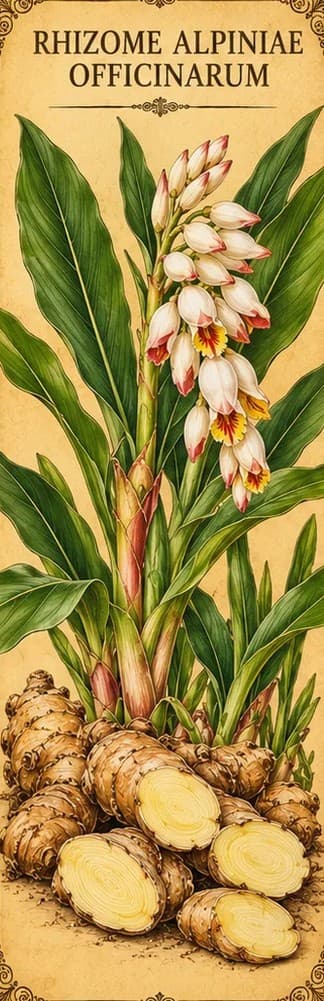 Lesser GalangalAlpinia officinarum
It's also taken as a decoction.
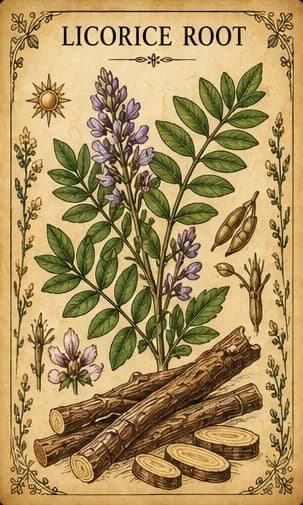 LicoriceGlycyrrhiza glabra
Herbalists simmer 1 to 2 teaspoons of the dried root in a cup of water. The root is also added to tea blends for sweetness.
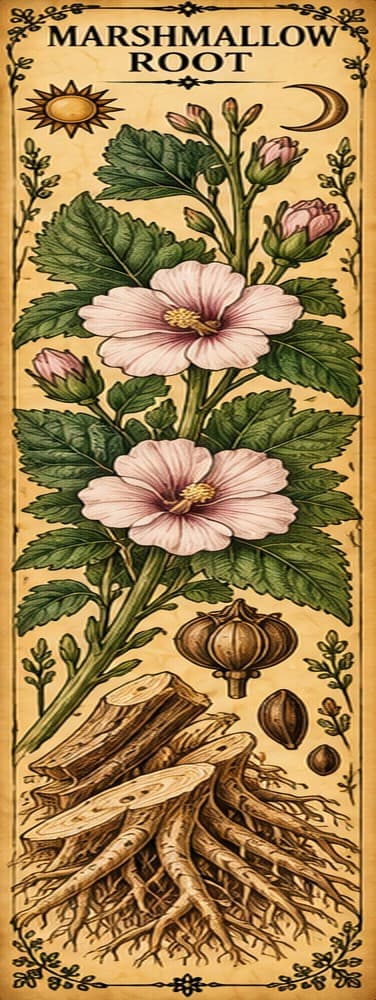 Marshmallow RootAlthaea officinalis
Herbalists simmer 1 to 2 teaspoons of the root in a cup of water for 10 to 15 minutes. A cold infusion helps keep its slimy mucilage.
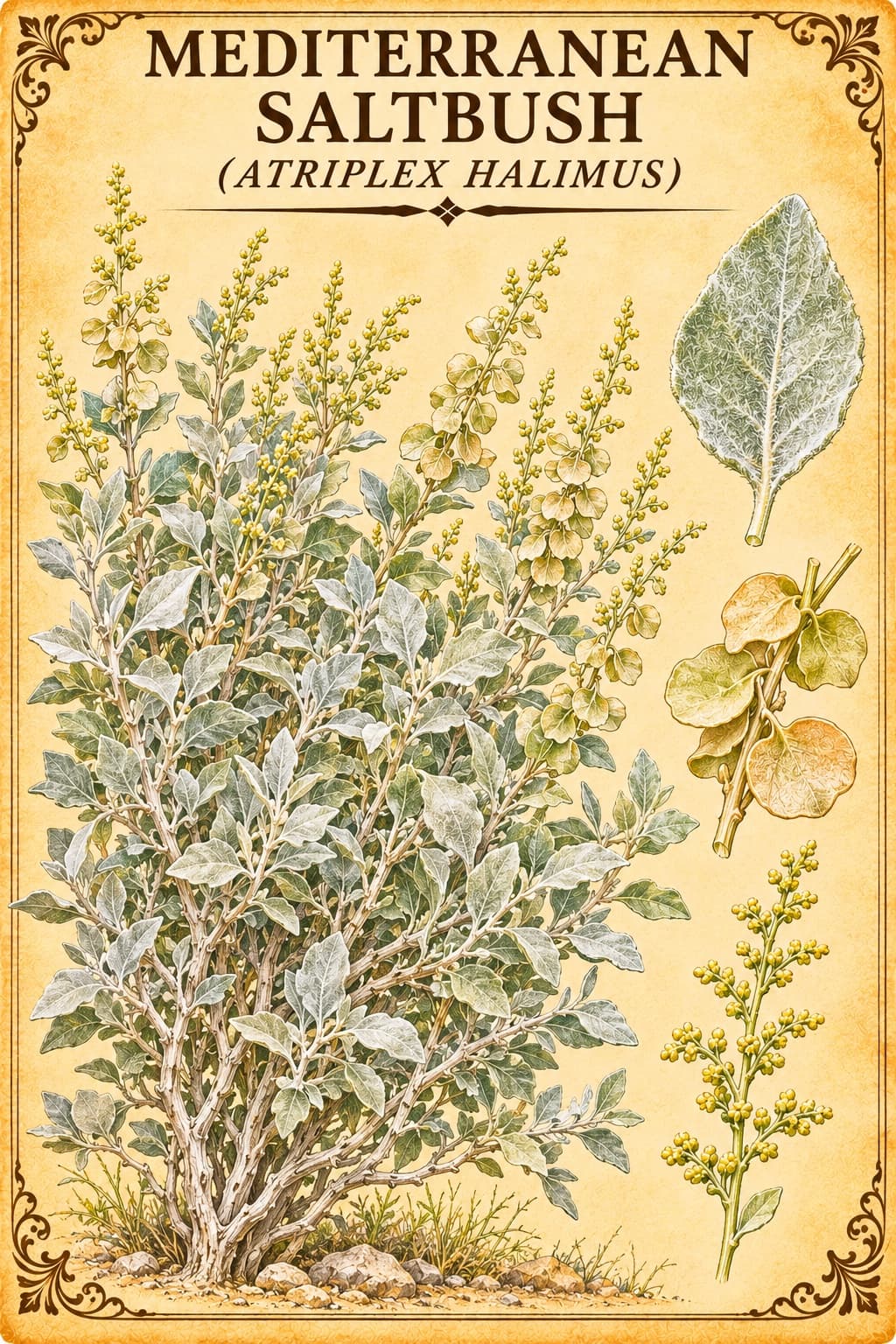 Mediterranean SaltbushAtriplex halimus
Leaves boiled in water, the traditional way it's taken.
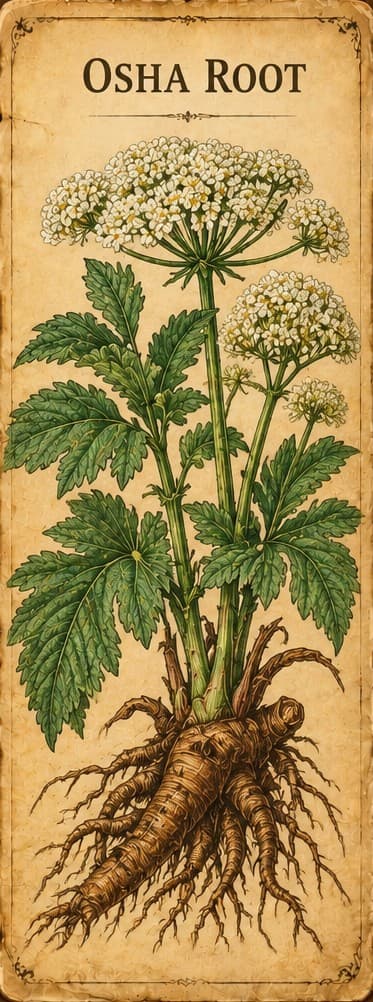 OshaLigusticum porteri
It's widely taken as a decoction.
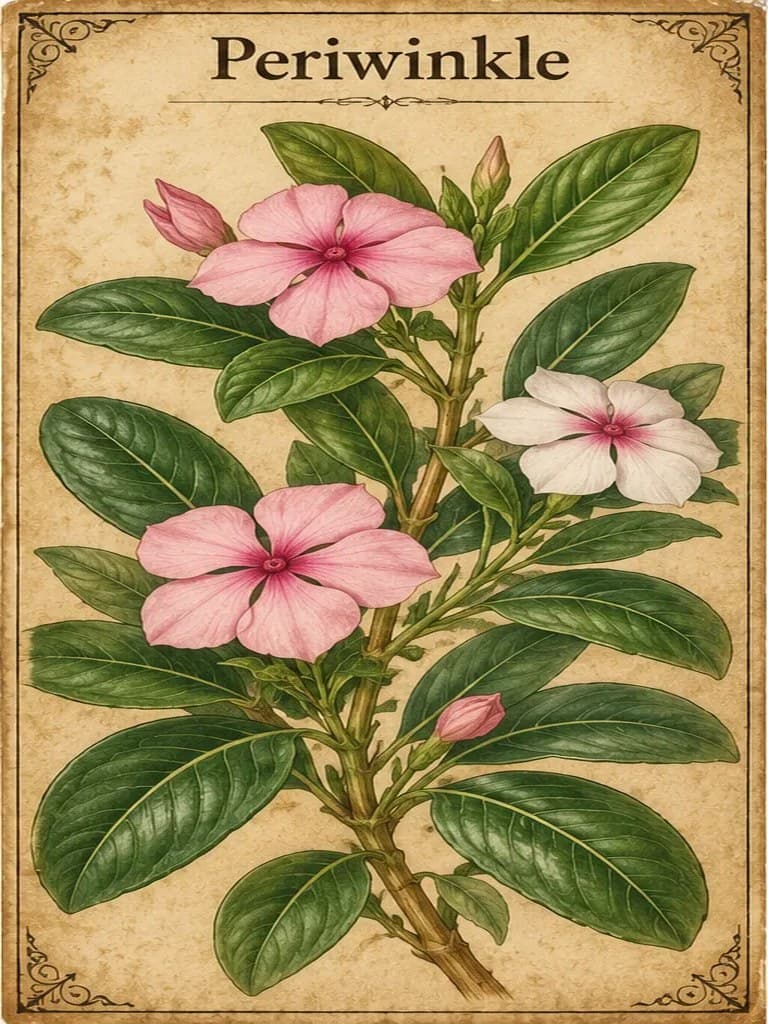 PeriwinkleCatharanthus roseus
In Togo, a decoction of the root is taken for painful periods.
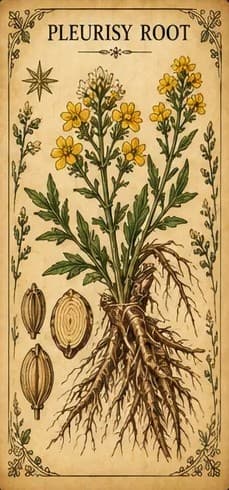 Pleurisy RootAsclepias tuberosa
Herbalists simmer 1 to 2 teaspoons of the root in a cup of water.
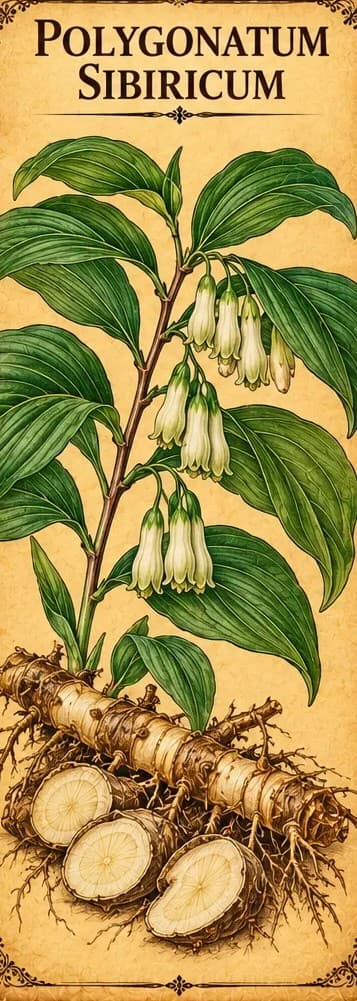 Polygonatum SibiricumPolygonatum sibiricum
It's mostly used as Chinese patent medicines, simple preparations or decoctions.
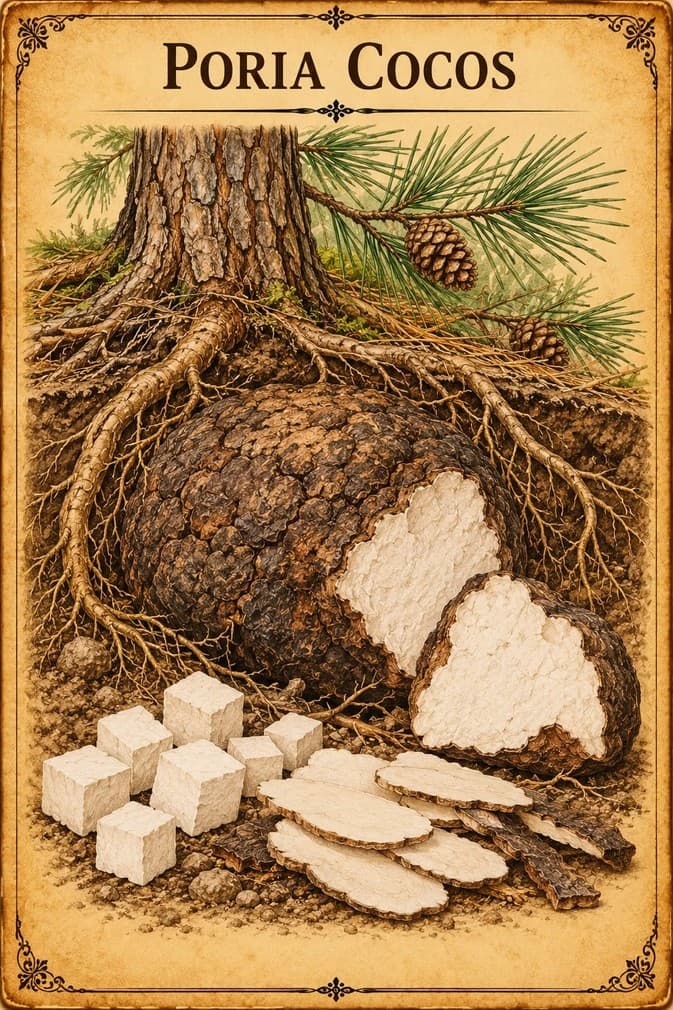 Poria CocosWolfiporia cocos
It's used in decoctions such as compound fuling and licorice decoction.
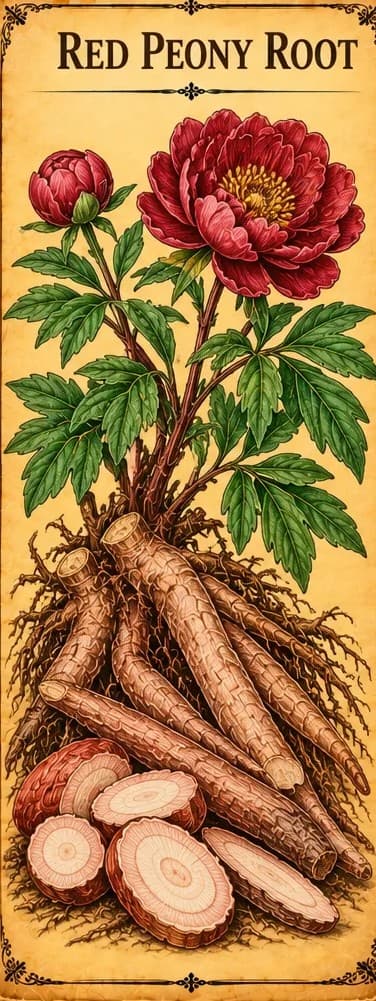 Red Peony RootPaeonia lactiflora
The root is boiled in water as a decoction.
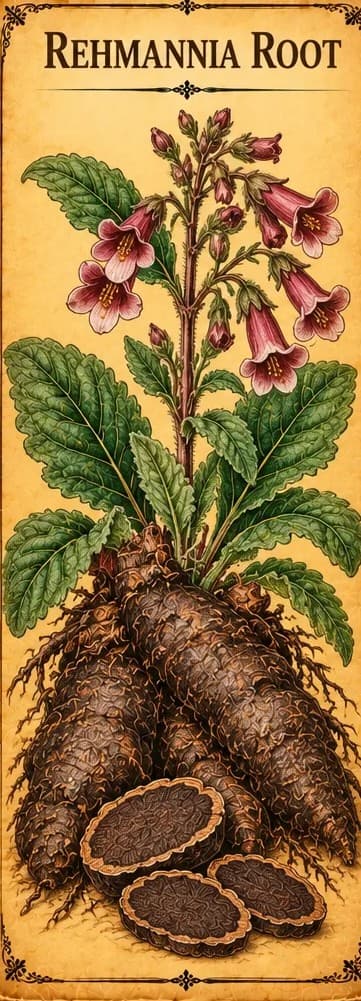 Rehmannia RootRehmannia glutinosa
The dried roots and rhizomes are made into infusions or decoctions.
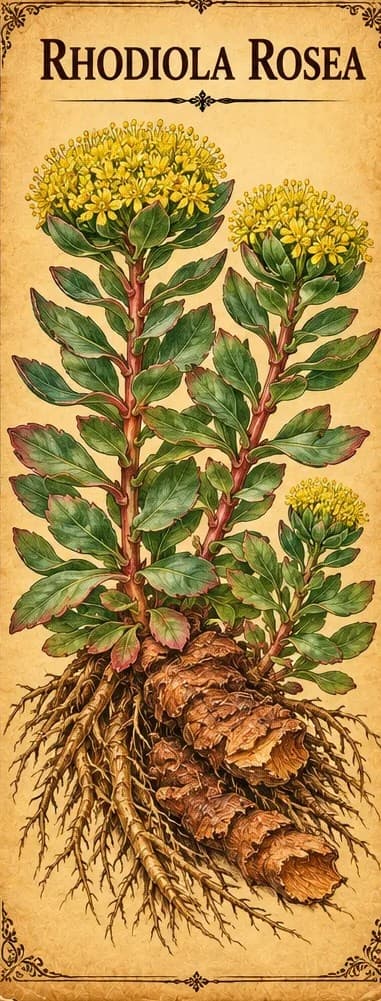 Rhodiola RoseaRhodiola rosea
Herbalists simmer 1 to 2 teaspoons of the root in a cup of water.
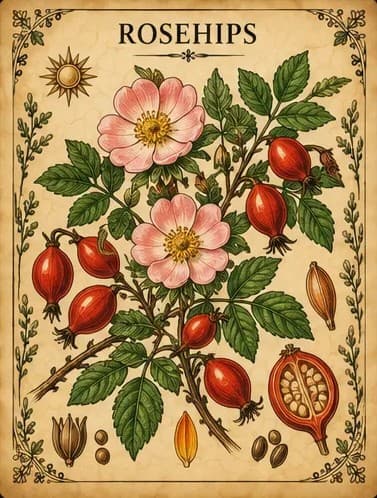 RosehipsRosa canina
A rosehip decoction can be used on sensitive skin as an astringent moisturizer.
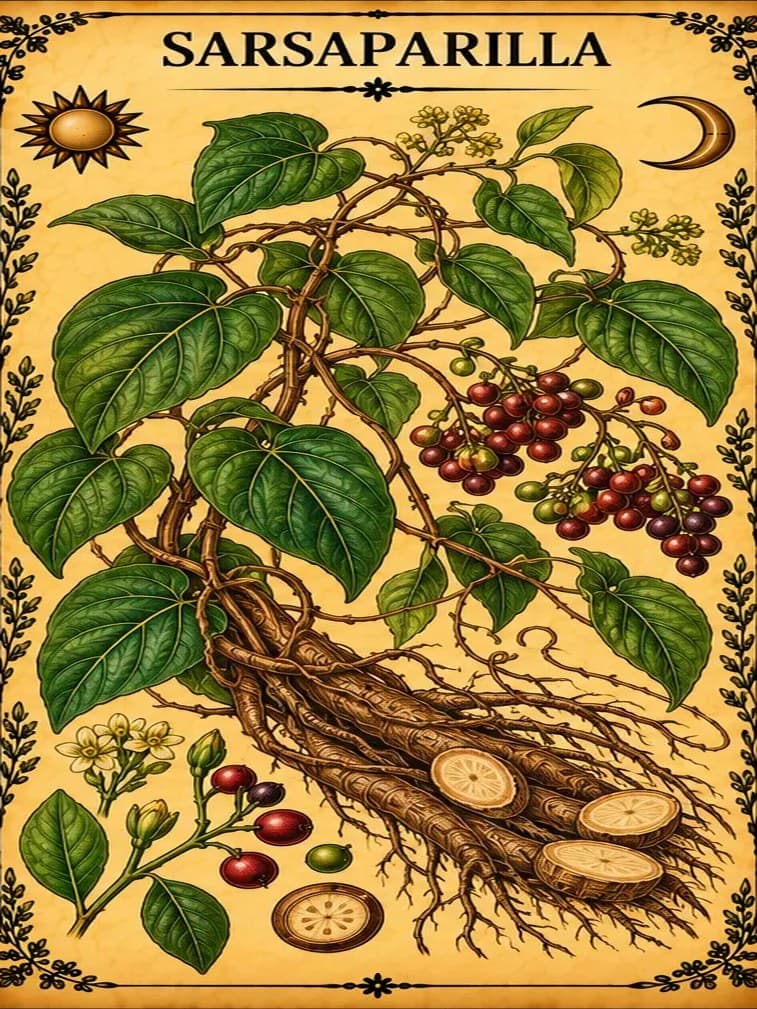 SarsaparillaSmilax ornata
In Jamaica, the root is one of those boiled into the "roots tonic" or "strong back" drink.
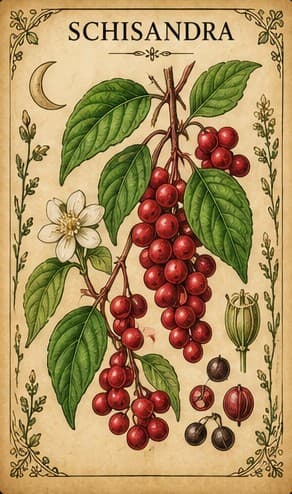 SchisandraSchisandra chinensis
The Chinese Pharmacopoeia describes 3 to 9 g of dried berries, usually boiled in water as a decoction.
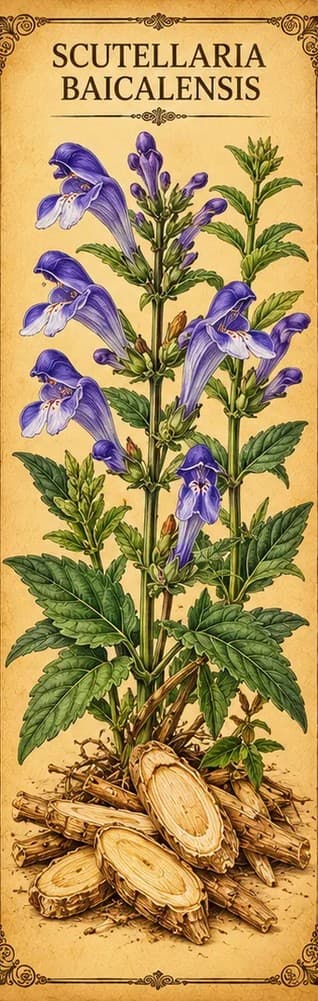 Scutellaria BaicalensisScutellaria baicalensis
It's an ingredient in many formulas, such as Huangqin decoction.
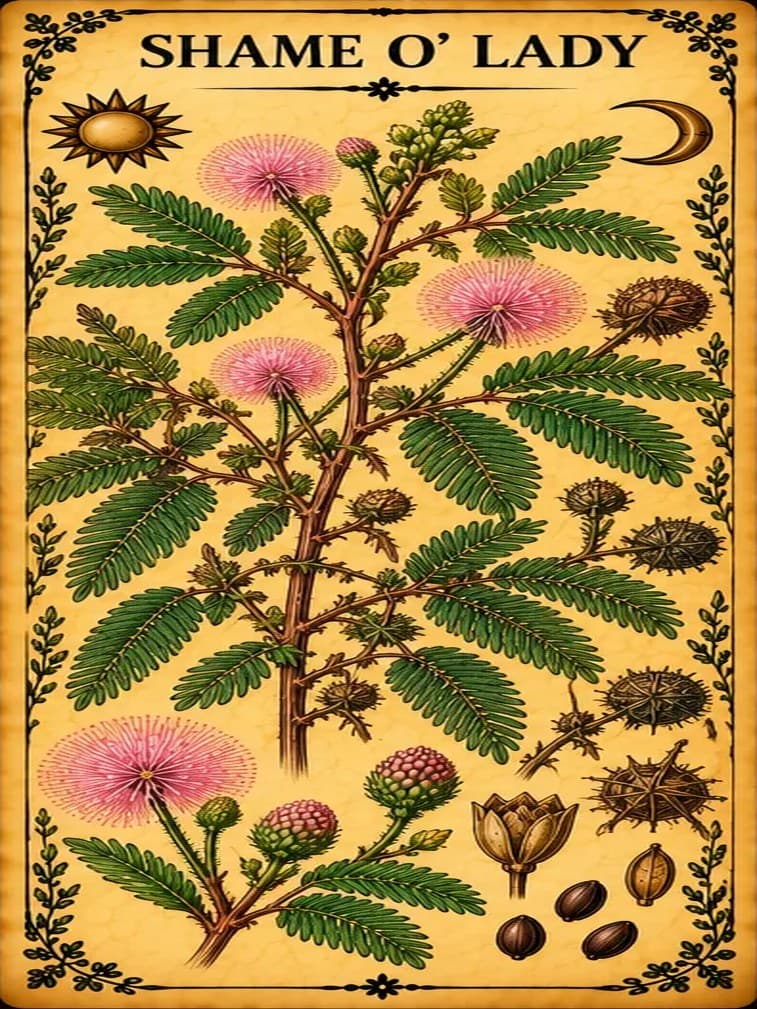 Shame O' LadyMimosa pudica
5 grams of leaves and roots are boiled for 10 minutes, or steeped, in 4 cups (1 litre) of water.
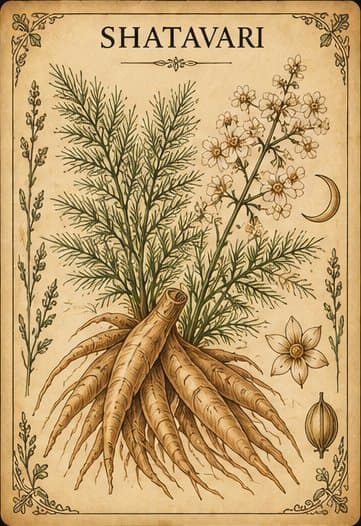 ShatavariAsparagus racemosus
Herbalists simmer 1 to 2 teaspoons of the root in a cup of water.
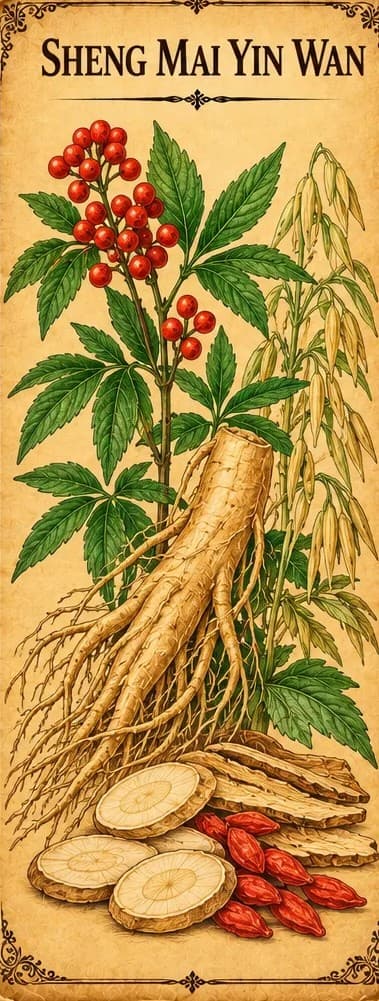 Sheng Mai Yin WanPanax ginseng, Ophiopogon japonicus, Schisandra chinensis
The formula is prepared as a decoction, made by a pharmacy or by patients.
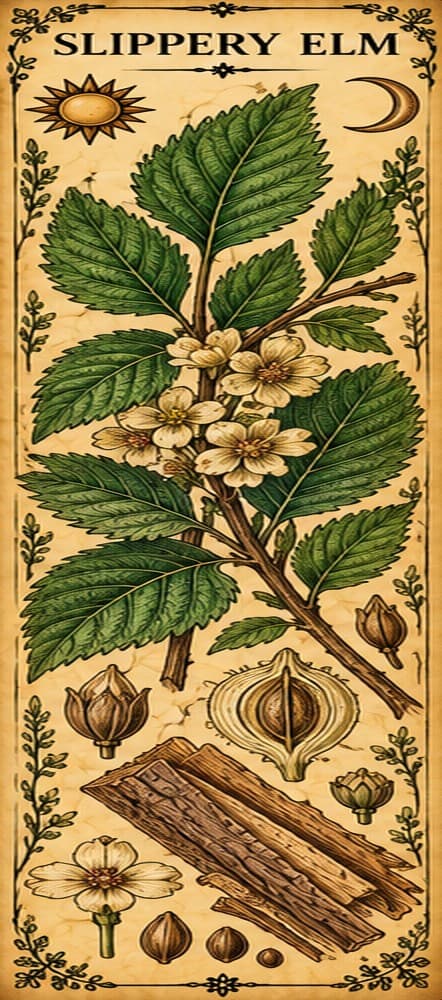 Slippery ElmUlmus rubra
Herbalists simmer 1 to 2 teaspoons of the dried inner bark in a cup of water for 10 to 15 minutes; the decoction can be made into a cough syrup.
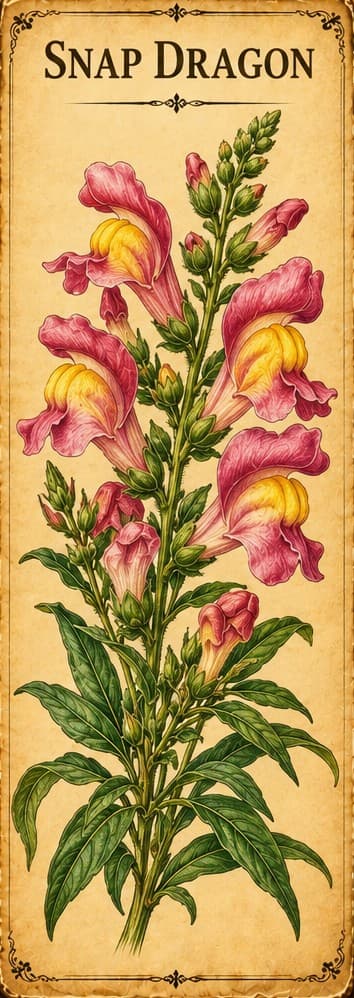 SnapdragonAntirrhinum majus
In Iraqi tradition, the whole plant is boiled and used as a wash.
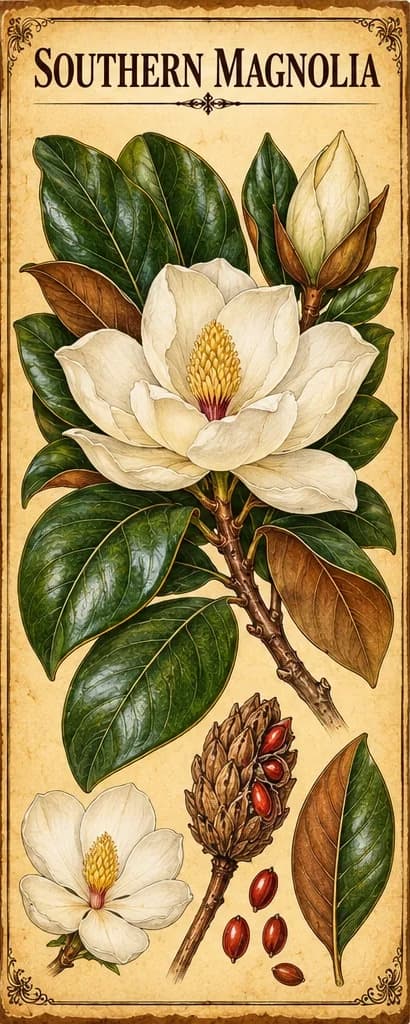 Southern MagnoliaMagnolia grandiflora
The Choctaw and Koasati boiled the bark to make a wash for the skin.
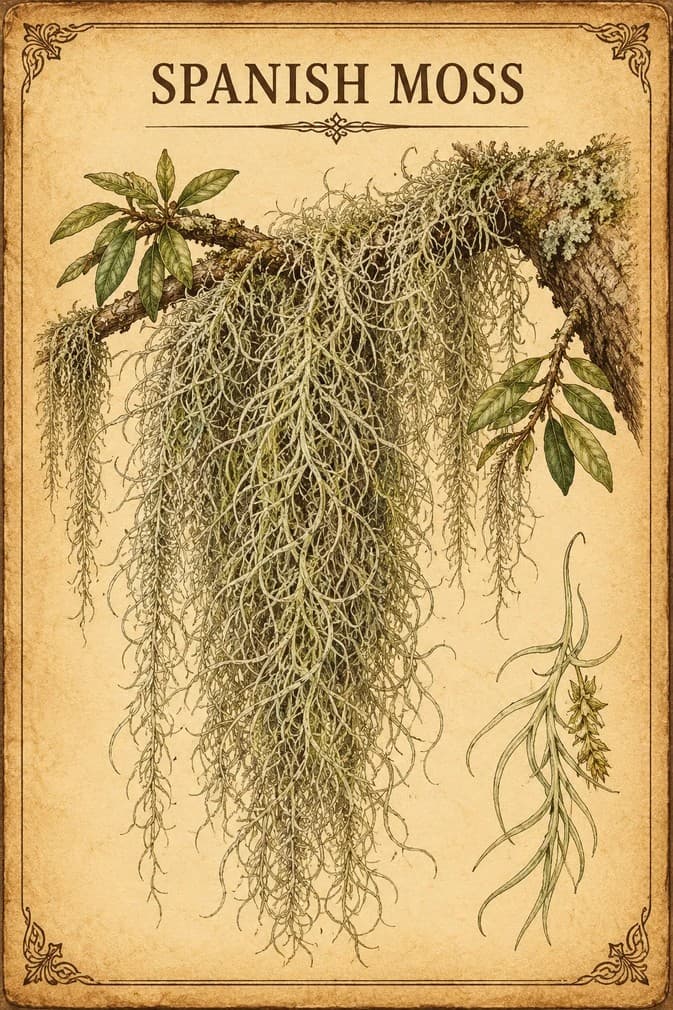 Spanish MossTillandsia usneoides
The plant was boiled to make a tea for chills and fever.
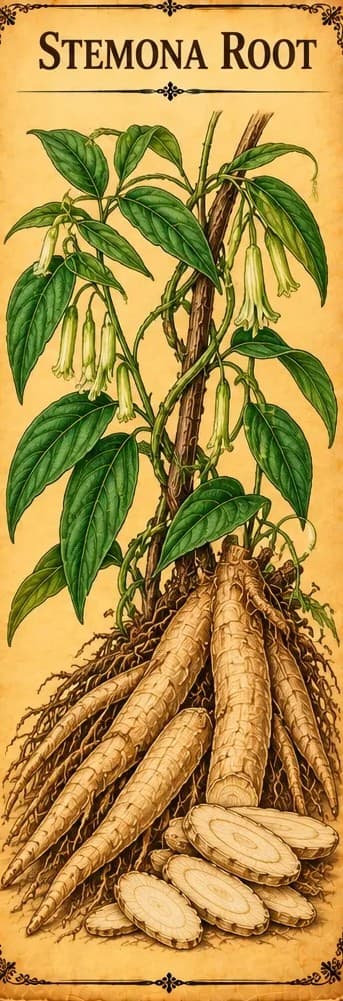 Stemona RootStemona species
It's one of the seven herbs in Baiheqingjin decoction, a Chinese formula.
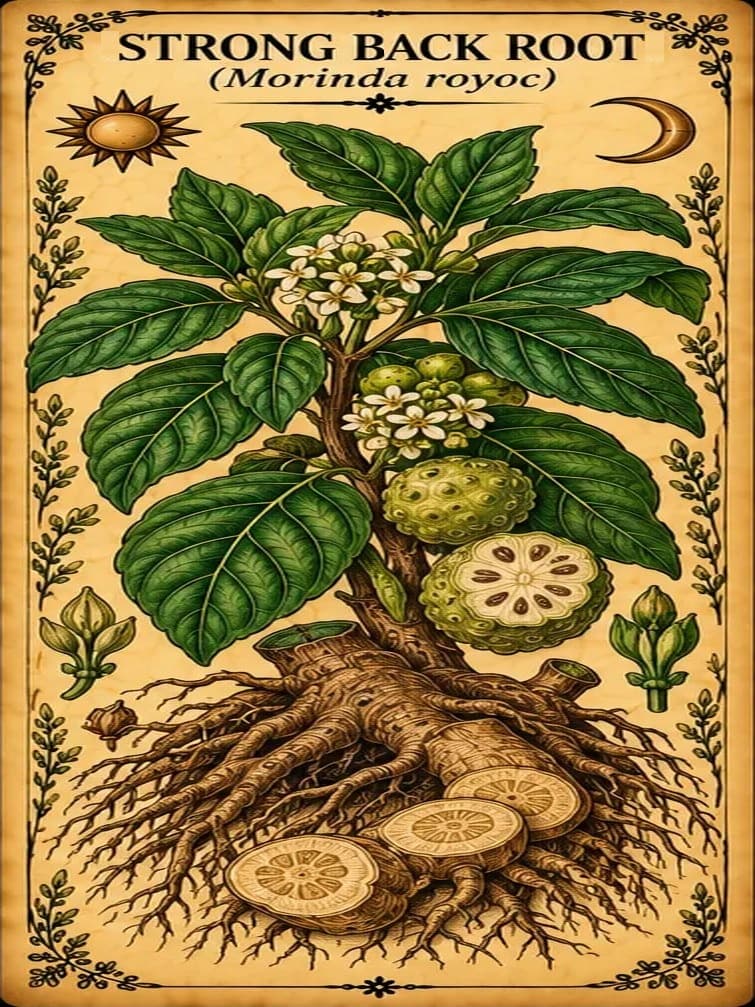 Strong Back RootMorinda royoc
In Jamaica, redgal (Morinda royoc) is one of the plants boiled into a "roots tonic" or "strong back" drink.
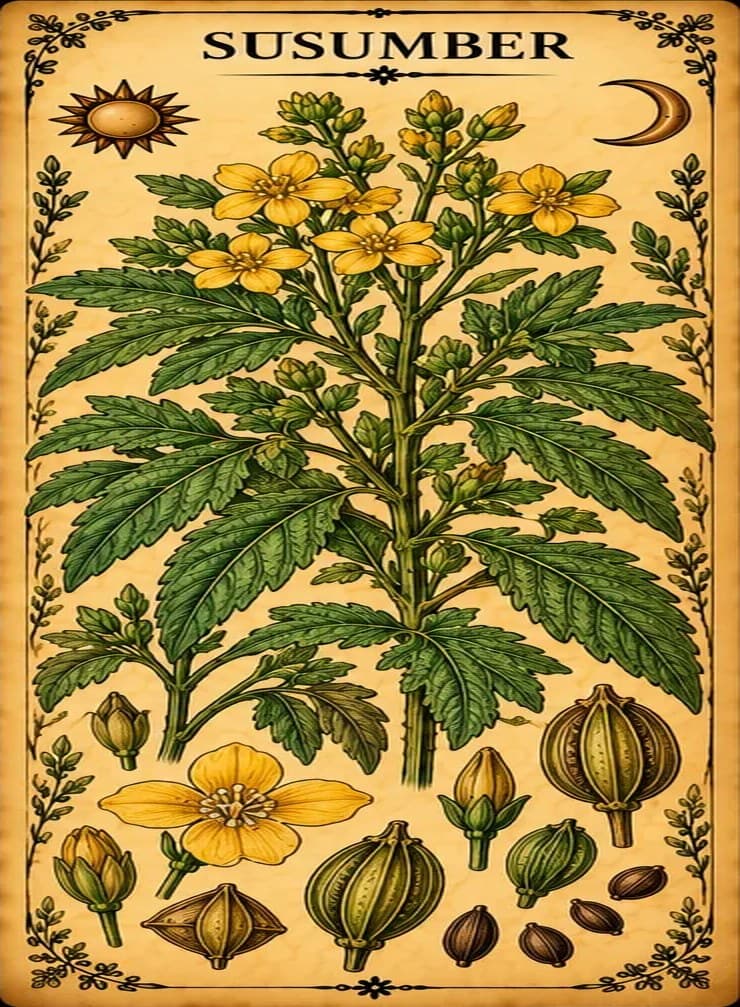 SusumberSolanum torvum
In the Philippines, a tea is made by boiling the plant in water.
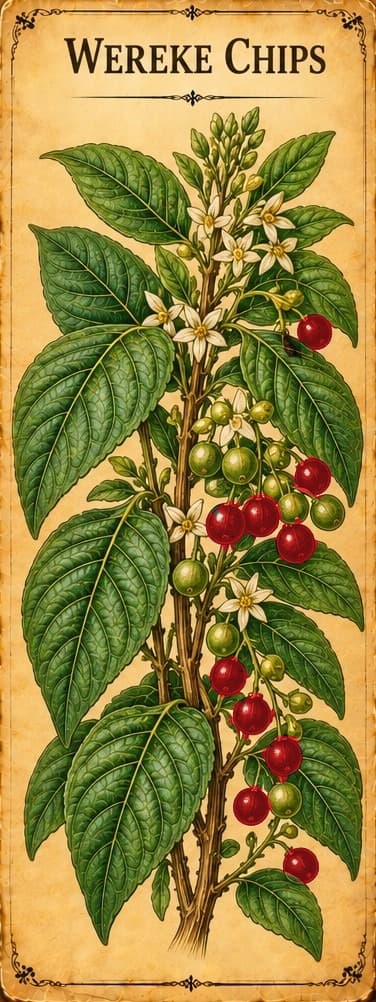 WerekeIbervillea sonorae
Slices of dried root are boiled in water and the tea is drunk.
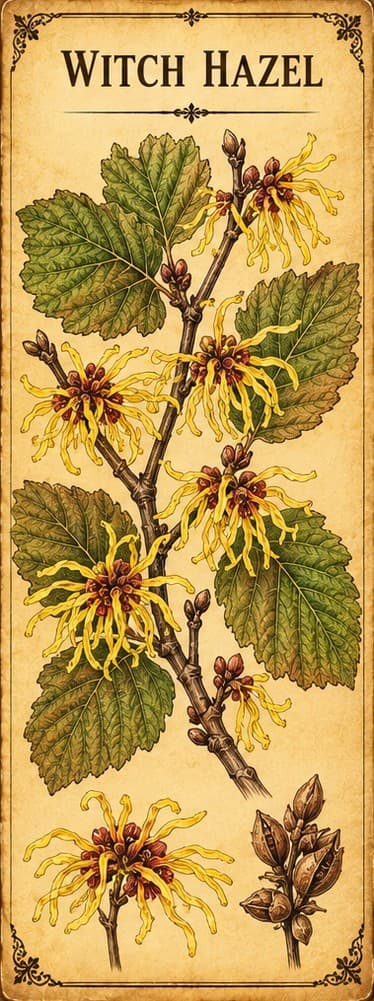 Witch HazelHamamelis virginiana
The dried, cut leaves are simmered in water to make a liquid for the skin or for rinsing the mouth.
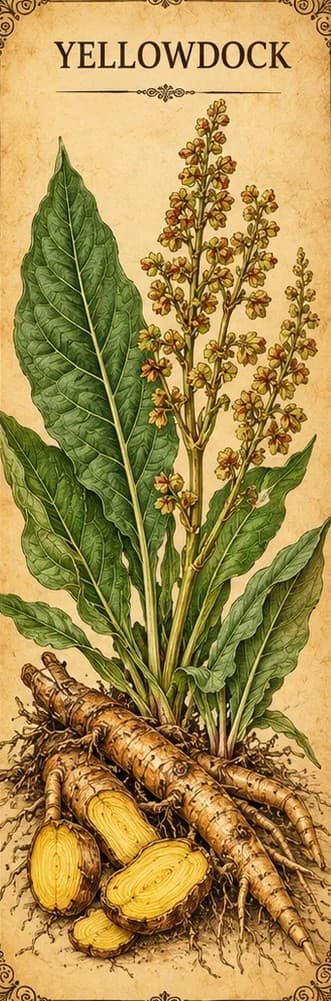 Yellow DockRumex crispus
Traditionally, it's used as a decoction or tincture.
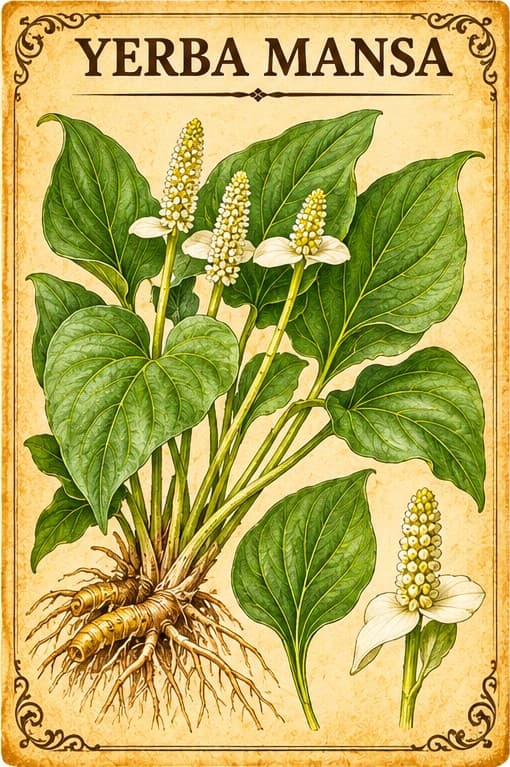 Yerba MansaAnemopsis californica
Root boiled in water, taken for colds, coughs, stomachaches and pain.