
European Folk Medicine
61 herbs
These are traditional uses, not proven treatments.
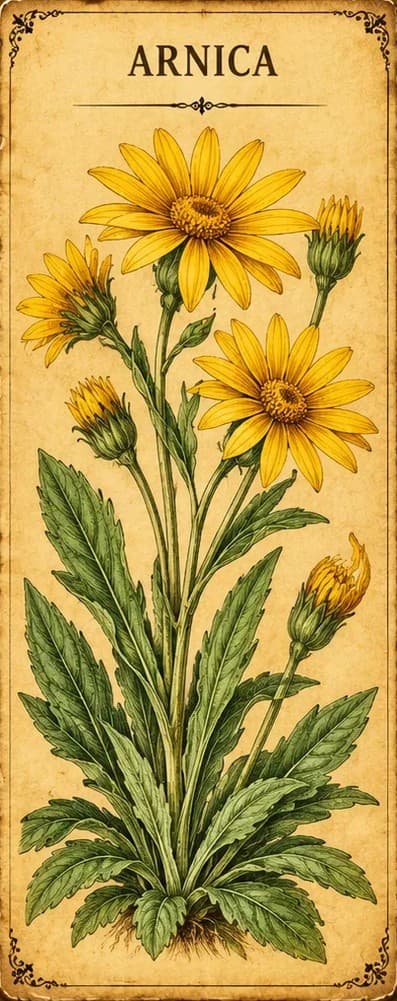 ArnicaArnica montana
Recognized in Europe as a traditional herbal medicine, used on the skin for bruises, sprains and muscle pain.
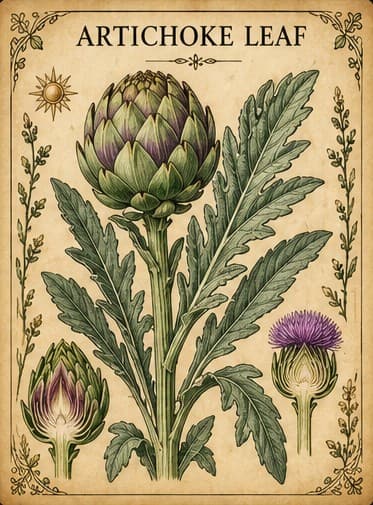 Artichoke LeafCynara cardunculus
Recognized in Europe as a traditional herbal medicine for indigestion, based on at least 30 years of use, including 15 in the EU.
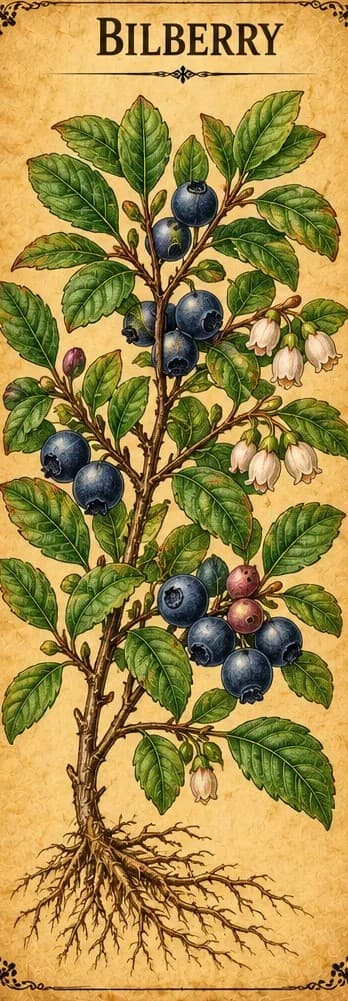 BilberryVaccinium myrtillus
Dried bilberries are a traditional EU herbal medicine for mild diarrhea and for minor inflammation inside the mouth.
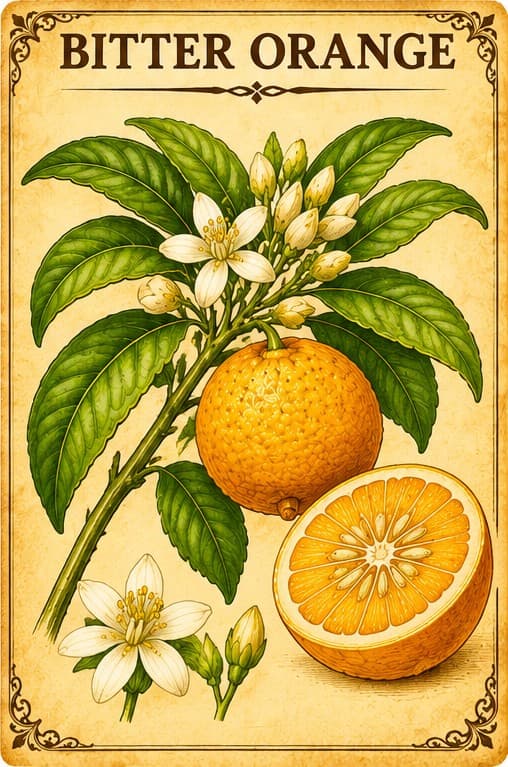 Bitter OrangeCitrus aurantium
Leaves used by the Basque people for sleeplessness, stomach aches and palpitations.
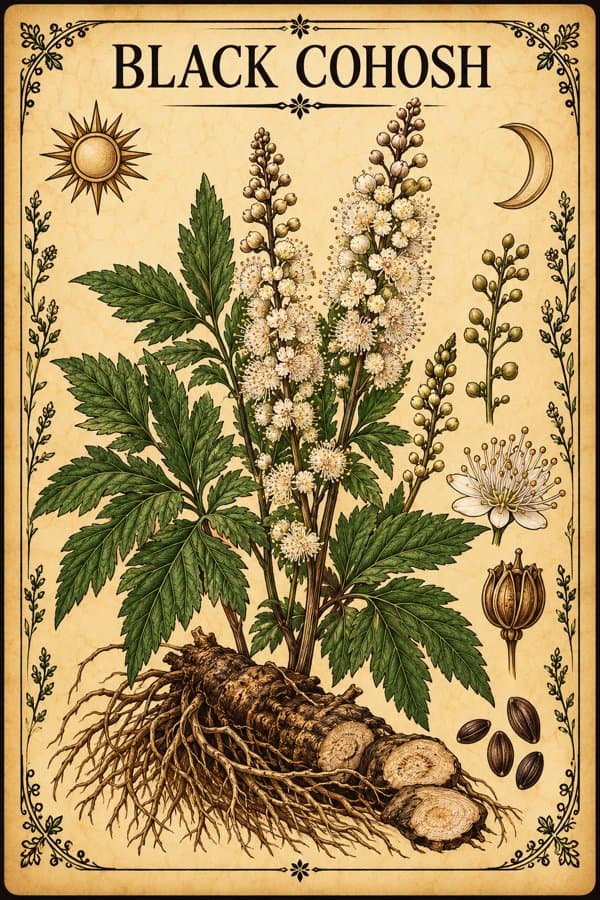 Black CohoshActaea racemosa
Used as a medicine in Germany since the late 1800s. The European Medicines Agency recognizes it for menopausal hot flushes and heavy sweating.
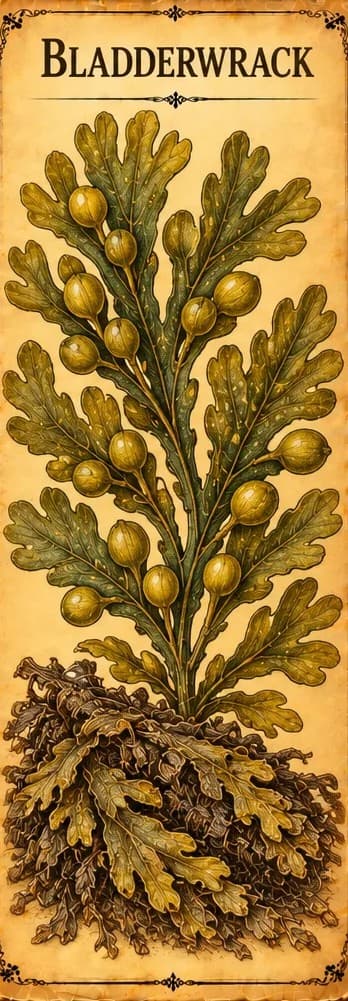 BladderwrackFucus vesiculosus
A traditional herbal medicine in the EU, used alongside a reduced-calorie diet to help weight loss.
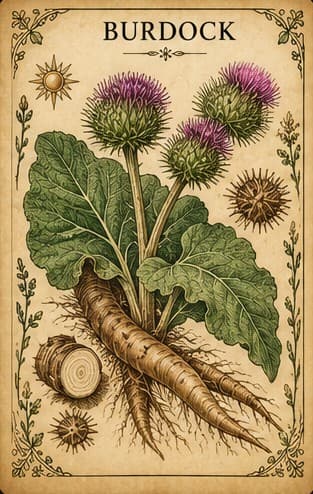 BurdockArctium lappa
Recognized in Europe as a traditional herbal medicine for loss of appetite, minor urinary complaints and oily, flaky skin.
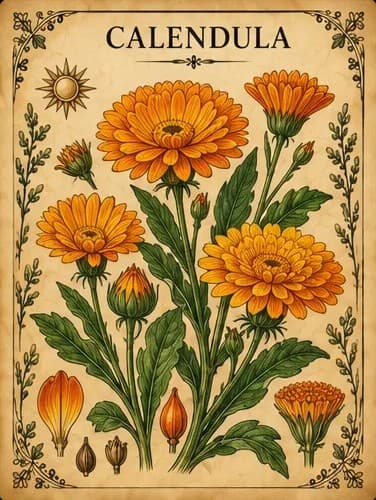 CalendulaCalendula officinalis
Recognized in Europe as a traditional herbal medicine for minor skin inflammation, minor wounds, and mouth or throat inflammation.
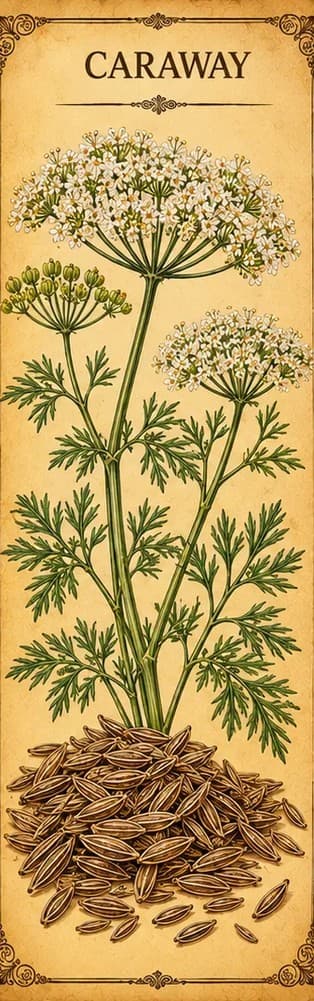 CarawayCarum carvi
Recognized in Europe as a traditional herbal medicine for bloating and wind, based on long-standing use.
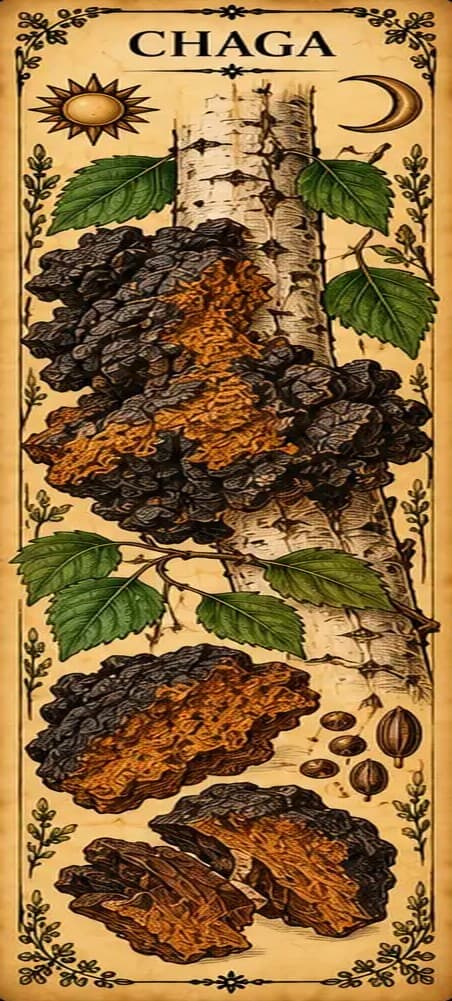 ChagaInonotus obliquus
Long used as a folk remedy in Western Siberia and Russia for immunity and inflammation.
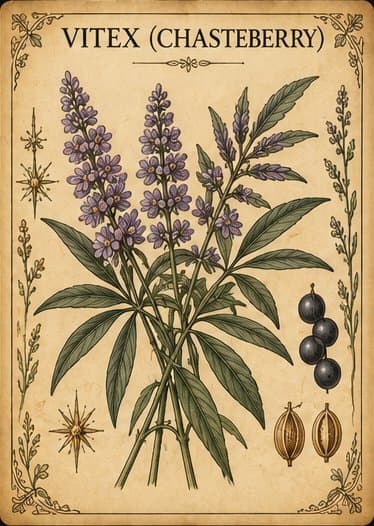 ChasteberryVitex agnus-castus
Once believed to promote chastity and used by monks in the Middle Ages. Recognized by the European Medicines Agency as a traditional remedy for minor symptoms in the days before a period.
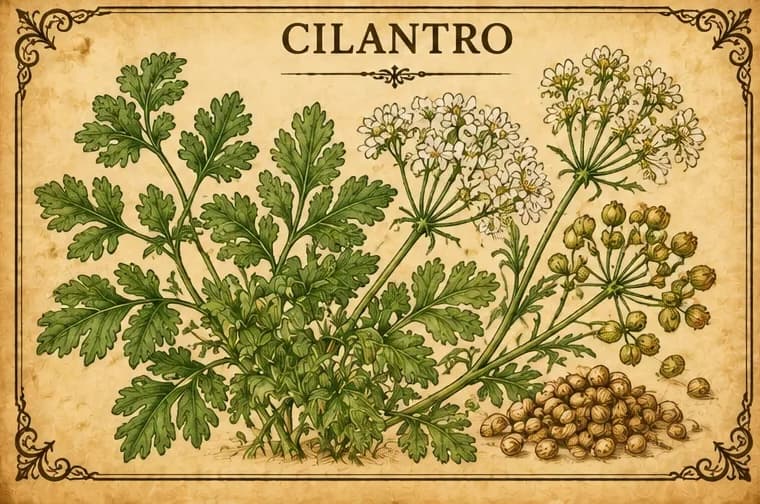 CilantroCoriandrum sativum
Coriander seed is a minor ingredient (about 13–40% by weight) in traditional German and Spanish herbal tea blends for digestive complaints such as fullness and gas, alongside fennel, caraway, chamomile, peppermint or yarrow. This is documented in a European Medicines Agency report. Coriander has no official European herbal profile of its own.
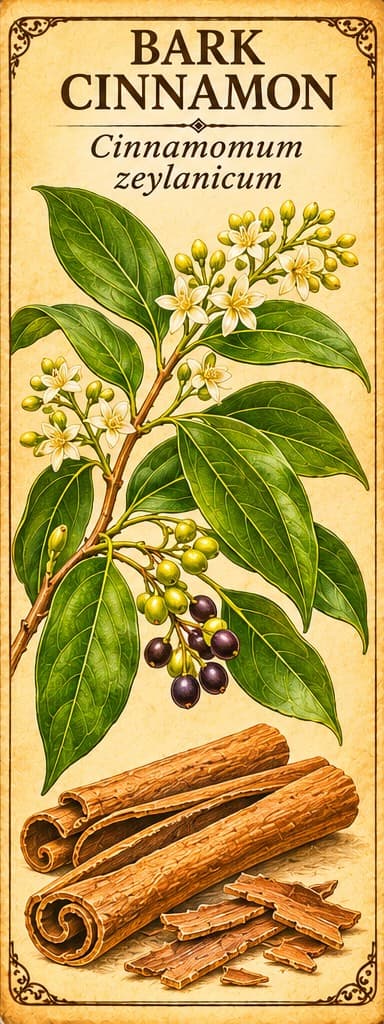 CinnamonCinnamomum verum
Recognized by the European Medicines Agency as a traditional herbal medicine for mild digestive cramps, bloating and gas, and for mild diarrhea.
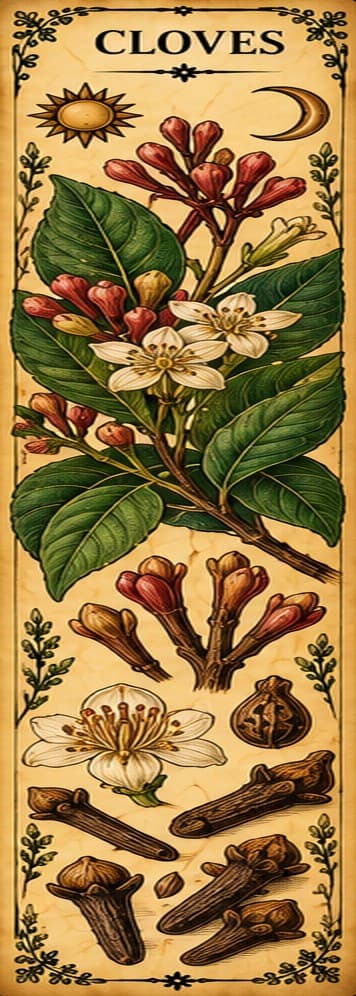 ClovesSyzygium aromaticum
Clove oil is recognized in Europe as a traditional medicine for toothache and minor mouth and throat inflammation.
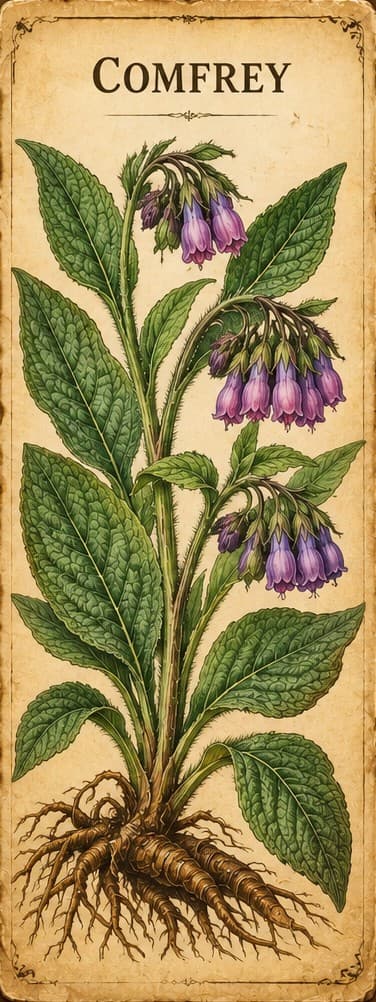 ComfreySymphytum officinale
Used for centuries on painful muscles and joints; recognised in Europe as a traditional cream for minor sprains and bruises.
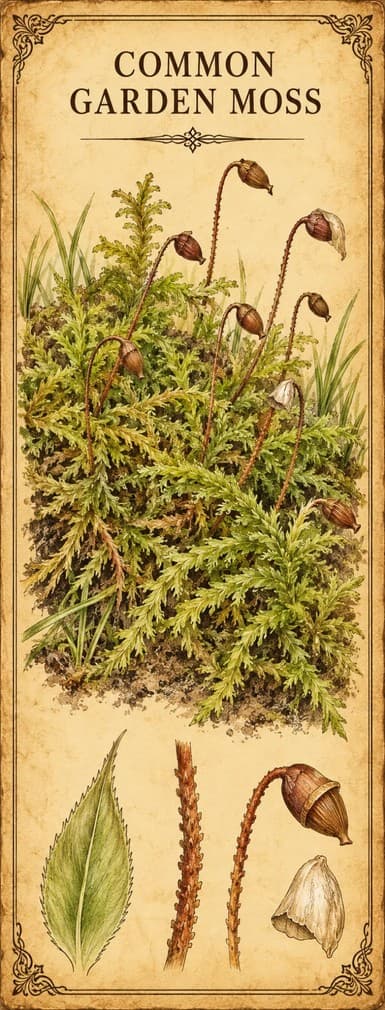 Common Garden MossBrachythecium rutabulum
Probably recommended for dressing wounds and stopping bleeding in the 17th and 18th centuries.
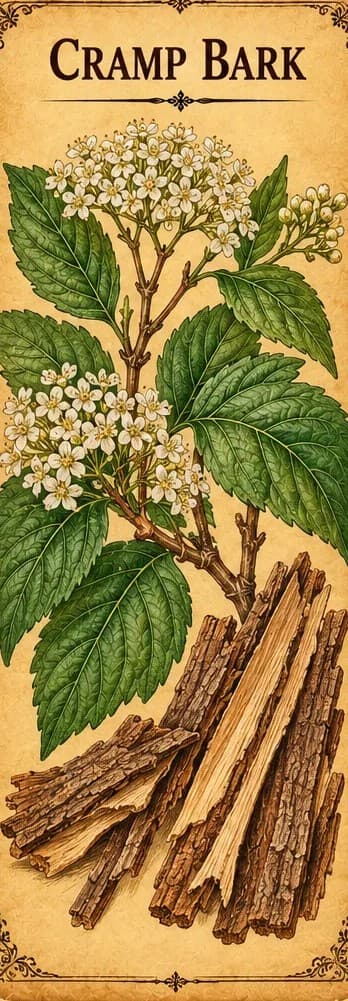 Cramp BarkViburnum opulus
Used for coughs, colds, rheumatic aches, ulcers, and stomach and kidney problems; the bark for stomach or uterine bleeding and haemorrhoids.
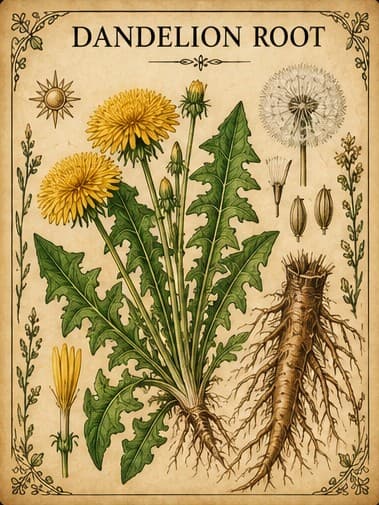 DandelionTaraxacum officinale
Used in Europe for mild digestive complaints historically linked to bile flow, and to increase urination. Some German dandelion medicines have been sold since 1976.
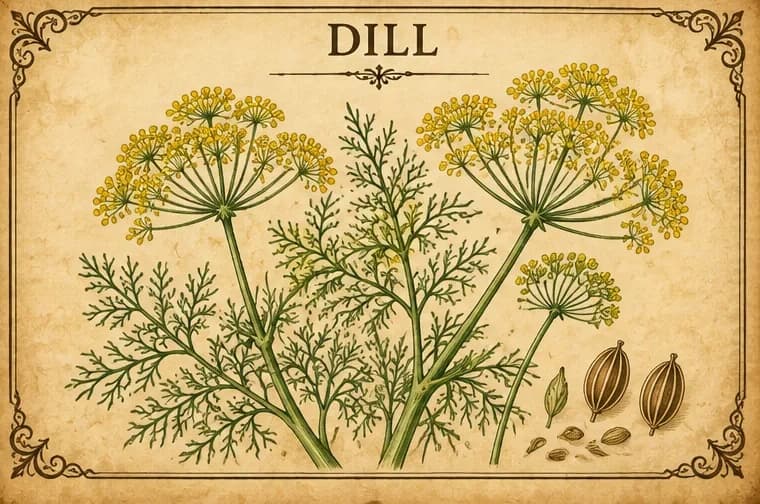 DillAnethum graveolens
Dill comes from southern Europe and has a long history of folk use there. Egyptian physicians used it about 5,000 years ago, and traces have been found in Roman ruins in Britain. Dill is the classic ingredient in gripe water, a traditional European remedy given to babies for colic and gas.
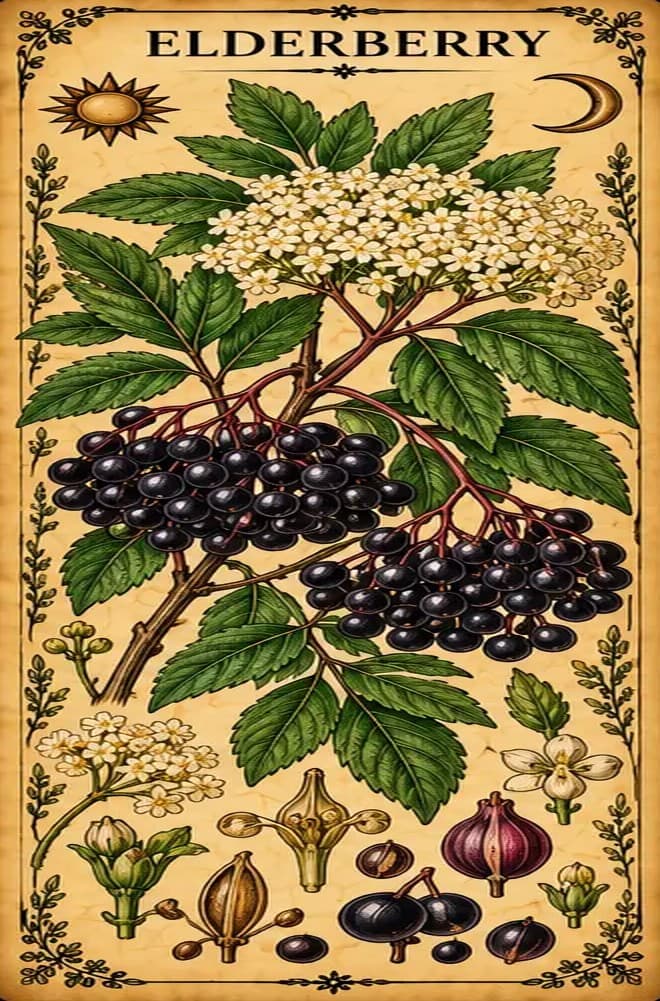 ElderberrySambucus nigra
Berries used for colds and flu; elder flower recognized in Europe as a traditional medicine for early cold symptoms.
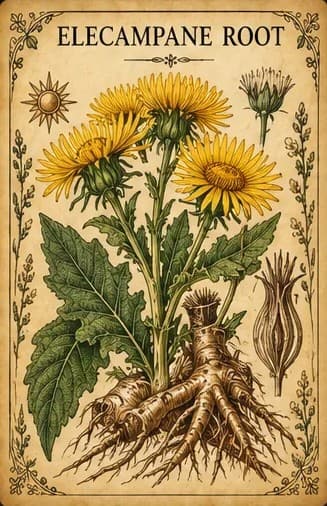 ElecampaneInula helenium
Used in Irish and wider European medicine for coughs, lung problems and skin ailments.
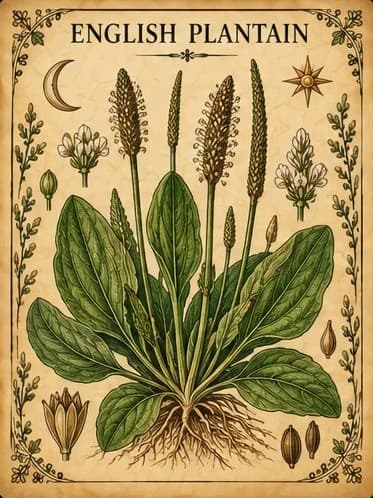 English PlantainPlantago lanceolata
Recognized in Europe as a traditional herbal medicine for sore throats, dry and cold-related coughs, and minor skin inflammation.
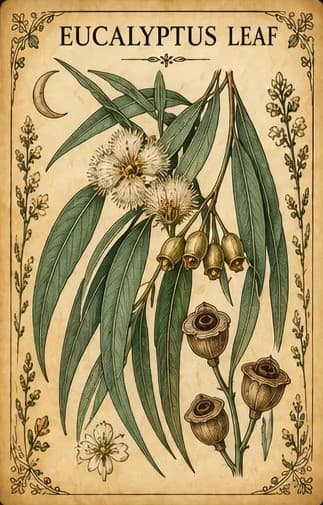 EucalyptusEucalyptus globulus
Recognized in Europe as a traditional herbal medicine for cough with a cold.
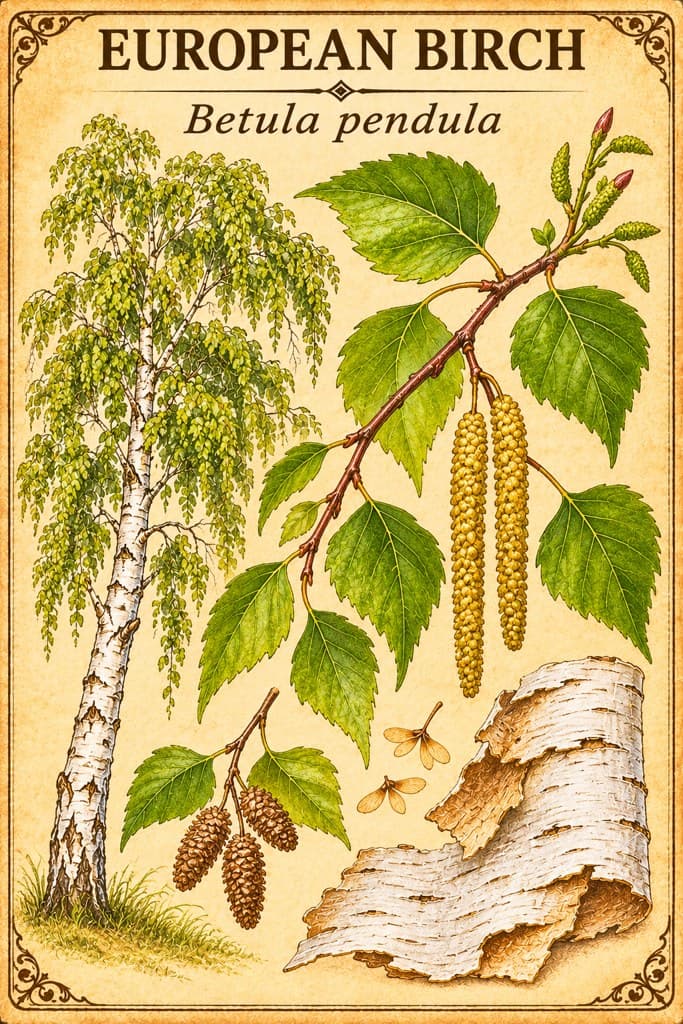 European BirchBetula pendula
Leaves used since Greek and Roman times; recognized by the EMA for urine flow.
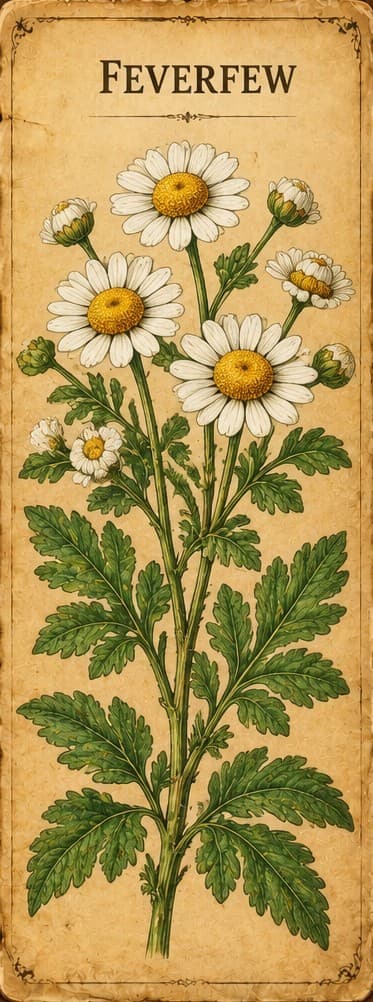 FeverfewTanacetum parthenium
Recognised in Europe as a traditional remedy to help prevent migraines.
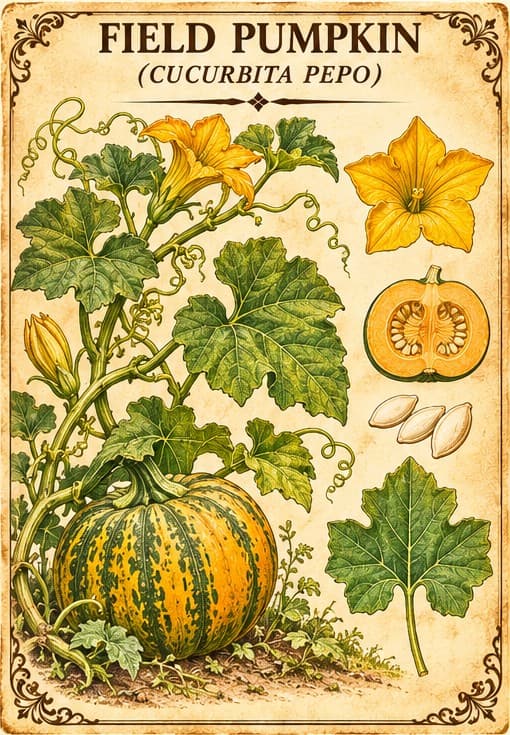 Field PumpkinCucurbita pepo
Pumpkin seed is an EU traditional herbal medicine for urinary symptoms.
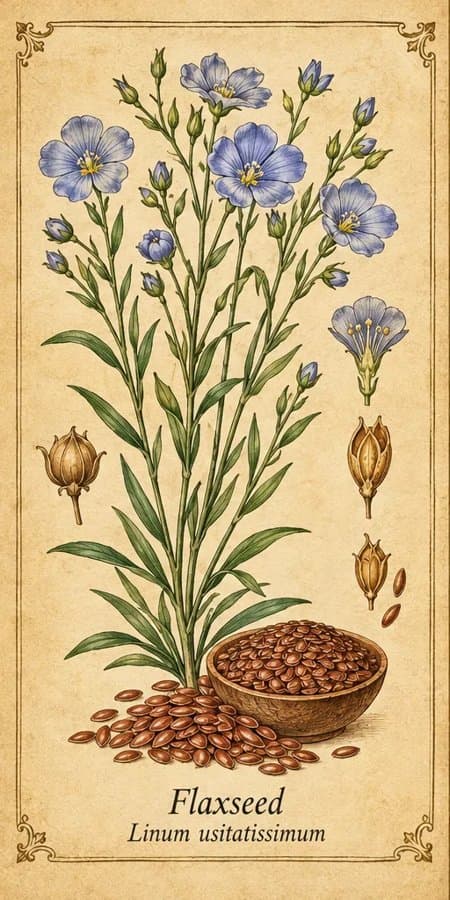 FlaxseedLinum usitatissimum
Recognized by the European Medicines Agency for constipation and, based on long-standing use, for mild stomach and gut discomfort.
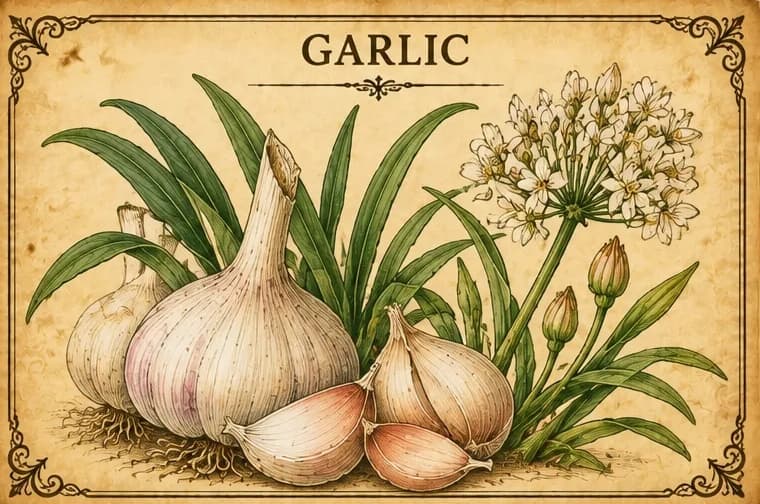 GarlicAllium sativum
Recognized by the European Medicines Agency as a traditional herbal medicine to help prevent hardening of the arteries (atherosclerosis), alongside other measures, and to relieve cold symptoms.
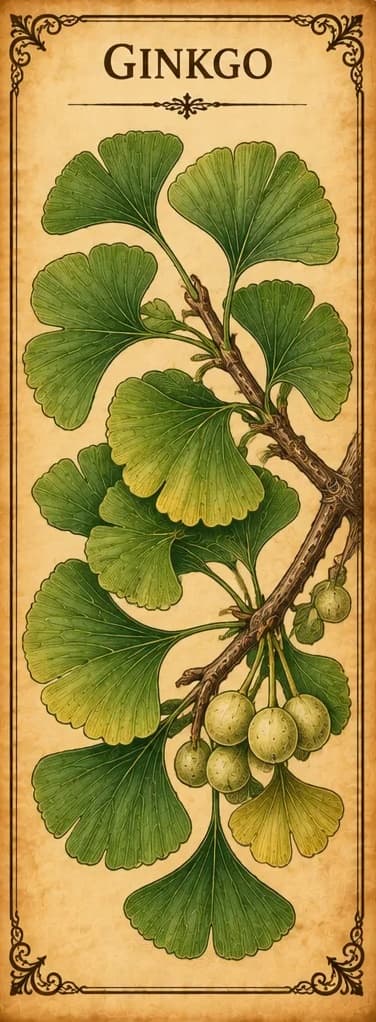 GinkgoGinkgo biloba
Recognized by the European Medicines Agency as a traditional herbal medicine for heavy legs and cold hands and feet linked to minor circulation problems.
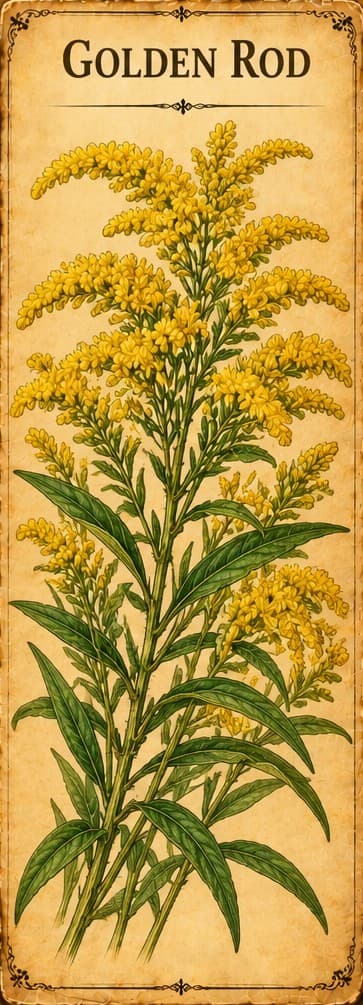 GoldenrodSolidago virgaurea
Recognised in Europe as a traditional remedy to increase urine flow in minor urinary complaints.
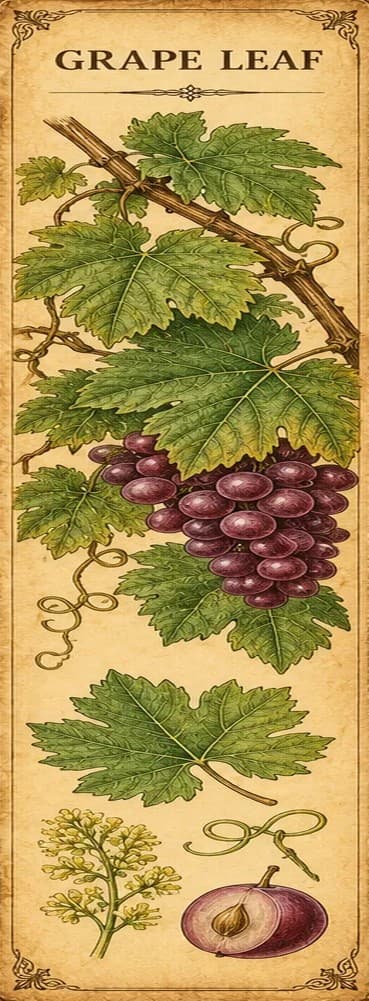 Grape LeafVitis vinifera
Recognized in Europe for long-term poor circulation in the leg veins, and traditionally for heavy legs, piles and fragile skin capillaries.
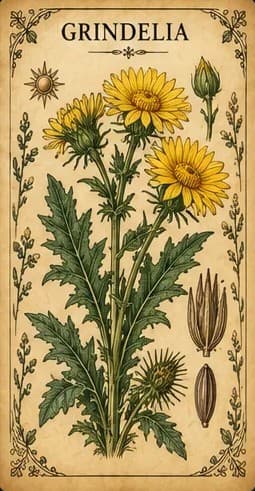 GrindeliaGrindelia robusta
Recognized in Europe as a traditional herbal medicine for cough with a cold.
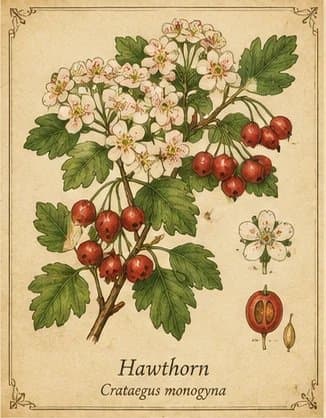 HawthornCrataegus monogyna
Recognized by the European Medicines Agency as a traditional herbal medicine for heart complaints linked to nervousness, such as palpitations, and for mild stress and sleep.
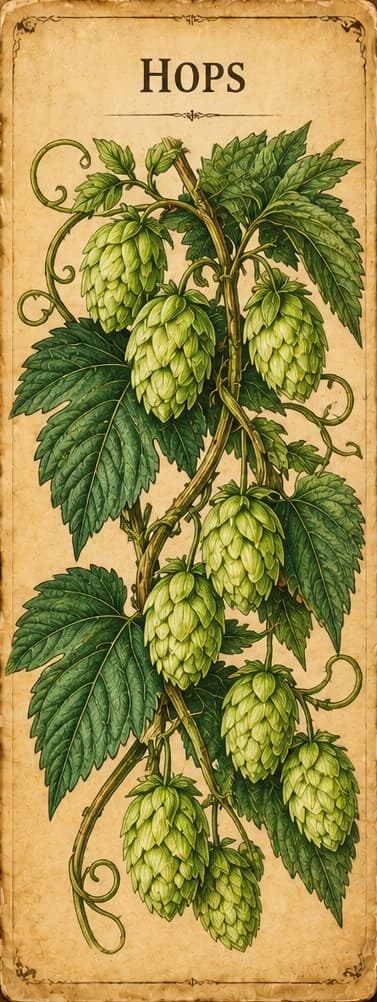 HopsHumulus lupulus
Recognised in Europe as a traditional remedy for mild stress and to help sleep.
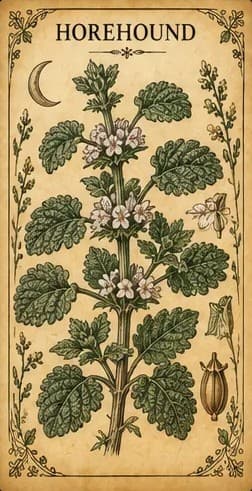 HorehoundMarrubium vulgare
Recognized in Europe as a traditional herbal medicine for cough with a cold, indigestion and poor appetite.
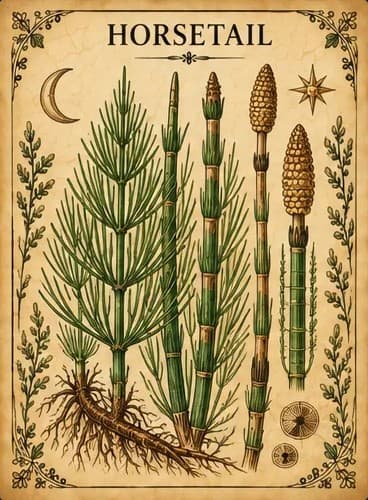 HorsetailEquisetum arvense
Recognized in Europe as a traditional herbal medicine for minor urinary complaints and, used on the skin, for superficial wounds.
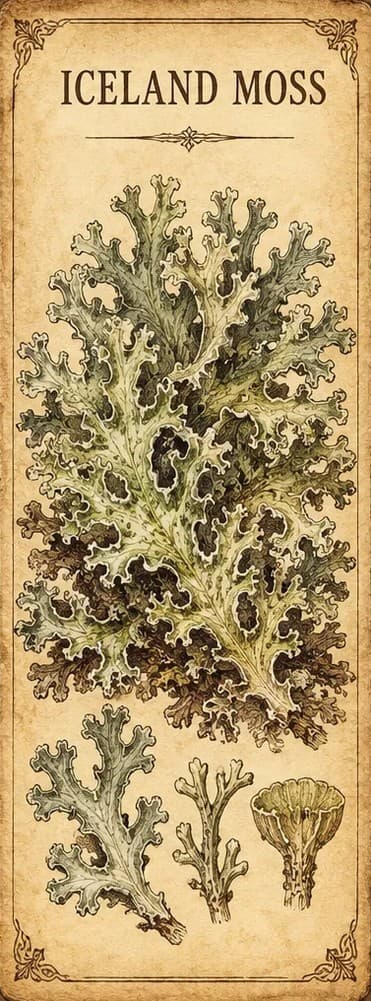 Iceland MossCetraria islandica
Recognized in Europe as a traditional herbal medicine for mouth and throat irritation, dry cough and loss of appetite.
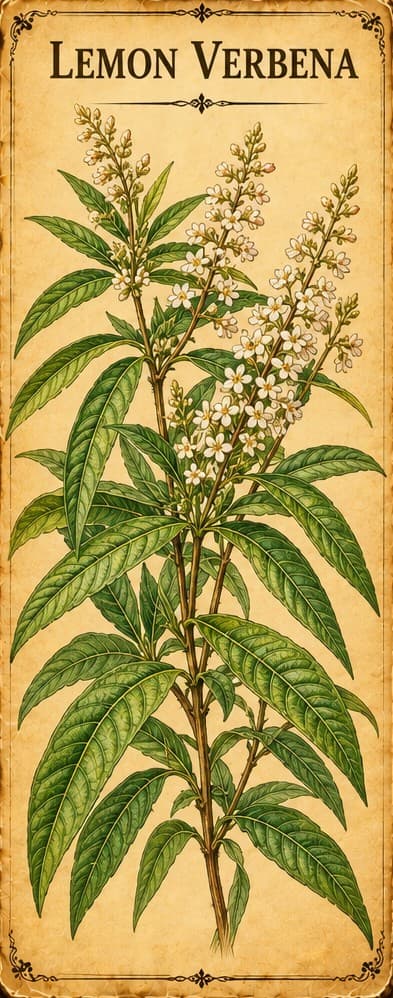 Lemon VerbenaAloysia citrodora
Recognised in Europe as a traditional remedy for mild stress, sleep and mild digestive complaints.
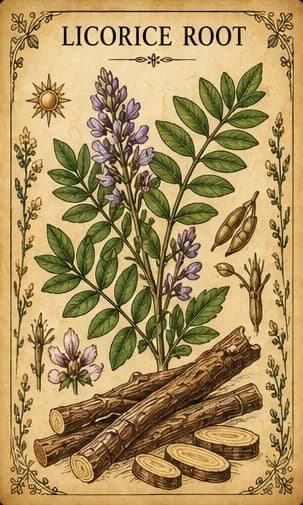 LicoriceGlycyrrhiza glabra
Recognized in Europe as a traditional medicine for cough with a cold and for heartburn and indigestion.
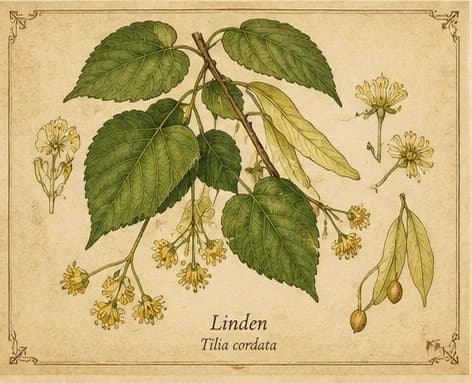 LindenTilia cordata
Recognized by the European Medicines Agency as a traditional herbal medicine for cold symptoms and mild mental stress. Traditionally drunk as a tea for anxiety-related indigestion, heart palpitations and vomiting.
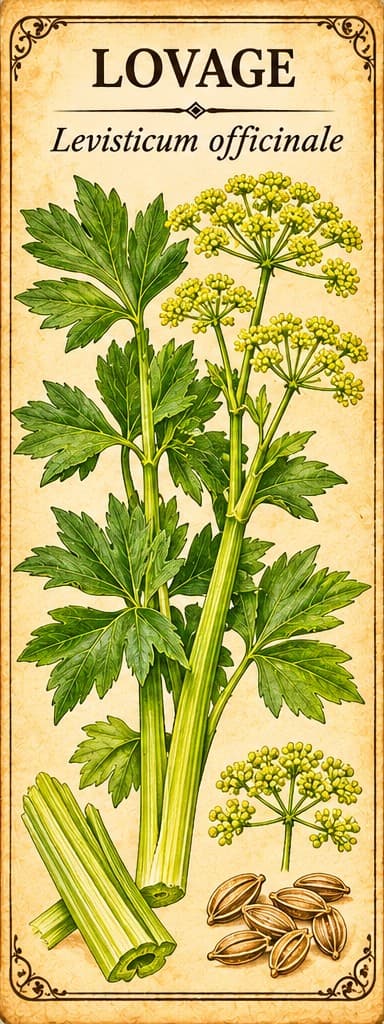 LovageLevisticum officinale
Lovage root is an EU traditional herbal medicine for flushing the urinary tract.
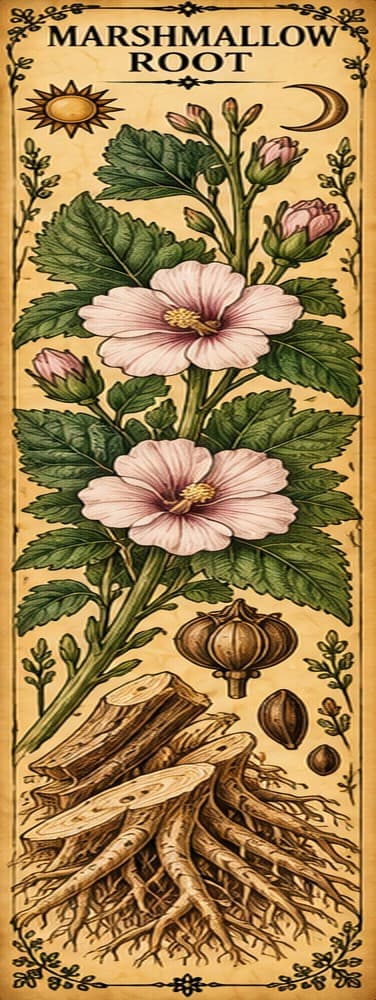 Marshmallow RootAlthaea officinalis
Recognized in Europe as a traditional herbal medicine for mouth and throat irritation with dry cough, and mild stomach and gut discomfort.
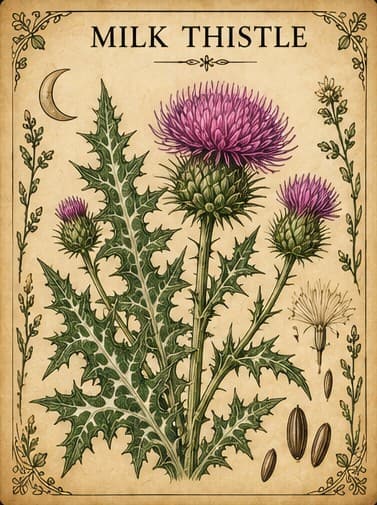 Milk ThistleSilybum marianum
Recognized in Europe as a traditional herbal medicine for indigestion and to support liver function, based on long-standing use.
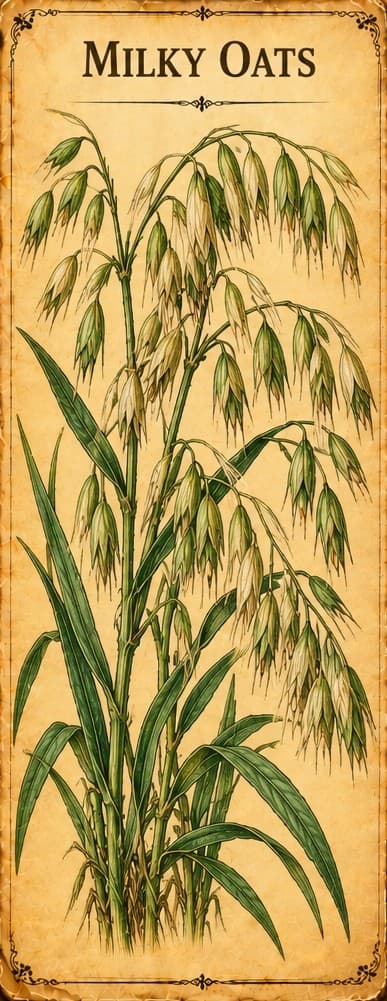 Milky OatsAvena sativa
Green oat herb is recognised in Europe as a traditional remedy for mild stress and to help sleep.
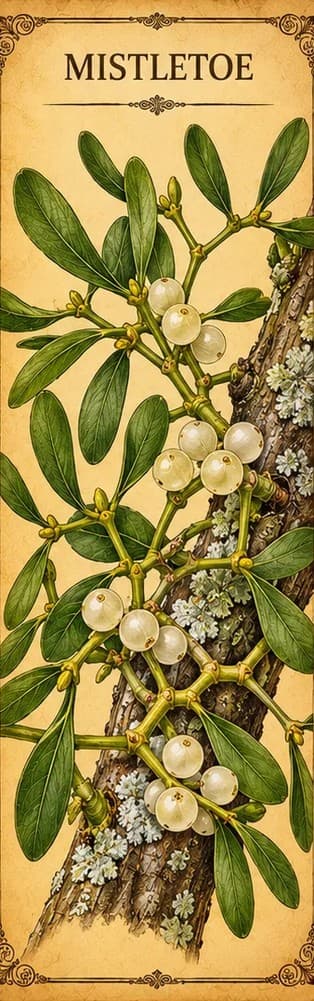 MistletoeViscum album
Used for centuries in Europe for seizures, headaches and menopause symptoms; extracts are now widely prescribed there for people with cancer.
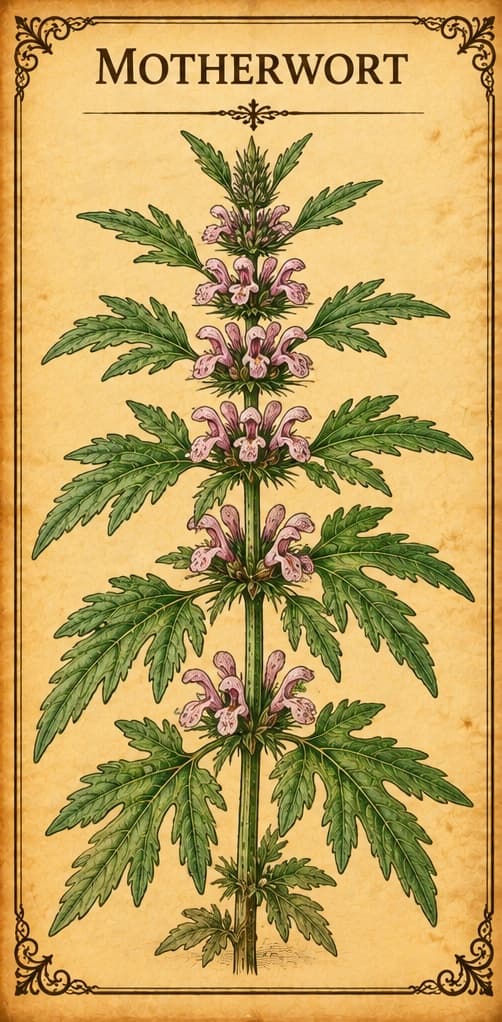 MotherwortLeonurus cardiaca
Recognized by the European Medicines Agency as a traditional herbal medicine for nervous tension and nervous heart complaints such as palpitations.
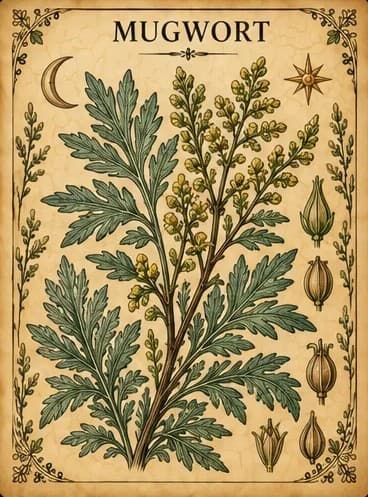 MugwortArtemisia vulgaris
In medieval Europe it was called the "mother of herbs" and used on wounds, for gout, leg tiredness, fever and stomach complaints.
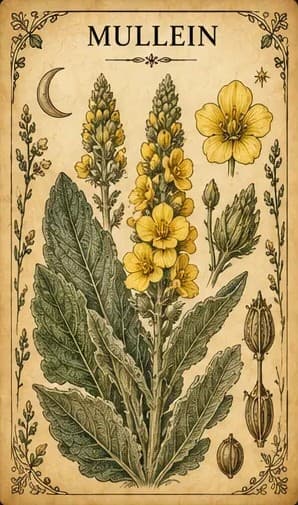 MulleinVerbascum thapsus
Recognized in Europe as a traditional herbal medicine for sore throat with a dry cough and cold.
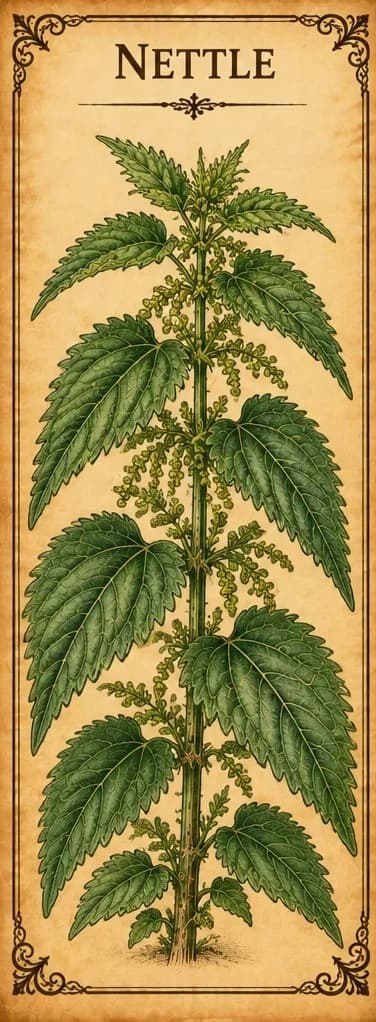 NettleUrtica dioica
Nettle has long been used across Europe as food (a spring vegetable eaten cooked or dried) and in folk medicine: the leaf for joint and muscle pain and to increase urination, and the root for urinary complaints. The official European herbal profiles list local names for nettle root in more than 20 European languages, a sign of how widely it has been used.
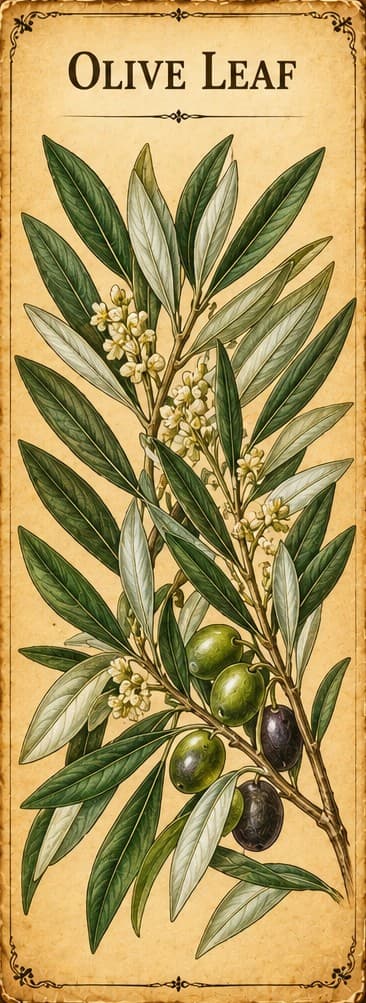 Olive LeafOlea europaea
Recognised in Europe as a traditional remedy for mild water retention.
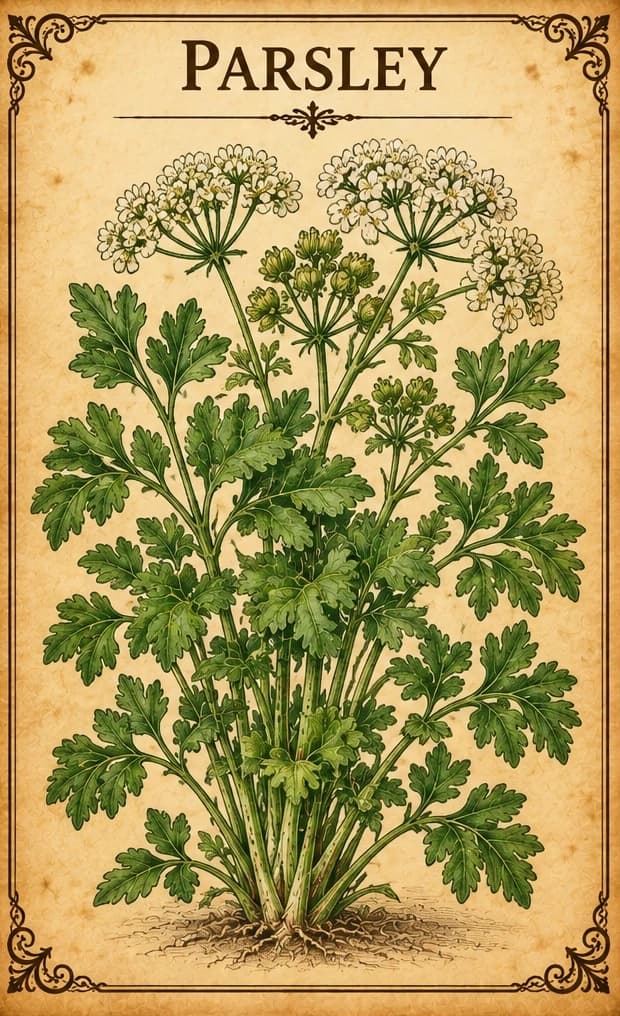 ParsleyPetroselinum crispum
In European herbal medicine, parsley has long been used to flush the urinary tract, increase urination, and prevent or treat kidney gravel (small kidney stones). Germany's Commission E formally recognized this use for parsley leaf and root on March 2, 1989.
Technical detail: diuretic.
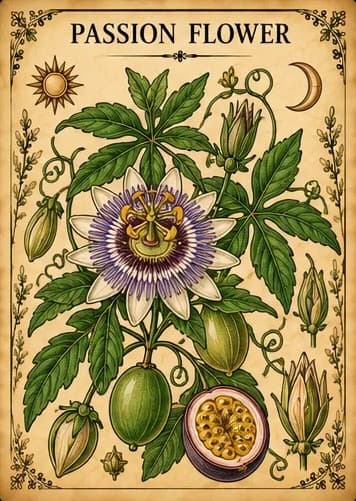 Passion FlowerPassiflora incarnata
Brought to Europe by Spanish explorers in the 1500s and used in folk medicine; recognized today as a traditional medicine for mild stress and sleep.
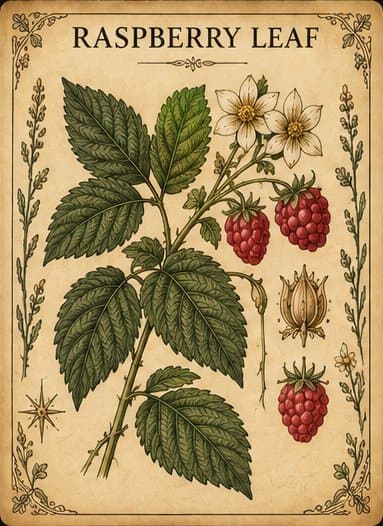 Raspberry LeafRubus idaeus
Recognized by the European Medicines Agency as a traditional herbal medicine for minor period cramps, mild mouth or throat inflammation and mild diarrhea.
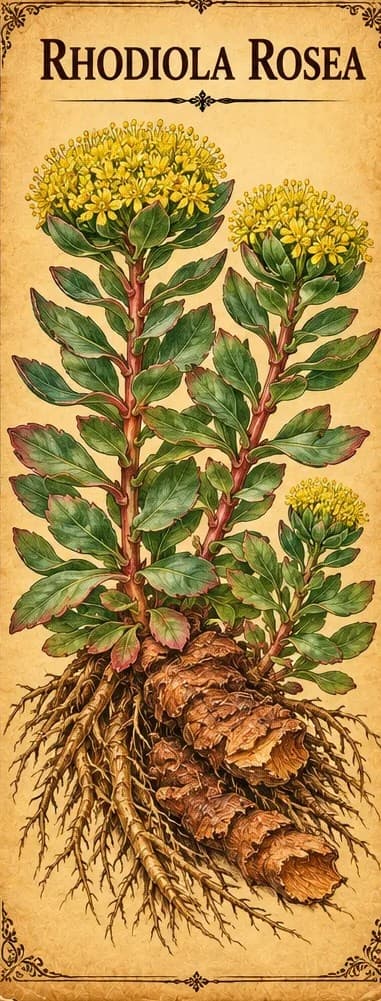 Rhodiola RoseaRhodiola rosea
A traditional EU herbal medicine for relief of stress symptoms such as fatigue and exhaustion.
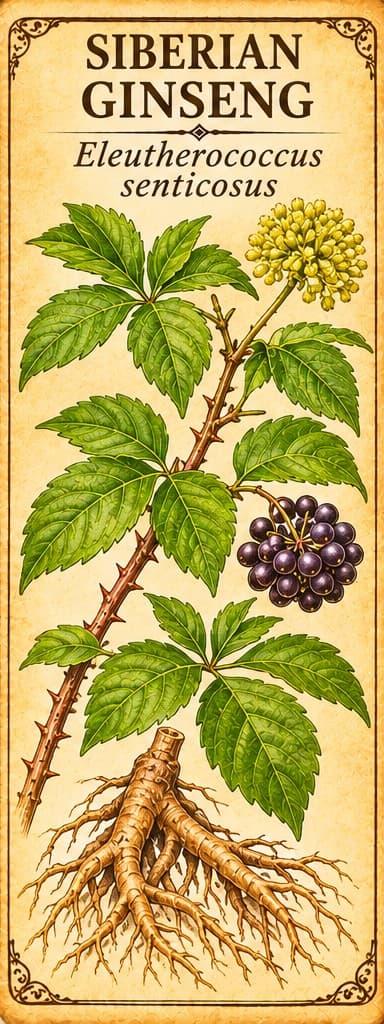 Siberian GinsengEleutherococcus senticosus
Recognized in Europe as a traditional medicine for tiredness and weakness.
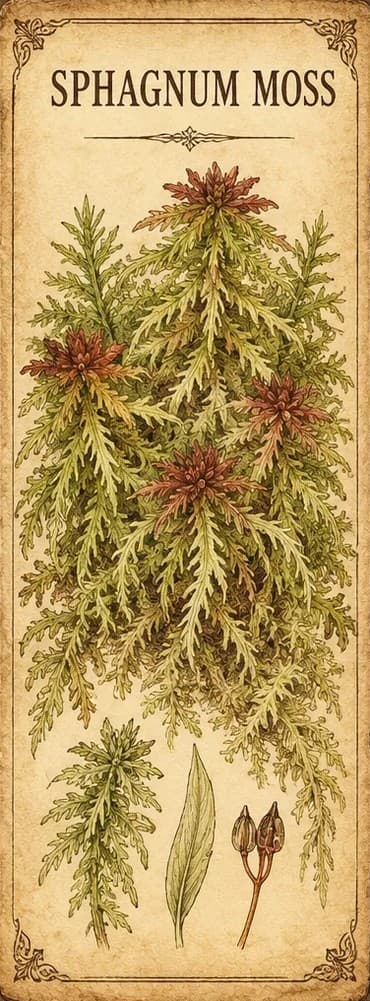 Sphagnum MossSphagnum spp.
Used in Europe as a wound dressing, and as nappies and bedding for babies.
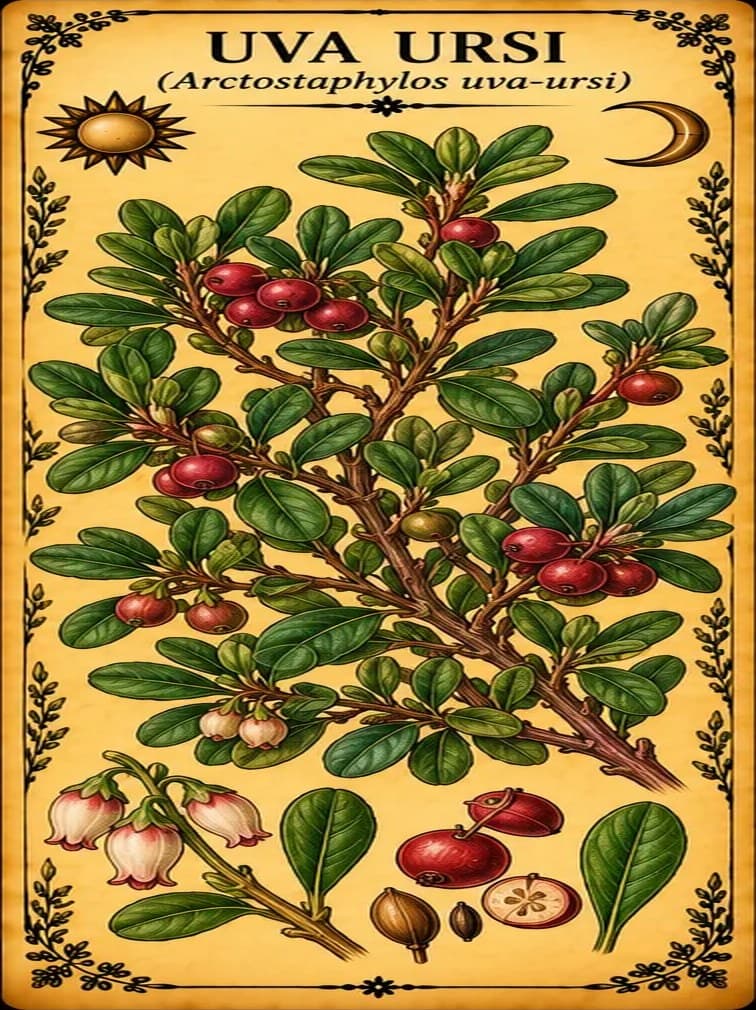 Uva UrsiArctostaphylos uva-ursi
Bearberry leaf has been used in Europe for at least 30 years for mild bladder infections.
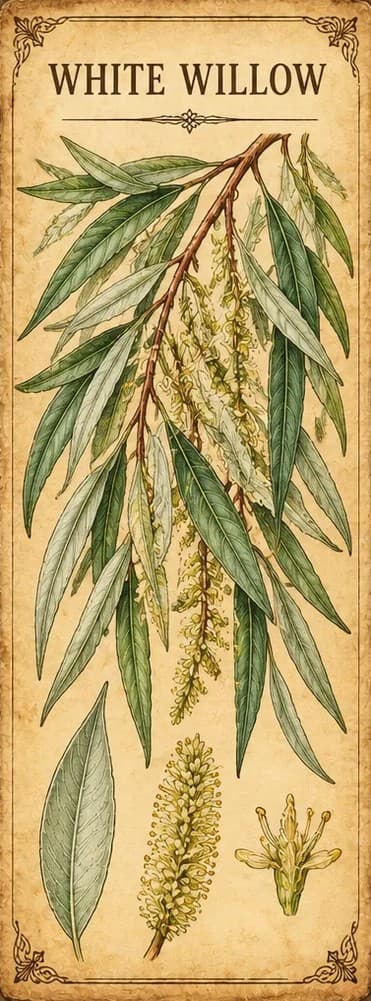 White WillowSalix alba
Recognized in Europe for short-term lower back pain, and traditionally for minor joint pain, fever with colds and headache.
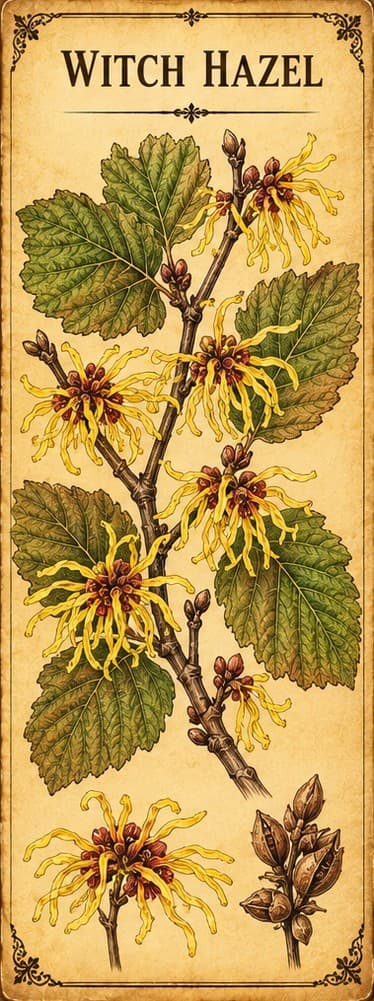 Witch HazelHamamelis virginiana
Recognized in Europe as a traditional herbal medicine for minor skin inflammation, itchy piles and mouth inflammation.
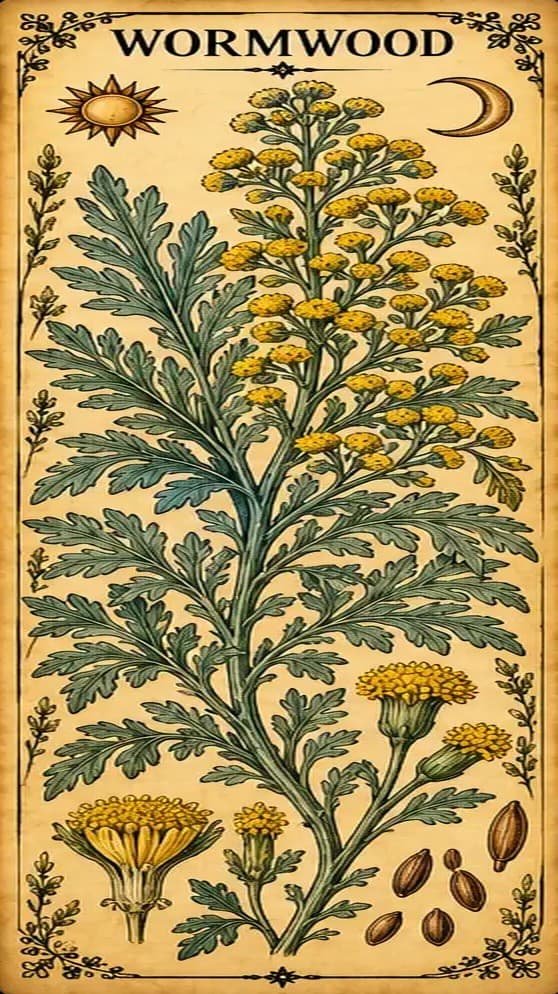 WormwoodArtemisia absinthium
Recognized in Europe as a traditional herbal medicine for loss of appetite and mild stomach and gut complaints.
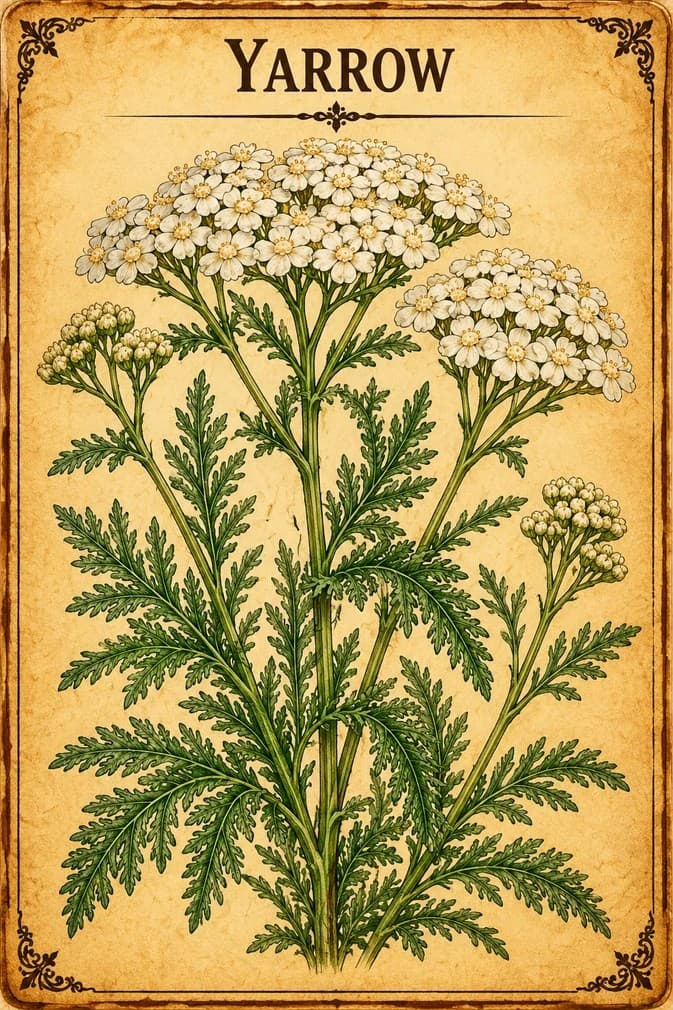 YarrowAchillea millefolium
Recognised in Europe as a traditional remedy for appetite, digestion, period cramps and small wounds.